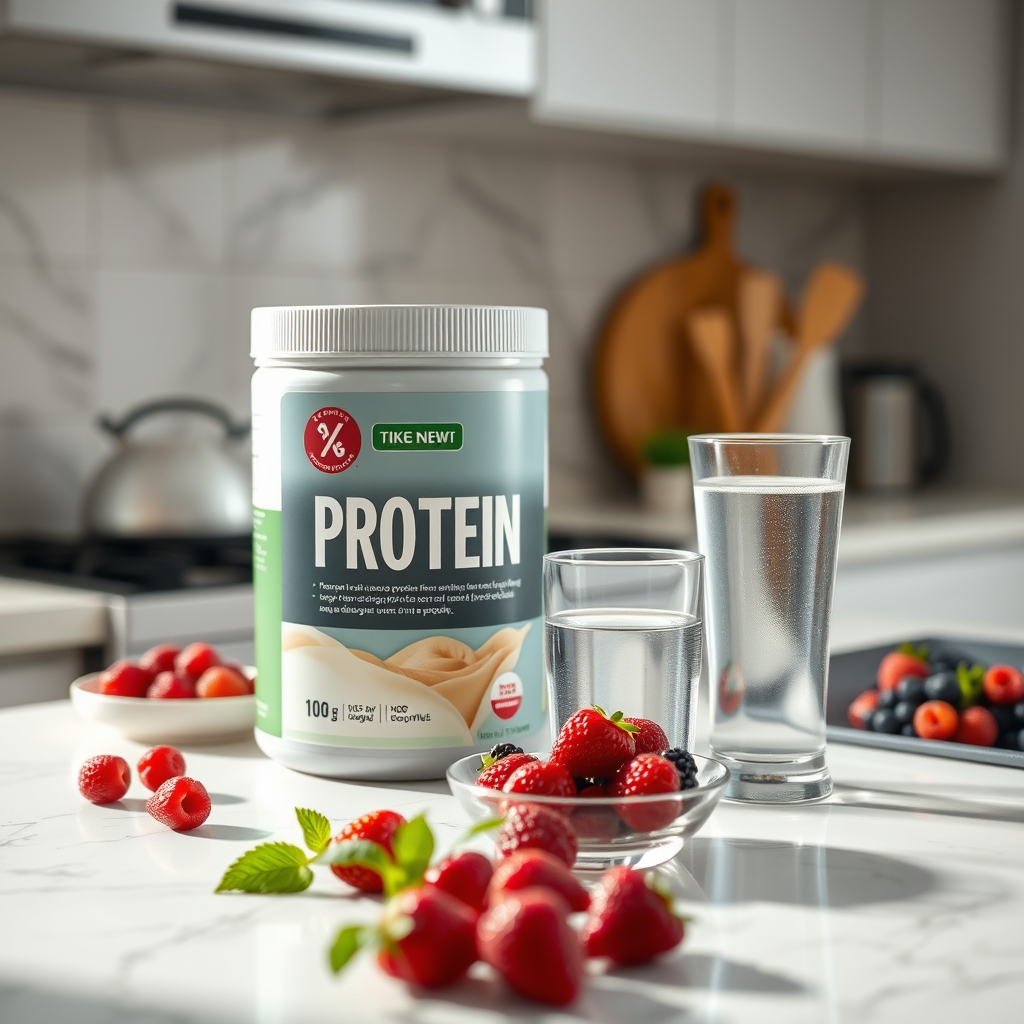
Safe: Protein shakes that are safe for pregnancy can be enjoyed in moderation, with up to 20 g of protein per day during the second and third trimesters.
By Shubhra Mishra — a mom of two who turned her own confusion during pregnancy into BumpBites, a global mission to make food choices clear, safe, and stress-free for every expecting mother. 💛
Check whether any food is safe during pregnancy with the BumpBites Food Safety Checker.
Quick verdict: ⚠️ Talk to your doctor first. Protein shakes can be part of a healthy pregnancy diet, but safety depends on the ingredients, amount, and timing, so you’ll want personalized guidance before making them a regular habit.
It’s easy to feel a flutter of anxiety when you spot a protein shake on the grocery shelf and wonder, “Is this okay for my growing baby?” You’re not alone—many expecting parents have that 3 a.m. pause, especially after a night‑time craving or a post‑workout routine. The short answer is that protein shakes that are safe for pregnancy do exist, but the “safe” label hinges on what’s inside the powder, how much you use, and which trimester you’re in.
In this article we’ll break down the evidence from ACOG, the NHS, and the FDA, walk through trimester‑specific guidance, outline how much protein is appropriate, flag ingredients to avoid, and give you a menu of safer alternatives. By the end you’ll have a clear plan, know when to call your provider, and feel confident that you’re feeding both your body and your baby responsibly.
Whether you’re a fitness enthusiast, a busy professional, or simply looking for a convenient way to meet your protein needs, we’ve gathered the science, the practical tips, and the “what‑if” scenarios so you can decide if a protein shake fits into your prenatal nutrition plan.
Tip: Pair your shake with a piece of fruit for added fiber and micronutrients.
Trimester / Breastfeeding
Verdict
Notes
First trimester
⚠️ Caution
Choose low‑additive, low‑sweetener formulas; avoid raw egg protein and excessive caffeine.
Second trimester
✅ Generally safe
Standard whey or plant‑based powders are fine if total protein stays within recommended range.
Third trimester
✅ Generally safe
Focus on easy‑digestibility; consider adding calcium‑rich ingredients.
Breastfeeding
✅ Generally safe
Supports milk production; stay within daily protein limits.
What are protein shakes?
Protein shakes are liquid beverages made by mixing a protein powder with water, milk, or a plant‑based milk alternative. The powder typically contains a protein source—such as whey, casein, soy, pea, or rice—along with flavorings, sweeteners, vitamins, minerals, and sometimes added probiotics or digestive enzymes. They’re popular for convenience, muscle recovery after exercise, and as a quick way to boost dietary protein without cooking.
During pregnancy, protein becomes especially important because it supports the development of the placenta, fetal tissue, and maternal breast tissue. The recommended daily protein intake rises from about 46 g for a non‑pregnant adult woman to roughly 71 g in the second and third trimesters, according to the Institute of Medicine and NHS guidelines. Protein shakes can help bridge the gap when whole‑food sources are insufficient, but the safety of each shake depends on its ingredient list and how it fits into the overall diet.
There are various types of protein powders, including whey (from dairy), casein (also from dairy, digests slower), and plant-based options like pea, rice, and hemp. Each type offers a different amino acid profile and may be processed differently (e.g., isolates have less fat/lactose than concentrates). Understanding these differences helps in selecting a suitable option for your unique pregnancy needs and dietary preferences.
Is protein shake safe during pregnancy?
C
urrent guidance from the American College of Obstetricians and Gynecologists (ACOG) states that protein supplements are not inherently harmful, but they should be used with caution and under a provider’s supervision, especially in the first trimester when organ formation is most sensitive. The NHS echoes this, recommending that pregnant people choose products without excessive added sugars, artificial sweeteners, or untested herbal extracts.
From a safety perspective, the main concerns revolve around contaminants (like heavy metals), high levels of added caffeine, and certain protein sources that may carry a risk of bacterial contamination—most notably raw egg protein powders. The FDA monitors supplement labeling, but because protein powders are classified as dietary supplements, they are not subject to the same pre‑market safety testing as pharmaceuticals. Therefore, selecting reputable brands that undergo third‑party testing is essential.
Most studies on protein supplementation in pregnancy focus on general maternal outcomes rather than specific brands. A 2020 systematic review in the American Journal of Clinical Nutrition found that moderate protein supplementation (approximately 20 g extra per day) was associated with modest improvements in birth weight without increasing adverse outcomes. However, the review emphasized that excessive protein (>100 g/day) could increase the risk of gestational diabetes and kidney strain. We recommend prioritizing whole food protein sources, using shakes as a convenient supplement rather than a primary protein source.
In short, protein shakes that are safe for pregnancy are those that are low in added sugars, free of raw egg or unpasteurized dairy, and consumed within the recommended protein range. Always check the label, and discuss any supplement with your obstetric provider.
Are protein shakes safe during first trimester
The first trimester is the period of organogenesis, when the baby’s major organs are forming. Because this window is most vulnerable to teratogens (substances that can cause birth defects), ACOG advises pregnant people to be especially selective about supplements. Protein shakes can be safe, but you should choose formulas that are free of potentially harmful additives.
Key points for the first trimester:
Low‑additive formulas: Opt for powders without artificial colors, excessive sweeteners, or herbal blends that lack pregnancy safety data.
Avoid raw egg protein: Unpasteurized egg powders can harbor Salmonella, which poses a risk to both mother and fetus.
Limit caffeine to less than 200 mg per day, as recommended by the FDA for pregnant people; many chocolate‑flavored shakes contain caffeine.
If you follow these guidelines, a single serving (about 20‑30 g of protein) is unlikely to cause harm. However, because individual tolerances vary, it’s best to discuss your specific product with your provider before making it a routine part of your diet. Your body is undergoing significant changes, and being cautious about what you consume is a natural and wise approach.
Are protein shakes safe during second trimester?
By the second trimester, many of the initial pregnancy discomforts like morning sickness may have subsided, and your baby is undergoing rapid growth. Your protein needs continue to be elevated, making protein shakes a convenient way to support both your energy levels and fetal development. Focus on maintaining a balanced diet, and if you opt for a shake, ensure it remains low in unnecessary additives.
Are protein shakes safe during third trimester?
As you approach your due date, protein remains critical for your baby's final weight gain and brain development, as well as for preparing your body for labor and breastfeeding. In the third trimester, digestive comfort can become a concern due to the growing uterus. Easily digestible protein shakes, particularly plant-based options or whey isolates, can be a gentle way to meet your protein requirements without causing extra digestive strain.
Protein shake dosage for pregnant women
Determining the right amount of protein shake hinges on your total daily protein needs, which increase to roughly 71 g in the second and third trimesters. If you’re already meeting this target through whole foods—lean meats, beans, dairy, nuts, and seeds—your shake may serve more as a convenience than a necessity.
General dosage guidelines:
One serving (typically 20‑30 g of protein) per day is safe for most pregnant people when combined with a balanced diet.
Two servings may be acceptable if you have higher protein requirements (e.g., athletes, women with higher BMI) but should not exceed a total of 60 g from supplements.
Maximum total protein: Stay under 100 g from all sources, per the Institute of Medicine’s upper limit for pregnant adults.
When choosing a brand, look for third‑party certifications such as NSF Certified for Sport or USP Verified, which indicate that the product has been tested for contaminants and label accuracy. These certifications provide an extra layer of assurance for expectant parents. Below is a quick reference for popular, reputable options.
Brand
Protein (g per serving)
Key safety notes
Ensure Clear Protein Drink
20
Low sugar, no artificial sweeteners, FDA‑approved ingredients.
Orgain Organic Protein Powder
21
Organic, plant‑based, free of soy and gluten, third‑party tested.
Garden of Life RAW Organic Protein
22
Cold‑processed, gluten‑free, includes probiotics, no added hormones.
Vega Sport Performance Protein
30
Pea‑based, low‑sugar, certified vegan, free of GMOs.
NOW Sports Pea Protein
24
Simple ingredient list, no sweeteners, USP verified.
Mama Natural Protein Powder
20
Specifically marketed for pregnancy, includes iron and calcium.
Best protein powder alternatives during pregnancy
If you’re hesitant about traditional protein powders, there are several whole‑food alternatives that provide similar nutritional benefits without the concerns of additives or processing. These options offer a broad spectrum of micronutrients and fiber, which are crucial during pregnancy.
Greek yogurt – Offers ~10 g of protein per 100 g and contains calcium and probiotics, supporting bone health and digestion.
Cottage cheese – High in casein protein, which digests slowly and can help sustain amino acid supply, keeping you feeling full longer.
Silken tofu – A versatile plant‑based source with about 8 g of protein per 100 g, easily blended into smoothies for a creamy texture.
Lentil or bean soups – Provide protein, fiber, and iron, supporting both maternal health and fetal development; excellent for gut health.
Nut butters – Peanut, almond, or cashew butter add protein and healthy fats; watch portion size to control calories, and choose natural, unsweetened varieties.
Eggs (cooked) – A complete protein with essential amino acids; ensure they’re fully cooked to avoid Salmonella, and they're incredibly versatile.
Quinoa – A complete plant-based protein that can be added to salads or used as a side dish, offering fiber and essential minerals.
Is whey protein safe for pregnant women
Whey protein, derived from milk, is one of the most studied protein sources and is generally regarded as safe for pregnant people when the product is pure, pasteurized, and free of added stimulants. The NHS lists whey as a “good source of high‑quality protein” and does not flag it as a teratogen.
Key considerations for whey protein:
Pasteurization eliminates potential bacterial contamination, making it safer than raw milk‑based powders.
Low‑lactose options (like whey isolate) are beneficial for those who develop lactose intolerance during pregnancy.
Added sugars should be limited; many flavored whey powders contain high fructose corn syrup or sucrose, which can contribute to excess weight gain.
Whey protein provides a complete amino acid profile, meaning it contains all nine essential amino acids necessary for building and repairing tissues—vital for both maternal and fetal health. When you choose a reputable whey protein—such as those that carry third‑party testing for heavy metals—you can comfortably incorporate one serving per day into your prenatal nutrition plan, provided you stay within the overall protein limits discussed earlier.
Is Plant-Based Protein Powder Safe for Pregnancy?
Plant-based protein powders, such as those made from pea, rice, hemp, or soy, are excellent alternatives for pregnant individuals with dairy allergies, lactose intolerance, or those following a vegan diet. Pea protein is a popular choice due to its digestibility and complete amino acid profile. Rice protein is often hypoallergenic, while hemp protein offers additional healthy fats and fiber. When choosing a plant-based blend, ensure it provides a complete amino acid profile, as single-source plant proteins may be deficient in certain essential amino acids.
Risks of taking protein shakes while pregnant
While most protein shakes are safe when chosen wisely, there are several ingredient-related risks to keep on your radar:
Excess protein can increase the workload on the kidneys and may raise the risk of gestational diabetes, especially if paired with high‑carb additives.
Heavy metal contamination (lead, arsenic, cadmium) has been detected in some low‑cost powders; third‑party testing mitigates this risk by verifying purity.
Artificial sweeteners like sucralose and acesulfame potassium are considered safe in moderate amounts by the FDA, but some clinicians prefer to limit them during pregnancy due to ongoing research into long-term effects.
Undisclosed or untested herbal ingredients are a major concern. Many "proprietary blends" contain herbs with no safety data for pregnancy, some of which may even be contraindicated.
Over-fortification with vitamins and minerals can be an issue. If you're already taking a prenatal vitamin, excessive additional intake of certain nutrients (like Vitamin A or iron) from a shake could be harmful.
Always scrutinize ingredient lists, and prioritize products with minimal, recognizable ingredients. If you have any concerns about specific ingredients, consult your obstetric provider or a registered dietitian.
Protein shakes for pregnancy with gestational diabetes
Gestational diabetes (GDM) requires careful monitoring of carbohydrate intake. Many protein powders are low in carbs, making them a convenient way to meet protein goals without spiking blood sugar. However, you must watch for hidden sugars, maltodextrin (a high-glycemic carb), or carbohydrate‑rich flavorings that can impact blood glucose levels.
Guidelines from the American Diabetes Association (ADA) suggest that pregnant individuals with GDM aim for a carbohydrate intake of 30‑45 g per meal, with protein comprising about 20‑30 % of total calories. A plain, unsweetened whey or pea protein shake (≈20 g protein, <5 g carbs) fits well within these parameters.
When selecting a shake for GDM:
Choose unsweetened or low‑sweetener varieties.
Check the net carbohydrate count on the label; aim for <10 g per serving.
Pair the shake with fiber‑rich foods (e.g., a handful of berries) to moderate glucose absorption and promote satiety.
Always coordinate with your diabetes care team to tailor the protein shake’s timing (e.g., after a workout or as a snack) to your glucose monitoring schedule. Protein can help stabilize blood sugar and reduce post-meal spikes when consumed thoughtfully.
Pair an unsweetened shake with fiber‑rich fruit to stabilize blood sugar.
Side effects and risks
Most pregnant people tolerate protein shakes well, but a few bodily reactions may arise:
Digestive upset – Bloating, gas, or mild diarrhea can occur, especially with whey concentrate (due to lactose) or soy powders. Starting with half a serving and gradually increasing can help your gut adjust, as can ensuring adequate fluid intake.
Allergic reactions – If you have a known dairy, soy, or pea allergy, choose a hypoallergenic alternative and monitor for rash, itching, or swelling. Severe reactions like difficulty breathing require immediate medical attention.
Kidney strain – Excessive protein (>100 g/day) can increase nitrogen waste, potentially stressing the kidneys. This is especially relevant if you have pre‑existing kidney issues or are not adequately hydrated.
Weight gain – Protein shakes add calories; if you’re not adjusting other dietary components, you might gain more weight than recommended. Always consider the shake's calorie content within your overall daily intake.
Most of these issues are manageable with portion control, choosing clean‑label products, and staying hydrated. However, if you notice severe abdominal pain, persistent vomiting, or signs of high blood sugar (excessive thirst, frequent urination), contact your provider promptly.
Recommended Pregnancy-Safe Protein Powder Brands
When selecting a protein powder, look for brands that prioritize transparency and third-party testing. These options are generally well-regarded for their cleaner ingredient profiles and suitability for pregnancy, provided they align with your dietary needs and your doctor's advice.
Ensure Clear Protein Drink – Low‑sugar, FDA‑approved ingredients, and easy on the stomach, making it a reliable choice.
Orgain Organic Protein Powder – Certified organic, plant‑based, and free of soy and gluten; excellent for those with sensitivities.
Garden of Life RAW Organic Protein – Cold‑processed, gluten‑free, and includes probiotics for gut health support during pregnancy.
Vega Sport Performance Protein – A pea‑based option that is low‑sweetener, certified vegan, and free of GMOs, catering to active individuals.
NOW Sports Pea Protein – Features a simple ingredient list with no added sugars or artificial flavors, making it a very clean option.
Mama Natural Protein Powder – Specifically formulated for pregnancy, this product includes beneficial nutrients like iron and calcium.
Related items — safety at a glance
Item
Verdict
One‑line note
Pre‑workout supplements
❌ Best avoided
Often contain high caffeine and stimulants unsafe for pregnancy.
Mass gainers
⚠️ Talk to your doctor
High calorie, sugar, and creatine content may be risky.
Often derived from animal sources; limited safety data.
Meal replacement shakes
⚠️ Talk to your doctor
May contain high levels of vitamins/minerals; balance with whole foods.
Myth vs. fact
Myth: All protein shakes are safe because they’re “just protein.”
Fact: The safety of a protein shake depends on its ingredients, added sugars, and contaminant testing; not every product is pregnancy‑friendly.
Myth: More protein always means a healthier pregnancy.
Fact: Excess protein can increase the risk of gestational diabetes and place extra strain on the kidneys; balance is key.
Myth: You can’t have any protein supplement if you have gestational diabetes.
Fact: Low‑carb, unsweetened protein powders can be part of a GDM‑friendly diet when monitored by your care team.
Myth: Protein shakes are only for serious athletes or bodybuilders.
Fact: While popular with athletes, protein shakes are also a convenient way for busy pregnant people to meet increased protein needs or supplement a diet that might be lacking.
Key takeaways
Protein shakes can be safe, but choose low‑additive, third‑party‑tested brands.
One serving (20‑30 g protein) per day usually fits within pregnancy protein needs.
Avoid raw egg protein, excess caffeine, and high‑sugar formulations, especially in the first trimester.
For gestational diabetes, pick unsweetened, low‑carb options and pair with fiber.
Watch for digestive upset, allergic reactions, or signs of excess protein intake.
Always discuss any supplement with your obstetric provider before starting.
Frequently asked questions
Can I drink protein shakes while breastfeeding?
Yes, most protein shakes are safe while breastfeeding if you stay within the recommended protein range (about 71 g per day) and avoid excessive added sugars or caffeine. Adequate protein supports your energy levels and milk production.
How much protein do I need during pregnancy?
The average pregnant person needs roughly 71 g of protein per day in the second and third trimesters, which can be met through a combination of whole foods and, if needed, a protein shake. Your specific needs may vary based on activity level.
What are the benefits of protein shakes during pregnancy?
Protein shakes offer a convenient way to meet increased protein requirements, support fetal tissue growth, and help maintain maternal muscle mass, especially for busy or active expectant mothers. They can also aid in satiety and blood sugar control.
Can protein shakes cause miscarriage?
There is no evidence that protein shakes cause miscarriage when they are free of harmful additives; the primary concern is avoiding teratogenic ingredients in the first trimester. Always choose reputable, third-party tested brands.
Are protein shakes safe during second trimester?
Yes, most low‑additive protein shakes are considered safe in the second trimester, provided they fit within your overall protein intake and do not contain prohibited ingredients. This trimester sees rapid fetal growth, increasing protein demands.
Can I take protein shakes with prenatal vitamins?
Generally you can, but be mindful of overlapping nutrients (like iron or calcium) that could affect absorption or lead to excessive intake; spacing them a few hours apart is a common recommendation. Always check labels.
Do protein shakes help with pregnancy cravings?
Protein shakes can curb cravings by providing satiety and steady energy, especially when blended with fruit or fiber‑rich ingredients. Protein helps you feel fuller for longer, which can reduce the urge for less nutritious snacks.
Are protein shakes good for morning sickness?
For some, a cold, bland protein shake can be easier to tolerate than solid food during morning sickness, providing essential nutrients without exacerbating nausea. Opt for unflavored or mildly flavored options and sip slowly.
Can protein shakes replace a meal during pregnancy?
While convenient, protein shakes should not regularly replace full meals. They often lack the complete spectrum of fiber, healthy fats, and micronutrients found in a balanced meal. Use them as a supplement or a substantial snack.
When to call your doctor
If you notice any of the following, contact your obstetric provider promptly:
Severe abdominal pain, persistent bloating, or intractable diarrhea after consuming a shake.
Signs of a severe allergic reaction: hives, facial swelling, difficulty breathing or swallowing.
Unexplained rapid weight gain (>2 lb per week) or significant, sudden swelling in your hands, face, or feet.
Consistently elevated blood sugar readings if you have gestational diabetes, despite careful monitoring.
Persistent nausea or vomiting that prevents you from keeping down fluids, leading to signs of dehydration.
These symptoms may signal a need for medical evaluation. Remember, this article provides general information and does not replace personalized medical advice from your healthcare provider.
References
American College of Obstetricians and Gynecologists. “Nutrition During Pregnancy.” ACOG Committee Opinion No. 804, 2020.
National Health Service (UK). “Food and Drink: Nutrition During Pregnancy.” Updated 2022.
U.S. Food and Drug Administration. “Dietary Supplements: What You Need to Know.” 2023.
American Diabetes Association. “Gestational Diabetes Mellitus.” Standards of Care, 2023.
Institute of Medicine. “Dietary Reference Intakes for Energy, Carbohydrate, Fiber, Fat, Fatty Acids, Cholesterol, Protein, and Amino Acids.” 2005.
American Journal of Clinical Nutrition. “Protein supplementation in pregnancy: a systematic review.” 2020.
Centers for Disease Control and Prevention. “Pregnancy and Nutrition.” 2022.
World Health Organization. “Guidelines on Nutrition for Pregnant Women.” 2021.
Not sure about the label on Is Protein Shakes That Are Safe During Pregnancy products?
Snap the ingredients list and SafeFilter checks every ingredient for your stage — only 3 free scans this month, then you're locked until reset. Unlimited from $7/mo or $50/yr.
When Shubhra Mishra was expecting her first child in 2016, she was overwhelmed by conflicting food advice — one site said yes, another said never. By the time her second baby arrived in 2019, she realized millions of mothers face the same confusion.
That sparked a five-year journey through clinical nutrition papers, cultural diets, and expert conversations — all leading to BumpBites: a calm, compassionate space where science meets everyday motherhood.
Her long-term vision is to build a global community ensuring safe, supported, and free deliveriesfor every mother — because no woman should face pregnancy alone or uninformed. 🌿
🌍 Stand with mothers, shape safer guidance
Join a small circle of experts who review BumpBites articles so expecting parents everywhere can decide with confidence.