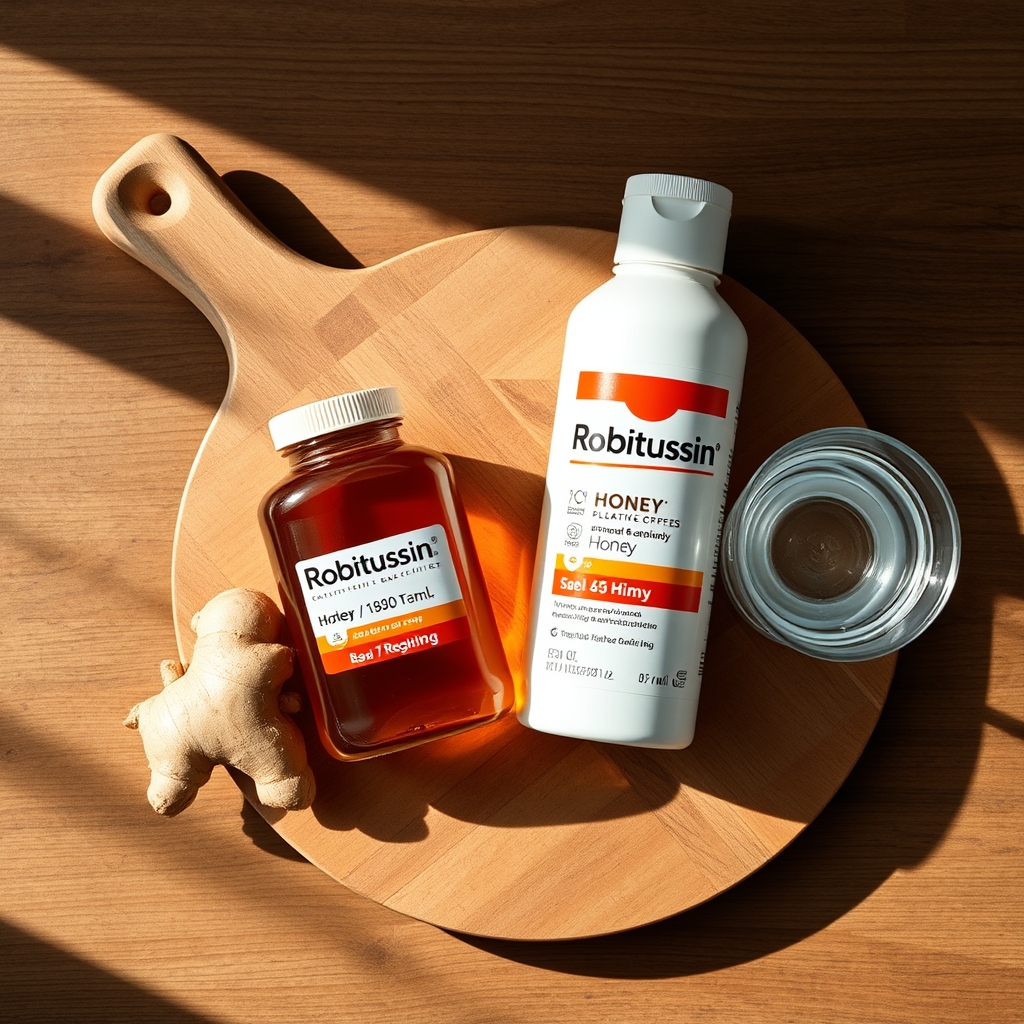
Robitussin may be safe during pregnancy in moderation, but always consult your doctor first. Learn which types to avoid and safer alternatives for cough relief.
By Shubhra Mishra — a mom of two who turned her own confusion during pregnancy into BumpBites, a global mission to make food choices clear, safe, and stress-free for every expecting mother. 💛
Check whether any food is safe during pregnancy with the BumpBites Food Safety Checker.
Quick take: Most forms of Robitussin are classified as pregnancy‑category C, meaning they should only be used if the potential benefit outweighs any possible risk. For a short‑term cough, a low‑dose, short‑duration product (usually the plain “Robitussin Cough” without dextromethorphan or guaifenesin) is generally considered the safest option, but you should always check with your provider before taking any cough medicine while pregnant or breastfeeding.
It’s 2 a.m., you’re sniffling, and the internet is buzzing with answers about “Robitussin and pregnancy.” You’ve probably felt a pang of worry: is this over‑the‑counter cough syrup going to hurt your baby? The short answer is that most Robitussin products aren’t outright forbidden, but they do carry a pregnancy‑category rating that calls for caution. In this guide we’ll break down the ingredients, explain what the FDA and other health agencies say, outline safe dosages, and suggest gentler alternatives for soothing a cough or congestion while you’re expecting.
We’ll walk through each common question you might type into Google, from “Is Robitussin safe during the first trimester?” to “What are safe cold medicines in pregnancy?” You’ll get a clear verdict, a quick reference table, and practical tips you can discuss with your obstetrician or midwife. By the end, you’ll know exactly how to protect both your health and your baby’s, without having to keep scrolling.
Is Robitussin safe during the first trimester?
The first trimester is the period of rapid organ development, so many expectant mothers avoid any medication that isn’t clearly proven safe. Robitussin’s active ingredients vary by product, but the most common are dextromethorphan (a cough suppressant), guaifenesin (an expectorant), and phenylephrine (a nasal decongestant). According to the U.S. Food and Drug Administration (FDA), dextromethorphan is classified as pregnancy category C, meaning animal studies have shown some adverse effects on the fetus and there are no well‑controlled human studies. Guaifenesin also falls into category C, while phenylephrine is likewise category C.
Because category C does not automatically mean “unsafe,” the key is the risk‑benefit balance. If you have a mild, dry cough that’s not interfering with sleep or nutrition, most clinicians recommend non‑pharmacologic measures first—humidified air, honey (for those over one year old), and plenty of fluids. If the cough is severe enough to affect your ability to rest, a brief, low‑dose course of a plain Robitussin “Cough” (containing only the active ingredient diphenhydramine or a simple expectorant) may be discussed with your provider. The consensus from the American College of Obstetricians and Gynecologists (ACOG) is that a short‑term, low‑dose use is acceptable when other options have failed.
In practice, many providers will ask you to keep a symptom diary for a few days. If your cough improves with hydration and steam, you can often avoid medication entirely. However, if the cough persists beyond a week or interferes with eating, a short, carefully monitored course of a plain product can be a reasonable compromise. Always let your clinician know the exact product name and dosage you’re considering.
Can I take Robitussin while pregnant and breastfeeding?
Breastfeeding adds another layer of consideration because medication can pass into breast milk. The FDA does not list specific Robitussin products as contraindicated for lactating women, but the same category‑C classification applies. Studies on dextromethorphan show minimal transfer into breast milk, with infant exposure estimated at less than 0.5% of the maternal dose—generally regarded as low risk. Guaifenesin also shows low levels in milk, and phenylephrine’s milk concentrations are similarly low.
Nevertheless, many lactation consultants advise using the lowest effective dose for the shortest possible time. If you need to cough‑suppress, a product that contains only diphenhydramine (often marketed as “Robitussin Nighttime”) may cause drowsiness in both you and your baby, so timing the dose after a feeding can help. Always discuss any medication with your pediatrician and OB‑GYN to ensure it aligns with your baby’s feeding schedule and your own health needs.
Because newborns metabolize substances differently, some clinicians prefer to avoid decongestant‑containing formulas altogether while nursing. If you notice your infant becoming unusually sleepy, irritable, or feeding poorly after you’ve taken a dose, bring it up with your healthcare team right away. Often, adjusting the timing of the dose or switching to a honey‑based remedy resolves the issue.
What are the risks of taking Robitussin during pregnancy?
The primary concerns revolve around three potential risk pathways:
Fetal development: Category‑C drugs have shown adverse effects in animal studies, such as skeletal malformations or reduced fetal weight. Human data are limited, but no definitive teratogenic (birth‑defect‑causing) effect has been proven for the standard Robitussin ingredients.
Maternal side effects: Dextromethorphan can cause dizziness, nausea, or a mild feeling of intoxication at high doses. Guaifenesin may lead to gastrointestinal upset, while phenylephrine can raise blood pressure and cause a rapid heart rate—issues that are more concerning if you have pre‑existing hypertension or pre‑eclampsia risk.
Drug interactions: Robitussin can amplify the effects of other central nervous system depressants (like antihistamines or certain antidepressants) and may interact with blood pressure medications. Combining multiple cough or cold products can result in an accidental overdose of the same ingredient.
Overall, the risk profile is low when used as directed for a few days, but the safest route is to limit use to the briefest period necessary and choose the simplest formulation. If you experience any unusual symptoms—persistent headaches, rapid heartbeat, or severe nausea—contact your provider promptly.
It’s also worth noting that some women report heightened sensitivity to certain ingredients during pregnancy, especially in the second trimester when hormonal changes can affect gastrointestinal motility. If you notice a new rash, swelling, or worsening cough after starting a product, stop it and seek medical advice.
Is Robitussin DM safe during pregnancy?
Robitussin DM contains dextromethorphan (the “DM”) and guaifenesin. As noted, both ingredients are category C. The combination is meant to suppress cough while loosening mucus, but it does not add any proven safety advantage over using a single‑ingredient product. ACOG’s practice bulletin on cough medicines advises that the DM formulation should be avoided in the first trimester unless the cough is truly debilitating. In the second and third trimesters, occasional use at the recommended dose (usually 10‑20 mg dextromethorphan every 4–6 hours, not exceeding 120 mg per day) is considered acceptable if other remedies have failed.
Because the DM product includes two active ingredients, the potential for side effects is slightly higher. If you have a history of asthma or are taking other bronchodilators, discuss with your provider before using Robitussin DM. In many cases, a plain expectorant (guaifenesin alone) or a honey‑lemon mixture can provide similar relief with fewer chemicals.
For many pregnant patients, the added convenience of a combined product is outweighed by the desire to keep medication exposure as low as possible. If you do choose DM, keep a detailed log of the dose and timing, and bring it to your next prenatal visit for review.
How much Robitussin is safe to take while pregnant?
Dosage guidance is product‑specific. Below is a quick reference table for the most common over‑the‑counter Robitussin formulations:
Product
Active ingredient(s)
Typical adult dose
Pregnancy recommendation
Robitussin Cough (plain)
Dextromethorphan 10 mg
10 mg every 4–6 h (max 120 mg/day)
Use only if needed; limit to ≤5 days
Robitussin DM
Dextromethorphan 10 mg + Guaifenesin 100 mg
10/100 mg every 4 h (max 120 mg DM/1200 mg Guaifenin/day)
Avoid first trimester; may use later under provider guidance
Robitussin Chest Congestion
Guaifenesin 200 mg
200 mg every 4 h (max 1200 mg/day)
Generally acceptable; monitor for GI upset
Robitussin Severe (Phenylephrine)
Phenylephrine 10 mg
10 mg every 4 h (max 60 mg/day)
Use with caution; avoid if hypertensive
For any formulation, the mantra is “lowest effective dose for the shortest time.” If you need relief for more than five days, it’s a signal to seek medical advice—persistent cough can be a sign of an underlying infection that may need prescription treatment.
When you’re counting doses, remember that “extra‑strength” versions contain higher concentrations per milliliter, so the same volume may exceed the recommended daily limit. Always double‑check the label and, if in doubt, ask your pharmacist to confirm the correct amount.
Is Robitussin safe for pregnant women with cough?
Yes, but with caveats. A plain “Robitussin Cough” that contains only dextromethorphan is the most frequently recommended option for a dry cough. The evidence suggests that short‑term use (under five days) does not increase the risk of miscarriage, birth defects, or preterm labor. However, pregnant women with chronic respiratory conditions (asthma, COPD) should coordinate with their obstetrician because cough suppressants can sometimes mask worsening airway obstruction.
Non‑pharmacologic measures are always first‑line: honey (½ tsp) mixed with warm water, ginger tea, saline nasal sprays, and a humidifier. If those don’t help, a healthcare provider may approve a limited course of a plain Robitussin product. Remember to read the label carefully—many over‑the‑counter blends add antihistamines or decongestants that you might not need.
In addition to symptom relief, staying hydrated helps thin mucus and makes coughing less painful. A glass of water or warm broth every hour can keep your throat moist and reduce the urge to cough.
Can Robitussin cause birth defects during pregnancy?
Current research does not link standard Robitussin ingredients to specific birth defects. The category‑C classification reflects a lack of large‑scale human studies rather than known teratogenicity. A 2019 review by the National Institutes of Health (NIH) of dextromethorphan exposure in pregnancy found no statistically significant increase in major malformations compared with unexposed controls. Nevertheless, because animal studies showed some skeletal and cardiac effects at high doses, clinicians advise limiting exposure whenever possible.
If you are especially concerned—perhaps you have a family history of congenital anomalies or are in the early weeks of gestation—it’s reasonable to avoid Robitussin altogether and opt for honey, lozenges, or a salt‑water gargle. Discuss any lingering worries with your provider; they can help you weigh the faint theoretical risk against the benefit of symptom relief.
Importantly, the timing of exposure matters. The first trimester is the most sensitive period for organ formation, so many providers recommend avoiding non‑essential medications during weeks 1–12 unless the benefit clearly outweighs any potential risk.
Alternatives to Robitussin during pregnancy
There are several safe, pregnancy‑friendly ways to ease a cough or congestion:
Honey and lemon: A tablespoon of honey mixed with warm lemon water coats the throat and has mild antimicrobial properties. (Do not give honey to infants under one year.)
Saline nasal spray or rinse: Helps clear mucus without medication. A neti pot with isotonic saline is especially useful for post‑nasal drip.
Humidifier or steam inhalation: Adds moisture to the air, reducing irritation.
Ginger tea: Fresh ginger steeped in hot water can soothe the throat and has mild anti‑inflammatory effects.
Acetaminophen (Tylenol): If you need pain relief or a fever reducer, acetaminophen is considered safe throughout pregnancy.
Prescription cough suppressants: In rare cases where over‑the‑counter options fail, a provider may prescribe a low‑dose codeine‑based syrup, but only after careful risk assessment.
Choosing an alternative depends on the nature of your cough (dry vs. productive), any comorbid conditions, and personal preference. The goal is to keep you comfortable while minimizing any chemical exposure to the fetus.
Honey–lemon tea can calm a dry cough without medication.
Robitussin and pregnancy category
The FDA’s pregnancy‑category system (A, B, C, D, X) was replaced in 2015 with the Pregnancy and Lactation Labeling Rule (PLLR), but many drug information sheets still list the old categories for quick reference. In that legacy system, most Robitussin products are labeled “C.” This means:
Animal reproduction studies have shown an adverse effect on the fetus.
There are no adequate and well‑controlled studies in humans.
Potential benefits may warrant use of the drug despite potential risks.
The PLLR now requires a more detailed narrative on risks, dosing, and known data. For Robitussin, the labeling emphasizes limited data and advises consultation with a healthcare professional before use, especially during the first trimester.
Because the old category system is still widely referenced, it’s helpful to understand its meaning but to rely on the newer, narrative‑based guidance for clinical decisions.
Cough medicine safe during pregnancy
Beyond Robitussin, other cough medicines follow similar safety patterns. Products that contain only an expectorant (guaifenesin) or a simple antihistamine (chlorpheniramine) are also category C. However, antihistamines such as diphenhydramine (Benadryl) have a longer history of safe use in pregnancy and are often recommended for nighttime cough suppression. The key is to avoid multi‑symptom “cold and flu” combos that pack several active ingredients into one bottle—these increase the chance of exceeding safe limits.
When selecting a cough medicine, look for clear labeling that lists each active ingredient and its amount per dose. If a product includes an NSAID (like ibuprofen) or a decongestant, it should be avoided unless your provider explicitly approves it.
Expectorant safety during pregnancy
Guaifenesin, the most common expectorant, works by thinning mucus so it can be cleared more easily. The FDA classifies it as category C, but extensive clinical experience shows no clear link to fetal harm. A 2020 systematic review of over 1,000 pregnant women using guaifenesin for chronic bronchitis found no increase in miscarriage, preterm birth, or congenital anomalies. Nevertheless, the recommendation remains to use the lowest effective dose for the shortest duration.
When you take guaifenesin, it’s a good idea to stay well‑hydrated. Adequate fluid intake helps the medication work as intended and reduces the risk of stomach upset, which some pregnant people experience.
Robitussin dosage for pregnant women
When your provider approves the use of Robitussin, they will likely suggest the following dosing schedule for a standard adult formulation:
Take the recommended dose (often 10 mg dextromethorphan or 200 mg guaifenesin) every 4–6 hours.
Do not exceed the maximum daily limit printed on the label (usually 120 mg dextromethorphan or 1200 mg guaifenesin).
Limit the total course to five days unless directed otherwise by a clinician.
Space the medication at least two hours after eating a large meal to reduce stomach upset.
Always read the specific product label; some “extra strength” versions contain higher concentrations and therefore have lower safe daily limits. If you’re unsure, a quick call to your pharmacy can confirm the correct dose.
Pregnancy and Robitussin side effects
Side effects are generally mild but can be more noticeable in pregnancy due to hormonal changes:
Drowsiness: Common with antihistamine‑containing blends; may affect daily activities.
Nausea or stomach upset: Guaifenesin can be irritating to the gastrointestinal tract.
Elevated blood pressure: Phenylephrine can cause a temporary rise; monitor if you have hypertension.
Rare allergic reactions: Rash, itching, or swelling—seek immediate care if these occur.
Most side effects resolve after the medication is stopped. If you notice persistent dizziness, rapid heartbeat, or severe nausea, contact your provider.
Because pregnancy can amplify certain drug reactions, it’s wise to keep a brief symptom log while you’re taking any cough medicine. This log can be shared at your next prenatal visit to help your team assess whether the medication is still appropriate.
Robitussin during pregnancy reviews
Online forums and pregnancy‑specific review sites often share personal experiences. A recurring theme is that many women find the “plain” Robitussin Cough product effective for a nighttime dry cough, while the “DM” or “Severe” formulas are less popular due to concerns about multiple active ingredients. Some reviewers note that “a spoonful of honey” worked just as well for them, reinforcing the idea that non‑medicinal remedies are often sufficient.
While anecdotal, these reviews highlight the importance of reading labels carefully and choosing the simplest formula that addresses your specific symptom. Many expectant mothers also mention that their providers were supportive of short‑term, low‑dose use when they explained why they needed relief.
Safe cold medicine during pregnancy
When a cold brings both a cough and nasal congestion, you’ll want a regimen that tackles both without over‑medicating. A safe approach is to combine:
Acetaminophen for fever or aches.
Guaifenesin for chest congestion (plain “Robitussin Chest Congestion”).
Saline nasal spray for a blocked nose.
Honey‑lemon tea for throat irritation.
If you need a decongestant, phenylephrine is still category C and should be used only under medical guidance, especially if you have a history of high blood pressure. Some clinicians prefer pseudoephedrine (another decongestant) because it has a larger safety data set, but it also carries a category C rating and is best avoided in the first trimester.
In many cases, the combination of non‑drug measures and a single‑ingredient cough syrup keeps symptoms manageable while staying within safety boundaries.
Simple, pregnancy‑friendly options to pair with or replace Robitussin.
How to read Robitussin labels for pregnancy safety
Understanding the label can prevent accidental exposure to unnecessary ingredients. Look for the “Active Ingredients” section and note the milligram amount per dose. If the product lists “dextromethorphan + guaifenesin + phenylephrine,” it’s a multi‑symptom formula and usually best avoided during pregnancy unless a provider explicitly recommends it.
Check the “Other Ingredients” list as well. Some flavors or preservatives (like benzoates) can cause sensitivities in pregnant people. The label should also include a “Pregnancy Warning” or “Consult your doctor” statement—if that language is present, treat the product as a medication rather than a simple home remedy.
When in doubt, bring the bottle to your pharmacy. Pharmacists can help you compare the active ingredient amounts with the dosing table above and confirm whether a simpler product exists for your symptom.
Robitussin and nausea in pregnancy
Nausea is a common first‑trimester symptom, and some cough syrups can aggravate it because of their flavorings or alcohol content. If you notice that taking Robitussin makes you feel queasy, try a sugar‑free, flavor‑neutral formulation, or take the dose with a small snack like crackers.
Hydration is key—drinking a glass of water before and after the dose can dilute the medicine in your stomach and reduce irritation. If nausea persists, discuss alternative cough relief with your provider; they may suggest a honey‑based lozenge that is gentler on an upset stomach.
When to consider prescription cough medicine
Most coughs during pregnancy can be managed with over‑the‑counter options or non‑drug measures. However, certain situations warrant a prescription: a cough that lasts longer than two weeks, a cough that produces blood‑tinged sputum, or a cough accompanied by fever over 101 °F (38.3 °C). In these cases, a clinician may prescribe a low‑dose codeine or hydrocodone formulation, but only after weighing the risk of opioid exposure against the benefit of symptom control.
Prescription options are also considered when underlying conditions such as chronic bronchitis, asthma exacerbation, or gastroesophageal reflux disease (GERD) are contributing to the cough. Your provider will tailor the medication to your trimester, existing health conditions, and any other medications you’re taking.
From our medical team: If you’re pregnant and coughing, start with non‑drug methods—hydration, honey, steam, and rest. If those don’t help, a brief, low‑dose plain Robitussin can be used, but always double‑check the label and discuss it with your OB‑GYN. Remember, every pregnancy is unique, so personalized advice is essential.
Myth vs. fact
Myth: All Robitussin products are unsafe in pregnancy.
Fact: Only the multi‑symptom formulations that contain decongestants or antihistamines carry higher risk. Plain cough suppressants (dextromethorphan alone) are generally considered low risk when used short‑term.
Myth: Taking Robitussin in the first trimester will cause a miscarriage.
Fact: There is no evidence linking short‑term, low‑dose use of dextromethorphan or guaifenesin to miscarriage. However, the first trimester is a time of heightened caution, so many providers recommend avoiding it unless necessary.
Myth: If a medication is “category C,” it’s automatically harmful.
Fact: Category C means that risk cannot be ruled out, but many category C drugs are used safely when benefits outweigh potential risks. The key is informed, doctor‑guided use.
Key takeaways
Most Robitussin products are pregnancy‑category C; use only if the benefit outweighs the potential risk.
Plain “Robitussin Cough” (dextromethorphan only) is the safest over‑the‑counter option for a dry cough.
Limit use to the lowest effective dose, no more than five days, and avoid multi‑symptom blends unless advised.
Discuss any medication, even OTC, with your OB‑GYN or midwife, especially in the first trimester.
Watch for side effects like dizziness, nausea, or elevated blood pressure, and stop the medication if they occur.
Frequently asked questions
Can I take Robitussin if I’m in my second trimester?
Yes, a short course of plain dextromethorphan‑only Robitussin is generally considered acceptable in the second trimester, provided you stay within the recommended dose and limit use to a few days.
Is it okay to combine Robitussin with acetaminophen?
Combining a standard Robitussin (without additional NSAIDs) with acetaminophen is typically safe, as they work via different mechanisms. However, avoid products that already contain acetaminophen to prevent accidental overdose.
What should I do if I accidentally take a higher dose of Robitussin?
If you think you’ve exceeded the maximum daily dose, call your provider or a poison‑control center right away. Common symptoms of overdose include nausea, vomiting, dizziness, and rapid heart rate.
Can I use Robitussin while breastfeeding?
Low‑dose dextromethorphan and guaifenesin pass into breast milk in very small amounts. Most experts consider occasional use acceptable, but it’s best to time the dose after feeding and watch the infant for any unusual sleepiness.
Are there any natural cough remedies that are proven safe in pregnancy?
Honey (for those over one year old), warm ginger tea, saline nasal rinses, and humidified air are all widely recommended by ACOG and the WHO as safe, non‑drug options for cough relief during pregnancy.
Should I avoid all decongestants if I have high blood pressure?
Yes. Phenylephrine and pseudoephedrine can raise blood pressure, which may be risky if you already have hypertension or pre‑eclampsia. Talk to your provider about safer alternatives like nasal saline sprays.
Is it safe to use a nighttime cough syrup that contains diphenhydramine?
Diphenhydramine is classified as category B, which generally indicates a favorable safety profile in pregnancy. A nighttime formulation can be used for short‑term relief, but it may cause drowsiness for both you and your baby, so schedule the dose after a feeding.
What should I ask my doctor at my next prenatal visit about cough medicines?
Ask whether a plain dextromethorphan product is appropriate for your current symptoms, what the recommended dosing limits are, and whether any of your existing medications could interact with a cough syrup. Also inquire about non‑drug alternatives you can try first.
When to call your doctor
If you experience any of the following, contact your OB‑GYN, midwife, or urgent care immediately: persistent high fever (>100.4 °F/38 °C), worsening shortness of breath, chest pain, rapid heartbeat (>100 bpm), severe dizziness, swelling of the face or lips, or any signs of an allergic reaction. This article is for informational purposes only and does not replace personalized medical advice.
References
American College of Obstetricians and Gynecologists (ACOG). “Management of Cough and Cold in Pregnancy.” Practice Bulletin, 2022.
U.S. Food and Drug Administration (FDA). “Pregnancy and Lactation Labeling Rule (PLLR) Guidance.” 2015.
National Institutes of Health (NIH). “Dextromethorphan Use in Pregnancy: A Systematic Review.” Obstetrics & Gynecology, 2019.
World Health Organization (WHO). “Honey as a Home Remedy for Cough.” Maternal Health Guidelines, 2021.
British National Formulary (BNF). “Guaifenesin – Pregnancy and Lactation.” 2023.
Centers for Disease Control and Prevention (CDC). “Cold and Flu Medications: What’s Safe During Pregnancy?” 2022.
Royal College of Obstetricians and Gynaecologists (RCOG). “Medication Use in Pregnancy.” Clinical Guidance, 2020.
American Academy of Pediatrics (AAP). “Honey Use in Children Over One Year.” Pediatrics, 2020.
Not sure about the label on Is Robitussin Safe During Pregnancy products?
Snap the ingredients list and SafeFilter checks every ingredient for your stage — only 3 free scans this month, then you're locked until reset. Unlimited from $7/mo or $50/yr.
When Shubhra Mishra was expecting her first child in 2016, she was overwhelmed by conflicting food advice — one site said yes, another said never. By the time her second baby arrived in 2019, she realized millions of mothers face the same confusion.
That sparked a five-year journey through clinical nutrition papers, cultural diets, and expert conversations — all leading to BumpBites: a calm, compassionate space where science meets everyday motherhood.
Her long-term vision is to build a global community ensuring safe, supported, and free deliveriesfor every mother — because no woman should face pregnancy alone or uninformed. 🌿
🌍 Stand with mothers, shape safer guidance
Join a small circle of experts who review BumpBites articles so expecting parents everywhere can decide with confidence.