
Foods to Avoid During Pregnancy: The MD-Reviewed UK & US List
Every food you should skip — and why — in clear plain English. Listeria, mercury, toxoplasmosis, vitamin A excess, alcohol + caffeine. Cross-checked against NHS, NICE, ACOG + FDA.
In a nutshell
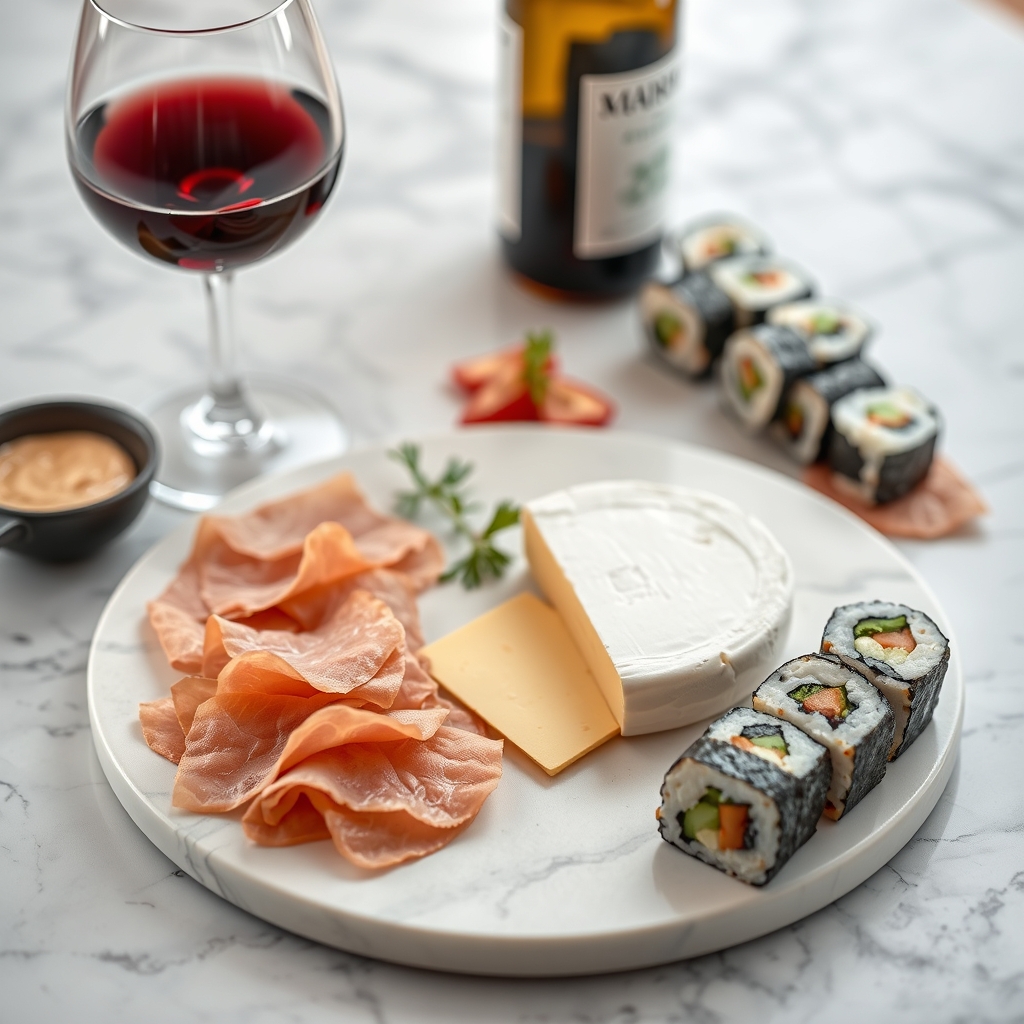
- Six high-risk categories: raw or undercooked meat/fish/eggs, unpasteurised dairy, soft mould-ripened cheese, pâté + liver, high-mercury fish, alcohol.
- Avoid entirely: alcohol, raw shellfish, pâté, liver, swordfish + king mackerel, unpasteurised cheese + milk.
- Limit with care: tuna (max 2 portions/wk), caffeine (max 200 mg/day), oily fish (max 2 portions/wk), liquorice, vitamin A foods.
- Surprisingly safe (with caveats): runny eggs (Lion-stamped UK / pasteurised US), pasteurised soft cheese, well-cooked sushi, cured meats from frozen.
- When in doubt, use the BumpBites Food Checker — 9,900+ foods with NHS-aligned verdicts.
Why this list exists — your immune system is suppressed in pregnancy
Pregnancy food restrictions exist for one reason: your immune system is naturally suppressed so it doesn't reject your baby, which makes you 10-20x more vulnerable to listeria, salmonella, toxoplasmosis + hepatitis E than you were before pregnancy. A foodborne illness that would give you a rough 48 hours pre-pregnancy can cause miscarriage, stillbirth, neonatal sepsis or lifelong birth defects in your baby. The risks aren't hypothetical — the UK + US both record several hundred cases of pregnancy-associated listeriosis each year, and most are preventable with the rules in this guide.
The good news: the high-risk list is short, the rules are clear once you know them, and almost every restriction has a safe substitute. This guide covers every food the NHS, NICE NG201, ACOG + FDA list as restricted — with the actual reasons + the actual numbers + the safe alternatives. It also separates rules that have changed in the last decade (smoked salmon, runny eggs) from the rules that haven't moved (alcohol, raw oysters, swordfish).
10-20×
Listeria risk
Pregnant vs non-pregnant susceptibility
200 mg
Caffeine cap
Per day during pregnancy
2/wk
Tuna cap
Tinned or fresh, combined
0
Alcohol
The only true zero on the list
What's changed in the last decade
Several long-standing UK avoid items moved off the list in 2017-2020 as risk re-assessments completed. Smoked salmon, gravlax + kippers were reclassified as safe (UK FSA, 2017). British Lion-stamped runny eggs were confirmed safe (UK FSA, 2017). Pasteurised soft cheese without mould rind has been clarified as safe since 2014. Meanwhile, the avoid list for unpasteurised dairy, raw oysters + apex-predator fish has not moved + likely won't. Knowing which rules are stable + which evolved helps you not over-correct.
Avoid entirely
Alcohol
There is no safe amount of alcohol in pregnancy. NHS, NICE + ACOG all say zero. Fetal alcohol spectrum disorder (FASD) can result from even small amounts in the first trimester — when many women don't yet know they're pregnant. Skip the wine at restaurants, the champagne at celebrations + the 'just a sip' at dinner. Non-alcoholic versions of almost everything now exist.
Pâté + liver
Pâté carries listeria + extremely high vitamin A. Even tiny amounts can push you past safe vitamin A limits — and excess vitamin A causes birth defects. This applies to chicken liver pâté, fish pâté, vegetable pâté, foie gras — every kind. Liver itself (calf, chicken) has the same issue. Skip both entirely; if you crave the texture, mushroom pâté is the safe substitute.
Raw / undercooked meat + fish
Steak tartare, rare burger patties, sashimi-grade raw fish (excluding sushi made from previously-frozen fish, see below), carpaccio, mettwurst, raw cured meats not frozen first (chorizo, salami, parma ham — unless heated). Risk: toxoplasmosis, listeria, salmonella. Cook all meat to 70°C / 165°F (no pink centre); cook fish until flaky.
Unpasteurised dairy
Raw milk + cheeses made from raw milk are listed by NHS as one of the highest listeria risks. Includes raw-milk Brie, raw-milk Camembert, raw-milk Stilton + Roquefort, raw-milk chèvre, any farmhouse or artisan cheese explicitly labelled raw / cru / unpasteurised. Pasteurised versions of all these are safe. Read the label.
Soft mould-ripened cheese (Brie, Camembert) — even pasteurised
Pasteurised Brie + Camembert have a tiny but elevated listeria risk because the bloomy rind + high water content create a hospitable environment for listeria to grow during storage. NHS recommends avoiding. EXCEPTION: if you cook them until steaming hot (e.g. baked Camembert) the listeria is destroyed + they're safe.
Soft blue cheese (Gorgonzola, Roquefort, Danish Blue)
Same logic as soft mould-ripened — NHS recommends avoiding unpasteurised + soft blue cheeses unless cooked. Hard blue cheeses (Stilton) made from pasteurised milk are usually safe.
Swordfish, marlin, king mackerel, shark
Highest-mercury fish + therefore avoided entirely. Mercury crosses the placenta + harms developing nervous system. See the fish decoder section for the full list + safer alternatives.
Raw shellfish
Oysters, raw clams, raw mussels, raw scallops. Cooked shellfish is fine — but raw carries vibrio + hepatitis A risk. Skip the oyster bar.
Game meat (deer, pheasant, partridge, wild boar)
Often shot with lead pellets — fragments can remain in the meat + lead crosses the placenta. NHS recommends avoiding game meat in pregnancy unless you can verify it was shot with non-lead ammunition (most can't).
Limit with care
Tuna — max 2 portions per week
Tuna sits in the middle of the mercury list — high enough to limit, low enough to enjoy. NHS limit: 2 medium tins or 1 fresh tuna steak per week, total. This includes sushi tuna, seared tuna salads, tuna nicoise, tuna sandwiches — all count toward the same weekly limit.
Oily fish (salmon, mackerel, sardines, trout, herring) — max 2 portions per week
Oily fish has excellent omega-3 DHA your baby's brain needs — BUT it also accumulates persistent organic pollutants (PCBs + dioxins). NHS: 2 portions a week is the sweet spot. Includes smoked salmon, salmon sashimi (if previously frozen), kippers, fresh + tinned.
Caffeine — max 200 mg per day
More than 200 mg/day is linked with low birth weight + miscarriage risk. See the caffeine real numbers section for what 200 mg actually means in practice.
Liquorice (the real kind, with glycyrrhizin)
Heavy liquorice consumption (>50g/day of real liquorice with glycyrrhizin) is linked with preterm birth + child cognitive impacts (Finnish studies). Occasional small amounts are fine. This is real-liquorice issue — most candy 'liquorice' in the US uses anise flavouring + no glycyrrhizin.
Vitamin A foods
Vitamin A in the retinol form (animal sources — liver, pâté, cod liver oil, supplements with vitamin A) is teratogenic at high doses. Beta-carotene (from carrots, sweet potato, leafy greens) is NOT — your body only converts what it needs. Skip liver + pâté + cod liver oil + any prenatal that exceeds 700mcg retinol. Eat all the carrots.
Cold cured meats (parma ham, chorizo, salami)
Higher-risk for toxoplasmosis + listeria. NHS workaround: freezing them at -18°C for 4+ days kills toxoplasmosis. Most commercial supermarket-packaged cured meats are flash-frozen during processing + therefore lower-risk — but to be safe, cook them (e.g. on pizza, in pasta) or freeze at home for 4 days before eating.
Herbal teas — most are fine; a few aren't
Pregnancy-safe in moderation: peppermint, ginger, rooibos, lemon balm. Avoid in pregnancy: blue cohosh, black cohosh, pennyroyal, dong quai, large amounts of liquorice tea or raspberry leaf (last has a place from week 36+ only). Standard teabag chamomile in moderation is fine; concentrated chamomile extract is not.
Surprisingly safe (with the right caveats)
Runny eggs — yes, with Lion stamp (UK) or pasteurised (US)
British Lion-stamped eggs (UK) come from salmonella-vaccinated hens + UK FSA endorses runny / soft-boiled / poached / lightly-cooked eggs in pregnancy. In the US, pasteurised eggs (sold in cartons or as in-shell pasteurised) are safe runny. Non-Lion, non-pasteurised eggs: cook fully until both white + yolk are solid. This applies to homemade mayo, mousse, hollandaise, soft-set meringue + tiramisu too.
Sushi — yes, with the right conditions
EU + UK regulations require restaurant sushi fish to be flash-frozen at -20°C for 24+ hours, which kills parasites. NHS guidance is that sushi from a reputable restaurant is safe in pregnancy, provided it uses farmed salmon or previously-frozen fish — both are standard practice. Avoid: homemade sushi from fresh fish, sushi from informal vendors, raw shellfish nigiri (clam, scallop).
Pasteurised hard cheese — yes, all of it
Cheddar, parmesan, manchego, gruyère, comté, pecorino, halloumi, paneer, feta (pasteurised), mozzarella (pasteurised), cottage cheese, ricotta, cream cheese, mascarpone — all fine. Hard cheeses have low water content so listeria can't multiply.
Smoked salmon — yes, with the standard 2-portion-per-week limit
UK FSA confirmed smoked salmon is safe in pregnancy (revised 2017 guidance). Counts toward the 2-portion/wk oily fish limit. Same applies to gravlax + cold-smoked trout.
Cooked / cured meats — fine if hot or properly frozen
Cooked deli meats (turkey breast cold cuts heated until steaming, hot sausage, hot pastrami) are fine. Cold cured meats — see Limit with care above.
Spicy food, garlic, ginger — all fine
Common myth that spicy food causes early labour — no evidence. It can cause heartburn (especially T3), but the food itself + baby are fine. Same applies to garlic, ginger + most other 'warming' foods in folk wisdom.
Honey + sugar — fine for the mother (but not for under-1 babies)
Honey is fine in pregnancy. The under-1 honey rule is about infant botulism (their gut can't handle the spores) — your mature gut handles it without issue. Sugar isn't restricted but watch total intake if you have GDM.
The cheese decoder — what's safe, what isn't
Safe in pregnancy
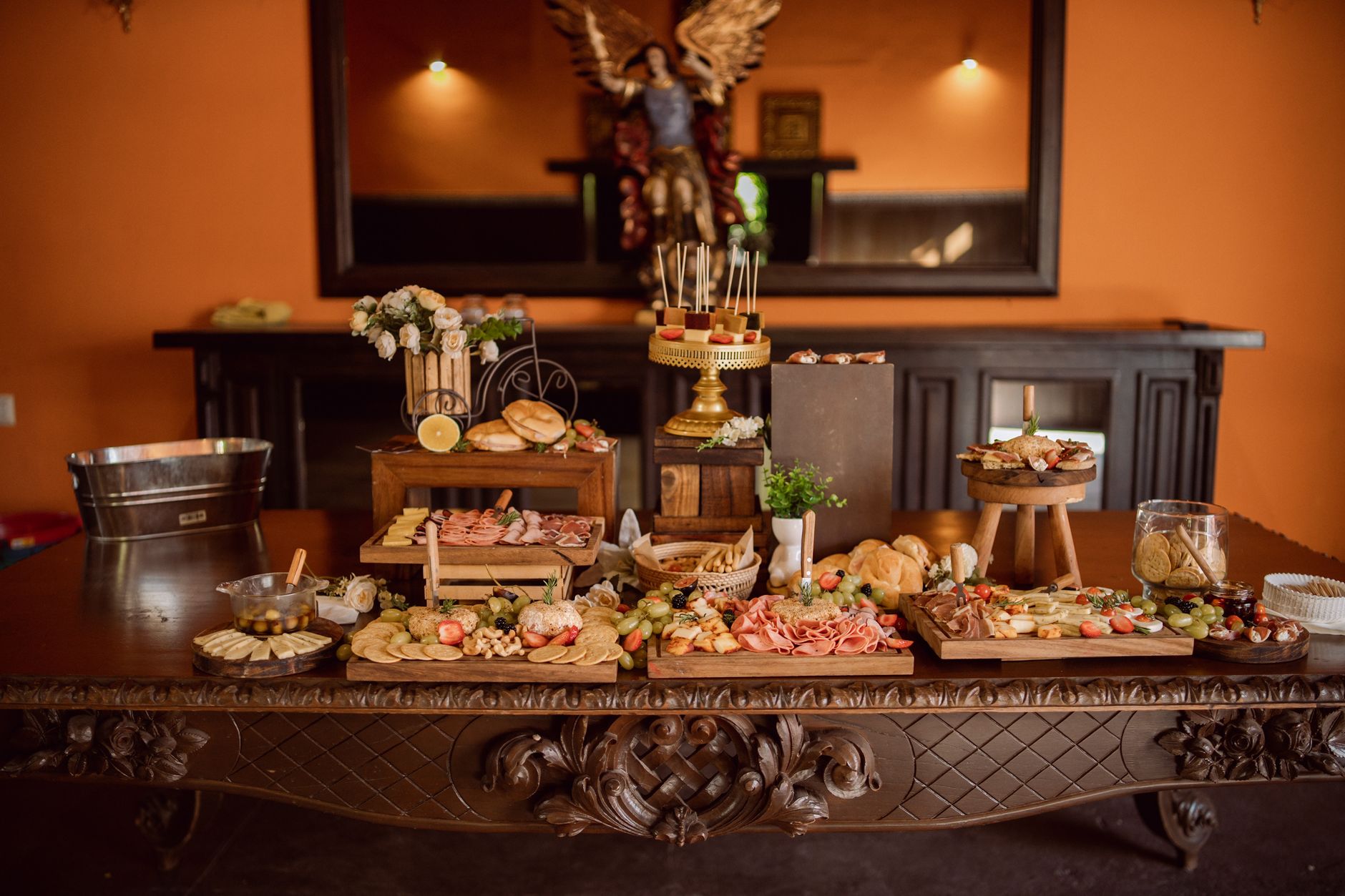
- Pasteurised hard cheese (any): cheddar, parmesan, manchego, gruyère, gouda, edam, emmental, pecorino, halloumi, paneer (commercial).
- Pasteurised soft cheese WITHOUT mould rind: feta, mozzarella, cottage cheese, ricotta, cream cheese, mascarpone, philadelphia, boursin.
- Processed cheese: cheese slices, cheese spread, cheese strings.
- Cooked-hot Brie / Camembert (baked, melted on pasta or pizza).
Avoid in pregnancy
- Soft mould-ripened cheese (even pasteurised): Brie, Camembert, Chaource, Brillat-Savarin, Chèvre with bloomy rind.
- Soft blue cheese: Gorgonzola, Roquefort, Danish Blue, Cambozola.
- Any cheese labelled raw / unpasteurised / au lait cru / lait cru.
- Hard blue made from raw milk (Stilton from pasteurised milk = OK; raw-milk Stilton = avoid).
The fish + mercury decoder
Best omega-3 picks — eat 2 portions/week
- Salmon (farmed or wild) — excellent omega-3, low mercury.
- Sardines, mackerel (Atlantic), herring, trout — small oily fish at the bottom of the food chain = low mercury.
- Anchovies — surprisingly low-mercury despite being concentrated in pizza + Caesar dressing.
- Tilapia, cod, haddock, hake, sole, plaice — white fish, very low mercury (no oily fish limit applies).
- Pollock (the Filet-O-Fish fish), pangasius, basa — all fine.
Limit — max 2 portions/week (combined with tuna)
- Tuna (any: canned, fresh, sushi-grade)
- Halibut, sea bass, monkfish, bream, turbot, hake — mid-mercury.
Avoid entirely
- Shark, swordfish, marlin, king mackerel, tilefish — highest mercury.
- Orange roughy — also high.
Caffeine — what 200 mg actually looks like
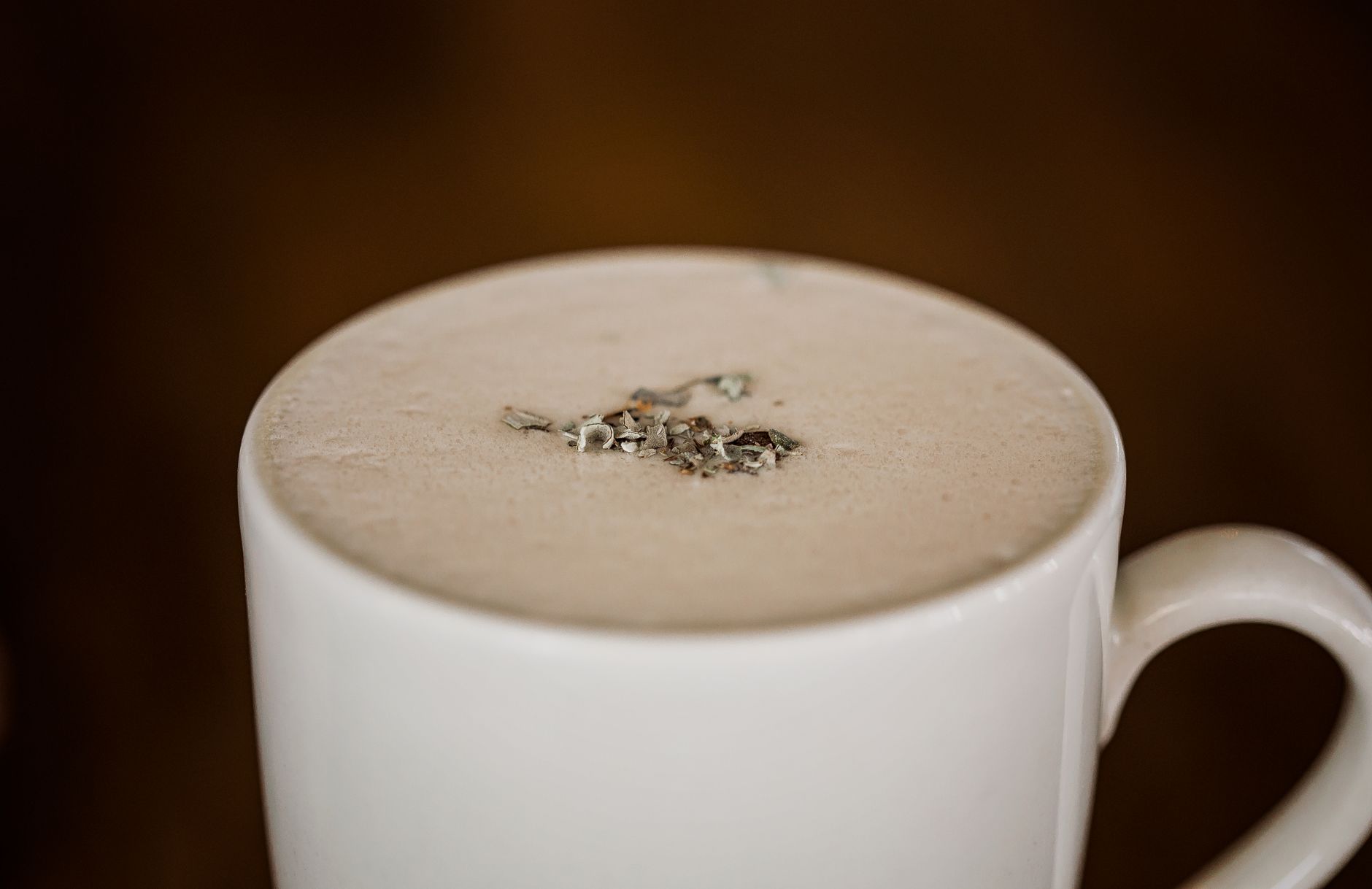
The NHS limit of 200 mg/day in pregnancy is one of the most-misunderstood numbers in pregnancy nutrition. Here's what it adds up to in real coffee shops + supermarkets:
- Standard mug instant coffee: ~75 mg → you can have 2.5 mugs.
- Standard mug filter / brewed coffee: ~140 mg → you can have ~1.4 mugs.
- Costa / Starbucks medium latte: ~170-180 mg → 1 is fine, 2 is over.
- Costa / Starbucks small Americano: ~190 mg → just one is your daily cap.
- Espresso shot: ~80 mg → 2 shots is fine.
- Standard cup tea / chai: ~75 mg → 2 cups is fine.
- Green tea / matcha: ~30-50 mg → 4-5 cups is fine.
- Decaf coffee or tea: ~5-15 mg → effectively free.
- Dark chocolate (50g): ~25 mg.
- Coca-Cola can (330ml): ~32 mg.
- Red Bull (250ml): ~80 mg.
- Energy drinks with 'guarana' or 'taurine': frequently >200 mg per can — AVOID entirely.
Alcohol — the only true zero
Alcohol is the only universal-zero on the pregnancy food list. NHS, NICE, ACOG, CDC + WHO all agree: no amount is known to be safe. The Department of Health UK guidance is explicit — 'the safest approach is to not drink alcohol at all when pregnant or trying to become pregnant'.
What drinking does: alcohol crosses the placenta freely. Your baby's developing liver can't metabolise it. Effects range from miscarriage + stillbirth (high doses, esp. T1) to fetal alcohol spectrum disorder (FASD) — lifelong cognitive, behavioural + physical impacts. There is no early-pregnancy 'safe window'; the highest-risk period is the first 4-8 weeks when many women don't yet know they're pregnant.
What counts as alcohol
- All wine + beer (regardless of ABV).
- Cocktails, spirits, liqueurs.
- Tiramisu + zabaglione (alcohol does NOT all cook out — at least 5-25% remains).
- Christmas pudding, rum-soaked fruit cake, sherry trifle.
- Kombucha (typically 0.5-2% alcohol — read label).
- Communion wine (some traditions allow grape juice substitute — check with your minister).
Safe alcohol-free options
- Alcohol-free wine (look for 0.0% — anything labelled '<0.5% alcohol' is still alcohol).
- Alcohol-free beer (Heineken 0.0, Becks Blue, Lucky Saint).
- Mocktails with juice + soda + bitters (skip bitters if Angostura — alcohol-based).
- Sparkling water with lemon / lime / cucumber.
- Kombucha labelled '0.5% or less' — your call; most experts say avoid.
Eating out + travel — practical scripts
Restaurant scripts that work
- 'I'm pregnant — could you confirm the [cheese / salmon / eggs] is [pasteurised / well-cooked]?' — kitchens are used to this question + happy to answer.
- 'Could the steak be cooked through, no pink in the middle?' — chefs will hate it but do it.
- 'Is the dressing made with raw egg?' — homemade Caesar + hollandaise + mayo are the usual culprits.
- 'No alcohol in this please, including in the sauce.' — flag explicitly for white-wine pan sauces, boozy desserts, tiramisu.
Foods to be wary of in restaurants
- Soft cheese boards (often unspecified raw-milk varieties).
- Pâté on starter menus.
- Sushi from informal vendors / cheap-bowl places (vs reputable restaurants).
- Steak tartare, carpaccio, ceviche, raw oysters.
- Boozy desserts.
- Soft-serve ice cream (rare US listeria risk; not flagged in UK).
Travel — extra layer of caution
Travellers' diarrhoea in pregnancy is harder to treat + can dehydrate dangerously. In areas with poorer water quality: bottled water only (including for brushing teeth), no ice, no raw salads or unpeeled fruit, no street food unless cooked in front of you, no buffet food sitting out. India, parts of South-East Asia, parts of Africa + Latin America deserve extra care.
If you've already eaten it — don't panic
Almost every pregnant woman has at some point realised mid-meal she's eaten something on the avoid list — the bite of brie before remembering it's brie; the takeaway that turned out to use raw egg in the mayo; the seabass + tuna salad that put her over the weekly limit.
The actual risk of a single accidental exposure is small. Foodborne illness has symptoms — fever, vomiting, severe diarrhoea, body aches — that appear within 12 hours to a few days. If you have NONE of these symptoms 5 days after the suspect meal, you almost certainly haven't contracted anything.
For one-off alcohol exposure before knowing you were pregnant: the data is reassuring — single events of low-moderate exposure in T1 have not been shown to cause FASD. The risk scales with quantity + frequency. Mention to your booking midwife; stop from now.
Frequently asked questions
Is the avoid list overblown? My grandmother ate brie + drank wine in pregnancy
Some of the modern rules are over-cautious by international standards (Italy + France allow pasteurised soft cheeses for example). The hard rules — alcohol, raw meat, high-mercury fish — are universally observed because the harm signal is unambiguous. The grey-zone rules (soft pasteurised cheese, smoked salmon) are jurisdictional + change every decade. Following the modern NHS list trades minor inconvenience for a clearer conscience.
Can I have a single glass of wine on a special occasion?
Official guidance is no — including in France, despite the cultural reputation. Studies struggle to find harm at very-low single exposures, but they also can't rule it out. The 'safest' answer is zero. Alcohol-free wines have improved dramatically.
How strict is the cooked-cured-meat rule? My pizza had pepperoni
Pizza pepperoni reaches 200°C+ in the oven — far above the temperature that kills toxoplasmosis + listeria. That's fine. Cold pepperoni straight from a sandwich pack is the higher-risk version.
Are pre-made sushi packs from supermarkets safe?
UK + EU regulations require sushi fish to be frozen at -20°C for 24+ hours during processing, which kills parasites. Pre-packed supermarket sushi follows this. Eat within the use-by date.
Can I have caesar salad?
Restaurant caesar dressing traditionally uses raw egg yolk + anchovies. Ask if it's pasteurised. Pre-made supermarket bottled caesar dressing is pasteurised. Homemade with Lion-stamped UK eggs (or US pasteurised eggs) is fine.
What about poke bowls?
Poke uses raw fish — same risk profile as sushi. If from a reputable restaurant using farmed or previously-frozen fish, it's fine within the 2-portion oily fish weekly limit. Homemade with fresh raw tuna from a fishmonger: avoid.
Is decaf coffee safe?
Yes — decaf is ~5-15 mg caffeine per cup, well within limits. Some 'decaf' processes use trace chemicals (methylene chloride); look for 'Swiss water process' or 'CO2 process' if you'd rather avoid those.
Can I eat hummus + falafel?
Yes — both are fully cooked. Watch tahini if homemade with raw sesame paste — most commercial is fine. Falafel is deep-fried = safe. Hummus from fresh pulses + cooked chickpeas = safe.
What about ackee, taro, or other less-common foods?
Use the BumpBites Food Checker — it covers 9,900+ foods including most regional + uncommon ingredients with verdicts cross-checked against NHS + NICE + ACOG guidance.
Are food cravings safe to indulge?
Yes within the avoid list. The 'cravings are your body telling you something' is partial truth — most cravings are blood-sugar driven. As long as the food isn't on the avoid list, indulge in moderation.
Sources
- NHS — Foods to avoid in pregnancy
- NICE NG201 — Antenatal care
- ACOG — Nutrition during pregnancy FAQ
- FSA UK — Eggs (Lion mark)
- FDA — Advice about eating fish (mercury)
- Department of Health UK — Alcohol guidelines
- Räikkönen K, et al. (2017). Maternal Liquorice Consumption and Detrimental Cognitive Outcomes in 13-Year-Old Children. Am J Epidemiol.
More guides
Indian & South Asian Pregnancy Foods: A Practical, Research-Backed Guide
A complete, culturally-rooted guide to eating well in pregnancy — Hindu, Muslim, Sikh, Jain + Christian traditions. Daal, dahi, ghee, paan, papaya, and 60+ everyday foods, decoded by trimester with NHS / NICE / RCOG safety guidance.
Read
Prenatal Vitamins: A Buyer's Guide for 2026
Folic acid, choline, DHA, iron, vitamin D — what to look for, what to skip + what the major brands actually deliver. Side-by-side comparison + practical buying advice for the UK, US + India.
Read
The First Trimester Survival Guide: Weeks 1-13
Nausea, fatigue, food aversions, fear, joy + the long wait for the 12-week scan. A practical week-by-week walk through the most uncertain trimester — symptoms, what to eat, what to skip + when to call your midwife.
Read
Educational only — not medical advice. Always consult your midwife, GP or paediatrician for personalised guidance. Medical disclaimer.
