
Prenatal Vitamins: A Buyer's Guide for 2026
Folic acid, choline, DHA, iron, vitamin D — what to look for, what to skip + what the major brands actually deliver. Side-by-side comparison + practical buying advice for the UK, US + India.
In a nutshell
- The 8 non-negotiable nutrients: folic acid (400-800 mcg), vitamin D (10 mcg / 400 IU), iron (27 mg recommended; lower if anaemia-free), iodine (150 mcg), choline (450 mg), DHA (200-300 mg), B12, calcium.
- Folic acid + vitamin D are the ONLY two the NHS gives free during pregnancy in the UK — everything else you supplement based on diet.
- The two ingredients most prenatals SKIP that matter: choline (the brain-building one) + DHA (also brain). Always check both are on the label.
- Avoid vitamin A in retinol form (NOT beta-carotene) above 700 mcg — teratogenic at higher doses.
- Take with the largest meal of the day to maximise iron + fat-soluble vitamin absorption.
What actually matters in a prenatal vitamin
A good prenatal vitamin covers nutrients you might not get enough of from food — full stop. Pregnancy doubles your iron + folate needs, raises your iodine + choline needs by ~50%, + creates a higher demand for vitamin D + B12. Diet alone covers most of these if you eat broadly, but the cost-benefit of a daily multi is clear: insurance against a bad food day + a guarantee on the nutrients that matter most for your baby's neurology.

What it isn't: an alternative to eating well, a replacement for prenatal medical care, or a license to skip food groups. Even on the best prenatal you still need iron-rich + protein-rich food daily.
400-800
Folic acid mcg/day
From pre-conception through week 12
10
Vitamin D mcg/day
All year, all skin tones, NHS UK
27
Iron mg/day
Pregnancy RDA (US ACOG)
450
Choline mg/day
Most prenatals skip this — check label
How the prenatal multi market changed in the last 5 years
Pre-2020 prenatals — Pregnacare, Sanatogen, Centrum Materna — covered the basics (folic acid, iron, B vitamins) but often skipped choline + had only token DHA. The 2020-2025 wave (Ritual, Needed, Perelel, FullWell, MegaFood) reset the bar by adding meaningful choline (300-550 mg vs 0), methylated folate forms for women with MTHFR variants, algae DHA + organic / non-GMO sourcing. Cost reflects this — the new generation is £35-60/month vs £18-22 for traditional brands. Both can be appropriate; check the 8-nutrient list against your label.
The 8 non-negotiable nutrients — what + how much
1. Folic acid — 400-800 mcg/day
Reduces neural tube defects (spina bifida, anencephaly) by 70%. NHS recommends 400 mcg/day pre-conception + through week 12; 5 mg/day if BMI > 30, diabetes, history of NTD, or taking anti-epileptic drugs. Look for methylfolate (L-5-MTHF) over folic acid for women with MTHFR variants — better absorbed.
2. Vitamin D — 10 mcg (400 IU)/day
Year-round, all skin tones, all climates. NHS recommends 10 mcg/day in pregnancy + breastfeeding. South Asian, Black + dark-skinned women + those who cover for religious reasons often need 25 mcg/day (check serum 25-OH vitamin D level at booking).
3. Iron — 27 mg/day (US RDA) or per anaemia status (UK)
US: 27 mg/day recommended. UK: only supplemented if iron-deficient. Many prenatal vitamins have 18 mg (the non-pregnant RDA), which is below pregnancy needs. Look for ferrous bisglycinate (gentler on the stomach) over ferrous sulphate (cheaper but causes more constipation).
4. Iodine — 150 mcg/day
Critical for fetal brain development. ACOG recommends 220 mcg/day. UK + Indian women on plant-heavy diets often need supplementation (most western table salt is iodised; rock salt + sea salt usually aren't).
5. Choline — 450 mg/day
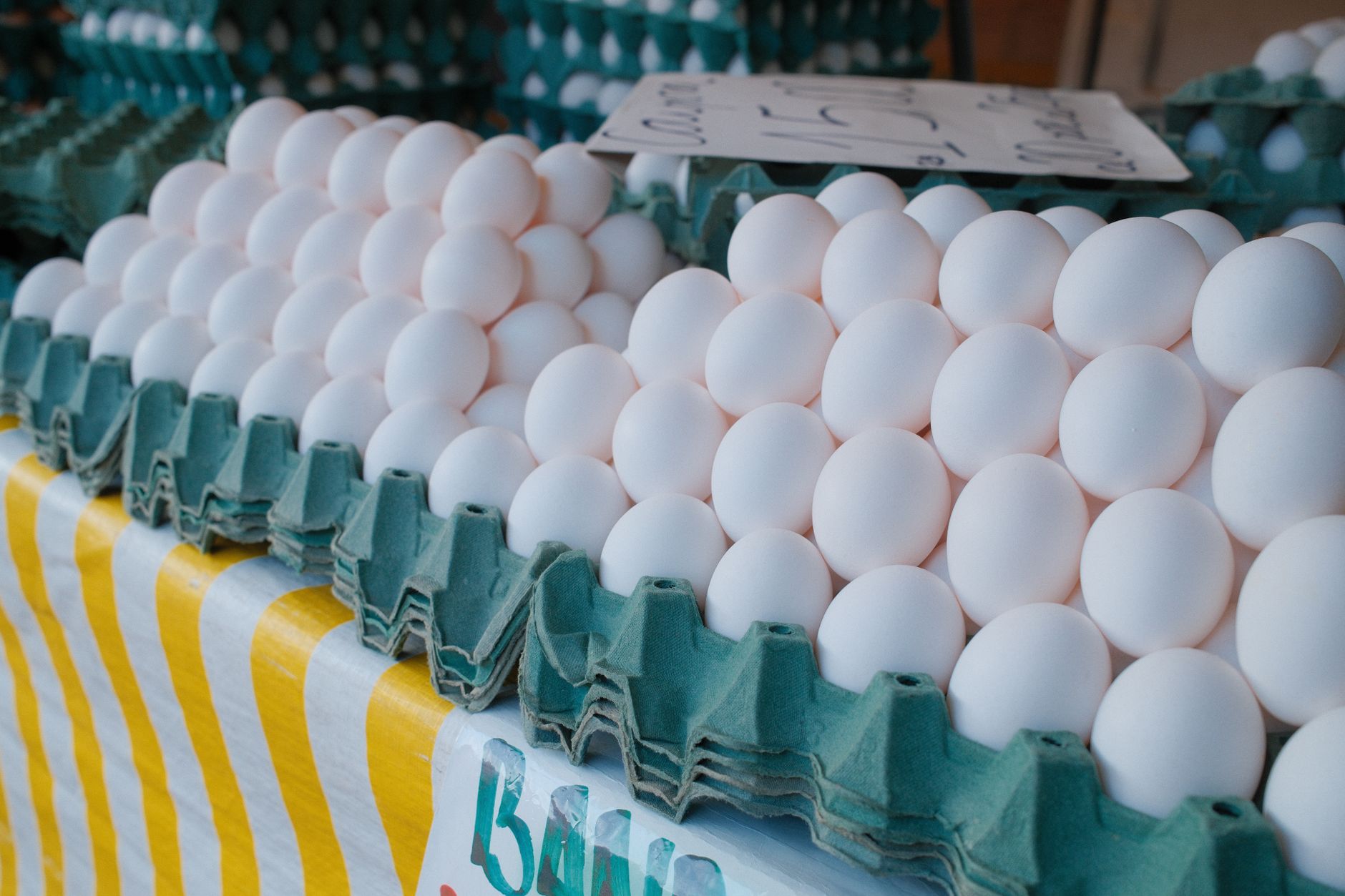
The most-skipped nutrient. Critical for fetal brain development + memory. Egg yolks are the best food source (one egg = 150 mg). Most prenatals contain ZERO choline; the good ones contain 300-550 mg. CHECK THE LABEL.
6. DHA — 200-300 mg/day
Brain + retinal development. Best food source: oily fish 2x/week. If you don't eat fish, your prenatal must contain DHA (algae-source is fine + vegan).
7. Vitamin B12 — 2.6 mcg/day
Critical for vegans + many vegetarians. Plant foods contain near-zero B12; deficiency in pregnancy causes neural-tube + neurological issues in babies.
8. Calcium — 1,000 mg/day
Mostly from food (milk, dahi, leafy greens, tofu, almonds). Supplement only if dietary intake is < 1,000 mg/day. Don't take iron + calcium at the same time — they compete for absorption.
What to AVOID in a prenatal
- Vitamin A as retinol or retinyl palmitate above 700 mcg/day (teratogenic at high doses). Beta-carotene is fine — your body only converts what it needs.
- Mega-doses of any vitamin. More is not better in pregnancy + can cause harm (especially A, D + iron).
- Herbal additives in prenatals — red raspberry leaf, dong quai, blue cohosh + others can cause uterine contractions. Stick to pure vitamin / mineral formulations.
- Liver oils marketed as 'natural prenatal' — extremely high vitamin A as retinol. Skip.
- Gummies without iron (most gummies skip iron because it tastes terrible). Fine as supplement but you still need iron from food or a separate source.
Brand comparison — what to look for
Below is a comparison of the major brands available in the UK + US. We've focused on what's actually IN the bottle (not the marketing). The category we wish more brands hit is choline + DHA together at adequate doses.
Decision tree
- If you eat a balanced omnivore diet + don't mind big pills → FullWell or Needed (highest choline, comprehensive).
- If you have nausea / can't swallow big pills → gummy or split-dose like Nature Made (but add a choline source — 1 egg/day or a 500 mg choline supplement).
- If budget is tight → Nature Made prenatal + DHA is excellent value (~£18 UK / $22 US for a month).
- If you're vegan → Needed or Ritual (both vegan-friendly, algae DHA, methylfolate); add B12 sublingual if needed.
- If you're in India → ELEVATE (Indian brand), Centrum Materna or any with the BIS mark + the 8 nutrients listed above.
Specific situations — vegan, GDM, anaemia, second pregnancy
Vegan pregnancy
- B12 — supplement 2.6+ mcg/day. Methylcobalamin sublingual is the best-absorbed form.
- Iron — plant iron (non-heme) is less bioavailable. Pair with vitamin C at every meal.
- DHA — algae oil (Nordic Naturals Algae, Deva Vegan) — 200-300 mg/day.
- Vitamin D — D2 (plant) works but D3 (lichen-derived for vegans) is better absorbed.
- Choline — most vegans get <100 mg/day from food. A separate choline supplement (Optimal Choline by Seeking Health, 500 mg) is wise.
- Iodine — sea vegetables (kelp) or supplement; vegan diets often skip dairy + fish which are main sources.
Gestational diabetes (GDM)
Standard prenatal is fine. Some practitioners recommend additional myo-inositol for women with PCOS who are at high risk for GDM. Check with your diabetes team. Avoid prenatal gummies with high sugar content.
Iron-deficiency anaemia in pregnancy
If your serum ferritin is < 30 ng/mL, your GP / OB will prescribe additional iron beyond what's in your prenatal. Ferrous bisglycinate 30 mg/day is well-tolerated; ferrous sulphate 200 mg/day works but causes more side effects. Take with vitamin C (e.g. with orange juice or amla); avoid taking with tea, coffee, calcium.
Second / third / subsequent pregnancy
Your iron stores from breastfeeding the previous baby are often depleted. Get serum ferritin checked at booking + supplement iron if low. Folic acid still required — start before conception + continue through week 12.
Side effects + how to fix them
Nausea after taking prenatal
Common. Fixes: take with food (largest meal of the day), take at night before bed, switch to gummy or liquid form, split dose into morning + evening, or switch to a prenatal with iron bisglycinate instead of sulphate.
Constipation
Iron is the usual culprit. Fixes: more water, more fibre (psyllium, prunes, kiwi), gentle exercise, switch iron form to bisglycinate, or take iron every other day (research shows this absorbs nearly as well + halves constipation).
Dark / green stools
Normal with iron supplements. Not a problem. Black + tarry would warrant investigation; greenish dark = iron oxidising, not concerning.
Metallic taste
Common with iron. Take with food, suck on a mint, switch to a different iron form.
When + how to take them
- Take with the largest meal of the day — maximises absorption of fat-soluble vitamins (A, D, E, K, DHA) + iron.
- If your prenatal causes nausea, take it at night before bed.
- Don't take with tea, coffee, milk or calcium — they reduce iron absorption by 40-60%. Wait 1 hour either side.
- Pair iron with vitamin C (orange juice, amla, tomato, lemon water) — boosts absorption 3x.
- Store in a cool dry place. Iron + vitamin C oxidise faster in heat + humidity. Bathroom storage = bad.
- Don't crush extended-release iron tablets — defeats the purpose.
- If you forget a day, just take the next one normally; don't double up.
UK vs US vs India — what's different
UK
NHS provides folic acid + vitamin D free to all pregnant women on the NHS Healthy Start scheme (income-tested). Standard prenatals at Boots / Superdrug (Pregnacare, Sanatogen) include the 8 nutrients but with low choline (often zero). Many UK women supplement choline separately or eat 2 eggs/day.
US
Massive market — Ritual, Needed, FullWell, Perelel, MegaFood, Nature Made, Garden of Life dominate. Most are higher-spec than UK equivalents (more choline, more DHA, organic, methylated forms). Prescription prenatals (Prenate, Citranatal) usually only worth it if covered by insurance.
India
Centrum Materna, Pregnacare, ELEVATE Prenatal (Indian brand), HealthyHey Nutrition + Nature's Bounty all sold widely. Indian-formulated prenatals often have HIGHER iron (60 mg vs 27 mg) because of high baseline anaemia rates. Check that yours has B12, vitamin D + iodine — not all do.
Frequently asked questions
When should I start taking prenatal vitamins?
Ideally 3 months before conception. Folic acid is most protective when started before the neural tube forms (which happens by week 4-5, often before you know you're pregnant). If you didn't start early, start as soon as you know — better late than never.
Can I just take folic acid + skip the multi?
If your diet covers everything else, technically yes — folic acid + vitamin D are the only two universally required. But for most women, a multi is more reliable than relying on perfect daily nutrition.
Are gummy prenatals OK?
Yes if they contain the full nutrient set — but most skip iron (because it tastes terrible) + sometimes skip choline. You can use a gummy + supplement the missing nutrients (e.g. gummy + iron tablet + 1 egg/day for choline). Watch sugar content if you have GDM risk.
Are prenatal vitamins safe during breastfeeding?
Yes — continue them through breastfeeding. Your nutrient demands are still elevated. Iron needs drop somewhat once your periods haven't returned + you're not bleeding, but everything else stays high.
Do I need extra iron if I'm already anaemic?
Yes — talk to your GP. Most anaemic women need 30-60 mg additional elemental iron beyond their prenatal. Ferrous bisglycinate is better tolerated than sulphate.
Is it safe to take iron with food?
Yes — absorption drops by ~40% with food, but tolerance is much better + you're more likely to actually take it. Better to take it with food + actually take it than skip it because of nausea.
Will prenatals make me gain weight?
No. Prenatals contain no calories. Weight gain in pregnancy is from increased food intake, blood volume + baby growth, not vitamins.
Can I take prenatals if I'm not pregnant but trying?
Yes — and you should, ideally 3 months before conception. Many fertility specialists recommend this.
Are there pregnancy-safe vitamins I should avoid?
Yes: any with vitamin A (retinol) above 700 mcg, any with herbal additives (raspberry leaf, dong quai, blue cohosh), high-dose vitamin E supplements (>200 IU separately), high-dose vitamin C (>2000 mg).
How long do I keep taking prenatals?
Through pregnancy + through breastfeeding. Many women continue with a postnatal multi (often the same prenatal or a postnatal-specific formula) for several months after weaning to replenish stores.
Sources
- NICE NG201 — Antenatal care
- NHS — Vitamins, supplements and nutrition in pregnancy
- ACOG — Nutrition during pregnancy
- FSA — Folic acid fortification of flour
- Caudill MA, et al. (2018). Maternal choline supplementation during pregnancy influences cognitive function. FASEB J.
- Stoffel NU, et al. (2017). Iron absorption from oral iron supplements given on consecutive versus alternate days. Lancet Haematol.
More guides
Indian & South Asian Pregnancy Foods: A Practical, Research-Backed Guide
A complete, culturally-rooted guide to eating well in pregnancy — Hindu, Muslim, Sikh, Jain + Christian traditions. Daal, dahi, ghee, paan, papaya, and 60+ everyday foods, decoded by trimester with NHS / NICE / RCOG safety guidance.
Read
Foods to Avoid During Pregnancy: The MD-Reviewed UK & US List
Every food you should skip — and why — in clear plain English. Listeria, mercury, toxoplasmosis, vitamin A excess, alcohol + caffeine. Cross-checked against NHS, NICE, ACOG + FDA.
Read
The First Trimester Survival Guide: Weeks 1-13
Nausea, fatigue, food aversions, fear, joy + the long wait for the 12-week scan. A practical week-by-week walk through the most uncertain trimester — symptoms, what to eat, what to skip + when to call your midwife.
Read
Educational only — not medical advice. Always consult your midwife, GP or paediatrician for personalised guidance. Medical disclaimer.
