
Indian & South Asian Pregnancy Foods: A Practical, Research-Backed Guide
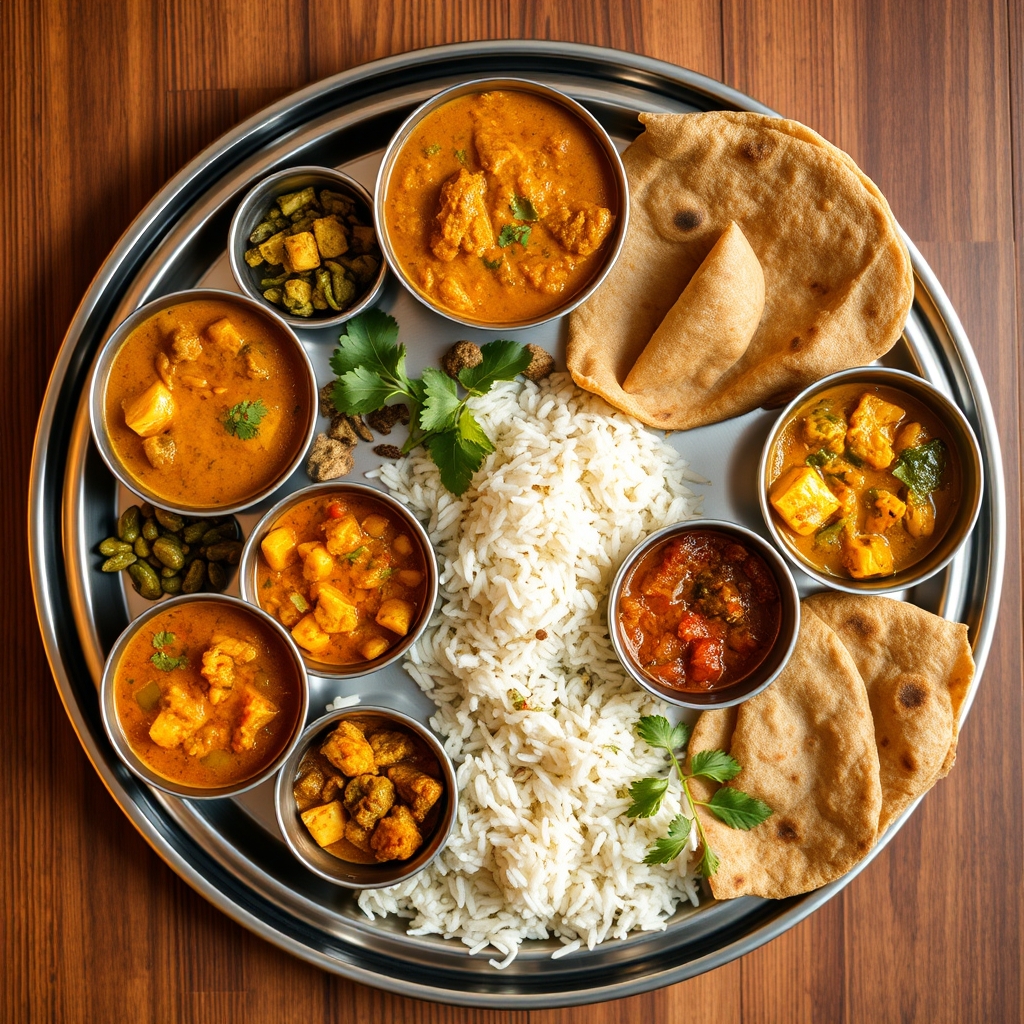
A complete, culturally-rooted guide to eating well in pregnancy — Hindu, Muslim, Sikh, Jain + Christian traditions. Daal, dahi, ghee, paan, papaya, and 60+ everyday foods, decoded by trimester with NHS / NICE / RCOG safety guidance.
In a nutshell
- South Asian diets are nutrient-dense in pregnancy when balanced — daal, sabzi, curd, ghee, fish, eggs + leafy greens cover most micronutrient gaps.
- Three foods to watch: unripe papaya (avoid in T1), undercooked paan / betel nut (avoid entirely), and raw / unpasteurised milk + lassi (heat-treated only).
- Common worries that are mostly fine: ghee in moderation, mango (yes, but watch sugar in GDM), pickles (low-salt versions), curd / dahi (made from pasteurised milk).
- Iron + B12 + vitamin D are the most common gaps for vegetarian South Asian mothers — supplement under guidance.
- Cultural foods around birth — gond ke laddoo, harira, methi laddoo — have a postpartum role; not all are appropriate in pregnancy itself.
Why this guide exists — South Asian pregnancy nutrition isn't a Western diet
Most pregnancy-food advice on the English-language web is written for Western diets — pasta, salads, deli sandwiches, brunch eggs. If your kitchen runs on daal-chawal, idli-dosa, biryani or roti-sabzi, that guidance often doesn't translate cleanly. Worse, well-meaning Aunties pass down food rules that mix genuine medical concern with myth — and it's hard to tell which is which. The result for too many South Asian women: contradictory advice, anxiety about every meal, and a feeling that pregnancy means giving up cultural foods that have nourished families for generations.
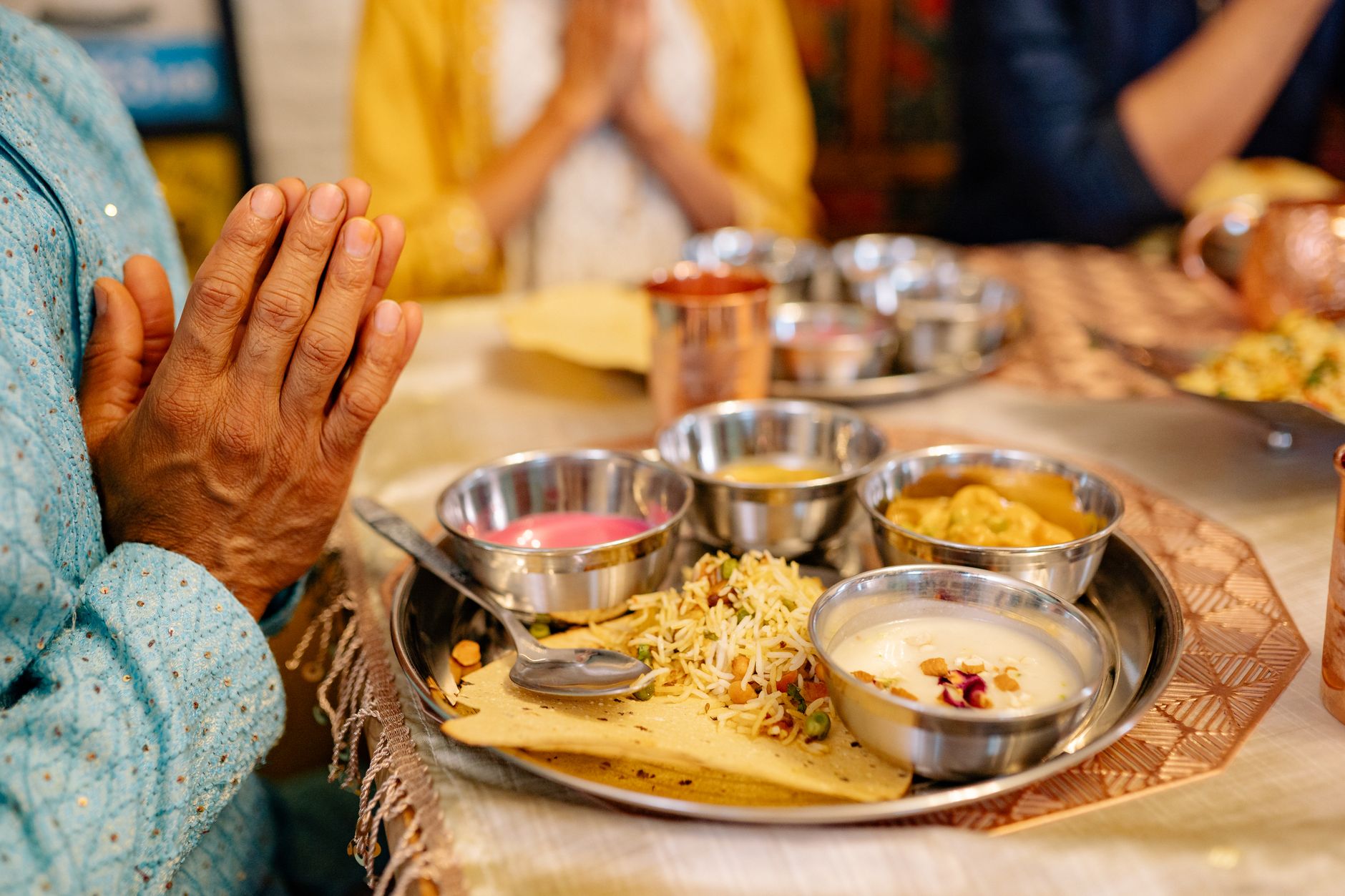
This guide is built specifically for South Asian families across India + the diaspora. We've cross-checked every food + safety guideline against UK NHS, NICE NG201 (antenatal care), RCOG, ACOG + India's FSSAI. We tell you what's safe, what isn't + why — without erasing the foods you grew up with. Whether you're in Mumbai, Delhi, Karachi, Dhaka, London, New York, Toronto, Sydney or Dubai, the rules in this guide apply to your kitchen + your tradition.
60+
Everyday foods
Daal, dahi, ghee, papaya, paneer + more decoded
5
Traditions covered
Hindu, Muslim, Sikh, Jain + Christian
4
Sources cross-checked
NHS / NICE / RCOG / FSSAI
30-40%
Vegetarian families
in India + diaspora — covered in full
Who this guide is for
- First-time pregnant women in India trying to separate Aunty-advice from medical advice.
- Second + third-generation diaspora women whose mothers grew up with different food norms than the country they live in now.
- Partners + family members who do the cooking + want to support a healthy pregnancy.
- Mixed-heritage couples blending South Asian + Western food traditions.
- Anyone curious why traditional foods like ghee, dahi + jaggery have stood the test of pregnancy generation after generation.
What's different about this guide
Unlike generic pregnancy-food lists, every food here has the dual lens — the medical safety guidance from NHS / RCOG + the cultural context (why your Naani recommended it, what region it's from, what religious considerations apply). When the modern guideline + the cultural tradition agree, we say so. When they disagree, we explain both sides + let you decide. The unripe-papaya rule, for example, has BOTH traditional + scientific backing — that's why it's universal across South Asian pregnancy advice.
First trimester (weeks 1-12) — what to eat, what to manage
T1 is dominated by nausea, fatigue + food aversions for most women. Your baby's organs are forming, so quality matters more than quantity — calorie needs barely change from before pregnancy, but folic acid, iron + iodine demand jumps.
What to focus on
- Folate-rich foods: methi (fenugreek leaves), palak (spinach), dals (chickpeas, lentils), beetroot, citrus fruits, fortified atta or cereal.
- Iron-rich foods: ragi (finger millet), kala chana (black chickpeas), rajma (kidney beans), dates, jaggery, leafy greens.
- Vitamin C — pair with iron meals for absorption: amla, orange, guava, lemon, kiwi.
- Small frequent meals — methi-coriander chutney, dhokla, idli, khichdi, curd-rice (with pasteurised dahi) — settle queasy stomachs.
- Ginger + lemon water, ajwain water, plain steamed rice + curd — all classic, all safe + helpful.
Managing nausea the South Asian way
Ginger (adrak) is genuinely effective for pregnancy nausea — RCOG endorses it. A teaspoon of grated ginger in hot water, ginger candy or adrak chai (low caffeine + light milk) all help. Saunf (fennel) water can also settle the stomach. Avoid heavy, ghee-laden meals + over-spiced curries during peak nausea — your body will reject them anyway.

T1 foods to skip or limit
- Unripe / semi-ripe papaya — avoid (above).
- Raw / lightly-cooked eggs — fully cook (no runny yolks) unless using British Lion-stamped eggs.
- Unpasteurised milk + lassi — only heat-treated milk + dahi from pasteurised milk.
- Soft cheeses without pasteurisation (paneer is normally pasteurised + safe; check homemade or street paneer).
- Street-side juices + chaat with unwashed produce — listeria + hepatitis A risk.
- Alcohol — none (this includes traditional 'medicinal' wines + tonics).
- Caffeine — keep under 200 mg / day (1 chai + 1 filter coffee is usually fine).
Second trimester (weeks 13-27) — energy + iron focus
T2 is usually the easiest trimester. Nausea eases, energy returns, baby's growth accelerates. Calorie needs go up by ~340 cal/day — roughly an extra paratha + dal, or a bowl of khichdi with curd.
What to focus on
- Iron — your blood volume is increasing fast. Pair iron sources with vitamin C (lime, amla, tomato) at every meal.
- Calcium — milk (pasteurised), dahi, paneer, ragi, til (sesame), almonds, kale + spinach. ~1,000 mg/day target.
- Omega-3 — small fish like rohu, surmai (king mackerel), pomfret (mercury-low), or flax + chia for vegetarians.
- Protein — about 25g extra per day. Daal + dahi + paneer + eggs + lean meat all count.
- Hydration — 2-3 L water + butter milk + nimbu paani daily, especially in summer.
Mango — the big T2 question
Mango in pregnancy is fine for most women — it's rich in vitamin A, C + folate. The only caveat is sugar load: a whole alphonso has 35-40g of sugar. If you have gestational diabetes (GDM) or are at high risk, limit to half a mango per day + pair with protein or curd to flatten the sugar spike. The myth that mango causes excess body heat (garmi) + miscarriage has no scientific backing.
Third trimester (weeks 28-birth) — small frequent, nutrient-dense
T3 brings heartburn, breathlessness, swollen feet, and an appetite that comes + goes as the baby pushes on your stomach. Calorie needs rise another ~110 cal over T2 (~450 above pre-pregnancy).
What to focus on
- Small frequent meals — 5-6 mini-meals beat 3 big ones. Khakhra, dhokla, idli, fruit, nuts, milk.
- Magnesium-rich foods for muscle cramps — almonds, cashews, bananas, leafy greens, oats.
- Fibre for constipation — soaked methi, isabgol (psyllium), fruit, leafy greens, whole grains.
- Vitamin D — sunlight + supplements (most South Asians are deficient regardless of country).
- Calcium continues — your baby is rapidly building bones.
Hospital bag food kit
- Khakhra or dry methi theplas — non-perishable, easy energy during labour.
- Sukhi sevai / poha for snacks.
- Dates (khajoor) — research suggests eating ~6 dates a day from week 36 may shorten labour + reduce induction need. Safe + traditional.
- Coconut water + electrolyte sachets.
- Avoid anything heavy or spicy you might regret if labour is long.
Staple South Asian foods — quick reference
Verdicts below align with NHS, NICE + ACOG guidance. Click through to the dedicated food page on BumpBites for full safety notes, portion sizes + cultural context.
Dal (all types)
Safe + protein-rich; iron-dense; pair with rice for complete protein.
Dahi / curd
Safe if made from pasteurised milk; probiotic + calcium-rich.
Ghee
Safe in moderation; concentrated calories; 1-2 tsp/day in T3 fine.
Paneer
Safe if pasteurised (most commercial is); avoid raw homemade unless verified.
Mango
Safe; watch sugar in GDM; vitamin A + C rich; T2 favourite.
Papaya (ripe)
Ripe + moderate amounts after T1 = OK; unripe = avoid.
Coconut water (nariyal pani)
Excellent — hydration + electrolytes; T3 favourite.
Jaggery (gud)
Iron-rich + safer than refined sugar; great in GDM moderation.
Almonds (badam)
Safe + omega-rich; soak overnight for digestibility.
Ginger (adrak)
Safe + helpful for nausea; RCOG-endorsed.
Saffron (kesar)
Pinch in milk is fine; large doses (>5g/day) avoided.
Dates (khajoor)
Excellent; T3 favourite for labour preparation.
Foods to avoid or strictly limit
- Unripe / semi-ripe papaya — uterine contraction risk.
- Paan with supari (betel nut) — areca alkaloids linked with miscarriage + low birth weight.
- Raw / unpasteurised milk + lassi made from it — listeria, brucellosis, TB risk.
- Raw / undercooked meat + fish — toxoplasmosis, salmonella, listeria.
- High-mercury fish — shark, swordfish, marlin; tuna in moderation only.
- Liver + liver pâté — vitamin A excess (teratogenic).
- Alcohol — including bhang, traditional 'tonics' or 'medicinal' wines.
- Street-side juices, golgappa pani, unwashed chaat — listeria + hepatitis E risk.
- Excessive ajinomoto (MSG) + processed Chinese-Indian takeaway — sodium load + additives.
- Caffeine > 200 mg/day — that's roughly 1 filter coffee + 1 chai max.
Vegetarian + vegan pregnancies in South Asian diets
About 30-40% of Indian families are vegetarian + a growing minority are vegan. The good news: a well-planned South Asian vegetarian diet is excellent for pregnancy — high in folate, fibre, antioxidants + plant protein. The catch: four nutrients deserve extra attention.
The four to watch
- Iron — Indian vegetarians average 60% of the recommended pregnancy intake. Eat ragi, methi, dates, beetroot, jaggery + iron-fortified atta daily. Pair every iron meal with vitamin C (lemon, amla, tomato).
- Vitamin B12 — virtually absent from plant foods. Vegans MUST supplement (NICE recommends 10 mcg/day). Lacto-vegetarians get some from dahi + milk but supplementation is often still needed in pregnancy.
- Omega-3 DHA — vegetarians get ALA from flax, chia, walnuts but conversion to DHA is poor. Vegan algae-DHA supplements (200-300 mg/day) recommended in pregnancy.
- Vitamin D — South Asians are deficient regardless of diet due to skin melanin + sun avoidance. 10 mcg/day supplement is the NHS recommendation, year-round.
Religious fasting during pregnancy
Ramadan (Islamic fasting)
Islamic teaching exempts pregnant + breastfeeding women from Ramadan fasting. Most Islamic scholars + the Royal College of Obstetricians + Gynaecologists (RCOG GTG 2020) advise that pregnant women may choose to make up the missed fasts later or feed the poor (fidya) instead. Research shows fasting in T1 + T3 carries the highest risk for low birth weight + dehydration; if you choose to fast, T2 is the safer window + your GP / midwife should be consulted.
Hindu festival fasting (Navratri, Ekadashi, Karva Chauth)
Hindu fasts vary widely — some are nirjala (no water), others phalahar (fruits + milk only). Nirjala fasting is not recommended in pregnancy due to dehydration risk + reduced amniotic fluid. Phalahar / sabudana / aloo-based fasts are usually safe if you maintain hydration + add some protein (paneer, nuts) to balance the carb load. Many families now accept that pregnant women are exempt from strict fasts — your guru or pandit will usually agree.
Sikh + Jain fasts
Sikhism doesn't prescribe ritual fasting, so this is generally a non-issue. Jain pratikraman + paryushan fasts are intense; most Jain communities exempt pregnant women + recommend a modified observance focused on prayer rather than food restriction.
Regional favourites — North, South, East, West + diaspora
North Indian
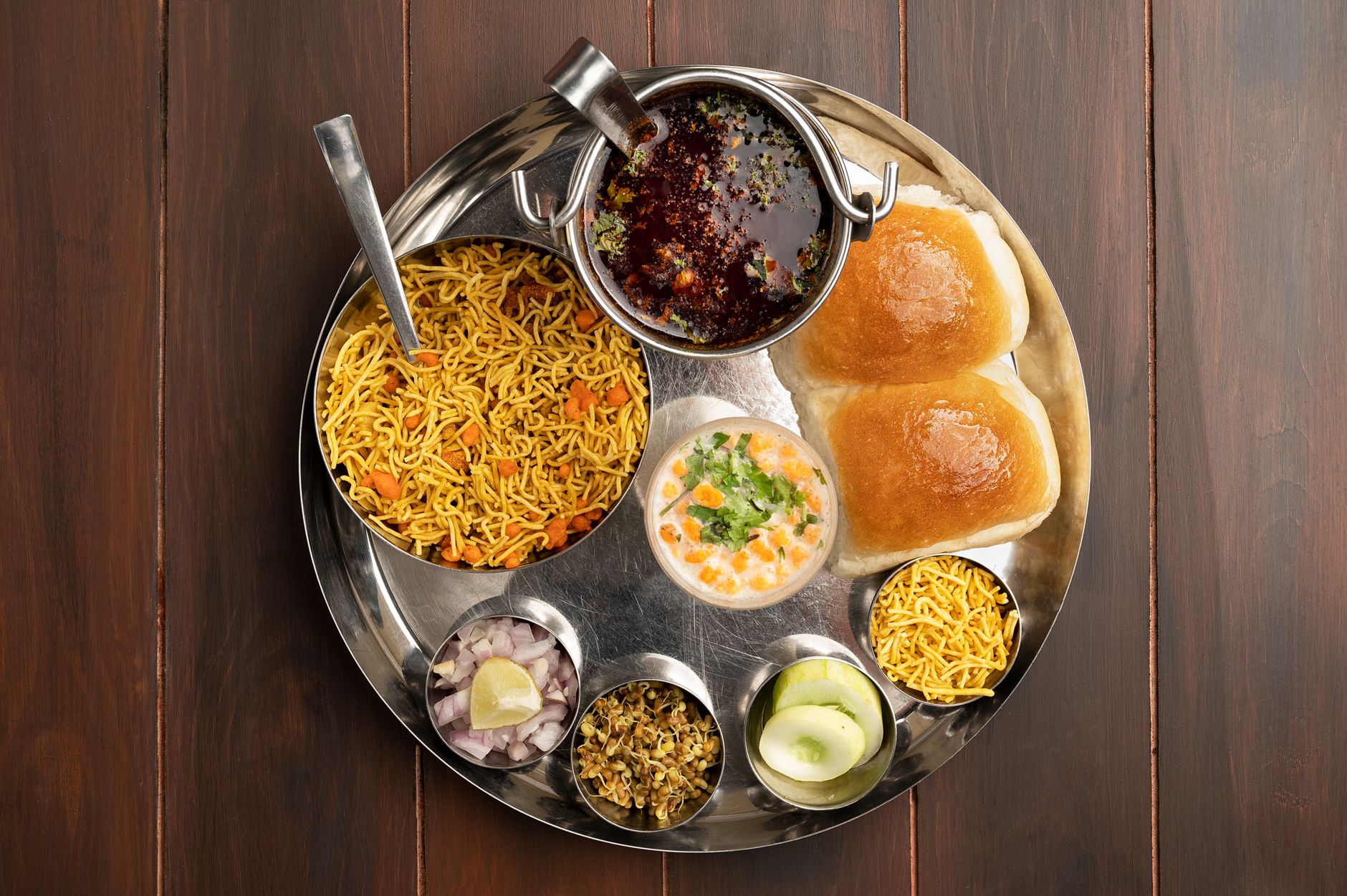
Rotis, paratha, dal-chawal, sabzi, dahi + raita. All safe in pregnancy — keep the ghee moderate, salt sensible + portion sizes attentive in T3. Watch street chaat + paani puri (water quality) + heavy chole-bhature (oil load).
South Indian
Idli, dosa, sambar, rasam, curd-rice — among the most pregnancy-friendly cuisines in the world. Fermented batters add B vitamins + are gentle on the stomach. Coconut + sesame are excellent calcium sources. Skip raw banana flower in T1 + go easy on the heavy ghee in payasam.
Eastern (Bengali, Odia, Assamese)
Fish-forward diets — rohu, hilsa, pomfret all relatively low-mercury + great omega-3 sources. Cook to well-done. Mishti (sweets) in moderation if GDM is a concern. Posto + paanch phoron are safe + classic.
Western (Gujarati, Marathi, Sindhi)
Dhokla, thepla, undhiyu, puran poli, sabudana khichdi — light, fermented + nourishing. Many Gujarati families are vegetarian (see vegetarian section). Maharashtrian + Konkani fish dishes are great omega-3 sources.
Diaspora — UK / US / Canada / Australia
South Asian groceries are widely available in major cities — but quality + freshness vary. Buy paneer + dahi only from reputable stores (or make at home from pasteurised milk). Imported pickles + papads may have higher sodium — read labels. UK + US flours are often fortified with folic acid; Indian-imported atta may not be, so check pack.
Postpartum + lactation foods (jaapa)
South Asian postpartum (jaapa, sutak, confinement) traditions vary by region but share a common philosophy: rich, warming, dairy + ghee-forward foods to rebuild strength + boost milk supply. Most of these are appropriate AFTER delivery — not during pregnancy itself.
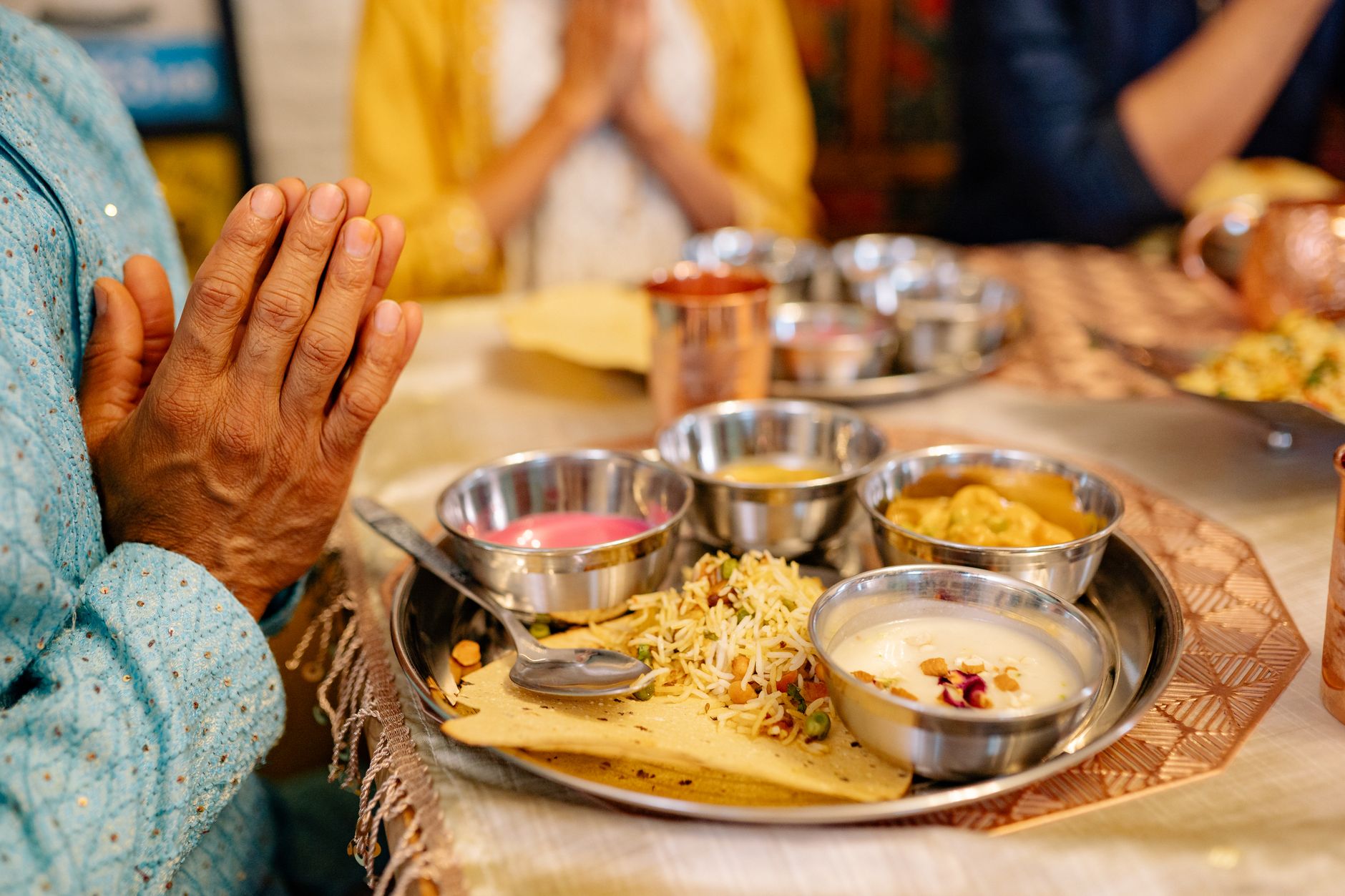
Traditional postpartum foods
- Gond ke laddoo — edible gum, ghee, jaggery, nuts. Highly recommended for jaapa, NOT pregnancy.
- Methi laddoo — fenugreek seeds, ghee, jaggery. Galactagogue (boosts milk supply). Postpartum.
- Ajwain water — aids digestion + reduces gas; safe + traditional in jaapa.
- Panjeeri — flour, ghee, nuts, sugar. Energy-dense for new mothers.
- Haldi-doodh (turmeric milk) — anti-inflammatory; safe in pregnancy + postpartum.
- Saunth ki goli (dry ginger balls) — warming, digestive.
Supplements + vitamins — the South Asian baseline
Even with a perfect diet, three supplements are universally recommended for South Asian pregnancies:
- Folic acid 400-800 mcg/day — start before conception if possible; continue through week 12 minimum.
- Vitamin D 10 mcg (400 IU)/day — year-round, even in sunny India. Skin melanin reduces UV-driven D production substantially.
- Iron — most South Asian women enter pregnancy iron-deficient. 30-60 mg/day under GP/OB supervision is common. Monitor for constipation; ferrous bisglycinate is gentler than ferrous sulphate.
Conditional supplements
- B12 (10 mcg/day) — for all vegans + many lacto-vegetarians; check serum levels at booking.
- Calcium — only if dietary intake is below ~1,000 mg/day.
- DHA (algae or fish oil, 200-300 mg/day) — especially for vegetarians/vegans + those who eat little fish.
- Iodine — South Asia has iodised salt; usually not separately supplemented, but check if you use rock salt (sendha namak) heavily.
Frequently asked questions
Can I drink chai during pregnancy?
Yes — 1-2 cups of standard masala chai is fine, keeping total caffeine under 200 mg/day. That's roughly 1 chai + 1 filter coffee. Avoid super-strong cutting chai + skip the late-night cup since it can disrupt sleep.
Is ghee safe during pregnancy?
Yes, in moderation. 1-2 teaspoons a day is fine + provides healthy fats + fat-soluble vitamins. Avoid the older tradition of eating large amounts in the third trimester 'for easy delivery' — there's no evidence it helps + the calorie load can contribute to excessive weight gain.
Can I eat curd / dahi every day?
Yes — daily curd is excellent in pregnancy, providing probiotics + calcium. Make sure it's set from pasteurised milk. Avoid raw curd from unpasteurised milk (listeria risk).
What about mango + 'body heat' / garmi?
The 'garmi' / body-heat concern around mango in pregnancy has no scientific basis. Mango is rich in vitamin A, C + folate. The only real caveat is sugar — limit if you have gestational diabetes.
Are pickles (achar) safe?
Yes in moderation. Watch sodium load + ensure they're from a hygienic source (oil-cured + sealed bottles are safer than open jars from markets). Skip if you have high BP or pregnancy-induced hypertension.
Is paneer safe?
Commercially-made paneer is pasteurised + safe. Be cautious of raw / unpasteurised paneer from street vendors. When in doubt, cook the paneer (paneer bhurji, paneer tikka) — heat kills listeria.
Can I eat ripe papaya?
Ripe papaya in moderation after the first trimester is generally fine. Unripe + semi-ripe papaya should be avoided throughout pregnancy. If you have a history of miscarriage or preterm labour, skip papaya entirely.
Is fish safe? Which kinds?
Yes — rohu, hilsa (in moderation due to mercury), pomfret, surmai, salmon are all good omega-3 sources. Limit oily fish to 2 portions/week. Avoid shark, swordfish + marlin entirely. Cook to well-done; no raw or undercooked fish.
I'm vegetarian — will my baby get enough protein?
Yes, easily — daal, paneer, dahi, eggs (if you eat them), nuts + grains give plenty. Add an extra portion of dal or paneer per day in T2 + T3. The bigger concerns are iron, B12, vitamin D + omega-3 (see Vegetarian section).
Should I fast during Navratri or Ramadan?
Pregnancy exempts you from religious fasting in every major South Asian tradition. Speak with your religious leader before pregnancy — they will almost always reaffirm the exemption. If you choose to fast, T2 is safest + nirjala (no-water) fasts should be avoided entirely.
Are 'cooling' foods like dahi-rice + buttermilk really better in summer?
Yes — they aid digestion + hydration. Buttermilk (chaas) is excellent in pregnancy summer. The 'cooling vs heating' framework isn't medical, but the foods themselves are nutritious + safe.
Can I eat sprouted moong / channa?
Yes when COOKED. Raw sprouts carry salmonella + listeria risk. Steam or stir-fry for 5+ minutes before eating in pregnancy.
Sources
- NICE NG201 — Antenatal care (UK)
- NHS — Foods to avoid in pregnancy
- RCOG — Healthy eating and vitamin supplements in pregnancy
- RCOG GTG 2020 — Ramadan fasting and pregnancy
- Al-Kuran O, et al. (2011). The effect of late pregnancy consumption of date fruit on labour and delivery. J Obstet Gynaecol 31(1): 29-31.
- FSSAI — Food safety in pregnancy (India)
- ACOG — Nutrition during pregnancy
- NHS — Vitamin D in pregnancy
More guides
Foods to Avoid During Pregnancy: The MD-Reviewed UK & US List
Every food you should skip — and why — in clear plain English. Listeria, mercury, toxoplasmosis, vitamin A excess, alcohol + caffeine. Cross-checked against NHS, NICE, ACOG + FDA.
Read
The First Trimester Survival Guide: Weeks 1-13
Nausea, fatigue, food aversions, fear, joy + the long wait for the 12-week scan. A practical week-by-week walk through the most uncertain trimester — symptoms, what to eat, what to skip + when to call your midwife.
Read
Related baby names
Educational only — not medical advice. Always consult your midwife, GP or paediatrician for personalised guidance. Medical disclaimer.
