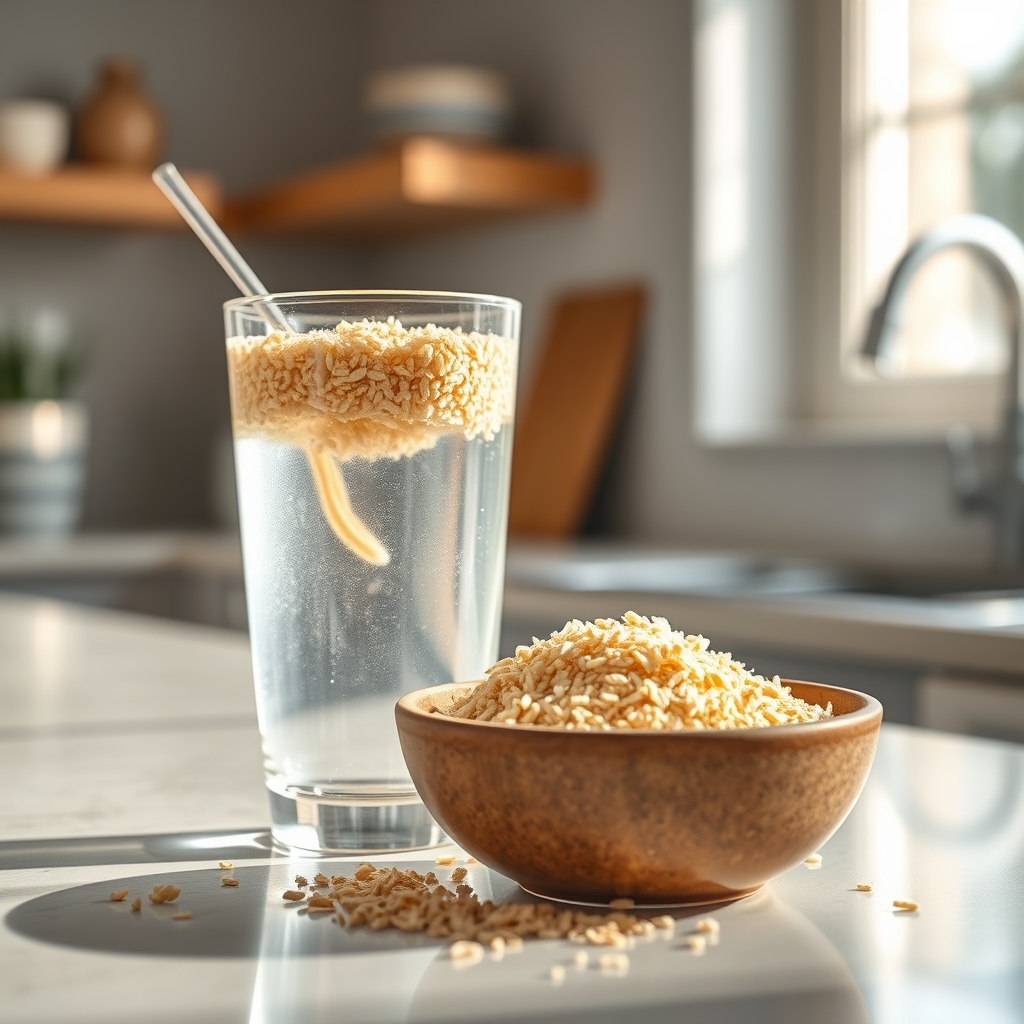
Psyllium husk is generally safe for pregnancy. Learn the recommended dosage, how to take it safely in each trimester, and important considerations to avoid side effects.
By Shubhra Mishra — a mom of two who turned her own confusion during pregnancy into BumpBites, a global mission to make food choices clear, safe, and stress-free for every expecting mother. 💛
Check whether any food is safe during pregnancy with the BumpBites Food Safety Checker.
Quick verdict: ✅ Generally safe. Psyllium husk is considered a safe and effective bulk-forming laxative for constipation during pregnancy when taken with adequate fluids. Always consult your healthcare provider before starting any new supplement.
That familiar discomfort of constipation can feel amplified when you're pregnant, making you scrutinize every potential remedy. You might be staring at a container of psyllium husk, or perhaps you’ve already taken some, and now that little voice of worry is asking, "Is psyllium husk safe for pregnancy?" We understand that late-night Google search and the desire for clear answers.
The good news is that for most pregnant people, psyllium husk is considered a safe and effective option to relieve constipation. It's a natural fiber that works by absorbing water in your gut, softening your stool, and making it easier to pass. Because it isn't absorbed into your bloodstream, it poses very little risk to your developing baby. However, like any supplement, proper use and open communication with your doctor are key.
At BumpBites, we're here to help you navigate these questions with confidence. We'll break down why psyllium husk is generally considered safe, discuss proper dosage, cover specific trimester considerations, and offer other effective alternatives to help you find relief.
Psyllium Husk Safety Snapshot During Pregnancy and Breastfeeding
Trimester / Stage
Verdict
Notes
First Trimester
✅ Generally Safe
Often recommended as a first-line treatment for constipation. Ensure adequate fluid intake to prevent choking or impaction.
Second Trimester
✅ Generally Safe
Continues to be a safe option for managing constipation. Maintain high fluid intake.
Third Trimester
✅ Generally Safe
Can help with constipation and hemorrhoids common in late pregnancy. Continue to drink plenty of water.
Breastfeeding
✅ Generally Safe
Not absorbed systemically, so it won't pass into breast milk and is safe for both parent and baby.
What is Psyllium Husk?
Psyllium husk comes from the seeds of the *Plantago ovata* plant, an herb primarily grown in India. It's a form of soluble fiber, meaning it dissolves in water to form a gel-like substance. This unique property is what makes psyllium husk so effective as a bulk-forming laxative.
When you consume psyllium husk, it travels through your digestive system mostly undigested. As it moves, it absorbs water, swelling to create a soft, bulky mass. This increased bulk stimulates your intestines to contract, helping to move stool along more easily. The softened stool is also less painful to pass. Beyond its laxative effects, psyllium husk is also known for its ability to help regulate blood sugar levels and lower cholesterol, although its primary use in pregnancy is for constipation relief. Because it works mechanically in the gut rather than being absorbed into the bloodstream, many healthcare providers consider psyllium husk safe for pregnancy.
Properly mixing psyllium husk with plenty of water is crucial for its effectiveness and safety.
Is psyllium husk safe to take during pregnancy?
Yes, psyllium husk is generally considered safe for pregnancy when used as directed, and it's often recommended as a first-line treatment for constipation by healthcare professionals. Both the American College of Obstetricians and Gynecologists (ACOG) and the UK's National Institute for Health and Care Excellence (NICE) guidelines suggest bulk-forming laxatives, like psyllium, as appropriate choices for pregnant individuals experiencing constipation.
The primary reason for its safety profile lies in its mechanism of action. Unlike stimulant laxatives, which can cause uterine contractions or electrolyte imbalances, psyllium husk works locally in your digestive tract. It's not absorbed into your bloodstream, meaning it doesn't cross the placenta to reach your baby. This minimal systemic absorption greatly reduces any potential risk to your developing fetus.
Constipation is a very common complaint during pregnancy, affecting up to 50% of expectant parents. Hormonal changes, particularly increased progesterone, slow down gut motility, while the growing uterus puts pressure on the intestines. Iron supplements, often prescribed during pregnancy, can also contribute to constipation. Finding relief is important not only for your comfort but also to prevent complications like hemorrhoids, which can be exacerbated by straining.
While psyllium husk is broadly considered safe, the key to using it effectively and without issues is proper hydration. Taking it without enough water can lead to it swelling prematurely in your esophagus or causing blockages, which can be dangerous. Always mix it with a full glass of water or other liquid and drink plenty of fluids throughout the day. If you have any pre-existing digestive conditions or concerns, it's always best to talk to your doctor before starting psyllium husk or any new supplement.
Psyllium husk safety in the first trimester
The first trimester is a time of rapid development for your baby, when vital organs are forming. This is often the period when pregnant individuals are most cautious about what they consume. Thankfully, psyllium husk is considered safe for use even during these crucial first 12 weeks of pregnancy.
First Trimester
Because psyllium husk is a bulk-forming fiber that isn't absorbed into the bloodstream, it doesn't pose a risk of birth defects or other developmental issues during the first trimester. ACOG guidelines support the use of bulk-forming laxatives as a safe and effective option for managing constipation from the earliest stages of pregnancy. Many moms find that constipation often begins early in pregnancy due to hormonal shifts, so having a safe remedy like psyllium husk available is a huge relief. Just remember the golden rule: always mix it with a generous amount of water and ensure you're staying well-hydrated throughout the day.
Second Trimester
As you move into your second trimester, psyllium husk continues to be a safe and effective way to manage ongoing constipation. Your baby's development is progressing, and your body is adapting. Constipation can persist or even worsen as your uterus grows and puts more pressure on your intestines. Using psyllium husk during this trimester can help maintain regular bowel movements, preventing discomfort and potential complications like hemorrhoids. Continue to follow dosage instructions and prioritize fluid intake.
Third Trimester
In the third trimester, constipation can become even more pronounced, and the risk of hemorrhoids increases due to increased pressure and straining. Psyllium husk remains a valuable tool for relief. Its gentle, bulk-forming action helps soften stools, making them easier to pass and reducing the need for straining. This can significantly alleviate discomfort and help prevent or manage hemorrhoids, which are very common in late pregnancy. You might find that your doctor specifically recommends psyllium husk to help prepare for labor and delivery, ensuring comfortable bowel movements post-birth.
Psyllium Husk While Breastfeeding
The safety of psyllium husk extends into the postpartum period and while breastfeeding. Since psyllium husk is not absorbed systemically and does not enter the bloodstream, it cannot pass into breast milk. This means it is considered safe for both the breastfeeding parent and the nursing infant. Many new mothers experience constipation postpartum due to hormonal changes, pain medication, or fear of bowel movements after vaginal delivery or C-section. Psyllium husk can be a gentle and effective way to restore regularity without concern for the baby's health.
Recommended psyllium husk dosage for pregnant women
When considering psyllium husk for pregnancy-related constipation, the dosage is similar to that for non-pregnant adults, but it's always best to start with the lowest effective dose and increase gradually if needed. The most crucial aspect of taking psyllium husk is ensuring adequate fluid intake.
Generally, the recommended dosage for most psyllium husk products (like Metamucil, which contains psyllium) is:
1 teaspoon (or 1 packet/serving) mixed with at least 8 ounces (240 mL) of water or other liquid, 1 to 3 times per day.
It's vital to:
Mix thoroughly: Stir the psyllium husk into the liquid until fully dissolved.
Drink immediately: Don't let it sit, as it will thicken quickly.
Follow with more fluids: Drink another full glass of water after consuming the psyllium mixture to ensure it moves smoothly through your digestive tract and to prevent choking or impaction.
Increase fluids throughout the day: Aim for 8-10 glasses of water daily, especially when taking fiber supplements.
Start slow: Begin with one dose per day and gradually increase to two or three if necessary and tolerated. This allows your body to adjust and minimizes side effects like gas and bloating.
Always check the specific instructions on the product packaging, as concentrations can vary slightly between brands. For example, Metamucil's recommended dosage for adults is typically 1 rounded teaspoon (or one packet) in 8 ounces of water, up to 3 times daily. If you're unsure about the right psyllium husk dosage for pregnancy, your doctor or midwife can provide personalized guidance.
Potential side effects of psyllium husk during pregnancy
While psyllium husk is generally well-tolerated and considered safe for pregnancy, some individuals may experience side effects, particularly when first starting or if not consumed with enough water. Most side effects are mild and gastrointestinal in nature:
Bloating and Gas: As the fiber ferments in your gut, it can produce gas, leading to bloating and abdominal discomfort. Starting with a lower dose and gradually increasing can help minimize these symptoms.
Abdominal Cramping: Some individuals may experience mild cramping as their digestive system adjusts to the increased fiber and bulk.
Changes in Bowel Habits: While the goal is to regulate bowel movements, some people might initially experience loose stools or, conversely, increased constipation if not enough water is consumed.
Choking or Impaction: This is the most serious, though rare, risk. If psyllium husk is taken without sufficient fluid, or if you have a pre-existing swallowing difficulty or narrow esophagus, it can swell and cause a blockage in your throat or intestines. This is why drinking a full glass of water immediately after mixing and following with more fluids is critical.
Allergic Reactions: Though uncommon, some individuals may be allergic to psyllium. Symptoms can include skin rash, itching, difficulty breathing, or swelling of the face or throat. Seek immediate medical attention if you experience any signs of a severe allergic reaction.
If you experience persistent or severe side effects, stop taking psyllium husk and consult your healthcare provider. It's important to distinguish between common, mild digestive adjustments and more concerning symptoms that warrant medical attention.
Listen to your body, and don't hesitate to reach out to your doctor if you experience concerning side effects.
Using psyllium husk for hemorrhoids in pregnancy
Hemorrhoids are a very common and uncomfortable issue during pregnancy, often caused or worsened by constipation and straining during bowel movements. The good news is that psyllium husk can be an excellent tool for both preventing and managing hemorrhoids.
Here’s how psyllium husk helps:
Softens Stool: By absorbing water and adding bulk, psyllium husk makes your stool softer and easier to pass. This reduces the need to strain, which is a major contributor to hemorrhoid development and aggravation.
Promotes Regularity: Regular, comfortable bowel movements prevent stool from becoming hard and dry, which can further irritate hemorrhoids.
Reduces Pressure: Less straining means less pressure on the veins in your rectum and anus, allowing existing hemorrhoids to heal and preventing new ones from forming.
Many obstetricians recommend bulk-forming laxatives like psyllium husk specifically for pregnant individuals dealing with hemorrhoids. It's a gentle, non-irritating way to manage the problem without introducing systemic medications. As always, ensure you're consuming plenty of water with your psyllium husk to maximize its effectiveness and safety. If you have bleeding, severe pain, or persistent hemorrhoids, always talk to your doctor for a comprehensive treatment plan.
Safe alternatives to psyllium husk for constipation during pregnancy
While psyllium husk is a great option, it's not the only one. If psyllium husk isn't working for you, or if you're looking for other ways to manage constipation during pregnancy, there are several safe and effective alternatives:
High-Fiber Diet: This is often the first recommendation. Incorporating plenty of fruits, vegetables, whole grains, and legumes into your daily diet can naturally increase fiber intake. Aim for 25-30 grams of fiber per day.
Increased Water Intake: Dehydration is a major cause of constipation. Drinking at least 8-10 glasses (64-80 ounces) of water daily helps keep stools soft and aids digestion.
Prunes: These dried plums are a classic natural remedy for constipation. They contain both fiber and sorbitol, a natural laxative. Eating a few prunes daily or drinking prune juice can be very effective.
Figs: Like prunes, figs are rich in fiber and offer a gentle laxative effect. Fresh or dried, they can be a delicious way to boost your fiber intake.
Chia Seeds: These tiny seeds are packed with soluble fiber. When mixed with liquid, they form a gel, similar to psyllium. You can add them to smoothies, yogurt, or overnight oats. Start with 1-2 tablespoons daily, ensuring ample fluid intake.
Flax Seeds: Both whole and ground flax seeds are good sources of fiber. Ground flax seeds are generally easier to digest and absorb nutrients from. Add 1-2 tablespoons to cereals, yogurt, or baked goods, always with plenty of water.
Docusate Sodium (Colace): This is a stool softener that works by increasing the amount of water absorbed into the stool, making it softer and easier to pass. It is widely considered safe for use during pregnancy by ACOG.
Magnesium Citrate (doctor-approved): While generally safe, magnesium citrate is a saline laxative that works by drawing water into the intestines. It's effective but should only be used under the guidance of your healthcare provider, as excessive use can cause electrolyte imbalances.
Related items — safety at a glance
When you're dealing with constipation during pregnancy, you might see many different products on the pharmacy shelf. Here's a quick look at how some common fiber supplements and laxatives compare in terms of pregnancy safety:
Comparison of Common Constipation Relief Products During Pregnancy
Product / Ingredient
Verdict
Notes
Metamucil (Psyllium Husk)
✅ Generally Safe
Bulk-forming fiber, often recommended as a first choice. Requires ample water.
Citrucel (Methylcellulose)
✅ Generally Safe
Another bulk-forming fiber, similar mechanism to psyllium. Also requires plenty of fluids.
Benefiber (Wheat Dextrin)
✅ Generally Safe
A soluble fiber supplement, generally well-tolerated. Doesn't thicken as much as psyllium.
Miralax (Polyethylene Glycol - PEG)
✅ Generally Safe
Osmotic laxative that draws water into the stool. Widely used and considered safe for short-term use.
Colace (Docusate Sodium)
✅ Generally Safe
Stool softener. Increases water in stool, making it easier to pass. Often recommended by doctors.
Senna
⚠️ Safe with Limits
Stimulant laxative. Generally avoided as a first choice due to potential for uterine contractions and electrolyte imbalance. Short-term, doctor-approved use only.
Milk of Magnesia (Magnesium Hydroxide)
⚠️ Safe with Limits
Saline laxative. Can be used for occasional relief, but consult your doctor, especially in late pregnancy, due to potential for electrolyte disruption.
Fiber One bars
✅ Generally Safe
Food product containing various fibers. Safe as part of a balanced diet, but check sugar content and avoid excessive intake which can cause gas/bloating.
Myth vs. fact
Myth: Psyllium husk can cause early labor or miscarriage.
Fact: This is a common concern, but it's not supported by evidence. Psyllium husk works locally in the digestive tract and is not absorbed into the bloodstream in significant amounts. It does not directly affect the uterus or hormone levels, and there's no scientific basis to suggest it causes early labor or miscarriage. It's considered a safe option throughout all trimesters.
Myth: All laxatives are unsafe during pregnancy.
Fact: This is untrue. While stimulant laxatives (like Senna or bisacodyl) are generally discouraged for regular use due to potential risks, bulk-forming laxatives (like psyllium husk, methylcellulose) and stool softeners (like docusate sodium) are widely considered safe and are often recommended by obstetricians as first-line treatments for pregnancy-related constipation.
Myth: You should avoid all fiber supplements if you're already eating a high-fiber diet.
Fact: While a high-fiber diet is crucial, sometimes it's still not enough to combat pregnancy-induced constipation, especially with hormonal changes and iron supplements. Fiber supplements like psyllium husk can complement a healthy diet to provide additional relief. Just ensure you're drinking plenty of water to help the extra fiber work effectively and prevent discomfort.
Key takeaways
Psyllium husk is generally considered a safe and effective bulk-forming laxative for constipation during all trimesters of pregnancy and while breastfeeding.
Its safety stems from its local action in the gut; it is not absorbed into the bloodstream or passed to the baby.
Always mix psyllium husk with a full 8 ounces (240 mL) of water or other liquid and drink immediately, followed by another glass of water.
Ensure you maintain high fluid intake throughout the day to prevent choking or impaction and minimize side effects like gas and bloating.
Start with the lowest effective dose (typically 1 teaspoon daily) and gradually increase if needed, up to 3 times a day, as tolerated.
If psyllium husk isn't suitable, consider other safe alternatives like prunes, chia seeds, docusate sodium (Colace), or simply increasing dietary fiber and water.
Always consult your healthcare provider before starting any new supplement or medication during pregnancy.
Frequently asked questions
Can psyllium husk cause miscarriage?
No, psyllium husk is not known to cause miscarriage. It works locally in your digestive system and is not absorbed into your bloodstream in significant amounts, meaning it does not affect the uterus or pose a risk to your developing baby. It is considered a safe option for constipation relief throughout all trimesters of pregnancy.
What fiber supplement is best for pregnancy?
Bulk-forming fiber supplements like psyllium husk (e.g., Metamucil) and methylcellulose (e.g., Citrucel) are generally considered the best and safest first-line options for constipation during pregnancy. They work gently and are not absorbed systemically. Always ensure adequate fluid intake when using any fiber supplement.
Is it safe to take Metamucil every day while pregnant?
Yes, Metamucil, which contains psyllium husk, is generally safe to take daily during pregnancy if needed to manage chronic constipation. It's a gentle, non-habit-forming fiber supplement. However, always adhere to the recommended dosage, drink plenty of water, and discuss long-term use with your healthcare provider to ensure it's the right choice for you.
How much water should I drink with psyllium husk during pregnancy?
It is crucial to mix each dose of psyllium husk with at least 8 ounces (240 mL) of water or other liquid and drink it immediately. Following this with another full glass of water is highly recommended. Additionally, aim to drink 8-10 glasses (64-80 ounces) of water throughout the day when taking psyllium husk to maximize its effectiveness and prevent side effects.
Are natural laxatives safe during pregnancy?
Many natural laxatives are safe, especially those that are bulk-forming or osmotic. Psyllium husk, prunes, figs, chia seeds, and a high-fiber diet are generally safe and recommended. However, some "natural" stimulant laxatives (like Senna) should be used with caution and only under a doctor's guidance, as they can potentially cause uterine contractions or electrolyte imbalances.
Can psyllium husk help with gestational diabetes?
While psyllium husk is primarily known for constipation relief, its soluble fiber content can also help regulate blood sugar levels by slowing down glucose absorption. This can be beneficial for individuals with gestational diabetes as part of a comprehensive management plan that includes diet and exercise. However, it should not replace prescribed medications or dietary advice, and you should always discuss its use with your doctor or a registered dietitian.
When to call your doctor
While psyllium husk is generally safe, it's important to know when to seek medical advice. Call your doctor or healthcare provider if you experience any of the following:
Persistent or worsening constipation despite using psyllium husk and increasing fluids.
Severe abdominal pain, cramping, or bloating that doesn't resolve.
Signs of an allergic reaction, such as rash, itching, swelling (especially of the face, tongue, or throat), or difficulty breathing.
Difficulty swallowing or a feeling of choking after taking psyllium husk (seek immediate medical attention).
Rectal bleeding or severe pain during bowel movements.
Any new or concerning symptoms that you believe might be related to psyllium husk or your pregnancy.
Remember, this information is for educational purposes only and is not a substitute for professional medical advice. Always consult your healthcare provider for any health concerns or before making any decisions related to your health or treatment.
Not sure about the label on Is Psyllium Husk Safe During Pregnancy products?
Snap the ingredients list and SafeFilter checks every ingredient for your stage — only 3 free scans this month, then you're locked until reset. Unlimited from $7/mo or $50/yr.
When Shubhra Mishra was expecting her first child in 2016, she was overwhelmed by conflicting food advice — one site said yes, another said never. By the time her second baby arrived in 2019, she realized millions of mothers face the same confusion.
That sparked a five-year journey through clinical nutrition papers, cultural diets, and expert conversations — all leading to BumpBites: a calm, compassionate space where science meets everyday motherhood.
Her long-term vision is to build a global community ensuring safe, supported, and free deliveriesfor every mother — because no woman should face pregnancy alone or uninformed. 🌿
🌍 Stand with mothers, shape safer guidance
Join a small circle of experts who review BumpBites articles so expecting parents everywhere can decide with confidence.