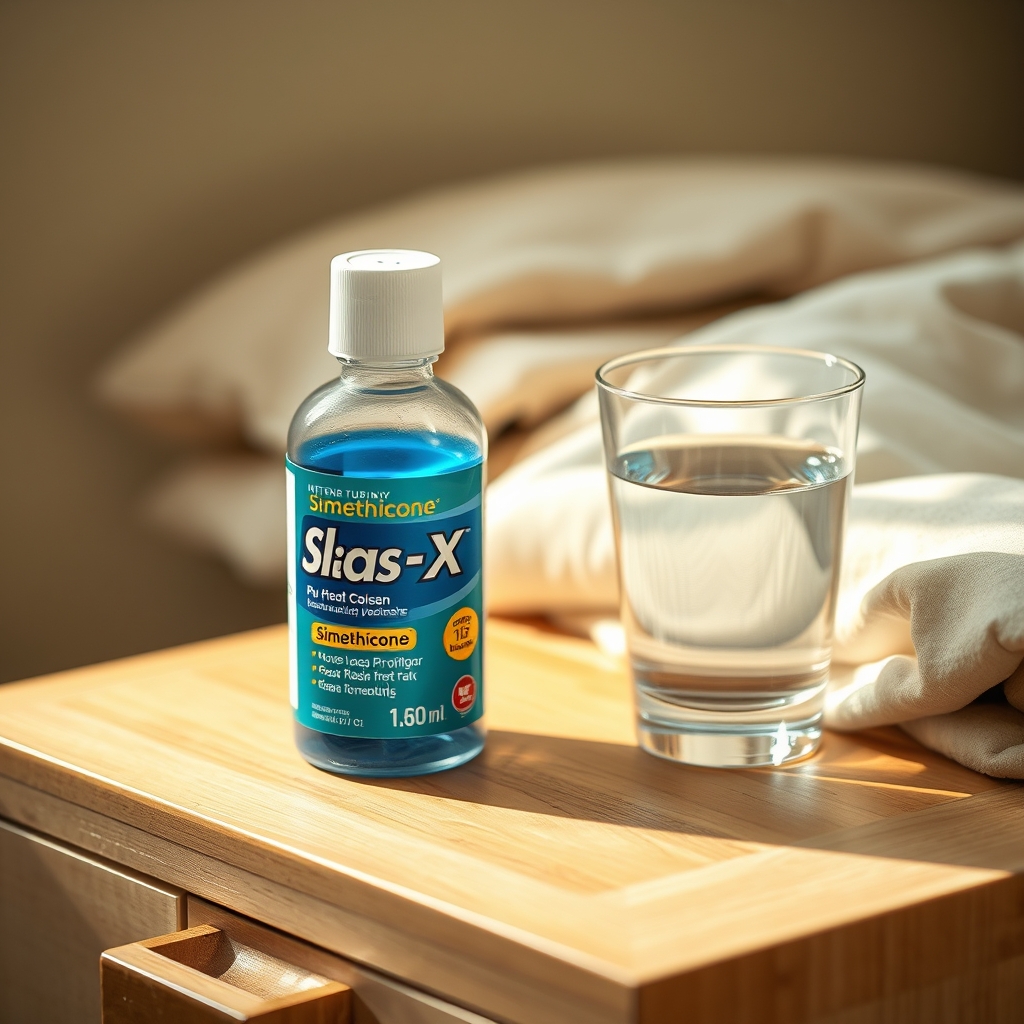
Yes, simethicone is safe for pregnancy and can be used in all trimesters to relieve gas and bloating. Learn about recommended dosages and safe alternatives.
By Shubhra Mishra — a mom of two who turned her own confusion during pregnancy into BumpBites, a global mission to make food choices clear, safe, and stress-free for every expecting mother. 💛
Check whether any food is safe during pregnancy with the BumpBites Food Safety Checker.
Quick verdict: ✅ Generally safe. Simethicone is considered safe for pregnancy and breastfeeding, as it works locally in your digestive tract and is not absorbed into your bloodstream or passed to your baby. It can be an effective way to relieve gas and bloating.
That familiar feeling of a bloated belly and uncomfortable gas can be a real nuisance, and for many expecting parents, it’s an all-too-common part of pregnancy. You might find yourself staring at the pharmacy aisle, wondering, "Is simethicone safe for pregnancy?" or "Can I really take Gas-X?" It's completely natural to be extra cautious about anything you put into your body when you're pregnant, especially when it comes to over-the-counter medications.
The good news is that simethicone, the active ingredient in many popular gas relief medications like Gas-X and Phazyme, is generally considered safe to use throughout all trimesters of pregnancy and while breastfeeding. Its unique mechanism of action means it doesn't get absorbed into your bloodstream, making it a low-risk option for managing those uncomfortable pregnancy gas symptoms. We understand the worry, and we're here to help you navigate your options with confidence.
This article will dive into why simethicone is a safe choice, how much you can take, what to expect in each trimester, and other effective strategies for finding relief from pregnancy-related gas and bloating. We'll also cover common brands, potential side effects, and when it's time to reach out to your healthcare provider.
Trimester/Status
Verdict
Notes
First Trimester
✅ Generally Safe
Simethicone is not absorbed systemically, posing no known risk during early organ development.
Second Trimester
✅ Generally Safe
Continues to be a safe option for gas and bloating relief as your pregnancy progresses.
Third Trimester
✅ Generally Safe
Can be used safely right up to delivery to manage increasing digestive discomfort.
Breastfeeding
✅ Generally Safe
Not absorbed into the bloodstream, so it doesn't pass into breast milk, making it safe for nursing parents.
What is Simethicone?
Simethicone is an anti-foaming agent specifically designed to relieve gas and bloating. It's not a medication that gets absorbed into your body or affects your systemic functions. Instead, it works locally within your gastrointestinal tract. Think of it like a gentle defoamer for your gut.
Here's how it works: Gas bubbles form in your digestive system, often getting trapped and causing that uncomfortable pressure and bloating. Simethicone changes the surface tension of these gas bubbles, causing them to break down into smaller, easier-to-pass bubbles. This allows the gas to be eliminated more easily, either through burping or flatulence, bringing you relief. Because it isn't absorbed into your bloodstream, it doesn't interact with other medications or travel to your baby, making it a favorable option during pregnancy.
Many pregnant people experience increased gas and bloating due to several factors. Hormonal changes, particularly the rise in progesterone, relax smooth muscles throughout the body, including those in the digestive tract. This slows down digestion, giving gas more time to build up. As your uterus grows, it also puts pressure on your intestines, further impeding digestion and exacerbating gas and bloating. Dietary changes, prenatal vitamins (especially iron supplements), and even stress can contribute to these uncomfortable symptoms. Understanding why you're experiencing gas can help you feel more in control of managing it.
Simethicone offers a generally safe option for managing gas and bloating during pregnancy.
Is Simethicone Safe for Gas and Bloating During Pregnancy?
Yes, simethicone is widely considered safe for pregnancy and is a recommended first-line treatment for gas and bloating by many healthcare providers. The key reason for its safety lies in its unique mechanism of action: it is not absorbed into your bloodstream. This means it works only in your digestive tract and does not cross the placenta to reach your developing baby.
Leading health organizations, including the American College of Obstetricians and Gynecologists (ACOG) and the UK's National Health Service (NHS), generally include simethicone on lists of medications considered safe for use during pregnancy. The U.S. Food and Drug Administration (FDA) also categorizes it as a low-risk option. Because simethicone is inert and passes through your system unchanged, it does not pose a risk of teratogenicity (causing birth defects) or other adverse effects on fetal development.
Many expecting parents worry about any medication they take, especially during the crucial first trimester when the baby's organs are forming. However, because simethicone does not enter the bloodstream, its use is considered safe even in the earliest weeks of pregnancy. You can breathe a sigh of relief knowing that if you've already taken simethicone for gas relief, you haven't put your baby at risk. This lack of systemic absorption also means there's no concern about it interacting with other medications you might be taking, or causing side effects elsewhere in your body.
Simethicone Safety by Trimester: First, Second, and Third
Understanding how medications might affect your baby at different stages of development is a common concern. With simethicone, its safety profile remains consistent throughout all trimesters, offering continuous relief for gas and bloating.
Simethicone in the First Trimester
The first trimester is a period of rapid and critical development for your baby, making many expectant parents particularly cautious about medication use. However, because simethicone is not absorbed into your bloodstream, it does not reach your baby. This means it poses no known risk during the crucial period of organogenesis (the formation of organs) and is considered safe for use from the earliest weeks of pregnancy. If you've been battling early pregnancy gas and have already taken simethicone, there's no need to worry.
Simethicone in the Second Trimester
As your pregnancy progresses into the second trimester, your body continues to change, and digestive discomfort, including gas and bloating, can persist or even worsen. Simethicone remains a safe and effective option during this stage. Its localized action in the gut ensures that it continues to relieve symptoms without affecting your baby's ongoing growth and development. You can confidently continue using simethicone as needed, following the package directions, to manage any increasing discomfort.
Simethicone in the Third Trimester
By the third trimester, the growing uterus can put significant pressure on your digestive organs, often leading to more pronounced gas, bloating, and indigestion. Simethicone is still a safe choice for relief during these final months. It can be used right up to your due date, providing comfort without any concern for your baby or potential complications during labor and delivery. Its non-systemic nature means it won't interfere with any other medical treatments or your baby's health as you prepare for birth.
Simethicone While Breastfeeding
Just like during pregnancy, simethicone is considered safe for use while breastfeeding. Since it is not absorbed into your bloodstream, it cannot pass into your breast milk. This means you can continue to use simethicone for gas and bloating relief without any concern that it will affect your nursing baby. For new parents, managing postpartum digestive discomfort can be challenging, and simethicone offers a safe and effective solution.
Recommended Simethicone Dosage for Pregnant Women
When considering simethicone safe for pregnancy, dosage is important, but thankfully, the guidelines are straightforward. The standard adult dose of simethicone is generally considered safe for pregnant individuals. Most over-the-counter simethicone products come in various strengths, such as 80 mg, 125 mg, or 180 mg chewable tablets or soft gels. The typical recommendation is to take one or two doses as needed after meals and at bedtime, or as directed by your healthcare provider.
It's always best to follow the specific instructions on the product packaging. For example, many brands suggest a maximum daily dose, such as not exceeding four to six doses in a 24-hour period. Always refer to the package insert for the specific product you are using. If you find yourself needing simethicone very frequently or at higher doses, it's a good idea to discuss this with your doctor or midwife. They can help rule out any underlying issues and ensure your comfort and safety.
Remember, because simethicone is not absorbed into the bloodstream, there isn't a "toxic" level in the same way as some other medications. However, sticking to the recommended dosage ensures effectiveness and avoids any unnecessary use. While there are no specific "pregnancy-safe" brands of simethicone, as the active ingredient itself is safe, common brands like Gas-X and Phazyme contain simethicone and are widely used. We'll explore these more in a dedicated section.
Herbal teas like peppermint and ginger can offer natural relief from gas during pregnancy.
Common Simethicone Brands: Are Gas-X and Phazyme Safe for Pregnancy?
Yes, common simethicone brands like Gas-X and Phazyme are considered safe for pregnancy. The safety comes from the active ingredient, simethicone, not the brand name itself. Both Gas-X and Phazyme contain simethicone as their primary active ingredient for gas relief.
When you're looking for simethicone safe for pregnancy, you can confidently choose these well-known brands or generic store-brand equivalents. Always check the active ingredients list to confirm that simethicone is the main component and that there are no additional active ingredients that might not be suitable for pregnancy. Some gas relief products might combine simethicone with antacids (like calcium carbonate or magnesium hydroxide), which are also generally safe, but it's good to be aware of what you're taking.
The key is to read the label and ensure you're taking a product that primarily offers simethicone for gas relief. These brands offer various strengths and forms (chewables, soft gels), so you can choose what works best for your comfort. Always follow the dosage instructions on the package, or those provided by your healthcare provider.
Potential Side Effects and Risks of Simethicone During Pregnancy
One of the reasons simethicone is considered so safe for pregnancy is its very low risk of side effects. Because it isn't absorbed into your bloodstream, systemic side effects (those affecting your whole body) are extremely rare. Most people experience no side effects at all when taking simethicone.
When side effects do occur, they are typically mild and related to the digestive tract. These might include:
Mild nausea
Diarrhea or constipation (though these are often symptoms of pregnancy itself, rather than caused by simethicone)
An allergic reaction (extremely rare, but possible with any medication, manifesting as rash, itching, or swelling)
It's important to distinguish between potential side effects of simethicone and the common digestive discomforts of pregnancy. Many pregnant individuals experience constipation, diarrhea, or nausea due to hormonal shifts and the physical changes of pregnancy, which are unlikely to be caused by simethicone.
There are no known significant drug interactions with simethicone because of its non-systemic action. It doesn't interfere with the absorption or metabolism of other medications. This adds another layer of reassurance when considering simethicone safe for pregnancy, especially if you're taking prenatal vitamins or other prescribed medications.
However, if you experience new or worsening abdominal pain, severe diarrhea, or any signs of an allergic reaction after taking simethicone, you should stop use and contact your healthcare provider immediately. While these are very rare with simethicone, it's always best to be cautious.
When to Avoid Simethicone During Pregnancy
While simethicone is generally very safe, there are a few specific situations where you might need to avoid it or use it with caution:
Known Allergy: If you have a known allergy or hypersensitivity to simethicone or any other ingredients in the product, you should, of course, avoid it. Allergic reactions are rare but can occur with any medication.
Bowel Obstruction: Simethicone should not be used if you suspect you have a bowel obstruction or perforation. In such cases, gas relief might mask more serious symptoms, and medical attention is required immediately. However, this is a serious medical condition that would typically present with severe symptoms beyond just gas.
Unexplained Abdominal Pain: If your gas and bloating are accompanied by severe, persistent, or worsening abdominal pain, fever, chills, blood in your stool, or persistent vomiting, do not self-treat with simethicone. These could be signs of a more serious underlying condition that requires immediate medical evaluation.
Chronic or Severe Digestive Issues: If you have a pre-existing chronic digestive condition like Crohn's disease, ulcerative colitis, or irritable bowel syndrome (IBS), or if your gas and bloating are severe and persistent despite simethicone use, consult your doctor. They can provide a more tailored treatment plan and rule out any complications related to your condition during pregnancy.
For most routine pregnancy-related gas and bloating, simethicone is a safe and effective choice. The main takeaway is that if your symptoms are unusual, severe, or accompanied by other concerning signs, always prioritize consulting your healthcare provider over self-medicating.
What to Do for Severe Gas and Bloating When Pregnant
Experiencing severe gas and bloating during pregnancy can be truly miserable, and while simethicone is a great option, sometimes you need more or different strategies. The good news is there are many safe and effective ways to find relief, often by combining lifestyle adjustments with over-the-counter options.
Safe Alternatives to Simethicone for Pregnancy Gas Relief
Peppermint Tea: Peppermint has natural antispasmodic properties that can help relax the muscles of the digestive tract, easing gas and bloating. Ensure it's decaffeinated and consumed in moderation.
Ginger Tea: Known for its digestive benefits, ginger can help soothe an upset stomach and reduce gas. It's also great for nausea.
Fennel Tea: Fennel seeds are traditionally used to aid digestion and reduce flatulence. Brewing a tea from crushed fennel seeds can be very effective.
Walking: Gentle physical activity, like a short walk after meals, can stimulate your digestive system and help move gas through your intestines.
Smaller, More Frequent Meals: Eating smaller portions throughout the day instead of three large meals can prevent your digestive system from becoming overloaded, reducing gas production.
Probiotic Supplements: Discuss with your doctor if a pregnancy-safe probiotic supplement could help balance your gut flora, which can improve digestion and reduce gas.
Warm Compress: Applying a warm compress or taking a warm bath can help relax abdominal muscles and ease the discomfort of trapped gas.
Dietary Fiber: While too much fiber too quickly can cause gas, gradually increasing soluble fiber (found in oats, apples, beans) and insoluble fiber (whole grains, vegetables) can promote regular bowel movements and reduce gas over time. Be sure to drink plenty of water with increased fiber.
Beyond these alternatives, consider identifying and avoiding gas-triggering foods. Common culprits include beans, lentils, broccoli, cabbage, carbonated drinks, fried foods, and artificial sweeteners. Keeping a food diary can help you pinpoint specific foods that exacerbate your symptoms.
For persistent or severe symptoms, always talk to your doctor. They can help you determine if your discomfort is normal pregnancy gas or if there's an underlying issue that needs attention.
Related Items — Safety at a Glance
When dealing with digestive discomfort in pregnancy, it's easy to wonder about other common over-the-counter remedies. Here's a quick look at the safety of some related items:
Item
Verdict
Notes
Tums (Calcium Carbonate)
✅ Generally Safe
A common antacid for heartburn. Also provides calcium.
Maalox (Aluminum Hydroxide/Magnesium Hydroxide)
✅ Generally Safe
Antacid for heartburn/indigestion. Magnesium can cause diarrhea; aluminum can cause constipation.
Combines antacids with simethicone for gas. Safe due to local action.
Pepcid (Famotidine)
✅ Generally Safe
H2 blocker for heartburn/acid reflux. Considered safe for occasional use.
Prilosec (Omeprazole)
✅ Generally Safe
Proton pump inhibitor (PPI) for severe reflux. Often used when H2 blockers aren't enough.
Metamucil (Psyllium Fiber)
✅ Generally Safe
Bulk-forming laxative/fiber supplement. Helps with constipation; ensure adequate water intake.
Colace (Docusate Sodium)
✅ Generally Safe
Stool softener. Often recommended for pregnancy-related constipation.
Imodium (Loperamide)
⚠️ Safe with Limits
Antidiarrheal. Generally considered safe for short-term use, but consult your doctor first.
Pepto-Bismol (Bismuth Subsalicylate)
❌ Best Avoided
Contains salicylates, similar to aspirin, which should be avoided in late pregnancy due to potential bleeding risks.
Myth vs. Fact
Navigating pregnancy safety often means sifting through a lot of information, some of which isn't quite accurate. Let's clear up some common myths about simethicone.
Myth: Simethicone can harm the baby because it's a medication.
Fact: This is incorrect. While simethicone is an over-the-counter medication, its unique property is that it acts only in the digestive tract and is not absorbed into your bloodstream. This means it doesn't cross the placenta to reach your baby, making it very safe throughout all stages of pregnancy.
Myth: You should only take simethicone in the second or third trimester, not the first.
Fact: Simethicone is safe to use in all trimesters, including the first. The concern about medications in the first trimester typically relates to those that are absorbed into the bloodstream and could potentially affect early fetal development. Since simethicone is not absorbed, this concern does not apply.
Myth: Simethicone cures the cause of gas.
Fact: Simethicone is a symptomatic relief medication. It helps to break down existing gas bubbles, making them easier to pass, thereby alleviating discomfort. It does not address the underlying reasons why you might be producing excess gas in the first place, such as dietary choices or slow digestion due to pregnancy hormones. For long-term relief, lifestyle and dietary changes are often necessary alongside simethicone.
Key Takeaways
Simethicone is generally considered safe for use throughout all trimesters of pregnancy and while breastfeeding.
Its safety stems from its mechanism of action: it works locally in the gut and is not absorbed into the bloodstream or passed to your baby.
Common brands like Gas-X and Phazyme contain simethicone and are safe options.
Always follow the recommended dosage on the product packaging or as advised by your healthcare provider.
Side effects are rare and usually mild, but discontinue use and contact your doctor if you experience severe pain or allergic reactions.
Lifestyle changes and natural remedies like peppermint tea, ginger tea, walking, and smaller meals can also help manage gas and bloating.
Frequently Asked Questions
Is Gas-X safe during pregnancy?
Yes, Gas-X is safe during pregnancy. Its active ingredient is simethicone, which works locally in your digestive system and is not absorbed into your bloodstream, posing no known risk to your developing baby or during breastfeeding.
What can I take for extreme gas while pregnant?
For extreme gas, you can safely take simethicone (found in products like Gas-X or Phazyme). Additionally, consider home remedies like peppermint or ginger tea, gentle walking, eating smaller, more frequent meals, and applying a warm compress to your abdomen for relief.
What helps with gas and bloating during pregnancy?
Many strategies help with gas and bloating during pregnancy: taking simethicone, drinking herbal teas (peppermint, ginger, fennel), staying hydrated, eating smaller meals, avoiding gas-producing foods, and getting regular, gentle exercise like walking.
Is simethicone safe for breastfeeding?
Yes, simethicone is safe for breastfeeding. Since it is not absorbed into your bloodstream, it cannot pass into your breast milk, making it a safe choice for nursing parents to relieve gas and bloating.
Can simethicone cause miscarriage?
No, simethicone cannot cause a miscarriage. It is not absorbed systemically and therefore has no impact on the uterus or early pregnancy development. Its safety profile is well-established for use throughout all trimesters.
What medications are safe for gas during pregnancy?
Simethicone is the primary over-the-counter medication considered safe for gas during pregnancy. Other digestive aids like certain antacids (calcium carbonate, aluminum/magnesium hydroxide) can also be safe for associated heartburn, but simethicone specifically targets gas bubbles.
Is it safe to take simethicone every day while pregnant?
Taking simethicone every day at the recommended dosage is generally considered safe during pregnancy, as it's not absorbed into your system. However, if you find yourself needing it daily, discuss it with your healthcare provider to ensure there isn't an underlying issue and to explore other long-term management strategies.
Does simethicone affect the baby?
No, simethicone does not affect the baby. It works only within your digestive tract, breaking down gas bubbles, and is not absorbed into your bloodstream. Therefore, it does not cross the placenta or reach your developing baby in any way.
When to Call Your Doctor
While gas and bloating are common and usually harmless during pregnancy, there are times when these symptoms could indicate something more serious. It's always best to err on the side of caution and contact your healthcare provider if you experience any of the following:
Severe or persistent abdominal pain: Especially if it's sharp, cramping, or doesn't ease with gas relief or position changes.
Pain accompanied by fever or chills: This could be a sign of infection.
Vaginal bleeding or unusual discharge: Seek immediate medical attention.
Persistent vomiting or inability to keep fluids down.
Severe diarrhea or constipation that doesn't resolve.
Blood in your stool.
If your gas and bloating are so severe they interfere with your daily activities or sleep.
If you have any concerns or questions about your symptoms or medication use.
Remember, this information is for educational purposes only and is not a substitute for professional medical advice. Always consult with your doctor or midwife for personalized guidance regarding your health and pregnancy.
Not sure about the label on Is Simethicone Safe During Pregnancy products?
Snap the ingredients list and SafeFilter checks every ingredient for your stage — only 3 free scans this month, then you're locked until reset. Unlimited from $7/mo or $50/yr.
When Shubhra Mishra was expecting her first child in 2016, she was overwhelmed by conflicting food advice — one site said yes, another said never. By the time her second baby arrived in 2019, she realized millions of mothers face the same confusion.
That sparked a five-year journey through clinical nutrition papers, cultural diets, and expert conversations — all leading to BumpBites: a calm, compassionate space where science meets everyday motherhood.
Her long-term vision is to build a global community ensuring safe, supported, and free deliveriesfor every mother — because no woman should face pregnancy alone or uninformed. 🌿
🌍 Stand with mothers, shape safer guidance
Join a small circle of experts who review BumpBites articles so expecting parents everywhere can decide with confidence.