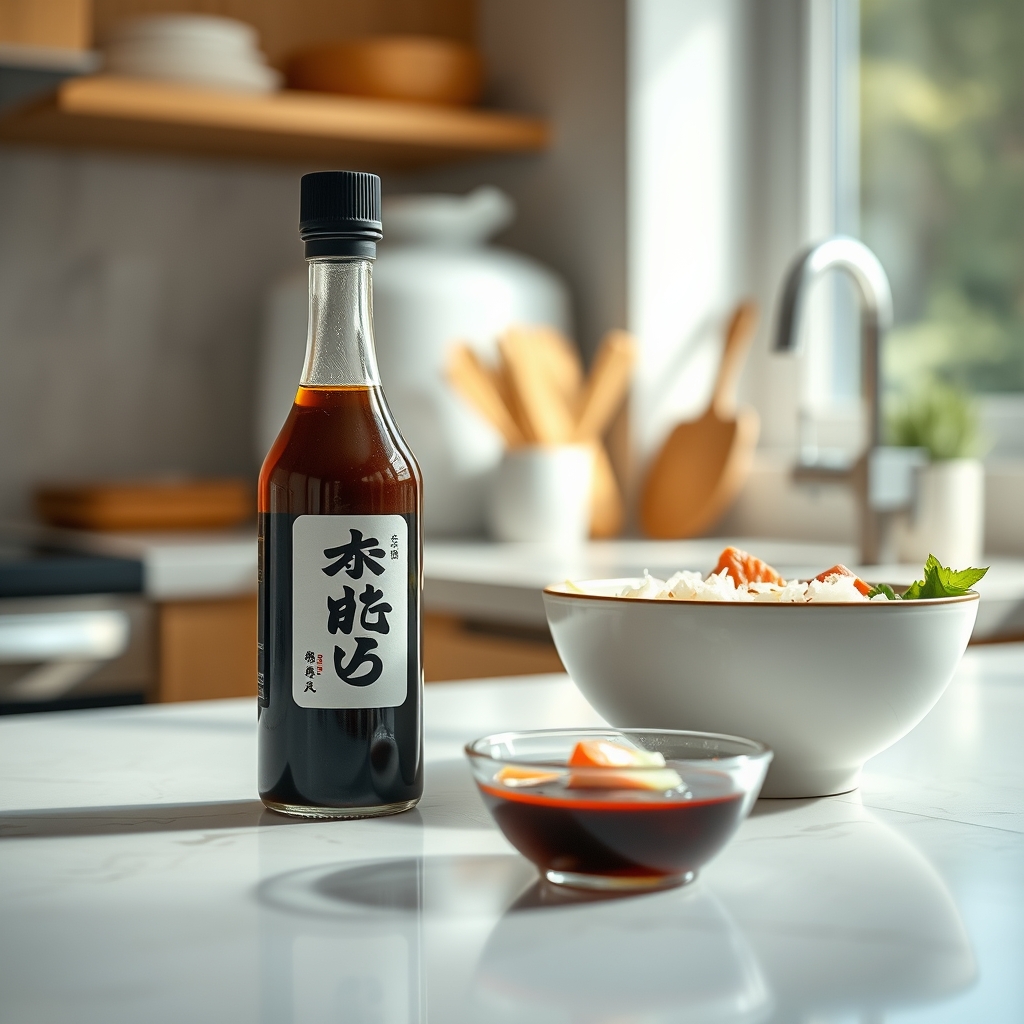
Soy sauce is generally safe during pregnancy when consumed in moderation, with a recommended dosage of one to two teaspoons per day, especially in the first trimester
By Shubhra Mishra — a mom of two who turned her own confusion during pregnancy into BumpBites, a global mission to make food choices clear, safe, and stress-free for every expecting mother. 💛
Check whether any food is safe during pregnancy with the BumpBites Food Safety Checker.
Quick verdict: ⚠️ Safe with limits – moderate amounts of soy sauce are generally okay during pregnancy, but keep an eye on sodium and choose low‑sodium or gluten‑free options when possible.
It’s 2 a.m., and you’ve just opened the fridge, wondering whether that bottle of soy sauce on the shelf is a harmless flavor booster or a hidden risk for your growing baby. You’re not alone—many expecting parents stare at condiment labels and ask, “Is soy sauce safe for pregnancy?” The short answer is yes, but only if you keep portions reasonable and consider a few special circumstances like high blood pressure or soy allergies.
In this guide we’ll break down the evidence behind soy sauce safety, walk through trimester‑specific recommendations, tell you how much you can comfortably enjoy each day, and point you toward lower‑sodium or soy‑free alternatives that still satisfy your cravings. By the end you’ll have a clear, evidence‑based answer to the question “soy sauce safe for pregnancy” and a handy cheat sheet for future grocery runs.
We’ll also explore which brands tend to be pregnancy‑friendly, what the potential side effects are (especially the sodium load), and when you should pick up the phone and call your provider. Let’s turn that midnight worry into confidence.
Keep the bottle within sight and measure out portions—small servings keep sodium in check.
Trimester / Breastfeeding
Verdict
Notes
1st trimester
⚠️ Safe with limits
Limit to ≤1 tablespoon (≈15 ml) per day; watch for high sodium and soy allergy.
2nd trimester
⚠️ Safe with limits
Same guideline; consider low‑sodium varieties if you’re monitoring blood pressure.
3rd trimester
⚠️ Safe with limits
Maintain ≤1‑2 tablespoons daily; excessive sodium may increase swelling.
Breastfeeding
⚠️ Safe with limits
Maternal sodium intake can affect breast‑milk taste; keep portions modest.
Soy sauce is a fermented condiment made from soybeans, wheat, salt, and water. The traditional brewing process can take months, during which natural bacteria and yeast convert the soy proteins into amino acids, creating the deep umami flavor many of us love. In the United States, most commercial soy sauces contain added wheat (making them non‑gluten‑free) and a high amount of sodium—often 900–1,000 mg per tablespoon. Low‑sodium versions replace some salt with potassium chloride, and gluten‑free tamari swaps wheat for extra soy or rice.
People reach for soy sauce to season stir‑fries, sushi, marinades, and even soups. Because it’s a staple in many Asian‑inspired dishes, pregnant people often wonder whether the frequent drizzle of this salty sauce could pose a risk to fetal development or to their own health.
Overall, the consensus from major health bodies—including the American College of Obstetricians and Gynecologists (ACOG), the UK’s National Health Service (NHS), and the U.S. Food and Drug Administration (FDA)—is that soy sauce is not a teratogen and does not contain ingredients that directly threaten pregnancy. The primary concern is its sodium content, which can exacerbate hypertension, fluid retention, and kidney strain if consumed in excess.
Evidence from observational studies shows that moderate soy intake (including soy sauce) does not increase the risk of birth defects or adverse pregnancy outcomes. However, some research suggests that very high soy protein consumption may affect thyroid function in susceptible individuals, though the amounts required are far beyond typical culinary use. The bottom line: soy sauce is generally safe, but treat it like any other high‑sodium food—use it sparingly.
Is soy sauce safe to eat during the first trimester?
The first trimester is the period of organogenesis, when the baby’s heart, brain, and other organs form. This stage is most sensitive to teratogens, but soy sauce does not contain known teratogenic compounds. The ACOG Committee Opinion on nutrition in pregnancy (2022) states that “moderate use of seasonings, including soy sauce, is acceptable” provided overall sodium intake stays below 2,300 mg per day.
If you have a soy allergy, the first trimester is the safest time to avoid soy sauce entirely, as allergic reactions can cause maternal stress and, in rare cases, fetal hypoxia. For most pregnant people without soy sensitivity, limiting soy sauce to a single tablespoon (≈15 ml) per day keeps sodium under the 2,300 mg threshold and avoids any undue risk.
Because many prenatal vitamins contain iodine and other minerals, there is no nutritional need to rely on soy sauce for micronutrients. It’s simply a flavor enhancer, and a little goes a long way.
It’s also worth noting that nausea and food aversions are common in the first trimester. If you find the taste of soy sauce unappealing, you can still enjoy the umami flavor by swapping it for a splash of citrus or a pinch of sea salt—both are low‑sodium and pregnancy‑friendly.
How much soy sauce can a pregnant woman consume daily?
Health authorities agree on a general sodium ceiling of 2,300 mg per day for healthy adults, and the American Heart Association recommends an even lower target of 1,500 mg for those with hypertension. One tablespoon of regular soy sauce delivers roughly 1,000 mg of sodium, while low‑sodium varieties provide about 400–500 mg.
Based on these numbers, a safe daily amount is:
Regular soy sauce: ≤1 tablespoon (≈15 ml) per day.
Low‑sodium soy sauce: up to 2 tablespoons (≈30 ml) per day, especially if you’re watching blood pressure.
These limits assume the rest of your diet is not heavily salted. If you regularly eat processed foods, canned soups, or salty snacks, you may need to cut back further to stay within the sodium budget.
For a practical perspective, a typical sushi roll contains about ½ tablespoon of soy sauce. That means you could comfortably enjoy two rolls a day without exceeding the recommended limit—provided the rest of your meals are low‑sodium.
Can low‑sodium soy sauce be used safely in pregnancy?
Low‑sodium soy sauce is essentially the same fermented product with less salt. The FDA classifies it as a “food” with no special pregnancy restrictions. The NHS food safety guidelines note that low‑sodium condiments are a “good way to enjoy flavor while reducing salt intake.” For pregnant people, especially those with gestational hypertension, low‑sodium soy sauce is the preferred choice because it delivers the umami taste without the full sodium load.
Even with low‑sodium options, keep an eye on the portion size. Two tablespoons still supply roughly 800 mg of sodium, which can add up quickly when combined with other salty foods.
Some brands also add a small amount of potassium chloride to replace salt. This can be beneficial for blood pressure, but if you have kidney disease you should discuss potassium intake with your provider.
Are there any risks of soy sauce for pregnant women with hypertension?
Gestational hypertension affects roughly 6‑10 % of pregnancies. Sodium can raise blood pressure by increasing fluid volume, so pregnant people with hypertension should be especially mindful of salty condiments. The ACOG Practice Bulletin on hypertension in pregnancy (2023) advises limiting sodium intake to under 1,500 mg per day for those with elevated blood pressure.
In this context, regular soy sauce (≈1,000 mg per tablespoon) should be limited to less than half a tablespoon per day, or replaced entirely with low‑sodium or soy‑free alternatives. Pairing soy sauce with potassium‑rich foods (like bananas or leafy greens) can help balance electrolytes, but the primary strategy is to keep overall sodium low.
Monitoring your blood pressure at home and sharing trends with your obstetrician can help you fine‑tune how often you reach for the soy sauce bottle.
Is gluten‑free soy sauce safe for pregnancy?
Gluten‑free soy sauce—often marketed as tamari—replaces wheat with additional soy or rice. The FDA does not differentiate gluten‑free soy sauce from regular soy sauce in terms of safety for pregnancy; the main difference is the absence of gluten, which matters only for people with celiac disease or gluten intolerance.
If you have a gluten sensitivity, choosing tamari eliminates the risk of accidental gluten exposure, which can cause inflammation and nutrient malabsorption. Otherwise, tamari offers the same sodium profile as regular soy sauce, so the same portion limits apply.
Because tamari is usually brewed a bit longer, some people notice a richer, smoother flavor. That can mean you need slightly less to achieve the same taste impact, which is a subtle way to keep sodium down.
What are the best soy sauce brands for pregnant women?
When shopping, look for brands that clearly label sodium content, are non‑GMO, and have minimal additives. Here are a few widely available options that meet these criteria:
Kikkoman Low‑Sodium Soy Sauce: 400 mg sodium per tablespoon; no artificial preservatives.
San‑J Tamari (Gluten‑Free): 530 mg sodium per tablespoon; brewed with 100 % soy.
Lee Kum Kee Premium Soy Sauce: 900 mg sodium per tablespoon; traditional fermentation.
Eden Foods Organic Soy Sauce: 560 mg sodium per tablespoon; certified organic, non‑GMO.
Read the nutrition label for “sodium per serving” and choose the option that fits your daily sodium budget. Avoid “flavored” soy sauces that add sugar or MSG unless you specifically need those flavors, as added sugars can contribute extra calories.
For those who prefer a more artisanal taste, many Asian markets carry small‑batch, naturally brewed soy sauces that list exact sodium levels on the bottle. These can be a fun way to explore flavor while staying within safe limits.
What are safe alternatives to soy sauce for pregnant women?
Coconut aminos: A soy‑free, lower‑sodium sauce made from coconut sap; provides a sweet‑umami flavor.
Liquid aminos: Fermented soy protein liquid with about 300 mg sodium per tablespoon; milder taste.
Tamari (gluten‑free): Same flavor intensity as regular soy sauce with a slightly richer profile.
Low‑sodium soy sauce: Cuts sodium by up to 50 % while preserving flavor.
Herb‑infused olive oil: Drizzle over vegetables for a savory boost without any sodium.
Balsamic vinegar: Adds tangy depth to salads and stir‑fries with virtually no sodium.
Homemade soy‑free sauce: Blend miso paste, water, a splash of rice vinegar, and a pinch of sea salt for a customizable, low‑sodium condiment.
Swap regular soy sauce for lower‑sodium or soy‑free options to keep flavor while cutting sodium.
Safety by trimester
First trimester
The first 12 weeks are when the baby’s organs form. As noted earlier, soy sauce does not contain teratogenic compounds, so occasional use is permissible. Keep portions to a single tablespoon of regular soy sauce or two tablespoons of low‑sodium sauce. Women with a known soy allergy should avoid all soy products, including soy sauce, to prevent allergic reactions that could stress the mother and fetus.
In addition to sodium, the first trimester is when many people experience heightened sense of smell and taste. If the strong aroma of soy sauce makes you feel nauseous, consider using a milder alternative like coconut aminos, which can be just as flavorful without triggering nausea.
Second trimester
During weeks 13‑27, the baby’s growth accelerates and maternal blood volume expands. Sodium‑induced fluid retention can become more noticeable, especially if you’re prone to swelling (edema). Maintaining the same portion limits as the first trimester helps keep overall sodium intake within the recommended range.
Because iron needs increase dramatically in the second trimester, some clinicians suggest pairing soy‑based sauces with iron‑rich foods (like lean beef or spinach) to aid absorption. However, the phytates in soy can inhibit iron absorption, so a small amount of vitamin C (like a squeeze of lemon) alongside the meal can counteract this effect.
Third trimester
In the final stretch, excess sodium can increase blood pressure and exacerbate pre‑eclampsia risk. If you’ve been diagnosed with gestational hypertension, consider cutting soy sauce entirely or switching to a low‑sodium version and limiting it to less than half a tablespoon per day.
Many women report cravings for salty foods in the third trimester. Satisfying those cravings with a measured splash of low‑sodium soy sauce on a vegetable stir‑fry can be a healthier alternative to reaching for processed salty snacks.
Breastfeeding
While breastfeeding, maternal diet can influence the taste of breast milk. High‑sodium foods may make the milk taste slightly saltier, which some babies find less palatable. Sticking to the same modest portion sizes used during pregnancy is a safe approach.
Because the infant’s kidneys are still developing, the sodium they receive through breast milk should be modest. A study from the CDC (2022) found that maternal sodium intake above 3,000 mg per day was associated with a slightly saltier milk taste, though no adverse health effects were reported. Keeping soy sauce consumption low therefore supports a pleasant feeding experience.
Safe dosage / amount / brands
Because soy sauce is a condiment, the safest “dosage” is measured in teaspoons or tablespoons rather than milligrams. Below is a quick reference:
Product type
Typical sodium per tbsp
Suggested maximum per day
Brand example
Regular soy sauce
≈1,000 mg
≤1 Tbsp
Kikkoman Classic
Low‑sodium soy sauce
≈400–500 mg
≤2 Tbsp
Kikkoman Low‑Sodium
Gluten‑free tamari
≈530 mg
≤1 Tbsp
San‑J Tamari
Coconut aminos
≈90 mg
≤2 Tbsp
Coconut Secret
Liquid aminos
≈300 mg
≤2 Tbsp
Bragg Liquid Aminos
When reading labels, look for “sodium” listed per serving size. Choose products that state “no added MSG” and “non‑GMO” if those concerns matter to you. Avoid soy sauces that contain added sugars if you’re monitoring gestational diabetes risk.
For home cooks, a simple trick is to keep a measuring spoon in the pantry next to the soy sauce bottle. This visual cue helps you stay within the recommended limits without having to calculate each time you drizzle.
Side effects and risks
While soy sauce itself isn’t a direct teratogen, it does carry a few potential downsides:
High sodium: Excess intake can raise blood pressure, worsen edema, and increase the risk of pre‑eclampsia. Symptoms such as persistent headache, swelling of the hands/feet, or sudden weight gain should prompt a call to your provider.
Allergic reactions: Soy is one of the “big eight” allergens. If you develop hives, itching, swelling, or trouble breathing after consuming soy sauce, seek medical attention immediately.
Phytoestrogen exposure: Soy contains isoflavones, plant compounds that modestly mimic estrogen. Current research (e.g., a 2020 review in Nutrition Reviews) finds no harmful effect on fetal development at typical dietary levels, but extremely high soy consumption (>100 g of soy protein per day) is not recommended.
Potential contaminants: Some low‑quality soy sauces may contain trace amounts of heavy metals like lead. Choose reputable brands that follow FDA food safety standards.
Most of these risks are manageable with moderation and label awareness. If you have a pre‑existing condition such as hypertension, kidney disease, or a soy allergy, discuss your condiment choices with your obstetrician.
Finally, remember that the body’s response to sodium can differ from person to person. Some pregnant people tolerate a higher sodium load without issue, while others become symptomatic at lower levels. Listening to your body and staying in touch with your care team is the best strategy.
Safer alternatives
Coconut aminos – lower sodium, soy‑free, and mild sweetness.
Liquid aminos – fermented soy protein with about one‑third the sodium of regular soy sauce.
Tamari (gluten‑free) – same umami punch, just without wheat.
Low‑sodium soy sauce – cuts sodium by up to 50 % while preserving flavor.
Herb‑infused olive oil – adds savory depth without any sodium.
Balsamic vinegar – tangy, sodium‑free, great for dressings.
Homemade soy‑free sauce – blend miso, rice vinegar, a splash of water, and a pinch of sea salt for a customizable, low‑sodium condiment.
Related items — safety at a glance
Item
Verdict
Note
Tamari
⚠️ Safe with limits
Similar sodium to regular soy sauce; gluten‑free.
Liquid aminos
⚠️ Safe with limits
Lower sodium; still soy‑based.
Coconut aminos
✅ Generally safe
Very low sodium, soy‑free.
Fish sauce
⚠️ Safe with limits
High sodium; watch for fish allergens.
Hoisin sauce
⚠️ Safe with limits
Sugar‑rich; moderate intake.
Teriyaki sauce
⚠️ Safe with limits
Often contains added sugar and sodium.
Low‑sodium soy sauce
✅ Generally safe
Half the sodium of regular soy sauce.
Regular soy sauce
⚠️ Safe with limits
High sodium; limit to ≤1 Tbsp/day.
Myth vs. fact
Myth: “Soy sauce can cause birth defects.”
Fact: There is no evidence linking soy sauce to structural defects. The concern is primarily about sodium, not teratogenicity.
Myth: “All soy products are unsafe because of phytoestrogens.”
Fact: Normal dietary levels of soy isoflavones, including those in soy sauce, are considered safe for pregnancy; only extremely high intakes are cautioned against.
Myth: “Gluten‑free soy sauce is automatically healthier.”
Fact: Gluten‑free tamari has a similar sodium profile to regular soy sauce; the health benefit is limited to those with gluten sensitivity.
Key takeaways
Soy sauce is generally safe for pregnancy when kept to ≤1 Tbsp of regular sauce or ≤2 Tbsp of low‑sodium sauce per day.
High sodium is the main risk; monitor total daily sodium from all foods.
Women with hypertension, kidney disease, or soy allergy should limit or avoid soy sauce.
Low‑sodium, gluten‑free tamari, coconut aminos, and balsamic vinegar are tasty, lower‑sodium alternatives.
Read labels for sodium content, added sugars, and potential allergens; choose reputable, non‑GMO brands.
If you notice swelling, high blood pressure, or allergic symptoms after using soy sauce, contact your provider promptly.
Frequently asked questions
Can I eat soy sauce while pregnant?
Yes—moderate consumption (≤1 Tbsp of regular soy sauce or ≤2 Tbsp of low‑sodium soy sauce daily) is considered safe for most pregnant people.
What are the risks of soy sauce during pregnancy?
The primary risk is its high sodium content, which can raise blood pressure and increase swelling; soy allergy is another concern for those who are sensitive.
Is low sodium soy sauce safe for pregnant women?
Low‑sodium soy sauce is safe and preferred for pregnancy because it provides the same flavor with less than half the sodium of regular soy sauce.
How much soy sauce is safe to consume during pregnancy?
Limit regular soy sauce to about 1 tablespoon (≈15 ml) per day and low‑sodium soy sauce to up to 2 tablespoons, keeping total daily sodium under 2,300 mg.
Are soy sauce alternatives for pregnant women?
Yes—coconut aminos, liquid aminos, tamari, low‑sodium soy sauce, herb‑infused olive oil, balsamic vinegar, and homemade soy‑free sauces are all pregnancy‑friendly options.
Does soy sauce cause high blood pressure in pregnancy?
Excessive sodium from soy sauce can contribute to elevated blood pressure, especially in women with gestational hypertension; moderation is key.
Can soy sauce trigger allergies during pregnancy?
For individuals with a soy allergy, soy sauce can cause typical allergic reactions (hives, swelling, difficulty breathing) and should be avoided.
If I accidentally drank a whole bottle of soy sauce, what should I do?
While a single accidental gulp is unlikely to cause severe harm, the massive sodium load could lead to dehydration, high blood pressure, or nausea. Drink plenty of water, monitor for swelling or headache, and call your provider if you notice any concerning symptoms.
Can I use soy sauce in cooking for my baby after birth?
Yes, but continue to limit sodium. Babies have low renal clearance, so keep sauces to a pinch or use low‑sodium versions when preparing purees or soft foods.
When to call your doctor
If you experience any of the following after consuming soy sauce, reach out to your obstetrician or midwife right away:
Sudden or severe swelling of hands, feet, or face.
Persistent headache, especially if accompanied by visual disturbances.
Rapid weight gain (>2 kg in a week) without a clear cause.
Signs of an allergic reaction: hives, itching, swelling of the lips or throat, or trouble breathing.
Unusual fatigue or dizziness that doesn’t improve with rest.
These symptoms could indicate hypertension, pre‑eclampsia, or an allergic response—conditions that require prompt medical evaluation. Remember, this article provides general information and is not a substitute for personalized medical advice.
References
American College of Obstetricians and Gynecologists. “Nutrition During Pregnancy.” ACOG Committee Opinion No. 797, 2022.
National Health Service (UK). “Food safety for pregnant women.” NHS, 2023.
U.S. Food and Drug Administration. “Food Labeling Guide.” FDA, 2021.
American Heart Association. “Sodium and Your Health.” AHA, 2022.
Centers for Disease Control and Prevention. “Pregnancy and Hypertension.” CDC, 2023.
World Health Organization. “Guidelines on Sodium Intake.” WHO, 2020.
Nutrition Reviews. “Soy protein and isoflavones: Effects on health.” 2020.
Centers for Disease Control and Prevention. “Breast milk composition and maternal diet.” CDC, 2022.
Not sure about the label on Is Soy Sauce Safe During Pregnancy products?
Snap the ingredients list and SafeFilter checks every ingredient for your stage — only 3 free scans this month, then you're locked until reset. Unlimited from $7/mo or $50/yr.
When Shubhra Mishra was expecting her first child in 2016, she was overwhelmed by conflicting food advice — one site said yes, another said never. By the time her second baby arrived in 2019, she realized millions of mothers face the same confusion.
That sparked a five-year journey through clinical nutrition papers, cultural diets, and expert conversations — all leading to BumpBites: a calm, compassionate space where science meets everyday motherhood.
Her long-term vision is to build a global community ensuring safe, supported, and free deliveriesfor every mother — because no woman should face pregnancy alone or uninformed. 🌿
🌍 Stand with mothers, shape safer guidance
Join a small circle of experts who review BumpBites articles so expecting parents everywhere can decide with confidence.