Spirulina is safe during pregnancy in limited doses, particularly in the second and third trimesters with a daily dosage of 500mg to 2000mg
By Shubhra Mishra — a mom of two who turned her own confusion during pregnancy into BumpBites, a global mission to make food choices clear, safe, and stress-free for every expecting mother. 💛
Check whether any food is safe during pregnancy with the BumpBites Food Safety Checker.
Quick verdict: ⚠️ Safe with limits – moderate amounts of spirulina (up to 2 grams per day) are generally considered okay, but you should choose a reputable, contaminant‑free brand and discuss use with your provider.
It’s 2 a.m., you’re scrolling through a sea of supplement ads, and a bright green powder called spirulina catches your eye. You’ve heard it’s a “superfood” packed with protein, iron, and B‑vitamins, and you wonder if adding it to your morning smoothie could give you and your baby a nutritional boost. The question that keeps you up is simple: is spirulina safe for pregnancy?
We’ve sifted through the latest guidance from the American College of Obstetricians and Gynecologists (ACOG), the UK’s National Health Service (NHS), and the U.S. Food and Drug Administration (FDA) to give you a clear, evidence‑based answer. Below you’ll find a trimester‑by‑trimester safety snapshot, recommended daily amounts, brand‑selection tips, and gentler alternatives that still deliver iron, protein, and omega‑3s without the same concerns.
Read on for a calm, science‑backed rundown of spirulina safe for pregnancy, and a quick‑reference guide you can bookmark for those 3 a.m. moments of doubt.
Stage
Verdict
Notes
First trimester
⚠️ Safe with limits
Limit to ≤2 g/day; choose a brand tested for microcystins and heavy metals.
Second trimester
⚠️ Safe with limits
Same limit; monitor iron levels – spirulina can aid iron intake.
Third trimester
⚠️ Safe with limits
Continue ≤2 g/day; avoid if you develop pre‑eclampsia or high blood pressure.
Breastfeeding
⚠️ Safe with limits
≤2 g/day is acceptable; ensure infant tolerates any changes in milk composition.
What is spirulina?
Spirulina is a blue‑green algae (technically a cyanobacterium) that grows in fresh or salt water and is harvested for its high protein content—about 60 % by weight—plus a suite of micronutrients. It’s rich in iron, vitamin B12 (though the form is debated), beta‑carotene, and essential fatty acids such as gamma‑linolenic acid (GLA). Because it’s a complete protein, many people use spirulina powder or tablets as a vegan supplement. Commercially, spirulina is sold as dried, powdered flakes, tablets, or capsules, often marketed for energy, immunity, and detoxification.
Because spirulina is cultivated in open ponds, it can be exposed to environmental contaminants like microcystins (toxins produced by some cyanobacteria) and heavy metals (lead, mercury, arsenic). Reputable manufacturers test for these toxins and adhere to Good Manufacturing Practices (GMP). When the product is pure and free of contaminants, spirulina can be a nutritious addition to a balanced diet. However, the safety landscape changes during pregnancy, when the fetus’s developing organs are particularly sensitive to toxins.
Historically, spirulina has been a dietary staple for indigenous peoples around the world, from the Lake Chad region in Africa to the Aztecs in Mexico. Modern research continues to explore its antioxidant properties and potential to improve lipid profiles, but most of those studies focus on non‑pregnant adults. Understanding the shift from traditional, small‑scale harvesting to large‑scale commercial production helps explain why purity testing is a non‑negotiable factor for expectant mothers.
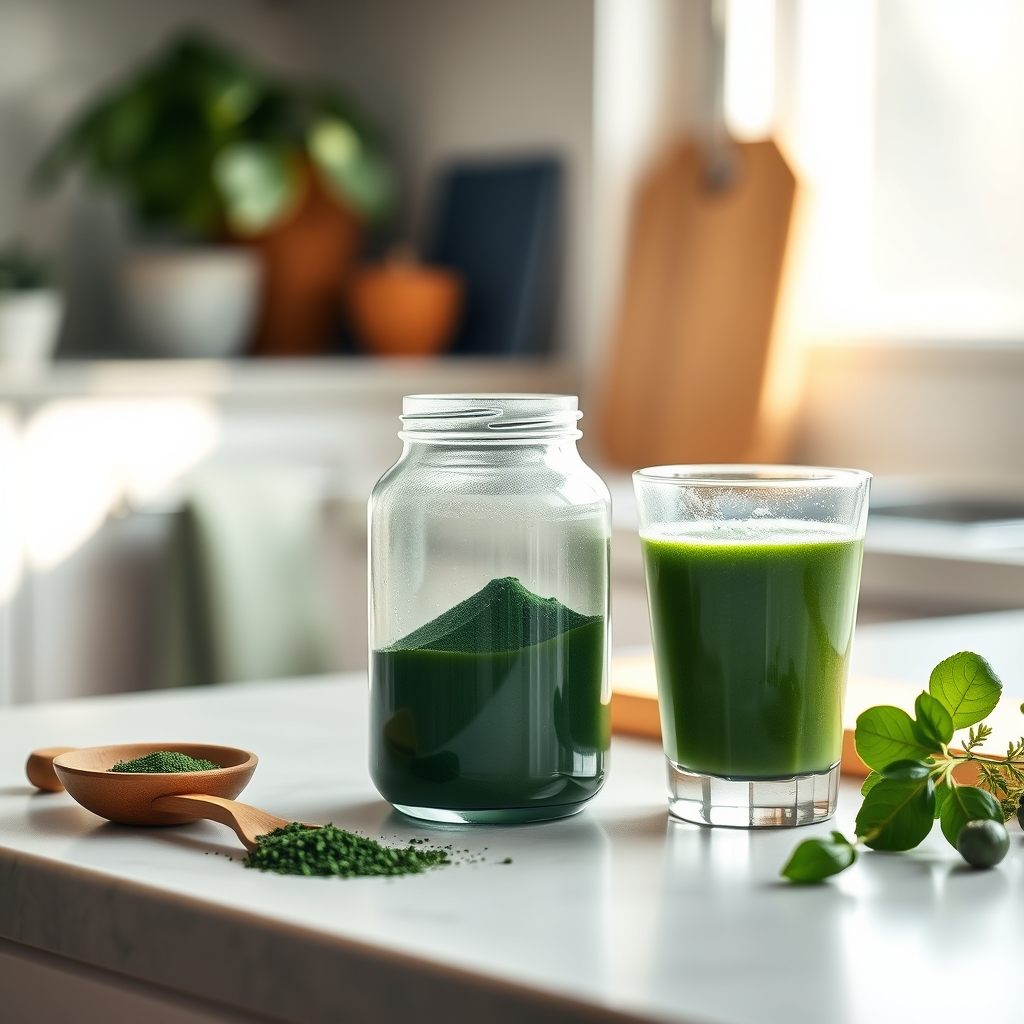
Spirulina powder can be mixed into smoothies, but always choose a brand that tests for toxins.
Is spirulina safe to eat during the first trimester of pregnancy?
Current guidance from ACOG states that “dietary supplements that are not specifically recommended for pregnancy should be used only after a risk‑benefit discussion with the obstetric provider.” The first trimester is the period of organogenesis, when the fetus’s major organs form, making it the most vulnerable window for exposure to teratogens.
Most studies on spirulina in pregnancy are small, observational, and conducted in low‑resource settings where spirulina is a traditional food. These studies have not shown a clear increase in birth defects when spirulina is consumed in moderate amounts (< 2 g/day) and when the product is free of microcystins. The FDA does not list spirulina as a pregnancy‑specific risk, but it does advise that “dietary supplements should be taken with caution, especially if the product is not certified for purity.” The UK NHS similarly notes that “green algae supplements can contain toxins; pregnant women should only use products that have been independently tested.”
Bottom line: spirulina can be safe in the first trimester **if** you keep the dose low (≤ 2 g/day) and select a brand that demonstrates third‑party testing for contaminants. If you have a history of miscarriage, pre‑eclampsia, or a compromised immune system, discuss spirulina with your provider before adding it to your diet.
It’s also worth noting that many prenatal vitamins already contain small amounts of algae‑derived nutrients such as DHA. Adding a separate spirulina supplement therefore creates a cumulative exposure that should be monitored, especially if you’re also taking a multivitamin that includes iron or B‑complex vitamins.
How much spirulina can a pregnant woman safely consume each day?
Most nutrition experts agree that a daily intake of 1–2 grams of high‑quality spirulina is a reasonable upper limit for pregnant people. This amount provides roughly 20–40 grams of protein, 2–4 mg of iron, and a modest dose of B‑vitamins without overwhelming the body.
Below is a quick reference:
Daily amount
Typical protein
Iron contribution
Safety note
1 g (≈½ tsp)
≈0.6 g
≈0.5 mg
Well within safety limits for all trimesters.
2 g (≈1 tsp)
≈1.2 g
≈1 mg
Maximum recommended for pregnancy; avoid exceeding.
>2 g
>1.2 g
>1 mg
Potential for excess iron and higher toxin exposure; not advised.
Because spirulina is a potent source of iron, women with iron‑deficiency anemia may benefit from the lower end of the range, but they should still have their ferritin levels monitored. If you’re already taking prenatal iron, adding spirulina may push you into iron overload, which can cause constipation or, rarely, oxidative stress. Always coordinate with your obstetrician or midwife.
Beyond iron, spirulina’s B‑vitamin profile (especially B1, B2, and B6) can support energy metabolism, a welcome benefit for many pregnant people who experience fatigue. However, excessive B‑vitamin intake can mask other deficiencies, so the 1–2 g window remains the safest compromise.
What are the risks of taking spirulina supplements while pregnant?
The primary concerns revolve around contamination. Microcystins are hepatotoxic (liver‑damaging) toxins that can cross the placenta and have been linked to developmental issues in animal studies. Heavy metals, such as lead and mercury, are well‑known teratogens that can impair fetal brain development.
In addition to contaminants, spirulina’s high vitamin K content can interact with anticoagulant medications, though this is rare in pregnancy. For women with autoimmune conditions, the immunostimulatory properties of spirulina could theoretically exacerbate disease activity, but evidence is limited.
Overall, the risk profile is low **provided** you select a product that meets strict purity standards. The FDA’s “Food Safety Modernization Act” encourages manufacturers to test for microcystins, and several third‑party labs (e.g., USP, NSF) certify spirulina powders as free from harmful levels. If a product lacks such certification, the risk of toxin exposure increases, and most obstetric guidelines advise avoiding it.
Another subtle risk is the potential for gastrointestinal upset when spirulina is introduced too quickly. Some pregnant people experience bloating or gas, which can be mistaken for typical pregnancy discomfort. Starting with a half‑teaspoon and gradually increasing to the full recommended dose can help differentiate supplement‑related symptoms from normal pregnancy changes.
Are there any spirulina brands that are safe for pregnant women?
When looking for a pregnancy‑friendly spirulina brand, prioritize these criteria:
Third‑party testing: Look for USP, NSF, or ConsumerLab certifications confirming < 1 µg/kg microcystin levels.
Organic or certified‑organic sourcing: Reduces the chance of pesticide residues.
Transparent labeling: Full ingredient list, batch number, and testing results available on the website.
Based on current market reviews, the following brands meet most of these standards and are frequently recommended by nutritionists for pregnant clients:
Brand
Verdict
Why it’s considered safer
Nutrex Hawaii – Pure Hawaiian Spirulina
✅ Safe with limits
USDA‑organic, third‑party microcystin testing, no added fillers.
NOW Foods – Spirulina Tablets
✅ Safe with limits
NSF‑certified, GMO‑free, batch testing for heavy metals.
Organic Burst – Spirulina Powder
✅ Safe with limits
USDA‑organic, lab‑tested for toxins, gluten‑free.
Sunfood – Organic Spirulina
✅ Safe with limits
Certified organic, third‑party verification for microcystins.
If a brand does not disclose testing data, or if it lists “proprietary blend” additives, skip it. Always start with a small dose (½ tsp) and monitor how you feel before moving to the full 1‑tsp serving.
What are safe alternatives to spirulina for pregnant women?
Organic spinach – high in iron and folate, both crucial for pregnancy.
Kale leaves – provides calcium, vitamin K, and antioxidants without toxin risk.
Fresh blueberries – rich in vitamin C and phytonutrients that support immunity.
Nature Made Prenatal Multivitamin – formulated to meet pregnancy nutrient needs, including iron and B‑vitamins.
Nordic Naturals Prenatal DHA Omega‑3 Fish Oil – offers DHA for fetal brain development, a nutrient spirulina lacks.
Flaxseed oil – a plant‑based source of omega‑3s and lignans, safe when stored properly.
Can spirulina cause any complications for pregnant women with anemia?
Spirulina contains non‑heme iron (the type found in plant foods) and several iron‑enhancing compounds that can help improve hemoglobin levels. Some small studies in low‑income populations have reported modest increases in ferritin after daily spirulina supplementation of 2 g for eight weeks.
However, because iron absorption from spirulina is less efficient than from heme sources (like meat) or prescribed prenatal iron, it should be considered a complementary source, not a replacement. Women with severe anemia should continue with their prescribed iron and discuss spirulina addition with their provider to avoid potential iron overload.
Is there a recommended dosage of spirulina for each trimester of pregnancy?
Across all three trimesters, the consensus from obstetric nutrition guidelines is the same: ≤ 2 g per day of a contaminant‑tested product. The reason the amount does not change is that the fetal demand for protein and iron rises gradually, but the safety ceiling is set by the risk of toxin exposure, which does not vary by trimester.
Here’s a trimester‑specific snapshot:
Trimester
Recommended daily amount
Key consideration
First (0‑13 weeks)
≤ 2 g
Focus on purity; avoid any product lacking microcystin testing.
Second (14‑27 weeks)
≤ 2 g
Monitor iron status; adjust if you’re already on prenatal iron.
Third (28‑40 weeks)
≤ 2 g
Watch for pre‑eclampsia or hypertension; reduce if advised.
If you’re breastfeeding, the same limit applies, and you may notice a slight change in milk taste or color—nothing harmful, but it’s worth mentioning during pediatric check‑ups.
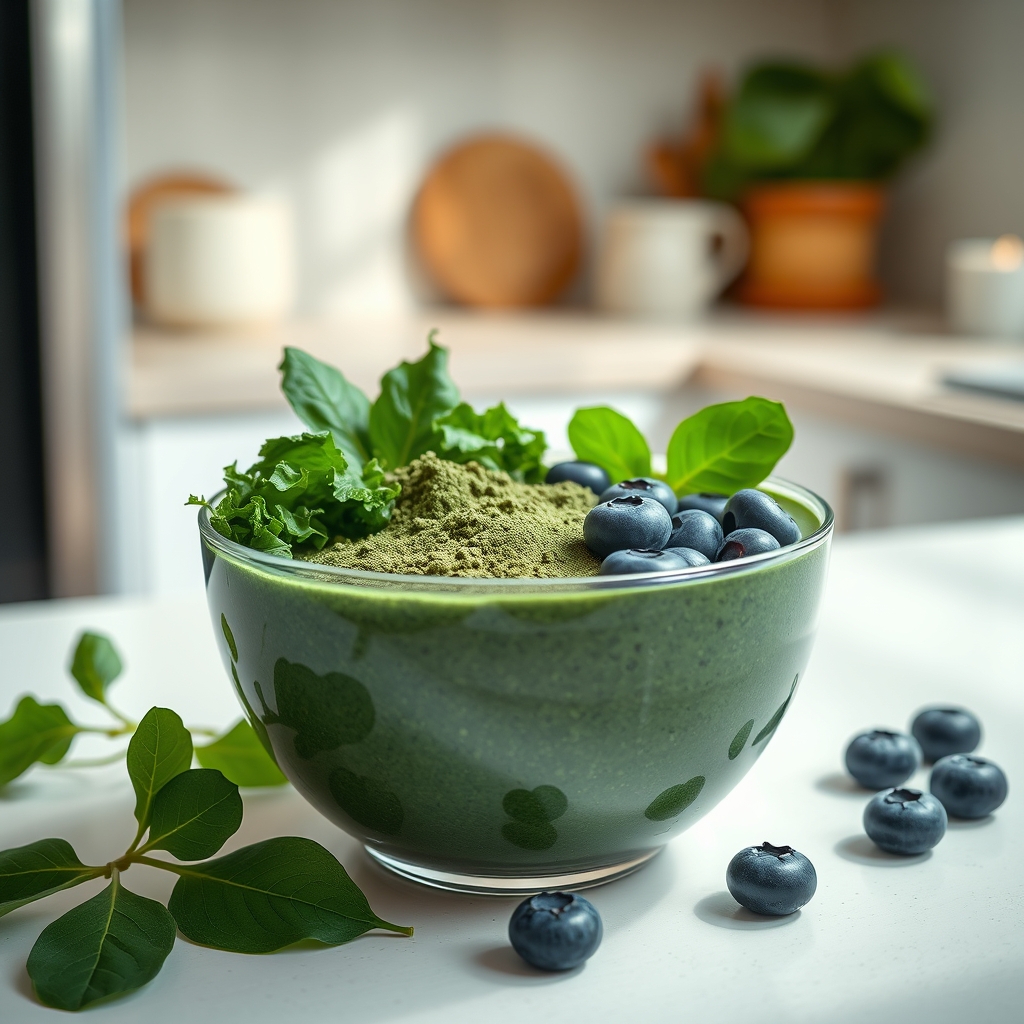
Combine spirulina with other pregnancy‑safe greens for a balanced nutrient boost.
First trimester (0‑13 weeks)
The first trimester is the most sensitive period for teratogenic exposures. If you choose spirulina, keep the dose at or below 2 g/day and ensure the product is third‑party tested. Some clinicians recommend waiting until after the first 8 weeks if you have a history of miscarriage, but most obstetricians agree that limited, clean spirulina does not increase risk.
In addition to contaminant concerns, the early weeks of pregnancy are when nausea and food aversions peak for many people. If spirulina’s earthy flavor clashes with your cravings, consider blending it into a fruit‑based smoothie or mixing it with a small amount of honey to make it more palatable.
Second trimester (14‑27 weeks)
During the second trimester, your blood volume expands and iron needs increase. Spirulina’s iron can be helpful, but it should not replace prescribed prenatal iron unless your provider advises otherwise. Continue the ≤ 2 g/day limit and monitor for gastrointestinal discomfort, which can be a sign of excess iron.
Many pregnant people also begin to feel a “glow” that encourages them to explore more nutrient‑dense foods. Adding a teaspoon of spirulina to a warm vegetable broth can provide a comforting, iron‑rich snack that supports both your energy levels and your baby’s growth.
Third trimester (28‑40 weeks)
In the third trimester, the fetus’s brain and lung development are rapid. The main caution is to avoid any spirulina product that might contain high levels of microcystins, as liver stress can affect both mother and baby. Maintain the same dosage ceiling and discuss any blood‑pressure changes with your provider.
Because many expectant mothers experience swelling and a heightened sense of fatigue in the final weeks, spirulina’s protein content can aid muscle maintenance. Pair it with a source of healthy fat—like a splash of avocado oil—to improve nutrient absorption and keep you feeling satiated.
Breastfeeding
Spirulina is generally considered compatible with lactation when limited to ≤ 2 g/day. The protein and omega‑3 content can support milk production, but watch for any infant reactions (e.g., fussiness or a change in stool color). If you notice anything unusual, pause the supplement and talk to your pediatrician.
Side effects and risks
Most users tolerate spirulina well. Common, mild side effects include:
Digestive upset (bloating, gas) – usually resolves with a smaller dose.
Metallic taste in the mouth – disappears after a few minutes.
Potential constipation if combined with high‑iron prenatal supplements.
More serious concerns, though rare, should prompt immediate medical attention:
Signs of liver toxicity: dark urine, yellowing of skin or eyes, severe abdominal pain.
Elevated blood pressure or pre‑eclampsia symptoms: severe headache, vision changes, sudden swelling.
If any of these red‑flag symptoms appear, stop spirulina and contact your obstetric provider right away. Remember, the information here is educational and not a substitute for personalized medical advice.
Safer alternatives
Organic spinach – provides readily absorbable iron and folate, essential for preventing neural‑tube defects.
Kale leaves – high in calcium, vitamin K, and antioxidants, without the risk of algae toxins.
Fresh blueberries – boost vitamin C, which enhances iron absorption from plant foods.
Nature Made Prenatal Multivitamin – formulated to meet the exact nutrient requirements of pregnancy, including iron, folic acid, and DHA.
Nordic Naturals Prenatal DHA Omega‑3 Fish Oil – supports fetal brain development and offers a clean source of omega‑3s.
Flaxseed oil – a plant‑based omega‑3 source that can be added to smoothies or salads safely.
Spirulina and specific pregnancy concerns
Spirulina and gestational diabetes
Gestational diabetes (GDM) affects roughly 7 % of pregnancies in the United States. Some research suggests that spirulina may improve insulin sensitivity in non‑pregnant adults, but data specific to GDM are limited. A small pilot study published in the *Journal of Diabetes Research* (2022) reported modest reductions in fasting glucose among women with GDM who took 2 g of spirulina daily for six weeks, but the study was not powered to assess safety outcomes.
Given the paucity of robust evidence, most obstetricians advise women with GDM to prioritize established dietary strategies—low‑glycemic‑index foods, regular monitoring, and medical nutrition therapy—before adding spirulina. If you have GDM and are considering spirulina, discuss it with your provider and monitor blood glucose closely.
Spirulina for morning sickness
Nausea and vomiting affect up to 80 % of pregnant people in the first trimester. Spirulina’s high protein content can be soothing when mixed into a bland broth or a ginger‑infused smoothie, but the strong green flavor can sometimes exacerbate nausea. If you’re experiencing severe morning sickness (hyperemesis gravidarum), focus on hydration and doctor‑prescribed anti‑emetics first; spirulina can be introduced later once nausea eases.
Some women find that a tiny “starter” dose—¼ tsp dissolved in warm water—helps them tolerate the supplement better. Pairing spirulina with a source of vitamin C (like a splash of orange juice) may also improve its taste and aid iron absorption.
Spirulina and blood pressure
Spirulina has been studied for its modest blood‑pressure‑lowering effects in hypertensive adults. For pregnant people, especially those at risk for pre‑eclampsia, any supplement that influences vascular tone warrants caution. The ACOG guideline on hypertension in pregnancy (2023) does not list spirulina as a contraindication, but it does recommend close monitoring of blood pressure when introducing any new supplement.
If you have a history of high blood pressure, keep your spirulina intake at the lower end of the recommended range (≤ 1 g/day) and have your blood pressure checked at each prenatal visit.
Related items — safety at a glance
Item
Verdict
One‑line note
Chlorella
⚠️ Safe with limits
Also a blue‑green algae; watch for similar toxin concerns.
Rich in iron but may contain heavy metals if not sourced carefully.
Wheatgrass juice
✅ Safe
Provides chlorophyll and antioxidants; low contamination risk.
Myth vs. fact
Myth: “Spirulina is a miracle cure for all pregnancy cravings.”
Fact: Spirulina offers protein and iron, but it does not replace a balanced diet or prescribed prenatal vitamins.
Myth: “If a supplement is labeled ‘organic,’ it’s automatically safe for pregnancy.”
Fact: Organic certification addresses pesticide use, not toxin contamination; third‑party testing for microcystins is still essential.
Myth: “A small amount of spirulina can’t possibly harm a baby.”
Fact: Even low levels of certain toxins can accumulate; the safest approach is to stay within the ≤ 2 g/day limit and choose rigorously tested products.
Key takeaways
Spirulina can be part of a pregnancy‑friendly diet when limited to ≤ 2 g per day and sourced from a brand that tests for microcystins and heavy metals.
The first trimester is the most sensitive period; keep doses low and ensure product purity.
Pregnant women with anemia may benefit from spirulina’s iron, but it should complement—not replace—prescribed prenatal iron.
Choose reputable brands (e.g., Nutrex Hawaii, NOW Foods) that display third‑party certifications.
If you experience liver‑related symptoms, allergic reactions, or signs of pre‑eclampsia, stop spirulina and contact your provider immediately.
Gentle alternatives like spinach, kale, blueberries, and prenatal multivitamins provide similar nutrients without the toxin risk.
Women with gestational diabetes or hypertension should discuss spirulina with their provider before use.
Frequently asked questions
Can I take spirulina while pregnant?
Yes, you can, but only if you limit intake to ≤ 2 g per day of a product that has been third‑party tested for microcystins and heavy metals.
What is the recommended amount of spirulina during pregnancy?
The generally accepted safe amount is 1–2 grams per day (about ½ to 1 teaspoon), provided the supplement meets purity standards.
Are there any side effects of spirulina for pregnant women?
Most side effects are mild, such as digestive upset or a metallic taste; serious concerns include liver toxicity or allergic reactions, which require immediate medical attention.
Is spirulina safe in the second trimester?
Yes, spirulina remains safe in the second trimester at the same ≤ 2 g/day limit, though you should monitor iron levels if you’re also taking prenatal iron.
Should I avoid spirulina supplements while pregnant?
Avoid spirulina only if the product lacks third‑party testing or if you have a condition like pre‑eclampsia, severe anemia, or known allergies to algae.
Does spirulina contain any harmful toxins for pregnancy?
Uncontrolled spirulina can contain microcystins and heavy metals; reputable brands test for these toxins and keep them below safety thresholds.
Can spirulina help with pregnancy anemia?
Spirulina provides non‑heme iron and can modestly raise ferritin levels, but it should be used as a supplement to, not a replacement for, prescribed prenatal iron.
Is spirulina safe for vegans during pregnancy?
Yes, spirulina is plant‑based and suitable for vegans, but the same safety limits (≤ 2 g/day) and purity requirements apply regardless of dietary preference.
What should I do if I’ve already taken more than the recommended amount?
If you’ve accidentally exceeded the 2 g/day limit, stay calm; most short‑term excess does not cause harm, but monitor for any unusual symptoms and discuss the incident with your obstetric provider at your next visit.
When to call your doctor
If you notice any of the following after taking spirulina, contact your obstetric provider right away:
Yellowing of the skin or eyes (possible liver involvement).
Severe abdominal pain, especially in the upper right quadrant.
Persistent vomiting, diarrhea, or severe constipation.
Allergic symptoms such as hives, swelling, or difficulty breathing.
Sudden increase in blood pressure, swelling of hands/feet, or visual disturbances (signs of pre‑eclampsia).
These symptoms may be unrelated to spirulina, but prompt evaluation ensures both your safety and your baby’s. Remember, this article is for informational purposes only and does not replace personalized medical advice.
References
American College of Obstetricians and Gynecologists. “Nutrition During Pregnancy.” ACOG Committee Opinion, 2023.
National Health Service (NHS). “Supplements and pregnancy.” UK, 2022.
U.S. Food and Drug Administration (FDA). “Guidance for Industry: Dietary Supplements.” 2024.
Centers for Disease Control and Prevention (CDC). “Pregnancy Nutrition.” 2023.
World Health Organization (WHO). “Micronutrients in pregnancy.” 2022.
ConsumerLab. “Spirulina Supplement Review.” 2024.
National Institutes of Health (NIH). “Iron deficiency anemia in pregnancy.” 2023.
American College of Obstetricians and Gynecologists. “Hypertension in Pregnancy.” ACOG Practice Bulletin, 2023.
Journal of Diabetes Research. “Spirulina supplementation in gestational diabetes: a pilot study.” 2022.
Not sure about the label on Is Spirulina Safe During Pregnancy products?
Snap the ingredients list and SafeFilter checks every ingredient for your stage — only 3 free scans this month, then you're locked until reset. Unlimited from $7/mo or $50/yr.
When Shubhra Mishra was expecting her first child in 2016, she was overwhelmed by conflicting food advice — one site said yes, another said never. By the time her second baby arrived in 2019, she realized millions of mothers face the same confusion.
That sparked a five-year journey through clinical nutrition papers, cultural diets, and expert conversations — all leading to BumpBites: a calm, compassionate space where science meets everyday motherhood.
Her long-term vision is to build a global community ensuring safe, supported, and free deliveriesfor every mother — because no woman should face pregnancy alone or uninformed. 🌿
🌍 Stand with mothers, shape safer guidance
Join a small circle of experts who review BumpBites articles so expecting parents everywhere can decide with confidence.