Safe: Stool softener is generally safe during pregnancy when taken at the recommended 5‑10 ml daily dose, especially after the first trimester. Find dosage details, trimester timing, and safer alternatives.
By Shubhra Mishra — a mom of two who turned her own confusion during pregnancy into BumpBites, a global mission to make food choices clear, safe, and stress-free for every expecting mother. 💛
Check whether any food is safe during pregnancy with the BumpBites Food Safety Checker.
Quick verdict: ⚠️ Safe with limits – most over‑the‑counter stool softeners, such as docusate sodium, are considered stool‑softener safe for pregnancy when used at the recommended dose, but you should talk to your provider if you need them for more than a few weeks.
It’s 2 a.m., you’re scrolling through a pregnancy forum, and the word “constipation” pops up next to a question about stool softeners. Your heart races – did you just take something that could harm your baby? First, breathe. You’re not alone; many expecting parents wonder whether a stool softener safe for pregnancy is truly safe, how much they can take, and what alternatives exist. In this article we’ll walk you through exactly that, giving you a clear verdict, trimester‑specific guidance, dosage limits, possible side effects, and safer options.
We’ll start by explaining what stool softeners are and how they work, then dive into the latest guidance from the American College of Obstetricians and Gynecologists (ACOG), the UK’s National Health Service (NHS), and the U.S. Food and Drug Administration (FDA). You’ll get a quick safety snapshot, detailed trimester information, dosage recommendations, and a comparison of related products. By the end, you’ll know whether a stool softener safe for pregnancy fits into your plan, and you’ll have alternatives ready if you prefer to avoid it.
In addition, we’ll explore how stool softeners interact with common prenatal vitamins, iron supplements, and other medications you may already be taking. If you’re navigating constipation after delivery or have a condition like irritable bowel syndrome (IBS), we’ve added targeted guidance for those scenarios, too. Our goal is to give you the confidence to make informed choices without endless midnight Googling.
Remember, while we strive to provide the most up‑to‑date, evidence‑based information, nothing replaces a conversation with your own obstetrician or midwife. If anything feels unclear, reach out to your care team – they know your full medical history and can tailor recommendations just for you.
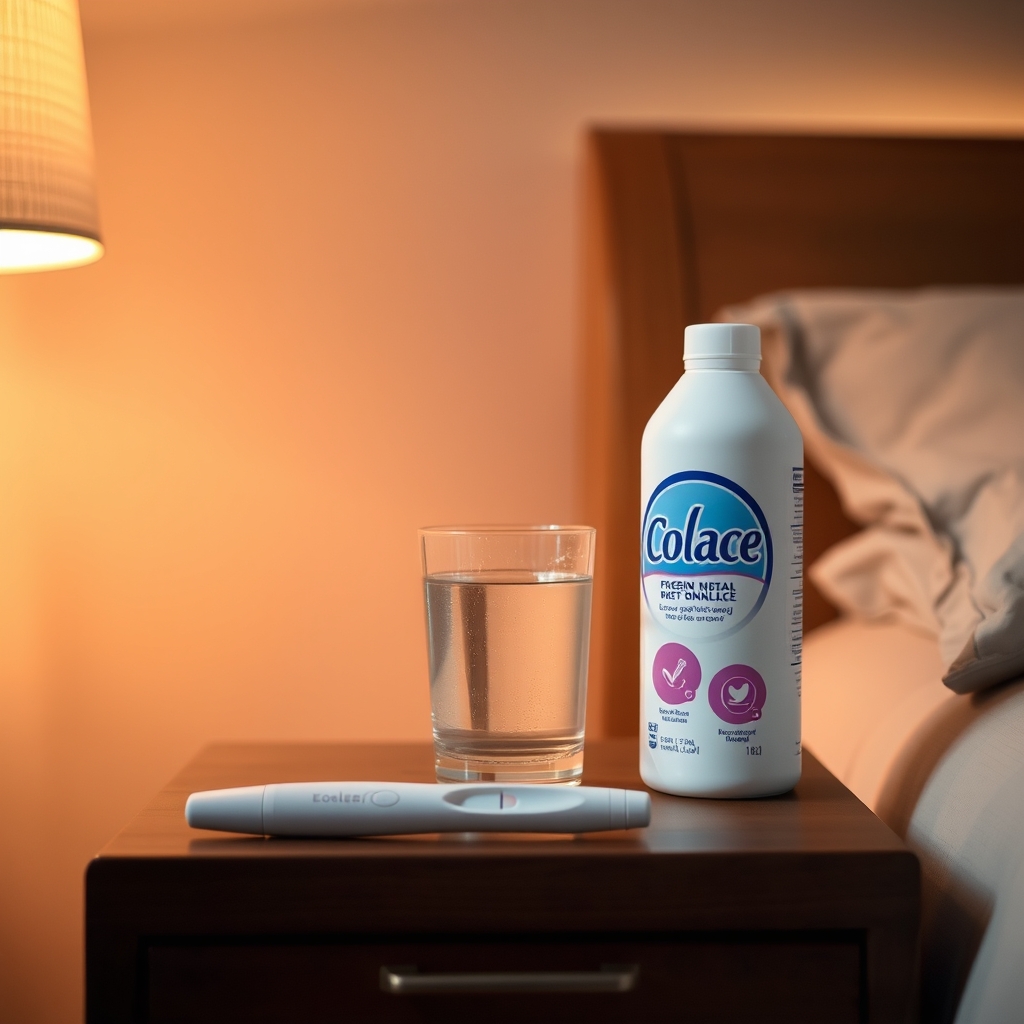
Keep a bottle of stool softener and a glass of water handy for quick relief without disrupting your sleep.
Trimester / Breastfeeding
Verdict
Notes
First trimester
⚠️ Safe with limits
Use only if constipation is severe; prefer dietary fiber first.
Second trimester
✅ Generally safe
Standard OTC dose (50‑400 mg docusate) is acceptable.
Third trimester
✅ Generally safe
Monitor for soft stools that could lead to hemorrhoids.
Breastfeeding
✅ Generally safe
Minimal amounts pass into breast milk; use as directed.
What is a stool softener?
A stool softener is an over‑the‑counter medication that helps prevent hard, dry stools by increasing the amount of water and fat in the stool, making it easier to pass. The most common active ingredient is docusate sodium (often marketed simply as “docusate”). Unlike stimulant laxatives, which trigger bowel contractions, stool softeners work gently, reducing the strain needed to move stool – a benefit for pregnant people who may already be dealing with hemorrhoids or abdominal pressure.
Stool softeners come in tablets, capsules, and liquid forms. They act as surfactants: they lower the surface tension of stool so that water and fatty acids can mix more easily, creating a softer, more lubricated mass. Because they are minimally absorbed into the bloodstream, systemic exposure is low, which is why many clinicians consider them relatively low‑risk during pregnancy. However, the safety profile still depends on the dose, duration of use, and any underlying gastrointestinal conditions.
In addition to docusate sodium, some formulations combine docusate with a small amount of mineral oil or a mild osmotic agent. These combination products are less common, and the added ingredients may alter the safety picture, especially if they affect vitamin absorption or have a higher risk of causing diarrhea. When choosing a stool softener, it’s best to stick with a single‑ingredient product unless your provider recommends otherwise.
Is stool softener safe during pregnancy?
Current guidance from major health authorities suggests that stool softeners are generally safe for pregnant people when used as directed. ACOG lists docusate sodium as a Category C medication, meaning animal studies have shown no risk but there are no well‑controlled human studies; the drug is considered acceptable when the benefits outweigh any potential risk. The NHS also states that docusate “can be used safely in pregnancy” for short‑term relief of constipation, and the FDA categorizes it as “generally recognized as safe” (GRAS) for occasional use.
The primary concern with any medication in pregnancy is the potential for teratogenic effects—substances that could cause birth defects. Docusate sodium has a negligible systemic absorption, so it does not cross the placenta in meaningful amounts. Small observational studies involving pregnant women who used docusate for constipation have not demonstrated an increased risk of fetal anomalies, preterm birth, or low birth weight. A 2021 review by the WHO on gastrointestinal medications in pregnancy cites docusate as having “no documented adverse fetal outcomes” when taken at recommended doses.
That said, stool softeners should not replace lifestyle measures. ACOG recommends first‑line strategies such as increased fiber intake, adequate hydration (at least 8‑10 cups of water daily), and regular gentle exercise. If those measures fail, a stool softener can be added for short‑term relief. Always discuss with your provider if you need to use a stool softener for more than a few weeks, as prolonged use may mask an underlying condition that requires a different approach.
Because docusate is not absorbed well, it also carries a low risk of drug‑drug interactions, which is reassuring for those on prenatal vitamins, iron supplements, or thyroid medication. The main precaution is timing—taking the stool softener at least two hours apart from other oral medications helps prevent interference with absorption.
Is stool softener safe during early pregnancy?
During the first trimester, the embryo is undergoing organogenesis, a period when the risk of teratogenic exposure is highest. Because docusate sodium is minimally absorbed, the consensus among obstetric experts is that occasional use is acceptable if constipation is severe and diet alone isn’t helping. However, many clinicians advise trying dietary changes for at least a week before turning to a stool softener.
If you’ve already taken a standard OTC dose (e.g., one 100 mg tablet of docusate) in early pregnancy, the risk to the developing baby is considered extremely low. Nonetheless, it’s wise to inform your provider at your next prenatal visit so they can monitor any potential issues and suggest alternative strategies if needed.
Some providers also recommend pairing a low‑dose stool softener with a high‑fiber snack (such as a small bowl of oatmeal with berries) to maximize effectiveness while keeping medication exposure to a minimum. This combined approach can often resolve constipation within a few days without needing higher doses.
Stool softener dosage during pregnancy
The typical adult dose of docusate sodium is 50‑400 mg per day, divided into two or three doses. For pregnant people, the same dosing applies, but it’s best to start at the lowest effective amount—often 50 mg once or twice daily—and increase only if needed. The product “Colace” (docusate sodium) and “Dulcolax Stool Softener” both follow this dosing schedule.
Because stool softeners are not absorbed well, higher doses do not increase effectiveness but may cause mild gastrointestinal upset, such as cramping or loose stools. If you find yourself needing more than 400 mg per day, talk to your healthcare provider; they may recommend a different approach, such as a fiber supplement or a mild osmotic laxative like polyethylene glycol (MiraLAX).
When you’re taking prenatal vitamins that contain iron, it’s especially important to space the stool softener at least two hours apart. Iron can cause constipation, and a stool softener taken too close to the vitamin may reduce iron absorption, potentially leading to anemia. Splitting the doses (e.g., vitamin with breakfast, stool softener with dinner) can help avoid this issue.
Stool softener in third trimester
In the third trimester, the uterus exerts pressure on the intestines, often worsening constipation. Stool softeners remain a safe option, but you should watch for overly soft stools that could increase the risk of hemorrhoids—already common in late pregnancy. Maintaining adequate fluid intake and using a stool softener only when needed can help keep bowel movements regular without over‑softening.
If you experience persistent constipation despite using a stool softener, discuss with your provider. They may suggest a gentle osmotic laxative (e.g., MiraLAX) or a higher‑fiber diet to avoid excessive strain during delivery. Some obstetricians also recommend a short‑course of a bulk‑forming fiber supplement (such as Metamucil) combined with a stool softener to achieve a balanced stool consistency.
It’s also a good idea to monitor your stool consistency using the Bristol Stool Chart. Aim for a type 3‑4 stool (soft‑but‑formed). If you notice type 6‑7 (watery) stools, reduce the stool softener dose and increase fluid intake to prevent dehydration.
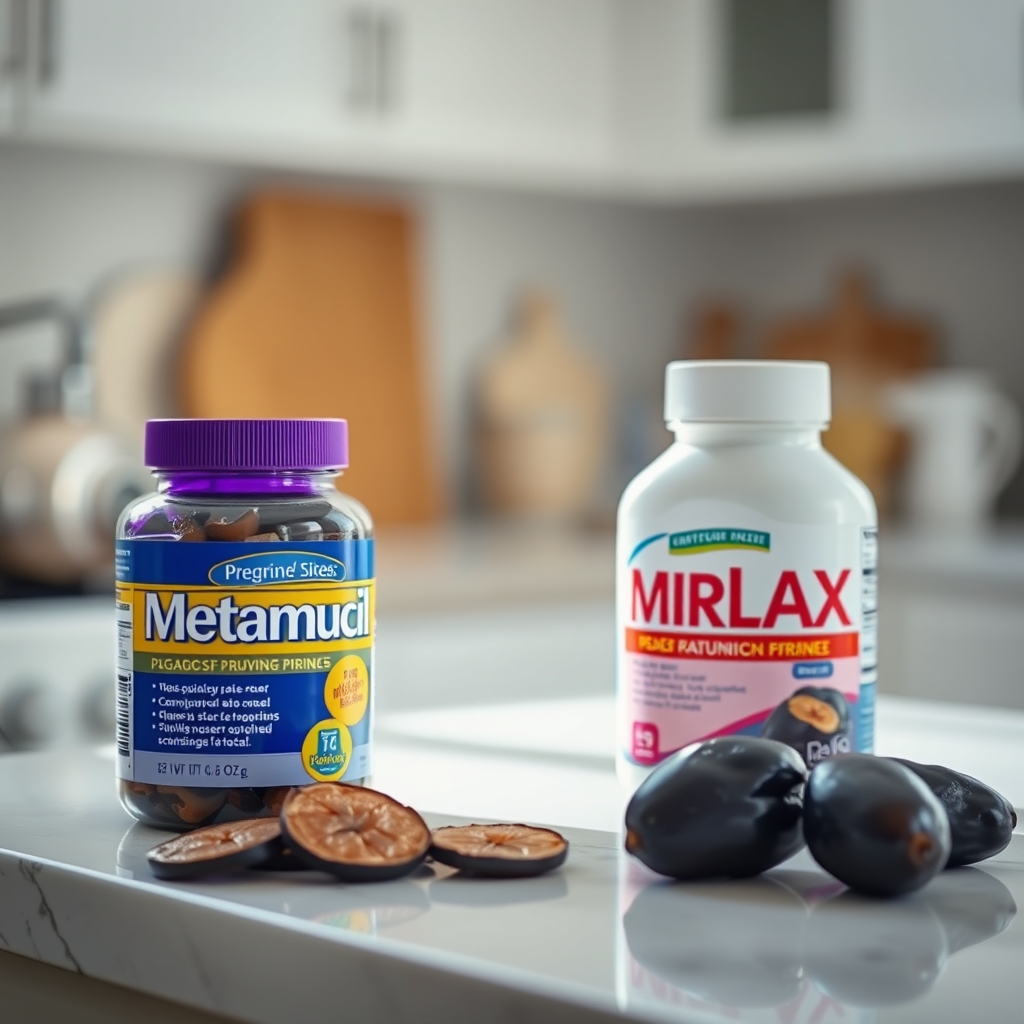
Natural alternatives like Metamucil, prune juice, and MiraLAX can help keep you regular without medication.
Natural alternatives to stool softener during pregnancy
Metamucil (psyllium husk) – a soluble fiber that expands in the gut, promoting softer stools; safe throughout pregnancy.
MiraLAX (polyethylene glycol 3350) – an osmotic laxative considered safe for short‑term use when constipation is severe.
Psyllium husk – whole‑food fiber that can be mixed with water or juice; gentle and effective.
Flaxseed – provides both soluble and insoluble fiber; can be added to smoothies or oatmeal.
Prune juice – natural sorbitol and fiber; a tasty way to stimulate bowel movements.
Coconut oil – a small amount (1 tbsp) can lubricate the intestinal tract and aid stool passage.
Aloe vera juice (food‑grade) – contains natural laxative compounds; use sparingly and choose a product without added sugars.
Warm water with lemon – a gentle morning ritual that can stimulate peristalsis and encourage regularity.
Colace stool softener safe for pregnancy
Colace is one of the most widely recognized brands containing docusate sodium. The product label states that it is “generally safe for occasional constipation” and does not list pregnancy as a contraindication. Both ACOG and the NHS note that Colace can be used during pregnancy at the standard dose (50‑100 mg once or twice daily). However, as with any medication, it should be taken only when needed and for the shortest duration possible.
If you prefer a brand‑specific answer, the consensus is that Colace is stool‑softener safe for pregnancy when used as directed. Still, if you have a history of gastrointestinal disease (such as inflammatory bowel disease or chronic constipation), talk to your provider before starting any stool softener, including Colace.
Stool softener and other pregnancy medications
Pregnancy often involves a cocktail of supplements and prescription drugs—prenatal vitamins, iron, calcium, thyroid hormone, and sometimes antibiotics for urinary‑tract infections. Because docusate sodium is minimally absorbed, it has a low potential for drug interactions, but timing matters. Taking a stool softener at least two hours before or after other oral medications helps prevent it from binding to the same absorption sites in the gut.
For example, iron supplements are notorious for causing constipation. Pairing an iron pill with a stool softener can relieve that side effect, but it’s best to separate them by a few hours to avoid reducing iron absorption. The same principle applies to calcium supplements and thyroid medication (levothyroxine), both of which can be less effective if taken too close to a stool softener.
If you’re on prescription antihypertensives, antidepressants, or seizure‑control medications, the risk of interaction remains low, but you should still discuss any new over‑the‑counter product with your obstetrician. In rare cases, certain antibiotics (e.g., macrolides) can cause diarrhea; adding a stool softener on top of that may lead to overly loose stools, so your provider may suggest a different constipation strategy.
Postpartum use of stool softeners
Constipation doesn’t disappear after delivery—it can actually worsen during the postpartum period, especially if you’re breastfeeding, experiencing hormonal shifts, or taking postpartum pain medication. Stool softeners remain a safe option after birth, and the same dosing guidelines (50‑400 mg per day) apply. Because docusate passes into breast milk only in trace amounts, the American Academy of Pediatrics (AAP) classifies it as compatible with breastfeeding.
Many new parents find that a combination of gentle fiber, adequate hydration, and a stool softener helps them stay regular while recovering from a C‑section or vaginal delivery. If you’re using prescription analgesics such as ibuprofen or acetaminophen, spacing the stool softener by two hours can help maintain optimal absorption of both medications.
Should you experience persistent constipation beyond two weeks postpartum, or notice blood in your stool, it’s important to contact your obstetrician or midwife. Persistent issues may signal an anal fissure, hemorrhoids, or an underlying gastrointestinal condition that needs targeted treatment.
Stool softener safety for specific conditions
People with certain health conditions may wonder whether a stool softener is still appropriate. For most individuals with mild irritable bowel syndrome (IBS), docusate is considered safe because it does not stimulate bowel motility, reducing the risk of IBS‑related cramping. However, if you have a diagnosed inflammatory bowel disease (IBD) such as Crohn’s disease or ulcerative colitis, it’s best to discuss any new laxative with your gastroenterologist, as the disease itself can affect how the gut handles medications.
Diabetes does not contraindicate docusate use, but be mindful of sugar‑laden liquid formulations that could affect blood glucose. Opt for plain tablets or capsules instead of flavored liquid versions. For individuals with a history of electrolyte imbalances, keep an eye on stool consistency—excessively watery stools can lead to loss of sodium or potassium, which may require medical attention.
Stool softener side effects during pregnancy
Side effects are generally mild because docusate is not absorbed systemically. The most common are:
Abdominal cramping or mild stomach discomfort.
Loose, watery stools if the dose is too high.
Rare allergic reactions such as rash or itching.
These symptoms are usually not dangerous, but if you develop severe abdominal pain, persistent diarrhea, or signs of dehydration (dry mouth, dizziness, reduced urine output), contact your healthcare provider promptly.
Stool softener for constipation during pregnancy
Constipation affects up to 40 % of pregnant people, largely due to hormonal changes that slow intestinal motility and the physical pressure of the growing uterus. A stool softener can be an effective part of a multi‑step plan that includes:
Engaging in regular, moderate‑intensity exercise (e.g., walking).
Using a stool softener like docusate if the above measures are insufficient.
By addressing constipation early, you can avoid complications such as hemorrhoids, anal fissures, or the need for stronger laxatives later in pregnancy.
Can i take stool softener with other medications while pregnant
Stool softeners have a low potential for drug interactions because they are minimally absorbed. However, they can affect the absorption of other oral medications if taken at the same time. To minimize this risk, take your stool softener at least 2 hours before or after other prescription or over‑the‑counter drugs, especially antibiotics, iron supplements, or thyroid medication.
If you’re on chronic medications (e.g., antihypertensives, antidepressants, or seizure control drugs), discuss timing with your provider. In most cases, a stool softener can be safely added to a pregnancy medication regimen when proper spacing is observed.
Stool softener risks during pregnancy
The primary risk associated with stool softeners is over‑softening, which can lead to diarrhea and potential electrolyte imbalances if severe. Because docusate does not cross the placenta in significant amounts, there is no evidence linking it to fetal malformations, miscarriage, or adverse developmental outcomes.
Nevertheless, prolonged use beyond a few weeks without medical supervision is discouraged. Long‑term reliance may mask underlying gastrointestinal issues that require a different approach, such as a fiber‑rich diet or a prescription osmotic laxative.
Safer alternatives
Metamucil – high‑soluble fiber that gently softens stools.
MiraLAX – osmotic laxative proven safe for short‑term use in pregnancy.
Psyllium husk – whole‑food fiber supplement that expands in the gut.
Flaxseed – provides both soluble and insoluble fiber; can be added to meals.
Prune juice – natural source of sorbitol and fiber for a gentle laxative effect.
Coconut oil – a tablespoon can lubricate the intestinal tract without medication.
Aloe vera juice (food‑grade) – mild natural laxative; use sparingly.
Related items — safety at a glance
Item
Verdict
One‑line note
Laxatives (stimulant)
⚠️ Use with caution
May cause uterine cramping; reserve for severe cases.
Fiber supplements
✅ Generally safe
First‑line approach for constipation.
Prune juice
✅ Generally safe
Natural source of sorbitol and fiber.
Senna tea
⚠️ Use with caution
Stimulant laxative; can cause uterine contractions.
Castor oil
❌ Best avoided
Can induce labor; not recommended.
Mineral oil
⚠️ Use with caution
May interfere with absorption of fat‑soluble vitamins.
Docusate (Colace)
✅ Generally safe
Standard OTC stool softener; safe when used as directed.
Glycerin suppositories
⚠️ Use with caution
Local effect; avoid prolonged use to prevent dependence.
Myth: All stool softeners are unsafe in pregnancy because they’re medications.
Fact: Docusate sodium is minimally absorbed and is considered stool‑softener safe for pregnancy when taken at recommended doses.
Myth: Using a stool softener will cause miscarriage.
Fact: There is no evidence linking docusate use to miscarriage; the drug does not affect uterine activity.
Myth: You must avoid any constipation medication during the first trimester.
Fact: While lifestyle changes are preferred, a stool softener can be used short‑term if constipation is severe and other methods fail.
Key takeaways
Stool softener safe for pregnancy when used at the standard OTC dose (50‑400 mg/day).
First‑trimester use is acceptable for short‑term relief, but try diet and hydration first.
Common side effects are mild (cramping, loose stools); seek care for severe diarrhea or abdominal pain.
Safe alternatives include fiber supplements, prune juice, and MiraLAX.
Always discuss prolonged use or any drug interactions with your provider.
Postpartum use remains safe while breastfeeding, but keep dosing consistent with prenatal guidelines.
Frequently asked questions
can you take stool softener while pregnant
Yes – most experts agree that a stool softener like docusate sodium is stool‑softener safe for pregnancy when taken at the recommended dose and for a short period.
how to relieve constipation during pregnancy
Start with lifestyle changes: add 25‑30 g of fiber daily, drink 8‑10 cups of water, and walk 20‑30 minutes most days; if that doesn’t help, a stool softener or a pregnancy‑safe osmotic laxative can be added.
is it safe to take colace during pregnancy
Colace, which contains docusate sodium, is considered stool‑softener safe for pregnancy when used as directed (typically 50‑100 mg once or twice daily).
what is the best stool softener for pregnancy
Most clinicians recommend docusate sodium (e.g., Colace) as the first‑line stool softener because it is minimally absorbed and has a strong safety record.
can i use a stool softener in my first trimester
Yes – a low dose of a stool softener is acceptable in the first trimester if constipation is severe and dietary measures haven’t worked.
how long can i take a stool softener while pregnant
It’s best to limit use to a few days up to two weeks; if you need longer relief, discuss alternative options with your provider.
do stool softeners affect fetal development
Current evidence shows no impact on fetal development; docusate sodium does not cross the placenta in meaningful amounts.
can stool softeners cause miscarriage
There is no scientific data linking stool softeners to miscarriage; they are not known to induce uterine contractions.
what should i do if i forget a dose of my stool softener
If you miss a dose, simply take it as soon as you remember unless it’s almost time for your next scheduled dose; in that case, skip the missed one and resume your regular schedule.
are natural options like prune juice as effective as docusate
Prune juice can be an effective, medication‑free alternative for mild constipation, but its onset may be slower than docusate; many providers suggest trying a high‑fiber diet first and adding prune juice if needed.
When to call your doctor
Contact your provider promptly if you experience any of the following while using a stool softener: severe or persistent abdominal pain, bloody stools, signs of dehydration (dry mouth, dizziness, reduced urine output), or if you need to use a stool softener for more than two weeks without relief. These symptoms could indicate an underlying condition that needs medical evaluation.
Remember, this article provides general information and is not a substitute for personalized medical advice. Always discuss any medication, supplement, or dietary change with your obstetrician or midwife.
References
American College of Obstetricians and Gynecologists. “Medication Use During Pregnancy.” ACOG Committee Opinion, 2022.
National Health Service (UK). “Constipation in Pregnancy.” NHS website, updated 2023.
U.S. Food and Drug Administration. “Docusate Sodium – GRAS Notice.” FDA, 2021.
Mayo Clinic. “Constipation during pregnancy: Causes, treatment, and prevention.” Mayo Clinic, 2023.
Centers for Disease Control and Prevention. “Pregnancy and Medication.” CDC, 2022.
World Health Organization. “Guidelines for the management of common gastrointestinal disorders in pregnancy.” WHO, 2020.
American Academy of Pediatrics. “Nutrition for infants and toddlers.” AAP, 2022 (for fiber recommendations).
National Institute for Health and Care Excellence. “Constipation in adults: management.” NICE guideline NG61, 2021.
U.S. Pharmacopeia. “Docusate Sodium Monograph.” USP, 2020.
Healthline. “Is Docusate Sodium Safe During Pregnancy?” Healthline, 2023.
Not sure about the label on Is Stool Softener Safe During Pregnancy products?
Snap the ingredients list and SafeFilter checks every ingredient for your stage — only 3 free scans this month, then you're locked until reset. Unlimited from $7/mo or $50/yr.
When Shubhra Mishra was expecting her first child in 2016, she was overwhelmed by conflicting food advice — one site said yes, another said never. By the time her second baby arrived in 2019, she realized millions of mothers face the same confusion.
That sparked a five-year journey through clinical nutrition papers, cultural diets, and expert conversations — all leading to BumpBites: a calm, compassionate space where science meets everyday motherhood.
Her long-term vision is to build a global community ensuring safe, supported, and free deliveriesfor every mother — because no woman should face pregnancy alone or uninformed. 🌿
🌍 Stand with mothers, shape safer guidance
Join a small circle of experts who review BumpBites articles so expecting parents everywhere can decide with confidence.