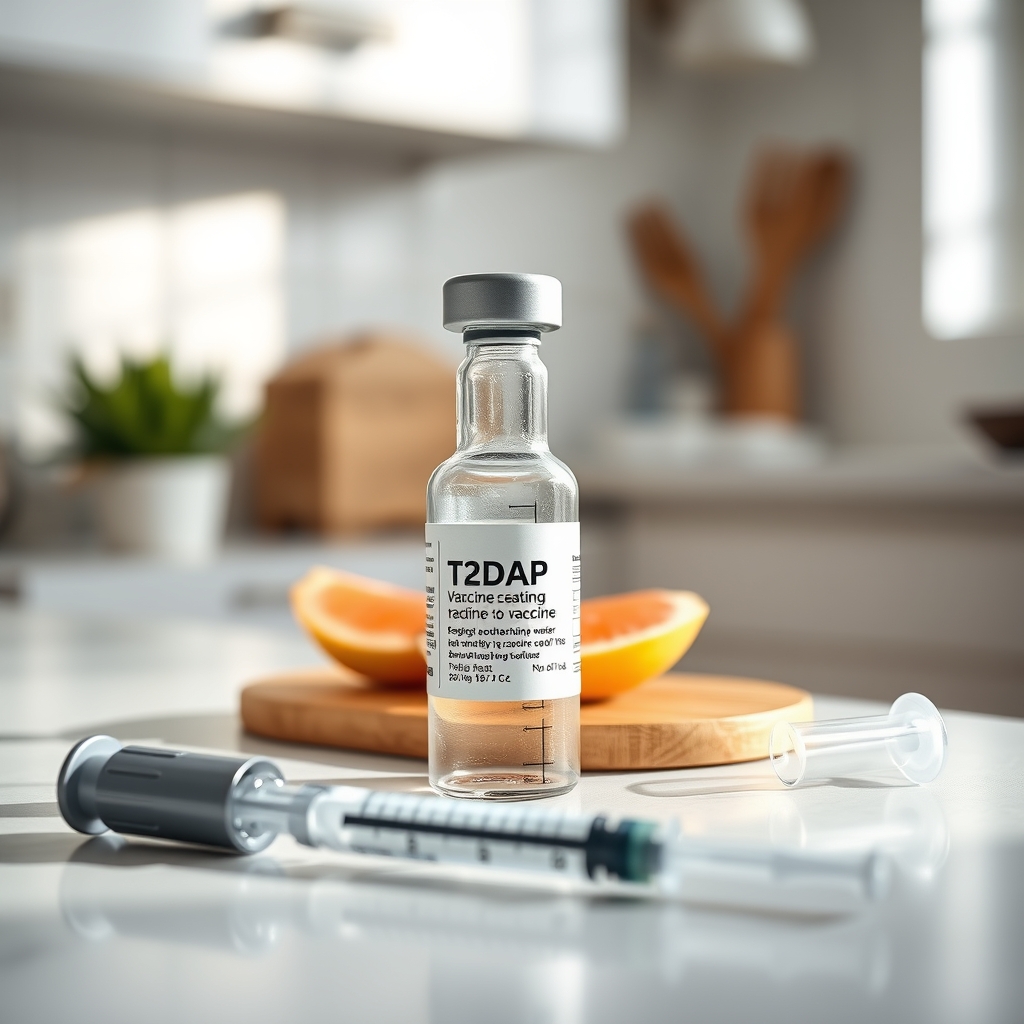
Safe: Tdap is recommended for pregnant women, administered as a single 0.5 mL dose during the third trimester (27‑36 weeks) to protect newborns from whooping cough, with no known serious side effects.
By Shubhra Mishra — a mom of two who turned her own confusion during pregnancy into BumpBites, a global mission to make food choices clear, safe, and stress-free for every expecting mother. 💛
Check whether any food is safe during pregnancy with the BumpBites Food Safety Checker.
Quick verdict: ✅ Tdap is generally safe for pregnancy when given at the recommended time, typically between 27 and 36 weeks gestation. It protects both you and your baby from pertussis, and most health authorities, including ACOG and the CDC, endorse it. If you’ve already received the shot earlier or have concerns, talk to your provider—but you’re likely already protected.
It’s 2 a.m., you’re scrolling through a sea of medical advice, and the question that keeps popping up is “is Tdap safe for pregnancy?” You might have just booked your prenatal visit, or perhaps you’re already in the middle of your third trimester and wondering if that Tdap shot you got at the pharmacy was a good move. The short answer: yes, Tdap is considered safe for pregnancy when administered at the right time, and it offers crucial protection for your newborn’s delicate lungs.
In this article we’ll break down everything you need to know about the Tdap vaccine during pregnancy—how the vaccine works, the trimester‑specific guidance, the recommended dosage, possible side effects, and what alternatives (or complementary strategies) exist. We’ll also compare Tdap to other common vaccines, debunk common myths, and give you a concise set of take‑aways so you can stop worrying and focus on the excitement ahead.
Whether you’re in your first trimester and feeling a little anxious, or you’re planning to schedule your Tdap shot in the late second trimester, we’ve got the evidence‑based answers you need. Let’s get started.
Stage of pregnancy
Verdict
Notes
First trimester
⚠️ Talk to your doctor
Generally avoided unless benefits outweigh risks; schedule at 27‑36 weeks if possible.
Second trimester
⚠️ Talk to your doctor
Can be given, but optimal timing is late second/early third trimester for newborn protection.
Third trimester (27‑36 weeks)
✅ Generally safe
Recommended window for maximal antibody transfer to baby.
Breastfeeding
✅ Generally safe
Safe for both mother and infant; no dose adjustment needed.
What is the Tdap vaccine?
The Tdap vaccine protects against three bacterial diseases: tetanus, diphtheria, and pertussis (whooping cough). It combines inactivated toxins (toxoids) from tetanus and diphtheria with purified pertussis antigens. Because the components are not live bacteria, the vaccine cannot cause the diseases it prevents. The “Tdap” label stands for Tetanus, Diphtheria, and acellular Pertussis. It is typically given as a single intramuscular injection in the upper arm. The vaccine’s primary purpose for pregnant people is to boost maternal antibodies, which cross the placenta and protect the newborn during the first few months of life—when pertussis can be life‑threatening.
Health agencies worldwide, including the U.S. Centers for Disease Control and Prevention (CDC) and the United Kingdom’s National Health Service (NHS), recommend Tdap for all pregnant people regardless of prior immunization history. The vaccine is part of routine prenatal care, often administered during the late second or early third trimester. By vaccinating during pregnancy, you give your baby a head start against pertussis before they can receive their own vaccinations.
Having the Tdap shot on hand during a prenatal visit is a simple step toward protecting your newborn.
Is Tdap safe during pregnancy?
Y
es, the consensus among leading health authorities is that Tdap is safe for pregnancy when administered according to the recommended schedule. The American College of Obstetricians and Gynecologists (ACOG) states that “Tdap vaccination during each pregnancy is safe and effective” and recommends it be given between 27 and 36 weeks gestation. The CDC’s Advisory Committee on Immunization Practices (ACIP) echoes this guidance, noting no increased risk of adverse maternal or fetal outcomes in studies involving thousands of pregnant participants.
The vaccine’s safety profile is supported by extensive post‑marketing surveillance and several cohort studies that found no increase in miscarriage, preterm birth, or congenital anomalies associated with Tdap. Most of the reported side effects are mild and local, such as soreness at the injection site or low‑grade fever, which resolve within a day or two. Because the Tdap vaccine contains inactivated components, it does not pose a risk of infection to the mother or baby.
Some misconceptions persist, especially the belief that any vaccine can cause miscarriage. However, data from the Vaccine Safety Datalink (VSD) and other large databases show no causal link between Tdap and pregnancy loss. If you received Tdap earlier than the recommended window, the protection still applies—though the optimal antibody transfer to the infant is achieved when the vaccine is given later in pregnancy.
In short, the evidence suggests that Tdap is safe for pregnancy, and the benefits—especially protection against pertussis for your newborn—far outweigh the minimal, temporary discomfort you might experience.
Is Tdap safe during the first trimester?
While the Tdap vaccine is not contraindicated in the first trimester, most providers prefer to wait until the late second or early third trimester (27‑36 weeks) to maximize antibody transfer to the baby. The first trimester is a period of organogenesis, and many clinicians adopt a cautious approach, reserving immunizations for later stages unless there is a compelling reason to vaccinate earlier.
If you have already received Tdap in the first trimester, there is no need for alarm. Studies have not shown an increased risk of birth defects or miscarriage. Nonetheless, if you are still in the first trimester and have not yet been vaccinated, discuss timing with your obstetrician; they may suggest waiting for the optimal window.
Tdap vaccine dosage for pregnant women
The standard dosage for pregnant people is a single 0.5 mL intramuscular injection of the Tdap vaccine. This dose is the same as for non‑pregnant adults. No additional booster is needed during the same pregnancy, though a Tdap dose is recommended for each subsequent pregnancy, regardless of the interval since the last dose.
Key points about dosage:
One dose (0.5 mL) administered intramuscularly.
No dose adjustment is required for weight, age, or trimester.
If a pregnant person has a documented Tdap within the past 10 years, they still receive a dose during each pregnancy.
Post‑vaccination observation for 15 minutes is recommended to monitor immediate reactions.
Some manufacturers produce Tdap under different brand names (e.g., Adacel, Boostrix). Both are considered equivalent in safety and efficacy for pregnant patients.
Preparing the standard 0.5 mL Tdap dose is quick and straightforward.
Tdap vaccination in the second trimester
Although the optimal window is 27‑36 weeks, many obstetricians consider the early part of the second trimester (around 20 weeks) as an acceptable time to vaccinate if the mother is at high risk for pertussis exposure or if scheduling constraints exist. The primary goal is to ensure that enough maternal antibodies are produced and transferred to the fetus before birth.
When administered in the second trimester, the vaccine still offers protection to the mother and can begin antibody transfer, but the concentration of antibodies in the newborn may be slightly lower than if given later. Therefore, if you’re in the second trimester and have not yet received Tdap, discuss with your provider the best timing based on your personal health and local pertussis activity.
Alternatives to Tdap vaccine during pregnancy
While Tdap is the most direct way to protect your baby from pertussis, there are complementary strategies you can consider:
Maternal flu vaccination: The influenza vaccine protects both mother and infant from flu, which can complicate pertussis infections.
Cocooning: Ensuring that close contacts (partners, siblings, grandparents) are up to date on their Tdap and other vaccinations reduces the baby's risk of exposure after birth.
Post‑partum Tdap: If you miss the prenatal window, receiving Tdap within the first few weeks after delivery still protects future pregnancies and offers some maternal antibodies through breastmilk.
Good hand hygiene and limiting newborn exposure to sick individuals: Simple infection‑control practices can lower the chance of pertussis transmission.
Safety by trimester
First trimester (0‑13 weeks)
During organogenesis, the fetus is most vulnerable to agents that could interfere with cell differentiation. Because Tdap contains inactivated antigens, the theoretical risk is negligible, but many clinicians still prefer to wait until later in pregnancy to align the vaccine with the peak of placental antibody transfer. If you have a medical indication—such as a tetanus-prone injury—your provider may administer the vaccine earlier after weighing the benefits and risks.
Second trimester (14‑27 weeks)
The second trimester is a safe period for most vaccinations, and the immune system is fully capable of responding. Administering Tdap between weeks 20‑27 still produces protective maternal antibodies, though the levels that reach the baby may be modestly lower than those achieved with a late‑third‑trimester dose. This timing can be useful if you have a scheduling conflict later in pregnancy or if pertussis activity in your community is high.
Third trimester (27‑36 weeks)
ACOG and the CDC both cite 27‑36 weeks as the optimal window because it coincides with maximal transplacental antibody transfer. A study published in Obstetrics & Gynecology showed that infants whose mothers received Tdap in this window had a 90 % reduction in pertussis‑related hospitalization during the first two months of life. The vaccine is well‑tolerated at this stage, and any mild side effects (e.g., soreness) are unlikely to interfere with prenatal care.
Breastfeeding
Post‑partum Tdap is safe while you are nursing. Antibodies generated after vaccination can be secreted into breastmilk, offering an additional layer of protection for an infant who is still too young to be fully immunized. No dose adjustment is necessary, and the same brands (Adacel, Boostrix) are used.
Safety by special circumstances
Can I receive Tdap if I have a tetanus injury during pregnancy?
If you suffer a wound that is at risk for tetanus infection—such as a deep puncture or animal bite—your provider may give a tetanus‑containing vaccine (Tdap or Td) irrespective of gestational age. The immediate need to prevent tetanus outweighs timing considerations, and the vaccine’s safety profile remains unchanged.
Is Tdap safe if I have a history of severe allergies?
Patients with a documented severe allergy (anaphylaxis) to any component of the Tdap vaccine should discuss the risk with their obstetrician and an allergist. In most cases, individuals with a mild allergy to latex or yeast (common vaccine ingredients) can still receive Tdap safely. Observation for 30 minutes after injection is recommended for anyone with a prior allergic reaction to a vaccine.
How does Tdap compare to the pertussis‑only vaccine (P)?
The pertussis‑only vaccine is not approved for use in the United States, and its safety in pregnancy has not been studied as extensively as Tdap. Because Tdap also covers tetanus and diphtheria, it provides broader protection without additional risk. International guidelines (e.g., WHO, NICE) favor Tdap for pregnant individuals for these reasons.
Tdap vaccine side effects in pregnancy
Most side effects are mild and temporary:
Injection‑site soreness: Redness, swelling, or tenderness at the shot site, usually resolving within 24‑48 hours.
Low‑grade fever: A mild fever (under 101 °F) may occur and typically subsides without medication.
Fatigue or headache: General feeling of tiredness or a mild headache can accompany the immune response.
Serious adverse events, such as anaphylaxis, are extremely rare (< 1 per million doses). If you experience severe swelling, difficulty breathing, or a high fever lasting more than 48 hours, seek medical attention promptly.
Tdap vaccine brands safe for pregnant women
Two licensed Tdap products are widely used in the United States and are both considered safe for pregnant patients:
Brand
Verdict
One‑line note
Adacel
✅ Generally safe
FDA‑approved; used in routine prenatal care.
Boostrix
✅ Generally safe
Also FDA‑approved; interchangeable with Adacel.
Both brands contain the same antigens and have comparable safety data in pregnant populations. Your provider may choose one based on availability or personal preference, but either is appropriate for protecting you and your baby.
Related vaccines — safety at a glance
Vaccine
Verdict for pregnancy
Key point
Influenza (inactivated)
✅ Generally safe
Recommended each season; protects mother and infant.
COVID‑19 (mRNA)
✅ Generally safe
CDC and WHO endorse for all trimesters.
HPV (human papillomavirus)
❌ Best avoided
Live‑vector formulations not studied in pregnancy.
MMR (measles‑mumps‑rubella)
❌ Best avoided
Live vaccine; postpone until after delivery.
Varicella (chickenpox)
❌ Best avoided
Live vaccine; risk of fetal infection.
Myth vs. fact
Myth: Tdap can cause miscarriage. Fact: Large studies, including those from the CDC’s Vaccine Safety Datalink, have found no link between Tdap vaccination and increased risk of miscarriage.
Myth: You only need one Tdap dose in your lifetime. Fact: While a single dose provides long‑term protection for the individual, health agencies recommend a Tdap dose each pregnancy to ensure newborn immunity.
Myth: If you’ve already had a Tdap shot before pregnancy, you don’t need another. Fact: Even if you were vaccinated within the past 10 years, a dose during each pregnancy is advised to boost antibody levels for the baby.
Key takeaways
Tdap is considered safe for pregnancy, especially when given between 27‑36 weeks.
The standard dose is a single 0.5 mL intramuscular injection; no adjustments are needed for trimester.
Common side effects are mild (soreness, low‑grade fever) and resolve quickly.
Even if you received Tdap early, there’s no evidence of harm; discuss timing with your provider.
Complementary strategies—flu vaccination, cocooning, and postpartum Tdap—enhance protection for your newborn.
Special situations (tetra‑injury, severe allergies) are manageable with provider guidance.
Frequently asked questions
can i get tdap vaccine while pregnant
Yes—you can safely receive the Tdap vaccine during pregnancy, and it is actually recommended between 27 and 36 weeks gestation to protect your baby from pertussis.
what are the risks of tdap vaccine in pregnancy
The risks are minimal; most pregnant people experience only mild injection‑site soreness or a brief low‑grade fever, and serious reactions are exceedingly rare.
how long after tdap vaccine is it safe to get pregnant
There is no required waiting period after receiving Tdap; you can become pregnant immediately, though the vaccine is most beneficial when given during the current pregnancy.
can tdap vaccine cause miscarriage
Current evidence from large cohort studies shows no increased risk of miscarriage associated with the Tdap vaccine.
is tdap vaccine necessary during pregnancy
Yes—vaccinating each pregnancy ensures that high levels of pertussis antibodies reach the baby before birth, offering critical protection during the first few months of life.
what are the benefits of tdap vaccine during pregnancy
The primary benefit is passive immunity: maternal antibodies cross the placenta, shielding the newborn from whooping cough until they can receive their own vaccinations.
can i get tdap vaccine during breastfeeding
Absolutely—Tdap is safe while breastfeeding, and the vaccine’s benefits extend to both mother and infant without any dose adjustment.
what if i missed the recommended tdap window
If you missed the 27‑36 week window, you can still receive Tdap later in pregnancy or even shortly after delivery; the vaccine will still provide protection for future pregnancies and may add some antibodies through breastmilk.
is it okay to get tdap if i have a mild fever
Having a low‑grade fever at the time of vaccination is not a contraindication, but you should discuss it with your provider. In most cases, the vaccine can be administered safely, and the fever is unlikely to affect the outcome.
When to call your doctor
Seek medical attention promptly if you experience any of the following after receiving Tdap:
Severe swelling or redness that spreads beyond the injection site.
Difficulty breathing, wheezing, or a rapid heartbeat.
High fever (above 101.5 °F) lasting more than 48 hours.
Persistent vomiting, severe headache, or any symptom that feels unusual for you.
These signs may indicate a rare allergic reaction or other complication that warrants evaluation. For any lingering concerns about timing, dosage, or alternative protection strategies, always discuss them with your obstetric provider. This article provides general information and is not a substitute for personalized medical advice.
References
American College of Obstetricians and Gynecologists (ACOG). “Immunization During Pregnancy.” ACOG Committee Opinion, 2022.
Centers for Disease Control and Prevention (CDC). “Tdap Vaccination for Pregnant Women.” Advisory Committee on Immunization Practices (ACIP) Recommendations, 2023.
National Health Service (NHS). “Tdap Vaccine During Pregnancy.” UK Guidelines, 2023.
U.S. Food and Drug Administration (FDA). “Tdap Vaccine – Prescribing Information.” Updated 2022.
World Health Organization (WHO). “Pertussis Vaccination in Pregnancy.” Global Immunization Guidelines, 2021.
Vaccine Safety Datalink (VSD) Study Group. “Maternal Tdap Vaccination and Pregnancy Outcomes.” JAMA, 2020.
Mayo Clinic. “Tdap Vaccine: What to Expect.” Patient Education, accessed July 2024.
National Institute for Health and Care Excellence (NICE). “Vaccination During Pregnancy.” Clinical Guideline NG84, 2022.
Obstetrics & Gynecology. “Effectiveness of Maternal Tdap Immunization on Infant Pertussis Hospitalizations.” 2021.
European Centre for Disease Prevention and Control (ECDC). “Guidance on Tdap Use in Pregnancy.” 2022.
Not sure about the label on Is Tdap Safe During Pregnancy products?
Snap the ingredients list and SafeFilter checks every ingredient for your stage — only 3 free scans this month, then you're locked until reset. Unlimited from $7/mo or $50/yr.
When Shubhra Mishra was expecting her first child in 2016, she was overwhelmed by conflicting food advice — one site said yes, another said never. By the time her second baby arrived in 2019, she realized millions of mothers face the same confusion.
That sparked a five-year journey through clinical nutrition papers, cultural diets, and expert conversations — all leading to BumpBites: a calm, compassionate space where science meets everyday motherhood.
Her long-term vision is to build a global community ensuring safe, supported, and free deliveriesfor every mother — because no woman should face pregnancy alone or uninformed. 🌿
🌍 Stand with mothers, shape safer guidance
Join a small circle of experts who review BumpBites articles so expecting parents everywhere can decide with confidence.