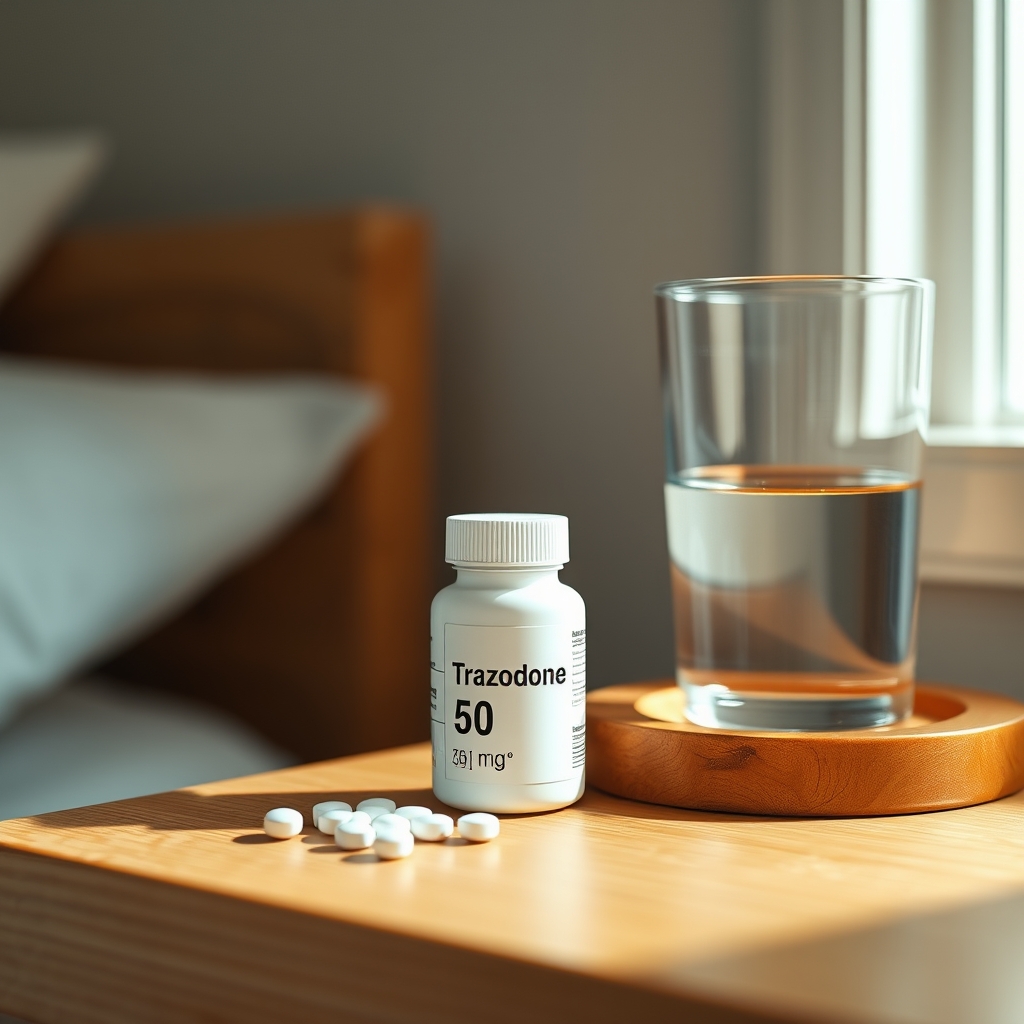
Avoid trazodone during pregnancy – it’s not recommended in the first trimester and doses above 50 mg may raise risk of birth defects. Find safe alternatives and dosage guidance here.
By Shubhra Mishra — a mom of two who turned her own confusion during pregnancy into BumpBites, a global mission to make food choices clear, safe, and stress-free for every expecting mother. 💛
Check whether any food is safe during pregnancy with the BumpBites Food Safety Checker.
Quick verdict: ⚠️ Talk to your doctor first. Trazodone can be used during pregnancy, but only under close medical supervision and usually at the lowest effective dose.
It’s completely understandable to feel a knot in your stomach when you discover you’ve been prescribed or have taken trazodone and are now pregnant. You’re not alone—many expectant parents wonder, “Is trazodone safe for pregnancy?” The short answer is that trazodone isn’t outright forbidden, but the decision to continue it should be made together with your obstetric provider.
In this article we’ll break down the current guidance on trazodone safe for pregnancy, look at trimester‑specific data, discuss recommended dosages, compare brand versus generic, explore how trazodone might affect pregnancy complications like gestational diabetes, and give you a menu of safer alternatives. By the end, you’ll have a clear, evidence‑based picture and know exactly what questions to ask at your next appointment.
We also understand that you might have already taken a dose before you knew you were pregnant, or you may be facing a new prescription for anxiety or insomnia. The information below is organized to help you find quick answers—whether you’re searching “is trazodone safe in the first trimester,” “how much trazodone can I take while breastfeeding,” or “what are safer options than trazodone for sleep.” Take a deep breath; you’re in the right place.
Keeping medication out of reach of children is a good habit—store trazodone safely while you discuss its use with your provider.
Trimester / Period
Verdict
Notes
First trimester
⚠️ Use only if benefits outweigh risks
Limited data; potential teratogenic risk is low but not ruled out. Close monitoring advised.
Second trimester
⚠️ Use only if benefits outweigh risks
Most studies show no clear increase in major malformations; still individual assessment needed.
Third trimester
⚠️ Use only if benefits outweigh risks
Possible neonatal adaptation syndrome (e.g., respiratory distress) if used near delivery.
Breastfeeding
⚠️ Use only if benefits outweigh risks
Trace amounts found in milk; monitor infant for sedation or poor feeding.
What is trazodone?
Trazodone is an atypical antidepressant that works primarily by inhibiting the reuptake of serotonin, a brain chemical involved in mood regulation. It also has mild antagonistic effects on certain serotonin receptors, which can lead to its sedating properties. Because of this sedative effect, doctors often prescribe trazodone off‑label to treat insomnia, especially when anxiety or depression co‑occur.
The medication is available in immediate‑release tablets (typically 50 mg, 100 mg, or 150 mg) and extended‑release formulations. It is marketed under brand names such as Desyrel, but generic versions are widely prescribed. In the United States, the Food and Drug Administration (FDA) classifies trazodone as a pregnancy Category C drug, meaning animal studies have shown some risk, but there are no well‑controlled human studies; the potential benefits may justify use.
People with major depressive disorder, generalized anxiety, or chronic insomnia often turn to trazodone when other treatments have failed or when they need a medication that can address both mood and sleep. Its relatively low cost and lack of dependence potential make it attractive, but safety in pregnancy remains a nuanced conversation. The drug’s mechanism—modulating serotonin—means it can interact with other serotonergic agents, a factor obstetricians consider when evaluating overall medication safety.
Is trazodone safe to use during the first trimester of pregnancy?
Current evidence suggests that trazodone is not an outright teratogen, but the data are limited. ACOG notes that for most antidepressants, the first trimester is the period of greatest concern because organogenesis—the formation of the baby’s organs—occurs then. Small observational studies from the United States and Europe have not demonstrated a statistically significant rise in major birth defects among women who took trazodone in early pregnancy, yet the confidence intervals remain wide.
The FDA’s Category C designation reflects this uncertainty. The NHS in the United Kingdom advises that trazodone may be considered if a woman’s depression is severe and other first‑line agents (like sertraline) are ineffective or not tolerated. In practice, most obstetricians will recommend trying a medication with a stronger safety record before opting for trazodone during the first trimester.
If you are already on trazodone before learning you are pregnant, the best immediate step is to discuss with your provider. Often the recommendation is to continue at the lowest effective dose while closely monitoring the pregnancy, rather than stopping abruptly, which could precipitate a relapse of depression or severe insomnia.
Because the first trimester is a critical window for fetal development, many clinicians also suggest a detailed ultrasound at 12–14 weeks to confirm normal anatomy if trazodone exposure has occurred. This extra imaging can provide reassurance and help catch any unexpected anomalies early, allowing for timely follow‑up.
Is trazodone safe to use during the second trimester of pregnancy?
During the second trimester, the risk of structural birth defects declines because organ formation is largely complete. Evidence from a retrospective cohort study published in the Journal of Clinical Psychiatry found no increase in congenital anomalies among women who continued trazodone after the first trimester. However, the same study reported a modest rise in low birth weight, though the clinical relevance was uncertain.
Both ACOG and the CDC’s Pregnancy and Birth Defects Registry advise that if a pregnant patient’s depression or insomnia is not controlled by safer alternatives, trazodone can be continued with careful fetal growth monitoring via ultrasound. The key is individualized risk‑benefit analysis—if you have a history of severe depression, the potential harm from untreated illness may outweigh the theoretical risk from trazodone.
In the second trimester, many women also experience increased fatigue and night sweats, which can amplify the sedating side effects of trazodone. Adjusting the timing of the dose (e.g., taking it right before bedtime) and ensuring adequate hydration can help mitigate dizziness while still providing therapeutic benefit.
Is trazodone safe to use during the third trimester of pregnancy?
In the third trimester, the focus shifts to neonatal outcomes. Some case reports have described newborns experiencing transient respiratory distress, jitteriness, or feeding difficulties when mothers used trazodone within two weeks of delivery. These symptoms are generally mild and resolve within a day or two, but they warrant awareness.
Professional societies, including ACOG, recommend tapering or discontinuing trazodone before labor if the mother’s mental health is stable, to minimize neonatal adaptation syndrome. If a taper is not possible because of worsening depression, a shared decision‑making approach with the obstetric team is essential.
Because the third trimester also brings increased blood volume and cardiac output, some women notice a slight intensification of orthostatic hypotension from trazodone. Standing up slowly and wearing supportive stockings can reduce the risk of fainting, especially when the medication is taken close to delivery.
Is trazodone safe to use while breastfeeding?
During lactation, trazodone does appear in breast milk in low concentrations. The American Academy of Pediatrics (AAP) classifies trazodone as “compatible with breastfeeding” but advises monitoring the infant for excessive sedation, poor feeding, or weight gain issues. Most lactation consultants suggest a 12‑hour window after the maternal dose before feeding, although this is not a strict rule.
If you choose to breastfeed while on trazodone, keep a log of infant behavior and discuss any concerns with your pediatrician. In many cases, the benefits of continued maternal mental health outweigh the minimal infant exposure. Some clinicians also recommend timing the dose so that the infant’s longest sleep stretch coincides with the medication’s peak level, reducing the chance of daytime drowsiness.
Should you notice persistent lethargy or feeding problems in your baby, a brief medication pause and a switch to a non‑sedating antidepressant may be recommended. This collaborative approach ensures both mother and baby thrive.
What is the recommended trazodone dosage for pregnant women?
There is no pregnancy‑specific dosage guideline from the FDA or ACOG; instead, clinicians follow standard adult dosing while aiming for the lowest effective dose. Typical starting doses for depression are 50 mg at bedtime, gradually increased to 150‑300 mg per day as tolerated. For insomnia, many providers prescribe 25‑100 mg at night.
Because trazodone can cause orthostatic hypotension (a drop in blood pressure when standing), pregnant patients are often started at the lowest dose and monitored for dizziness or fainting. If you are on an extended‑release formulation, the same total daily dose applies but is split into two doses to reduce side effects.
Regardless of the dose, the guiding principle is “as low as reasonably achievable.” Your obstetrician will tailor the regimen to your symptom severity, prior response to antidepressants, and any comorbid conditions such as gestational diabetes. Frequent follow‑up visits (often every 4–6 weeks) help fine‑tune the balance between efficacy and safety.
Can I take generic trazodone (Desyrel) while pregnant?
Yes, generic trazodone (commonly marketed as Desyrel) contains the same active ingredient as the brand version and is subject to the same FDA Category C classification. The primary difference lies in inactive ingredients, which rarely affect safety but can influence tolerability for some individuals.
When choosing between brand and generic, consider factors such as cost, insurance coverage, and any known sensitivities to fillers. Many obstetricians and psychiatrists have no preference and will prescribe the most affordable option that the patient can consistently take.
Some patients report mild gastrointestinal upset with certain generic fillers; if this occurs, switching to a different manufacturer’s version or the branded product can be a simple solution without altering the therapeutic effect.
What are the risks of using trazodone during pregnancy?
Potential risks fall into two broad categories: fetal and maternal. For the fetus, the most concerning theoretical risks are:
Possible, though not definitively proven, increase in low birth weight.
Neonatal adaptation syndrome if the drug is taken close to delivery, manifesting as mild respiratory distress or jitteriness.
Rare reports of congenital heart defects, but larger studies have not confirmed a causal link.
For the mother, common side effects include dizziness, orthostatic hypotension, and sedation—symptoms that can be accentuated by pregnancy‑related blood‑volume changes. In rare cases, trazodone can cause priapism (prolonged erection) or serotonin syndrome when combined with other serotonergic agents.
Overall, the absolute risk appears low, but the decision to continue trazodone should weigh these possibilities against the harms of untreated depression or severe insomnia, which themselves increase risks of preterm birth, low birth weight, and maternal self‑harm. A thorough discussion with your provider can clarify how these factors apply to your personal health profile.
Are there safer alternatives to trazodone for managing depression in pregnancy?
Sertraline – Considered the first‑line SSRI for pregnancy; extensive data show no increase in major birth defects.
Fluoxetine – Another SSRI with a long safety record; may be chosen if sertraline is not tolerated.
Cognitive Behavioral Therapy (CBT) – Non‑pharmacologic approach with strong evidence for treating both depression and insomnia.
Pregnancy‑safe yoga – Gentle prenatal yoga can improve mood and sleep without medication.
Omega‑3 fish oil supplements – EPA/DHA have modest antidepressant effects and are generally regarded as safe.
Acupuncture – Some studies suggest benefit for mood regulation; no known fetal risks.
Psychotherapy counseling – Provides emotional support and coping strategies essential for long‑term mental health.
How does trazodone affect pregnancy complications like gestational diabetes?
There is no direct evidence linking trazodone to the development of gestational diabetes. However, because trazodone can cause weight gain in some patients, clinicians monitor weight trajectories, especially in women already at risk for glucose intolerance. If gestational diabetes does develop, the medication’s impact on blood sugar is considered minimal compared with other factors such as diet and insulin therapy.
In practice, a multidisciplinary team—including an obstetrician, endocrinologist, and mental‑health provider—will coordinate care to ensure both metabolic control and mood stability. Adjustments to the trazodone dose may be made if significant weight gain is observed, but discontinuation purely due to gestational diabetes is not a standard recommendation.
Gentle prenatal yoga can be a soothing, medication‑free way to improve sleep and mood.
Safe dosage / amount / brands
Because trazodone is a prescription medication, the exact dose should be individualized. Below is a practical guide for clinicians and patients:
Use case
Typical adult dose range
Pregnancy‑adjusted recommendation
Depression (standard)
50 mg–300 mg per day, divided BID or QHS
Start 50 mg QHS; increase only if needed, max 200 mg/day unless specialist advises.
Insomnia (off‑label)
25 mg–100 mg at bedtime
Start 25 mg QHS; may increase to 50 mg if sleep persists, monitor for daytime drowsiness.
Extended‑release formulation
150 mg–300 mg once daily
Prefer immediate‑release for tighter dose titration; if ER used, keep total ≤200 mg.
When choosing a brand, look for products that list no unnecessary dyes or fillers. Common reputable manufacturers include Teva, Mylan, and Sandoz. Generic options from these companies meet FDA bioequivalence standards, so they are generally safe and more affordable.
If you have a known allergy to a particular filler (e.g., lactose), ask your pharmacist for a brand‑specific formulation or a compounding pharmacy that can tailor the inactive ingredients to your needs.
Side effects and risks
Most side effects are mild and resolve with dose adjustment:
Dizziness or light‑headedness – May worsen in the supine position; rise slowly from sitting.
Orthostatic hypotension – Can cause fainting; stay hydrated and avoid sudden position changes.
Excessive sedation – Particularly problematic if you need to stay alert for caregiving; consider lower nighttime dosing.
Priapism – Rare but serious; seek emergency care if an erection lasts longer than 4 hours.
Serotonin syndrome – Occurs when combined with other serotonergic drugs (e.g., SSRIs); symptoms include agitation, rapid heart rate, and fever.
Neonatal adaptation syndrome – watch for jitteriness or breathing difficulty in the first 24 hours after birth.
Any unusual birth defect – discuss any concerns with your provider promptly.
If you notice any of the above, especially severe dizziness, priapism, or signs of serotonin syndrome, contact your healthcare team immediately. Most other side effects can be managed by adjusting the dose or timing.
Safer alternatives
Sertraline – First‑line SSRI with extensive pregnancy safety data; minimal risk of birth defects.
Fluoxetine – Long‑acting SSRI; safe for most trimesters, though may cause neonatal irritability if used near delivery.
Cognitive Behavioral Therapy (CBT) – Proven effective for both depression and insomnia without medication exposure.
Prenatal yoga – Low‑impact exercise that reduces stress hormones and improves sleep quality.
Omega‑3 fish oil supplements – EPA/DHA support brain health and have modest antidepressant effects; safe in pregnancy at 1 g per day.
Acupuncture – Emerging evidence suggests benefit for mood regulation; no known fetal risks.
Psychotherapy counseling – Provides coping strategies and emotional support, essential for long‑term mental health.
Related items — safety at a glance
Item
Verdict
One‑line note
Sertraline
✅ Generally safe
Most data show no increase in major birth defects.
Fluoxetine
✅ Generally safe
Long half‑life; may cause neonatal irritability if taken close to delivery.
Citalopram
⚠️ Use with caution
Higher doses linked to QT prolongation; keep ≤20 mg/day.
Escitalopram
✅ Generally safe
Similar safety profile to sertraline.
Bupropion
⚠️ Use with caution
Limited data; avoid high doses (>300 mg/day).
Venlafaxine
⚠️ Use with caution
Potential for increased blood pressure; monitor closely.
Paroxetine
❌ Best avoided
Associated with fetal cardiac defects and low birth weight.
Myth vs. fact
Myth: “Trazodone always causes birth defects.”
Fact: Large observational studies have not found a clear increase in major congenital anomalies, though the data are not as robust as for SSRIs.
Myth: “If I stop trazodone now, my baby will be perfectly safe.”
Fact: Abrupt discontinuation can lead to a relapse of depression or severe insomnia, which themselves carry risks for both mother and baby.
Myth: “All antidepressants are equally risky in pregnancy.”
Fact: Safety profiles differ; sertraline and fluoxetine have the strongest evidence for safety, while trazodone and some others require more individualized assessment.
Myth: “Because trazodone is cheap, it must be safe.”
Fact: Cost does not determine safety; the drug’s pharmacology and limited pregnancy data mean it still needs careful medical oversight.
Key takeaways
⚠️ Trazodone can be used during pregnancy, but only after a careful risk‑benefit discussion with your provider.
First‑trimester exposure carries the most uncertainty; aim for the lowest effective dose if continuation is needed.
Monitor fetal growth and watch for neonatal adaptation signs if the drug is taken near delivery.
Consider safer alternatives such as sertraline, fluoxetine, CBT, or prenatal yoga whenever possible.
Never stop trazodone abruptly without medical guidance; relapse can be harmful.
Keep an eye on side effects like dizziness, orthostatic hypotension, and rare but serious events (priapism, serotonin syndrome).
Collaborate with a multidisciplinary team—obstetrician, psychiatrist, and, if needed, a lactation consultant—to tailor treatment to your unique situation.
Frequently asked questions
Can I take trazodone while pregnant?
Yes, but only under the guidance of your obstetrician or psychiatrist. The medication may be continued at the lowest effective dose if the benefits outweigh the potential risks.
What are the side effects of trazodone for a pregnant woman?
Common side effects include dizziness, daytime drowsiness, and orthostatic hypotension; rare but serious effects are priapism and serotonin syndrome. All side effects should be discussed with your provider.
Is trazodone linked to birth defects?
Current data do not show a definitive link to major birth defects, but the evidence is limited, especially for first‑trimester exposure, so clinicians weigh each case individually.
How much trazodone is safe during pregnancy?
There is no pregnancy‑specific dosage; clinicians usually start at 25‑50 mg at bedtime and increase only as needed, never exceeding 200 mg per day without specialist input.
Are there any natural alternatives to trazodone for insomnia during pregnancy?
Yes—options such as cognitive‑behavioral therapy for insomnia (CBT‑I), prenatal yoga, and omega‑3 fish oil supplements have shown benefit and carry no known fetal risk.
When should I stop taking trazodone before delivery?
If your depression is stable, many providers recommend tapering off trazodone 2‑3 weeks before labor to reduce the chance of neonatal adaptation syndrome; this decision should be made jointly with your care team.
Can I switch from another antidepressant to trazodone during pregnancy?
Switching is possible, but it should be done under close supervision because changes in medication can destabilize mood; a gradual cross‑taper is usually recommended to minimize withdrawal or relapse.
Is it safe to use trazodone for night‑time anxiety while pregnant?
Low‑dose trazodone can help with anxiety‑related insomnia, but the same cautions apply—use the lowest effective dose, monitor blood pressure, and discuss any anxiety spikes with your provider.
When to call your doctor
If you experience any of the following while taking trazodone during pregnancy, contact your obstetrician or go to the nearest emergency department:
Sudden, severe dizziness or fainting.
Priapism lasting longer than 4 hours.
Signs of serotonin syndrome (rapid heartbeat, high fever, agitation, muscle rigidity).
Persistent fetal growth restriction noted on ultrasound.
Newborn respiratory distress or unusual jitteriness after birth.
These symptoms are red flags and require immediate medical evaluation. Remember, this article provides general information and is not a substitute for personalized medical advice.
References
American College of Obstetricians and Gynecologists (ACOG). “Depression and Mood Disorders in Pregnancy.” Practice Bulletin No. 196, 2021.
National Health Service (NHS). “Antidepressants in pregnancy.” Updated 2022.
U.S. Food and Drug Administration (FDA). “Drug Safety Communication: Trazodone Use in Pregnancy.” 2020.
Centers for Disease Control and Prevention (CDC). “Pregnancy and Birth Defects Registry.” 2021.
World Health Organization (WHO). “Maternal mental health and pregnancy outcomes.” 2020.
American Academy of Pediatrics (AAP). “Breastfeeding and Medication Use.” 2022.
Journal of Clinical Psychiatry. “Antidepressant exposure and birth outcomes: a retrospective cohort study.” 2019.
National Institute for Health and Care Excellence (NICE). “Antenatal and postnatal mental health: clinical management and service guidance.” 2021.
Not sure about the label on Is Trazodone Safe During Pregnancy products?
Snap the ingredients list and SafeFilter checks every ingredient for your stage — only 3 free scans this month, then you're locked until reset. Unlimited from $7/mo or $50/yr.
When Shubhra Mishra was expecting her first child in 2016, she was overwhelmed by conflicting food advice — one site said yes, another said never. By the time her second baby arrived in 2019, she realized millions of mothers face the same confusion.
That sparked a five-year journey through clinical nutrition papers, cultural diets, and expert conversations — all leading to BumpBites: a calm, compassionate space where science meets everyday motherhood.
Her long-term vision is to build a global community ensuring safe, supported, and free deliveriesfor every mother — because no woman should face pregnancy alone or uninformed. 🌿
🌍 Stand with mothers, shape safer guidance
Join a small circle of experts who review BumpBites articles so expecting parents everywhere can decide with confidence.