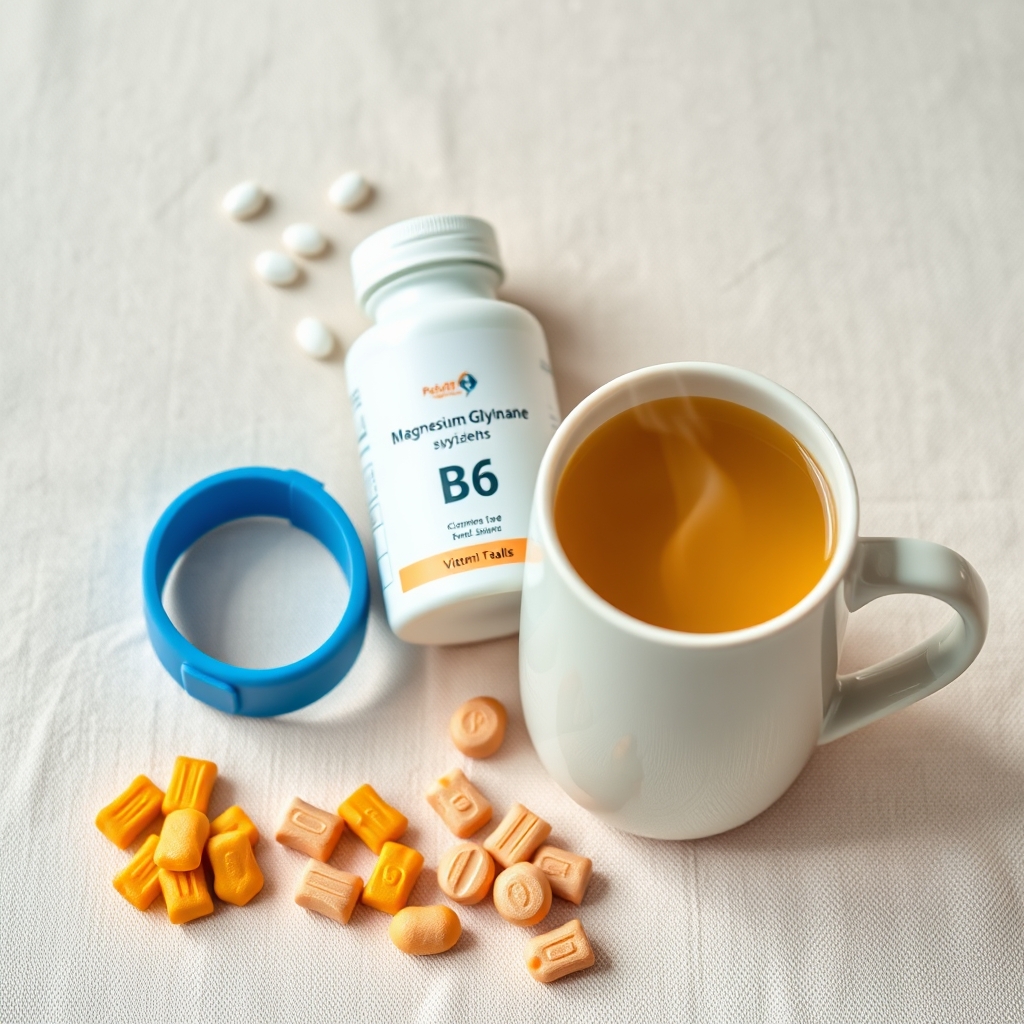
Key things to know about Is Unisom Safe During Pregnancy in pregnancy
Many OBs allow Unisom (often doxylamine) in pregnancy for sleep or as part of nausea care — but products differ (SleepTabs vs SleepGels). Confirm the active ingredient and dose with your clinician before you take it.
Yes, Unisom is generally safe for pregnancy when used as directed. Learn about recommended dosages, which trimesters are safest, and important considerations for taking Unisom while pregnant.
By Shubhra Mishra — a mom of two who turned her own confusion during pregnancy into BumpBites, a global mission to make food choices clear, safe, and stress-free for every expecting mother. 💛
Check whether any food is safe during pregnancy with the BumpBites Food Safety Checker.
Quick verdict: ⚠️ Safe with limits. Unisom SleepTabs (containing doxylamine succinate) is generally considered safe and effective for occasional use during pregnancy, especially when combined with Vitamin B6 for morning sickness, but always consult your doctor first.
That 3 AM wake-up call, the relentless nausea, or the sheer exhaustion that just won't let you sleep – pregnancy brings a unique set of challenges, and finding relief often leads to late-night Google searches like "is Unisom safe for pregnancy?" If you're staring at a package of Unisom in the pharmacy aisle, or perhaps you've already taken one and are now feeling a wave of anxiety, take a deep breath. You're not alone in wondering whether this common over-the-counter sleep aid or nausea treatment is a safe choice for you and your baby. Many expecting parents look for solutions to common pregnancy discomforts, and figuring out what’s truly safe can feel like navigating a minefield.
At BumpBites, we understand these worries. The good news is that certain formulations of Unisom, particularly those containing doxylamine succinate, are often recommended by obstetricians as a safe and effective option for managing pregnancy-related insomnia and, especially, morning sickness. In fact, a combination of doxylamine and vitamin B6 is a first-line treatment recommended by major health organizations. However, not all Unisom products are created equal, and understanding the active ingredients, appropriate dosages, and potential side effects is key to making an informed decision. We're here to break down everything you need to know about Unisom safety during pregnancy, covering its use across all trimesters, recommended amounts, safer alternatives, and when to definitely chat with your healthcare provider.
Unisom SleepTabs, specifically the doxylamine succinate formulation, is generally considered the preferred option for pregnant individuals when discussing Unisom.
Unisom Safety During Pregnancy: Snapshot
Trimester/Stage
Verdict
Notes
First Trimester
✅ Generally Safe (with doctor's OK)
Often recommended by doctors, especially doxylamine succinate combined with Vitamin B6 for morning sickness. Crucial organ development occurs.
Second Trimester
✅ Generally Safe (with doctor's OK)
Considered safe for occasional use for sleep or continued nausea management. Less concern for organogenesis.
Third Trimester
✅ Generally Safe (with doctor's OK)
Safe for occasional use for sleep or nausea. Monitor for maternal drowsiness, particularly closer to labor.
Breastfeeding
⚠️ Safe with Limits
Doxylamine passes into breast milk. May cause drowsiness or irritability in the infant. Use with caution and monitor baby. Consult pediatrician.
What is Unisom?
Unisom is a popular over-the-counter medication primarily marketed as a sleep aid. However, its active ingredients also have properties that can help with nausea, which is why it's often discussed in the context of pregnancy, particularly for morning sickness. It's crucial to understand that "Unisom" isn't just one product; it comes in different formulations, each with a distinct active ingredient.
The two main active ingredients found in Unisom products are:
Doxylamine succinate: This is an antihistamine that causes drowsiness. It's the active ingredient in products like Unisom SleepTabs. Importantly, doxylamine succinate is the ingredient that, when combined with Vitamin B6, forms the basis of prescription medications used to treat nausea and vomiting of pregnancy (NVP).
Diphenhydramine HCl: Also an antihistamine, diphenhydramine is known for causing drowsiness and is found in products like Unisom SleepGels, Unisom SleepMelts, and Unisom PM Pain. This is the same active ingredient found in Benadryl. While generally considered safe for occasional use during pregnancy, it's not the primary antihistamine recommended by major health organizations for NVP.
Both doxylamine and diphenhydramine work by blocking histamine receptors in the brain, which can induce sleepiness. For nausea, doxylamine's mechanism is thought to involve its anticholinergic effects, which can reduce signals to the vomiting center in the brain. People use Unisom for temporary relief of sleeplessness, and pregnant individuals specifically might consider it for sleep disturbances or to alleviate the persistent nausea and vomiting that can accompany early pregnancy.
Is Unisom Safe During Pregnancy?
Yes, certain formulations of Unisom are generally considered safe for pregnancy, especially when used under the guidance of a healthcare provider. The key distinction lies in the active ingredient. The American College of Obstetricians and Gynecologists (ACOG) and the Society for Maternal-Fetal Medicine (SMFM) specifically recommend doxylamine succinate, often in combination with Vitamin B6 (pyridoxine), as a first-line treatment for nausea and vomiting of pregnancy (NVP), commonly known as morning sickness.
Doxylamine succinate (found in Unisom SleepTabs) has been extensively studied for its safety in pregnant individuals. Research has shown no increased risk of birth defects or other adverse pregnancy outcomes when used at recommended doses. Historically, doxylamine was classified as an FDA Pregnancy Category B drug, meaning animal reproduction studies have failed to demonstrate a risk to the fetus, and there are no adequate and well-controlled studies in pregnant women, or animal studies have shown an adverse effect but adequate and well-controlled studies in pregnant women have failed to demonstrate a risk to the fetus in any trimester. While the FDA has transitioned away from letter categories, the underlying data continues to support its safety profile.
Diphenhydramine HCl (found in Unisom SleepGels/Melts), while also an antihistamine, is generally considered safe for occasional use during pregnancy for sleep. However, it is not specifically recommended as a first-line treatment for NVP by ACOG in the same way doxylamine is. Both medications work by causing drowsiness, which can be beneficial for sleep, but doxylamine's specific role in NVP management, particularly when combined with B6, gives it a stronger endorsement from obstetric guidelines for this particular use case.
It's always essential to consult your doctor before starting any new medication during pregnancy, even over-the-counter options. They can confirm that Unisom is appropriate for your specific situation, discuss the correct formulation, and advise on the safest dosage to ensure both your well-being and your baby's development.
Is Unisom Safe for Morning Sickness During Pregnancy?
When it comes to morning sickness, the answer is a resounding "yes" for specific Unisom formulations and under medical guidance. The active ingredient doxylamine succinate, found in Unisom SleepTabs, is a cornerstone of recommended treatments for nausea and vomiting of pregnancy (NVP).
Major health organizations, including the American College of Obstetricians and Gynecologists (ACOG), endorse the combination of doxylamine succinate and vitamin B6 (pyridoxine) as a primary treatment option for NVP. This combination is so effective and well-studied that it's available as a prescription medication (Diclegis or Bonjesta in the US, or various brands internationally). Many obstetricians will advise pregnant individuals to create this combination at home using over-the-counter Unisom SleepTabs and a Vitamin B6 supplement.
Doxylamine works by blocking histamine receptors in the brain, which helps reduce the sensation of nausea and can also induce drowsiness, which is often a welcome side effect for those struggling with NVP-induced fatigue. It's particularly effective when taken at bedtime, as it can help manage symptoms throughout the night and into the next morning. If you're experiencing severe morning sickness, your doctor might suggest starting with a lower dose of doxylamine, such as half a 25mg tablet (12.5mg), alongside 10-25mg of Vitamin B6, taken at night.
It's important to reiterate that this recommendation specifically applies to Unisom products containing doxylamine succinate, not those with diphenhydramine. Always confirm the active ingredient before purchasing and discuss your symptoms and potential treatment options with your healthcare provider to ensure it's the right choice for you.
Unisom Safety by Trimester: First, Second, and Third
Understanding how medication safety might shift across your pregnancy journey is vital. With Unisom, the general consensus is that doxylamine succinate is considered safe throughout all three trimesters, but there are nuances to consider for each stage.
First Trimester
The first trimester is often the period of most intense worry regarding medication use, as it's when the baby's major organs are forming (organogenesis). This is also, ironically, when morning sickness is most prevalent, prompting many to ask, "Is Unisom safe for pregnancy first trimester?" The good news is that doxylamine succinate is one of the most well-studied medications for use in early pregnancy. As mentioned, ACOG recommends doxylamine (often with B6) as a first-line treatment for nausea and vomiting of pregnancy (NVP). Numerous studies have found no increased risk of birth defects when doxylamine is used during the first trimester. If you're struggling with severe morning sickness or insomnia in your first trimester, your doctor may recommend Unisom SleepTabs as a safe and effective option. Always discuss your symptoms and dosage with your healthcare provider.
Second Trimester
As you move into the second trimester, often called the "golden trimester," morning sickness may subside for many, but sleep disturbances can still be an issue. Unisom (doxylamine succinate) continues to be considered safe for occasional use during this period. The risks associated with organ development are largely past, and the focus shifts to maintaining maternal comfort and well-being. If you're still experiencing nausea or finding it hard to sleep, your doctor may suggest continuing with Unisom at the lowest effective dose. Many pregnant individuals find that their need for sleep aids or nausea medication decreases as they progress through the second trimester, but it remains an option if needed.
Third Trimester
In the third trimester, physical discomforts like restless legs, frequent urination, and difficulty finding a comfortable position can severely impact sleep. Unisom (doxylamine succinate) remains a safe option for temporary relief of insomnia or persistent nausea. However, as you approach your due date, your doctor might want to discuss its use, particularly concerning potential maternal drowsiness. While there's no evidence of harm to the baby, excessive drowsiness in the mother could theoretically impact alertness or mobility. It's also wise to consider if there are other underlying causes for sleep disturbances that could be addressed, such as discomfort from an expanding belly or anxiety about labor. Always keep your healthcare provider informed about any medications you are taking, especially as you near your delivery date.
Unisom Safety While Breastfeeding
When considering Unisom while breastfeeding, caution is advised. Doxylamine succinate, the active ingredient in Unisom SleepTabs, is known to pass into breast milk. While generally considered compatible with breastfeeding for occasional use, it's important to monitor your infant for potential side effects. The primary concern is that doxylamine can cause drowsiness, lethargy, or irritability in the nursing baby due to its sedating properties. Some babies might also experience difficulty feeding or poor weight gain. The American Academy of Pediatrics (AAP) generally categorizes doxylamine as a drug for which there is "limited information" but "may be of concern." If you need to use Unisom for sleep or nausea while breastfeeding, aim for the lowest effective dose and take it immediately after a feeding to minimize the amount in your milk by the next feeding. Always consult with your pediatrician or lactation consultant to weigh the benefits and risks for your specific situation and baby.
What is the Recommended Unisom Dosage for Pregnant Women?
When considering Unisom for pregnancy, especially for morning sickness or sleep, adhering to the recommended dosage is crucial. The dosages can vary slightly depending on whether you're using it primarily for nausea or for sleep, and the formulation matters significantly.
For Morning Sickness (Nausea and Vomiting of Pregnancy - NVP)
If you're using Unisom SleepTabs (doxylamine succinate) for morning sickness, often in conjunction with Vitamin B6, the typical recommendation from healthcare providers is:
Doxylamine succinate: 12.5 mg at bedtime. This is half of a standard 25 mg Unisom SleepTab. Your doctor may suggest increasing the dose if needed, possibly to 12.5 mg in the morning, 12.5 mg in the afternoon, and 25 mg at bedtime, but always start low and consult your provider.
Vitamin B6 (pyridoxine): Typically 10-25 mg, taken 2-3 times a day. When combined with doxylamine, it's often taken with the evening dose.
This combination mirrors the active ingredients in prescription medications like Diclegis. The goal is to manage nausea throughout the day and ensure a restful night's sleep without excessive sedation during waking hours.
For Sleep
If your primary concern is insomnia, and your doctor has approved Unisom SleepTabs (doxylamine succinate), the standard adult dose is:
Doxylamine succinate: 25 mg at bedtime.
For some, even 12.5 mg (half a tablet) may be sufficient to induce sleep and reduce morning grogginess. It's always best to start with the lowest effective dose.
Important Considerations:
Do NOT exceed the recommended dose: Taking more than advised does not necessarily increase effectiveness and can heighten the risk of side effects.
Check the active ingredient: Ensure you are using Unisom SleepTabs (doxylamine succinate). Other Unisom products containing diphenhydramine (like Unisom SleepGels or SleepMelts) are generally considered safe for occasional sleep, but doxylamine is the preferred ingredient for NVP and is often better tolerated with less next-day grogginess for some individuals.
Avoid alcohol and other sedatives: Combining Unisom with alcohol or other medications that cause drowsiness can intensify sedative effects and be dangerous.
Discuss with your doctor: Always confirm the appropriate Unisom dosage for pregnant women with your healthcare provider. They can tailor recommendations based on your specific needs, medical history, and other medications you might be taking.
Are There Specific Unisom Brands Safe for Pregnancy?
When we talk about "Unisom safe for pregnancy," it's less about a specific brand name and more about the active ingredient. As discussed, Unisom comes in different formulations, and the safety profile during pregnancy largely depends on which active ingredient you're looking at.
The formulation most frequently recommended by obstetricians for pregnancy-related nausea and insomnia is that which contains doxylamine succinate. This is typically found in:
Unisom SleepTabs: This is the specific product under the Unisom brand name that contains 25 mg of doxylamine succinate. This is the one that, when combined with Vitamin B6, mimics the prescription medication for morning sickness.
Generic Doxylamine Succinate: Many store brands (e.g., CVS brand, Walgreens brand, Walmart Equate brand) offer generic sleep aids with doxylamine succinate as the sole active ingredient. These are generally considered equivalent to Unisom SleepTabs, provided doxylamine succinate is the *only* active ingredient and the dosage is 25 mg per tablet. Always check the "Active Ingredients" label carefully.
Other Unisom products, such as Unisom SleepGels, Unisom SleepMelts, or Unisom PM Pain, contain diphenhydramine HCl. While diphenhydramine is also an antihistamine and is generally considered safe for occasional use during pregnancy for sleep, it is not the ingredient specifically recommended by ACOG for nausea and vomiting of pregnancy. It may also have a slightly different side effect profile for some individuals compared to doxylamine. If you're specifically seeking relief for morning sickness, ensure you're getting doxylamine succinate.
Key takeaway for brands: Always read the "Active Ingredients" section on the packaging. Look for "Doxylamine Succinate" as the sole active ingredient. Avoid products that combine doxylamine or diphenhydramine with pain relievers (like acetaminophen or ibuprofen) unless specifically instructed by your doctor, as combination products can lead to taking unnecessary medications during pregnancy.
What Are the Potential Risks and Side Effects of Unisom in Pregnancy?
While Unisom (specifically doxylamine succinate) is generally considered safe for pregnancy when used as directed, it's still a medication and can come with potential side effects and risks. Understanding these can help you manage your symptoms and know when to contact your doctor.
Common Side Effects for the Mother
Drowsiness/Sedation: This is the primary intended effect of Unisom, but it can be excessive for some, leading to next-day grogginess or impaired alertness. This is why it's usually recommended to take it at bedtime.
Dry Mouth: A common anticholinergic side effect. Staying hydrated can help.
Constipation: Another anticholinergic effect, which can be particularly bothersome during pregnancy when constipation is already a common complaint. Increasing fiber and fluid intake can help mitigate this.
Dizziness: Especially when standing up quickly.
Blurred Vision: Less common but can occur.
Urinary Retention: Difficulty emptying the bladder, though rare.
Potential Risks and Less Common Side Effects
Paradoxical Excitation: In rare cases, especially in sensitive individuals, antihistamines can cause restlessness, nervousness, or hyperactivity instead of sedation.
Allergic Reaction: As with any medication, an allergic reaction (rash, itching, swelling, severe dizziness, trouble breathing) is possible, though rare. Seek immediate medical attention if this occurs.
Exacerbation of certain conditions: Doxylamine should be used with caution or avoided in individuals with certain pre-existing conditions like asthma, glaucoma, or enlarged prostate, as it can worsen these. Always inform your doctor of your full medical history.
Interaction with other medications: Unisom can interact with other sedatives (including alcohol), antidepressants, and certain pain medications, increasing sedative effects. Always disclose all medications and supplements you are taking to your doctor.
Risks to the Baby
Extensive research and clinical use have shown that doxylamine succinate, at recommended doses, does not increase the risk of birth defects or other adverse outcomes for the baby. This is why ACOG considers it a first-line treatment for NVP. The primary concern for the baby would be if the mother experiences severe side effects that indirectly impact her health, or if excessive doses are taken. When breastfeeding, as noted, there's a potential for the baby to experience drowsiness if enough passes into the breast milk.
If you experience any concerning or severe side effects, or if your symptoms worsen despite using Unisom, it's crucial to contact your healthcare provider immediately. They can assess your situation and recommend adjustments or alternative treatments.
Safe Alternatives to Unisom for Sleep and Nausea During Pregnancy
While Unisom (doxylamine succinate) is often a safe and effective option, especially for morning sickness, many pregnant individuals prefer to explore non-pharmacological or alternative methods first. Here are several safe alternatives for managing sleep disturbances and nausea during pregnancy:
Vitamin B6 (Pyridoxine): This is a highly recommended and evidence-based alternative for nausea and vomiting. Often, doctors suggest combining 10-25 mg of Vitamin B6 with doxylamine, but B6 alone can also provide significant relief for mild to moderate nausea. It's safe and widely available.
Ginger Lozenges/Tea/Supplements: Ginger is a well-known natural remedy for nausea. Ginger lozenges, candies, ginger ale (real ginger, not just flavor), or ginger tea can help settle an upset stomach. Ginger supplements are also available, but consult your doctor for appropriate dosage.
Acupressure Wristbands (e.g., Sea-Bands): These bands apply pressure to the P6 (Neiguan) acupressure point on the wrist, which many people find effective in reducing nausea from motion sickness and pregnancy. They are drug-free and have no known side effects.
Magnesium Supplements: Magnesium can play a role in muscle relaxation and improving sleep quality. Magnesium glycinate is a form that is well-absorbed and less likely to cause digestive upset. Always discuss magnesium supplementation with your doctor, as they can recommend an appropriate dose.
Warm Milk or Herbal Teas: A warm drink before bed can be soothing. Warm milk contains tryptophan, which can aid sleep. Certain herbal teas like chamomile or peppermint (ensure they are pregnancy-safe and caffeine-free) can also promote relaxation and aid digestion.
Prenatal Yoga: Gentle exercise like prenatal yoga can reduce stress, improve circulation, and help you relax, leading to better sleep. Many studios offer prenatal-specific classes, or you can find guided sessions online.
Guided Meditation and Mindfulness: Techniques like guided meditation, deep breathing exercises, and mindfulness can calm the nervous system, reduce anxiety, and prepare your body for sleep. Many apps offer pregnancy-specific meditations.
Dietary Adjustments for Nausea: Eating small, frequent meals, avoiding trigger foods (spicy, fatty, strong odors), and keeping bland snacks like crackers by your bedside can help manage morning sickness. Staying well-hydrated is also crucial.
Exploring these alternatives, either individually or in combination, can often provide significant relief without the need for medication. Always remember to discuss any new supplements or significant dietary changes with your healthcare provider during pregnancy.
Related Items – Safety at a Glance
Many medications and supplements can help with sleep or nausea. Here's a quick look at how some common related items compare in terms of pregnancy safety:
Item
Verdict
Note
Benadryl (Diphenhydramine)
✅ Generally Safe
Safe for occasional use for allergies or sleep; not first-line for NVP. May cause drowsiness.
Tylenol PM (Acetaminophen + Diphenhydramine)
⚠️ Safe with Limits
Acetaminophen is safe, but diphenhydramine should be used occasionally for sleep. Avoid if only sleep is needed.
Diclegis (Doxylamine + B6)
✅ Generally Safe
Prescription drug specifically for NVP; considered first-line by ACOG.
Zofran (Ondansetron)
⚠️ Talk to your doctor first
Prescription antiemetic for severe NVP. Used when first-line treatments fail. Some historical concerns about minor birth defects, now generally deemed safe by ACOG for short-term use.
Dramamine (Dimenhydrinate)
✅ Generally Safe
Safe for occasional use for motion sickness. Similar to diphenhydramine.
Melatonin
⚠️ Talk to your doctor first
Limited long-term pregnancy safety data. Most doctors advise caution or avoidance due to insufficient studies.
Magnesium Glycinate
✅ Generally Safe
Safe for supplementation, can aid sleep and muscle relaxation. Consult doctor for dosage.
Ginger Supplements
✅ Generally Safe
Effective natural remedy for nausea. Consult doctor for appropriate dosage and formulation.
Myth vs. Fact
Myth vs. Fact
Myth: All Unisom products are the same and safe for morning sickness.
Fact: This is incorrect. Only Unisom products containing doxylamine succinate (like Unisom SleepTabs) are specifically recommended by obstetric bodies for morning sickness, often in combination with Vitamin B6. Other Unisom products contain diphenhydramine, which is generally safe for occasional sleep but not the preferred choice for NVP due to less specific research in this context.
Myth: Taking Unisom for sleep during pregnancy will make my baby overly sleepy or cause long-term developmental issues.
Fact: Current evidence does not support this. Doxylamine succinate has been extensively studied and is not associated with an increased risk of birth defects or long-term developmental problems in babies when used at recommended doses during pregnancy. While it can cause temporary drowsiness in the mother, there's no indication it causes lasting effects on the baby's sleep patterns or development.
Myth: If I'm taking Unisom for sleep, I don't need to tell my doctor because it's over-the-counter.
Fact: You should always inform your healthcare provider about ALL medications and supplements you are taking during pregnancy, including over-the-counter drugs like Unisom. This allows your doctor to monitor for potential interactions, side effects, and ensure it's the most appropriate treatment for your specific health situation.
Key Takeaways
Unisom SleepTabs (doxylamine succinate) is generally considered safe for pregnancy when used as directed, especially for morning sickness in combination with Vitamin B6.
Always check the active ingredient: Doxylamine succinate is preferred over diphenhydramine for nausea and vomiting of pregnancy.
Consult your doctor for the correct dosage; typically, 12.5 mg (half a 25 mg tablet) of doxylamine is recommended for nausea.
Unisom is considered safe across all trimesters, but caution is advised while breastfeeding due to potential infant drowsiness.
Common side effects for the mother include drowsiness, dry mouth, and constipation.
Explore non-pharmacological alternatives like Vitamin B6, ginger, acupressure, and relaxation techniques for sleep and nausea relief.
Always inform your healthcare provider about any over-the-counter medications you are taking during pregnancy.
Frequently Asked Questions
Is Unisom safe for pregnancy first trimester?
Yes, Unisom SleepTabs (doxylamine succinate) is generally considered safe for use in the first trimester. It is a first-line treatment recommended by ACOG for nausea and vomiting of pregnancy, often combined with Vitamin B6. Studies have shown no increased risk of birth defects when used at recommended doses during this critical period of development.
Can I take Unisom and B6 together while pregnant?
Yes, taking Unisom (doxylamine succinate) and Vitamin B6 (pyridoxine) together is a common and highly recommended approach for managing morning sickness. This combination mimics prescription medications specifically formulated for nausea and vomiting of pregnancy and is endorsed by major obstetric organizations. Always discuss the appropriate dosage with your doctor.
What is the best sleep aid for pregnancy?
The "best" sleep aid varies by individual, but for many pregnant individuals, Unisom SleepTabs (doxylamine succinate) is a doctor-approved and effective over-the-counter option for occasional insomnia. Other safe strategies include magnesium supplements, warm milk, prenatal yoga, and guided meditation. Always consult your doctor before starting any sleep aid.
Does Unisom cause birth defects?
No, extensive research and clinical experience have shown that Unisom (doxylamine succinate) does not cause birth defects when used at recommended doses during pregnancy. It has a long history of safe use and is considered a low-risk medication for expectant parents. This is why it's a first-line recommendation for NVP.
How much Unisom can a pregnant woman take?
For morning sickness, the typical recommended dose of Unisom SleepTabs (doxylamine succinate) is 12.5 mg (half of a 25 mg tablet) at bedtime, sometimes increasing to a few times a day under doctor's guidance. For sleep, 25 mg at bedtime is a common dose. Always start with the lowest effective dose and never exceed the maximum recommended by your doctor.
Is Unisom addictive during pregnancy?
Unisom (doxylamine succinate) is not considered addictive in the same way as controlled substances. However, long-term use of any sleep aid can sometimes lead to psychological dependence, where you feel you need it to sleep. Physical dependence with withdrawal symptoms is less common with doxylamine but can occur. It's best used for temporary relief rather than long-term daily use without medical supervision.
Can Unisom make morning sickness worse?
No, Unisom (doxylamine succinate) is specifically used to *alleviate* morning sickness, not worsen it. In combination with Vitamin B6, it is a highly effective treatment for nausea and vomiting of pregnancy. If your morning sickness seems to worsen while taking Unisom, it's unlikely due to the medication itself, and you should consult your doctor to explore other potential causes or adjust your treatment plan.
What are the side effects of Unisom in pregnancy?
The most common side effects of Unisom (doxylamine succinate) in pregnancy are drowsiness, dry mouth, and constipation. Less common effects can include dizziness or blurred vision. These side effects are generally mild and manageable. If you experience severe or concerning side effects, contact your healthcare provider immediately.
Many natural and safe alternatives, such as ginger, Vitamin B6, and acupressure bands, can help manage pregnancy symptoms.
When to Call Your Doctor
While Unisom (doxylamine succinate) is generally safe, it's always important to listen to your body and communicate with your healthcare provider. You should call your doctor if:
Your nausea and vomiting are severe, persistent, and preventing you from keeping down food or fluids, leading to weight loss or dehydration (signs of hyperemesis gravidarum).
You experience severe or unusual side effects from Unisom, such as extreme dizziness, confusion, heart palpitations, or an allergic reaction (rash, itching, swelling).
Unisom does not provide sufficient relief for your nausea or sleep disturbances, and you need to explore other treatment options.
You have underlying health conditions (like asthma, glaucoma, or urinary retention issues) that could be affected by antihistamines.
You are taking other medications or supplements that might interact with Unisom.
You have any doubts or concerns about the safety or appropriate use of Unisom during your pregnancy.
Remember, this information is for educational purposes only and is not a substitute for professional medical advice, diagnosis, or treatment. Always seek the advice of your physician or other qualified health provider with any questions you may have regarding a medical condition.
Not sure about the label on Is Unisom Safe During Pregnancy products?
Snap the ingredients list and SafeFilter checks every ingredient for your stage — only 3 free scans this month, then you're locked until reset. Unlimited from $7/mo or $50/yr.
When Shubhra Mishra was expecting her first child in 2016, she was overwhelmed by conflicting food advice — one site said yes, another said never. By the time her second baby arrived in 2019, she realized millions of mothers face the same confusion.
That sparked a five-year journey through clinical nutrition papers, cultural diets, and expert conversations — all leading to BumpBites: a calm, compassionate space where science meets everyday motherhood.
Her long-term vision is to build a global community ensuring safe, supported, and free deliveriesfor every mother — because no woman should face pregnancy alone or uninformed. 🌿
🌍 Stand with mothers, shape safer guidance
Join a small circle of experts who review BumpBites articles so expecting parents everywhere can decide with confidence.