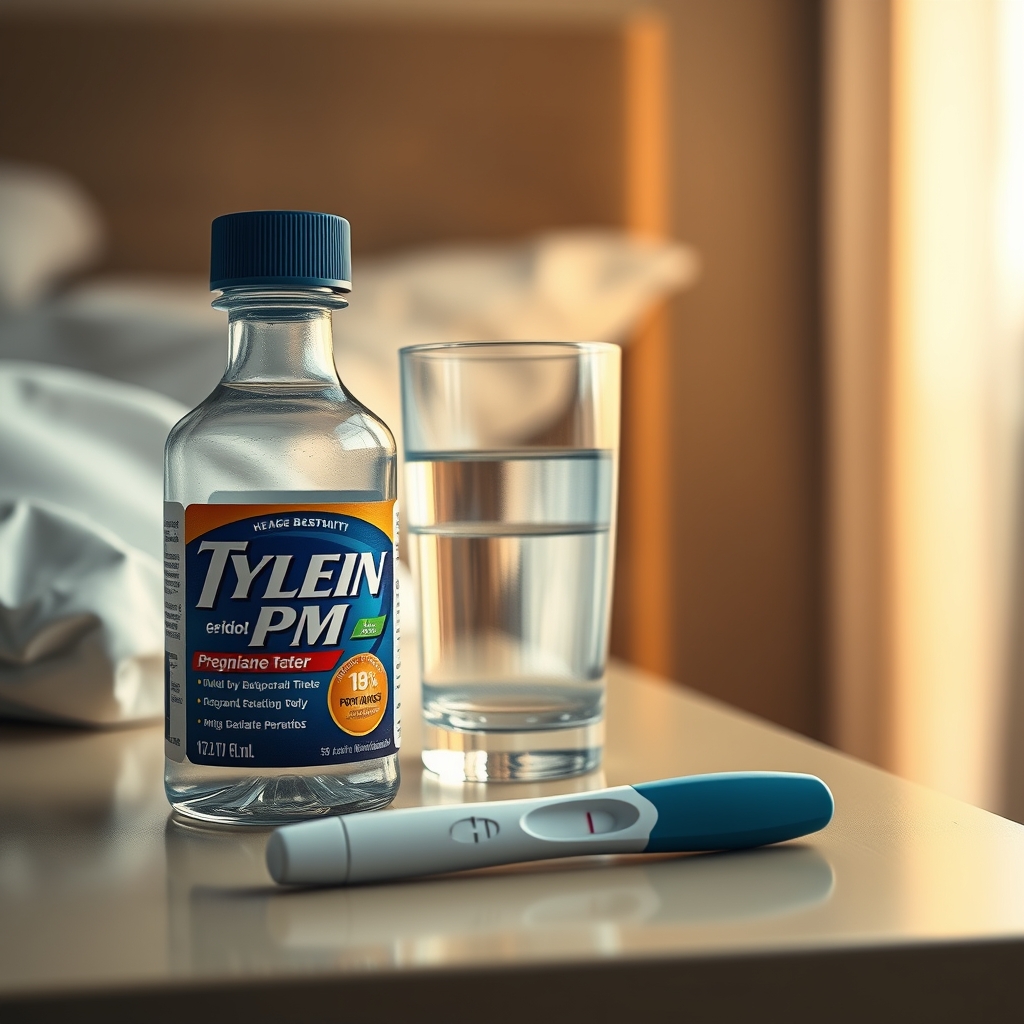
Limit Tylenol PM during pregnancy, safe in low doses and under medical guidance, especially in the first trimester
By Shubhra Mishra — a mom of two who turned her own confusion during pregnancy into BumpBites, a global mission to make food choices clear, safe, and stress-free for every expecting mother. 💛
Check whether any food is safe during pregnancy with the BumpBites Food Safety Checker.
Quick verdict: ⚠️ Talk to your doctor first. Tylenol PM can be used during pregnancy only at the lowest effective dose and for short periods; it’s not considered a routine sleep aid.
It’s 2 a.m., the baby bump is growing, and a sudden headache or restless night has you reaching for the nightstand bottle of Tylenol PM. You wonder, “Is Tylenol PM safe for pregnancy?” The short answer is that most obstetric guidelines say it’s acceptable in limited amounts, but you should always discuss it with your provider first. In this article we’ll break down the overall safety verdict, how the risk profile changes across each trimester, the recommended dosage, potential side‑effects, and safer alternatives for both pain relief and sleep.
We’ll also compare Tylenol PM’s ingredients to regular Tylenol, look at considerations for women with hypertension or liver concerns, and give you a quick‑look table of related over‑the‑counter options. By the end you’ll know exactly what the current evidence says about tylenol pm safe for pregnancy, and you’ll have concrete steps to feel more confident about your choices.
Stage
Verdict
Notes
First trimester
⚠️ Use only if needed
Limited data; keep to the lowest dose for ≤ 3 days.
Second trimester
✅ Generally safe
Same dosage limits; monitor for drowsiness.
Third trimester
✅ Generally safe
Avoid if you have pre‑eclampsia or hypertension.
Breastfeeding
✅ Generally safe
Small amounts pass into milk; watch infant for excess sleepiness.
What is Tylenol PM?
Tylenol PM is an over‑the‑counter combination product that pairs acetaminophen (the active ingredient in regular Tylenol) with diphenhydramine, an antihistamine most commonly known for its sleep‑inducing properties. Each tablet typically contains 500 mg of acetaminophen and 25 mg of diphenhydramine. The drug works by reducing pain signals (acetaminophen) while the diphenhydramine blocks histamine receptors in the brain, producing drowsiness that helps you fall asleep. It’s marketed for occasional relief of mild to moderate pain—such as headaches, muscle aches, or menstrual cramps—when you also need help sleeping.
Because it combines a pain reliever with a sedating antihistamine, Tylenol PM is distinct from regular Tylenol, which contains only acetaminophen. This dual action is why many pregnant people ask whether it’s safe for pregnancy, especially when nighttime discomfort interferes with rest. The product is sold under the Tylenol brand in the United States, Canada, and several other markets, and the packaging clearly lists both active ingredients and any inactive fillers.
Keep a bottle of water handy when you take Tylenol PM to stay hydrated.
Is Tylenol PM safe to take during the first trimester?
During the first trimester—the period of organogenesis when the fetus’s major organs form—most clinicians advise using the lowest‑effective dose of any medication. The American College of Obstetricians and Gynecologists (ACOG) states that acetaminophen alone is considered safe when used at recommended doses, but the addition of diphenhydramine adds a layer of caution. Diphenhydramine is classified by the FDA as a Category B drug, meaning animal studies have not shown a risk to the fetus, but there are limited human data.
Current evidence, including a 2022 systematic review in the British Medical Journal, found no consistent link between occasional diphenhydramine use in early pregnancy and major birth defects. However, the same review noted a slight increase in the odds of mild neurodevelopmental outcomes when used frequently. Because of these uncertainties, ACOG recommends reserving Tylenol PM for short‑term use (no more than three consecutive days) and only after discussing it with your prenatal provider.
If you need pain relief in the first trimester, many obstetricians suggest using regular Tylenol alone, which lacks the sedating antihistamine. If sleep is also a concern, non‑pharmacologic strategies—such as a warm bath, prenatal yoga, or a pregnancy‑specific sleep pillow—are preferred first‑line options.
What is the recommended dosage of Tylenol PM for pregnant women?
For pregnant adults, the standard adult dose of Tylenol PM is one tablet (500 mg acetaminophen + 25 mg diphenhydramine) taken with a full glass of water. The FDA’s labeling permits up to 2 tablets in a 24‑hour period, but the ACOG guidance for pregnancy limits acetaminophen to a maximum of 3 g per day (six regular Tylenol tablets). Because each Tylenol PM tablet already contains 500 mg of acetaminophen, the safest approach is to treat the combination product as a single‑dose medication and not exceed two tablets in 24 hours, and never more than three tablets over a week.
In practice, many clinicians advise pregnant patients to limit Tylenol PM to one tablet at bedtime, and to avoid taking it on consecutive nights unless directed by a provider. If you find yourself needing it more often, it’s a signal to discuss underlying pain or sleep issues with your obstetrician.
Metric
Maximum Safe Amount
Notes
Acetaminophen per day
3 g (≈ 6 regular Tylenol tablets)
Do not exceed 3 g total from all sources.
Diphenhydramine per day
50 mg (2 Tylenol PM tablets)
Limited to short‑term use; avoid daily dosing.
Tylenol PM tablets per 24 h
2 tablets
Maximum of 2 tablets, not more than 3 days in a row.
Can I use Tylenol PM for headaches while pregnant?
Yes, Tylenol PM can relieve headache pain, but you should consider whether you truly need the sleep‑inducing diphenhydramine. If your headache is the primary issue and you do not have trouble sleeping, regular Tylenol (acetaminophen) is usually sufficient and carries fewer concerns. When nighttime pain interferes with sleep, a single Tylenol PM tablet may be a reasonable short‑term solution, provided you stay within the dosage limits outlined above.
It’s also worth noting that some pregnant women experience “pregnancy‑related” headaches due to hormonal changes, dehydration, or stress. Simple measures—like staying well‑hydrated, applying a cool compress, and resting in a dark room—can often alleviate headaches without medication.
Are there safer alternatives to Tylenol PM for sleep during pregnancy?
If you’re looking for a non‑drug approach or a product with a more established safety profile, consider the following options:
Acetaminophen (regular Tylenol) – Provides pain relief without the sedating antihistamine.
Nature Made Prenatal Melatonin – A low‑dose melatonin supplement formulated for pregnant women; the FDA lists melatonin as a dietary supplement, and modest doses (0.5 mg) have been used safely in pregnancy, though you should confirm with your provider.
Traditional Medicinals Organic Chamomile Tea – A caffeine‑free herbal tea known for gentle calming effects; chamomile is considered low risk in pregnancy when consumed in moderate amounts.
MegaFood Magnesium – Magnesium can promote relaxation and improve sleep quality; the supplement is food‑based and generally regarded as safe.
Belly Bandit Pregnancy Pillow – Proper support can reduce back pain and help you stay comfortable enough to fall asleep naturally.
Bump Sleep prenatal sleep supplement – A blend of vitamin B6, magnesium, and natural herbs specifically formulated for pregnant sleepers.
Chamomile tea can be a gentle, non‑pharmacologic sleep aid for pregnant women.
Does Tylenol PM contain ingredients that pose risks to the fetus?
Tylenol PM’s two active ingredients—acetaminophen and diphenhydramine—have distinct safety profiles. Acetaminophen is classified as Category B by the FDA and is widely accepted as safe for short‑term use in pregnancy when kept under the 3 g daily limit. Diphenhydramine also carries a Category B rating, indicating no proven risk in humans, but the data are less robust than for acetaminophen.
Both ingredients cross the placenta, but the concentrations are low. The main concern with diphenhydramine is its sedative effect, which can lead to excessive drowsiness in the mother and potentially cause the newborn to be more sleepy after birth if taken very close to delivery. No strong evidence links occasional diphenhydramine exposure to major birth defects, but because the drug can affect fetal brain development in animal models at high doses, clinicians advise using it sparingly.
How does Tylenol PM compare to regular Tylenol for pregnant users?
Regular Tylenol contains only acetaminophen, making it the go‑to analgesic for most pregnant patients. Tylenol PM adds diphenhydramine, which introduces a sedative effect and a slightly higher risk profile. For pain alone, regular Tylenol is preferred because it avoids the potential side‑effects of antihistamines (dry mouth, constipation, and mild dizziness). If sleep is also a problem, Tylenol PM offers a convenient two‑in‑one solution, but only when other sleep‑supportive measures have been tried.
From a pharmacokinetic standpoint, both acetaminophen and diphenhydramine are metabolized by the liver. Pregnant women with pre‑existing liver disease should be especially cautious, as reduced hepatic clearance could increase drug levels. The FDA’s labeling for Tylenol PM advises that individuals with severe liver disease avoid the product entirely.
What are the potential side effects of Tylenol PM for pregnant women?
Common, generally mild side effects include:
Drowsiness or feeling “groggy” the next morning.
Dry mouth, especially if you’re already prone to dehydration.
Upset stomach or mild nausea.
Headache rebound if used too frequently.
More serious concerns—though rare—include:
Allergic reactions (rash, itching, swelling).
Signs of liver stress such as dark urine, yellowing of skin or eyes, or persistent abdominal pain, which may indicate acetaminophen toxicity.
Excessive sedation in the newborn if the mother takes diphenhydramine within 24 hours of delivery.
If any of these red‑flag symptoms appear, it’s essential to contact your obstetrician or seek urgent medical care.
Is Tylenol PM safe for pregnant women with hypertension?
Hypertension in pregnancy—particularly pre‑eclampsia—requires careful medication selection. Acetaminophen is generally considered neutral for blood pressure, but diphenhydramine can cause mild vasodilation and, in rare cases, exacerbate low blood pressure when combined with antihypertensive drugs. The NHS advises that antihistamines like diphenhydramine be used cautiously in women with uncontrolled hypertension.
Because the evidence is limited, most providers recommend avoiding Tylenol PM in women with chronic hypertension or pre‑eclampsia unless there are no alternatives and the benefit outweighs the risk. In such cases, regular Tylenol for pain and non‑pharmacologic sleep strategies (e.g., prenatal yoga, relaxation breathing) are safer first‑line options.
Safety by trimester
First trimester (weeks 1‑12)
The first trimester is the most sensitive period for fetal organ formation. While occasional use of Tylenol PM is not definitively linked to birth defects, the recommendation is to keep exposure minimal—no more than one tablet on an as‑needed basis, and never for more than three consecutive nights. If you have persistent sleep disturbances, discuss non‑drug options with your provider.
Second trimester (weeks 13‑27)
During the second trimester, the fetus’s organ systems are maturing, and the risk of teratogenic effects is lower. Tylenol PM can be used safely within the dosage limits (max 2 tablets/24 h) for short‑term relief of pain and insomnia. However, continue to monitor for drowsiness and avoid taking the medication if you have liver concerns.
Third trimester (weeks 28‑40)
In the third trimester, the main safety consideration is the potential for neonatal sedation if diphenhydramine is taken close to delivery. If you’re approaching your due date, it’s best to stop using Tylenol PM at least 24 hours before labor begins. Otherwise, the product remains acceptable for occasional use, especially if you have hypertension—where the diphenhydramine component warrants extra caution.
Breastfeeding
Both acetaminophen and diphenhydramine are excreted into breast milk in low concentrations. The American Academy of Pediatrics (AAP) deems acetaminophen compatible with breastfeeding, and diphenhydramine is considered “usually compatible” when used at standard doses. Nonetheless, mothers should watch their infants for unusual sleepiness or fussiness, and limit Tylenol PM to occasional use.
Safe dosage / amount / brands
When selecting a Tylenol PM product, look for the standard 500 mg/25 mg tablet formulation. Some generic versions may contain additional inactive ingredients (e.g., corn starch) that could affect tolerability for those with specific allergies. The following table summarizes the safe dosage limits and a few reputable brands you might encounter on pharmacy shelves.
Brand
Acetaminophen per tablet
Diphenhydramine per tablet
Maximum tablets per 24 h
Notes
Tylenol PM (Johnson & Johnson)
500 mg
25 mg
2
Standard formulation; avoid if you have corn allergy.
Equate PM (Walmart)
500 mg
25 mg
2
Cheaper generic; same active ingredients.
Walgreens PM
500 mg
25 mg
2
Often sold in 12‑tablet bottles.
Side effects and risks
While many pregnant people tolerate Tylenol PM without trouble, it’s still important to stay alert for the following:
Excessive drowsiness – May interfere with daily activities; avoid operating heavy machinery.
Liver toxicity – Rare, but possible if you exceed the 3 g acetaminophen daily limit; watch for dark urine or yellow skin.
Allergic reaction – Rash, itching, swelling, or difficulty breathing require immediate medical attention.
Neonatal sedation – If taken within 24 hours of delivery, the newborn may be unusually sleepy; notify your pediatrician.
Most of these side effects are mild and reversible once the medication is stopped, but any sign of liver trouble or an allergic response should prompt a call to your provider right away.
Safer alternatives
Acetaminophen (regular Tylenol) – Provides pain relief without the sedating antihistamine.
Nature Made Prenatal Melatonin – Low‑dose melatonin formulated for pregnancy; discuss with your doctor.
Traditional Medicinals Organic Chamomile Tea – A caffeine‑free herbal tea that promotes relaxation.
Safe up to 3 g per day; most obstetricians recommend it for pain.
Advil (ibuprofen)
⚠️ Avoid after 20 weeks
NSAIDs can affect fetal kidney development and reduce amniotic fluid.
Aleve (naproxen)
⚠️ Avoid after 20 weeks
Similar risks to ibuprofen; not recommended in late pregnancy.
Benadryl (diphenhydramine)
✅ Generally safe
Used for allergies; safe in pregnancy at standard doses.
Unisom SleepTabs (doxylamine)
✅ Generally safe
Often combined with pyridoxine for morning‑sickness relief.
Midol (acetaminophen + caffeine)
⚠️ Caffeine caution
Caffeine may affect fetal heart rate; limit intake.
Excedrin (acetaminophen + aspirin + caffeine)
❌ Avoid
Aspirin in pregnancy can cause bleeding; not recommended.
Myth vs. fact
Myth: “All Tylenol products are the same, so Tylenol PM is automatically safe.”
Fact: Tylenol PM contains diphenhydramine, an antihistamine, which adds sedation and a different safety profile than regular Tylenol.
Myth: “If I can take acetaminophen, I can take Tylenol PM without limits.”
Fact: The diphenhydramine component requires its own dosage ceiling (max 25 mg per dose) and should not be used daily.
Myth: “A single Tylenol PM tablet will cause birth defects.”
Fact: Current evidence does not link occasional use to major birth defects, but consistent, high‑dose exposure has not been thoroughly studied.
Key takeaways
Tylenol PM can be used during pregnancy, but only at the lowest effective dose and for short periods.
Limit use to ≤ 2 tablets per 24 hours and avoid taking it for more than three consecutive days.
First‑trimester use should be sparing; discuss any regular need with your obstetrician.
Consider non‑drug options—prenatal melatonin, chamomile tea, magnesium, or a pregnancy pillow—before turning to Tylenol PM.
If you have hypertension, liver disease, or are nearing labor, avoid Tylenol PM unless your provider advises otherwise.
Watch for side effects such as excessive drowsiness, liver‑related symptoms, or allergic reactions, and call your doctor if they occur.
Frequently asked questions
Can I take Tylenol PM while pregnant?
Yes, you can take Tylenol PM while pregnant, but only at the recommended dose (one tablet at bedtime) and not for more than three consecutive days without medical guidance.
What are the risks of diphenhydramine during pregnancy?
Diphenhydramine is classified as Category B, meaning no clear evidence of birth defects, but occasional use may be associated with mild neurodevelopmental effects; the main risk is excessive sedation for both mother and newborn.
Is it safe to use acetaminophen for pain during pregnancy?
Acetaminophen is considered safe for pain relief in pregnancy when kept under the 3 g daily limit, and it is the most widely recommended analgesic by ACOG and the NHS.
How many Tylenol PM tablets can I take while pregnant?
The maximum is two tablets in a 24‑hour period, and you should not exceed three tablets in total over a week unless your provider specifically advises otherwise.
Are there natural sleep aids safe for pregnant women?
Yes—options like prenatal melatonin, chamomile tea, magnesium supplements, and pregnancy‑specific sleep pillows are considered safe and can be effective without medication.
Does Tylenol PM cause birth defects?
Current research does not show a direct link between occasional Tylenol PM use and birth defects, but the data are limited, so using it only when needed is prudent.
Can Tylenol PM be used in the second trimester?
In the second trimester, Tylenol PM is generally considered safe for short‑term use within dosage limits, but you should still discuss it with your obstetrician.
What are the side effects of Tylenol PM for pregnant women?
Common side effects include drowsiness, dry mouth, and mild nausea; more serious concerns involve liver toxicity if acetaminophen limits are exceeded or allergic reactions.
When to call your doctor
If you notice any of the following after taking Tylenol PM, contact your obstetrician or seek urgent care:
Severe or persistent abdominal pain, especially with nausea or vomiting.
Yellowing of skin or eyes, dark urine, or unexplained fatigue (possible liver stress).
Signs of an allergic reaction: rash, itching, swelling, or difficulty breathing.
Excessive sleepiness that interferes with daily functioning.
If you are within 24 hours of your expected delivery date and have taken Tylenol PM.
These guidelines are informational only and do not replace personalized medical advice. Always discuss any medication concerns with your healthcare provider.
References
American College of Obstetricians and Gynecologists (ACOG). “Use of Analgesics During Pregnancy.” 2023 Clinical Guidance.
U.S. Food and Drug Administration (FDA). “Acetaminophen Drug Label.” Updated 2022.
National Health Service (NHS). “Painkillers and Pregnancy.” 2022.
Centers for Disease Control and Prevention (CDC). “Medication Use in Pregnancy.” 2023.
World Health Organization (WHO). “Guidelines for the Management of Pain in Pregnancy.” 2021.
British Medical Journal (BMJ). “Diphenhydramine Use in Early Pregnancy: A Systematic Review.” 2022.
American Academy of Pediatrics (AAP). “Breastfeeding and Medications.” 2023.
Not sure about the label on Is Tylenol Pm Safe During Pregnancy products?
Snap the ingredients list and SafeFilter checks every ingredient for your stage — only 3 free scans this month, then you're locked until reset. Unlimited from $7/mo or $50/yr.
When Shubhra Mishra was expecting her first child in 2016, she was overwhelmed by conflicting food advice — one site said yes, another said never. By the time her second baby arrived in 2019, she realized millions of mothers face the same confusion.
That sparked a five-year journey through clinical nutrition papers, cultural diets, and expert conversations — all leading to BumpBites: a calm, compassionate space where science meets everyday motherhood.
Her long-term vision is to build a global community ensuring safe, supported, and free deliveriesfor every mother — because no woman should face pregnancy alone or uninformed. 🌿
🌍 Stand with mothers, shape safer guidance
Join a small circle of experts who review BumpBites articles so expecting parents everywhere can decide with confidence.