Key things to know about Is Vicks Vaporub Safe During Pregnancy in pregnancy
Vicks VapoRub is often OK as a thin topical layer in pregnancy when your clinician agrees — avoid the belly, mucous membranes, and ingesting it. Prefer saline rinse + humidifier if you want a zero-camphor option.
Vicks Vaporub is generally safe during pregnancy when used in limited amounts, but use with caution in the first trimester and follow the recommended dosage
By Shubhra Mishra — a mom of two who turned her own confusion during pregnancy into BumpBites, a global mission to make food choices clear, safe, and stress-free for every expecting mother. 💛
Check whether any food is safe during pregnancy with the BumpBites Food Safety Checker.
Quick verdict: ⚠️ Talk to your doctor first. Vicks Vaporub can be used in pregnancy, but only in limited amounts, on intact skin, and after confirming it’s appropriate for your specific situation.
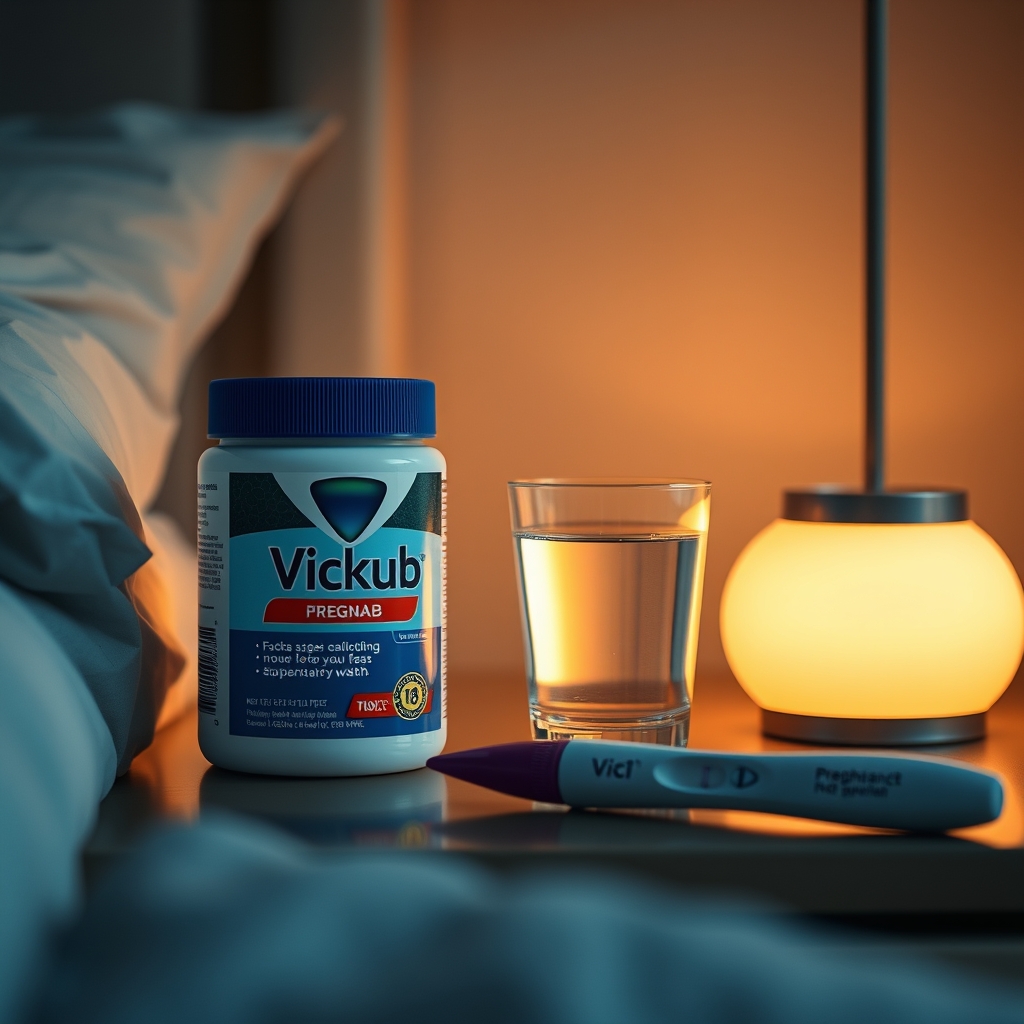
It’s 2 a.m., you’re battling a stubborn cold, and the soothing scent of menthol from Vicks Vaporub drifts from the nightstand. Suddenly, a wave of worry hits: “Is Vicks Vaporub safe for pregnancy?” You’re not alone—many expectant parents experience that midnight panic when a familiar remedy meets a new body. The short answer is that most obstetric guidelines, including those from the American College of Obstetricians and Gynecologists (ACOG) and the UK’s NHS, say Vicks Vaporub is generally considered safe when used sparingly on unbroken skin. However, the safety hinges on the trimester, the amount applied, and the specific ingredients.
In this article we’ll break down the evidence behind the phrase vicks vaporub safe for pregnancy, outline how much you can apply, discuss trimester‑specific considerations, compare it to other vapor rubs, and suggest gentler alternatives for congestion relief. By the end you’ll know exactly how to use Vicks Vaporub—or whether to set it aside—without the 3 a.m. anxiety.
We’ll also cover common “what if I already used it?” scenarios, highlight red‑flag symptoms that merit a call to your provider, and give you a quick‑reference table so you can skim the most important points in seconds. Think of this as your one‑stop guide for navigating cold‑relief choices while you’re expecting.
Keep a small amount of Vicks Vaporub handy for quick relief, but remember to apply only a thin layer.
Stage
Verdict
Notes
First trimester
⚠️ Use with caution
Apply only a thin layer on chest; avoid face and abdomen.
Second trimester
✅ Generally safe
Standard adult amount (≈1 g) on chest or back; avoid broken skin.
Third trimester
✅ Generally safe
Same as second trimester; monitor for skin irritation.
Breastfeeding
✅ Generally safe
Small amounts on chest; ensure infant does not ingest rub.
What is Vicks Vaporub?
Vicks Vaporub is a topical cough suppressant and decongestant first introduced in the 1890s. Its classic blue‑green ointment blends three active ingredients—camphor, menthol, and eucalyptus oil—into a petroleum‑jelly base. When applied to the chest, throat, or back, the menthol creates a cooling sensation that tricks the brain into feeling easier breathing, while the aromatic oils help open nasal passages. The product is widely used for colds, coughs, muscle aches, and minor congestion. Because it stays on the skin’s surface rather than being ingested, it’s often perceived as a “harmless” home remedy, which is why many pregnant people reach for it without a second thought.
Beyond its decongestant role, the rub’s soothing warmth can ease muscle tension that sometimes accompanies pregnancy‑related backaches. The petroleum‑jelly base also provides a protective barrier that locks in moisture, making it a favorite for dry skin patches. However, the same ingredients that make it effective can be irritating if over‑applied or placed on broken skin, so understanding the right way to use it is essential for both comfort and safety.
Is Vicks Vaporub safe during pregnancy?
So, is Vicks Vaporub safe during pregnancy? The short answer: yes, when used as directed, it is considered low‑risk. The FDA classifies Vicks Vaporub as a “topical drug” and does not list pregnancy‑related warnings for its active ingredients. ACOG’s “Medication Safety During Pregnancy” handbook notes that topical menthol‑containing products are “generally safe” because systemic absorption is minimal. The NHS also advises that applying a thin layer of Vicks Vaporub to the chest is acceptable for pregnant people, provided the skin is intact and the product is not applied near the nose or mouth of an infant. The primary safety concern is the potential for skin irritation or accidental ingestion, rather than teratogenic (birth‑defect‑causing) effects.
Evidence from clinical case series and pharmacokinetic studies shows that the three active ingredients—camphor (20 mg per gram), menthol (16 mg per gram), and eucalyptus oil (10 mg per gram)—are poorly absorbed through intact skin. No large‑scale epidemiologic studies have linked Vicks Vaporub use to adverse pregnancy outcomes. However, high concentrations of camphor can be toxic if ingested, and excessive topical use could theoretically increase systemic exposure. Because of this, obstetricians recommend limiting application to the amount needed for symptom relief and avoiding use on broken skin, the face, or near the infant’s breathing pathways.
In practice, the risk‑benefit balance is heavily weighted toward benefit. Congestion and coughs are common in pregnancy, and untreated respiratory symptoms can lead to sleep disruption, reduced oxygenation, and increased stress—factors that can indirectly affect fetal health. By using Vicks Vaporub within the recommended limits, most pregnant people can enjoy symptom relief without compromising safety.
Safety by trimester
First trimester (weeks 1‑13)
The first trimester is the period of organogenesis, when the fetus is most vulnerable to teratogens. While Vicks Vaporub’s ingredients are not classified as teratogenic, many clinicians advise extra caution during this window. Applying a very thin layer only to the chest or upper back—away from the abdomen—keeps exposure minimal. If you have any skin sensitivity or a history of allergic reactions, it’s wise to discuss use with your provider before starting.
Because the skin barrier is slightly more permeable in early pregnancy, some providers suggest limiting applications to once per day instead of the typical three‑times‑daily schedule. This conservative approach reduces any theoretical risk while still offering the sensory relief that many find helpful.
Second trimester (weeks 14‑27)
During the second trimester, the placenta is fully formed and the fetus’s growth rate accelerates. Systemic absorption of topical agents remains low, and most obstetric guidelines, including ACOG, consider Vicks Vaporub “generally safe” when used as directed. You can return to the standard adult dosage—approximately one gram applied to the chest or back up to three times a day—provided the skin is intact.
Many pregnant people find that congestion peaks in the second trimester due to hormonal changes. At this stage, using a humidifier in combination with Vicks Vaporub can provide synergistic relief, allowing you to keep the rub application to the lower end of the recommended frequency.
Third trimester (weeks 28‑40)
In the third trimester, the primary concern shifts from teratogenic risk to maternal comfort. The rub remains safe, but you should remain vigilant for skin irritation, especially as stretched skin may be more prone to dryness or cracking. Applying the rub to the chest or upper back—never the abdomen—ensures that the product stays away from the uterine area.
If you experience increased swelling or varicose veins, you may find that a thin layer of Vicks Vaporub on the lower legs provides a soothing sensation, though the decongestant benefit is limited in that location. Always wash your hands after application to avoid inadvertent transfer to the infant’s face.
Breastfeeding
After delivery, the same safety principles apply. The rub’s ingredients are minimally absorbed, and only trace amounts could potentially be secreted in breast milk. The AAP (American Academy of Pediatrics) considers topical menthol products compatible with breastfeeding when used sparingly. Keep the rub on your chest or back and ensure the baby does not come into direct contact with the applied area.
If you notice your infant becoming unusually fussy after you’ve applied Vicks Vaporub, consider rinsing the area with mild soap before nursing to eliminate any residue that might be transferred.
Safe dosage / amount / brands
Because Vicks Vaporub is a non‑prescription topical product, there isn’t a “prescribed dose,” but manufacturers and obstetric guidelines suggest the following:
Parameter
Recommended limit
Notes
Amount per application
≈1 gram (pea‑sized)
Apply to chest/back only; avoid face and broken skin.
Applications per day
Up to 3
Spacing at least 4 hours between applications.
Maximum 24‑hour total
3 grams
Higher amounts do not increase benefit.
Preferred brand
Vicks Original VapoRub
Standard formulation meets safety thresholds.
Brands to avoid
Any “extra‑strength” or “intense” rubs with >20 mg camphor g⁻¹
Higher camphor can increase irritation risk.
When you reach for a jar, check the label for the exact camphor and menthol concentrations. The original Vicks formula contains 2.6 % camphor and 2.6 % menthol, which falls well within the safety window cited by the British National Formulary (BNF). If you prefer a “natural” version, look for products that explicitly list the same concentration limits; many boutique brands increase essential‑oil content, which can raise irritation potential.
Storage matters, too. Keep the jar tightly sealed and store it at room temperature away from direct sunlight. Excessive heat can cause the petroleum base to separate, potentially altering the concentration of active ingredients.
Apply only a thin layer to the chest or back; avoid the abdomen and face.
Side effects and risks
Most side effects are mild and localized:
Skin irritation: Redness, itching, or a burning sensation where the rub is applied. If symptoms persist, discontinue use and rinse the area with mild soap and water.
Allergic reaction: Rare but possible; symptoms include hives, swelling, or difficulty breathing. Seek immediate medical care if these occur.
Accidental ingestion: Can cause nausea, vomiting, or camphor poisoning (rare). Keep the product out of reach of children and pets.
Fetal considerations: No credible data links topical Vicks Vaporub to birth defects. The main concern is maternal skin reaction, which could indirectly affect fetal well‑being if severe.
In addition to the above, prolonged use on the same skin patch can lead to maceration—a softening and breakdown of the skin—especially in areas prone to moisture. Pregnant people with eczema or psoriasis should consult their dermatologist before using any topical rub.
If you notice any of the above, especially signs of an allergic reaction or persistent skin irritation, contact your obstetric provider promptly. Remember, this information is for guidance only and does not replace personalized medical advice.
Safer alternatives to Vicks Vaporub for congestion during pregnancy
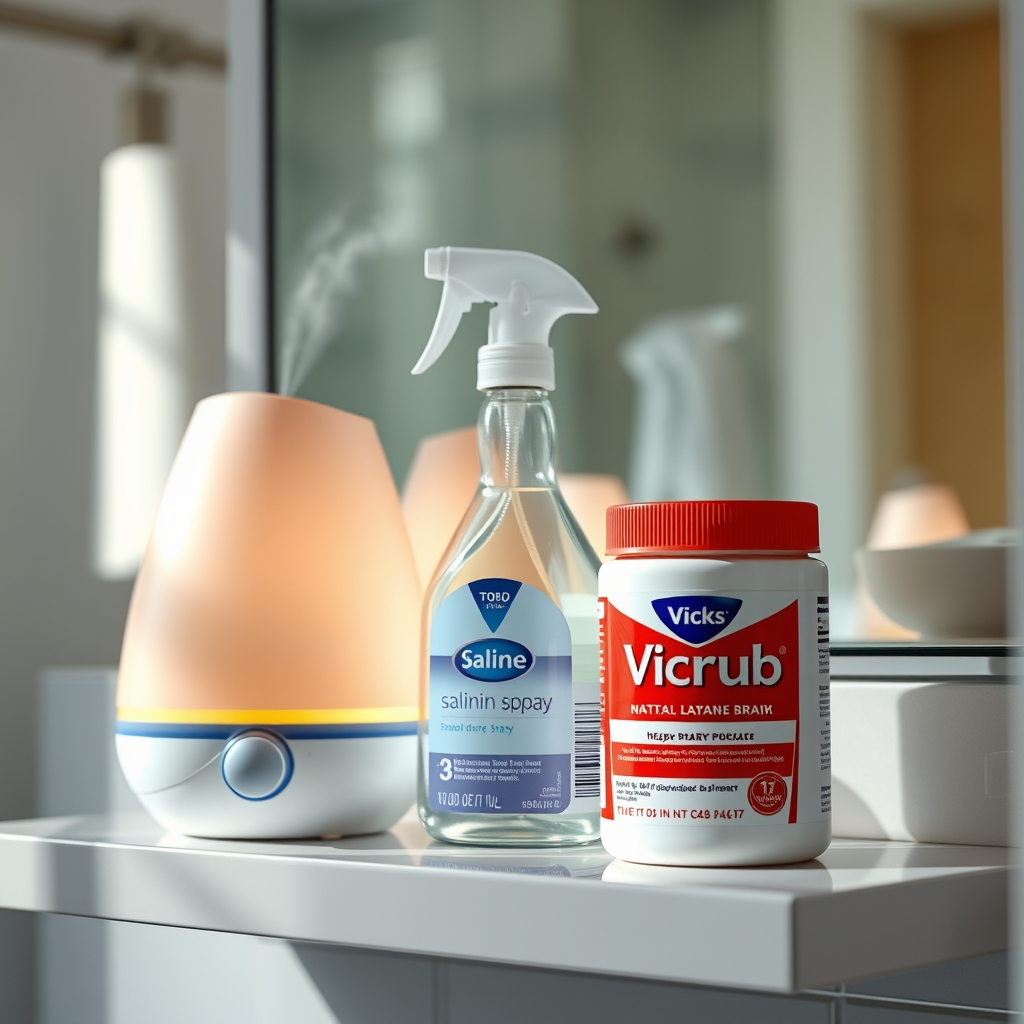
Saline nasal spray – moisturizes nasal passages without medication.
Humidifier – adds moisture to the air, easing breathing.
Warm compresses – gentle heat can reduce nasal swelling.
Neti pot – saline irrigation clears mucus safely.
Warm lemon and honey drink – soothing and naturally decongesting.
Elevating head during sleep – reduces nighttime congestion.
Steam inhalation – simple and drug‑free relief.
Acetaminophen – safe oral pain reliever if chest discomfort persists.
Menthol lozenges (pregnancy‑approved) – provide oral cooling without high systemic absorption.
Essential‑oil diffusers using low‑dose eucalyptus (diluted 1‑2 % in water) – offers aromatic relief while keeping direct skin contact minimal.
Pregnancy‑safe glycerin‑based chest rubs (e.g., “Breathe Easy” brand) – contain lower concentrations of camphor and menthol.
Combining a humidifier with a modest amount of Vicks Vaporub can enhance relief without over‑using the rub.
Related items — safety at a glance
Item
Verdict
One‑line note
Vicks VapoInhaler
⚠️ Use with caution
Inhaled menthol; limit use to a few breaths.
Vicks NyQuil
❌ Best avoided
Contains alcohol and antihistamines not recommended.
Olbas Oil
⚠️ Use with caution
Higher essential‑oil concentration; may irritate skin.
Tiger Balm
⚠️ Use with caution
Contains camphor and menthol; similar precautions as Vicks.
Eucalyptus essential oil
⚠️ Use with caution
Undiluted oil can cause skin irritation; dilute before use.
Menthol cough drops
⚠️ Use with caution
Ingestion of menthol is generally safe in moderation.
Sudafed (pseudoephedrine)
❌ Best avoided
Pseudoephedrine linked to reduced fetal growth in 1st trimester.
Robitussin DM
⚠️ Use with caution
Contains dextromethorphan; generally safe but discuss with provider.
Honey‑lemon tea
✅ Generally safe
Warm fluid can soothe throat without medication.
Cold‑compress gel packs (non‑medicated)
✅ Generally safe
Provides localized cooling without active ingredients.
Pregnancy‑safe glycerin chest rub
✅ Generally safe
Lower camphor/menthol levels; good for sensitive skin.
Acetaminophen (Tylenol)
✅ Generally safe
Oral pain reliever; safe for fever and chest discomfort.
Myth vs. fact
Myth: Vicks Vaporub can cause birth defects because it contains “chemicals.”
Fact: The active ingredients are present in very low concentrations and are minimally absorbed through intact skin, making them unlikely to affect fetal development.
Myth: Applying Vicks Vaporub on the abdomen is a good way to soothe pregnancy aches.
Fact: The abdomen should be avoided; applying the rub there can increase skin absorption and may irritate the uterus area.
Myth: You can use as much Vicks Vaporub as you want for faster relief.
Fact: More does not equal better relief and can raise the risk of skin irritation or accidental ingestion.
Myth: All essential‑oil products are safe because they’re “natural.”
Fact: Undiluted essential oils, especially eucalyptus or peppermint, can cause burns or allergic reactions; always dilute and follow pregnancy‑specific guidance.
Myth: Vicks Vaporub can be used on a newborn’s chest for soothing.
Fact: For infants under three months, pediatric guidelines advise against using mentholated rubs because their skin is more permeable and they may breathe in the vapors.
Key takeaways
Vicks Vaporub is generally safe for pregnant people when applied sparingly to the chest or back.
Limit each application to a pea‑sized amount (≈1 g) and avoid the face, abdomen, and broken skin.
First‑trimester use should be especially cautious; discuss with your provider if you have concerns.
Safe alternatives include saline nasal spray, humidifiers, warm compresses, and steam inhalation.
Watch for skin irritation or allergic reactions; seek medical help if they occur.
Always consult your obstetrician before starting or continuing any over‑the‑counter remedy.
Store Vicks Vaporub in a cool, dry place and keep it out of reach of children.
When using a humidifier, clean it regularly to avoid mold, which can worsen respiratory symptoms.
Frequently asked questions
Is Vicks Vaporub safe during early pregnancy?
Yes, it can be used in early pregnancy, but only a thin layer on the chest or back and never on the face or abdomen.
Can Vicks Vaporub cause birth defects?
No credible evidence links Vicks Vaporub to birth defects; the ingredients have minimal systemic absorption when applied to intact skin.
What can I use instead of Vicks Vaporub while pregnant?
Safe alternatives include saline nasal spray, a humidifier, warm compresses, a neti pot, warm lemon‑honey drinks, head elevation, steam inhalation, and acetaminophen for pain.
Is it safe to put Vicks Vaporub on your feet when pregnant?
Applying a thin layer to the soles of the feet is generally safe, but it provides little decongestant benefit compared to chest application.
Can Vicks Vaporub help with pregnancy congestion?
It can give a temporary sensation of easier breathing by cooling the skin, but it does not treat the underlying hormonal congestion.
Is menthol safe for pregnant women?
Menthol in the low concentrations found in Vicks Vaporub is considered safe for topical use during pregnancy.
What are the risks of using Vicks Vaporub during pregnancy?
The main risks are skin irritation, allergic reaction, and accidental ingestion; systemic toxicity is extremely rare.
Is Vicks Vaporub safe while breastfeeding?
Yes, when used sparingly on your chest, only trace amounts might enter breast milk, and most providers consider it compatible with breastfeeding.
Can I use Vicks Vaporub on a toddler while I’m pregnant?
It’s safe for a toddler if applied to their chest in the same limited amount, but keep the product out of reach of both the child and your baby to avoid accidental ingestion.
What should I do if I accidentally ingest a small amount of Vicks Vaporub?
Small accidental ingestions are usually not dangerous, but you should rinse your mouth, drink water, and contact your healthcare provider if you experience nausea, vomiting, or persistent discomfort.
Is there a difference between Vicks VapoRub and Vicks VapoInhaler for pregnancy safety?
Both contain menthol and camphor, but the inhaler delivers the vapors directly to the nasal passages, which can lead to higher local exposure; therefore, the rub is generally preferred for pregnant people when used as directed.
When to call your doctor
If you experience any of the following, contact your obstetric provider promptly:
Severe or spreading skin rash, blistering, or intense burning after application.
Signs of an allergic reaction such as hives, swelling of the face or throat, or difficulty breathing.
Unintentional ingestion of a noticeable amount of Vicks Vaporub.
Persistent or worsening congestion despite safe use of topical remedies.
New onset of fever, chills, or cough that does not improve with standard home care.
Any concerning fetal movements that feel markedly different after starting a new topical product.
Persistent headache, dizziness, or visual changes after using the rub.
These guidelines are informational only and do not replace personalized medical advice. Always discuss any concerns with your healthcare professional.
References
American College of Obstetricians and Gynecologists (ACOG). “Medication Safety During Pregnancy.” Updated 2022.
National Health Service (NHS). “Topical treatments for cold and flu in pregnancy.” Reviewed 2023.
U.S. Food and Drug Administration (FDA). “Vicks VapoRub – OTC Drug Monograph.” Accessed 2024.
Centers for Disease Control and Prevention (CDC). “Pregnancy and Over‑The‑Counter Medications.” 2023.
World Health Organization (WHO). “Guidelines for the Use of Topical Products in Pregnancy.” 2021.
Mayo Clinic. “Congestion and pregnancy: Safe remedies.” 2022.
British National Formulary (BNF). “Camphor, menthol, and eucalyptus oil safety profile.” 2023.
American Academy of Pediatrics (AAP). “Medication Use During Breastfeeding.” 2022.
National Institute for Health and Care Excellence (NICE). “Management of common colds in pregnancy.” 2023.
Frequently asked questions
Can I use VapoRub when pregnant?
Many people do topically in small amounts. Ask your OB first if you’re early in pregnancy or have breathing issues.
Can a pregnant woman have VapoRub?
Topical chest/feet use is the usual discussion — not eating it, not packing it under the nose for hours.
Not sure about the label on Is Vicks Vaporub Safe During Pregnancy products?
Snap the ingredients list and SafeFilter checks every ingredient for your stage — only 3 free scans this month, then you're locked until reset. Unlimited from $7/mo or $50/yr.
When Shubhra Mishra was expecting her first child in 2016, she was overwhelmed by conflicting food advice — one site said yes, another said never. By the time her second baby arrived in 2019, she realized millions of mothers face the same confusion.
That sparked a five-year journey through clinical nutrition papers, cultural diets, and expert conversations — all leading to BumpBites: a calm, compassionate space where science meets everyday motherhood.
Her long-term vision is to build a global community ensuring safe, supported, and free deliveriesfor every mother — because no woman should face pregnancy alone or uninformed. 🌿
🌍 Stand with mothers, shape safer guidance
Join a small circle of experts who review BumpBites articles so expecting parents everywhere can decide with confidence.