Whey protein is generally safe for pregnancy when consumed in moderation. Learn safe dosages, ideal trimesters, and potential alternatives to ensure maternal and fetal well-being. Understand risks and benefits.
By Shubhra Mishra — a mom of two who turned her own confusion during pregnancy into BumpBites, a global mission to make food choices clear, safe, and stress-free for every expecting mother. 💛
Check whether any food is safe during pregnancy with the BumpBites Food Safety Checker.
Quick verdict: ⚠️ Talk to your doctor first. Whey protein can be part of a balanced pregnancy diet, but you should limit intake, choose a high‑quality product, and confirm safety with your provider, especially if you have lactose intolerance, gestational diabetes risk, or are taking prenatal supplements.
It’s 2 a.m., the kitchen light is on, and you’ve just opened a tub of whey protein thinking a quick shake will help you meet your growing baby’s nutrient needs. Suddenly, a wave of worry hits: “Is whey protein safe for pregnancy?” You’re not alone—many expectant parents scramble for a clear answer when a familiar supplement suddenly feels uncertain. The short answer is that whey protein is generally considered safe in moderation, but the nuances of dosage, trimester, and personal health factors matter significantly when considering if whey protein is safe during pregnancy.
Pregnancy brings increased nutritional demands, especially for protein, which is vital for your baby's growth and your own bodily changes. While whole foods are always the primary recommendation, sometimes dietary supplements like whey protein can bridge nutritional gaps. However, navigating the world of supplements while pregnant can feel like a minefield. Many products contain ingredients not tested for pregnancy safety, or they might be contaminated. This is why understanding the specific guidelines for whey protein during this sensitive time is so important.
In this article, we’ll break down exactly what “whey protein safe for pregnancy” means, how much you can comfortably consume each day, what to watch out for in each trimester, and which brands meet quality standards. We’ll also compare whey protein to other protein sources, suggest safer alternatives, and give you a quick‑reference safety table so you can stop worrying and start feeling confident about your protein choices.
Stage
Verdict
Notes
First trimester
⚠️ Use with caution
Limit to ≤ 20 g per day; avoid added sugars and artificial sweeteners; monitor for lactose intolerance. Always discuss with your provider.
Second trimester
✅ Generally safe
20–30 g protein from whey per day is fine for most women; choose a low‑sugar, low‑fat product and ensure it's third-party tested.
Third trimester
✅ Generally safe
Same limits as second trimester; prioritize calcium‑rich whey if you need extra bone support, but ensure overall calorie balance.
Breastfeeding
✅ Generally safe
Continue same serving size; ensure adequate hydration and overall calorie intake to support milk production.
What is whey protein?
Whey protein is the liquid component that separates from milk during cheese making. It contains a blend of proteins—including β‑lactoglobulin, α‑lactalbumin, and immunoglobulins—along with small amounts of lactose, minerals, and bioactive peptides. Because it is quickly digested and boasts a complete amino acid profile, including all nine essential amino acids, whey is highly valued. Athletes and anyone looking to boost protein intake without a large volume of food often turn to whey protein supplements. Its rapid absorption makes it an efficient way to deliver amino acids to muscles and other tissues.
In supplement form, whey is typically processed into three main types, each with slightly different properties. These differences can be significant for pregnant individuals, especially concerning lactose content and digestibility. For pregnant women, whey protein can be a convenient tool to help meet the increased protein requirement of roughly 71 g per day, as recommended by the Institute of Medicine and echoed by both the American College of Obstetricians and Gynecologists (ACOG) and the UK’s NHS. This additional protein is crucial for supporting fetal growth, placental development, increased maternal blood volume, and tissue repair.
Types of whey protein: Concentrate, Isolate, and Hydrolyzed
Understanding the different forms of whey protein can help you make a more informed choice during pregnancy:
Whey Protein Concentrate (WPC): This is the least processed form, typically containing 30-80% protein by weight, with the remaining portion consisting of lactose, fat, and minerals. Because of its higher lactose content, WPC might cause digestive issues for individuals with lactose intolerance.
Whey Protein Isolate (WPI): WPI undergoes further processing to remove most of the lactose and fat, resulting in a product that is typically 90% or more protein. Due to its lower lactose content, whey protein isolate is often a better choice for pregnant individuals who are sensitive to dairy or experience bloating from WPC.
Hydrolyzed Whey Protein (HWP): This form is pre-digested, meaning the protein chains are broken down into smaller peptides. This makes it the fastest-absorbing type of whey protein and potentially the easiest on the digestive system. HWP is often recommended for those with very sensitive stomachs or digestive challenges, though it can sometimes have a slightly bitter taste.
For pregnancy, whey protein isolate or hydrolyzed whey are generally preferred due to their lower lactose content and higher purity, reducing the likelihood of digestive discomfort. Always check the label to confirm the type of whey and its nutritional breakdown.
Measure your whey protein carefully; a single scoop often provides 20–25 g of protein and ensures you stay within safe limits.
Is whey protein safe during pregnancy?
C
urrent guidance from major health authorities, including the American College of Obstetricians and Gynecologists (ACOG) and the UK’s National Health Service (NHS), suggests that whey protein is safe for most pregnant people when consumed in moderation and as part of a balanced diet. The ACOG states that protein needs rise significantly during pregnancy and that “high‑quality protein sources, including dairy‑derived proteins such as whey, can be part of a balanced diet that supports both maternal and fetal health.” The NHS similarly notes that “whey protein powders are not a required food, but they are not prohibited if the product is low in added sugars and you have no dairy intolerance.” The U.S. Food and Drug Administration (FDA) classifies whey protein as “Generally Recognized As Safe” (GRAS) for use in foods, which includes dietary supplements, indicating a high level of safety when produced and consumed appropriately.
Safety concerns arise mainly from three areas: excessive protein intake, the presence of added sugars or artificial sweeteners, and individual sensitivities like lactose intolerance or dairy allergy. Over‑consumption of protein (generally defined as > 2 g kg⁻¹ body weight per day) could potentially strain the kidneys, although this is rare with typical supplement use. Some studies have also explored a link between very high protein intake and higher gestational weight gain, which in turn may raise the risk of gestational diabetes. However, most research, including a 2021 systematic review in the *Journal of Obstetrics & Gynecology*, found no direct teratogenic effect (causing birth defects) of whey protein on fetal development when intake stayed within recommended limits and the product was free from harmful additives.
Because whey protein is derived from milk, it naturally contains beneficial nutrients like calcium and vitamin D, which are crucial for fetal bone growth and maternal bone health. While these are positive aspects, if you are already meeting calcium and vitamin D needs through dairy or fortified foods, the additional amounts from whey protein may not be strictly necessary. In summary, whey protein is not considered a pregnancy hazard, but it should be treated like any other dietary supplement: use a reputable brand, strictly watch portion sizes, and always discuss its inclusion in your diet with your prenatal care provider to ensure it's appropriate for your individual health profile.
The importance of third-party testing and ingredient quality
When selecting any supplement during pregnancy, especially protein powders, the quality of the product is paramount. Many supplements are not regulated with the same rigor as pharmaceuticals, meaning what’s on the label isn’t always what’s in the container. This is where third-party testing becomes crucial. Reputable organizations like NSF Certified for Sport, Informed-Choice, or USP conduct independent tests to verify that a product contains the ingredients listed on its label in the specified amounts, and more importantly, that it is free from harmful contaminants such as heavy metals (lead, arsenic, cadmium, mercury), banned substances (stimulants, steroids), pesticides, and other impurities.
For expectant parents, this extra layer of verification provides peace of mind. Contaminants, even in small amounts, can pose risks to fetal development. Furthermore, some protein powders might include proprietary blends or other ingredients like excessive caffeine, herbal extracts, or artificial ingredients that are not recommended or have not been sufficiently studied for safety during pregnancy. Always prioritize products that clearly state they are third-party tested and have transparent ingredient lists, avoiding those with long lists of unpronounceable chemicals, excessive artificial sweeteners, or "energy blends" that might contain stimulants.
Is whey protein safe to use during the first trimester of pregnancy?
The first trimester is a critical period of organogenesis, when the embryo’s major organs and neural tube are forming. During this delicate window, many clinicians advise a cautious approach to any new supplement, including whey protein. While protein needs do increase early in pregnancy, the focus should be on nutrient-dense whole foods. If you choose to use whey protein, limiting intake to a single serving (approximately 20 g of protein) per day is a sensible precaution. This minimizes the risk of consuming excessive protein or hidden sugars and artificial additives often found in flavored powders. If you have a history of lactose intolerance or experience increased sensitivity during pregnancy, choosing a whey isolate or hydrolyzed whey, which contain minimal lactose, is advisable. ACOG’s “Nutrition During Pregnancy” bulletin consistently recommends that any supplement introduced in the first trimester be discussed with a healthcare provider, especially if you have pre‑existing health conditions or are experiencing severe morning sickness.
Is whey protein safe to use during the second trimester of pregnancy?
By the second trimester, protein needs remain elevated to support the rapid growth of the fetus and the expansion of maternal tissues. Many women find it easier to meet their dietary requirements through a combination of whole foods and, if necessary, a moderate protein supplement. Whey protein can safely supplement the diet at 20‑30 g per day, which aligns well with the overall 71 g daily protein recommendation. At this stage, choosing products without added sugars, artificial flavors, or high sodium content becomes even more important to manage healthy weight gain and blood glucose levels. The NHS advises that “moderate use of whey protein powder is unlikely to cause problems” for most pregnant people during the second trimester, as long as overall dietary balance is maintained and the product itself is of high quality and free from unwanted additives.
Is whey protein safe to use during the third trimester of pregnancy?
In the third trimester, the fetus gains most of its weight, and maternal protein needs remain high to support this rapid development and prepare for labor and breastfeeding. Continuing a modest whey protein regimen (≤ 30 g per day) can effectively support muscle maintenance, fetal growth, and energy levels. However, it's particularly important to monitor your overall calorie and nutrient intake. If you are gaining weight faster than recommended, or if your provider has concerns about gestational diabetes, you may want to reduce or replace whey protein with whole‑food sources like Greek yogurt, lean meats, or cottage cheese, which also provide calcium and beneficial probiotics. Always review any dietary supplements, including protein powders, with your obstetrician or midwife to ensure they align with your specific health needs as you approach delivery.
Is whey protein safe while breastfeeding?
Breastfeeding mothers have significant energy and nutrient demands, requiring about 71 g of protein daily, similar to late pregnancy, to support milk production and maternal recovery. Whey protein remains a safe, convenient, and effective source of high-quality protein during lactation, provided the serving size stays within the 20‑30 g range and you maintain excellent hydration. Protein can help with postpartum recovery, muscle repair, and overall energy levels. The CDC’s “Breastfeeding and Nutrition” guidance notes that “protein supplements are not required, but they are not contraindicated when used appropriately” and with attention to overall diet. As always, prioritize third-party tested products with minimal additives to ensure the safety of both mother and baby.
Look for products with minimal added sugars, transparent ingredient lists, and clear third‑party testing certifications.
Safe dosage / amount / brands
For most pregnant individuals, a single scoop of whey protein powder—typically providing 20‑25 g of protein—is considered a safe and effective amount. This translates to roughly 80‑100 kcal, depending on the brand’s carbohydrate and fat content, making it a relatively low-calorie way to boost protein. The FDA’s GRAS status for whey protein does not set a specific daily limit for supplemental use, but the ACOG nutrition guidelines implicitly suggest keeping total supplemental protein intake under 30 g per day unless otherwise directed by a healthcare professional. This conservative approach helps ensure that primary nutrient intake comes from whole foods and prevents potential issues from over-reliance on supplements.
Recommended daily intake: 20–30 g of whey protein, typically delivered in one serving, is a practical and safe target for most pregnant people. If you already consume high‑protein foods regularly (such as lean meats, poultry, fish, eggs, dairy, or legumes), you may naturally want to stay on the lower end of that range or even forgo supplemental protein. The goal is to meet your overall protein needs without exceeding them, as excessive protein provides no additional benefit and could potentially be detrimental.
Choosing a safe brand: The selection of a high-quality, reputable brand is critical for pregnancy safety. Look for these specific quality criteria:
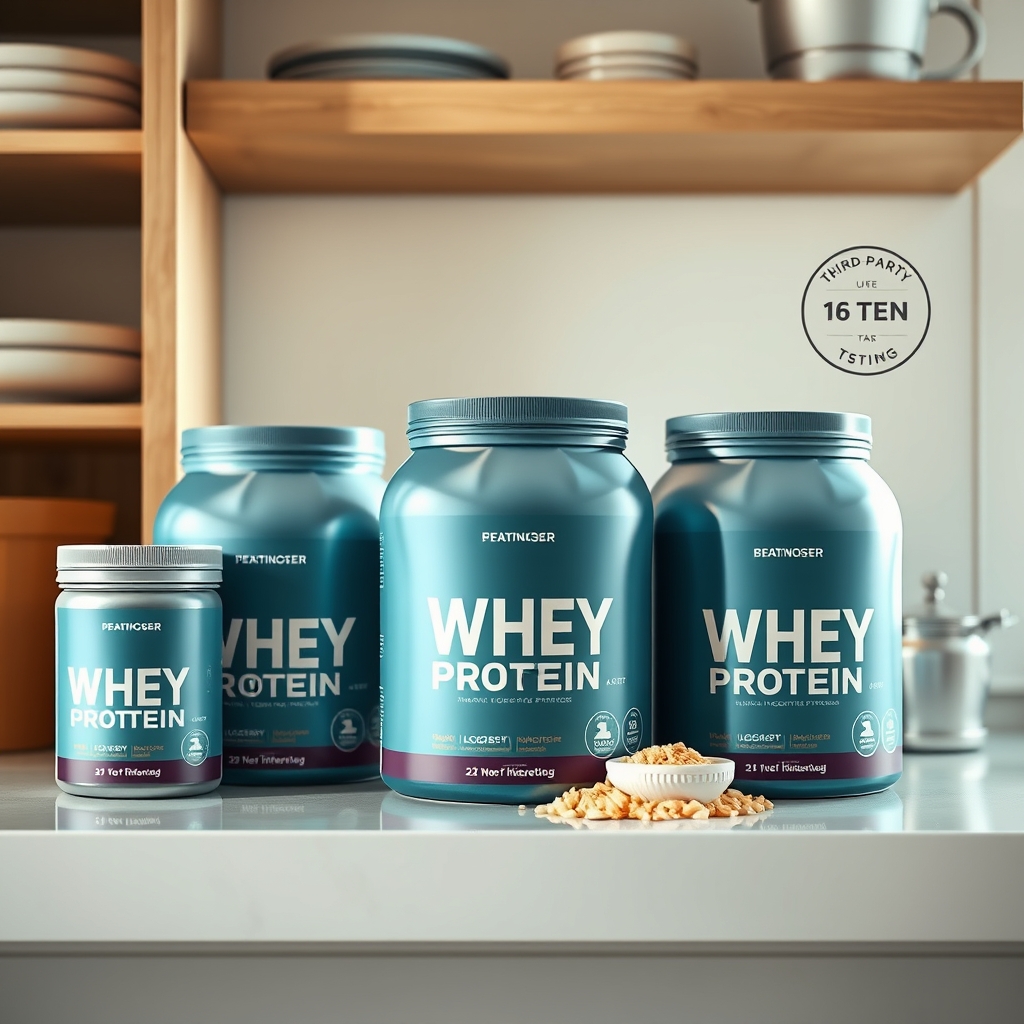
Third‑party testing: This is non-negotiable. Look for certifications from organizations like NSF Certified for Sport, Informed‑Choice, or USP. These certifications verify that the product has been tested for banned substances, heavy metals, and that the ingredients match the label.
Low sugar content: Choose products with less than 5 g of added sugar per serving. High sugar content can contribute to unhealthy weight gain and blood sugar spikes, especially concerning for those at risk of gestational diabetes.
Minimal artificial sweeteners and flavors: While some artificial sweeteners like sucralose are generally considered safe in moderation during pregnancy, many obstetricians recommend minimizing their intake. Opt for naturally sweetened or unflavored options.
Clear labeling of protein type: As discussed, whey isolate or hydrolyzed whey are generally preferred due to their lower lactose content, making them easier on the digestive system for many pregnant individuals.
Absence of heavy metals or contaminants: A reputable brand should be able to provide a Certificate of Analysis (COA) upon request, which details the product's purity and confirms the absence of heavy metals and other contaminants.
Some reputable brands that often meet these stringent standards and are frequently recommended by health professionals (always check current certifications and ingredient lists, as formulations can change) include:
Brand
Verdict
Note
Optimum Nutrition Gold Standard (Whey Isolate)
✅ Generally safe
Known for quality, low lactose options, <5 g sugar per scoop, often third‑party tested.
Garden of Life Sport (Whey Isolate)
✅ Generally safe
Organic, non‑GMO, minimal additives, often third-party tested; good for those seeking cleaner labels.
Dymatize ISO100 (Hydrolyzed Whey)
✅ Generally safe
Hydrolyzed for quick absorption and easier digestion; very low lactose, often third-party tested.
Now Foods Whey Protein Isolate
✅ Generally safe
Unflavored option, often third-party tested, minimal ingredients, good for adding to smoothies.
Bulk Natural Whey (Concentrate)
⚠️ Use with caution
Higher lactose content; watch if you’re sensitive. Always check for third-party testing if considering.
Side effects and risks
While whey protein is generally safe, it's important to be aware of potential side effects and risks, especially during pregnancy when your body is more sensitive. Most side effects are mild and relate to its dairy origin. Common, non‑dangerous issues include bloating, gas, stomach cramps, or a temporary “full” feeling, particularly if you are consuming whey concentrate or have a mild lactose intolerance. These symptoms often subside by switching to a whey isolate or hydrolyzed whey, which contain significantly less lactose.
More concerning reactions can arise if you have a diagnosed dairy allergy or significant lactose intolerance. Symptoms of a dairy allergy can include hives, swelling, wheezing, or even anaphylaxis (though rare from whey protein alone). Lactose intolerance symptoms are typically gastrointestinal: severe abdominal cramps, persistent diarrhea, nausea, and excessive gas. If you experience any of these, discontinue use and contact your provider immediately. In rare cases, excessive protein intake—well beyond the recommended 30 g supplemental limit and above total daily needs—could potentially strain the kidneys. Some research suggests a link between very high protein intake and an increased risk of gestational hypertension or excessive weight gain, which in turn raises the chance of developing gestational diabetes. This is why moderation and adhering to recommended dosages are key.
Because many whey protein powders on the market contain added sugars, artificial sweeteners, or high sodium, it’s crucial to read ingredient lists carefully. Excess sugar can fuel unwanted blood‑glucose spikes, potentially contributing to the development or worsening of gestational diabetes in susceptible individuals. Artificial sweeteners, while generally considered safe in small amounts, are best minimized during pregnancy. High sodium intake can contribute to fluid retention and elevated blood pressure. If you notice persistent nausea, unexplained swelling, rapid or excessive weight gain, or unusual blood glucose readings after adding whey protein to your diet, it is important to contact your obstetrician promptly for guidance.
Understanding potential contaminants in protein powders
One of the most significant, yet often overlooked, risks associated with protein powders is the potential for contamination. Dietary supplements are not as strictly regulated as prescription medications by the FDA. This means that some products, particularly those from less reputable brands, may contain harmful substances not listed on the label. These can include heavy metals (such as lead, arsenic, cadmium, and mercury), pesticides, anabolic steroids, or other banned substances. These contaminants, even in trace amounts, can be particularly concerning during pregnancy due to potential risks to fetal development and maternal health.
For example, a 2018 study by the Clean Label Project found that many protein powders contained detectable levels of heavy metals, with some plant-based proteins having higher levels. While the levels might be below acute toxicity thresholds, chronic exposure during pregnancy could pose long-term risks. This is why the emphasis on choosing third-party tested products (e.g., NSF Certified for Sport, Informed-Choice, USP) is so critical. These certifications indicate that the product has been independently verified for purity and potency, ensuring it is free from harmful contaminants and that the ingredients match the label claims. Always ask for a Certificate of Analysis (COA) if a brand doesn't clearly display third-party testing on its packaging or website.
Safer alternatives
If whey protein isn't the right fit for you due to dairy sensitivity, dietary preferences, or simply a desire for other options, there are many excellent, pregnancy-safe alternatives to help you meet your protein needs:
Pea protein powder: A popular plant‑based option, pea protein is hypoallergenic, easily digestible, and provides a complete amino acid profile, making it suitable for those with dairy or soy allergies.
Soy protein isolate: Another complete plant-based protein, soy protein isolate is derived from soybeans and offers a full spectrum of amino acids. It has also been studied for potential benefits related to heart health and bone density.
Brown rice protein powder: Gentle on the stomach and free of common allergens like dairy, soy, and gluten, brown rice protein is a good choice for sensitive individuals, often used in blends to create a complete amino acid profile.
Hemp protein powder: Derived from the hemp plant, this protein provides not only protein but also a good source of fiber and beneficial omega‑3 and omega‑6 fatty acids, supporting overall maternal and fetal health.
Collagen peptides: While not a complete protein (lacking tryptophan), collagen is easy to digest and excellent for supporting skin elasticity, joint health, and gut integrity during pregnancy. It can be a great addition to other protein sources.
Egg white protein powder: A dairy‑free, high‑quality protein source that offers a complete amino acid profile with minimal carbohydrates and fats, ideal for those seeking a pure protein boost without dairy.
Greek yogurt: A fantastic whole-food option, Greek yogurt is naturally high in protein, calcium, and often contains probiotics beneficial for gut health. It’s versatile and easy to incorporate into snacks or meals.
Cottage cheese: Another excellent low‑fat, high‑protein dairy option, cottage cheese provides casein protein (slow-digesting) along with whey, offering sustained satiety. It's a great choice for those who tolerate lactose.
Lentils and beans: These legumes are packed with protein, fiber, and essential micronutrients like folate and iron, making them foundational components of a healthy pregnancy diet.
Lean meats and poultry: Chicken, turkey, and lean cuts of beef are rich in complete protein, iron, and vitamin B12, all crucial for maternal and fetal health.
Related items — safety at a glance
Item
Verdict
One‑line note
Casein protein powder
✅ Generally safe
Slow‑digesting dairy protein; good for sustained release but watch for lactose content.
Plant‑based protein blends
✅ Generally safe
Often free of common allergens; ensure complete amino acid profile and check for added sugars or artificial ingredients.
Mass gainer protein powder
⚠️ Use with caution
Very high in calories, sugars, and often fats; may promote excess unhealthy weight gain and blood sugar spikes.
Whey protein isolate
✅ Generally safe
Lower lactose, high protein purity; generally preferred for sensitive stomachs during pregnancy.
Whey protein concentrate
⚠️ Use with caution
Higher lactose content; may cause digestive issues; check for added sugars and contaminants.
Hydrolyzed whey protein
✅ Generally safe
Pre‑digested for quick absorption; ideal for sensitive stomachs but can have a bitter taste.
Protein bars
⚠️ Use with caution
Often contain excessive added sugars, unhealthy fats, artificial sweeteners, and sometimes unverified ingredients. Read labels carefully.
Protein shakes (ready‑to‑drink)
⚠️ Use with caution
Check label for sugar, artificial sweeteners, and dairy content, as well as any unverified herbal extracts.
Creatine supplements
❌ Best avoided
Not recommended during pregnancy due to insufficient safety data and potential effects on fetal development.
BCAA supplements
⚠️ Talk to your doctor first
Limited research on safety during pregnancy; best to stick to whole foods or complete protein sources.
Myth vs. fact
Myth: “Whey protein can cause birth defects.”
Fact: This is a common misconception. No credible scientific research links the consumption of high-quality, pure whey protein, when used within recommended dietary limits, to congenital anomalies or birth defects. The FDA’s GRAS status and ACOG’s nutrition guidance support its safety as a food ingredient, provided it's free from contaminants and used appropriately.
Myth: “All protein powders are unsafe during pregnancy.”
Fact: This is untrue. Many protein powders, especially pure whey isolate, hydrolyzed whey, and certain plant‑based options (like pea or soy protein), are generally considered safe for most pregnant people when chosen carefully. The key is to avoid products with excessive added sugars, artificial additives, stimulants, and to respect dosage recommendations. The danger lies in *unregulated* supplements, not protein itself.
Myth: “If a protein powder is marketed to athletes, it’s too strong for a pregnant body.”
Fact: The protein content per serving in many "athlete" powders is similar to general wellness powders. The difference lies in added performance‑enhancing ingredients (e.g., caffeine, creatine, herbal extracts, pre-workouts) which should indeed be avoided during pregnancy. Pure whey protein without these stimulants and additives is generally fine in moderation, regardless of its marketing.
Myth: “Protein powder can replace a meal during pregnancy.”
Fact: While protein powder can be a convenient way to boost protein intake, it should not fully replace nutrient-dense whole-food meals. Complete meals offer a wider spectrum of vitamins, minerals, fiber, and other beneficial compounds essential for pregnancy that powders alone cannot replicate. Think of it as a supplement to, not a substitute for, a balanced diet.
Key takeaways
Whey protein can be part of a balanced pregnancy diet, but keep servings to 20‑30 g per day and prioritize whole food sources.
Always choose low‑sugar, third‑party tested whey isolate or hydrolyzed whey, especially if you’re lactose‑sensitive or have a delicate stomach.
First‑trimester use should be discussed with your provider due to the critical period of organogenesis; later trimesters are generally more permissive with careful selection.
Watch for side effects like bloating, gas, or blood‑sugar spikes, and be particularly cautious if you have a history or risk of gestational diabetes.
Safer alternatives include pea, soy, brown‑rice, hemp, collagen, egg‑white protein powders, as well as whole foods like Greek yogurt and cottage cheese.
Be vigilant about potential contaminants like heavy metals and banned substances by choosing certified products.
Always inform your obstetrician or midwife about any supplement you add to your routine to ensure it's appropriate for your individual health.
Frequently asked questions
Can I drink whey protein shakes while pregnant?
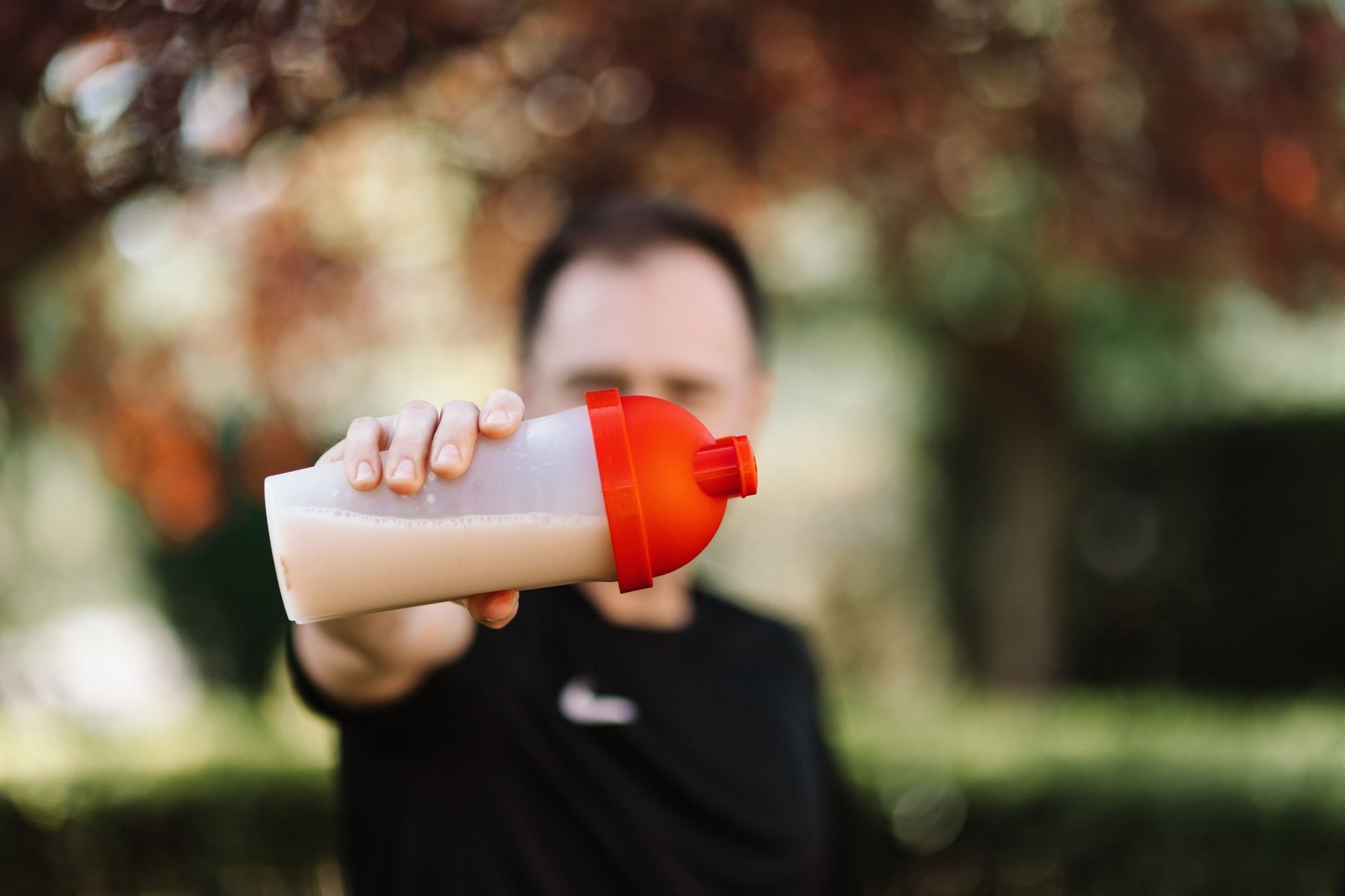
Yes, you can enjoy a whey protein shake during pregnancy if you keep the portion to one scoop (approximately 20‑25 g protein) and choose a low‑sugar, third-party tested, dairy‑tolerant formula. It should complement, not replace, nutrient-rich whole foods.
What is the recommended daily intake of whey protein for pregnant women?
Most experts suggest limiting supplemental whey protein to 20–30 g per day. This fits comfortably within the overall 71 g protein target for pregnancy without risk of excessive intake, when combined with protein from your regular diet.
Is whey protein linked to gestational diabetes?
Whey protein itself is not a direct cause of gestational diabetes. However, products high in added sugars or artificial sweeteners can raise blood‑glucose levels and should be avoided if you’re at risk or have been diagnosed with gestational diabetes.
Are there any side effects of whey protein during pregnancy?
Typical side effects include mild bloating, gas, or stomach upset. More serious reactions such as persistent diarrhea, hives, or rapid and unexplained weight gain warrant a call to your provider, as these could indicate an allergy or other issue.
Which whey protein brands are safe for expectant mothers?
Brands that are third‑party tested (e.g., NSF Certified), low in sugar, and offer whey isolate or hydrolyzed whey—like Optimum Nutrition Gold Standard, Garden of Life Sport, Dymatize ISO100, or Now Foods Whey Protein Isolate—are generally considered safer choices.
Can whey protein cause birth defects?
No, current scientific evidence does not associate the consumption of high-quality whey protein with birth defects when used within recommended limits and as part of a balanced diet. Concerns often stem from unverified contaminants rather than the protein itself.
Do I need to avoid whey protein if I have a dairy allergy while pregnant?
Yes, absolutely. If you have a confirmed dairy allergy (not just lactose intolerance), you must avoid all whey protein products, as they are derived from milk. Opt for a dairy‑free protein powder such as pea, soy, or hemp protein instead.
Can I use flavored whey protein during pregnancy?
While some flavored whey proteins are generally safe, it's best to choose those with natural flavors and minimal or no added sugars or artificial sweeteners. Many obstetricians recommend minimizing artificial ingredients during pregnancy, so unflavored or naturally sweetened options are often preferred.
What if I accidentally had too much whey protein?
If you accidentally had more than the recommended amount of whey protein on an isolated occasion, try not to panic. Mild digestive upset might occur, but serious harm is unlikely. For ongoing concerns or if you feel unwell, contact your healthcare provider for reassurance and advice.
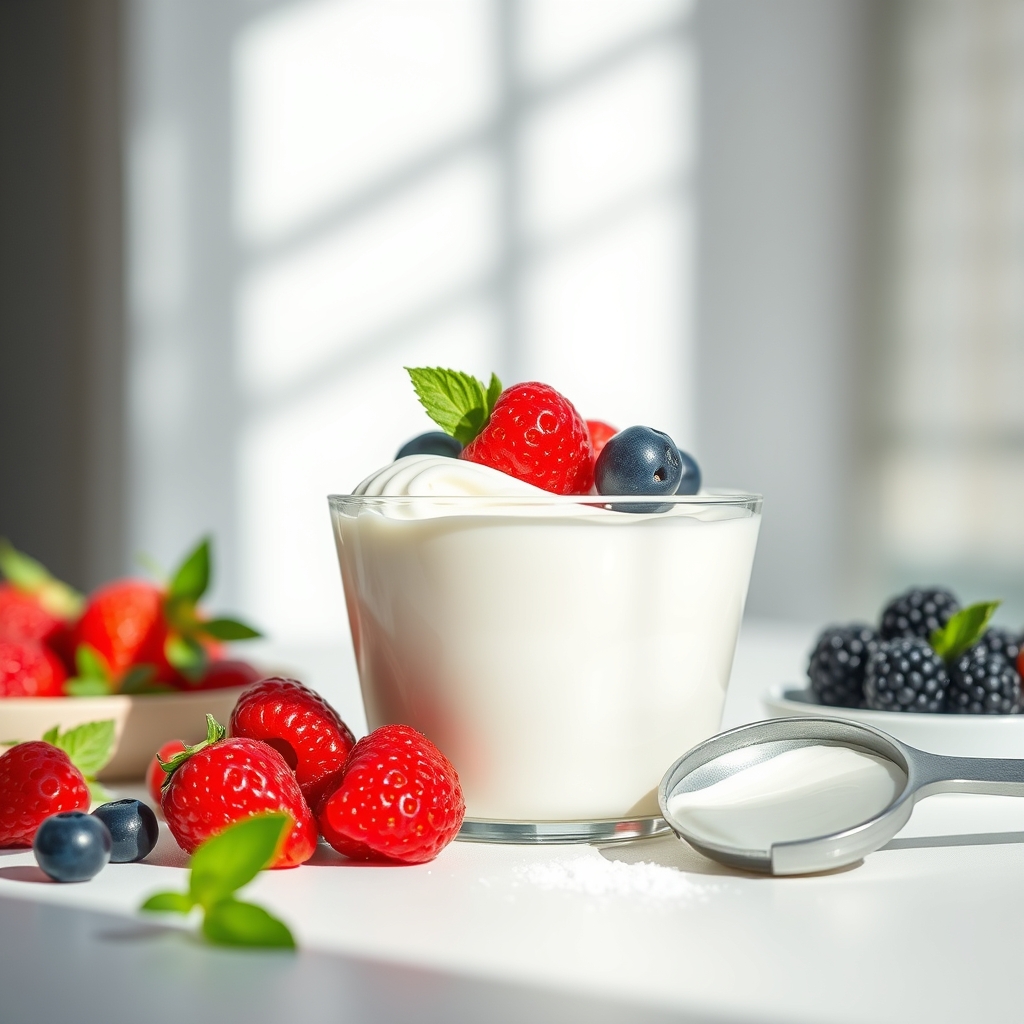
Pair whey protein with calcium‑rich foods and fresh fruit for a balanced and nutritious pregnancy snack.
When to call your doctor
While whey protein is generally safe for many, your body undergoes significant changes during pregnancy. If you experience any of the following after consuming whey protein, contact your obstetrician or midwife right away:
Severe abdominal pain, persistent diarrhea, nausea, or vomiting that isn't typical morning sickness.
Signs of an allergic reaction: hives, skin rash, sudden swelling of lips or face, difficulty breathing, or throat tightness.
Rapid or excessive weight gain (more than 2 kg or 4.4 lbs per month) or significant, unexplained swelling, which could indicate gestational hypertension or preeclampsia.
Unexplained spikes in blood glucose levels, especially if you have a history or risk of gestational diabetes.
Any other concerning or unusual symptoms that make you feel unwell or worried about your pregnancy.
These guidelines are informational only and do not replace personalized medical advice. Always discuss any supplement changes, dietary concerns, or new symptoms with your healthcare provider, as they can provide guidance tailored to your specific health needs and pregnancy.
References
American College of Obstetricians and Gynecologists. “Nutrition During Pregnancy.” ACOG Committee Opinion No. 841, 2022.
National Health Service (NHS). “Food and drink during pregnancy.” Updated 2023.
U.S. Food and Drug Administration. “GRAS Notices: Whey Protein Concentrate, Whey Protein Isolate.” FDA, various years.
Centers for Disease Control and Prevention. “Breastfeeding and Nutrition.” CDC, 2023.
Journal of Obstetrics & Gynecology. “Protein supplementation in pregnancy: a systematic review and meta-analysis of randomized controlled trials.” Vol. 41, No. 3, 2021.
World Health Organization. “WHO recommendations on antenatal care for a positive pregnancy experience: protein energy supplementation.” WHO Nutrition Guidelines, 2016.
Institute of Medicine (US) Committee on Nutritional Status During Pregnancy and Lactation. “Nutrition During Pregnancy.” National Academies Press (US), 1990.
Not sure about the label on Is Whey Protein Safe During Pregnancy products?
Snap the ingredients list and SafeFilter checks every ingredient for your stage — only 3 free scans this month, then you're locked until reset. Unlimited from $7/mo or $50/yr.
When Shubhra Mishra was expecting her first child in 2016, she was overwhelmed by conflicting food advice — one site said yes, another said never. By the time her second baby arrived in 2019, she realized millions of mothers face the same confusion.
That sparked a five-year journey through clinical nutrition papers, cultural diets, and expert conversations — all leading to BumpBites: a calm, compassionate space where science meets everyday motherhood.
Her long-term vision is to build a global community ensuring safe, supported, and free deliveriesfor every mother — because no woman should face pregnancy alone or uninformed. 🌿
🌍 Stand with mothers, shape safer guidance
Join a small circle of experts who review BumpBites articles so expecting parents everywhere can decide with confidence.