Safe: Tilapia is considered safe for pregnancy when limited to two servings (about 8‑12 ounces) per week, providing essential omega‑3s without excess mercury.
By Shubhra Mishra — a mom of two who turned her own confusion during pregnancy into BumpBites, a global mission to make food choices clear, safe, and stress-free for every expecting mother. 💛
Check whether any food is safe during pregnancy with the BumpBites Food Safety Checker.
Quick verdict: ⚠️ Safe with limits – tilapia can be part of a healthy pregnancy diet, but keep weekly portions to 2‑3 servings (about 8‑12 oz) and choose low‑mercury, properly cooked fish.
It’s 2 a.m., you’re scrolling through recipes, and a delicious grilled tilapia catches your eye. Suddenly, a wave of worry hits: “Is tilapia safe for pregnancy?” You’re not alone—many expecting parents wonder about the safety of this mild‑flavored white fish. The good news is that, for most pregnant people, tilapia is considered a low‑mercury option that can be enjoyed in moderation.
In this article we’ll give you a clear answer on whether tilapia is safe for pregnancy, break down the guidance by trimester, explain how much you can safely eat each week, discuss potential contaminants, and suggest safer seafood alternatives. We’ll also cover brand considerations, food‑borne illness prevention, and how tilapia might affect conditions like gestational diabetes. By the end, you’ll have the facts you need to make confident, nutritious choices for you and your baby.
We’ll also answer common follow‑up questions such as what to do if you’ve already eaten a questionable portion, how tilapia fits with prenatal vitamins, and which storage practices keep your fish safe for later meals. Let’s dive in.
Stage
Verdict
Notes
First trimester
⚠️ Safe with limits
Limit to 2‑3 servings per week; ensure thorough cooking to avoid food‑borne illness.
Second trimester
⚠️ Safe with limits
Same portion guidance; focus on low‑mercury, sustainably sourced tilapia.
Third trimester
⚠️ Safe with limits
Maintain weekly limits; continue proper cooking and storage practices.
Breastfeeding
⚠️ Safe with limits
Portion limits remain; omega‑3 benefits support milk quality.
What is tilapia?
Tilapia is a freshwater fish that belongs to the cichlid family and is farm‑raised worldwide, especially in the United States, China, and Southeast Asia. Its mild flavor and flaky texture make it a popular choice for quick meals, from baked fillets to tacos. Tilapia is low in fat, provides about 20 grams of protein per 3‑ounce serving, and contains modest amounts of vitamins B12 and D, as well as selenium.
From a nutritional standpoint, tilapia is not a powerhouse of omega‑3 fatty acids like salmon, but it does contribute essential protein and micronutrients that support fetal growth. The fish is typically farm‑raised, which raises questions about feed, water quality, and potential contaminants. These concerns are why pregnant people often ask whether tilapia is safe for pregnancy and how to choose the best source.
Farmed tilapia is usually raised in controlled ponds or recirculating systems where water quality can be monitored. Reputable producers use feed that is fortified with vitamins and avoid the use of growth‑promoting hormones. However, practices vary by region, and some farms may rely on antibiotics or have higher levels of environmental pollutants. Knowing what to look for on a label can help you select tilapia that aligns with both safety and sustainability goals.
Because tilapia is a lean protein, it fits well into a balanced plate that includes vegetables, whole grains, and a source of healthy fats. Pairing it with a drizzle of olive oil or a side of avocado can boost the overall nutrient density without adding a lot of extra calories—an especially helpful tip if you’re watching weight gain during pregnancy.
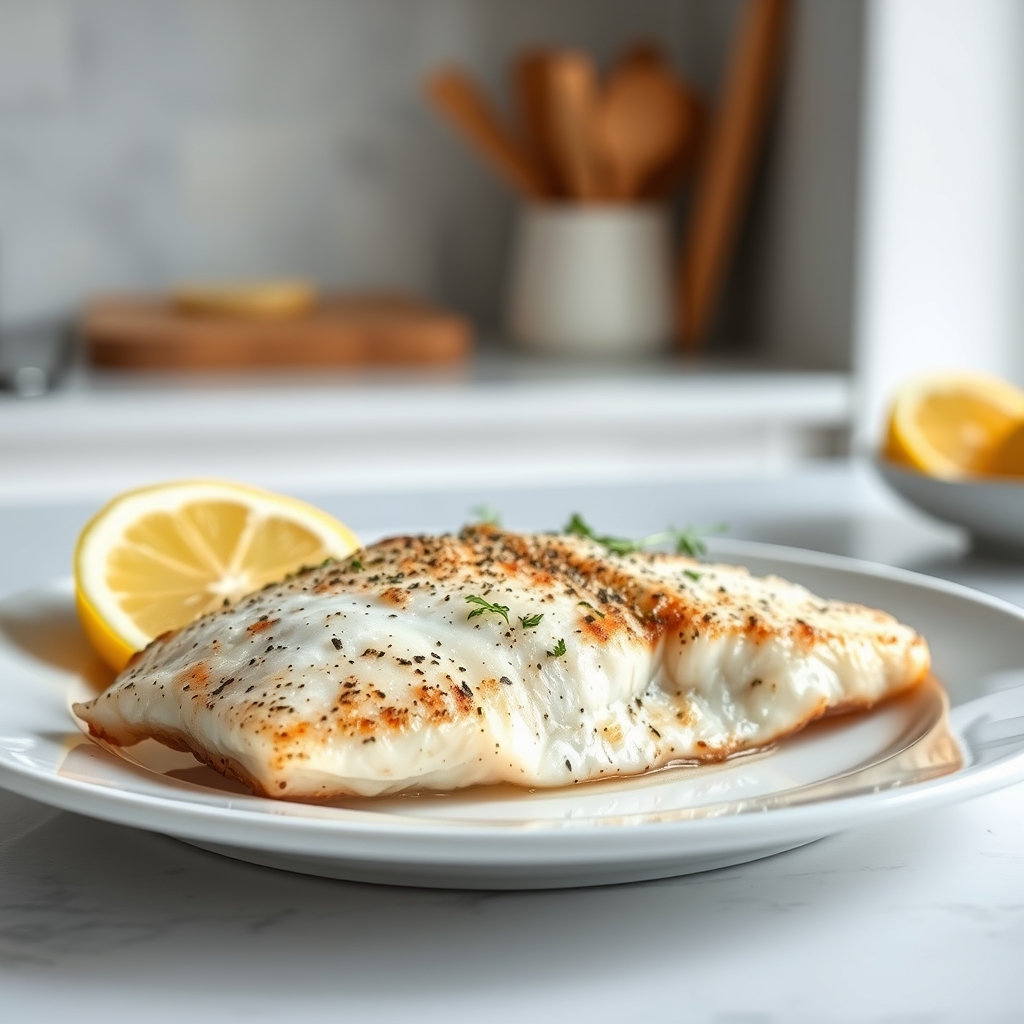
Cooking tilapia simply preserves its nutrients while minimizing added fats.
Is tilapia safe during pregnancy?
C
urrent guidance from major health organizations such as the American College of Obstetricians and Gynecologists (ACOG) and the United Kingdom’s National Health Service (NHS) classifies tilapia as a low‑mercury fish, making it generally safe for pregnant people when eaten in moderation. The U.S. Food and Drug Administration (FDA) lists tilapia among “best choices” for pregnant women, recommending 2‑3 servings per week (8‑12 oz total). The Centers for Disease Control and Prevention (CDC) also emphasizes that proper cooking eliminates the risk of food‑borne pathogens like Listeria and Salmonella.
Tilapia’s low mercury content (typically less than 0.02 ppm) means it does not pose the same neurodevelopmental risks associated with higher‑mercury fish such as shark or king mackerel. However, because most tilapia is farm‑raised, concerns about antibiotic residues and environmental contaminants have been raised. Studies published in peer‑reviewed journals have generally found that tilapia from reputable producers meets safety standards, but the level of contaminants can vary by region and farming practice.
In short, the evidence suggests that tilapia is a safe protein source for most pregnant people, provided you follow portion limits, choose reputable brands, and cook the fish thoroughly. If you have specific health conditions or concerns about contaminants, it’s wise to discuss your fish choices with your obstetric provider.
Tilapia and pregnancy nutrition: protein and micronutrients
Protein is a cornerstone of a healthy pregnancy because it supports the growth of the placenta, uterus, and baby’s developing tissues. A 3‑ounce serving of tilapia delivers roughly 20 grams of high‑quality protein, comparable to chicken or lean beef, and provides a modest amount of iron—important for preventing anemia. The selenium in tilapia acts as an antioxidant, helping protect cells from oxidative stress, which can be elevated during pregnancy.
While tilapia’s omega‑3 content is lower than that of fatty fish, pairing it with a source of omega‑3s (such as a drizzle of flaxseed oil or a side of walnuts) can create a balanced meal that supplies both essential amino acids and the fatty acids needed for fetal brain development. This “food‑first” approach aligns with ACOG’s recommendation to obtain nutrients primarily from a varied diet.
Cooking methods that preserve safety
Proper heat treatment is the most reliable way to neutralize harmful bacteria in fish. Baking, grilling, poaching, or sautéing tilapia until the flesh is opaque and flakes easily achieves the FDA‑recommended internal temperature of 145 °F (63 °C). Avoid “pink” centers, which can indicate undercooking. If you’re short on time, a quick pan‑sear followed by a brief oven finish works well and still reaches the target temperature.
Steaming is another gentle method that retains moisture and nutrients while ensuring safety. For pregnant people who prefer milder flavors, a light broth‑based poach with herbs can add flavor without excess sodium. Whatever method you choose, always use a food thermometer for confidence, especially when preparing fish for a developing baby.
Tilapia and prenatal vitamins
Many prenatal vitamin formulas include iron, folic acid, and vitamin D, but they do not provide sufficient omega‑3 fatty acids. Adding tilapia to your meals can help fill this gap, especially when paired with a source of DHA such as a prenatal DHA supplement or omega‑3‑rich foods like walnuts. However, remember that the omega‑3 content of tilapia is modest; for a higher DHA boost, consider the alternatives listed later in this article.
Environmental concerns and sustainable sourcing
Beyond personal health, many expectant families consider the environmental impact of their food choices. Tilapia farms that follow Aquaculture Stewardship Council (ASC) or GlobalG.A.P. standards typically implement water recirculation, waste reduction, and responsible feed sourcing. These practices not only protect ecosystems but also reduce the likelihood of contaminant buildup in the fish.
If sustainability is a priority, look for labels such as “ASC‑certified” or “US‑grown” on packaging. When buying from a fish market, ask the vendor about the farm’s location and whether the fish have been tested for antibiotics or heavy metals. Choosing responsibly farmed tilapia aligns with both personal and planetary health goals.
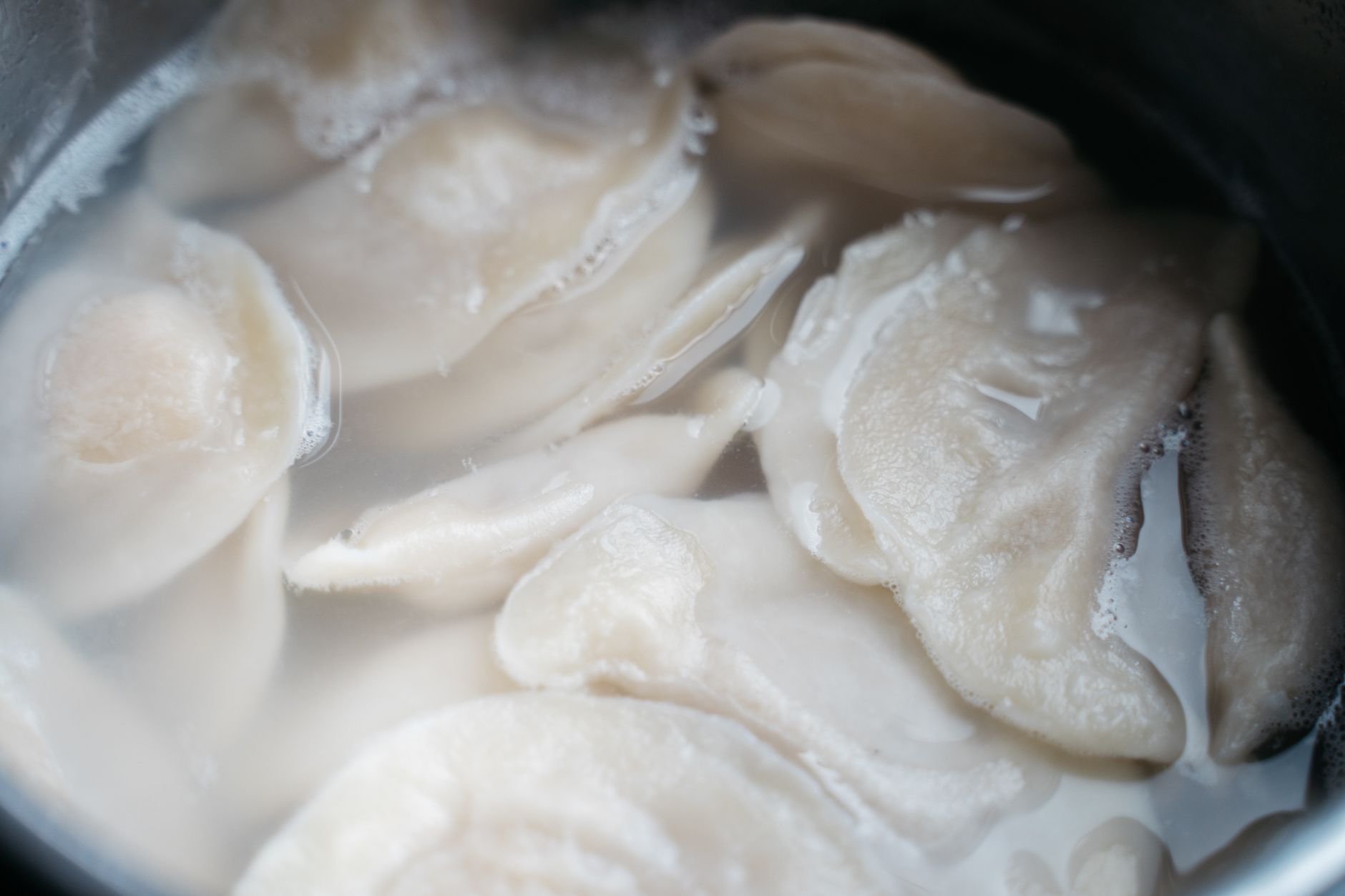
Simmering tilapia ensures it reaches a safe internal temperature.
Is tilapia safe to eat during each trimester of pregnancy?
First trimester
The first trimester is a critical window of organ development, and many providers advise extra caution with foods that might carry contaminants. Tilapia remains a low‑mercury option, so the primary focus should be on avoiding undercooked fish, which can harbor Listeria or other bacteria. Stick to well‑cooked fillets, and keep weekly portions to no more than 2‑3 servings (about 8‑12 oz total).
Because nausea is common early in pregnancy, some people find the mild flavor of tilapia easier to tolerate than stronger‑tasting fish. Pair it with bland sides like steamed carrots or rice to keep meals soothing while still providing essential protein.
If you’ve already consumed a larger portion before learning you’re pregnant, stay calm. The low mercury level means a single excess is unlikely to cause harm, but you should monitor for any signs of foodborne illness and discuss any concerns with your provider at your next prenatal visit.
Second trimester
During the second trimester, nutrient demands increase, especially for protein and iron. Tilapia supplies high‑quality protein and modest iron, making it a useful addition to a balanced diet. Continue to limit intake to 2‑3 servings per week and ensure the fish reaches an internal temperature of 145 °F (63 °C) to kill any potential pathogens.
Many pregnant people experience a surge in appetite during this stage. Incorporating tilapia into meals with fiber‑rich vegetables and whole grains can help manage blood sugar spikes and keep you feeling full longer—a helpful strategy for those monitoring gestational diabetes.
For those taking prenatal iron supplements, pairing tilapia with vitamin‑C‑rich foods like bell peppers can boost iron absorption, making the most of the iron that tilapia provides.
Third trimester
In the third trimester, the fetus’s brain development accelerates, and omega‑3 fatty acids become especially important. While tilapia is not as rich in omega‑3s as fatty fish, it still contributes to overall protein intake. Maintain the same weekly limit and practice safe handling—store fish at 40 °F (4 °C) or below, and refrigerate leftovers within two hours.
Some expectant parents worry about the “weight‑gain” factor of fish meals. Tilapia’s low‑fat profile (about 1 gram of fat per 4‑ounce serving) makes it a lean protein that fits well into a calorie‑controlled plan without sacrificing nutrition.
If you’re experiencing heartburn—a common third‑trimester complaint—avoid heavy sauces or fried preparations. Opt for baked or poached tilapia with a splash of lemon and fresh herbs to keep the dish gentle on the stomach.
Breastfeeding
While not a pregnancy stage, breastfeeding mothers also benefit from the low‑mercury profile of tilapia. The same 2‑3 servings per week guideline applies, and the protein supports milk production. Some lactation consultants note that omega‑3 intake can improve the fatty acid composition of breast milk, so pairing tilapia with omega‑3‑rich sides (e.g., a drizzle of walnut oil or a side of sautéed spinach) can be advantageous.
Because breastfeeding can increase caloric needs, tilapia offers a low‑calorie, high‑protein option that helps meet those demands without excess fat. Just remember to keep cooking standards the same as during pregnancy.
How much tilapia can a pregnant woman safely consume per week?
Both the FDA and ACOG recommend that pregnant people limit low‑mercury fish, including tilapia, to 2‑3 servings per week. One serving is roughly 4‑ounces (113 g) of cooked fish, so the total weekly intake should not exceed 8‑12 ounces (227‑340 g). This amount provides sufficient protein without exceeding safe mercury exposure limits.
If you’re tracking portions, a typical 4‑ounce serving of tilapia contains about 100 calories, 20 grams of protein, and 1‑gram of fat. For a balanced diet, you can alternate tilapia with other low‑mercury fish such as cod or pollock, ensuring variety while staying within the weekly limit.
When selecting tilapia, look for packaging that indicates “US‑grown” or “certified sustainable” to reduce the chance of contaminants. If you buy fresh fillets from a fish market, ask the vendor about the source and whether the fish has been tested for antibiotics or heavy metals.
Are there specific brands of tilapia that are safer for pregnant women?
While no single brand can guarantee absolute safety, several reputable brands have earned third‑party certifications for sustainable aquaculture and low‑contaminant levels. Look for certifications such as the Aquaculture Stewardship Council (ASC) or the GlobalG.A.P. standard. Brands that prominently display these logos on their packaging have undergone rigorous testing for antibiotics, heavy metals, and environmental impact.
Examples of widely available tilapia brands that often meet these standards include:
Wild Planet (ASC‑certified, responsibly farmed)
Fresh‑Catch (GlobalG.A.P. compliance, US‑sourced)
Sea Best (third‑party lab‑tested for mercury and antibiotics)
Even with certified brands, always verify the “use‑by” date, ensure the fish is stored at proper refrigeration temperatures, and cook it thoroughly. If you have doubts about a brand’s sourcing, opt for a different low‑mercury fish that you can source more confidently.
What are the best seafood alternatives to tilapia for pregnant women?
Wild‑caught salmon – high in omega‑3s, low mercury, excellent for fetal brain development.
Cooked shrimp – low in mercury, rich in protein and iodine, quick to prepare.
Cod – mild flavor, low mercury, good source of B‑vitamins.
Haddock – low‑fat white fish, safe in moderation.
Farm‑raised catfish – similar protein profile to tilapia, often raised with fewer antibiotics.
Sardines – packed with omega‑3s and calcium, low mercury.
Trout – another omega‑3‑rich, low‑mercury option.
Pollock – commonly used in fish sticks, low mercury and easy to incorporate.
Can tilapia cause foodborne illness in pregnancy and how to prevent it?
Pregnant people are more susceptible to foodborne illnesses such as Listeria, Salmonella, and Vibrio, which can lead to serious complications for the fetus. Raw or undercooked tilapia can harbor these bacteria. To prevent illness:
Cook tilapia until the flesh is opaque and flakes easily, reaching an internal temperature of 145 °F (63 °C).
Store fresh tilapia in the refrigerator (≤ 40 °F / 4 °C) and use within 1‑2 days, or freeze for longer storage.
Thoroughly wash hands, utensils, and surfaces after handling raw fish.
Avoid cross‑contamination with ready‑to‑eat foods such as salads or fruit.
Following these steps aligns with CDC recommendations for safe food handling during pregnancy and dramatically reduces the risk of foodborne disease.
Storing tilapia safely: leftovers and freezer tips
Even after cooking, tilapia can become a source of bacteria if not stored correctly. Cool cooked fish within two hours, then place it in an airtight container in the fridge. It will stay safe for up to 3 days. For longer storage, freeze portions in a zip‑top bag, removing as much air as possible; frozen tilapia maintains quality for about 2‑3 months.
When reheating leftovers, make sure the internal temperature again reaches 145 °F (63 °C). Reheating in a microwave can create uneven hot spots, so stir or flip the fish partway through the heating process.
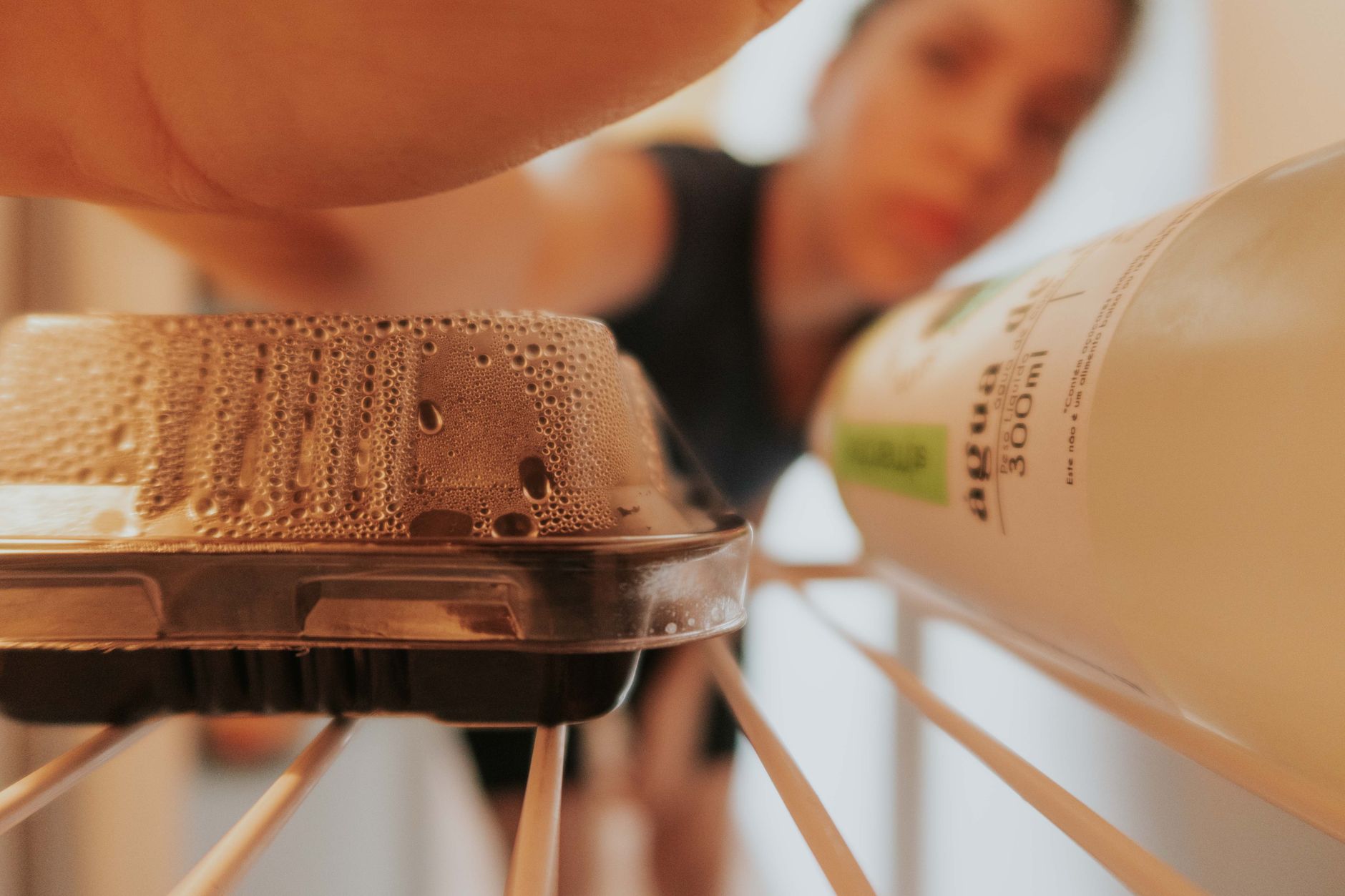
Cool and seal cooked tilapia promptly to keep it safe for later meals.
Does tilapia consumption affect pregnancy conditions like gestational diabetes?
There is no direct evidence that tilapia worsens gestational diabetes. In fact, lean protein sources like tilapia can help stabilize blood sugar levels when paired with fiber‑rich vegetables and whole grains. A study published in the American Journal of Clinical Nutrition found that women who consumed moderate amounts of low‑fat fish had slightly better glycemic control than those who ate higher‑fat animal proteins.
However, because tilapia is low in fat, it does not provide the same omega‑3 benefits as fatty fish, which have been linked to reduced inflammation. If you have gestational diabetes, aim for a balanced plate: half vegetables, a quarter whole grains, and a quarter protein, with tilapia fitting comfortably into the protein portion.
Side effects and risks
When cooked properly, tilapia is unlikely to cause serious side effects. The most common issues are mild gastrointestinal discomfort if the fish is over‑seasoned or if you have a fish allergy. In rare cases, individuals with a history of seafood allergy may experience hives, swelling, or shortness of breath after eating tilapia.
Potential risks specific to pregnancy include:
Foodborne illness – undercooked tilapia can harbor Listeria or Salmonella; symptoms include fever, nausea, and vomiting. Seek medical care if you develop these signs.
Contaminant exposure – while mercury levels are low, certain farms may use antibiotics or have higher levels of PCBs; choosing certified brands mitigates this risk.
Allergic reaction – if you notice itching, hives, or difficulty breathing after eating tilapia, treat as an allergic reaction and contact a healthcare provider.
These risks are generally manageable with proper cooking, sourcing, and portion control. If you experience any concerning symptoms, contact your obstetric provider promptly.
Cooked shrimp – quick, low‑mercury protein source with iodine for thyroid health.
Cod – mild flavor, low mercury, high in B‑vitamins.
Haddock – lean white fish, safe in moderation.
Farm‑raised catfish – similar protein profile with comparable safety when sourced responsibly.
Sardines – packed with omega‑3s, calcium, and vitamin D; low mercury.
Trout – low mercury, high omega‑3 content.
Pollock – low‑fat, low‑mercury, versatile for many recipes.
Related items — safety at a glance
Seafood
Verdict
One‑line note
Salmon
✅ Generally safe
High omega‑3s, low mercury; excellent for fetal brain development.
Shrimp
✅ Generally safe
Low mercury, good protein source; ensure it’s fully cooked.
Cod
✅ Generally safe
Mild white fish, low mercury, easy to digest.
Catfish
✅ Generally safe
Similar to tilapia; choose certified farms.
Sardines
✅ Generally safe
Rich in omega‑3s and calcium; low mercury.
Light tuna
⚠️ Safe with limits
Higher mercury than tilapia; limit to ≤ 4 oz per week.
Trout
✅ Generally safe
Low mercury, good omega‑3 source.
Halibut
⚠️ Safe with limits
Moderate mercury; keep servings ≤ 6 oz per week.
Mussels
✅ Generally safe
Low mercury, high in iron and zinc.
Anchovies
✅ Generally safe
Low mercury, strong flavor; use sparingly for sodium.
Myth vs. fact
Myth: All farm‑raised fish are unsafe during pregnancy.
Fact: Reputable farm‑raised tilapia that meets ASC or GlobalG.A.P. standards is considered low‑mercury and safe when cooked properly.
Myth: You must avoid all fish to prevent mercury exposure.
Fact: Low‑mercury fish like tilapia, salmon, and cod provide essential nutrients and are recommended in moderation by ACOG and the FDA.
Myth: Eating raw tilapia is fine if it’s fresh.
Fact: Pregnant people should avoid raw or undercooked fish because of heightened risk for Listeria and other pathogens.
Myth: Tilapia is high in cholesterol.
Fact: A 4‑ounce serving of tilapia contains about 35 mg of cholesterol, which is modest compared to many animal proteins and fits within a heart‑healthy diet.
Myth: Tilapia has no nutritional value compared to “fatty” fish.
Fact: While tilapia is lower in omega‑3s, it still supplies high‑quality protein, selenium, and B‑vitamins, making it a valuable component of a balanced pregnancy diet.
Key takeaways
Tilapia is low in mercury, making it generally safe for pregnancy when eaten 2‑3 servings per week.
Always cook tilapia to an internal temperature of 145 °F (63 °C) to prevent foodborne illness.
Choose certified, sustainably farmed brands or reputable sources to minimize contaminant risk.
Consider omega‑3‑rich alternatives like salmon or sardines for added fetal brain benefits.
If you have a seafood allergy or develop any concerning symptoms, stop eating tilapia and contact your provider.
Proper storage and reheating are essential; keep cooked tilapia refrigerated and reheat to 145 °F before serving.
Frequently asked questions
Can I eat tilapia while pregnant?
Yes—you can eat tilapia while pregnant as long as you limit intake to 2‑3 servings per week and ensure the fish is fully cooked.
How many servings of tilapia are safe during pregnancy?
Most health agencies advise no more than 2‑3 servings (each about 4 oz cooked) per week, which totals roughly 8‑12 oz of tilapia.
What are the mercury levels in tilapia?
Tilapia typically contains less than 0.02 parts per million (ppm) of mercury, placing it in the “low‑mercury” category recommended for pregnant people.
Is farm‑raised tilapia safe for pregnant women?
Farm‑raised tilapia that meets third‑party certifications (ASC, GlobalG.A.P.) is considered safe when cooked properly and consumed within weekly portion limits.
What are the best fish options for pregnant women?
Low‑mercury, omega‑3‑rich choices such as wild‑caught salmon, sardines, trout, and shrimp are among the best fish options for pregnancy.
Can tilapia cause listeria in pregnancy?
Raw or undercooked tilapia can harbor Listeria, but proper cooking to 145 °F eliminates the risk.
Is it okay to eat raw tilapia when pregnant?
No—pregnant people should avoid raw or undercooked tilapia because of the heightened risk of foodborne infections.
Does cooking tilapia reduce pregnancy risks?
Yes—cooking tilapia thoroughly destroys harmful bacteria and parasites, making it a safe protein source when combined with portion limits.
Can I eat canned tilapia during pregnancy?
Canned tilapia is safe as long as the can is unopened, the product lists “low mercury,” and you heat it to the recommended temperature before serving.
What should I do if I’m allergic to fish but love tilapia?
If you have a known fish allergy, avoid tilapia entirely and discuss alternative protein sources with your provider; even a small exposure can trigger a reaction.
What if I accidentally ate undercooked tilapia?
If you suspect the fish was undercooked, monitor for symptoms such as fever, nausea, or vomiting, and contact your obstetric provider right away; early evaluation can prevent complications.
Can I replace tilapia with a plant‑based protein?
Yes—plant‑based proteins like lentils, tofu, or tempeh are safe and provide comparable protein; just ensure you pair them with vitamin‑C‑rich foods to improve iron absorption.
When to call your doctor
Contact your obstetric provider promptly if you experience any of the following after eating tilapia:
Fever, chills, or flu‑like symptoms (possible Listeria infection)
Severe abdominal cramps, vomiting, or diarrhea lasting more than 24 hours
Signs of an allergic reaction such as hives, swelling of the lips or throat, or difficulty breathing
Unusual fatigue or headache that persists despite rest
These symptoms may indicate a foodborne illness or allergic response that requires medical evaluation. Remember, this article provides general information and is not a substitute for personalized medical advice.
References
American College of Obstetricians and Gynecologists (ACOG). “Nutrition During Pregnancy.” Updated 2023.
U.S. Food and Drug Administration (FDA). “Eating Fish: What Pregnant Women Should Know.” 2022.
National Health Service (NHS). “Fish and pregnancy.” Updated 2023.
Centers for Disease Control and Prevention (CDC). “Listeria (Listeriosis).” 2023.
U.S. Environmental Protection Agency (EPA). “Mercury in Fish.” 2022.
World Health Organization (WHO). “Guidelines for Food Safety and Quality.” 2021.
American Journal of Clinical Nutrition. “Fish intake and gestational diabetes risk.” 2020.
Not sure about the label on Is Tilapia Safe During Pregnancy products?
Snap the ingredients list and SafeFilter checks every ingredient for your stage — only 3 free scans this month, then you're locked until reset. Unlimited from $7/mo or $50/yr.
When Shubhra Mishra was expecting her first child in 2016, she was overwhelmed by conflicting food advice — one site said yes, another said never. By the time her second baby arrived in 2019, she realized millions of mothers face the same confusion.
That sparked a five-year journey through clinical nutrition papers, cultural diets, and expert conversations — all leading to BumpBites: a calm, compassionate space where science meets everyday motherhood.
Her long-term vision is to build a global community ensuring safe, supported, and free deliveriesfor every mother — because no woman should face pregnancy alone or uninformed. 🌿
🌍 Stand with mothers, shape safer guidance
Join a small circle of experts who review BumpBites articles so expecting parents everywhere can decide with confidence.