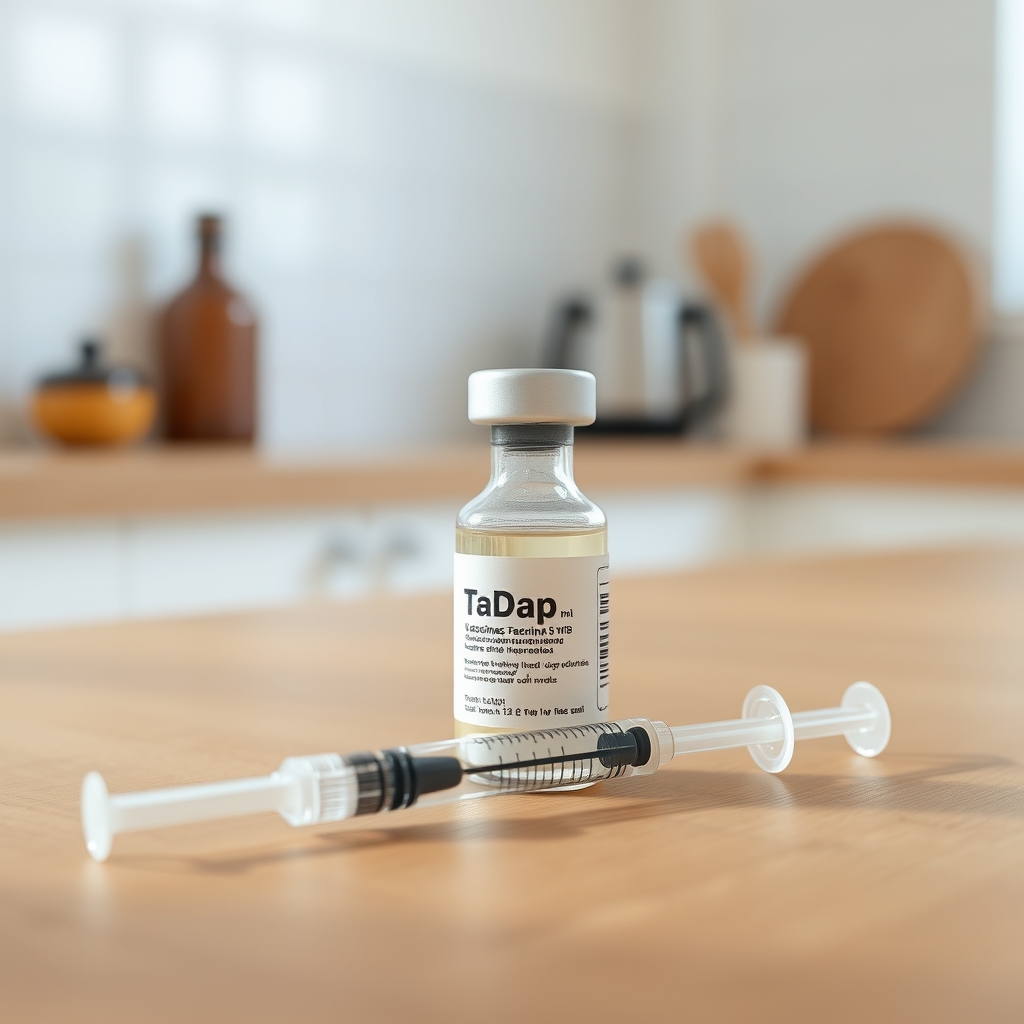
Safe: The Tdap vaccine is safe for pregnancy, recommended as a single dose in the third trimester (27‑36 weeks) to protect both mother and newborn.
By Shubhra Mishra — a mom of two who turned her own confusion during pregnancy into BumpBites, a global mission to make food choices clear, safe, and stress-free for every expecting mother. 💛
Check whether any food is safe during pregnancy with the BumpBites Food Safety Checker.
Quick verdict: ✅ The Tdap vaccine is generally considered safe for pregnancy when given as recommended, especially after the first trimester. One dose during each pregnancy provides protection for both you and your baby, with only mild and temporary side effects for most women.
It’s 2 a.m., you’ve just read a reminder about your upcoming prenatal visit, and a sudden question pops up: “Is the Tdap vaccine safe for pregnancy?” You might be worrying whether a single shot could harm your developing baby or whether you should skip it altogether. The short answer is reassuring: the Tdap vaccine is regarded as safe for pregnancy, and getting it at the right time actually protects both you and your newborn from whooping cough.
In this article we’ll walk through everything you need to know about the Tdap vaccine during pregnancy—how it works, the recommended timing, the dosage, potential side effects, and what to consider if you have specific medical conditions. We’ll also compare it to related vaccines, suggest safer alternatives when appropriate, and give you clear take‑away points so you can stop the midnight worry and feel confident about your prenatal care.
We’ll answer the most common queries, from “Is Tdap vaccine safe during pregnancy first trimester?” to “What are the Tdap vaccine ingredients?” and provide practical guidance backed by the American College of Obstetricians and Gynecologists (ACOG), the Centers for Disease Control and Prevention (CDC), and the UK’s National Health Service (NHS). If you’ve already received the shot, we’ll walk you through what to expect next and when to seek help.
Finally, we’ll explore how the vaccine fits into a broader protection plan that includes flu shots, cocooning, and good hygiene—so you can feel empowered to keep both yourself and your baby safe.
Having the Tdap vaccine on hand at your prenatal appointment can make the process smoother and keep you from missing the recommended window.
Pregnancy stage
Verdict
Notes
First trimester
⚠️ Talk to your doctor first
Recommended after 13 weeks; early vaccination is safe but timing aligns with routine prenatal visits.
Second trimester
✅ Generally safe
Optimal window (27‑36 weeks) for maternal antibody transfer to the fetus.
Third trimester
✅ Generally safe
Still protective; earlier in the trimester may offer slightly better newborn immunity.
Breastfeeding
✅ Safe
Vaccination does not affect breast‑milk composition; benefits continue to protect the infant.
What is the Tdap vaccine?
The Tdap vaccine protects against three bacterial diseases: tetanus, diphtheria, and pertussis (whooping cough). Each component works by introducing a small, harmless piece of the bacteria—called an antigen—to your immune system. This trains your body to recognize and fight the real pathogens if you’re exposed later. Tdap stands for “tetanus, diphtheria, and acellular pertussis,” where “acellular” means the pertussis part contains only purified proteins, not whole bacteria, which reduces side effects compared with older formulations.
Pregnant women receive Tdap primarily to protect their newborns from pertussis. Babies are most vulnerable to whooping cough in the first two months of life, before they can receive their own vaccinations. Maternal antibodies cross the placenta, giving the infant a protective shield during that critical period. The vaccine is administered as a single intramuscular injection, typically in the upper arm, and is recommended during each pregnancy regardless of prior immunization status.
Unlike many over‑the‑counter supplements, the Tdap vaccine is a prescription‑only product, and the dose is standardized—there is no “extra” or “reduced” amount for pregnant women. The primary brands in the United States are Adacel and Boostrix, both of which contain the same antigenic components and meet FDA safety standards.
Internationally, the same vaccine composition is used in the United Kingdom, Canada, Australia, and many European countries, where it is often bundled into the national maternal immunization program. The timing recommendations are consistent worldwide, reflecting a strong global consensus that maternal immunization is the most effective way to guard newborns against pertussis.
Is Tdap vaccine safe during pregnancy?
Y
es. The consensus among leading health authorities—including ACOG, the CDC, and the NHS—is that the Tdap vaccine is safe for pregnant women and their babies. ACOG’s 2023 Committee Opinion states that “Tdap administered during each pregnancy is safe and provides the most effective protection against pertussis for the infant.” The CDC’s 2022 immunization schedule specifically recommends a dose of Tdap between 27 and 36 weeks gestation, noting that safety data from thousands of pregnant women show no increase in miscarriage, preterm birth, or fetal anomalies.
The mechanism of safety lies in the vaccine’s composition. The acellular pertussis component reduces the risk of severe local reactions, and the tetanus and diphtheria toxoids are long‑standing vaccine ingredients with an excellent safety record in pregnancy. Large observational studies, such as those published in the American Journal of Obstetrics & Gynecology, have found no statistically significant difference in adverse pregnancy outcomes between vaccinated and unvaccinated groups.
Common misconceptions include the belief that any vaccine can cause miscarriage or that the vaccine might “overload” the immune system. In reality, the immune changes of pregnancy are well‑tolerated, and the Tdap vaccine’s antigen load is far below the threshold that would provoke a harmful response. The most frequent side effects are mild—soreness at the injection site, low‑grade fever, or fatigue—which resolve within a day or two.
Evidence from the United Kingdom’s Maternal Immunisation Surveillance System, as well as data from Canada’s Public Health Agency, echo the U.S. findings: no increase in adverse obstetric outcomes and a clear benefit for newborn health. Ongoing pharmacovigilance through the Vaccine Safety Datalink and WHO’s global monitoring network continues to confirm the vaccine’s favorable safety profile.
Is Tdap vaccine safe during pregnancy first trimester?
While the optimal window for Tdap is 27‑36 weeks, receiving the vaccine in the first trimester is not contraindicated. ACOG notes that the vaccine can be administered at any point in pregnancy if the opportunity is missed later. The primary concern in the first trimester is the theoretical risk of any intervention during organogenesis, the period when the baby’s major organs develop. However, extensive safety data show no increased risk of birth defects when Tdap is given early.
If you receive Tdap before 13 weeks, your provider will likely confirm that the timing aligns with your prenatal schedule and reassure you that the protection for your baby will still be effective, though the antibody transfer may be slightly less optimal than when given later. In practice, most clinicians aim to vaccinate after the first trimester to coincide with routine blood work and to maximize antibody passage.
Real‑world registries from the CDC’s v-safe program have captured thousands of first‑trimester vaccinations with no signal of increased miscarriage or congenital anomalies. This data gives many expecting parents peace of mind: early vaccination is safe, and the most important goal—protecting the newborn—remains achievable.
Tdap vaccine dosage for pregnant women
The dosage is simple: a single 0.5 mL intramuscular injection. The standard adult dose—used for all pregnant women—is the same across the two FDA‑approved brands, Adacel and Boostrix. No additional booster is required within the same pregnancy, though you should continue with routine Td or Tdap boosters in non‑pregnant years according to CDC guidelines (every 10 years for Td, or as needed for pertussis protection).
Brand
Dosage
Pregnancy safety note
Adacel
0.5 mL IM
FDA‑cleared for use in pregnancy; same safety profile as Boostrix.
Boostrix
0.5 mL IM
Approved by both FDA and EMA for pregnant women; widely used in the US and Europe.
Because the vaccine is a single dose, there is no “maximum daily amount” to monitor. If you have already received a Tdap dose in a previous pregnancy, you still need a new dose for each subsequent pregnancy to ensure fresh antibodies for the newborn.
When a woman misses the 27‑36‑week window, many providers will still administer Tdap as soon as possible—sometimes even during the third trimester or postpartum—because any protection is better than none. The CDC emphasizes that “vaccination at any gestational age is better than no vaccination.”
How Tdap protects your baby
Maternal immunization works by prompting your immune system to produce antibodies that cross the placenta and enter the fetal circulation. These antibodies persist in the newborn’s bloodstream for several weeks after birth, bridging the gap until the infant receives their own vaccine series at two, four, and six months of age. In the case of pertussis, this passive immunity can reduce the risk of severe coughing fits, hospitalization, and even death.
Studies from the United States and Europe have shown that infants whose mothers received Tdap during pregnancy have up to a 90% lower risk of contracting pertussis in the first two months of life. The protection is strongest when the vaccine is given between 27 and 36 weeks, but any timing still yields measurable benefit. This “maternal antibody transfer” is one of the few interventions that can protect a newborn before they are eligible for any other vaccine.
Maternal antibodies generated by the Tdap shot travel across the placenta to shield the newborn.
Alternatives to Tdap vaccine during pregnancy
While Tdap is the recommended way to protect a newborn from pertussis, there are complementary strategies you can employ, especially if you have a contraindication or are looking for additional layers of protection.
Flu vaccine (inactivated): Protects against influenza, which can be severe in pregnancy and also poses a risk to newborns.
Maternal pertussis immunoglobulin (off‑label): Rarely used; not recommended over Tdap due to limited data.
Post‑natal Tdap for the infant: Administered at 2 months, but provides later protection compared with maternal antibodies.
Cocooning strategy: Ensuring close contacts are vaccinated reduces infant exposure to pertussis.
Vitamin D supplementation: Supports overall immune health but does not replace pertussis immunity.
Good hand hygiene and limiting exposure to sick individuals: Simple, non‑pharmacologic measures that lower infection risk.
Tdap vaccine side effects in pregnancy
Side effects are typically mild and short‑lived. The most common reactions include:
Soreness, redness, or swelling at the injection site (about 30% of recipients).
Low‑grade fever (≤38 °C) lasting 24‑48 hours.
Fatigue or mild headache.
Rarely, a mild rash or joint pain.
Most women find relief with over‑the‑counter pain relievers such as acetaminophen (paracetamol), which ACOG deems safe in pregnancy when used at the recommended dose. Applying a cool compress to the arm can also ease soreness. These measures usually keep you comfortable while your body builds the protective antibodies.
Serious adverse events—such as anaphylaxis or Guillain‑Barré syndrome—are exceedingly rare (<1 per million doses) and have not been shown to occur more frequently in pregnant women than in the general population. If you experience a high fever (>38.5 °C) lasting more than 48 hours, or severe swelling that spreads beyond the arm, contact your obstetric provider.
Tdap vaccine brands safe for pregnancy
Both FDA‑approved brands—Adacel and Boostrix—are considered safe for use throughout pregnancy. They contain the same antigens and have comparable safety profiles. In the United Kingdom, the combined pertussis‑containing vaccine used in the maternal immunization program (often referred to as “whooping cough vaccine”) aligns with the same safety standards as the U.S. formulations.
When selecting a brand, consider availability at your local pharmacy or clinic, as well as any personal history of allergic reactions to vaccine components (e.g., latex in the vial stopper). Both products are preservative‑free, which reduces the likelihood of allergic responses. Proper storage—refrigeration between 2 °C and 8 °C—is essential to maintain potency, but this is handled by the pharmacy staff.
Tdap vaccine risks for pregnant women with certain medical conditions
Most medical conditions do not contraindicate Tdap. However, specific scenarios require careful discussion with your provider:
Severe allergic reaction (anaphylaxis) to a previous Tdap dose or any component: Contraindicated; consider an alternative schedule after consultation.
Immunocompromised state (e.g., HIV, chemotherapy): Generally safe; the acellular pertussis component is non‑live, but your provider may assess antibody response.
Pregnancy‑associated neurological disorders: No direct contraindication, but monitor for rare neurologic side effects.
Fever‑prone conditions (e.g., autoimmune disease): Mild fever from the vaccine is usually acceptable, but discuss timing if you have an active flare.
In all cases, the benefits of protecting the newborn from pertussis typically outweigh the minimal risks associated with the vaccine. Your obstetrician can tailor the timing and provide extra monitoring if you have a high‑risk condition.
Receiving the Tdap shot during a routine prenatal visit helps keep both mother and baby protected.
First trimester (0‑13 weeks)
During organogenesis, the fetus is forming its major organs, and many clinicians prefer to avoid non‑essential interventions. While Tdap is not essential for organ development, the vaccine’s safety record supports its use if needed. The main point is that the vaccine does not contain live bacteria, so it cannot cause infection in the developing embryo.
Second trimester (14‑27 weeks)
This is the ideal window for Tdap administration. Antibody transfer to the fetus increases significantly after 20 weeks, peaking in the late second and early third trimesters. A dose given between 27‑36 weeks maximizes newborn protection against pertussis while still being well‑tolerated by the mother.
Third trimester (28‑40 weeks)
Vaccination in the third trimester remains safe and effective. Even if administered closer to delivery, maternal antibodies still cross the placenta, offering newborn immunity. The CDC notes that “vaccination as early as 27 weeks and up to delivery” is acceptable, though earlier within this range is preferred for optimal antibody levels.
Breastfeeding
Post‑delivery, the Tdap vaccine does not affect milk composition. Breast‑feeding mothers can receive their routine Tdap booster without concern. In fact, continuing vaccination throughout the postpartum period maintains maternal immunity, which indirectly protects the infant through reduced household transmission.
Tdap vaccine and maternal antibody transfer
The placenta acts as a conduit for IgG antibodies, and the timing of the Tdap shot influences how much of these antibodies reach the baby. Research published in Vaccine (2021) shows that women vaccinated between 27 and 36 weeks deliver infants with the highest cord‑blood antibody concentrations. If you receive the vaccine earlier, antibodies are still transferred, but the levels gradually decline as the pregnancy progresses.
Co‑administration with flu vaccine
Many providers give the inactivated flu vaccine and Tdap at the same visit. Studies from the CDC’s 2022 safety review confirm that simultaneous administration does not increase adverse events and actually improves overall protection for both mother and baby. If you’re due for a flu shot, ask your clinician whether the two shots can be given together to save time.
Travel considerations and Tdap timing
If you’re planning travel to areas with known pertussis outbreaks, receiving Tdap as early as possible is advisable. The CDC recommends that pregnant travelers receive the vaccine at least two weeks before departure to allow time for antibody development. Even if you’re traveling in the third trimester, the vaccine remains safe and can still provide newborn protection after you return home.
Safe dosage / amount / brands
The standard adult dose—0.5 mL injected intramuscularly—is the only amount required for pregnant women. Both Adacel and Boostrix meet FDA standards for purity and potency, making them interchangeable from a safety perspective.
Brand
Dosage
Pregnancy safety rating
Notes
Adacel
0.5 mL IM
✅ Safe
Widely used in the US; no additional precautions needed.
Boostrix
0.5 mL IM
✅ Safe
European equivalent; equally safe for pregnant patients.
If you missed the recommended 27‑36‑week window, most clinicians will still give Tdap as soon as you’re able—often in the late third trimester or even postpartum—because any protection is better than none. The vaccine does not interfere with other routine prenatal labs, so it can be safely administered alongside blood draws or ultrasound appointments.
Side effects and risks
Most side effects are mild and resolve on their own. Expect localized pain, a brief fever, or mild fatigue. These are signs that your immune system is responding and are not harmful to the baby.
Serious risks are very rare. Anaphylaxis can occur in individuals with a known severe allergy to any component of the vaccine, and it requires immediate medical attention. Guillain‑Barré syndrome, a rare neurological disorder, has been reported at a rate comparable to the background population and is not considered a vaccine‑related risk.
If you develop any of the following, contact your obstetric provider promptly:
High fever (>38.5 °C) lasting more than 48 hours.
Severe swelling that spreads beyond the injection site.
Difficulty breathing, hives, or swelling of the face or throat.
Persistent severe headache or neurological symptoms.
For mild fever or soreness, staying hydrated, resting, and using a cool compress are usually enough. Acetaminophen (up to 3,000 mg per day) is considered safe for treating post‑vaccination discomfort during pregnancy, according to the FDA and ACOG.
Safer alternatives
If you cannot receive Tdap for a specific medical reason, there are still ways to reduce your baby's risk of pertussis and other infections.
Inactivated flu vaccine: Safely administered any trimester; protects against influenza, which can be severe in pregnancy.
Post‑natal Tdap for infant: Given at 2 months, ensuring direct protection once the baby can receive vaccines.
Vitamin D supplementation: Supports immune health but does not replace pertussis immunity.
Good hand hygiene and limited exposure to sick individuals: Simple, non‑pharmacologic measures that lower infection risk.
Maternal pertussis immunoglobulin (off‑label): May be considered in rare cases where Tdap is contraindicated, but data are limited.
Related items — safety at a glance
Vaccine
Verdict for pregnancy
One‑line note
DTaP vaccine
❌ Avoid
Live‑cell pertussis component; not recommended for pregnant women.
DT vaccine
⚠️ Talk to doctor
Contains diphtheria and tetanus toxoids only; safe but not needed for pertussis protection.
Td vaccine
✅ Safe
Boosts tetanus and diphtheria immunity; no pertussis component.
Flu vaccine
✅ Safe
Inactivated influenza vaccine recommended each season.
Meningococcal vaccine
⚠️ Talk to doctor
Generally safe but only recommended for high‑risk groups.
Pertussis vaccine (stand‑alone)
❌ Avoid
Live‑cell formulations are not approved for pregnant women.
Hepatitis B vaccine
✅ Safe
Recombinant vaccine; safe for pregnant women at risk.
Myth vs. fact
Myth: The Tdap vaccine can cause miscarriage.
Fact: Large studies, including CDC’s Vaccine Safety Datalink, show no increased risk of miscarriage associated with Tdap administration during pregnancy.
Myth: You only need the Tdap vaccine once in your lifetime.
Fact: While the tetanus and diphtheria components provide long‑term immunity, the pertussis antibodies wane. A dose each pregnancy is recommended to protect the newborn.
Myth: Tdap is unsafe because it contains live bacteria.
Fact: Modern Tdap uses an acellular pertussis component, which contains only purified proteins—not live bacteria—making it safe for pregnant women.
Key takeaways
The Tdap vaccine is generally safe for pregnancy, especially when given between 27‑36 weeks.
One dose (0.5 mL IM) per pregnancy provides newborn protection against pertussis.
Common side effects are mild; serious reactions are extremely rare.
Both Adacel and Boostrix are FDA‑approved and safe for pregnant patients.
If you have a severe allergy to any vaccine component, discuss alternatives with your provider.
Complement Tdap with flu vaccination and a cocooning strategy for optimal infant protection.
Frequently asked questions
what is tdap vaccine used for in pregnancy
The Tdap vaccine is given during pregnancy to protect the newborn from pertussis (whooping cough) by transferring maternal antibodies across the placenta.
can i get tdap vaccine while breastfeeding
Yes—receiving Tdap while breastfeeding is safe and does not affect milk; it continues to protect both you and your baby.
how long does tdap vaccine last in pregnancy
Antibodies generated after a Tdap shot persist throughout the pregnancy, with peak levels transferred to the fetus in the third trimester, providing newborn protection for the first two months of life.
what are the benefits of tdap vaccine during pregnancy
Benefits include reduced risk of newborn pertussis, lower chances of severe coughing episodes, and decreased hospitalizations for infants in the first two months.
can tdap vaccine cause miscarriage
Current evidence shows no increased risk of miscarriage from the Tdap vaccine; large cohort studies have found no statistical link.
is tdap vaccine necessary during pregnancy
Yes—ACOG and CDC recommend a Tdap dose each pregnancy because it offers the most effective way to shield newborns from pertussis before they can be vaccinated.
what are the tdap vaccine ingredients
The vaccine contains tetanus toxoid, diphtheria toxoid, and acellular pertussis proteins (pertussis toxin, filamentous hemagglutinin, pertactin, and fimbrial antigens), along with aluminum phosphate as an adjuvant.
what if i develop a mild fever after the tdap shot
A low‑grade fever (under 38.5 °C) after Tdap is common and usually resolves within 48 hours; stay hydrated, rest, and you may take acetaminophen if needed—if the fever persists or rises above 38.5 °C, contact your provider.
can i receive tdap if i’m allergic to latex
Most Tdap vials use a latex‑free stopper, but if you have a known severe latex allergy, let your clinician know; they can verify the packaging and, if necessary, arrange a latex‑free alternative.
When to call your doctor
Contact your obstetric provider promptly if you experience any of the following after receiving Tdap: high fever (>38.5 °C) lasting more than 48 hours, severe swelling that spreads beyond the injection site, difficulty breathing or swallowing, hives, facial swelling, or persistent severe headache. These symptoms could indicate a rare allergic reaction or other complication that warrants medical evaluation.
Remember, this article provides general information and is not a substitute for personalized medical advice. Always discuss vaccination timing and any concerns with your own healthcare provider.
References
American College of Obstetricians and Gynecologists. Committee Opinion No. 761: Immunization During Pregnancy. 2023.
Centers for Disease Control and Prevention. Updated Recommendations for Use of Tdap Vaccine in Pregnancy. 2022.
National Health Service (NHS). Whooping cough (pertussis) vaccine for pregnant women. Updated 2023.
U.S. Food and Drug Administration. Tdap (Tdap) Vaccine Prescribing Information. 2021.
World Health Organization. Pertussis vaccines: WHO position paper. 2020.
American Journal of Obstetrics & Gynecology. Safety of Tdap Vaccination During Pregnancy: A Retrospective Cohort Study. 2021.
Vaccine. Maternal Antibody Transfer After Tdap Vaccination: Timing and Cord‑Blood Levels. 2021.
CDC. Co‑administration of Influenza and Tdap Vaccines in Pregnancy. 2022.
Not sure about the label on Is Tdap Vaccine Safe During Pregnancy products?
Snap the ingredients list and SafeFilter checks every ingredient for your stage — only 3 free scans this month, then you're locked until reset. Unlimited from $7/mo or $50/yr.
When Shubhra Mishra was expecting her first child in 2016, she was overwhelmed by conflicting food advice — one site said yes, another said never. By the time her second baby arrived in 2019, she realized millions of mothers face the same confusion.
That sparked a five-year journey through clinical nutrition papers, cultural diets, and expert conversations — all leading to BumpBites: a calm, compassionate space where science meets everyday motherhood.
Her long-term vision is to build a global community ensuring safe, supported, and free deliveriesfor every mother — because no woman should face pregnancy alone or uninformed. 🌿
🌍 Stand with mothers, shape safer guidance
Join a small circle of experts who review BumpBites articles so expecting parents everywhere can decide with confidence.