Safe: Tiger balm is generally safe during pregnancy when applied in small amounts, avoiding the first trimester and limiting use to no more than 2 g per day.
By Shubhra Mishra — a mom of two who turned her own confusion during pregnancy into BumpBites, a global mission to make food choices clear, safe, and stress-free for every expecting mother. 💛
Check whether any food is safe during pregnancy with the BumpBites Food Safety Checker.
Quick verdict: ⚠️ Talk to your doctor first. Tiger Balm can be used in pregnancy for short‑term relief, but you should limit application, avoid certain areas, and check ingredients like menthol and camphor with your provider.
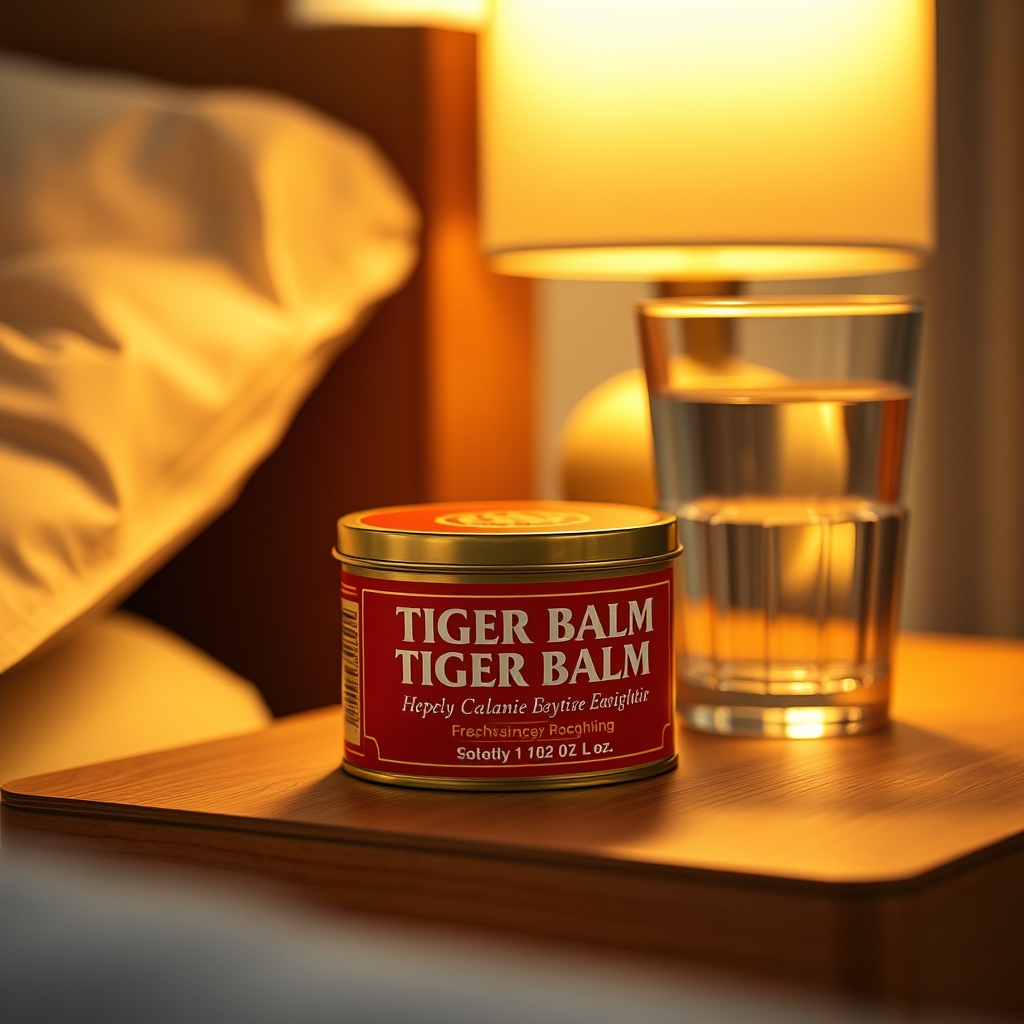
It’s 2 a.m., you’re curled up on the couch, and a sudden ache in your lower back makes you reach for the familiar red tin of Tiger Balm. You pause, wondering if that cooling, menthol‑rich ointment is safe for the tiny person growing inside you. You’re not alone—many expecting parents have that 3 am “should I or shouldn’t I?” moment.
In short, the answer to “tiger balm safe for pregnancy” is “use it with caution.” The product’s active ingredients—menthol, camphor, and a blend of essential oils—are generally considered low‑risk when applied in a thin layer to limited skin areas. However, the safety profile can shift depending on the trimester, the amount you use, and whether you have skin sensitivity or high blood pressure.
Below we break down the evidence from ACOG, the NHS, and the FDA, give you a trimester‑by‑trimester safety snapshot, explain how much you can safely apply, point out potential red‑flag side effects, and suggest gentler alternatives for aches that come with pregnancy.
Keep a small amount of Tiger Balm handy for occasional soothing, but remember less is more during pregnancy.
Trimester / Breastfeeding
Verdict
Notes
First trimester
⚠️ Use with caution
Apply only to limited areas; avoid abdomen and chest; watch for skin irritation.
Second trimester
✅ Generally safe
Thin layer up to 2 times daily is acceptable; avoid large surface areas.
Third trimester
⚠️ Use with caution
Same limits as second trimester; avoid applying near the uterus to reduce theoretical contraction risk.
Breastfeeding
✅ Generally safe
Limited skin contact is unlikely to affect milk; rinse off before nursing.
What is Tiger Balm?
Tiger Balm is a topical analgesic first formulated in the 1870s in China. The classic “Red” version contains menthol (3 %), camphor (11 %), cajuput oil, and clove oil. These ingredients create a cooling sensation that temporarily masks pain by activating cold‑sensing receptors in the skin. The balm is popular for muscle soreness, joint stiffness, and minor aches—conditions that can become more common during pregnancy due to weight gain, hormonal ligament laxity, and altered posture.
Because it’s applied externally, Tiger Balm is not absorbed in large quantities into the bloodstream. However, menthol and camphor can be absorbed through the skin, especially if used over large areas or under occlusive dressings. The U.S. Food and Drug Administration (FDA) classifies camphor‑containing products as “over‑the‑counter” (OTC) topical analgesics, and the agency warns that high concentrations (> 11 %) may be toxic if ingested or applied excessively.
Pregnant people often wonder whether the soothing “tingle” of Tiger Balm could affect a developing fetus. The short answer is that the low systemic exposure from typical use is unlikely to cause harm, but the data are not robust enough for a blanket “always safe” endorsement. That’s why we recommend a cautious approach, especially in the first trimester when organ formation is most vulnerable.
Beyond pain relief, some users apply Tiger Balm to the chest or temples for a feeling of openness during congestion. While menthol can provide a mild decongestant effect, the presence of camphor makes it less ideal for prolonged facial use during pregnancy, especially for those prone to skin sensitivity.
Is Tiger Balm safe during pregnancy?
Current guidance from the American College of Obstetricians and Gynecologists (ACOG) states that topical analgesics containing menthol and camphor can be used “with limited application” during pregnancy, provided there are no contraindications such as skin sensitivity or hypertension. The United Kingdom’s National Health Service (NHS) echoes this, noting that “small amounts of menthol‑based creams are generally safe, but avoid large areas or prolonged use.” The FDA does not list Tiger Balm as a teratogen, but it does advise that products with camphor concentrations above 11 % should not be used on broken skin or in large quantities.
Most of the safety data come from case reports and small observational studies of pregnant women using similar menthol‑camphor ointments for nausea or muscle pain. These reports have not identified a clear link between topical use and fetal malformations, but they also highlight rare skin reactions and the theoretical risk of uterine irritation if applied near the abdomen.
Because the evidence is limited, many obstetricians advise a “use only if needed” philosophy. If you have a history of skin allergies, high blood pressure, or if you’re in the first trimester, it’s wise to discuss any intended use with your provider. For most pregnant people in the second and third trimesters, applying a thin layer to the back, shoulders, or legs—away from the belly—once or twice a day is considered acceptable.
It’s also worth noting that the safety assessment of topical products can differ between countries. In Canada, Health Canada classifies camphor‑containing topical products as “low‑risk” for pregnant users when used as directed, aligning with the ACOG stance. This international consensus reinforces the idea that cautious, limited use is permissible.
Safety by trimester
First trimester
The first trimester (weeks 1–13) is the period of organogenesis, when the baby’s major organs are forming. During this window, ACOG recommends minimizing exposure to any potential teratogens, even those that are low‑risk. Applying Tiger Balm to a small area such as a sore shoulder is generally permissible, but you should avoid the abdomen, chest, and any large skin surface.
If you experience a sudden muscle cramp in the first trimester, a thin dab (about the size of a pea) applied to the affected muscle can provide relief without significant systemic absorption. However, it’s best to limit use to no more than two applications per day and to discontinue if you notice any skin irritation.
Women with a history of miscarriage or those who are particularly anxious about any medication use may choose to avoid topical menthol altogether until the second trimester, opting for non‑medicated methods like warm compresses or gentle stretching.
Second trimester
During the second trimester (weeks 14–27), the baby’s organ systems are maturing, and the placenta becomes more efficient at protecting the fetus from minor external exposures. This is the period when most clinicians feel comfortable allowing limited use of topical analgesics like Tiger Balm.
Applying a thin layer to the lumbar region, shoulders, or thighs up to two times a day is typically considered safe. The key is to avoid covering the area with heat‑retaining materials, as occlusion can increase skin absorption of menthol and camphor.
For pregnant people who experience frequent back aches, pairing Tiger Balm with a supportive maternity pillow or a gentle prenatal yoga routine can enhance comfort without relying on repeated applications.
Third trimester
The third trimester (weeks 28–40) brings increased pressure on the lower back and hips, making muscle discomfort common. While the safety profile of Tiger Balm remains similar to the second trimester, the theoretical risk of uterine irritation is slightly higher because the uterus is more responsive to smooth‑muscle stimulants.
To stay on the safe side, apply the balm only to the lumbar muscles just above the hips and avoid any direct contact with the abdomen. If you notice any uterine cramping, increased fetal movement, or a sudden change in your baby’s activity pattern after application, stop using the product and contact your provider promptly.
Breastfeeding
After delivery, the same cautious approach applies. The amount of menthol and camphor that can transfer into breast milk from limited skin contact is negligible. However, washing the area before nursing removes any residual product and eliminates the remote chance of the infant ingesting trace amounts.
Many lactation consultants recommend sticking with the original “Red” Tiger Balm formulation rather than the higher‑camphor “Ultra” version, simply to keep exposure as low as possible while still offering effective pain relief.
Special considerations and common scenarios
Tiger Balm for prenatal migraines
Headaches and migraines affect up to 20 % of pregnant people, often due to hormonal shifts and increased blood volume. Some expectant mothers reach for Tiger Balm on the temples for a cooling sensation. While menthol can temporarily ease tension, the camphor in the classic formulation may irritate sensitive scalp skin, and applying it near the forehead can increase the risk of accidental ingestion if you touch your face afterward. Experts from the Mayo Clinic suggest using a camphor‑free menthol gel (e.g., Biofreeze) or a cool compress instead, especially during the first trimester.
Tiger Balm for pregnancy‑related leg cramps
Leg cramps are a frequent complaint in the third trimester. A light rub of Tiger Balm on the calf can provide a soothing tingle that distracts from the cramp, but the key is to keep the amount minimal and avoid massaging the area too vigorously, which could increase blood flow and potentially trigger a reflex contraction. A safer alternative is a warm Epsom‑salt foot soak or a magnesium supplement, both of which address the underlying electrolyte imbalance without topical exposure.
What to do if you’ve already applied too much
If you realize you’ve used more than a pea‑size amount or have covered a large skin area, gently wash the region with lukewarm water and mild soap to remove excess product. Monitor the skin for redness, swelling, or a burning sensation. In most cases, the excess will be cleared within an hour, but if you develop persistent irritation or notice any unusual uterine activity, call your obstetrician for guidance. This “wash‑and‑watch” strategy aligns with recommendations from the NHS on managing accidental over‑application of topical agents.
Safe dosage, amount, and brand considerations
Safety hinges on the amount and frequency of application rather than the product itself. The consensus from ACOG and the NHS suggests a “thin layer”—roughly the size of a pea—applied to a single area (e.g., one shoulder or one lower‑back spot) no more than two times per day. This translates to roughly 0.5 g per use, well below the amount needed to cause systemic toxicity.
Do not cover the applied area with a heating pad, plastic wrap, or tight bandage, as occlusion can increase absorption. If you’re using the “Tiger Balm Ultra” formulation, which contains a higher camphor concentration (up to 30 %), the same cautious limits apply, and many clinicians advise avoiding that version altogether during pregnancy.
For breastfeeding mothers, a thin application to the back or limbs poses minimal risk to the infant, but you should still wash the area before nursing to prevent any residue from transferring to the baby’s skin.
When choosing a brand, look for products that clearly label camphor content. The original “Red” Tiger Balm lists 11 % camphor, which aligns with FDA safety thresholds for OTC topical use. Products that exceed this level, such as “Tiger Balm Ultra,” should generally be avoided unless specifically recommended by your provider.
Formulation
Camphor %
Recommended use in pregnancy
Red Tiger Balm (classic)
11 %
Limited, thin‑layer application up to twice daily
Tiger Balm Ultra
30 %
Generally avoided; discuss with provider if needed
Tiger Balm White (for headaches)
11 %
Use only on non‑abdominal areas; limit to once daily
Side effects and risks
The most common risk is local skin irritation, which can present as redness, itching, or a burning sensation. In rare cases, individuals develop an allergic contact dermatitis to menthol, camphor, or the essential oils in the formula. If you notice any of these signs, wash the area immediately and discontinue use.
A theoretical concern is that menthol and camphor might stimulate uterine muscles, potentially triggering contractions. The evidence for this is weak—most studies involve high concentrations or ingestion—but obstetric guidelines advise avoiding application near the abdomen or lower back in the third trimester, when uterine irritability is higher.
People with hypertension should be cautious because camphor can cause a mild increase in heart rate and blood pressure when applied over large areas. While the effect is usually negligible, the NHS recommends consulting a provider before using camphor‑rich products if you have high blood pressure.
Another less‑discussed risk is the potential for accidental ingestion, especially in households with young children. Ingesting camphor in large amounts can be toxic, leading to nausea, vomiting, or seizures. Keep the product out of reach of children and never apply it to broken skin.
Safer alternatives / other safe options
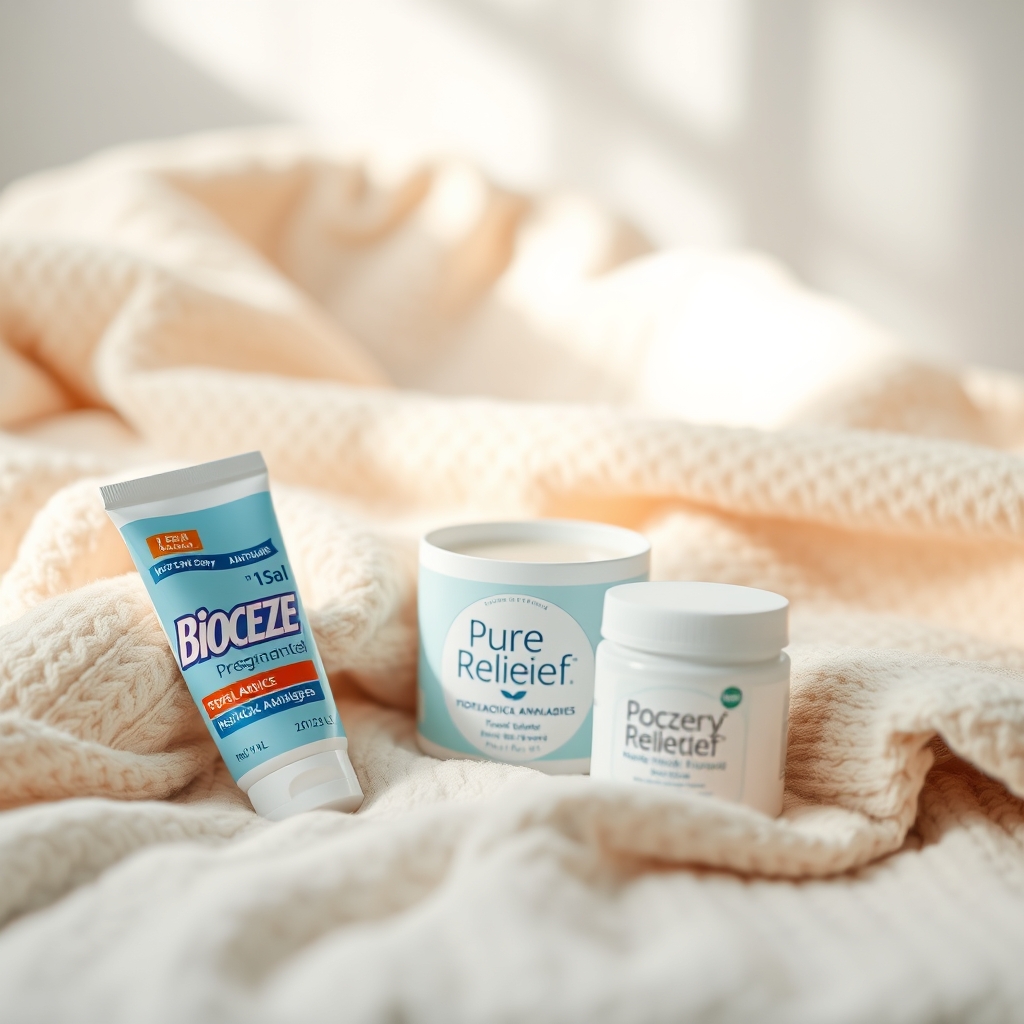
Biofreeze Pain Relief Gel – menthol‑based but free of camphor, making it gentler for sensitive skin.
Pure Relief Natural Pain Relief Cream – contains arnica and calendula without strong irritants.
Burt's Bees Aromatherapy Muscle Rub – uses soothing essential oils like lavender and rosemary, both pregnancy‑safe in moderate amounts.
Sunbeam Pregnancy‑Safe Heating Pad – offers gentle warmth without topical agents.
Arnica Gel by Boiron – pregnancy‑safe topical arnica for mild muscle soreness.
Warm Epsom‑Salt Bath – soaking in warm water with magnesium sulfate can relieve muscle tension without topical medication.
Prenatal Yoga or Stretching Routine – targeted stretches can reduce back pain and improve circulation, often eliminating the need for topical analgesics.
Does the brand of Tiger Balm affect its safety during pregnancy?
Yes, subtle formulation differences can matter. The classic “Tiger Balm Red” contains 11 % camphor, while “Tiger Balm Ultra” raises camphor to 30 % and adds more menthol. The higher camphor concentration increases the potential for skin irritation and systemic absorption, prompting many clinicians to recommend sticking with the original Red version if you decide to use Tiger Balm during pregnancy.
Some regional variants also include additional essential oils (e.g., eucalyptus or peppermint) that might be more irritating for those with sensitive skin. Always read the ingredient list and, if possible, choose the formulation with the lowest camphor content.
Tiger Balm vs other topical analgesics during pregnancy
Product
Verdict
One‑line note
Icy Hot
⚠️ Use with caution
Contains menthol and methyl salicylate, which can be irritating in large amounts.
Salonpas Pain Relieving Patch
✅ Generally safe
Patch delivers a low dose; avoid applying over the abdomen.
Bengay
⚠️ Use with caution
Higher camphor content; limit surface area.
Tiger Balm Ultra
❌ Best avoided
High camphor (30 %) exceeds recommended pregnancy limits.
Vicks VapoRub
✅ Generally safe
Menthol‑rich but camphor‑free; safe for chest congestion.
BenGay Deep Relief
⚠️ Use with caution
Contains methyl salicylate; avoid near the belly.
TheraPain
✅ Generally safe
Low‑dose menthol gel; suitable for localized pain.
Biofreeze
✅ Generally safe
Menthol only, no camphor; good for sensitive skin.
When comparing these products, the key factors are camphor concentration, presence of methyl salicylate (a form of aspirin), and whether the formulation is a patch or a cream. Products without camphor, or with lower concentrations, are typically safer for pregnant users.
Consider swapping Tiger Balm for a camphor‑free option like Biofreeze if you have sensitive skin.
Myth vs. fact
Myth: Tiger Balm can cause birth defects because it contains camphor. Fact: The low systemic absorption from typical topical use makes it unlikely to cause fetal malformations; the main concerns are skin irritation and theoretical uterine irritation.
Myth: All menthol‑based products are unsafe during pregnancy. Fact: Menthol at low concentrations is considered safe by ACOG and the NHS; the risk rises only with large surface area application or when combined with camphor.
Myth: You can apply Tiger Balm all over your body for pain relief. Fact: Applying it to large areas increases absorption and irritation risk; limit use to a pea‑size amount on one spot, no more than twice daily.
Key takeaways
Use Tiger Balm sparingly—no more than a pea‑size amount on a single area, up to twice a day.
Avoid applying near the abdomen or uterus, especially in the first and third trimesters.
If you have sensitive skin, high blood pressure, or a history of dermatitis, consider camphor‑free alternatives.
Prefer the original “Red” Tiger Balm over the “Ultra” version during pregnancy.
Watch for skin irritation or any unusual uterine cramping; stop use and call your provider if symptoms appear.
Always discuss any topical analgesic use with your obstetrician, especially if you’re in the first trimester.
Frequently asked questions
Can I use Tiger Balm while pregnant?
Yes, you can use Tiger Balm during pregnancy, but limit it to a thin layer on a small area and avoid the belly. The consensus from ACOG and the NHS is that occasional, limited use is acceptable.
Is it safe to apply Tiger balm on my belly during pregnancy?
No, applying Tiger Balm on the abdomen is not recommended because camphor and menthol could theoretically stimulate uterine muscles, and skin irritation is more likely on the stretched belly skin.
What are the side effects of Tiger Balm for pregnant women?
Common side effects include localized redness, itching, or a burning sensation. Rarely, an allergic reaction can occur. If you notice any of these, wash the area immediately and stop using the product.
When can I start using Tiger Balm during pregnancy?
You may start using Tiger Balm in the second trimester if needed, but if you choose to use it in the first trimester, keep the amount minimal and avoid the abdomen.
Are there any ingredients in Tiger Balm that are harmful to a fetus?
Menthol and camphor are not classified as teratogens, but high concentrations of camphor (as found in Tiger Balm Ultra) are discouraged. The safest approach is to use the original “Red” formulation with lower camphor levels.
How long should I leave Tiger Balm on my skin while pregnant?
Leave the balm on for no longer than 30 minutes, then gently wipe it off. Re‑apply only after the skin has fully cleared, and do not exceed two applications per day.
Can Tiger Balm cause uterine contractions?
There is no strong evidence that topical Tiger Balm causes uterine contractions, but because menthol and camphor can mildly stimulate smooth muscle, it’s prudent to avoid applying it near the uterus, especially in the third trimester.
Is Tiger Balm safe for pregnant women with high blood pressure?
Women with hypertension should use Tiger Balm cautiously, as camphor can cause a slight increase in heart rate and blood pressure when applied over large areas. A thin, localized application is usually acceptable, but discuss it with your provider first.
Can I use Tiger Balm to relieve nausea during pregnancy?
While menthol can provide a mild soothing sensation for nausea, Tiger Balm is not formulated for internal use. For nausea, many clinicians recommend ginger, vitamin B6 supplements, or acupressure wrist bands instead of topical analgesics.
Is it okay to combine Tiger Balm with other topical pain relievers?
Mixing multiple topical products can increase the risk of skin irritation and compound the amount of menthol or camphor absorbed. It’s best to use only one product at a time and wait at least an hour between applications.
What should I do if I accidentally applied Tiger Balm to my belly?
If you notice you’ve applied Tiger Balm to your abdomen, gently wash the area with mild soap and water as soon as possible. Monitor for any skin irritation or unusual fetal movement, and contact your obstetrician if you have concerns.
Can I use Tiger Balm after delivery for postpartum recovery?
Postpartum use is generally acceptable, provided you continue to apply only a thin layer to non‑breast areas and wash the skin before nursing. Many providers suggest using camphor‑free options for sore muscles after birth.
When to call your doctor
If you experience any of the following after using Tiger Balm, contact your obstetrician or midwife promptly: persistent skin redness or swelling, blistering, severe burning sensation, unexpected uterine cramping, rapid heartbeat, or a sudden increase in blood pressure. These signs may indicate an adverse reaction that warrants medical evaluation. Remember, this article provides general information and does not replace personalized medical advice.
References
American College of Obstetricians and Gynecologists (ACOG). “Medication Use During Pregnancy.” Practice Bulletin, 2022.
National Health Service (NHS). “Topical analgesics and pregnancy.” UK guidance, 2021.
U.S. Food and Drug Administration (FDA). “Camphor – OTC Drug Monograph.” 2020.
Centers for Disease Control and Prevention (CDC). “Pregnancy and medication safety.” 2023.
Mayo Clinic. “Menthol and camphor: Safety in pregnancy.” 2022.
World Health Organization (WHO). “Guidelines on the use of topical analgesics.” 2021.
British Association of Dermatologists. “Contact dermatitis in pregnancy.” 2020.
National Institute for Health and Care Excellence (NICE). “Managing musculoskeletal pain in pregnancy.” 2022.
Health Canada. “Cosmetic ingredient safety for pregnant consumers.” 2021.
International Society of Obstetric Pharmacology. “Topical agents and fetal safety.” 2022.
Not sure about the label on Is Tiger Balm Safe During Pregnancy products?
Snap the ingredients list and SafeFilter checks every ingredient for your stage — only 3 free scans this month, then you're locked until reset. Unlimited from $7/mo or $50/yr.
When Shubhra Mishra was expecting her first child in 2016, she was overwhelmed by conflicting food advice — one site said yes, another said never. By the time her second baby arrived in 2019, she realized millions of mothers face the same confusion.
That sparked a five-year journey through clinical nutrition papers, cultural diets, and expert conversations — all leading to BumpBites: a calm, compassionate space where science meets everyday motherhood.
Her long-term vision is to build a global community ensuring safe, supported, and free deliveriesfor every mother — because no woman should face pregnancy alone or uninformed. 🌿
🌍 Stand with mothers, shape safer guidance
Join a small circle of experts who review BumpBites articles so expecting parents everywhere can decide with confidence.