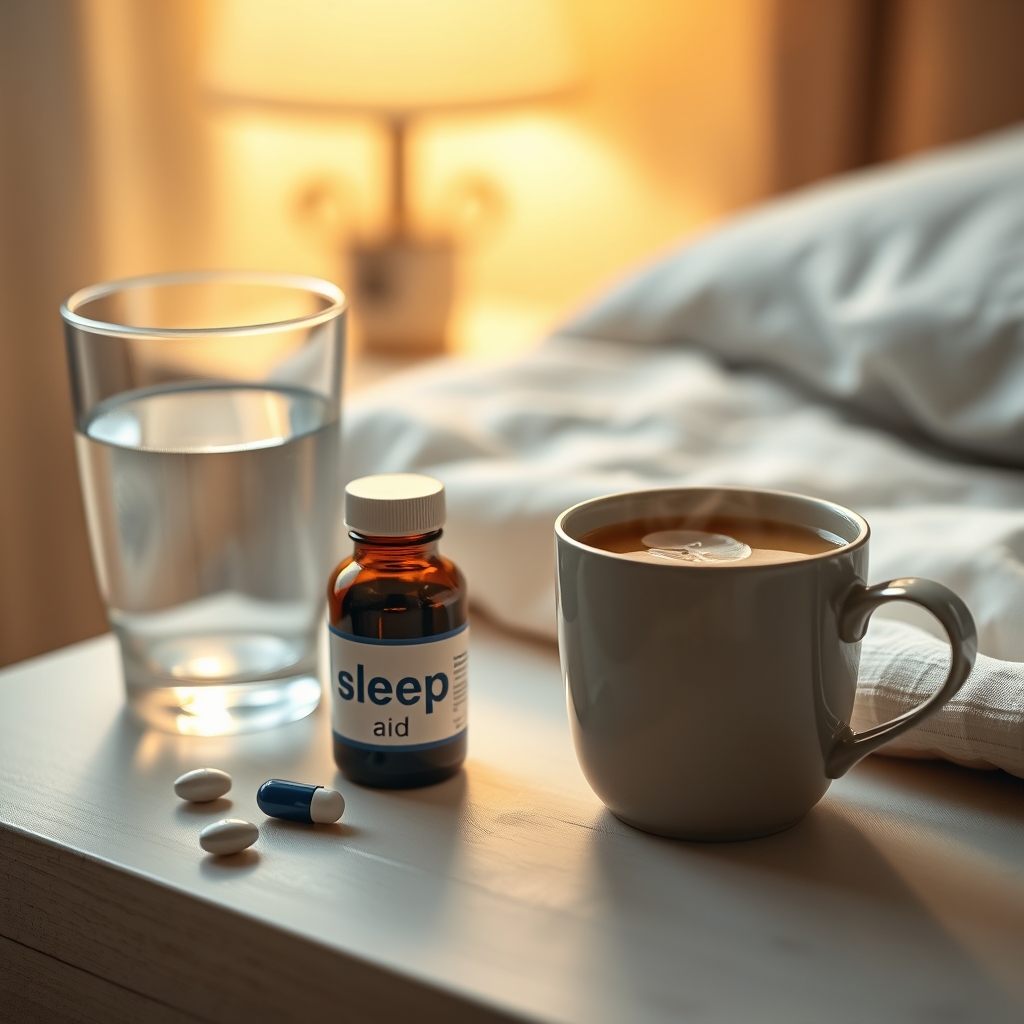
Limit sleep aids during pregnancy, especially in the first trimester due to potential risks and side effects
By Shubhra Mishra — a mom of two who turned her own confusion during pregnancy into BumpBites, a global mission to make food choices clear, safe, and stress-free for every expecting mother. 💛
Check whether any food is safe during pregnancy with the BumpBites Food Safety Checker.
Quick verdict: ⚠️ Talk to your doctor first. Over‑the‑counter and prescription sleep aids can be used in pregnancy only after a risk‑benefit discussion with your provider; many have limits or safer alternatives.
It’s 3 a.m., you’ve tossed and turned for hours, and the thought “are sleep aids safe for pregnancy?” keeps looping in your mind. You might have already reached for an OTC pill, or you’re wondering whether a prescription will help you finally rest. You’re not alone—hundreds of pregnant people search this question each night.
In short, most sleep aids are not automatically safe for pregnancy. Some, like diphenhydramine and doxylamine, are considered low risk when used at the recommended dose, while others—including many prescription hypnotics—carry enough potential risk that doctors usually advise against them unless absolutely necessary. Below we break down the safety of common sleep aids, dosage limits, trimester‑specific guidance, brand considerations, and a suite of non‑medication strategies that can help you get the rest you need.
We’ll walk through the evidence from the American College of Obstetricians and Gynecologists (ACOG), the UK’s National Health Service (NHS), and the U.S. Food and Drug Administration (FDA). By the end you’ll know whether sleep aids are safe for pregnancy, how much you can take, which trimester matters most, and what safer alternatives you can try tonight.
Whether you’re a first‑time parent or adding another little one to the family, the goal is the same: a calm night’s sleep without compromising your baby’s health. Let’s explore what the research says and how you can make informed choices.
Keep a calming bedtime routine nearby—sometimes a simple change can reduce the urge for medication.
Safety snapshot
Trimester / Breastfeeding
Verdict
Notes
First trimester
⚠️ Use only under medical guidance
Organ formation is most vulnerable; avoid prescription hypnotics and limit OTC antihistamines.
Second trimester
⚠️ Use only under medical guidance
Some antihistamines (diphenhydramine, doxylamine) are considered low risk; most prescription agents remain discouraged.
Third trimester
⚠️ Use only under medical guidance
Risk of neonatal sedation and withdrawal; short‑acting agents may be used only when benefits outweigh risks.
Breastfeeding
⚠️ Use only under medical guidance
Many sleep aids pass into breast milk; prefer non‑pharmacologic options.
What are sleep aids?
S
leep aids, also called hypnotics or sedatives, are substances that help you fall asleep or stay asleep. They come in several forms:
Over‑the‑counter (OTC) antihistamines such as diphenhydramine (Benadryl) and doxylamine (Unisom). These block histamine receptors and produce drowsiness as a side effect.
Prescription hypnotics like zolpidem (Ambien), eszopiclone (Lunesta), and ramelteon (Rozerem). They target neurotransmitters that regulate the sleep‑wake cycle.
Herbal and natural products including melatonin, valerian root, and lavender essential oil. Their mechanisms range from mimicking the body’s natural sleep hormone to providing calming aromatherapy.
People use sleep aids for occasional insomnia, shift‑work sleep disorder, or anxiety‑related sleeplessness. In pregnancy, sleep disturbances are common—hormonal shifts, physical discomfort, and nighttime urination can all disrupt rest. However, the safety of each class varies, and the stakes are higher because the developing fetus can be affected by drug exposure.
Beyond the pharmacologic categories, “sleep aids” also encompass lifestyle tools that indirectly promote sleep, such as white‑noise machines, temperature‑controlled bedding, or bedtime stretching routines. These non‑chemical options are not regulated as drugs, but they are an important part of the broader conversation about how to achieve safe, restorative sleep during pregnancy.
Because many pregnant people turn to quick‑fix solutions, we emphasize that any sleep aid—whether a pill, a supplement, or a device—should be evaluated for both efficacy and safety. The safest approach starts with non‑pharmacologic strategies, adding medication only when those measures prove insufficient.
Is it safe to use sleep aids during pregnancy?
Current guidance from ACOG and the NHS suggests that most sleep aids should be avoided unless a provider determines the benefits outweigh the potential risks. The FDA classifies many prescription hypnotics as Category C (risk cannot be ruled out) or Category D (positive evidence of risk). In contrast, certain OTC antihistamines—diphenhydramine and doxylamine—are listed as Category B, meaning animal studies have not shown a risk and there are no well‑controlled studies in pregnant women.
Melatonin, a hormone supplement, is not FDA‑approved for any indication, and data on its safety in pregnancy are limited. The ACOG Committee Opinion (2022) notes that melatonin “may be considered when non‑pharmacologic measures have failed, but only after a thorough discussion with the patient.”
Prescription sleep medications such as zolpidem, eszopiclone, and ramelteon cross the placenta and have been associated with neonatal respiratory depression and withdrawal symptoms when used near delivery. Because of these concerns, clinicians typically reserve them for severe insomnia that does not respond to safer alternatives.
Overall, the consensus is that sleep aids are not first‑line therapy in pregnancy. Non‑medication strategies—like prenatal yoga, warm milk, or guided meditation—are preferred, and when a medication is needed, the lowest effective dose of a Category B OTC antihistamine is usually the safest option under provider supervision.
When a sleep aid is prescribed, it’s essential to keep a written record of the dose, timing, and any side effects. This documentation helps your obstetrician weigh ongoing benefits against any emerging concerns, especially as you move from one trimester to the next.
Are over‑the‑counter sleep aids safe during the first trimester?
The first trimester (weeks 1‑13) is the period of organogenesis, when the baby’s major organs are forming. This window is the most sensitive to potential teratogens. According to the NHS, antihistamines such as diphenhydramine and doxylamine are considered low risk when used at standard adult doses, but they should still be taken only after consulting a healthcare provider.
Prescription hypnotics are generally discouraged in the first trimester because animal studies have shown adverse developmental effects, and human data are limited. If you’ve already taken an OTC antihistamine, the risk of a major birth defect is extremely low, but you should still discuss it with your obstetrician.
Non‑pharmacologic approaches—like establishing a regular bedtime routine, using a pregnancy pillow, or practicing gentle breathing exercises—are especially valuable in the first trimester when medication concerns are highest.
Some clinicians also recommend limiting caffeine and screen exposure in early pregnancy, as both can exacerbate insomnia and indirectly increase the temptation to turn to medication.
Be vigilant about combination products; many nighttime cold or allergy remedies bundle diphenhydramine with decongestants that are not recommended in early pregnancy. Checking the label or asking a pharmacist can prevent inadvertent intake of a non‑safe ingredient.
What is the recommended dosage of diphenhydramine for pregnant women?
Diphenhydramine (Benadryl) is the most studied OTC sleep aid in pregnancy. The standard adult dose is 25 mg to 50 mg taken orally at bedtime, not to exceed 300 mg per day. ACOG advises that occasional use at this dosage is acceptable for short‑term insomnia when other measures have failed.
For pregnant women, the safest practice is to use the lowest effective dose—typically 25 mg—once nightly. Exceeding the recommended daily maximum can increase the risk of anticholinergic side effects such as dry mouth, constipation, or urinary retention, which may be uncomfortable during pregnancy.
It’s important to check combination products; many nighttime cold or allergy medicines also contain diphenhydramine, which could inadvertently raise your total intake. When in doubt, read the label carefully or ask a pharmacist to confirm the total antihistamine content.
If you experience persistent drowsiness the next day, consider spacing the dose earlier in the evening or switching to a different low‑risk option like doxylamine, after discussing it with your provider.
Can melatonin be used safely in pregnancy?
Melatonin is a hormone the body naturally produces to regulate circadian rhythms. While it is available as an OTC supplement, the FDA has not approved it for any medical use, and data on its safety in pregnancy are limited.
Some small observational studies have not found a clear increase in birth defects, but the evidence is insufficient to label melatonin as definitively safe. The ACOG Committee Opinion (2022) suggests melatonin may be considered only after a thorough discussion with your provider and when non‑pharmacologic options have been exhausted.
If you and your doctor decide melatonin is appropriate, a typical low dose is 0.5 mg to 3 mg taken 30–60 minutes before bedtime. Always start at the lowest dose and monitor for any side effects.
Because melatonin can influence other hormonal pathways, some obstetricians prefer to avoid it altogether, especially in the first trimester. Discuss any supplement use with your prenatal care team to ensure it aligns with your overall health plan.
What are the risks of using prescription sleep medications while pregnant?
Prescription hypnotics such as zolpidem (Ambien), eszopiclone (Lunesta), and ramelteon (Rozerem) are categorized by the FDA as having potential risks to the fetus. Studies have linked these drugs to:
Neonatal respiratory depression, especially when taken in the third trimester.
Possible neurodevelopmental effects, though data are still emerging.
Maternal side effects like dizziness, which can increase fall risk as the belly grows.
The CDC’s Pregnancy and Medication Safety database flags these agents as “use only if clearly needed.” In many cases, doctors will try to taper the medication or switch to a Category B antihistamine before considering a prescription hypnotic.
Because the placenta does not fully protect the fetus, any drug that readily crosses it should be used sparingly, and the lowest effective dose should be prescribed for the shortest possible duration.
When a prescription is deemed necessary, clinicians often choose short‑acting agents and schedule close monitoring, especially as delivery approaches.
Which natural sleep aids are safe for pregnant women?
Several non‑pharmacologic and herbal options have a good safety record in pregnancy:
Melatonin (under doctor guidance) – low doses may be considered when other methods fail.
Chamomile tea – generally regarded as safe in moderate amounts (1–2 cups per day).
Lavender essential oil – aromatherapy use is low risk; avoid applying undiluted oil to skin.
Valerian root – limited data, but most experts advise caution; consider it only if recommended by a provider.
These natural aids usually work by promoting relaxation rather than inducing deep sedation, making them a gentler option for both mother and baby.
Another often‑overlooked option is a warm foot soak with Epsom salts before bedtime; the magnesium can help muscles relax and may improve sleep quality without any systemic drug exposure.
How do sleep disorders affect pregnancy outcomes?
Chronic sleep deprivation in pregnancy is linked to several adverse outcomes. The NHS cites increased risks of gestational diabetes, preeclampsia, and longer labor. ACOG’s 2021 practice bulletin notes that poor sleep can also affect mood, contributing to perinatal depression.
Furthermore, insufficient sleep may impair immune function, making pregnant people more susceptible to infections—something the CDC emphasizes during flu season.
Because the stakes are high, addressing sleep problems early—through lifestyle changes, safe sleep aids, or, if necessary, carefully chosen medication—can help protect both maternal and fetal health.
Research also suggests that fragmented sleep in the third trimester can affect fetal heart rate patterns, underscoring the importance of a stable sleep environment as the pregnancy progresses.
Are there brand‑specific sleep aids that are safe for pregnancy?
When choosing an OTC product, look for those that contain only a single, well‑studied ingredient such as diphenhydramine or doxylamine. Brands like Benadryl (diphenhydramine) and Unisom SleepTabs (doxylamine) are often cited in ACOG guidelines as low‑risk options for occasional insomnia.
Avoid multi‑symptom nighttime formulas that add antihistamines to decongestants, antihistamines to pain relievers, or other additives. These combinations can increase the total dose of each active ingredient and introduce substances (e.g., pseudoephedrine) that are not recommended in pregnancy.
Always read labels carefully and discuss any brand you consider with your obstetrician, especially if you have underlying conditions like hypertension or asthma.
Some pharmacies also offer “pregnancy‑safe” sleep aid kits that contain a single antihistamine tablet and a soothing tea bag; these can be a convenient way to stay within safe limits.
What alternatives to sleep pills can pregnant women try?
Melatonin (under doctor guidance) – low‑dose hormone that may help reset your sleep‑wake cycle.
Prenatal yoga – gentle stretches improve relaxation and reduce anxiety.
Warm milk before bedtime – the tryptophan in milk can naturally promote drowsiness.
Chamomile tea – soothing herbal infusion with a calming effect.
Pregnancy pillow – supports the belly and back, easing discomfort that disrupts sleep.
Guided meditation apps – mindfulness recordings help quiet racing thoughts.
Pregnancy‑safe magnesium supplement – may improve sleep depth without sedation.
Acupressure for sleep – simple pressure points can enhance relaxation.
White‑noise machine – creates a consistent auditory backdrop that masks disturbances.
Evening foot soak with Epsom salts – magnesium absorption through the skin can ease muscle tension.
Simple changes—like a pregnancy pillow and a cup of warm milk—can make a big difference in sleep quality.
Safe dosage / amount / brands
Sleep aid
Typical safe dose in pregnancy
Brand examples
Notes
Diphenhydramine (Benadryl)
25 mg–50 mg at bedtime, max 300 mg/day
Benadryl® tablets, generic diphenhydramine
Avoid if you have glaucoma or severe asthma.
Doxylamine (Unisom SleepTabs)
12.5 mg–25 mg at bedtime, max 50 mg/day
Unisom SleepTabs®, generic doxylamine
Often combined with pyridoxine for morning‑sickness relief.
Melatonin (supplement)
0.5 mg–3 mg 30–60 min before sleep (doctor‑guided)
Nature Made®, Pure Encapsulations®
Discuss with provider; avoid high doses (>5 mg).
Magnesium glycinate
200 mg–300 mg elemental magnesium daily
Thorne Research®, New Chapter®
Supports muscle relaxation; check for diarrhea.
Side effects and risks
Even “safe” sleep aids can cause side effects that affect you and your baby:
Antihistamines (diphenhydramine, doxylamine): Dry mouth, constipation, urinary retention, and occasional next‑day drowsiness. These are generally mild but can be uncomfortable.
Melatonin: Dizziness, vivid dreams, or mild headache. High doses may affect hormone balance.
Prescription hypnotics: Neonatal respiratory depression, potential withdrawal symptoms, and increased risk of falls for the mother.
Herbal supplements: Variable purity; some may contain undisclosed sedatives that could affect the fetus.
If you experience severe dizziness, difficulty breathing, rapid heartbeat, or any sign of an allergic reaction, seek medical attention immediately. For persistent sleeplessness despite safe measures, schedule a follow‑up with your obstetrician.
Safer alternatives
Melatonin (under doctor guidance) – low‑dose hormone that may help reset your sleep‑wake cycle.
Non‑chemical tool; helpful for masking nighttime disturbances.
Magnesium glycinate
✅ Generally safe
Supports muscle relaxation; stay within recommended daily allowance.
Myth vs. fact
Myth: All sleep pills are safe because they’re over the counter. Fact: Only certain antihistamine‑based OTC products have a safety record in pregnancy; many OTC and all prescription hypnotics carry potential fetal risks.
Myth: Melatonin is a vitamin, so it’s automatically safe. Fact: Melatonin is a hormone supplement with limited pregnancy research; it should be used only after a doctor’s approval.
Myth: If you slept poorly for a few nights, the baby won’t be affected. Fact: Chronic sleep deprivation can increase risks of gestational diabetes, hypertension, and mood disorders, impacting both mother and baby.
Myth: Herbal teas are always safe because they’re “natural.” Fact: Some herbs can contain active compounds that affect uterine tone or hormone levels; always verify safety with your provider.
Key takeaways
Sleep aids are not first‑line in pregnancy; discuss any use with your provider.
Diphenhydramine and doxylamine are the most studied OTC options and are generally considered low risk at standard doses.
Prescription hypnotics (e.g., Ambien, Lunesta) are usually avoided because of fetal and neonatal concerns.
Melatonin may be used under medical guidance, but evidence is limited.
Non‑medication strategies—prenatal yoga, warm milk, chamomile tea, and a pregnancy pillow—are safe and often effective.
Always review product labels for hidden ingredients and avoid multi‑symptom nighttime formulas.
Maintain a consistent sleep schedule and limit caffeine after 2 p.m. to support natural sleep patterns.
If you’re breastfeeding, choose non‑pharmacologic options first, as many sleep aids pass into breast milk.
Frequently asked questions
Can I take sleep medication while pregnant?
Only after a thorough risk‑benefit discussion with your provider. OTC antihistamines like diphenhydramine may be used at low doses, while most prescription hypnotics are best avoided.
Is melatonin safe during pregnancy?
Melatonin is not confirmed as safe; it may be considered at low doses (0.5‑3 mg) only under doctor supervision after other methods have failed.
What over‑the‑counter sleep aids are safe for pregnant women?
Diphenhydramine (Benadryl) and doxylamine (Unisom) are the most studied OTC sleep aids and are generally regarded as low risk when used at recommended doses.
How many hours of sleep do pregnant women need?
Pregnant adults typically need 7‑9 hours of sleep per night; many find they require an extra 30‑60 minutes of rest as the pregnancy progresses.
What are the side effects of sleep aids for pregnant women?
Common side effects include dry mouth, constipation, and next‑day drowsiness for antihistamines; prescription hypnotics can cause more serious issues like neonatal respiratory depression.
Are herbal sleep aids safe during pregnancy?
Chamomile tea and lavender aromatherapy are generally considered safe; valerian root and other herbs should be used only after consulting a provider due to limited safety data.
Can I combine a sleep aid with prenatal vitamins or other supplements?
Most sleep aids do not interact with prenatal vitamins, but certain antihistamines can increase drowsiness when taken with other sedating supplements. Always check with your obstetrician or pharmacist before stacking products.
Is it safe to use a sleep aid in the second trimester?
In the second trimester, low‑dose diphenhydramine or doxylamine may be considered under medical guidance, while prescription hypnotics remain discouraged unless absolutely necessary.
What should I do if I accidentally took a higher dose of a sleep aid?
If you think you’ve taken more than the recommended amount, call your obstetrician or a poison‑control center right away. Most antihistamine overdoses cause mild symptoms, but it’s important to get professional guidance.
Can I use sleep aids while trying to conceive?
Before pregnancy is confirmed, many OTC antihistamines are considered low risk, but it’s still wise to discuss any regular use with your provider, especially if you’re planning pregnancy.
Chamomile tea and a supportive pillow can be a gentle way to improve sleep without medication.
When to call your doctor
If you notice any of the following after taking a sleep aid, contact your obstetrician or seek emergency care:
Severe dizziness or fainting
Difficulty breathing or swelling of the face/lips
Rapid heartbeat or chest pain
Persistent nausea or vomiting that prevents you from staying hydrated
Signs of neonatal distress after birth (e.g., difficulty breathing, poor feeding)
These symptoms may indicate an adverse reaction or a more serious complication. Always remember that this article is informational and not a substitute for personalized medical advice.
References
American College of Obstetricians and Gynecologists. Committee Opinion No. 757: Use of Medications in Pregnancy. 2022.
National Health Service (NHS). “Sleep and Pregnancy.” Updated 2023.
U.S. Food and Drug Administration (FDA). “Pregnancy and Lactation Labeling Rule (PLLR).” 2021.
Centers for Disease Control and Prevention (CDC). “Medication Use in Pregnancy.” 2022.
World Health Organization (WHO). “Recommendations for Safe Use of Medicines in Pregnancy.” 2020.
Mayo Clinic. “Insomnia: Causes, Symptoms, and Treatment.” Accessed July 2024.
National Institute for Health and Care Excellence (NICE). “Guidance on Managing Sleep Disorders in Pregnancy.” 2023.
Harvard Health Publishing. “Melatonin and Pregnancy: What the Research Says.” 2022.
Not sure about the label on Is Sleep Aids Safe During Pregnancy products?
Snap the ingredients list and SafeFilter checks every ingredient for your stage — only 3 free scans this month, then you're locked until reset. Unlimited from $7/mo or $50/yr.
When Shubhra Mishra was expecting her first child in 2016, she was overwhelmed by conflicting food advice — one site said yes, another said never. By the time her second baby arrived in 2019, she realized millions of mothers face the same confusion.
That sparked a five-year journey through clinical nutrition papers, cultural diets, and expert conversations — all leading to BumpBites: a calm, compassionate space where science meets everyday motherhood.
Her long-term vision is to build a global community ensuring safe, supported, and free deliveriesfor every mother — because no woman should face pregnancy alone or uninformed. 🌿
🌍 Stand with mothers, shape safer guidance
Join a small circle of experts who review BumpBites articles so expecting parents everywhere can decide with confidence.