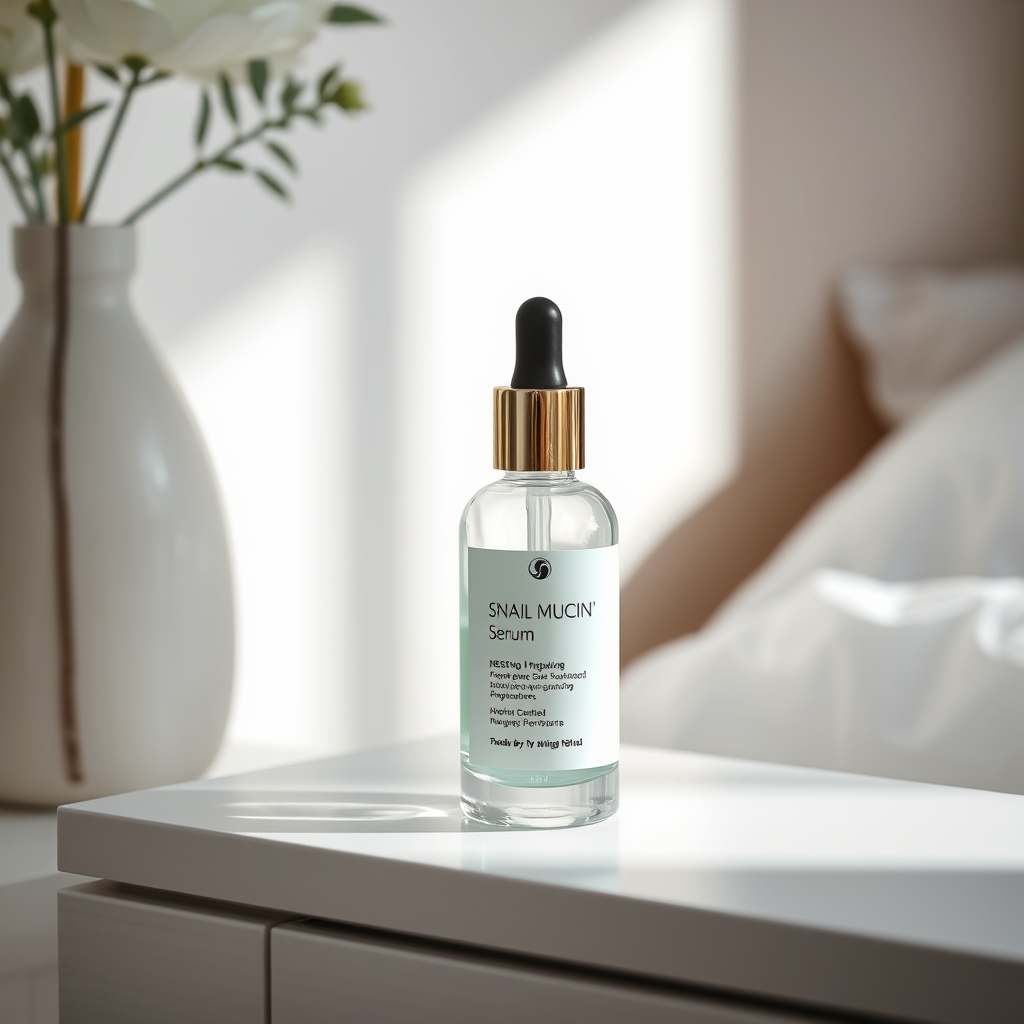
Safe: Snail mucin is generally okay during pregnancy, but limit use to 2‑3% concentrations after the first trimester. Learn the recommended dosage and safe alternatives.
By Shubhra Mishra — a mom of two who turned her own confusion during pregnancy into BumpBites, a global mission to make food choices clear, safe, and stress-free for every expecting mother. 💛
Check whether any food is safe during pregnancy with the BumpBites Food Safety Checker.
Quick verdict: ⚠️ Talk to your doctor first. Snail mucin is not considered unsafe, but because its ingredients can vary, most obstetric guidelines recommend using it only after discussing it with your provider, especially in the first trimester.
It’s 2 a.m., the bathroom light is on, and you’ve just opened a new jar of snail mucin serum you found on a beauty‑blog list. “Is snail mucin safe for pregnancy?” you whisper to the empty room, heart racing. You’re not alone—many expectant parents wonder whether this trendy skincare ingredient might harm their baby or cause unexpected skin reactions.
In short, the current guidance from organizations like the American College of Obstetricians and Gynecologists (ACOG) and the UK’s National Health Service (NHS) is that snail mucin is not a known teratogen, but because formulations can include preservatives, fragrances, or other actives that haven’t been studied in pregnancy, it’s safest to get a professional’s okay before regular use. Below we break down the evidence, trimester‑specific recommendations, dosage tips, brand suggestions, safer alternatives, and what to watch for if you decide to keep it on your vanity.
Read on for a clear answer to whether snail mucin is safe for pregnancy, how much you can apply, which brands are considered pregnancy‑friendly, and what other skin‑care ingredients you can rely on without worry.
Tip: Store snail mucin in a cool, dry place to maintain its stability and avoid contamination.
Period
Verdict
Notes
First trimester
⚠️ Talk to your doctor
Limited data; avoid if product contains added fragrances or strong actives.
Second trimester
✅ Generally safe with limits
Choose pure snail mucin formulas without irritants; patch test first.
Third trimester
✅ Generally safe
Same precautions as second trimester; monitor for any skin changes.
Breastfeeding
⚠️ Talk to your doctor
Potential transfer through breast milk is unstudied; err on the side of caution.
What is snail mucin?
Snail mucin, also called snail secretion filtrate, is a viscous fluid harvested from the slime of land snails (often Helix aspersa or Cronulla species). The secretion contains a blend of glycoproteins, hyaluronic acid, glycolic acid, allantoin, antioxidants, and peptides. Skincare brands market it for its purported ability to hydrate, soothe, and promote collagen synthesis, making it popular for treating dry patches, acne scars, and fine lines.
During processing, the raw slime is filtered, sterilized, and often combined with other ingredients like glycerin, botanical extracts, or fragrance. The final product can be a serum, cream, or mask. Because the exact composition varies widely between brands, the safety profile depends not just on the snail secretions themselves but also on any added stabilizers or preservatives.
For pregnant people, the key question is whether any component could cross the placenta or cause an allergic reaction. The snail-derived portion is largely composed of large molecules that are unlikely to be systemically absorbed, but the accompanying ingredients may be more concerning.
Is snail mucin safe during pregnancy?
Overall, snail mucin is not classified as a teratogen, and there are no documented cases of fetal harm directly linked to its use. The FDA does not list snail mucin as a drug, so it falls under the category of cosmetics, which are not required to undergo pre‑market safety testing for pregnancy. However, the American College of Obstetricians and Gynecologists (ACOG) advises that pregnant patients should be cautious with any topical product that contains active ingredients lacking robust safety data.
The UK’s NHS similarly recommends that expectant mothers avoid products with unknown or potentially irritating ingredients, especially during the first trimester when organ development is most sensitive. Because many snail mucin formulations include fragrances, parabens, or other preservatives, the safest route is to select a “pure” snail mucin product that lists only snail secretion filtrate and basic carriers like water or glycerin.
Most dermatologists echo this cautious stance, noting that while the mucin itself is unlikely to penetrate deeply enough to affect the fetus, the risk of skin irritation or allergic reaction can be higher during pregnancy due to hormonal changes. If a product causes redness, itching, or a rash, discontinue use and consult your provider.
Is snail mucin safe to use during the first trimester of pregnancy?
During the first trimester, the embryo undergoes organogenesis, a period when teratogenic exposures are most concerning. While snail mucin itself is not a known teratogen, many products on the market contain added fragrances, essential oils, or exfoliating acids that have not been studied in pregnant populations. ACOG’s general recommendation is to limit exposure to such untested ingredients until the second trimester.
If you still wish to use snail mucin in the first trimester, choose a formula that contains only the pure secretion and a neutral carrier, and perform a patch test on a small area of skin for at least 48 hours. If no irritation occurs, a light application (pea‑size amount) once daily is likely acceptable, but always confirm with your obstetrician.
Can I use snail mucin in the second trimester of pregnancy?
By the second trimester, the risk of major congenital anomalies has decreased, and many clinicians allow the use of a broader range of skincare products. Snail mucin can generally be used safely in the second trimester, provided the product is free from strong exfoliants (like high‑strength glycolic acid) and irritating fragrances. The NHS advises that products with a clean ingredient list are permissible after the first 12 weeks.
For most pregnant people, a snail mucin serum applied once in the morning after cleansing is a reasonable routine. Keep the amount modest—no more than a thin layer over the entire face—and monitor for any signs of sensitivity.
What is the recommended dosage of snail mucin for pregnant women?
Because snail mucin is a topical cosmetic, “dosage” refers to the amount applied to the skin rather than an oral dose. Dermatologists typically suggest using no more than a pea‑sized amount (about 0.5 ml) per application, spread evenly over the face and neck. Most manufacturers recommend 1–2 applications per day; for pregnancy, it’s prudent to stick to once‑daily use.
Apply the serum after cleansing and before any heavier moisturizers, allowing it to absorb for a minute or two. If you combine it with other actives, such as Vitamin C or niacinamide, keep the routine simple—avoid layering multiple exfoliating agents on the same day.
Are there any risks or side effects associated with snail mucin use while pregnant?
Potential side effects are generally mild and skin‑related:
Contact dermatitis: Rare, but possible if you’re sensitive to added fragrances or preservatives.
Acne flare‑ups: Some users report a temporary increase in breakouts when introducing new actives.
Stinging or tingling: May occur if the product contains a higher concentration of glycolic acid.
Systemic risks are not documented, but because the safety of many ancillary ingredients remains unverified, the safest approach is to choose a product with a short, transparent ingredient list. If you notice persistent redness, swelling, or a rash, stop using the product and contact your healthcare provider.
Which snail mucin skincare brands are considered safe for pregnancy?
When looking for pregnancy‑friendly snail mucin, prioritize brands that explicitly label the product as “fragrance‑free,” “paraben‑free,” and “no added acids.” Some widely available options that meet these criteria include:
Cosrx Advanced Snail 96 Mucin Power Essence – minimal formula with 96 % snail secretion filtrate, no fragrance.
Mizon Snail Repair Intensive Essence – contains only snail mucin, glycerin, and panthenol.
Benton Snail Bee High Content Essence – combines snail mucin with bee venom but avoids strong acids; check for personal allergy to bee venom.
Etude House Moistfull Collagen Essence – though marketed as collagen, it includes a small amount of snail mucin and is fragrance‑free.
Always read the full ingredient list, as formulations can change. If a brand adds “essential oils” or “fragrance,” consider a different product or consult your provider.
What are safe alternatives to snail mucin for pregnant skin?
Hyaluronic Acid Serum – provides deep hydration without known pregnancy risks.
Vitamin C Serum – antioxidant protection and brightening; safe when formulated without added acids.
Niacinamide Cream – reduces redness and improves barrier function; widely recommended for pregnant skin.
Aloe Vera Gel – soothing, moisturizing, and safe for all trimesters.
Rosehip Oil – rich in essential fatty acids and vitamin A‑beta carotene; safe when used in moderate amounts.
Centella Asiatica Extract – known for its calming properties and skin‑repair benefits.
Ceramide Moisturizer – reinforces the skin barrier without irritation.
How does snail mucin affect pregnancy‑related skin conditions like melasma?
Melasma, a common hyperpigmentation disorder during pregnancy, often worsens with hormonal changes. Snail mucin contains a modest amount of glycolic acid, which can gently exfoliate pigmented cells. However, because the concentration is typically low, its effect on melasma is mild and not a primary treatment. Dermatologists usually recommend sun protection and ingredients like niacinamide or vitamin C for melasma during pregnancy, both of which have stronger evidence of safety and efficacy.
If you’re already using snail mucin and notice that melasma is becoming more pronounced, consider swapping to a niacinamide or vitamin C serum, and always apply a broad‑spectrum sunscreen of at least SPF 30.
Is it okay to use snail mucin serum while breastfeeding?
There is no direct research on the transfer of snail mucin through breast milk, and the FDA does not require such testing for cosmetics. Because the molecule size of snail secretion filtrate is large, systemic absorption is minimal, but the caution remains for any added preservatives or fragrances. The American Academy of Pediatrics (AAP) advises that breastfeeding mothers should be wary of topical products with unknown safety profiles.
Therefore, while many clinicians consider it low risk, it’s best to discuss use with your pediatrician or OB‑GYN, especially if you use a product that contains other actives.
Organize your routine with pregnancy‑approved products to keep your skin happy and your mind at ease.
First trimester
During weeks 1–12, the embryo’s organs are forming. ACOG recommends minimizing exposure to unknown topical actives. If you decide to use snail mucin, select a pure formulation, limit application to once daily, and perform a patch test. Watch for any signs of irritation, and if they appear, discontinue use immediately.
Second trimester
From weeks 13–27, the risk of major congenital anomalies drops, and many clinicians allow broader skincare options. Snail mucin can be incorporated safely if the product is fragrance‑free and free of strong acids. Continue to apply a pea‑size amount once per day, and consider rotating with hyaluronic acid on alternate days to reduce cumulative exposure to any single active.
Third trimester
In the final three months, skin can become more sensitive, and some women experience increased dryness or itching. Snail mucin’s moisturizing properties can be beneficial, but keep the routine simple. One application in the evening after cleansing is sufficient. If you develop any swelling or unexplained skin changes, contact your provider.
Breastfeeding
While there is no evidence that snail mucin passes into breast milk, the lack of specific studies means caution is still warranted. The AAP suggests that breastfeeding mothers use only products with well‑established safety records. Choosing a pure snail mucin serum without added fragrances or preservatives is the most prudent approach, and you should discuss any concerns with your pediatrician.
Safe dosage / amount / brands
Because snail mucin is a topical product, “dosage” refers to the quantity applied per use. The consensus among dermatologists is to use no more than a pea‑size amount (approximately 0.5 ml) per application, spread evenly over the face, neck, and décolletage. Most commercially available snail mucin serums are packaged in 30‑ml or 50‑ml bottles, meaning a single bottle can last several weeks when used as directed.
For pregnant users, the following brands are frequently cited by clinicians as having the cleanest ingredient lists:
Brand
Product
Verdict
Notes
Cosrx
Advanced Snail 96 Mucin Power Essence
✅ Generally safe
96 % snail mucin, fragrance‑free, no added acids.
Mizon
Snail Repair Intensive Essence
✅ Generally safe
Simple formula; contains panthenol and glycerin only.
Benton
Snail Bee High Content Essence
⚠️ Use with caution
Includes bee venom; safe unless allergic.
Etude House
Moistfull Collagen Essence
✅ Generally safe
Fragrance‑free, but verify the latest ingredient list.
When selecting a product, always read the INCI (International Nomenclature of Cosmetic Ingredients) list. Avoid any that list “fragrance,” “essential oil,” “paraben,” “phenoxyethanol,” or high concentrations of glycolic or lactic acid unless your provider has approved their use.
Side effects and risks
Most users experience mild, temporary skin sensations:
Redness or mild irritation: Usually resolves within 24 hours; discontinue if it persists.
Breakouts: Can occur if the product clogs pores; use a gentle cleanser and consider a non‑comedogenic formula.
Allergic reaction: Rare but possible, especially with added bee venom or essential oils; seek medical attention if you develop swelling, hives, or difficulty breathing.
Systemic risks such as fetal toxicity have not been reported, but because pregnancy can amplify sensitivities, any persistent or worsening symptoms should prompt a call to your obstetrician.
Safer alternatives
Hyaluronic Acid Serum – offers deep hydration without irritation; safe for all trimesters.
Vitamin C Serum – brightens skin and combats free radicals; choose a formulation without added acids.
Niacinamide Cream – reduces redness and improves barrier function; widely endorsed by dermatologists for pregnant skin.
Aloe Vera Gel – naturally soothing and moisturizing; ideal for sensitive skin.
Rosehip Oil – rich in essential fatty acids and beta‑carotene; supports skin repair safely.
Centella Asiatica Extract – calms inflammation and promotes healing; a favorite for pregnancy‑related eczema.
Ceramide Moisturizer – reinforces the skin barrier; excellent for dry or itchy skin during pregnancy.
Related items — safety at a glance
Item
Verdict
One‑line note
Retinol
❌ Best avoided
Known teratogen; can cause birth defects.
Glycolic Acid
⚠️ Talk to your doctor
Exfoliant; limited safety data, avoid high concentrations.
Peptide Serum
✅ Generally safe
Large molecules; minimal systemic absorption.
Collagen Cream
✅ Generally safe
Topical; does not penetrate deeply.
Alpha Arbutin
⚠️ Talk to your doctor
Skin‑lightening; limited pregnancy research.
Kojic Acid
⚠️ Talk to your doctor
Potential irritant; avoid if you have sensitive skin.
Vitamin E Oil
✅ Generally safe
Antioxidant; widely used in prenatal skincare.
Myth vs. fact
Myth: Snail mucin is a “natural” ingredient, so it can’t possibly be harmful during pregnancy. Fact: While the snail secretion itself is low‑risk, many commercial products contain added fragrances, preservatives, or acids that have not been studied in pregnant populations.
Myth: Because snail mucin is used in many Korean beauty routines, it must be safe for everyone, including pregnant women. Fact: Skincare trends do not replace clinical safety data; obstetric guidelines still advise caution with any untested topical ingredient.
Myth: Applying snail mucin on the skin can affect the baby through the bloodstream. Fact: The large molecules in snail mucin are unlikely to penetrate deeply enough to reach systemic circulation, but the added ingredients could cause local irritation, which is why professional guidance is recommended.
Key takeaways
Snail mucin itself is not a known teratogen, but many products contain added ingredients that lack pregnancy safety data.
During the first trimester, limit use to pure, fragrance‑free formulas and discuss with your provider.
In the second and third trimesters, a pea‑size amount once daily is generally considered safe if the product is simple and non‑irritating.
Choose reputable brands with transparent ingredient lists; avoid fragrances, essential oils, and strong acids.
If you experience redness, itching, or a rash, stop using the product and contact your obstetrician.
Safer alternatives like hyaluronic acid, niacinamide, or aloe vera provide similar hydration and soothing benefits without unknown risks.
Frequently asked questions
Can pregnant women use snail mucin?
Yes, but only if the product is pure snail mucin without added fragrances, acids, or other actives, and after you’ve consulted your obstetrician.
Is snail mucin safe for pregnant skin?
Snail mucin itself is considered low risk, yet many formulations include ingredients that haven’t been studied in pregnancy, so a cautious, doctor‑approved approach is recommended.
What are the side effects of snail mucin during pregnancy?
Typical side effects are mild skin irritation, redness, or occasional breakouts; systemic effects have not been reported.
How much snail mucin can I apply while pregnant?
Apply no more than a pea‑size amount (about 0.5 ml) once daily, spreading it thinly over the face and neck.
Which snail mucin brands are safe for pregnancy?
Brands such as Cosrx Advanced Snail 96 Mucin Power Essence, Mizon Snail Repair Intensive Essence, and fragrance‑free versions of Benton Snail Bee High Content Essence are commonly recommended, but always verify the latest ingredient list.
Are there any pregnancy risks with snail mucin skincare?
While direct fetal risk is unreported, the main concerns are potential skin irritation from added fragrances or acids, which can be uncomfortable during pregnancy.
Is snail mucin safe during breastfeeding?
There’s no evidence of harm to the infant, but because the safety of added ingredients is unknown, it’s best to discuss use with your pediatrician or OB‑GYN.
When to call your doctor
If you notice any of the following after using snail mucin, contact your healthcare provider promptly:
Persistent redness, swelling, or itching that lasts more than 24 hours.
Development of a rash, hives, or any sign of an allergic reaction.
Severe acne flare‑ups that do not improve with gentle cleansing.
Any systemic symptoms such as fever, chills, or unexplained fatigue.
These guidelines are informational only and do not replace personalized medical advice. Always discuss any new skincare product with your obstetrician or dermatologist.
References
American College of Obstetricians and Gynecologists (ACOG). “Medication and Pregnancy.” ACOG Committee Opinion, 2022.
National Health Service (NHS). “Skincare during pregnancy.” NHS UK, 2023.
U.S. Food and Drug Administration (FDA). “Cosmetics: Safety and Regulatory Information.” FDA website, accessed July 2024.
Centers for Disease Control and Prevention (CDC). “Pregnancy and Your Health.” CDC, 2023.
American Academy of Pediatrics (AAP). “Breastfeeding and Maternal Medication.” AAP Clinical Report, 2021.
Mayo Clinic. “Skin care during pregnancy.” Mayo Clinic, 2022.
World Health Organization (WHO). “Guidelines on Cosmetic Safety.” WHO, 2021.
Not sure about the label on Is Snail Mucin Safe During Pregnancy products?
Snap the ingredients list and SafeFilter checks every ingredient for your stage — only 3 free scans this month, then you're locked until reset. Unlimited from $7/mo or $50/yr.
When Shubhra Mishra was expecting her first child in 2016, she was overwhelmed by conflicting food advice — one site said yes, another said never. By the time her second baby arrived in 2019, she realized millions of mothers face the same confusion.
That sparked a five-year journey through clinical nutrition papers, cultural diets, and expert conversations — all leading to BumpBites: a calm, compassionate space where science meets everyday motherhood.
Her long-term vision is to build a global community ensuring safe, supported, and free deliveriesfor every mother — because no woman should face pregnancy alone or uninformed. 🌿
🌍 Stand with mothers, shape safer guidance
Join a small circle of experts who review BumpBites articles so expecting parents everywhere can decide with confidence.