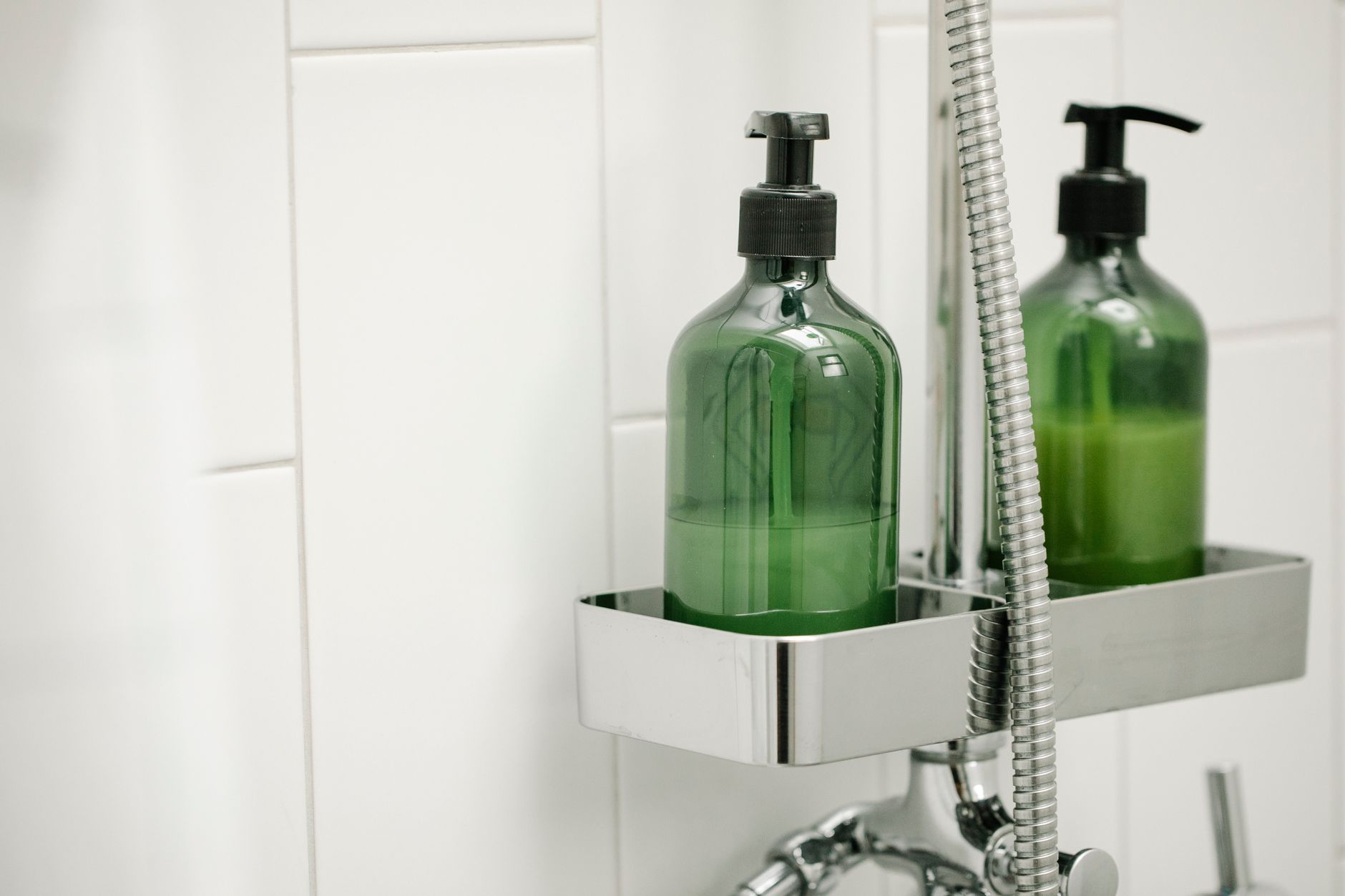
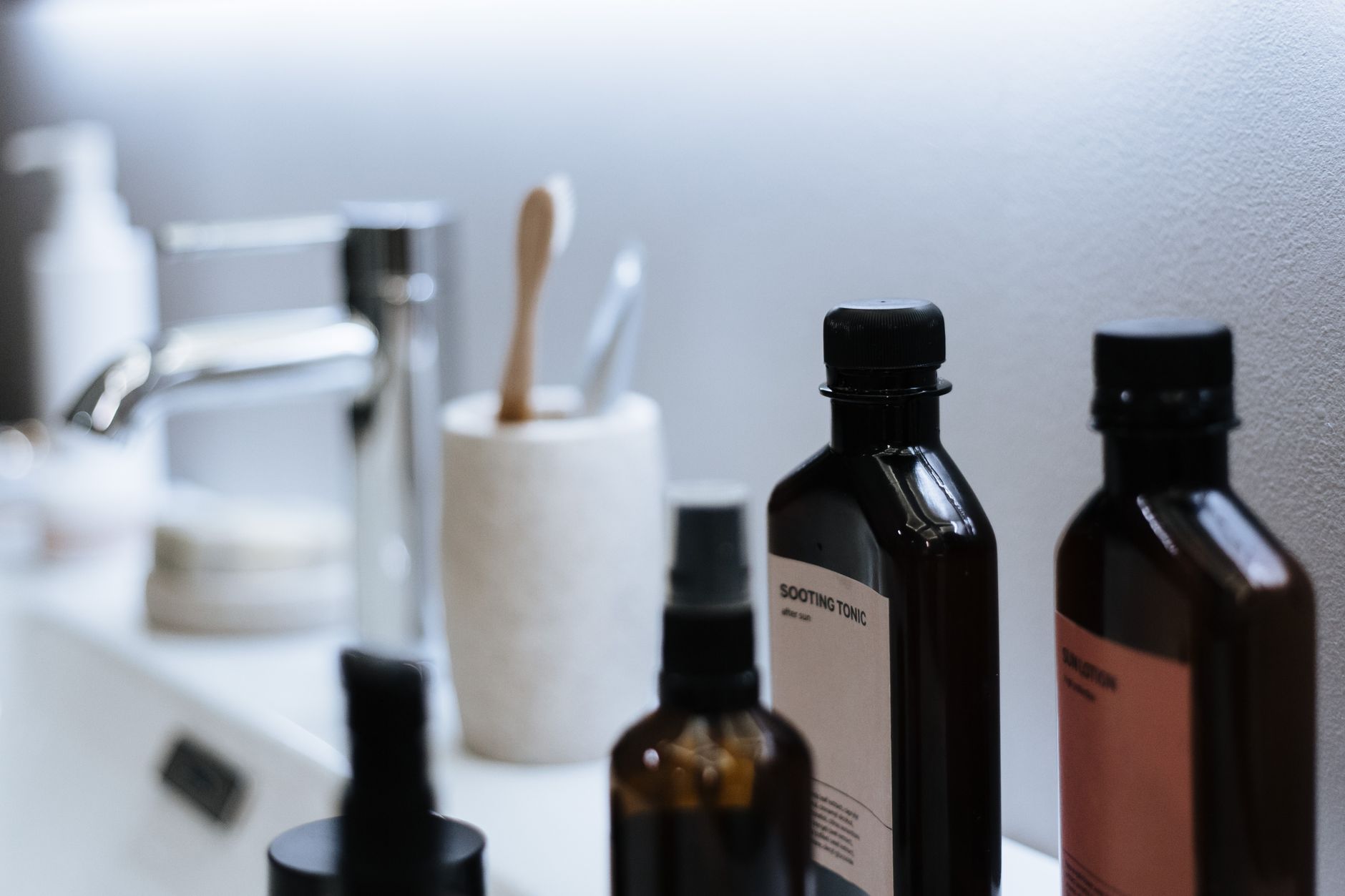
Safe: Most skin care products are safe for pregnancy, but retinoids should be avoided in the first trimester and active ingredients limited to 2% concentration.
By Shubhra Mishra — a mom of two who turned her own confusion during pregnancy into BumpBites, a global mission to make food choices clear, safe, and stress-free for every expecting mother. 💛
Check whether any food is safe during pregnancy with the BumpBites Food Safety Checker.
Quick verdict: ⚠️ Talk to your doctor first. Most over‑the‑counter skin‑care products are fine in pregnancy when used as directed, but certain active ingredients (like retinoids and high‑dose salicylic acid) should be avoided or limited. Check ingredient lists, follow dosage guidelines, and consider safer alternatives.
It’s 2 a.m., the bathroom light is on, and you’re staring at a bottle of serum wondering if it’s skin care safe for pregnancy. You’re not alone—many expecting parents experience that same “what‑if” moment when a new product sits on the counter. The good news is that most everyday cleansers, moisturizers, and sunscreens pose little risk, but a handful of powerful actives can cross the placenta and should be used with caution.
In this guide we’ll break down exactly what “skin care safe for pregnancy” means, how safety changes across the first, second, and third trimesters, which ingredients to steer clear of, and how much of a product you can comfortably apply each day. We’ll also suggest gentler substitutes, point you toward trusted brands, and give you a quick‑reference table so you can make confident decisions without the midnight panic.
Whether you’re already using a favorite moisturizer or considering a new acne treatment, reading on will give you the evidence‑based reassurance you need—plus a clear plan for any product you’re unsure about. And if you’ve already applied something that might be questionable, we’ll explain why a single use is rarely catastrophic and how to move forward with confidence.
Because skin‑care routines are personal, we’ve organized the information by trimester, ingredient class, and product type, so you can quickly find the answer that matches your current concern. All recommendations reflect guidance from the American College of Obstetricians and Gynecologists (ACOG), the UK’s National Health Service (NHS), and other leading health authorities.
Trimester / Stage
Verdict
Notes
First trimester
⚠️ Caution
Avoid retinoids, high‑dose salicylic acid, and strong chemical exfoliants; stick to fragrance‑free cleansers and moisturizers.
Second trimester
✅ Generally safe
Most moisturizers, sunscreens, and gentle acids (≤10% AHAs) are acceptable; continue to avoid retinoids.
Third trimester
✅ Generally safe
Same as second trimester; watch for increased skin sensitivity and avoid anything that could cause irritation.
Breastfeeding
✅ Generally safe
Topical absorption is low, but limit potent actives and choose products labeled “safe for nursing mothers.”
What is skin care?
Skin‑care products encompass everything from facial cleansers and moisturizers to serums, sunscreens, and specialty treatments like peels. Most are designed to sit on the surface of the skin, delivering moisture, UV protection, or a targeted active ingredient. Because the skin is a barrier, only a small fraction of any ingredient reaches the bloodstream, but certain small, lipophilic molecules (such as retinoids) can cross more readily and potentially affect fetal development.
When you choose a product, think of it as a “skin‑friendly” supplement: it nourishes the outermost layer, supports barrier function, and may provide antioxidants or gentle exfoliation. The key safety question isn’t whether the product is “natural” or “organic,” but whether it contains ingredients that have been shown to cross the placenta or cause irritation. Understanding the difference between superficial actives (like hyaluronic acid) and deeper‑penetrating ones (like retinol) helps you keep your routine both effective and pregnancy‑friendly.
Is skin care safe during pregnancy?
Short answer: most everyday skin‑care items are safe when used as directed, but you should avoid or limit a few high‑potency actives. The American College of Obstetricians and Gynecologists (ACOG) notes that “most topical agents are considered safe,” yet it flags retinoids, high‑dose salicylic acid, and strong chemical exfoliants as potential concerns, especially during the first trimester when organogenesis is occurring. The UK’s NHS echoes this, recommending fragrance‑free, low‑irritant formulas for pregnant people.
Scientific evidence shows that low‑systemic‑absorption products—such as most moisturizers, gentle cleansers, and mineral sunscreens—have not been linked to adverse pregnancy outcomes. In contrast, oral vitamin A excess is a well‑documented teratogen, and topical retinoids share a similar chemical structure, so the precautionary principle extends to them. By focusing on ingredients rather than marketing claims, you can keep your skin glowing without compromising fetal health.
Is skin care safe for pregnancy in the first trimester?
The first trimester is the period of organogenesis, when the baby’s major organs are forming. During this window, ACOG recommends minimizing exposure to any substance that could act as a teratogen. For skin‑care, this means steering clear of topical retinoids (including retinol, tretinoin, and adapalene) and limiting salicylic acid to low concentrations (≤2%) if absolutely necessary. Gentle, fragrance‑free cleansers and moisturizers—such as CeraVe Hydrating Cleanser or Vanicream Moisturizing Cream—are considered safe and can help keep the skin comfortable without added risk.
If you’ve already used a retinol serum before realizing you were pregnant, try not to panic. The skin’s barrier limits systemic absorption, and a single application is unlikely to cause harm. Nonetheless, discontinue use and discuss any concerns with your obstetric provider at your next appointment.
Because hormonal fluctuations can cause increased oiliness or dryness in early pregnancy, it’s a good time to focus on barrier‑supporting ingredients like ceramides and hyaluronic acid. These compounds hydrate without penetrating deeply, offering a soothing effect that can counteract the skin’s natural changes.
Is skin care safe for pregnancy in the second trimester?
By the second trimester, organ development has largely concluded, and the placenta’s protective functions are stronger. ACOG and the NHS both state that most low‑risk skin‑care products can be resumed, provided they avoid the high‑risk actives highlighted for the first trimester. Gentle acids—such as glycolic or lactic acid at concentrations ≤10%—can be used to smooth texture, and mineral sunscreens remain the gold standard for UV protection. If you missed the first‑trimester caution window, you can now introduce mild exfoliation or peptide serums without added fetal risk.
It’s still wise to monitor for skin sensitivity, as hormonal changes often increase dryness or pigmentation (melasma). Opt for products that are fragrance‑free and contain barrier‑supporting ingredients like ceramides, hyaluronic acid, or colloidal oatmeal. These ingredients help maintain hydration without compromising safety.
Many pregnant people also notice a “glow” in the second trimester, which can be enhanced with antioxidant‑rich serums (vitamin C, niacinamide) that are proven safe. Just ensure the formulation does not hide any retinoid‑based stabilizers.
Is skin care safe for pregnancy in the third trimester?
The third trimester focuses on fetal growth and preparation for birth. Most skin‑care products that were safe in the second trimester remain appropriate, but you may notice heightened skin sensitivity or itchiness due to stretching. Avoid any product that causes a burning sensation, and keep your routine simple: a gentle cleanser, a soothing moisturizer, and a mineral sunscreen. If you’re considering a new active—such as a peptide or niacinamide serum—these are generally safe, but always check that the formulation does not contain hidden retinoid derivatives.
Because you’ll spend more time seated during the final weeks, consider products that also address varicose veins or stretch‑mark prevention. Ingredients like centella asiatica and vitamin E are considered low‑risk, but they should be used in moderation and paired with a solid moisturizer to avoid over‑application.
Finally, remember that the skin’s barrier can become more permeable as pregnancy progresses, so patch‑testing any new product on a small area of forearm for a day before full‑face use is a prudent extra step.
Is skin care safe while breastfeeding?
During lactation, the primary concern is the potential for topical ingredients to be transferred to the infant via breast milk. Studies from the CDC indicate that most large‑molecule moisturizers and mineral sunscreens have negligible systemic absorption, making them safe for nursing parents. However, the same caution applied to retinoids and high‑dose salicylic acid during pregnancy also applies while breastfeeding. If you prefer to stay on the safest side, choose products explicitly labeled “safe for nursing mothers” and avoid nightly retinol‑like treatments until after you finish breastfeeding.
Many lactating parents find that their skin becomes drier due to hormonal shifts, so a richer, fragrance‑free moisturizer can be especially beneficial. Look for formulas with ceramides, shea butter, or oat extract, which provide barrier repair without introducing risky actives.
Because the infant’s skin is also more delicate, avoid applying heavy, oily products directly on the chest area if you plan to breastfeed soon after. A quick rinse or a light barrier cream can keep both you and baby comfortable.
Can I use facial serums with vitamin C during pregnancy?
Vitamin C (ascorbic acid) is a powerful antioxidant and is not linked to fetal harm. Both ACOG and the NHS consider topical vitamin C serums safe throughout pregnancy, provided they are free of retinoid‑based stabilizers. Vitamin C can even help reduce melasma, a common pregnancy‑related hyperpigmentation. Apply a pea‑size amount in the morning after cleansing and before sunscreen for best results.
Watch for formulations that combine vitamin C with high‑dose acids or retinoids, as the latter component would still be unsafe. Stick with single‑ingredient vitamin C products or those paired with hyaluronic acid for a gentle, pregnancy‑friendly boost.
Vitamin C also supports collagen synthesis, which can be beneficial as skin stretches. Using it consistently can give a subtle brightening effect without compromising safety.
Are natural or organic skin‑care products safer for pregnant people?
“Natural” and “organic” labels are marketing terms and do not automatically guarantee safety. The FDA warns that natural ingredients can still be potent irritants or allergens. For pregnancy, the safety of a product hinges on its specific active ingredients, not its marketing claim. For example, essential oils like rosemary or clary sage have limited safety data and may be best avoided, whereas a certified organic aloe vera gel is generally safe.
When choosing a natural product, read the full ingredient list and verify that it excludes retinoids, high‑dose salicylic acid, and questionable essential oils. Look for third‑party certifications (e.g., COSMOS‑Organic) and cross‑reference the ingredient list with ACOG’s safety recommendations.
Even “organic” formulas can contain high‑strength acids or fragrance blends that trigger irritation. Treat every product the same way: ingredient‑first, claim‑second.
How to choose a pregnancy‑friendly sunscreen?
Pregnancy can increase skin sensitivity and melasma, making sunscreen a daily necessity. Mineral sunscreens that use zinc oxide or titanium dioxide are the safest options because the particles sit on the skin’s surface and are not absorbed. The FDA’s 2021 guidance recommends a broad‑spectrum SPF 30 or higher for everyday use. Avoid chemical filters such as oxybenzone or avobenzone, which have raised concerns about endocrine disruption, even though definitive evidence is lacking.
Apply sunscreen liberally—about a nickel‑size amount for the face and a shot‑glass amount for the body—and reapply every two hours when outdoors. Pair it with a gentle moisturizer to prevent dryness, especially if you’re prone to itching.
For those who dislike the white cast of mineral sunscreens, look for “tinted” mineral formulas that blend more easily with skin tone while maintaining safety.
Tip: Keep your pregnancy‑safe skin‑care essentials organized in one spot for quick, stress‑free access.
Safe dosage / amount / brands
Because most skin‑care products are topical, “dosage” refers to the amount applied and frequency of use rather than milligram numbers. Below are general guidelines:
Cleansers: Massage a dime‑size amount onto wet skin, rinse thoroughly; use twice daily.
Moisturizers: Apply a pea‑size amount to each side of the face; reapply after showering or as needed.
Sunscreen: Use about 1/4 teaspoon for the face and neck, and 1 ounce (a shot glass) for full‑body coverage; reapply every 2 hours.
Acne spot treatments (salicylic acid ≤2%): Apply a thin layer only on affected spots once or twice daily.
Gentle AHAs (≤10%): Apply once nightly, avoiding the eye area; discontinue if irritation occurs.
When selecting a brand, look for “fragrance‑free,” “non‑comedogenic,” and “pregnancy‑safe” labels. The following brands have strong safety records and are widely available in the U.S., Canada, the U.K., and Australia:
Product type
Recommended brand
Why it’s safe
Cleanser
CeraVe Hydrating Cleanser
Fragrance‑free, ceramide‑rich, no retinoids or high‑dose acids
Moisturizer
Vanicream Moisturizing Cream
Gentle, hypoallergenic, free of essential oils and alcohol
Lotion
Burt’s Bees Sensitive Skin Lotion
Natural ingredients, no retinoids, low risk of irritation
Hydrating Gel‑Cream
Neutrogena Hydro Boost Gel‑Cream Fragrance‑Free
Hyaluronic acid base, fragrance‑free, safe for daily use
Sunscreen
La Roche‑Posay Anthelios Mineral Sunscreen SPF 50
Zinc oxide/titanium dioxide, mineral‑only, no chemical UV filters
Serum
The Ordinary Hyaluronic Acid 2% + B5
Hydrates without active retinoids or acids, suitable for all trimesters
Even within safe brands, always read the ingredient list on the specific product you purchase, as formulations can change. If a product contains “retinol‑like” derivatives (e.g., bakuchiol) that mimic retinoid activity, treat it with the same caution as retinoids.
Side effects and risks
Most pregnancy‑compatible skin‑care products cause little more than mild dryness or temporary redness. However, certain ingredients can trigger more concerning reactions:
Irritation or contact dermatitis: Fragrances, essential oils, or harsh acids may cause redness, itching, or swelling. If symptoms persist for more than 48 hours, stop use and consult your provider.
Systemic absorption concerns: Retinoids and high‑dose salicylic acid can theoretically reach the bloodstream. While topical exposure is low, the precautionary principle advises avoidance, especially in the first trimester.
Allergic reactions: Ingredients like lanolin or certain preservatives can provoke allergies. Patch test new products on a small area of forearm before full‑face application.
Excessive sun sensitivity: AHAs and BHAs increase photosensitivity. Pair them with mineral sunscreen and limit sun exposure.
Most of these issues are “annoying but not dangerous.” However, if you develop severe swelling, blistering, or a fever after using a product, seek medical attention promptly—these could signal an allergic reaction or infection that warrants professional care.
Additionally, some pregnant people notice that their skin becomes more reactive to previously tolerated products. If you experience an unexpected rash or a sudden increase in oiliness, consider simplifying your routine for a few days and re‑introducing products one at a time.
Safer alternatives
CeraVe Hydrating Cleanser: Gentle, ceramide‑rich formula that respects the skin barrier.
Vanicream Moisturizing Cream: Fragrance‑free and safe for sensitive skin.
La Roche‑Posay Anthelios Mineral Sunscreen SPF 50: Mineral UV filters are inert and pregnancy‑friendly.
The Ordinary Hyaluronic Acid 2% + B5: Supports skin plumpness without retinoids.
Aveeno Soothing Relief Moisturizing Cream: Oat‑based formula calms redness and dryness.
If you’re looking for a gentle exfoliant, consider a 5% glycolic acid toner applied only a few times a week, or swap to a lactic‑acid‑based product that is less irritating. For acne, benzoyl peroxide 2.5% spot treatments are widely regarded as low‑risk and effective.
Related items — safety at a glance
Item
Verdict
One‑line note
Retinol creams
❌ Best avoided
Potential teratogen; avoid throughout pregnancy.
Salicylic acid acne treatments
⚠️ Safe with limits
Use ≤2% spot treatments; avoid daily washes.
Benzoyl peroxide spot treatments
✅ Generally safe
Low systemic absorption; watch for skin irritation.
Chemical exfoliants (AHAs/BHAs)
⚠️ Safe with limits
≤10% AHAs after first trimester; avoid strong BHAs.
Collagen‑supporting peptides have no known fetal risk.
Alpha hydroxy acid (AHA) peels
⚠️ Safe with limits
Professional peels should be postponed until postpartum.
This quick‑look table helps you compare the most common skin‑care ingredients at a glance. When in doubt, default to the “generally safe” column and avoid anything flagged as “best avoided” or “talk to your doctor.”
Myth vs. fact
Myth: All skin‑care products are unsafe during pregnancy because everything can be absorbed.
Fact: The skin barrier limits systemic absorption; most moisturizers, cleansers, and mineral sunscreens are considered safe when used as directed.
Myth: A single application of retinol will cause birth defects.
Fact: Limited topical exposure carries minimal risk, but ACOG still recommends avoiding retinoids throughout pregnancy as a precaution.
Myth: You must completely overhaul your routine in each trimester.
Fact: Most products can be continued; only specific actives need adjustment, primarily in the first trimester.
Myth: “Organic” automatically means safe for pregnant skin.
Fact: Safety depends on the specific ingredients, not the marketing label; always check for retinoids or high‑dose acids.
Understanding these myths helps you focus on the real science rather than marketing hype, keeping your skincare routine both effective and safe.
Key takeaways
Most everyday skin‑care products are skin care safe for pregnancy when they avoid retinoids, high‑dose salicylic acid, and strong chemical exfoliants.
First‑trimester caution: skip retinoids and limit any acid to ≤2% for spot treatments.
Mineral sunscreens (zinc oxide/titanium dioxide) are the safest UV protection option.
Gentle moisturizers and peptide or hyaluronic‑acid serums are excellent alternatives to retinoids.
If you notice persistent redness, swelling, or a rash, stop the product and contact your provider.
When in doubt, choose simple, fragrance‑free products with proven safety records and avoid “natural” claims that hide risky actives.
Frequently asked questions
Can I use retinol while pregnant?
Short answer: No, it’s best to avoid retinol throughout pregnancy. Retinoids are linked to fetal malformations in high doses, and ACOG advises steering clear of both oral and topical vitamin A derivatives.
Are chemical peels safe during pregnancy?
Generally, no. Professional chemical peels use high concentrations of acids that can increase skin sensitivity and systemic absorption. The safest approach is to postpone peels until after delivery.
What skin care ingredients are unsafe for pregnant women?
Key unsafe ingredients include retinoids (retinol, tretinoin), salicylic acid above 2% in daily products, high‑strength AHAs/BHAs, and many essential oils with limited safety data. Choose fragrance‑free, low‑irritant formulas instead.
Is it okay to use sunscreen during pregnancy?
Yes—using a mineral sunscreen is encouraged. Apply about a quarter‑teaspoon for the face and neck, and reapply every two hours when outdoors. Mineral filters (zinc oxide, titanium dioxide) have no known fetal risks.
How often should I change my skin care routine when pregnant?
There’s no need for a major overhaul each trimester; stick with products that are proven safe. Only replace high‑risk actives (like retinoids) with pregnancy‑compatible alternatives as recommended.
Can pregnancy cause breakouts and how to treat them safely?
Hormonal shifts often trigger acne during pregnancy. Safe treatments include gentle cleansers, benzoyl peroxide spot treatments, and low‑dose salicylic acid (≤2%) applied only to affected areas.
Is it safe to use facial masks while pregnant?
Most sheet and clay masks are safe, provided they don’t contain high concentrations of retinoids or strong acids. Look for masks labeled “fragrance‑free” and “suitable for sensitive skin.”
Do pregnancy hormones affect skin care product absorption?
Yes—higher blood flow and altered barrier function can increase absorption of small, lipophilic molecules, which is why caution is advised with potent actives like retinoids.
What should I do if I develop a rash from a pregnancy‑safe product?
Stop using the product immediately, rinse the area with cool water, and apply a fragrance‑free moisturizer. If the rash persists beyond 48 hours or spreads, contact your obstetric provider for evaluation.
Can I use anti‑aging masks during pregnancy?
Most over‑the‑counter anti‑aging masks that rely on peptides, hyaluronic acid, or antioxidants are safe. Avoid masks that list retinol, high‑dose glycolic acid, or other strong exfoliants, as these fall into the higher‑risk category.
Are facial oils with vitamin E safe while pregnant?
Vitamin E is considered low‑risk, and many fragrance‑free facial oils that list only vitamin E and a neutral carrier oil (like jojoba) are safe. Avoid blends that also contain essential oils with limited safety data.
Can I use acne‑blocking hydrocolloid patches during pregnancy?
Yes—hydrocolloid patches are inert, sit on the surface of the skin, and do not contain active chemicals. They are a safe, non‑pharmaceutical way to protect blemishes while you’re pregnant.
When in doubt, keep your routine simple: gentle cleanser, moisturizer, and mineral sunscreen.
When to call your doctor
If you notice any of the following after using a skin‑care product, contact your obstetric provider promptly:
Severe itching, swelling, or blistering that spreads beyond the application area.
Fever, chills, or a rash that covers a large portion of your body.
Unusual vaginal bleeding or fluid loss after applying a product near the chest or abdomen.
Persistent redness or irritation lasting more than 48 hours despite stopping use.
These signs may indicate an allergic reaction, infection, or a rare systemic effect. Remember, this article provides general information and is not a substitute for personalized medical advice. Always discuss any concerns with your healthcare provider.
References
American College of Obstetricians and Gynecologists (ACOG). “Medication Use in Pregnancy.” Practice Bulletin No. 200, 2022.
National Health Service (NHS). “Pregnancy and skin care.” Updated 2023.
U.S. Food and Drug Administration (FDA). “Guidance for Industry: Topical Products.” 2021.
Centers for Disease Control and Prevention (CDC). “Topical Medications and Pregnancy.” 2022.
Mayo Clinic. “Skin care during pregnancy.” Retrieved 2024.
World Health Organization (WHO). “Vitamin A and pregnancy safety.” 2020.
National Institute for Health and Care Excellence (NICE). “Guidelines on skin conditions in pregnancy.” 2021.
American Academy of Dermatology (AAD). “Sunscreen use during pregnancy.” 2023.
British Association of Dermatologists (BAD). “Safety of topical Vitamin C in pregnancy.” 2022.
European Medicines Agency (EMA). “Essential oils and pregnancy.” 2021.
Not sure about the label on Is Skin Care Safe During Pregnancy products?
Snap the ingredients list and SafeFilter checks every ingredient for your stage — only 3 free scans this month, then you're locked until reset. Unlimited from $7/mo or $50/yr.
When Shubhra Mishra was expecting her first child in 2016, she was overwhelmed by conflicting food advice — one site said yes, another said never. By the time her second baby arrived in 2019, she realized millions of mothers face the same confusion.
That sparked a five-year journey through clinical nutrition papers, cultural diets, and expert conversations — all leading to BumpBites: a calm, compassionate space where science meets everyday motherhood.
Her long-term vision is to build a global community ensuring safe, supported, and free deliveriesfor every mother — because no woman should face pregnancy alone or uninformed. 🌿
🌍 Stand with mothers, shape safer guidance
Join a small circle of experts who review BumpBites articles so expecting parents everywhere can decide with confidence.