Ricola is generally safe during pregnancy, but limit dosage to 2-3 lozenges per day, especially in the first trimester, to minimize side effects
By Shubhra Mishra — a mom of two who turned her own confusion during pregnancy into BumpBites, a global mission to make food choices clear, safe, and stress-free for every expecting mother. 💛
Check whether any food is safe during pregnancy with the BumpBites Food Safety Checker.
Quick verdict: ⚠️ Safe with limits – occasional Ricola lozenges are generally considered okay during pregnancy, but keep use to a few lozenges a day and avoid excess menthol or herbal blends that contain licorice.
It’s 2 a.m., you’re curled up with a warm mug of tea, and a sudden tickle in your throat makes you reach for a Ricola lozenge. Then you remember you’re pregnant and wonder, “Is Ricola safe for pregnancy?” You’re not alone—many expecting parents have that midnight pause. The short answer is that Ricola lozenges are usually safe in moderation, but there are a few nuances to keep in mind.
In this article we’ll give you a crystal‑clear verdict on Ricola safe for pregnancy, break down what’s safe in each trimester, explain how much you can comfortably take, and point you toward gentler alternatives if you’d rather avoid herbal cough drops altogether. We’ll also compare Ricola’s different flavors, discuss how it might interact with common pregnancy symptoms like morning sickness or heartburn, and list related throat‑soothing products so you can make an informed choice.
By the end you’ll know exactly how to use Ricola (or not) without anxiety, and you’ll have a handy cheat sheet for quick reference. Whether you’ve already taken a lozenge or are deciding whether to keep a bottle on hand, we’ve got the evidence‑based guidance you need.
Keep a bottle of Ricola handy, but remember that a little goes a long way.
Stage
Verdict
Notes
First trimester
⚠️ Safe with limits
Limit to ≤4 lozenges/day; avoid variants with licorice or high menthol concentration.
Second trimester
✅ Generally safe
Standard adult dosing (1 lozenge every 2‑3 hours, max 6‑8/day) is acceptable.
Third trimester
✅ Generally safe
Same dosing as second trimester; watch for reflux if you have heartburn.
Breastfeeding
✅ Generally safe
Menthol and herbal extracts pass into milk in minimal amounts; limit to a few lozenges daily.
What is Ricola?
Ricola is a Swiss brand that has been producing throat lozenges since the 1930s. Each lozenge typically contains 0.5 g of menthol, a proprietary blend of eight Alpine herbs, a small amount of honey, and either sugar or a sugar substitute. The herb blend is intended to mimic the traditional Alpine remedies that mountain dwellers used to ease coughs and sore throats after a day in the cold. The lozenges dissolve slowly, releasing menthol’s cooling effect and the mild antimicrobial properties of the herbs, which together soothe irritation and temporarily reduce the urge to cough.
The company sources its herbs from high‑altitude farms in Switzerland and Austria, where the plants grow in mineral‑rich soil that many believe enhances their aromatic oils. Production follows strict European food‑safety standards, and each batch is tested for consistency of menthol content and microbial purity. Knowing that the product is manufactured under such controls can help ease concerns about hidden contaminants during pregnancy.
How Ricola works – the science behind menthol and herbs
M
enthol activates the TRPM8 receptors in the mouth and throat, which are the same receptors that respond to cold temperatures. When these receptors are stimulated, the brain interprets a cooling sensation, which can temporarily mask irritation and reduce the cough reflex. This effect is purely sensory; menthol does not cure a viral infection, but it can make the discomfort more tolerable.
The Alpine herbs—sage, thyme, eucalyptus, and others—contain volatile oils that have mild antimicrobial and anti‑inflammatory properties. In the context of a lozenge, these oils are present in microgram quantities, far below the levels needed to cause systemic effects. Nonetheless, they contribute to the overall soothing experience and can be especially comforting when a cold or allergies flare up during pregnancy.
Because the essential oils are present in such low concentrations, they are unlikely to reach pharmacologically active levels in the bloodstream. Studies of menthol‑containing products in non‑pregnant adults have shown no measurable effect on blood pressure or heart rate at typical lozenge doses, reinforcing their safety profile when used responsibly.
Is Ricola safe during pregnancy?
The direct answer is yes—Ricola lozenges are generally safe for pregnant people when used within the recommended limits. ACOG’s 2023 Committee Opinion on medication use in pregnancy lists menthol as a low‑risk ingredient, and the NHS’s guidance on cough and cold remedies echoes the same sentiment. The primary safety considerations revolve around three factors: menthol concentration, presence of licorice, and type of sweetener.
Menthol concentration. The amount of menthol in a single Ricola lozenge is well below the threshold that would cause systemic toxicity. Even if you were to consume the maximum recommended eight lozenges per day, the total menthol intake would still be well under the FDA’s acceptable daily intake (ADI) for adults. However, excessive menthol can relax the lower esophageal sphincter, potentially worsening heartburn—a common complaint in the third trimester.
Licorice content. Licorice root contains glycyrrhizin, a compound that can raise blood pressure and, in very high amounts, affect fetal growth. Most Ricola flavors do not contain licorice, but the “Herbal Sweet” and “Elderflower” varieties do. If you have a history of hypertension or have been advised to limit licorice during pregnancy, it’s safest to avoid those specific flavors.
Sweeteners. Sugar‑free Ricola lozenges often use sorbitol or other polyols. While these are considered safe for the general population, they can cause bloating, gas, or diarrhea when consumed in large quantities. Pregnant people who are already dealing with nausea or constipation should monitor their intake and consider sugar‑containing versions if gastrointestinal tolerance is a concern.
Evidence from observational studies of pregnant women using over‑the‑counter cough drops, including menthol‑based products, has not shown an association with adverse fetal outcomes. The lack of teratogenicity in animal models further supports the low‑risk profile. Nonetheless, the biggest “gotcha” is over‑consumption, which can trigger heartburn, GI upset, or, in rare cases, a mild allergic reaction to one of the herbal components.
Is Ricola safe to use during the first trimester of pregnancy?
The first trimester is the period of organogenesis, when the baby’s major organs are forming, so many providers recommend extra caution with any non‑essential substances. For Ricola, the risk is low, but the safest approach is to limit use to no more than four lozenges per day. This restriction helps keep menthol and herbal exposure well below any threshold that could cause concern. If you have a history of hypertension or are advised to avoid licorice, choose a licorice‑free flavor and keep your intake minimal.
Because nausea is common early in pregnancy, the cooling menthol may actually help settle an upset stomach. However, if you notice that the lozenges increase reflux, consider swapping to a ginger‑based tea or a honey‑sweetened drop that contains no menthol.
Can I take Ricola throat lozenges in the second trimester?
During the second trimester, most pregnant people can tolerate the usual adult dose of Ricola without issue. The cooling menthol can actually be soothing for nausea, and the herbal blend is unlikely to interfere with fetal development. You may safely take up to six lozenges a day, spaced out every 2‑3 hours, as long as you avoid varieties with added licorice or excessive sugar.
If you are managing gestational diabetes, the sugar‑free options provide a sweet taste without impacting blood glucose, though you should still watch for sorbitol‑related gastrointestinal upset.
What is the recommended dosage of Ricola for pregnant women?
Ricola’s own label advises “one lozenge every 2‑3 hours, not exceeding 8 lozenges per day.” For pregnant users, a more conservative ceiling of six lozenges per day is often suggested by obstetricians, especially in the first trimester. This translates to roughly 1‑2 grams of menthol and a modest amount of herbal extracts—well within the GRAS limits established by the FDA. If you’re breastfeeding, the same limit applies; menthol does pass into breast milk in trace amounts but is not known to cause harm.
When reading product labels, pay attention to the “licorice‑free” badge and the type of sweetener listed. The “Original Herb” and “Lemon‑Mint” flavors are the most studied and have the clearest safety data for pregnant users.
Are there any risks associated with Ricola consumption while pregnant?
The primary concerns are:
Menthol overload: Very high menthol intake can cause heartburn, especially in the third trimester when the uterus presses on the stomach.
Licorice root: Certain Ricola blends contain licorice, which can raise blood pressure and affect fetal growth if consumed in large quantities.
Sugar or sugar substitutes: Excess sugar may contribute to gestational diabetes risk, while sorbitol can cause bloating or diarrhea.
For most pregnant people, staying within the recommended limits eliminates these risks. If you notice persistent heartburn, a metallic taste, or unusual swelling, stop using the lozenges and contact your provider.
Is Ricola safe while breastfeeding?
Breastfeeding mothers can generally continue using licorice‑free Ricola lozenges in moderation. Menthol and the Alpine herb extracts appear in breast milk at levels far below any pharmacologically active dose. The American Academy of Pediatrics (AAP) does not list menthol‑containing lozenges as a concern for nursing infants, but the same conservative daily limit (≤4‑6 lozenges) is recommended to avoid any potential taste changes in the milk that could affect the baby’s feeding.
Is sugar‑free Ricola safe for pregnant women with gestational diabetes?
For those monitoring blood glucose, the sugar‑free varieties can be a helpful alternative because they contain little to no added sugar. However, they do use sorbitol or other polyols, which can cause gastrointestinal discomfort if consumed in excess. These sweeteners do not raise blood sugar levels, so they are considered safe from a glycemic standpoint. As always, talk with your prenatal care provider if you’re unsure which formulation best fits your dietary plan.
Can Ricola interact with prenatal vitamins or other medications?
Ricola lozenges are not known to interfere with common prenatal vitamins, iron supplements, or folic acid. The herb blend does not contain enzymes that would affect drug metabolism, and menthol is not a CYP450 inducer or inhibitor. That said, if you’re taking prescription medications that affect heart rhythm or blood pressure, it’s wise to discuss any menthol‑containing products with your provider, especially if you plan to use them frequently.
Tips for using Ricola lozenges wisely during pregnancy
Choose licorice‑free flavors such as Original Herb or Lemon‑Mint.
Space lozenges at least 2‑3 hours apart to avoid menthol overload.
Drink a glass of water after each lozenge to reduce the chance of reflux.
If you experience heartburn, limit intake to two lozenges a day or switch to a non‑menthol option.
Store lozenges in a cool, dry place to preserve the integrity of the herbal oils.
Safe dosage / amount / brands
Ricola’s label recommends a maximum of eight lozenges per day for the general adult population. For pregnant individuals, most obstetricians suggest no more than six lozenges daily, and during the first trimester, a stricter ceiling of four lozenges is prudent. The following table breaks down the recommended daily limits by trimester and highlights the safest flavors.
When selecting a brand, look for the “licorice‑free” seal and verify the menthol content on the packaging. Some generic Swiss‑made alternatives use a similar herb blend but may contain higher menthol percentages, which could push you over the safe threshold more quickly. If you’re buying online, compare ingredient lists carefully; the same “Original Herb” name can appear on multiple manufacturers’ products.
Trimester
Maximum lozenges
Safest flavors
Flavors to avoid
First
≤4
Original Herb, Lemon‑Mint
Herbal Sweet (licorice), Elderflower (licorice)
Second
≤6
Original Herb, Lemon‑Mint, Sugar‑Free
Herbal Sweet (licorice)
Third
≤6
Original Herb, Lemon‑Mint, Sugar‑Free
Any high‑menthol (e.g., “Extra Strong”)
Breastfeeding
≤6
Original Herb, Lemon‑Mint
Licorice‑containing blends
Side effects and risks
Most pregnant users experience no adverse effects from Ricola lozenges when staying within the recommended limits. Minor, non‑serious side effects can include:
Transient heartburn or acid reflux (especially with high‑menthol varieties).
Mild stomach upset or gas from sugar substitutes like sorbitol.
Allergic reaction to any herbal component (e.g., thyme or eucalyptus).
Rarely, individuals may develop a true allergy manifested by swelling of the lips, tongue, or throat, which requires immediate medical attention. Such reactions are uncommon, but if you have a known allergy to any of the listed herbs, avoid Ricola altogether.
If you develop severe heartburn, persistent vomiting, swelling of the face or lips, hives, difficulty breathing, or any sign of an allergic reaction, seek medical attention right away.
Safer alternatives
If you’d prefer to avoid menthol or herbal extracts altogether, there are plenty of pregnancy‑friendly throat‑soothing options. These alternatives provide similar comfort without the need to monitor menthol or licorice intake.
Honey lemon tea – soothing, antimicrobial, and vitamin C‑rich.
Ginger tea – proven to reduce nausea and inflammation.
Saline nasal spray – hydrates nasal passages without medication.
Zarbee’s Naturals Honey Cough Drops – honey‑based, no menthol.
Warm water with honey – simple, calming, and safe.
Chamomile tea – gentle relaxant, safe in moderation.
Throat spray with aloe vera – hydrates directly without systemic ingredients.
Steam inhalation with eucalyptus – opens airways without ingestion.
Licorice root tea (in moderation) – only if your provider approves, due to blood‑pressure concerns.
Related items — safety at a glance
Below is a quick reference for other common throat‑soothing products you might reach for while pregnant. Use this table to compare their safety profiles at a glance.
Item
Verdict
Note
Halls Mentho‑Lyptus
⚠️ Safe with limits
Higher menthol content; limit to ≤4 lozenges/day.
Luden's Original
✅ Generally safe
Menthol‑free, honey‑based; safe in usual doses.
Zarbee's Naturals Honey Cough Drops
✅ Generally safe
Honey only; no menthol or licorice.
Ricola Elderflower
⚠️ Safe with limits
Contains elderflower; avoid if allergic.
Ricola Lemon Mint
✅ Generally safe
Standard herbal blend, no licorice.
Ricola Cough Drops (Sugar‑Free)
⚠️ Safe with limits
Sorbitol may cause GI upset in large amounts.
Fisherman's Friend
⚠️ Safe with limits
Very strong menthol; limit to 2‑3 lozenges/day.
Vicks VapoDrops
⚠️ Safe with limits
Contains menthol and eucalyptus; limit intake.
Burt's Bees Natural Throat Drops
✅ Generally safe
Honey‑based, low menthol.
Ricola Original Herb
✅ Generally safe
Classic blend, no licorice; safe up to 6 lozenges/day.
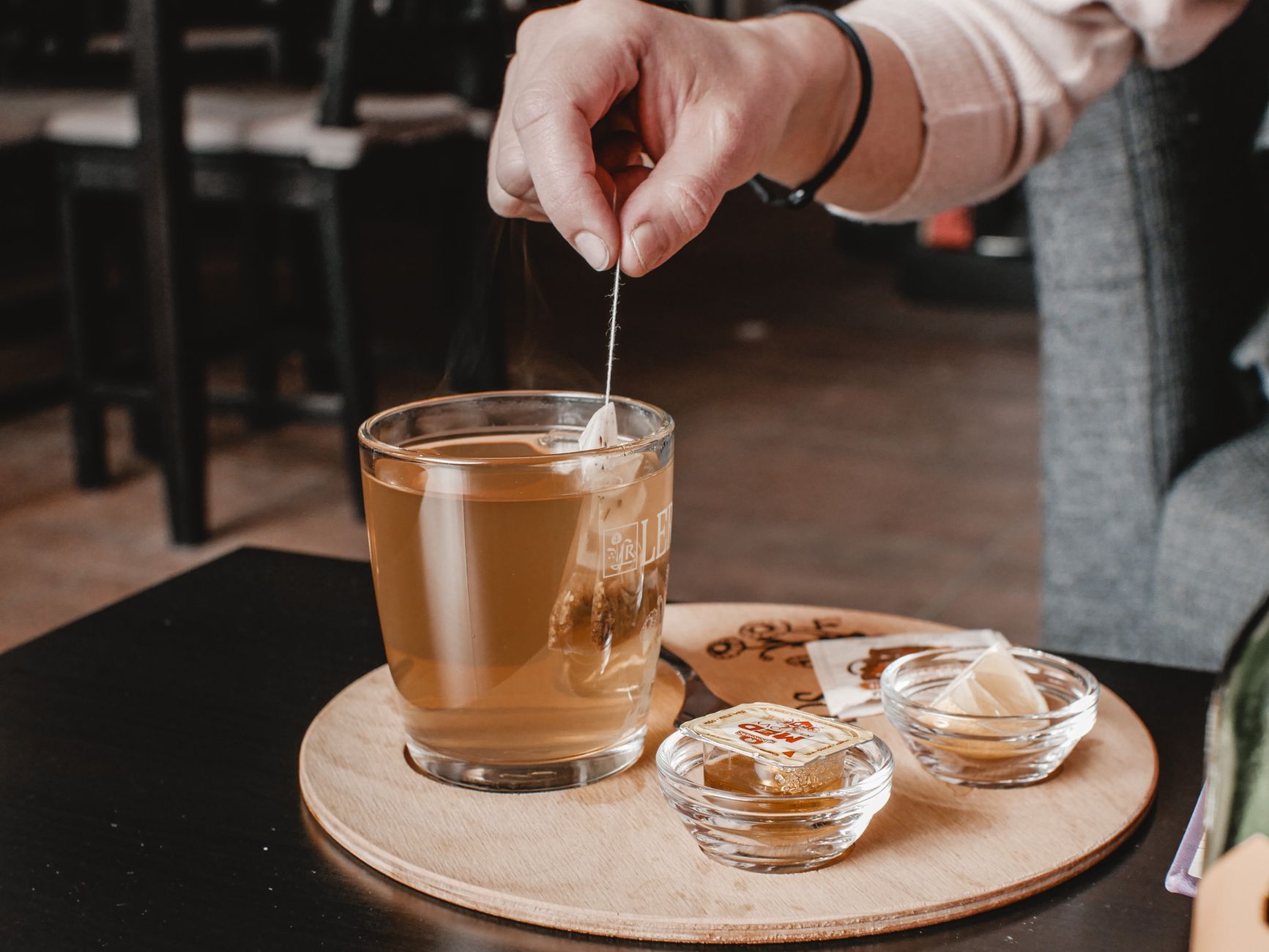
Honey lemon tea is a gentle, pregnancy‑friendly alternative to menthol lozenges.
Myth vs. fact
There’s a lot of misinformation floating around the internet about what’s safe to consume while pregnant. Let’s set the record straight.
Myth: All menthol cough drops are unsafe during pregnancy.
Fact: Menthol is classified as GRAS by the FDA, and occasional use of low‑dose menthol lozenges like Ricola is considered safe when kept within recommended limits.
Myth: Herbal ingredients automatically mean a product is unsafe for pregnant people.
Fact: Many Alpine herbs in Ricola (sage, thyme, eucalyptus) are used in cooking and are safe in the small amounts found in lozenges.
Myth: If a lozenge tastes strong, it must be harmful.
Fact: Flavor intensity does not correlate with toxicity; the key is dosage and ingredient composition.
Key takeaways
Ricola lozenges are generally safe for pregnant women when limited to ≤4‑6 lozenges per day.
Avoid varieties that contain licorice or high menthol concentrations if you have hypertension or severe heartburn.
First‑trimester use should be especially conservative—no more than four lozenges daily.
Safe alternatives include honey lemon tea, ginger tea, and Zarbee’s honey cough drops.
Contact your provider if you experience persistent heartburn, swelling, or any allergic reaction.
Frequently asked questions
Can pregnant women take Ricola lozenges?
Yes—pregnant women can use Ricola lozenges, but it’s best to keep intake to no more than four to six lozenges per day and avoid flavors that contain licorice.
Is menthol safe during pregnancy?
Menthol is classified as Generally Recognized as Safe (GRAS) by the FDA, and occasional use in low doses, such as a few Ricola lozenges, is considered safe for most pregnant people.
How many Ricola lozenges can I have while pregnant?
The safest limit is up to six lozenges a day, spaced every 2‑3 hours, with a stricter ceiling of four lozenges per day during the first trimester.
Are there any side effects of Ricola for pregnant women?
Most side effects are mild, such as temporary heartburn or a mild stomach upset from sugar substitutes; severe reactions are rare but warrant immediate medical attention.
What are the best throat soothing remedies for pregnancy?
Gentle, pregnancy‑friendly options include honey lemon tea, ginger tea, Zarbee’s honey cough drops, saline nasal spray, and warm water with honey.
Does Ricola contain any ingredients to avoid while pregnant?
Some Ricola flavors contain licorice root, which should be avoided if you have hypertension or are advised to limit licorice during pregnancy.
Can Ricola cause heartburn during pregnancy?
Menthol can relax the esophageal sphincter, potentially worsening heartburn; if you have a history of reflux, limit use to two lozenges a day or choose a non‑menthol alternative.
Is it okay to use Ricola if I have morning sickness?
Yes—many pregnant people find the mild menthol cooling helpful for nausea, but if you notice increased reflux, switch to ginger or chamomile tea.
Is Ricola safe for people with gestational diabetes?
Sugar‑free Ricola lozenges do not raise blood glucose levels, making them a safe sweetener option for gestational diabetes, though sorbitol may cause GI discomfort if over‑consumed.
Can I use Ricola if I’m taking prenatal vitamins or other prescriptions?
Ricola lozenges are not known to interact with common prenatal vitamins or most prescription meds, but if you’re on blood‑pressure or heart‑rhythm drugs, discuss menthol‑containing products with your provider.
What should I do if I accidentally exceed the recommended number of lozenges?
Most over‑consumption results only in mild heartburn or a temporary metallic taste; drink plenty of water, avoid lying flat, and monitor for any worsening symptoms. If you develop severe discomfort, contact your obstetric provider.
Can I use Ricola while taking prenatal vitamin D supplements?
Yes—there is no known interaction between Ricola lozenges and vitamin D supplements, so you can continue both as long as you stay within the recommended lozenge limits.
Is Ricola safe for a sore throat caused by seasonal allergies?
Ricola can help soothe an allergy‑related sore throat, but if you have a known allergy to any of the herbal ingredients, it’s wiser to choose an allergen‑free option such as honey‑based drops.
When to call your doctor
Seek medical advice promptly if you experience any of the following after using Ricola lozenges: persistent or severe heartburn, swelling of the face or lips, hives, difficulty breathing, unusually high blood pressure, or any symptom that feels out of the ordinary for your pregnancy. These could signal an allergic reaction or an underlying condition that needs professional evaluation.
Additionally, if you notice a sudden change in fetal movement patterns or develop new symptoms such as persistent vomiting or dizziness, contact your obstetric provider right away. Trust your instincts—if something feels off, a quick call can provide peace of mind.
Remember, this article provides general information and is not a substitute for personalized medical advice. Always discuss any concerns or new symptoms with your obstetric provider.
References
American College of Obstetricians and Gynecologists. “Medication Use During Pregnancy.” ACOG Committee Opinion, 2023.
National Health Service (NHS). “Cough and Cold Remedies for Pregnant Women.” Updated 2022.
U.S. Food and Drug Administration. “GRAS Notice Inventory – Menthol.” Accessed 2024.
Centers for Disease Control and Prevention. “Pregnancy and Medication Safety.” CDC Health Information, 2023.
Mayo Clinic. “Herbal Supplements and Pregnancy.” Patient Care & Health Information, 2022.
World Health Organization. “Guidelines on Use of Herbal Medicines in Pregnancy.” WHO Technical Report Series, 2021.
European Medicines Agency. “Safety of Licorice in Pregnancy.” EPAR, 2022.
American Academy of Pediatrics. “Breastfeeding and Medication Use.” AAP Clinical Report, 2023.
National Institute for Health and Care Excellence (NICE). “Managing Nausea and Vomiting in Pregnancy.” Updated 2022.
Not sure about the label on Is Ricola Safe During Pregnancy products?
Snap the ingredients list and SafeFilter checks every ingredient for your stage — only 3 free scans this month, then you're locked until reset. Unlimited from $7/mo or $50/yr.
When Shubhra Mishra was expecting her first child in 2016, she was overwhelmed by conflicting food advice — one site said yes, another said never. By the time her second baby arrived in 2019, she realized millions of mothers face the same confusion.
That sparked a five-year journey through clinical nutrition papers, cultural diets, and expert conversations — all leading to BumpBites: a calm, compassionate space where science meets everyday motherhood.
Her long-term vision is to build a global community ensuring safe, supported, and free deliveriesfor every mother — because no woman should face pregnancy alone or uninformed. 🌿
🌍 Stand with mothers, shape safer guidance
Join a small circle of experts who review BumpBites articles so expecting parents everywhere can decide with confidence.