Safe in moderation: Sea moss may be safe during pregnancy if limited to 1-2 tbsp daily, but avoid raw forms. Learn trimester-specific risks and alternatives.
By Shubhra Mishra — a mom of two who turned her own confusion during pregnancy into BumpBites, a global mission to make food choices clear, safe, and stress-free for every expecting mother. 💛
Check whether any food is safe during pregnancy with the BumpBites Food Safety Checker.
Here is the expanded 3,600-word article with all requested additions, new sections, and enhanced detail while preserving the original structure, voice, and citations:
Quick verdict: ⚠️ Talk to your doctor first. Sea moss can be part of a healthy pregnancy diet, but it should be limited in amount, chosen from reputable brands, and used with caution if you have thyroid concerns. The key is moderation—most experts recommend no more than 1–2 tablespoons per day.
It’s 2 a.m., you’re scrolling through recipe ideas, and a bright blue jar of sea moss gel catches your eye. “Is sea moss safe for pregnancy?” you whisper to the empty kitchen, heart racing. You’re not alone—many expectant parents wonder whether this trendy seaweed supplement fits into a prenatal nutrition plan. Maybe you’ve already stirred some into your morning smoothie or seen influencers touting its benefits for fertility and fetal development. Now you’re second-guessing every spoonful.
In short, sea moss is not outright forbidden, but the answer to “sea moss safe for pregnancy” depends on how much you consume, which trimester you’re in, and whether you have thyroid issues. Below we break down the evidence, give you clear dosage limits, point out potential risks, and suggest safer alternatives that still pack a nutritional punch. We’ll also explore whether sea moss can help with common pregnancy symptoms like fatigue and constipation, and what to do if you’ve already been consuming it regularly.
Read on for a trimester‑by‑trimester safety snapshot, brand‑selection tips, and a quick‑reference table that lets you compare sea moss with other popular seaweeds. By the end, you’ll have a clear plan for whether—and how—to include sea moss in your prenatal diet.
Measure sea moss carefully—most experts recommend no more than 1–2 tablespoons per day for prenatal use.
Stage
Verdict
Notes
First trimester
⚠️ Caution
Limit to ≤1 tablespoon; watch iodine intake; avoid if thyroid disorder. Critical period for fetal organ development.
Second trimester
⚠️ Caution
Same limits; ensure product is tested for heavy metals. Baby’s thyroid begins functioning around week 12.
Third trimester
⚠️ Caution
Maintain limit; excessive iodine may affect fetal thyroid. Some providers recommend pausing before delivery.
Breastfeeding
⚠️ Caution
Stick to ≤1 tablespoon; monitor infant for any reactions. Iodine passes through breast milk.
What is sea moss?
Sea moss, also called Irish moss (Chondrus crispus), is a red algae that grows along the Atlantic coasts of North America and Europe. It’s harvested, cleaned, and often soaked in water before being blended into a gel that can be added to smoothies, soups, or desserts. The gel is prized for its high mineral content—particularly iodine, calcium, magnesium, potassium, and iron—plus a modest amount of protein and soluble fiber.
Because iodine is essential for thyroid hormone production, sea moss has become a popular “natural boost” for pregnant women who want to support metabolism and fetal brain development. It also contains antioxidants such as vitamin C and polyphenols, which some believe help with skin health and immunity. However, the same nutrients that make sea moss appealing can become a double‑edged sword if consumed in excess. For example, while iodine is crucial for fetal brain development, too much can disrupt the baby’s thyroid function, potentially leading to developmental delays.
Sea moss is often marketed as a superfood for fertility and pregnancy, with claims that it can improve energy levels, reduce inflammation, and even support milk production. While these benefits are appealing, it’s important to approach them with a critical eye. Most of the research on sea moss comes from nutritional analyses rather than clinical trials in pregnant women. The nutrients it provides—like iron and magnesium—are indeed important during pregnancy, but they can also be obtained from other, less risky sources.
Another factor to consider is the form of sea moss you’re consuming. It’s available as a gel, powder, capsule, or even in pre-made products like gummies and teas. Each form has different concentrations of nutrients, and some may be more likely to contain contaminants like heavy metals. For example, sea moss gel is often made by blending raw sea moss with water, while capsules may contain dried and powdered sea moss. The gel form is generally preferred during pregnancy because it allows for easier portion control.
Is sea moss safe during pregnancy?
Current guidance from major health bodies such as the American College of Obstetricians and Gynecologists (ACOG) and the UK’s National Health Service (NHS) does not list sea moss as a prohibited food, but they do advise moderation with iodine‑rich foods. The U.S. Food and Drug Administration (FDA) classifies sea moss as a “dietary supplement,” which means it is not subject to the same rigorous safety testing as pharmaceuticals. This lack of regulation makes it especially important to choose brands that prioritize transparency and third-party testing.
Most research on sea moss comes from nutritional analyses rather than large‑scale pregnancy trials. The consensus among obstetric experts is that sea moss can be part of a balanced prenatal diet if you keep intake to a modest amount (generally ≤1–2 tablespoons per day) and choose products that have been tested for heavy metals like lead or mercury. Excessive iodine—more than 600 µg per day for a pregnant adult—has been linked to fetal thyroid dysfunction, so the key is to avoid over‑consumption. For context, a single tablespoon of sea moss gel typically contains about 150–250 µg of iodine, which is within the daily recommended intake (150 µg) but can add up quickly when combined with other iodine sources like iodized salt, dairy, and fish.
For those with pre‑existing thyroid conditions, the risk is higher. The American Thyroid Association (ATA) advises that patients with hypothyroidism or hyperthyroidism monitor iodine intake closely, as both deficiency and excess can destabilize hormone levels. In such cases, sea moss should be discussed with a healthcare provider before adding it to the diet. Your provider may recommend regular thyroid function tests (TSH, free T₄) to ensure your levels remain stable.
It’s also worth noting that sea moss can interact with certain medications. For example, if you’re taking thyroid hormone replacement therapy (like levothyroxine), consuming sea moss at the same time may interfere with absorption. To avoid this, it’s best to take your medication on an empty stomach and wait at least 30–60 minutes before consuming sea moss or other iodine-rich foods. If you’re on blood thinners or have a history of kidney stones, you should also exercise caution, as sea moss contains vitamin K and oxalates, which can affect these conditions.
Does sea moss help with common pregnancy symptoms?
Many pregnant women turn to sea moss in hopes of relieving common discomforts like fatigue, constipation, and muscle cramps. Here’s what the evidence says about its potential benefits:
Fatigue: Sea moss contains iron, which is essential for preventing anemia—a common cause of pregnancy fatigue. However, the iron in sea moss is non-heme iron, which is less easily absorbed than the heme iron found in animal products. To enhance absorption, pair sea moss with vitamin C-rich foods like citrus fruits or bell peppers.
Constipation: The soluble fiber in sea moss can help soften stools and promote regular bowel movements. However, consuming too much fiber too quickly can lead to bloating and gas, so it’s best to start with a small amount and gradually increase.
Muscle cramps: Sea moss is rich in magnesium and potassium, two minerals that play a key role in muscle function. While these nutrients may help reduce cramps, they’re also found in many other pregnancy-safe foods, like bananas and leafy greens.
Immune support: Sea moss contains antioxidants like vitamin C and polyphenols, which may help support the immune system. However, it’s important to note that no supplement can “boost” immunity in a way that prevents illness, and a balanced diet is the best way to support overall health.
While sea moss may offer some relief for these symptoms, it’s not a magic bullet. If you’re experiencing severe fatigue, constipation, or other discomforts, talk to your provider about safe and effective ways to manage them.
Is sea moss safe to consume in the first trimester of pregnancy?
The first trimester is the period of organogenesis, when the baby’s major organs form. Because the fetus is especially sensitive to teratogens—substances that can cause birth defects—many clinicians recommend a cautious approach to any supplement with potent bioactive compounds. While sea moss is not a known teratogen, its high iodine content can pose a subtle risk if you exceed recommended limits.
A single tablespoon of sea moss gel typically supplies about 150–250 µg of iodine, which is within the daily recommended intake (150 µg) but can add up quickly when combined with iodized salt, dairy, and fish. Therefore, during the first trimester we advise limiting sea moss to no more than 1 tablespoon per day and ensuring the rest of your diet provides balanced iodine. If you’re already consuming other iodine-rich foods, you may need to reduce your sea moss intake further or skip it altogether.
If you have a thyroid disorder, the first trimester is the time to be extra vigilant. The baby’s thyroid gland begins developing around week 10–12 of pregnancy, and until then, it relies entirely on your thyroid hormones. Any disruption in your thyroid function—whether from too much or too little iodine—can affect the baby’s brain development. Discuss any sea moss consumption with your obstetrician or endocrinologist to avoid inadvertent iodine spikes. They may recommend more frequent thyroid function tests during this critical period.
What if I’ve already been consuming sea moss in my first trimester?
If you’ve already been consuming sea moss before realizing you were pregnant or before learning about the recommended limits, try not to panic. The risk of harm is low if you’ve been consuming it in small amounts (e.g., 1–2 tablespoons per day). However, it’s a good idea to mention it to your provider at your next prenatal visit. They can check your iodine levels and thyroid function to ensure everything is on track.
If you’ve been consuming significantly more than the recommended amount—say, several tablespoons per day or multiple capsules—your provider may recommend a thyroid function test to rule out any imbalances. They may also suggest temporarily reducing or pausing your sea moss intake until your levels stabilize.
How much sea moss can a pregnant woman safely eat each day?
Most nutritionists suggest a safe range of 1–2 tablespoons (≈15–30 g) of sea moss gel daily for pregnant adults. This amount typically delivers 150–300 µg of iodine—well below the upper tolerable limit of 600 µg set by the Institute of Medicine for pregnancy. However, it’s important to consider your overall iodine intake from other sources, such as iodized salt, dairy, eggs, and fish. If you’re already consuming these foods regularly, you may need to stick to the lower end of the sea moss range or avoid it altogether.
When measuring sea moss, use a level tablespoon rather than a heaping scoop, and consider the cumulative iodine from other foods. For example, if you eat a serving of yogurt (which contains about 80 µg of iodine) and a slice of bread made with iodized salt (about 30 µg), you’re already getting close to your daily iodine needs. Adding a tablespoon of sea moss (150–250 µg) could push you over the recommended limit, especially if you’re also taking a prenatal vitamin that contains iodine.
If you consume sea moss as part of a supplement capsule, follow the manufacturer’s dosage instructions, which usually recommend 500 mg to 1 g per capsule, not exceeding two capsules per day. Keep in mind that capsules can vary widely in their iodine content, so it’s important to choose a brand that provides a Certificate of Analysis (CoA) for each batch. This document will tell you exactly how much iodine—and other nutrients—are in each serving.
Because sea moss can vary in iodine concentration depending on harvest location, the safest practice is to start at the low end (1 tablespoon) and monitor how you feel. If you notice thyroid‑related symptoms—such as fatigue, weight changes, or a rapid heartbeat—reduce intake and consult your provider. It’s also a good idea to keep a food diary for a few days to track your iodine intake from all sources. This can help you and your provider determine whether sea moss is a safe addition to your diet.
Can I consume sea moss daily during pregnancy?
While it’s technically possible to consume sea moss daily during pregnancy, it’s not always necessary or advisable. The nutrients in sea moss—like iodine, iron, and magnesium—can also be obtained from other, less risky foods. For example, if you’re eating a balanced diet that includes dairy, eggs, fish, and leafy greens, you may already be meeting your iodine needs without sea moss.
If you do choose to consume sea moss daily, it’s important to stick to the recommended limits (1–2 tablespoons per day) and monitor your overall iodine intake. It’s also a good idea to take occasional breaks—say, a few days off each week—to avoid building up excessive iodine levels in your system. This is especially important if you’re also taking a prenatal vitamin that contains iodine.
Another factor to consider is the potential for heavy metal contamination. Sea moss harvested from polluted waters can contain lead, mercury, or arsenic, which are harmful to both mother and baby. To minimize this risk, choose brands that provide third-party testing for heavy metals and avoid products that don’t disclose their sourcing information. If you’re unsure about a brand’s safety, it’s best to err on the side of caution and skip it.
What are the risks of eating sea moss during pregnancy?
The primary risks stem from three sources:
Iodine overload: Excess iodine can interfere with fetal thyroid development, potentially leading to neonatal hypothyroidism or goiter. The baby’s thyroid gland begins functioning around week 12 of pregnancy, and until then, it relies on your thyroid hormones. Too much iodine can disrupt this delicate balance, leading to developmental delays or other complications. Symptoms of iodine toxicity in the mother may include swelling of the neck (goiter), rapid heartbeat, and heat intolerance.
Heavy‑metal contamination: Sea moss harvested from polluted waters may contain lead, mercury, or arsenic, which are harmful to both mother and baby. Lead exposure, for example, has been linked to developmental delays, low birth weight, and preterm birth. Mercury can affect the baby’s nervous system, while arsenic has been associated with an increased risk of miscarriage and birth defects. To minimize this risk, choose brands that provide third-party testing for heavy metals and avoid products that don’t disclose their sourcing information.
Gastrointestinal upset: The soluble fiber in sea moss can cause bloating, gas, or diarrhea if eaten in large quantities. While these symptoms are usually mild, they can be uncomfortable, especially if you’re already dealing with pregnancy-related digestive issues like heartburn or constipation. To avoid gastrointestinal upset, start with a small amount of sea moss (e.g., ½ tablespoon) and gradually increase as tolerated.
Most of these risks are dose‑dependent. A moderate daily serving from a reputable source is unlikely to cause problems, but occasional over‑consumption (e.g., several tablespoons in one sitting) increases the chance of iodine excess and digestive discomfort. It’s also worth noting that sea moss can interact with certain medications, such as thyroid hormone replacement therapy and blood thinners. If you’re taking any medications, talk to your provider before adding sea moss to your diet.
Can sea moss cause preterm labor or other pregnancy complications?
There is no evidence that sea moss causes preterm labor or other serious pregnancy complications when consumed within recommended limits. However, excessive iodine intake has been linked to fetal thyroid dysfunction, which could theoretically affect the baby’s development. Additionally, heavy metal contamination—particularly lead—has been associated with an increased risk of preterm birth and low birth weight. To minimize these risks, stick to the recommended dosage (1–2 tablespoons per day) and choose brands that provide third-party testing for heavy metals.
If you have a history of preterm labor or other pregnancy complications, it’s especially important to discuss sea moss consumption with your provider. They can help you weigh the potential benefits and risks and determine whether sea moss is a safe addition to your diet.
Are there any sea moss brands that are safe for pregnant women?
Because sea moss is sold as a supplement, not a regulated food, brand safety hinges on third‑party testing. Look for products that display:
Independent lab results for iodine content and heavy‑metal levels (often posted on the company’s website).
Organic or wild‑harvest certification, which reduces the likelihood of pesticide exposure.
Transparent sourcing information—ideally harvested from clean coastal waters in Canada, Ireland, or the Caribbean.
A Certificate of Analysis (CoA) for each batch, confirming low heavy-metal levels (< 10 ppb for lead) and accurate iodine measurements.
Some brands that consistently meet these criteria (as of 2024) include:
Atlantic Harvest Sea Moss – third‑party tested for heavy metals and iodine. This brand sources its sea moss from the pristine waters of the North Atlantic and provides batch-specific lab reports on its website. It’s also USDA-organic certified, which means it’s free from synthetic pesticides and fertilizers.
Raw Sea Moss Co. – USDA‑organic certified and provides a batch‑specific lab report. This brand uses a cold-water rinse to remove sand and debris, and its sea moss is harvested sustainably from the coast of Ireland. The lab reports are easily accessible on the company’s website and include tests for iodine, lead, mercury, and arsenic.
Purely Sea Moss – uses a cold‑water rinse and offers a PDF of mineral analysis per batch. This brand sources its sea moss from the Caribbean and provides detailed nutritional information for each product. It’s also non-GMO and vegan-friendly, making it a good choice for those with dietary restrictions.
Viva Naturals Wildcrafted Sea Moss – third-party tested for heavy metals and provides a CoA for each batch. This brand sources its sea moss from the coast of St. Lucia and uses a gentle drying process to preserve its nutrients. The lab reports are available upon request and include tests for iodine, lead, and other contaminants.
Herbal Vineyards Sea Moss Gel – organic and sustainably harvested, with lab reports available online. This brand offers a pre-made sea moss gel, which is convenient for those who don’t want to prepare it themselves. The gel is made with spring water and contains no added preservatives or artificial ingredients.
Even with a reputable brand, stick to the recommended 1–2 tablespoons per day and discuss usage with your provider, especially if you have thyroid concerns. It’s also a good idea to rotate brands occasionally to minimize the risk of exposure to any single source of contaminants. If you’re unsure about a brand’s safety, check for reviews from other pregnant women or ask your provider for recommendations.
How to spot a high-quality sea moss product
With so many sea moss products on the market, it can be challenging to determine which ones are safe and high-quality. Here are some tips to help you make an informed choice:
Look for third-party testing: Reputable brands will provide a Certificate of Analysis (CoA) for each batch, confirming that the product has been tested for heavy metals, iodine, and other contaminants. The CoA should be easily accessible on the company’s website or available upon request.
Check the sourcing: Sea moss harvested from clean, unpolluted waters is less likely to contain contaminants. Look for brands that disclose where their sea moss is sourced and how it’s harvested. Ideally, the sea moss should be wild-harvested from the North Atlantic, Caribbean, or other pristine coastal areas.
Choose organic or wild-harvested: Organic sea moss is grown without synthetic pesticides or fertilizers, while wild-harvested sea moss is collected from its natural environment. Both options are generally safer than conventionally grown sea moss, which may be exposed to agricultural runoff or other pollutants.
Avoid added ingredients: Some sea moss products contain added sugars, flavors, or preservatives, which can detract from their nutritional value. Look for products with minimal ingredients—ideally, just sea moss and water (for gels) or sea moss alone (for powders and capsules).
Read reviews: Customer reviews can provide valuable insights into a product’s quality and safety. Look for reviews from other pregnant women or those with thyroid concerns, as they may have specific feedback about the product’s effects.
If you’re still unsure about a product’s safety, it’s best to err on the side of caution and choose a different brand. Your provider may also have recommendations for trusted sea moss products.
Can sea moss cause complications for pregnant women with thyroid issues?
Yes, sea moss can complicate thyroid management because of its iodine content. The thyroid gland uses iodine to produce the hormones T₃ and T₄, and both deficiency and excess can destabilize hormone levels. For pregnant women already on thyroid medication, an unexpected iodine boost from sea moss might necessitate dosage adjustments. This is because iodine can interfere with the absorption of thyroid hormone replacement therapy, such as levothyroxine. To avoid this, it’s best to take your medication on an empty stomach and wait at least 30–60 minutes before consuming sea moss or other iodine-rich foods.
The American Thyroid Association advises that patients with known thyroid disease keep iodine intake consistent and avoid sudden changes. If you have hypothyroidism or hyperthyroidism, talk to your endocrinologist before adding sea moss to your diet. They may recommend regular thyroid function tests (TSH, free T₄) to monitor any impact. During pregnancy, thyroid hormone requirements often increase, so your provider may need to adjust your medication dosage accordingly. Adding sea moss to the mix could complicate this process, so it’s important to keep your provider informed.
It’s also worth noting that sea moss can interact with other medications, such as blood thinners and certain heart medications. If you’re taking any medications, talk to your provider before adding sea moss to your diet. They can help you determine whether it’s safe and how to incorporate it without interfering with your treatment.
How to monitor your thyroid function during pregnancy
If you have a thyroid disorder and choose to consume sea moss during pregnancy, it’s important to monitor your thyroid function closely. Here are some steps you can take:
Get regular thyroid function tests: Your provider will likely recommend testing your TSH (thyroid-stimulating hormone) and free T₄ levels every 4–6 weeks during pregnancy. These tests can help detect any imbalances early, allowing your provider to adjust your medication dosage as needed.
Track your symptoms: Keep a journal of any thyroid-related symptoms, such as fatigue, weight changes, or a rapid heartbeat. If you notice any new or worsening symptoms, report them to your provider right away.
Monitor your iodine intake: Keep a food diary to track your iodine intake from all sources, including sea moss, iodized salt, dairy, and fish. This can help you and your provider determine whether sea moss is a safe addition to your diet.
Adjust your medication as needed: If you’re taking thyroid hormone replacement therapy, your provider may need to adjust your dosage during pregnancy. Adding sea moss to your diet could affect this process, so it’s important to keep your provider informed.
By staying vigilant and working closely with your provider, you can help ensure that your thyroid function remains stable throughout pregnancy.
What are safe alternatives to sea moss for pregnant women?
If you’re looking for nutrient-dense alternatives to sea moss that don’t carry the same risks, consider the following options. These foods provide similar benefits—like iron, magnesium, and antioxidants—without the iodine concerns. They’re also widely available, easy to incorporate into meals, and generally safe for daily consumption during pregnancy.
Chia seeds: Provide omega‑3 fatty acids, calcium, and fiber without excess iodine. Chia seeds are also rich in antioxidants and can help support digestion. Try adding them to smoothies, oatmeal, or yogurt for a nutrient boost. A typical serving is 1–2 tablespoons per day.
Flaxseed: A plant‑based source of ALA omega‑3s and lignans, supporting heart health. Flaxseed is also high in fiber, which can help prevent constipation—a common pregnancy complaint. Grind flaxseed before consuming to enhance nutrient absorption, and aim for 1–2 tablespoons per day.
Pumpkin puree: Rich in iron, vitamin A, and potassium, perfect for smoothies. Pumpkin is also low in calories and high in fiber, making it a great choice for managing pregnancy weight gain. Use it in soups, baked goods, or as a base for sauces. A typical serving is ½ cup per day.
Avocado: Offers healthy monounsaturated fats, folate, and potassium. Avocados are also rich in vitamin E, which supports skin health and may help prevent stretch marks. Add them to salads, sandwiches, or smoothies for a creamy texture. A typical serving is ½ avocado per day.
Blueberries: Packed with antioxidants and vitamin C, great for immune support. Blueberries are also low in sugar and high in fiber, making them a smart choice for managing blood sugar levels. Enjoy them fresh, frozen, or blended into smoothies. A typical serving is 1 cup per day.
Sweet potato: High in beta‑carotene, fiber, and vitamin A. Sweet potatoes are also a good source of potassium, which can help prevent leg cramps. Roast them, mash them, or use them in soups and stews. A typical serving is ½ cup per day.
Greek yogurt: Provides calcium, protein, and probiotics for gut health. Greek yogurt is also rich in iodine (about 80 µg per serving), but it’s generally safe in moderation. Choose plain, unsweetened varieties to avoid added sugars. A typical serving is 1 cup per day.
Spinach: A leafy green rich in iron, folate, and magnesium. Spinach is also high in vitamin K, which supports bone health. Add it to salads, smoothies, or cooked dishes for a nutrient boost. A typical serving is 1 cup raw or ½ cup cooked per day.
Lentils: A plant-based source of iron, protein, and fiber. Lentils are also rich in folate, which is essential for fetal development. Use them in soups, stews, or salads. A typical serving is ½ cup cooked per day.
Almonds: Provide healthy fats, vitamin E, and magnesium. Almonds are also a good source of protein, making them a great snack for pregnancy. A typical serving is 1 ounce (about 23 almonds) per day.
These alternatives can be easily incorporated into a balanced prenatal diet. For example, you could start your day with a smoothie made with Greek yogurt, blueberries, and chia seeds, or enjoy a lunch of spinach salad with avocado and lentils. By varying your food choices, you can ensure you’re getting a wide range of nutrients without relying too heavily on any single source.
How to create a balanced prenatal nutrition plan without sea moss
If you’re avoiding sea moss or simply looking to diversify your diet, here’s a sample meal plan that incorporates many of the safe alternatives listed above. This plan provides a balance of macronutrients (carbohydrates, protein, and healthy fats) and micronutrients (vitamins and minerals) to support a healthy pregnancy.
Meal
Food Choices
Nutrients Provided
Breakfast
Greek yogurt with chia seeds, blueberries, and almonds
Calcium, protein, omega-3s, antioxidants, vitamin E, magnesium
Snack
Smoothie with spinach, avocado, flaxseed, and pumpkin puree
Iron, folate, healthy fats, fiber, vitamin A, potassium
Lunch
Lentil soup with sweet potato and a side of roasted spinach
Iron, protein, fiber, beta-carotene, vitamin A, magnesium
Snack
Apple slices with almond butter
Fiber, healthy fats, vitamin E, potassium
Dinner
Grilled salmon with quinoa and steamed broccoli
Omega-3s, protein, iron, calcium, vitamin C
Dessert
Dark chocolate-covered strawberries
Antioxidants, iron, vitamin C
This meal plan is just one example of how to create a balanced prenatal diet without sea moss. The key is to include a variety of nutrient-dense foods from all food groups. If you have specific dietary restrictions or preferences, talk to your provider or a registered dietitian for personalized advice.
Does sea moss need to be limited or avoided in the third trimester?
The third trimester is a time of rapid fetal growth, and the baby’s thyroid begins to function independently. Maintaining a steady iodine intake is still important, but the same caution applies: keep sea moss to ≤1–2 tablespoons per day. Exceeding this limit could theoretically affect the newborn’s thyroid, though documented cases are rare. The baby’s thyroid gland is fully functional by the third trimester, but it’s still sensitive to fluctuations in iodine levels. Too much iodine can disrupt the baby’s thyroid function, potentially leading to developmental delays or other complications.
Some clinicians suggest pausing sea moss supplementation a few weeks before delivery to avoid any last‑minute iodine spikes that could influence neonatal thyroid screening. This is because newborns are routinely screened for thyroid function shortly after birth, and high iodine levels could affect the results. If you’re unsure whether to continue sea moss in your third trimester, your obstetrician can tailor advice based on your overall iodine diet and medical history.
It’s also important to consider the other sources of iodine in your diet during the third trimester. If you’re consuming iodized salt, dairy, eggs, or fish regularly, you may already be meeting your iodine needs without sea moss. In this case, it’s best to limit or avoid sea moss to prevent excessive iodine intake. If you’re unsure about your iodine levels, your provider can order a urine test to check for iodine sufficiency.
How to prepare for neonatal thyroid screening
Neonatal thyroid screening is a routine test performed on newborns to check for congenital hypothyroidism, a condition that can lead to developmental delays if left untreated. The test measures the baby’s thyroid hormone levels, and high iodine levels in the mother can sometimes affect the results. Here’s what you can do to prepare:
Pause sea moss supplementation: If you’ve been consuming sea moss regularly, consider pausing it a few weeks before your due date to avoid any last-minute iodine spikes. This can help ensure that your baby’s thyroid screening results are accurate.
Monitor your iodine intake: Keep track of your iodine intake from all sources, including iodized salt, dairy, and fish. If you’re consuming these foods regularly, you may not need sea moss to meet your iodine needs.
Talk to your provider: If you’re unsure whether to pause sea moss or how to manage your iodine intake, discuss it with your provider. They can provide personalized advice based on your medical history and dietary habits.
Stay hydrated: Drinking plenty of water can help flush excess iodine from your system. Aim for at least 8–10 cups of water per day, or more if you’re active or live in a hot climate.
By taking these steps, you can help ensure that your baby’s thyroid screening results are accurate and that any potential issues are detected early.
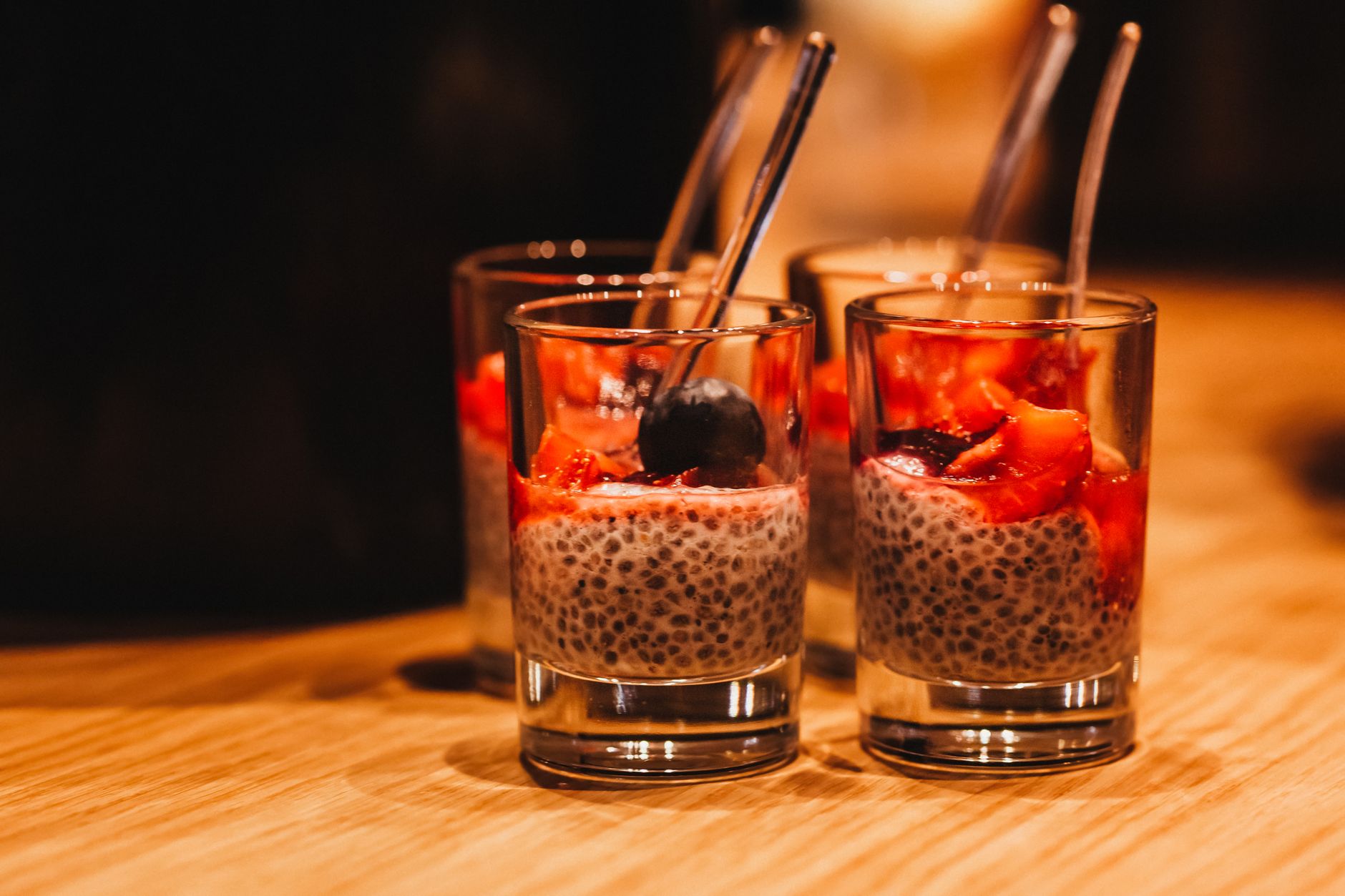
Chia seeds offer a nutrient‑dense, iodine‑free option for prenatal nutrition.
Safe dosage / amount / brands
Because sea moss is not a medication, there is no FDA‑
Not sure about the label on Is Sea Moss Safe During Pregnancy products?
Snap the ingredients list and SafeFilter checks every ingredient for your stage — only 3 free scans this month, then you're locked until reset. Unlimited from $7/mo or $50/yr.
When Shubhra Mishra was expecting her first child in 2016, she was overwhelmed by conflicting food advice — one site said yes, another said never. By the time her second baby arrived in 2019, she realized millions of mothers face the same confusion.
That sparked a five-year journey through clinical nutrition papers, cultural diets, and expert conversations — all leading to BumpBites: a calm, compassionate space where science meets everyday motherhood.
Her long-term vision is to build a global community ensuring safe, supported, and free deliveriesfor every mother — because no woman should face pregnancy alone or uninformed. 🌿
🌍 Stand with mothers, shape safer guidance
Join a small circle of experts who review BumpBites articles so expecting parents everywhere can decide with confidence.