Robitussin Dm is generally safe during pregnancy, but follow the recommended dosage to minimize risks, especially in the first trimester
By Shubhra Mishra — a mom of two who turned her own confusion during pregnancy into BumpBites, a global mission to make food choices clear, safe, and stress-free for every expecting mother. 💛
Check whether any food is safe during pregnancy with the BumpBites Food Safety Checker.
Quick verdict: ⚠️ Talk to your doctor first. Robitussin DM may be used in pregnancy, but only after a health‑care provider confirms the dose is appropriate for you and your baby.
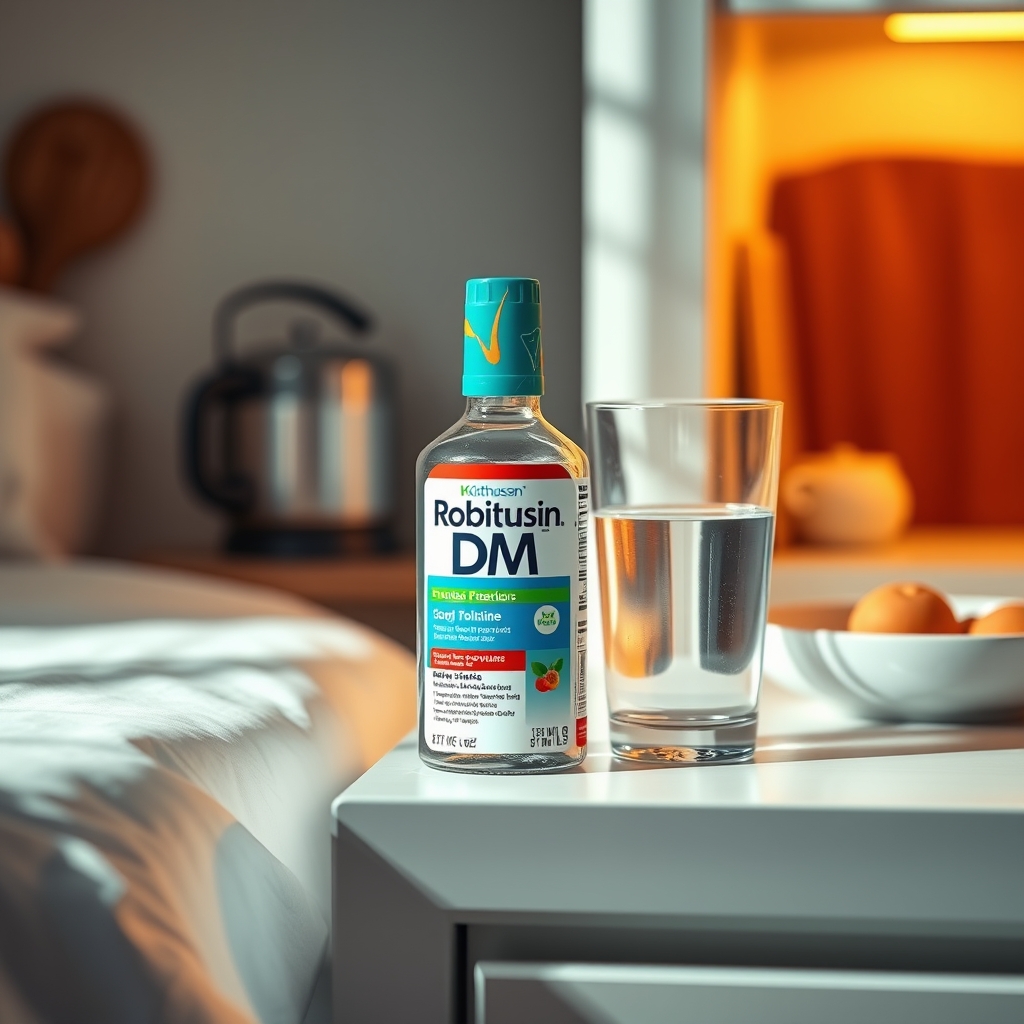
It’s 3 a.m., you’re curled up on the couch, and that nagging cough won’t let you rest. You glance at the nightstand and see a bottle of Robitussin DM, wondering if a spoonful will be safe for the little one growing inside you. You’re not alone—many expectant parents ask, “robitussin dm safe for pregnancy?” The short answer is that it can be used, but with caution and professional guidance.
In this article we’ll break down exactly what the current medical guidance says about robitussin dm safe for pregnancy. We’ll cover trimester‑specific safety, the recommended dosage, potential risks, and safer alternatives you might reach for instead. We’ll also compare Robitussin DM to other common cough medicines, list related products and their safety profiles, debunk common myths, and give you a quick‑reference cheat sheet so you can stop worrying and start feeling confident about the next step.
Whether you’ve already taken a dose before you knew you were pregnant or you’re weighing whether to buy the next bottle, we’ve got the evidence‑based answers you need—backed by ACOG, the NHS, the FDA, and the CDC. And if you ever feel uncertain, remember that a quick call to your obstetrician can bring peace of mind.
We’ll also address a few extra concerns that often pop up, like how to manage a cough if you have high blood pressure, what to consider when you’re close to labor, and how to pick the safest cough remedy for your unique situation.
When a cough keeps you up at night, knowing the safest options can bring peace of mind.
Stage
Verdict
Notes
First trimester
⚠️ Talk to your doctor
Limited data; use only if benefits outweigh potential risk.
Second trimester
⚠️ Talk to your doctor
Generally considered low‑risk when used at recommended dose.
Third trimester
⚠️ Talk to your doctor
Same guidance as second trimester; monitor for drowsiness.
Breastfeeding
✅ Generally safe
Small amounts pass into milk; no reported adverse effects.
What is Robitussin DM?
Robitussin DM is an over‑the‑counter cough syrup that combines two active ingredients: dextromethorphan (DM), a cough suppressant that works on the brain’s cough center, and guaifenesin, an expectorant that thins mucus so it’s easier to clear from the lungs. The product is marketed for “cough with chest congestion” and comes in liquid form, typically 10 mL per dose. Dextromethorphan is the ingredient most people associate with “DM” in the brand name, while guaifenesin is the component that helps loosen sticky phlegm. The syrup is popular because it offers both relief from the urge to cough and a way to loosen mucus, making it a go‑to remedy for many pregnant women who want to avoid prescription cough medicines.
Robitussin DM is designed for adults and children over 12 years old. It’s available in regular and sugar‑free versions, and the label usually advises not to exceed four doses (each 10 mL) in a 24‑hour period. Because it contains a cough suppressant, it’s not recommended for people with certain medical conditions, such as severe asthma or certain heart problems, without a doctor’s approval. Understanding how each ingredient works helps you gauge whether the medication fits your health profile and pregnancy stage.
Beyond the active ingredients, the syrup may contain small amounts of alcohol, artificial flavors, and sweeteners. For those who are sensitive to alcohol or who prefer to limit added sugars, the sugar‑free formulation can be a better fit. The product’s “liquid” format also makes it easier to adjust dose for younger children, though it is not intended for infants under 12 months. Pharmacokinetic studies show that dextromethorphan is metabolized primarily by the liver enzyme CYP2D6, which can vary between individuals; however, at the standard dose, the drug’s half‑life remains well within a safe window for most pregnant patients.
Is Robitussin DM safe to use during the first trimester of pregnancy?
C
urrent guidance from the American College of Obstetricians and Gynecologists (ACOG) and the U.K.’s National Health Service (NHS) states that there is limited but reassuring data on dextromethorphan use in the first trimester. The FDA classifies dextromethorphan as a Category C drug, meaning animal studies have shown some risk, but there are no well‑controlled human studies. Because the first trimester is the period of organogenesis—when the baby’s major organs form—many clinicians advise using the lowest effective dose only if the benefit outweighs the potential risk.
In practice, most obstetricians recommend avoiding any non‑essential medication during weeks 1‑12. If your cough is severe enough to disrupt sleep or cause dehydration, a provider may prescribe a short course of Robitussin DM after confirming that the dose is within the standard adult range (10 mL every 4‑6 hours, not exceeding 40 mL per day). The NHS notes that occasional, short‑term use of dextromethorphan at recommended doses is unlikely to cause birth defects, but it still urges caution.
Bottom line: For most pregnant people, robitussin dm safe for pregnancy in the first trimester only when a healthcare professional has approved it and the dose stays within the label’s limits.
It’s also worth noting that a persistent cough in early pregnancy can sometimes be a sign of an underlying infection, such as a viral upper respiratory infection, which may itself pose a risk to the fetus if left untreated. Discussing the full symptom picture with your provider can help determine whether a medication like Robitussin DM is truly needed or if a non‑pharmacologic approach may suffice.
Is Robitussin DM safe to use during the second trimester of pregnancy?
During the second trimester (weeks 13‑27), the baby’s organs are already formed, and the risk of teratogenic effects from most medications declines. Both ACOG and the Centers for Disease Control and Prevention (CDC) note that dextromethorphan and guaifenesin have not been linked to major congenital anomalies when used at standard therapeutic doses. Studies involving thousands of pregnant women have not identified a statistically significant increase in birth defects or adverse pregnancy outcomes associated with short‑term use of these ingredients.
Because the second trimester is generally considered a “safer” window for medication, many providers will feel comfortable recommending Robitussin DM for a persistent cough that interferes with daily life. However, the recommendation still hinges on using the lowest effective dose and avoiding concurrent use with other cough suppressants that may cause additive sedation.
Thus, the consensus is that robitussin dm safe for pregnancy in the second trimester for short‑term use under medical supervision.
Additionally, some clinicians advise monitoring hydration status closely while taking any cough medicine, as both cough and certain ingredients can contribute to mild diuresis. Staying well‑hydrated supports mucus clearance and reduces the likelihood of needing higher doses.
Is Robitussin DM safe to use during the third trimester of pregnancy?
In the third trimester (weeks 28‑40), the primary concerns shift from teratogenic risk to potential effects on labor and the newborn. Dextromethorphan can cross the placenta, but the amounts found in fetal circulation are very low. The FDA has not reported any increase in preterm labor or neonatal complications directly linked to dextromethorphan or guaifenesin.
One consideration in late pregnancy is the risk of drowsiness or decreased respiratory drive in the newborn if the mother takes high doses close to delivery. The NHS advises that expectant mothers avoid taking more than the recommended dose and to time the last dose at least 4‑6 hours before a planned delivery or induction. Otherwise, most obstetricians consider occasional, label‑guided use of Robitussin DM acceptable.
Overall, robitussin dm safe for pregnancy in the third trimester when used as directed, but always discuss timing with your provider if you’re nearing labor.
If you develop pre‑term contractions or notice any change in fetal movement after taking the medication, contact your obstetrician promptly. These signs are rare but warrant a quick check to ensure both you and the baby remain healthy.
Robitussin DM and labor: timing your dose
When you’re within a week of your expected due date, the goal is to minimize any medication that could affect the baby’s breathing or alertness after birth. Because dextromethorphan can cause mild sedation, many providers recommend taking the last dose at least 6 hours before a scheduled induction or natural labor begins. This window allows the drug to clear from both maternal and fetal circulation, reducing the chance of neonatal drowsiness.
If you’re experiencing a sudden increase in cough frequency close to delivery, discuss alternative non‑medicinal strategies—such as humidified air, honey‑based syrups, or saline gargles—with your care team. These options can provide symptomatic relief without adding pharmacologic load during the critical peripartum period.
What is the recommended dosage of Robitussin DM for pregnant women?
The standard adult dosage of Robitussin DM is 10 mL (approximately two teaspoons) every 4‑6 hours, with a maximum of 40 mL per day. This dosage is the same for pregnant and non‑pregnant adults. However, because pregnancy can affect how the body processes medications, many clinicians advise staying at the lower end of the dosing range—10 mL every 6 hours—especially in the first trimester.
If you have a history of asthma, chronic bronchitis, or are taking other medications that cause drowsiness, your provider may suggest a reduced dose or an alternative product. It’s also important to read the label for any added ingredients, such as alcohol or high‑fructose corn syrup, which some pregnant people prefer to avoid.
When you purchase Robitussin DM, look for the “regular” or “sugar‑free” version that matches your dietary preferences, and store the bottle out of reach of children. If you ever miss a dose, skip it rather than double‑up, and always keep a list of the medicines you’re taking to discuss with your obstetrician.
Brand
Formulation
Pregnancy safety note
Robitussin DM Regular
Liquid, 10 mL dose
Safe when used at label‑recommended dose and approved by provider.
Robitussin DM Sugar‑Free
Liquid, sugar‑free
Same safety profile; avoids added sugars.
Robitussin Cough + Chest Congestion
Liquid, similar ingredients
Requires same precautions; no extra benefit.
What to do if you miss a dose of Robitussin DM?
Missing a dose is not usually a cause for alarm. Simply take the next scheduled dose at the usual interval; do not double the dose to “catch up.” Doubling can increase the risk of side effects such as drowsiness, dizziness, or nausea. If it’s almost time for your next dose, wait until the regular schedule and continue as directed. Keeping a medication diary or setting a reminder on your phone can help you stay on track, especially during busy pregnancy weeks.
If you’re unsure whether you’ve taken a dose or feel unwell after an accidental extra dose, contact your obstetrician or a pharmacist for guidance. They can advise whether any monitoring is needed or if a short break from the medication is advisable.
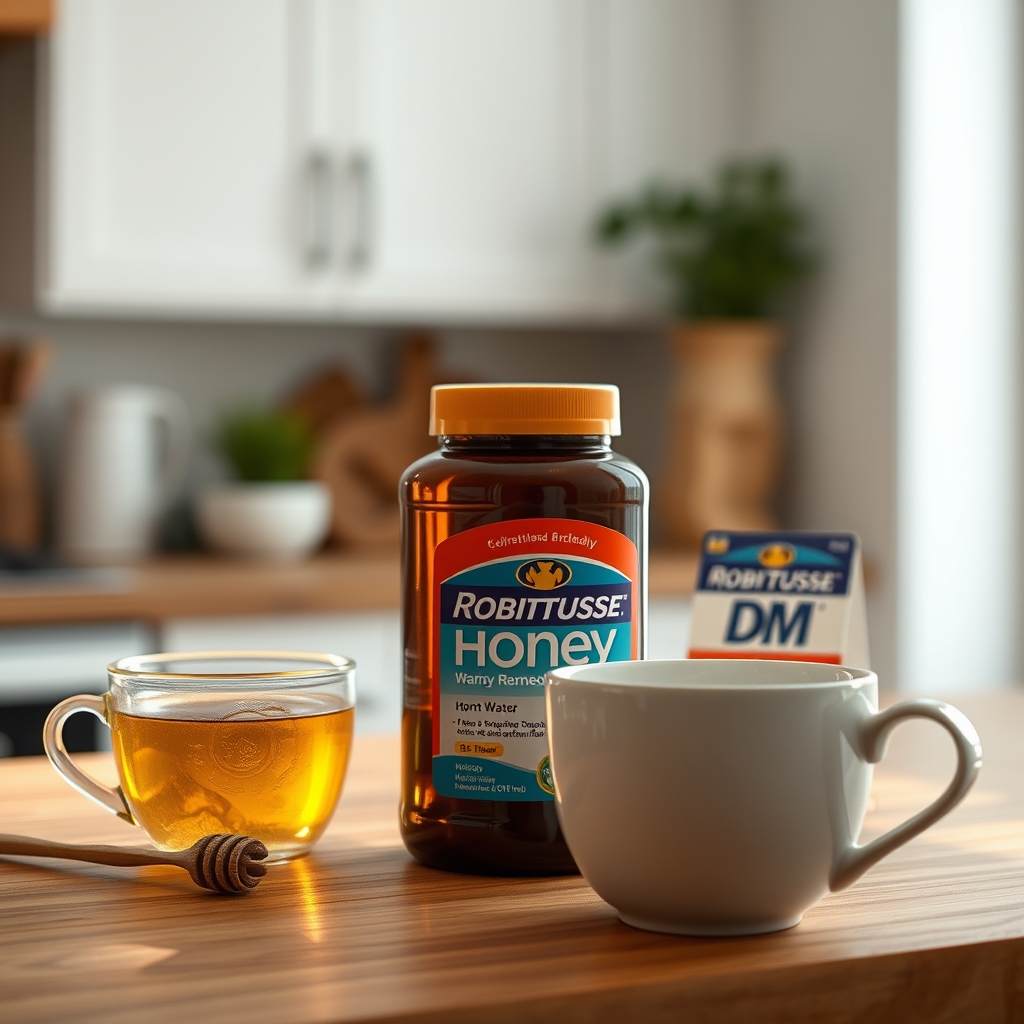
Natural cough remedies like honey can be a soothing, pregnancy‑friendly alternative.
Are there safer cough medicine alternatives to Robitussin DM during pregnancy?
Honey and warm water – a traditional remedy that coats the throat and reduces irritation without medication.
Zarbee’s Naturals Cough Relief – a pediatric‑formulated, honey‑based syrup that is labeled pregnancy‑safe by the manufacturer.
Halls Mentho‑Lyptus lozenges – contain menthol to soothe the airway; they have no dextromethorphan.
Warm saline gargle – simple saltwater can break up mucus and reduce throat inflammation.
Steam inhalation – breathing warm, moist air loosens chest congestion without medication.
Acetaminophen (Tylenol) for pain relief – safe for fever or sore throat when used at standard doses.
Mucinex Expectorant (guaifenesin‑only) – provides expectorant action without the cough suppressant.
Does Robitussin DM pose any risks to the developing baby?
When used at the recommended dose, the risk to the fetus is considered low. The primary concern is the theoretical possibility of dextromethorphan crossing the placenta and affecting the central nervous system. However, extensive post‑marketing surveillance data reviewed by the FDA have not identified a consistent pattern of birth defects or developmental delays linked to short‑term use.
Potential indirect risks include maternal side effects such as drowsiness, which could lead to falls or reduced oxygenation if severe. In rare cases, high doses of dextromethorphan can cause tachycardia or hypertension, but these are uncommon at therapeutic levels. The CDC notes that any medication taken during pregnancy should be weighed against the benefits—relief from a severe cough can improve sleep, hydration, and overall well‑being, which are also important for fetal health.
If you experience any unusual symptoms—persistent dizziness, rapid heartbeat, or difficulty breathing—contact your provider promptly.
How does Robitussin DM compare to other cough syrups for pregnant users?
Compared with other over‑the‑counter cough products, Robitussin DM is unique because it combines a suppressant (dextromethorphan) with an expectorant (guaifenesin). Delsym 12 Hour Cough Relief also contains dextromethorphan but at a higher dose, making it a more potent suppressant and therefore a higher‑risk option for pregnancy without provider oversight.
Mucinex DM contains the same two ingredients but in a tablet form, which may be less convenient for those who have difficulty swallowing pills. Benadryl cough syrup, which includes diphenhydramine, adds an antihistamine that can cause increased sedation and is generally not recommended in the first trimester.
NyQuil and DayQuil combine multiple active ingredients, including acetaminophen and phenylephrine, which can raise blood pressure and are not advised for pregnant women with hypertension. Vicks VapoRub is a topical product and is considered safe for most pregnant users, but it does not address underlying cough or congestion as effectively as an oral expectorant.
Overall, Robitussin DM offers a balanced approach for those who need both cough suppression and mucus thinning, but each alternative should be evaluated for its own safety profile and your specific symptoms.
What are the side effects of Robitussin DM for pregnant women?
The most common side effects reported in clinical trials include mild drowsiness, dizziness, nausea, and an upset stomach. Less common effects are dry mouth, constipation, or a mild headache. Because dextromethorphan can cause central nervous system depression at high doses, excessive intake may lead to confusion or visual disturbances—symptoms that warrant immediate medical attention.
Rarely, some individuals experience allergic reactions such as rash, itching, or swelling of the face and throat. If any of these occur, stop the medication and seek emergency care. For pregnant women, it’s also important to monitor for signs of dehydration, which can worsen a cough and potentially affect amniotic fluid levels.
Most side effects are mild and resolve after the medication is discontinued, but always discuss any persistent or severe reactions with your obstetrician.
Safer alternatives
Honey and warm water – coats the throat and naturally soothes irritation.
Zarbee’s Naturals Cough Relief – a honey‑based syrup formulated for pregnant and nursing mothers.
Halls Mentho‑Lyptus lozenges – provide menthol relief without any cough suppressant.
Warm saline gargle – helps clear mucus without medication.
Acetaminophen (Tylenol) – safe for fever or sore throat when used as directed.
Mucinex Expectorant – offers guaifenesin alone, avoiding the dextromethorphan component.
Related items — safety at a glance
Item
Verdict
One‑line note
Delsym 12 Hour Cough Relief
⚠️ Talk to doctor
Higher dextromethorphan dose; use only if prescribed.
Mucinex DM
⚠️ Talk to doctor
Same ingredients in tablet form; same precautions.
Benadryl Cough Syrup (diphenhydramine)
⚠️ Talk to doctor
Antihistamine may cause excessive drowsiness.
NyQuil
❌ Best avoided
Contains acetaminophen and phenylephrine; not recommended.
DayQuil
⚠️ Talk to doctor
Contains phenylephrine; caution with blood pressure.
Robitussin Cough + Chest Congestion
⚠️ Talk to doctor
Similar formulation; same safety considerations.
Vicks VapoRub
✅ Generally safe
Topical only; no systemic absorption.
Sudafed (pseudoephedrine)
❌ Best avoided
Can raise blood pressure; not first‑line for cough.
Myth vs. fact
Myth: “All over‑the‑counter cough syrups are safe because they’re sold without a prescription.”
Fact: While many cough medicines are available OTC, ingredients like dextromethorphan are classified as Category C by the FDA, meaning they should be used only when clearly needed and after a provider’s approval during pregnancy.
Myth: “If I take a single dose of Robitussin DM, it can’t possibly harm my baby.”
Fact: A single dose at the recommended amount is unlikely to cause harm, but it’s still advisable to inform your obstetrician, especially in the first trimester.
Myth: “Natural cough remedies are always safer than any medication.”
Fact: Some natural remedies, like high‑dose honey, may be safe, but others (e.g., herbal teas with unknown herbs) can contain compounds that are not studied in pregnancy. Always verify safety with a trusted source.
Key takeaways
Robitussin DM can be used in pregnancy, but only after a provider confirms the dose is appropriate.
During the first trimester, limit use to the lowest effective dose and only if the cough is severe.
Standard adult dosage is 10 mL every 4‑6 hours, max 40 mL per day; many clinicians recommend staying at the lower end of this range during pregnancy.
Common side effects are mild (drowsiness, nausea); seek care for severe dizziness, rapid heartbeat, or allergic reactions.
Safer alternatives include honey, Zarbee’s Naturals, saline gargles, and Mucinex expectorant‑only products.
Always discuss any cough medication with your obstetrician, especially if you have asthma, hypertension, or are close to delivery.
Frequently asked questions
Can I take Robitussin DM while pregnant?
Yes, you can take Robitussin DM while pregnant, but only after your healthcare provider approves the dose and confirms it’s appropriate for your trimester.
Is dextromethorphan safe during pregnancy?
Dextromethorphan is classified as a Category C drug, meaning limited human data exist; it is considered low risk when used at the recommended dose and under medical guidance.
What are the risks of using Robitussin DM in the second trimester?
In the second trimester, the risk of birth defects is low; the main concerns are typical side effects like drowsiness and ensuring the dose does not exceed label limits.
How much Robitussin DM is safe for a pregnant woman?
The standard safe amount is 10 mL every 4‑6 hours, not exceeding 40 mL in a 24‑hour period, but many providers recommend staying at the lower end of this range during pregnancy.
Are there natural cough remedies safe for pregnancy?
Yes—honey mixed with warm water, saline gargles, steam inhalation, and certain honey‑based syrups like Zarbee’s Naturals are considered safe and effective alternatives.
Does Robitussin DM cause birth defects?
Current evidence does not show a direct link between short‑term, label‑dose use of Robitussin DM and birth defects, but caution is advised, especially in the first trimester.
What should I avoid while taking Robitussin DM in pregnancy?
Avoid combining Robitussin DM with other cough suppressants, antihistamines, or decongestants that can increase drowsiness or raise blood pressure without your doctor’s approval.
What should I do if I accidentally take more than the recommended dose?
If you think you’ve taken more than the advised amount, call your obstetrician or a poison‑control center right away. Symptoms of overdose can include extreme drowsiness, rapid heartbeat, or confusion, which require prompt medical evaluation.
Can I use Robitussin DM if I have asthma?
Asthma patients should be especially cautious. Dextromethorphan can cause mild sedation, which might mask worsening asthma symptoms. Discuss with your provider before using any cough suppressant if you have asthma.
Is it okay to combine Robitussin DM with vitamin C supplements?
Vitamin C does not interact with dextromethorphan or guaifenesin, so taking a standard prenatal vitamin C supplement alongside Robitussin DM is generally safe, but always confirm with your healthcare provider.
Can I use Robitussin DM if I have high blood pressure?
High blood pressure is a cautionary factor; while Robitussin DM itself does not raise blood pressure, the dextromethorphan component can cause mild cardiovascular effects in susceptible individuals. Discuss dosage and monitoring with your obstetrician.
Is Robitussin DM safe while breastfeeding?
Yes, small amounts of dextromethorphan and guaifenesin pass into breast milk, but studies and the FDA indicate no adverse effects on nursing infants when used at the recommended dose.
When to call your doctor
Contact your obstetrician or seek immediate medical attention if you experience any of the following while taking Robitussin DM: persistent high fever, severe dizziness or fainting, rapid heartbeat (over 120 bpm), difficulty breathing, swelling of the face or throat, or any sign of an allergic reaction such as rash or hives. Also call if your cough worsens despite medication, or if you’re nearing labor and have taken the medication within the past 6 hours. This information is for educational purposes only and does not replace personalized medical advice.
References
American College of Obstetricians and Gynecologists (ACOG). “Medication Use During Pregnancy.” Updated 2023.
National Health Service (NHS). “Cough and Cold Medicines in Pregnancy.” Reviewed 2022.
U.S. Food and Drug Administration (FDA). “Drug Categories for Pregnancy.” Accessed 2024.
Centers for Disease Control and Prevention (CDC). “Pregnancy and Medication Safety.” Updated 2023.
Mayo Clinic. “Dextromethorphan (Cough Medicine) – Safety in Pregnancy.” Retrieved 2024.
World Health Organization (WHO). “Guidelines for the Management of Cough in Pregnancy.” 2022.
Not sure about the label on Is Robitussin Dm Safe During Pregnancy products?
Snap the ingredients list and SafeFilter checks every ingredient for your stage — only 3 free scans this month, then you're locked until reset. Unlimited from $7/mo or $50/yr.
When Shubhra Mishra was expecting her first child in 2016, she was overwhelmed by conflicting food advice — one site said yes, another said never. By the time her second baby arrived in 2019, she realized millions of mothers face the same confusion.
That sparked a five-year journey through clinical nutrition papers, cultural diets, and expert conversations — all leading to BumpBites: a calm, compassionate space where science meets everyday motherhood.
Her long-term vision is to build a global community ensuring safe, supported, and free deliveriesfor every mother — because no woman should face pregnancy alone or uninformed. 🌿
🌍 Stand with mothers, shape safer guidance
Join a small circle of experts who review BumpBites articles so expecting parents everywhere can decide with confidence.