Limit salami during pregnancy. Safe only if fully cooked, with a maximum of 2-3 servings per week in the second or third trimester to avoid listeria risks.
By Shubhra Mishra — a mom of two who turned her own confusion during pregnancy into BumpBites, a global mission to make food choices clear, safe, and stress-free for every expecting mother. 💛
Check whether any food is safe during pregnancy with the BumpBites Food Safety Checker.
Quick verdict: ❌ Best avoided. Salami, like other uncooked or unheated deli meats, poses a risk of listeriosis and toxoplasmosis during pregnancy, which can have serious consequences for both you and your baby. It's safest to avoid unless thoroughly heated to steaming hot.
That late-night craving hits, or maybe you're at a party, and a delicious charcuterie board catches your eye. Salami looks so tempting, but then the familiar "is this safe during pregnancy?" alarm bells start ringing. If you've already had a slice or two before you even thought to check, take a deep breath. We understand the worry, and you're not alone in wondering about deli meats. The good news is that understanding the risks empowers you to make informed, safe choices for your pregnancy journey.
At BumpBites, we're here to provide clear, evidence-based guidance. When it comes to salami and pregnancy, the primary concern revolves around certain foodborne pathogens. While salami is a delicious cured meat, its preparation method means it carries a higher risk of bacteria like Listeria monocytogenes and parasites like Toxoplasma gondii, which are particularly dangerous during pregnancy. Most health organizations, including the American College of Obstetricians and Gynecologists (ACOG) and the UK's National Health Service (NHS), recommend avoiding uncooked deli meats like salami during pregnancy unless they are heated until steaming hot.
In this article, we'll break down exactly why salami poses a risk, what that means for each trimester, how to make safer choices, and what delicious alternatives you can enjoy instead. Our goal is to give you peace of mind and help you navigate your pregnancy with confidence.
Trimester/Period
Verdict
Notes
First Trimester
❌ Best avoided
Highest risk of severe complications from listeriosis/toxoplasmosis, including miscarriage and birth defects, due to rapid fetal development.
Second Trimester
❌ Best avoided
Continued risk of listeriosis/toxoplasmosis, potentially leading to preterm labor, fetal infection, or long-term health issues for the baby.
Third Trimester
❌ Best avoided
Risk of listeriosis/toxoplasmosis, which can cause premature birth, severe illness in the newborn (sepsis, meningitis), or stillbirth.
Breastfeeding
⚠️ Safe with limits
Generally considered safe for the baby as pathogens are not typically passed through breast milk. However, the mother still faces risks of foodborne illness. Continue to heat thoroughly or choose safer alternatives for your own health.
What is Salami?
Salami is a type of cured sausage, traditionally made from fermented and air-dried meat, typically pork, but can also include beef or other meats. Originating in Italy, the word "salami" comes from the plural of "salame," meaning "salted meat." The production process for salami involves several key steps: first, the meat is ground and mixed with fat, salt, spices, and sometimes herbs. This mixture is then stuffed into casings.
The crucial part of salami production, and what makes it distinct from fresh sausages, is the curing and fermentation process. During fermentation, beneficial bacteria convert sugars into lactic acid, which helps preserve the meat and gives salami its characteristic tangy flavor. Following fermentation, the salami is air-dried over weeks or months. This drying process removes moisture, further concentrating the flavors and helping to preserve the meat without cooking. Because it's air-dried and not typically cooked at high temperatures during its production, salami is considered a "ready-to-eat" product that hasn't undergone a traditional cooking step to kill potential pathogens. This raw or uncooked nature is the root of concerns regarding salami safe for pregnancy.
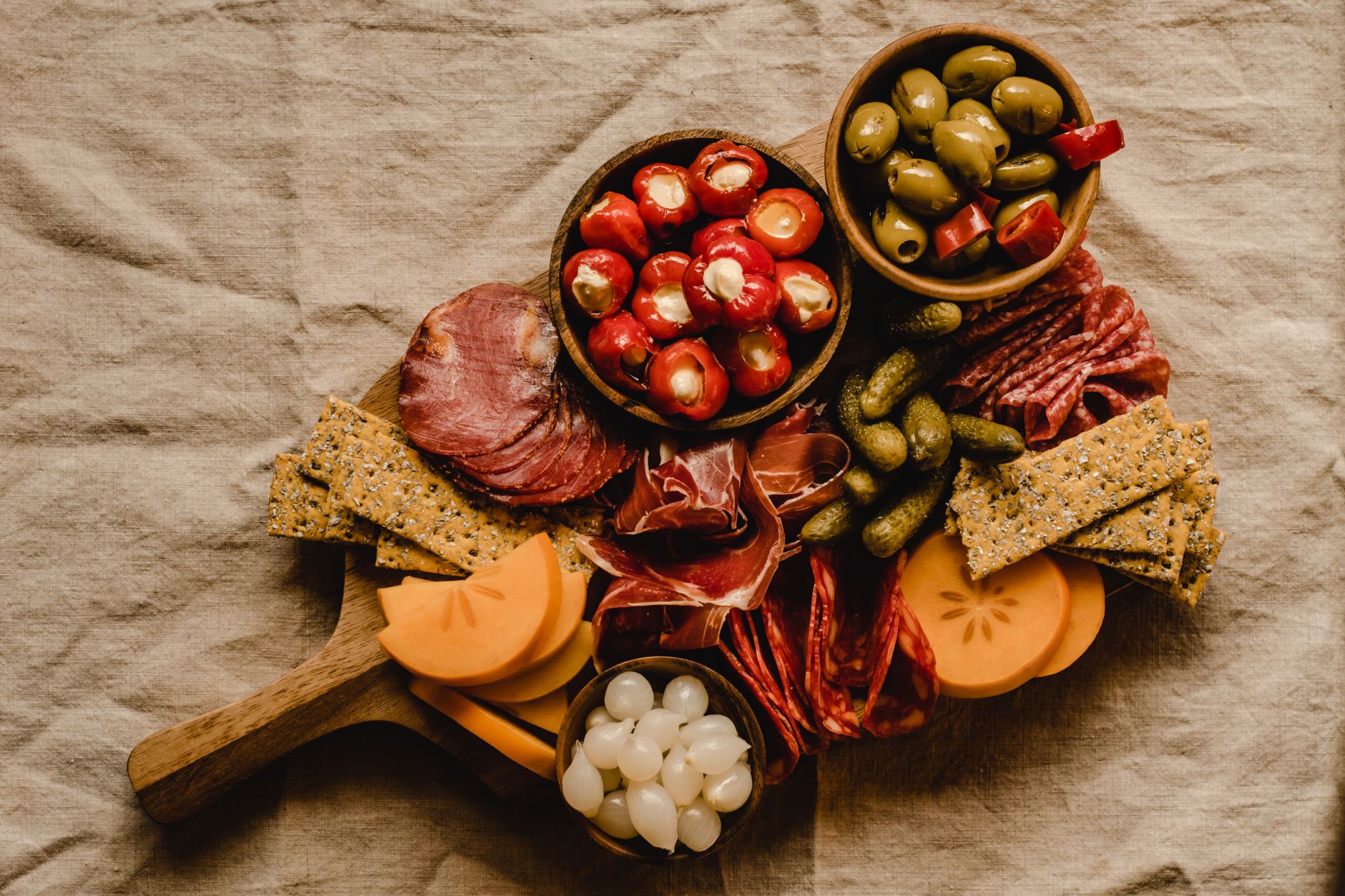
While tempting, charcuterie boards often feature uncooked meats like salami, which should be approached with caution during pregnancy.
Is Salami Safe During Pregnancy?
Generally, **salami is not considered safe to eat during pregnancy** unless it has been thoroughly cooked until steaming hot. The primary reason for this recommendation from health authorities like the American College of Obstetricians and Gynecologists (ACOG) and the UK's National Health Service (NHS) is the risk of foodborne illnesses, specifically listeriosis and toxoplasmosis.
Salami is a cured, fermented, and air-dried meat product. Unlike fully cooked meats, the curing and drying processes typically do not involve temperatures high enough to kill harmful bacteria and parasites. This means that raw or uncooked salami can potentially harbor Listeria monocytogenes bacteria and Toxoplasma gondii parasites. Pregnant individuals are particularly vulnerable to these pathogens, and the consequences for the developing baby can be severe, ranging from miscarriage and stillbirth to serious birth defects and lifelong health problems.
Even if you've eaten salami without issues before pregnancy, your immune system changes during gestation, making you more susceptible to foodborne illnesses. What might cause mild discomfort in a non-pregnant person could lead to significant complications for a pregnant person and their fetus. For this reason, most obstetricians and health organizations strongly advise pregnant individuals to either avoid salami completely or ensure it's cooked to an internal temperature of at least 165°F (74°C) to eliminate these risks.
Is salami safe to eat during the first trimester of pregnancy?
No, **salami is generally not safe to eat during the first trimester of pregnancy** unless it is thoroughly heated until steaming hot. The first trimester is a critical period for fetal development, as all major organs are forming. Exposure to pathogens like Listeria monocytogenes and Toxoplasma gondii during this time carries the highest risk of severe complications. Listeriosis can lead to miscarriage, stillbirth, or premature birth. Toxoplasmosis can cause serious birth defects, including brain damage, vision problems, and other neurological issues in the developing baby. Given these significant risks, health authorities consistently recommend avoiding uncooked salami and similar deli meats during early pregnancy.
How much salami can a pregnant woman safely consume?
When it comes to uncooked salami, **there is no safely recommended amount that a pregnant woman can consume.** Even a small amount of contaminated salami can transmit pathogens like Listeria or Toxoplasma. The risk is not dose-dependent in the same way as, say, caffeine; rather, it's about the presence or absence of the harmful bacteria or parasite. Therefore, the safest approach is to avoid raw or uncooked salami entirely. If you choose to eat salami, it must be heated until it's steaming hot (165°F or 74°C) to ensure any potential pathogens are killed, regardless of the portion size.
What are the risks of eating salami while pregnant?
The primary risks of eating uncooked salami while pregnant stem from two main pathogens: Listeria monocytogenes and Toxoplasma gondii. Listeriosis, caused by Listeria bacteria, can lead to flu-like symptoms in the mother, but its effects on the fetus can be devastating, including miscarriage, premature delivery, stillbirth, or life-threatening infections in the newborn such as sepsis or meningitis. Toxoplasmosis, caused by the Toxoplasma parasite, can also be asymptomatic or cause mild symptoms in the mother, but can lead to severe congenital toxoplasmosis in the baby, resulting in brain damage, vision impairment, hearing loss, or developmental delays. Both of these infections are particularly dangerous during pregnancy due to the developing immune system of the fetus and the potential for long-term health consequences. This is why the question of "is salami safe for pregnancy?" almost always results in a cautionary answer.
Can I eat specific brands of salami safely during pregnancy?
No, **specific brands of salami do not inherently make it safer to eat during pregnancy** if it's consumed uncooked. The risk associated with salami comes from its production method (curing and air-drying rather than high-temperature cooking), not typically from a particular brand's hygiene practices. While some brands might have stricter quality controls, no brand can guarantee the complete absence of Listeria or Toxoplasma in an uncooked, ready-to-eat product. Therefore, regardless of the brand, the recommendation remains the same: avoid uncooked salami, or ensure it is thoroughly heated to steaming hot to kill potential pathogens. Always check product labels for cooking instructions, and if in doubt, err on the side of caution.
Should I avoid salami if I have a history of listeria infection during pregnancy?
If you have a history of listeria infection during a previous pregnancy, or if you are currently pregnant and have any concerns about your immune system, it is **absolutely crucial to avoid salami and other uncooked deli meats.** Your body's immune response to listeria may be compromised, or you may simply be more vigilant about preventing recurrence. While a previous infection doesn't necessarily mean you're more susceptible in a *future* pregnancy, the severity of listeria's impact on a developing fetus means that taking every precaution is paramount. Always consult your healthcare provider for personalized advice, but the general guidance from organizations like the CDC is to avoid high-risk foods if you are pregnant, especially if you have an underlying health condition or a history of foodborne illness.
Is cooked salami safe for pregnant women compared to raw salami?
Yes, **cooked salami is generally considered safe for pregnant women, unlike raw salami.** The key difference lies in the heating process. Thoroughly cooking salami until it is steaming hot (reaching an internal temperature of 165°F or 74°C) effectively kills any potential Listeria monocytogenes bacteria or Toxoplasma gondii parasites that might be present. This applies whether you're frying it, baking it on a pizza, or heating it in a sandwich. The heat eliminates the pathogens, thereby removing the primary risk associated with eating salami during pregnancy. So, if you're craving salami, make sure it's piping hot before you take a bite.
Does eating salami increase the risk of miscarriage in pregnancy?
Yes, **eating uncooked salami can increase the risk of miscarriage in pregnancy** due to the potential for listeriosis and toxoplasmosis. Both infections can have severe consequences, particularly in the first trimester when fetal development is most vulnerable. Listeriosis is a known cause of miscarriage and stillbirth. While toxoplasmosis is less commonly linked directly to miscarriage, severe congenital toxoplasmosis can lead to fetal demise. The risk is not guaranteed with every exposure, but the potential for these serious outcomes is why health organizations strongly advise against consuming raw or unheated salami and other high-risk deli meats during pregnancy. The safest approach to reduce this risk is to avoid uncooked salami entirely.
Safety by Trimester
The risks associated with eating uncooked salami remain consistent throughout pregnancy, but the specific consequences can vary depending on the trimester. Your immune system is also altered during pregnancy, making you more susceptible to foodborne illnesses at any stage.
First Trimester
The first trimester is a period of rapid and critical organ development for your baby. During this time, the fetus is most vulnerable to external factors. If you contract listeriosis or toxoplasmosis from uncooked salami in your first trimester, the risks are particularly severe. Listeriosis can lead to miscarriage, stillbirth, or severe neurological damage to the developing fetus. Toxoplasmosis can result in congenital toxoplasmosis, causing serious birth defects affecting the brain, eyes, and other organs. For these reasons, avoiding uncooked salami is especially crucial during the first 12 weeks of pregnancy. If you've already consumed it, try not to panic, but do monitor for any flu-like symptoms and contact your doctor if you have concerns.
Second Trimester
While the risk of miscarriage decreases after the first trimester, contracting listeriosis or toxoplasmosis in the second trimester still poses significant dangers. Listeriosis can lead to preterm labor, premature birth, and severe infections in the newborn, such as sepsis or meningitis. Congenital toxoplasmosis acquired in the second trimester can still cause serious health problems for the baby, including developmental delays, vision impairment, and hearing loss, which may not be apparent until later in childhood. The recommendation to avoid uncooked salami remains strong throughout the second trimester to protect both your health and your baby's development.
Third Trimester
In the third trimester, the risk of transmitting listeria to your baby if you become infected is higher than in earlier trimesters. While your baby's organs are mostly developed, a listeria infection can still cause severe complications, including premature birth, stillbirth, or a life-threatening infection in the newborn shortly after birth. Toxoplasmosis can also lead to issues for the baby, though the severity may be less than if contracted earlier in pregnancy. However, late-onset symptoms can still occur. Therefore, it's vital to continue avoiding uncooked salami and other high-risk foods right up until delivery to ensure a healthy outcome for your baby.
Breastfeeding
When you are breastfeeding, the concerns about salami shift primarily to your own health rather than direct risk to your baby. Pathogens like Listeria and Toxoplasma are not typically transmitted through breast milk. Therefore, consuming salami while breastfeeding is generally considered safe for the baby. However, you are still susceptible to foodborne illness. Getting sick with listeriosis or toxoplasmosis can be very unpleasant and debilitating, making it difficult to care for your newborn. For this reason, many healthcare providers still recommend exercising caution and thoroughly heating salami or choosing safer alternatives to protect your own well-being.
Safe Dosage / Amount / Brands
As previously stated, there is no "safe" uncooked amount or dosage of salami during pregnancy. The risk is associated with the presence of pathogens, not necessarily the quantity consumed. Therefore, the safest approach is to avoid raw or unheated salami entirely.
If you choose to consume salami, the only way to make it safe is by **heating it until it is steaming hot.** This means reaching an internal temperature of 165°F (74°C). This temperature effectively kills Listeria monocytogenes and Toxoplasma gondii. Here's how you can safely prepare salami:
On Pizza: Salami baked on a pizza at high temperatures is generally safe, as the oven heat will thoroughly cook it.
In Cooked Dishes: Adding salami to pasta sauces, casseroles, or stews where it simmers for an extended period will ensure it reaches a safe temperature.
Pan-fried: Frying salami slices in a pan until crispy and hot is another safe option.
Microwaved: If microwaving, ensure it's evenly heated throughout and steaming hot.
Regarding specific brands, no brand of uncooked salami is inherently safer than another during pregnancy. Whether it's a high-end artisanal salami or a supermarket variety, the risk comes from the curing process, not typically from brand-specific hygiene. Always check labels for any specific cooking instructions or warnings. When purchasing, look for reputable brands that clearly state their processing methods. However, even with the best brands, the heating rule still applies to ensure the salami is safe for pregnancy.
Side Effects and Risks
The most significant side effects and risks of eating uncooked salami during pregnancy are related to the foodborne illnesses listeriosis and toxoplasmosis. Understanding these risks is crucial for making informed choices.
Listeriosis:
Symptoms in Pregnant Person: Often mild and flu-like, including fever, muscle aches, fatigue, headache, and sometimes gastrointestinal symptoms like nausea or diarrhea. These symptoms can be easily mistaken for common pregnancy discomforts or a regular cold, making diagnosis challenging.
Risks to Pregnancy/Baby:
Miscarriage: Especially in the first trimester.
Stillbirth: Can occur at any stage of pregnancy.
Premature birth: Delivering the baby before full term.
Life-threatening infection in the newborn: Such as sepsis (blood infection), meningitis (inflammation of the brain and spinal cord), or pneumonia. These can lead to long-term neurological damage, developmental delays, or death.
Toxoplasmosis:
Symptoms in Pregnant Person: Often asymptomatic or very mild, resembling a cold or flu with swollen glands and muscle aches. Most people don't even realize they've been infected.
Risks to Pregnancy/Baby (Congenital Toxoplasmosis):
Brain damage: Including hydrocephalus (fluid on the brain) or microcephaly (abnormally small head).
Vision problems: Such as chorioretinitis (inflammation of the retina), which can lead to blindness.
Hearing loss.
Seizures.
Developmental delays.
In severe cases, stillbirth or miscarriage.
Symptoms may not appear until months or even years after birth, making early detection difficult without screening.
It's important to differentiate between these serious risks and common, non-dangerous pregnancy symptoms. If you've consumed uncooked salami and experience any flu-like symptoms, fever, or unusual discomfort, it's essential to contact your healthcare provider immediately. Early diagnosis and treatment can significantly improve outcomes for both you and your baby.
Safer Alternatives to Salami for Pregnant Women
Craving something savory and satisfying but need to keep it safe during pregnancy? Don't worry, there are plenty of delicious and safe alternatives to salami that can hit the spot. These options minimize the risk of foodborne illness while still offering great flavor and nutrition:
Heated Turkey Deli Slices: If you love deli meat sandwiches, opt for turkey slices that have been heated until steaming hot. This kills any potential Listeria.
Cooked Chicken Breast: Sliced cooked chicken breast, either freshly prepared or from pre-cooked, packaged varieties, offers a lean protein source for sandwiches, salads, or snacks.
Smoked Salmon (Cooked): While cold smoked salmon is generally advised against, cooked smoked salmon (e.g., in a quiche or casserole) is a safe and flavorful option rich in Omega-3s.
Roasted Vegetables: Sweet potatoes, bell peppers, zucchini, or carrots roasted with herbs and a drizzle of olive oil can be a surprisingly satisfying and healthy snack or side.
Hummus with Whole-Grain Crackers: A great source of plant-based protein and fiber, hummus is safe and delicious, especially when paired with crunchy whole-grain crackers.
Avocado Toast: Creamy avocado on whole-grain toast provides healthy fats and fiber. You can add a sprinkle of everything bagel seasoning for extra flavor.
Greek Yogurt with Fruit: A protein-packed option, Greek yogurt can be enjoyed with fresh berries, sliced bananas, or a drizzle of honey for a sweet and healthy treat.
Quinoa Salad: A versatile and nutritious base, quinoa salad with chopped vegetables, herbs, and a light vinaigrette makes for a filling and safe meal or snack.
These alternatives ensure you can enjoy flavorful foods without the worry of "is salami safe for pregnancy?" and the associated risks.
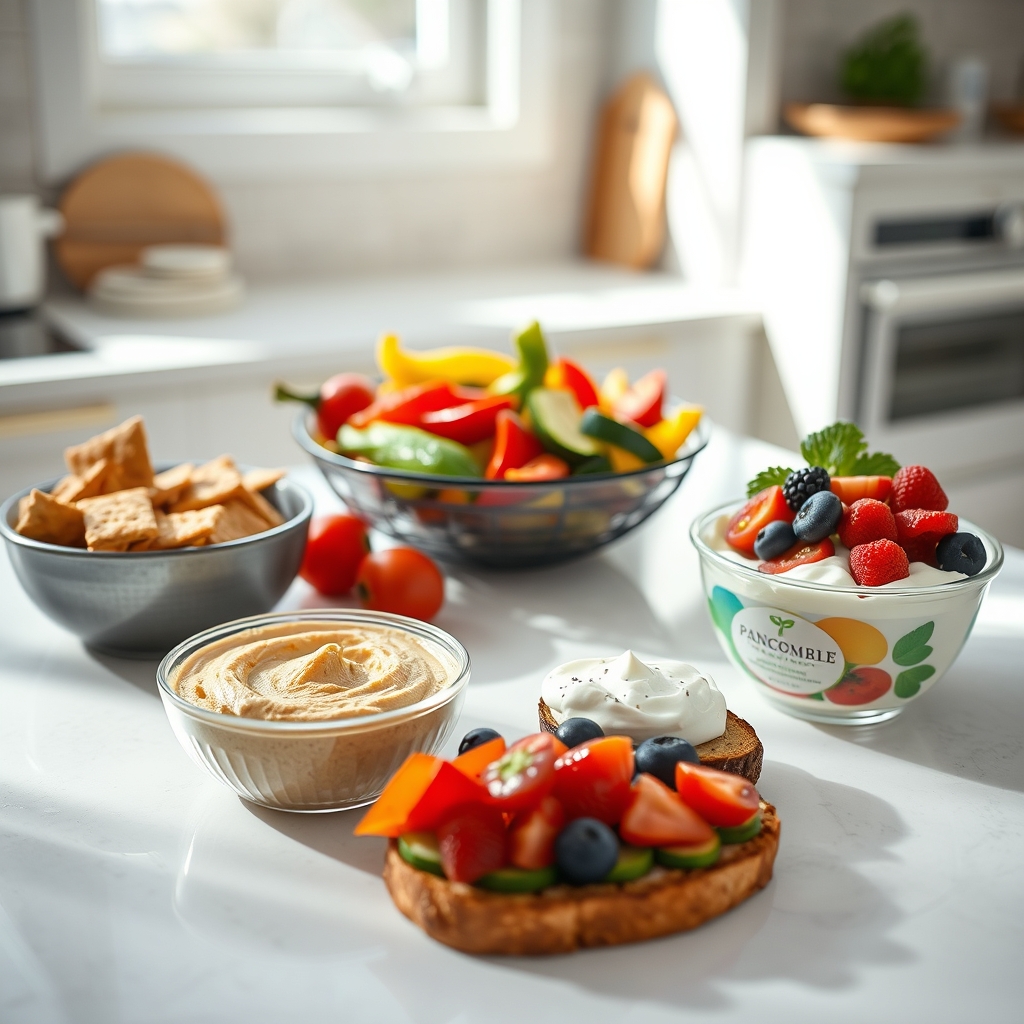
Enjoying a variety of pregnancy-safe snacks can satisfy cravings without the worry of foodborne illness.
Related Items — Safety at a Glance
Many cured and deli meats share similar production methods and therefore similar pregnancy safety concerns. Here's a quick guide to other common items you might encounter:
Item
Verdict
Note
Pepperoni
❌ Best avoided (uncooked)
Similar to salami, uncooked pepperoni carries a risk of listeriosis and toxoplasmosis. Safe when cooked until steaming hot, like on a pizza.
Prosciutto
❌ Best avoided (uncooked)
A dry-cured ham, traditionally served uncooked. Poses risks of listeria and toxoplasmosis. Avoid unless thoroughly heated.
Bologna
⚠️ Safe with limits
A cooked sausage, but if it's deli-sliced, it can be cross-contaminated with Listeria. Heat until steaming hot for safety. Pre-packaged, sealed bologna is generally safer.
Ham (deli)
⚠️ Safe with limits
Cooked, but deli-sliced ham can also be cross-contaminated. Always heat until steaming hot (165°F/74°C) before eating.
Hot Dogs
⚠️ Safe with limits
Pre-cooked, but can carry Listeria. Must be cooked until steaming hot (165°F/74°C) throughout, even if labeled "precooked."
Chorizo (cured)
❌ Best avoided (uncooked)
Traditional Spanish chorizo is a dry-cured sausage, similar to salami. Avoid uncooked. Cooking until steaming hot makes it safe.
Mortadella
⚠️ Safe with limits
A cooked, cured sausage, but if deli-sliced, it carries the same cross-contamination risks as other deli meats. Heat until steaming hot.
Pastrami
⚠️ Safe with limits
A cured, smoked, and spiced beef product. If deli-sliced, it needs to be heated until steaming hot to eliminate Listeria risk.
Myth vs. Fact
There's a lot of information and misinformation floating around when you're pregnant, especially concerning food safety. Let's clear up some common myths about salami and other cured meats.
Myth: Freezing salami kills all harmful bacteria and parasites, making it safe to eat.
Fact: While freezing can kill some parasites like Toxoplasma gondii if done at very low temperatures for an extended period, it does not reliably kill Listeria monocytogenes bacteria. Listeria can survive and even grow at refrigeration temperatures and can survive freezing. Therefore, freezing salami does not make it safe to consume uncooked during pregnancy.
Myth: Only "raw" or "homemade" salami is risky; pre-packaged, supermarket salami is always safe.
Fact: All uncooked salami, whether from a deli counter or pre-packaged from a supermarket, carries a risk of Listeria and Toxoplasma. While pre-packaged items might have different handling, the fundamental issue is that the curing and air-drying process does not involve high enough temperatures to kill these pathogens. The only way to make any salami safe for pregnancy is to heat it until it's steaming hot.
Myth: If you've never gotten sick from salami before, you won't get sick during pregnancy.
Fact: Pregnancy causes significant changes to your immune system, making you more susceptible to foodborne illnesses like listeriosis. What might have been a mild or asymptomatic infection before pregnancy could lead to severe illness for you and your baby during pregnancy. It's crucial not to rely on past experiences but to follow current pregnancy-specific food safety guidelines.
Key Takeaways
Uncooked salami is generally **not safe** during pregnancy due to the risk of listeriosis and toxoplasmosis.
These infections can lead to serious complications for both you and your baby, including miscarriage, stillbirth, premature birth, and birth defects.
The risk is present in **all trimesters**, with varying potential consequences.
The only way to make salami safe is to **heat it until it is steaming hot** (165°F or 74°C) to kill any potential pathogens.
There is **no safe amount** of uncooked salami during pregnancy.
Many delicious and safe alternatives are available, such as thoroughly heated deli meats, cooked chicken, and plant-based options.
If you've already eaten uncooked salami, monitor for flu-like symptoms and contact your doctor if you have concerns.
Frequently Asked Questions
Can pregnant women eat salami?
Pregnant women should generally avoid eating uncooked salami due to the risk of listeriosis and toxoplasmosis, which can cause serious complications for the baby. However, salami can be safely consumed if it is thoroughly cooked until steaming hot (165°F or 74°C), as this temperature kills harmful bacteria and parasites.
What are the dangers of deli meats during pregnancy?
The primary danger of deli meats, including salami, during pregnancy is the potential presence of Listeria monocytogenes bacteria. Listeriosis can lead to severe complications such as miscarriage, stillbirth, premature delivery, or life-threatening infections in the newborn. Some cured meats also carry a risk of Toxoplasma gondii parasites.
Is it okay to eat cured meats while pregnant?
It is generally recommended to avoid uncooked cured meats, like salami and prosciutto, while pregnant due to the risk of listeriosis and toxoplasmosis. However, if cured meats are cooked until steaming hot throughout, they are considered safe to eat, as the heat eliminates the harmful pathogens.
How should I heat salami before eating it during pregnancy?
To safely eat salami during pregnancy, you must heat it until it is steaming hot, reaching an internal temperature of 165°F (74°C). This can be achieved by frying it, baking it on a pizza, adding it to a hot sauce or casserole, or microwaving it thoroughly until it's visibly steaming and hot to the touch.
Does salami contain listeria?
Salami, as an uncooked, ready-to-eat cured meat, can potentially contain Listeria monocytogenes bacteria. The curing and air-drying process of salami does not reliably kill Listeria, which can survive and even grow at refrigeration temperatures, making it a risk for pregnant individuals.
What are the best snack options for pregnant women?
Excellent snack options for pregnant women include fresh fruits and vegetables, Greek yogurt with fruit, whole-grain crackers with cheese or hummus, avocado toast, hard-boiled eggs, nuts and seeds, and thoroughly cooked lean proteins like chicken breast or heated turkey slices. These options are nutrient-dense and safe.
Can I eat salami if I'm pregnant and have a compromised immune system?
If you are pregnant and have a compromised immune system, it is even more critical to avoid uncooked salami and all other high-risk foods. Your body's ability to fight off infections like listeriosis and toxoplasmosis is reduced, increasing the danger of severe illness for both you and your baby. Always consult your healthcare provider for specific dietary advice.
Is there a safe amount of salami to eat while pregnant?
No, there is no safe amount of uncooked salami to eat while pregnant. The risk of listeriosis and toxoplasmosis is associated with the presence of pathogens, not necessarily the quantity consumed. Even a small piece of contaminated salami can transmit infection. Therefore, the safest approach is to avoid raw salami entirely, or only consume it when thoroughly heated.
When to Call Your Doctor
If you have consumed uncooked salami during pregnancy and are concerned, it's always best to err on the side of caution and contact your healthcare provider. You should call your doctor immediately if you experience any of the following symptoms, as they could indicate listeriosis or toxoplasmosis:
Any unusual symptoms or general feeling of being unwell
Early diagnosis and treatment of these infections are crucial for improving outcomes for both you and your baby. Please remember that this article provides general information and is not a substitute for professional medical advice. Always consult with your doctor or healthcare provider for any health concerns or before making any decisions related to your health or treatment.
Not sure about the label on Is Salami Safe During Pregnancy products?
Snap the ingredients list and SafeFilter checks every ingredient for your stage — only 3 free scans this month, then you're locked until reset. Unlimited from $7/mo or $50/yr.
When Shubhra Mishra was expecting her first child in 2016, she was overwhelmed by conflicting food advice — one site said yes, another said never. By the time her second baby arrived in 2019, she realized millions of mothers face the same confusion.
That sparked a five-year journey through clinical nutrition papers, cultural diets, and expert conversations — all leading to BumpBites: a calm, compassionate space where science meets everyday motherhood.
Her long-term vision is to build a global community ensuring safe, supported, and free deliveriesfor every mother — because no woman should face pregnancy alone or uninformed. 🌿
🌍 Stand with mothers, shape safer guidance
Join a small circle of experts who review BumpBites articles so expecting parents everywhere can decide with confidence.