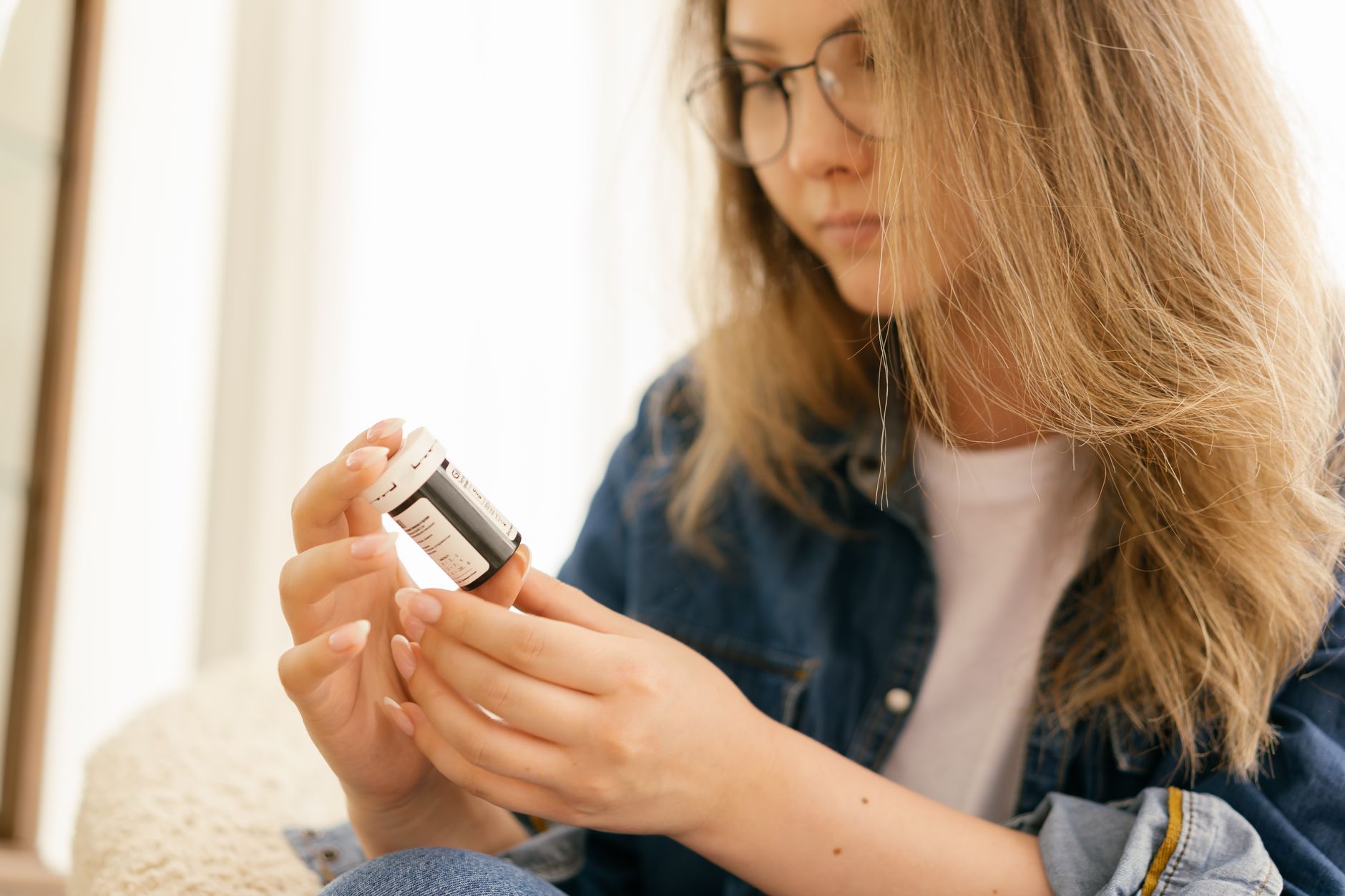
Prozac is generally considered safe during pregnancy, especially when taken in low doses and during the first trimester with caution and medical supervision
By Shubhra Mishra — a mom of two who turned her own confusion during pregnancy into BumpBites, a global mission to make food choices clear, safe, and stress-free for every expecting mother. 💛
Check whether any food is safe during pregnancy with the BumpBites Food Safety Checker.
Quick verdict: ⚠️ Talk to your doctor first. While Prozac (fluoxetine) is generally not considered a first-line antidepressant during pregnancy due to some potential, albeit small, risks, continuing treatment may be recommended by your healthcare provider if the benefits of managing your mental health outweigh these risks. Never stop taking Prozac without consulting your doctor.
Discovering you're pregnant can bring a whirlwind of emotions, and for many, it also brings a wave of questions and worries, especially about medications you might already be taking. If you're on Prozac (fluoxetine) for depression or anxiety, or if your doctor is considering prescribing it, you're likely wondering: is Prozac safe for pregnancy? You're not alone in this concern. Many expecting parents find themselves in this exact situation, balancing their mental health needs with the desire to ensure their baby's well-being.
At BumpBites, we understand the late-night Google searches and the anxiety that comes with every decision. The good news is that managing your mental health during pregnancy is crucial for both you and your baby. This article will provide a clear, evidence-based look at Prozac's safety profile during pregnancy, addressing potential risks by trimester, discussing recommended dosages, and exploring safer alternatives. We'll help you understand the current guidelines from leading health organizations like the ACOG and NHS, so you can have an informed conversation with your healthcare provider.
Discussing any medication, like Prozac, with your healthcare provider is a crucial step when you're pregnant or planning to conceive.
Safety Snapshot: Prozac (Fluoxetine) During Pregnancy & Breastfeeding
Trimester/Phase
Verdict
Notes
First Trimester
⚠️ Safe with limits
Generally not associated with major congenital malformations, but some studies suggest a very small increased risk of minor cardiac defects. The risk of untreated depression often outweighs this small potential risk. Close monitoring by your provider is key.
Second Trimester
✅ Generally safe
Continued use is generally considered safe. Risks associated with organ development are largely past this stage. Focus shifts to maintaining maternal mental health.
Third Trimester
⚠️ Safe with limits
Potential for Neonatal Adaptation Syndrome (NAS) and Persistent Pulmonary Hypertension of the Newborn (PPHN) if used late in pregnancy. These are usually temporary and manageable. Your provider will weigh risks vs. benefits.
Breastfeeding
⚠️ Safe with limits
Fluoxetine transfers into breast milk. While most infants show no adverse effects, monitor the baby for drowsiness, feeding issues, or irritability. Sertraline (Zoloft) and escitalopram (Lexapro) are often preferred due to lower transfer rates.
What is Prozac (Fluoxetine)?
Prozac is the brand name for the medication fluoxetine, which belongs to a class of drugs called Selective Serotonin Reuptake Inhibitors (SSRIs). SSRIs work by increasing the amount of serotonin in your brain. Serotonin is a neurotransmitter, a chemical messenger, that plays a key role in mood regulation, sleep, appetite, and overall feelings of well-being. By blocking the reabsorption (reuptake) of serotonin into nerve cells, Prozac makes more serotonin available, which can help improve mood and reduce symptoms of depression and anxiety.
Prozac is commonly prescribed to treat a range of conditions, including major depressive disorder, obsessive-compulsive disorder (OCD), panic disorder, bulimia nervosa, and premenstrual dysphoric disorder (PMDD). It's an effective medication for many people, helping to alleviate symptoms and improve quality of life. Like all medications, however, its use during pregnancy requires careful consideration of both the potential benefits for the birthing parent and any potential risks to the developing baby.
Is Prozac Safe During Pregnancy?
The question of whether Prozac is safe for pregnancy is complex, and the answer isn't a simple yes or no. The most important thing to understand is that for many pregnant individuals, the benefits of continuing antidepressant treatment, including Prozac, can significantly outweigh the potential risks. Untreated moderate to severe depression during pregnancy can lead to serious adverse outcomes for both the birthing parent and the baby, including preterm birth, low birth weight, preeclampsia, and postpartum depression. For the parent, severe depression can impair self-care, nutrition, and the ability to bond with the baby.
Current guidance from major health organizations, such as the American College of Obstetricians and Gynecologists (ACOG) and the UK's National Institute for Health and Care Excellence (NICE), emphasizes an individualized approach. This means your healthcare provider will carefully weigh your specific mental health history, the severity of your symptoms, and the potential impact of stopping or changing medication against any theoretical risks of continuing Prozac. They will also consider the risks associated with *untreated* depression, which are often more significant than the risks associated with medication exposure.
While some studies have suggested a very small increased risk of certain birth defects, particularly cardiac defects, with first-trimester SSRI exposure, including fluoxetine, many large-scale studies have not consistently found a significant link. The absolute risk, if any, is considered very low. For instance, the baseline risk of a major birth defect in the general population is about 3-5%, and if there is an increased risk with Prozac, it's often described as increasing that risk by a fraction of a percentage point. This nuanced understanding is why it's crucial to have a detailed discussion with your obstetrician or psychiatrist. They can provide the most up-to-date information and help you make an informed decision that prioritizes both your health and your baby's.
Is Prozac safe to take during early pregnancy?
The first trimester, particularly the first 12 weeks, is a critical period for fetal development, as all major organs are forming. This is often when concerns about medication safety are highest. When considering if Prozac is safe for pregnancy during this early stage, research has offered mixed results. Some early studies raised concerns about a slightly increased risk of minor cardiac defects, such as atrial or ventricular septal defects (holes in the heart), with first-trimester exposure to fluoxetine. However, more recent and larger studies, including meta-analyses, have largely failed to confirm these associations or have found the absolute risk to be extremely small, often not statistically significant after accounting for confounding factors.
The ACOG states that the absolute risk of major malformations with SSRI use is small, if present at all. They emphasize that the risks associated with untreated maternal depression (e.g., poor prenatal care, substance use, preterm birth, low birth weight) often outweigh the potential, and largely unproven, risks of SSRI exposure. If you've already been taking Prozac and just found out you're pregnant, try not to panic. The best course of action is to schedule an urgent appointment with your doctor to discuss your specific situation. They can help you weigh the individual risks and benefits of continuing or adjusting your medication, ensuring that your mental health is supported while minimizing any potential concerns for your baby.
What are the risks of taking Prozac in the third trimester?
Using Prozac in the third trimester, especially in the weeks leading up to delivery, carries different considerations than early pregnancy. While it's generally not associated with structural birth defects at this stage, there are two primary concerns:
Neonatal Adaptation Syndrome (NAS) or Poor Neonatal Adaptation (PNA): This is a temporary condition that affects some newborns exposed to SSRIs late in pregnancy. Symptoms typically appear within the first 24-48 hours after birth and can include jitteriness, irritability, increased muscle tone, feeding difficulties, mild respiratory distress, and a weak cry. These symptoms are usually mild and self-limiting, resolving within a few days or weeks with supportive care. NAS is not considered a true withdrawal syndrome but rather a temporary adjustment period as the baby's system clears the medication.
Persistent Pulmonary Hypertension of the Newborn (PPHN): This is a rare but serious lung condition where the blood vessels in the baby's lungs remain constricted after birth, preventing proper oxygenation. Some studies have suggested a very small increased risk of PPHN with late-pregnancy SSRI exposure, including Prozac. However, the absolute risk remains extremely low (e.g., from 1-2 cases per 1,000 live births in the general population to potentially 3-5 cases per 1,000 with late-pregnancy SSRI exposure). The FDA has issued warnings regarding this potential link, but it's important to keep the rarity of the condition and the small magnitude of the increased risk in perspective. Your healthcare provider will monitor you and your baby closely if you continue Prozac into the third trimester.
For these reasons, your doctor may discuss strategies like tapering your dose in the very late stages of pregnancy, if appropriate for your mental health, or planning for closer monitoring of your newborn after delivery. The decision to continue Prozac in the third trimester will always be a shared one between you and your healthcare team, carefully balancing your well-being with potential neonatal effects.
Prozac and Breastfeeding
If you're considering breastfeeding while taking Prozac, it's important to know that fluoxetine does pass into breast milk. The amount that transfers varies, but it tends to be higher than some other SSRIs. Most studies have shown that infants exposed to fluoxetine through breast milk typically do not experience significant adverse effects. However, some infants may show signs such as drowsiness, irritability, poor feeding, or weight loss. These effects are usually mild and reversible if the medication is stopped or changed.
The American Academy of Pediatrics (AAP) and ACOG generally consider fluoxetine to be a medication for which "caution is indicated" during breastfeeding. This means it's not absolutely contraindicated, but close monitoring of the infant is recommended. Your doctor will weigh the benefits of your continued treatment for your mental health against the potential for infant exposure. If you choose to breastfeed while on Prozac, it's essential to watch your baby for any unusual symptoms and report them to your pediatrician. Often, healthcare providers may suggest alternative SSRIs like sertraline (Zoloft) or escitalopram (Lexapro), which typically transfer into breast milk at lower levels, as potentially preferred options if you're starting an antidepressant during the postpartum period.
What is the recommended dosage of Prozac for pregnant women?
When considering Prozac (fluoxetine) for pregnancy, the recommended dosage is typically the lowest effective dose needed to manage your symptoms. There isn't a specific "pregnancy dose" of Prozac; instead, your healthcare provider will aim to keep you on the dosage that has proven effective for your mental health, while also considering any potential risks. For most people, this means continuing the dose they were on before pregnancy, or adjusting it carefully if symptoms change.
The standard adult dose of fluoxetine for depression can range from 20 mg to 60 mg per day, sometimes up to 80 mg for specific conditions. If you are already on Prozac and become pregnant, your doctor will likely recommend continuing your current effective dose. If you are newly starting Prozac during pregnancy, they will typically begin with a low dose (e.g., 10 mg or 20 mg daily) and gradually increase it as needed, always aiming for the minimum effective amount. Self-adjusting your dose is not recommended and can be dangerous, potentially leading to a relapse of depression or withdrawal symptoms.
It's crucial to follow your doctor's specific instructions regarding your Prozac dosage throughout your pregnancy. They will continuously assess the balance between managing your mental health and any potential impact on your baby, making adjustments only when medically necessary and under close supervision.
Side Effects and Risks
Does Prozac cause birth defects or developmental problems?
Concerns about medications causing birth defects are very common and understandable for expecting parents. Regarding Prozac (fluoxetine) and birth defects, the overall consensus from major health organizations is that if there is an increased risk, it is very small. Early studies in the 1990s and early 2000s initially raised some concerns, particularly about a slightly elevated risk of minor cardiac defects, such as septal defects (holes in the heart walls), with first-trimester exposure to SSRIs like fluoxetine. However, these findings have not been consistently replicated in larger, more robust studies.
Many large epidemiological studies and meta-analyses have found no statistically significant increase in the overall risk of major congenital malformations with SSRI use during pregnancy. When a very small increased risk has been identified for specific defects, the absolute risk remains extremely low. For example, if the background risk for a particular birth defect in the general population is 1 in 1,000, an increased risk might mean it rises to 2 or 3 in 1,000, which is still very rare. The ACOG emphasizes that the data on SSRIs and birth defects are reassuring overall and that the risks of untreated maternal depression often outweigh these theoretical concerns.
Regarding developmental problems, long-term studies looking at neurodevelopmental outcomes in children exposed to SSRIs in utero have also yielded mixed results. Some studies have suggested a slightly increased risk of conditions like autism spectrum disorder (ASD) or ADHD. However, these studies are often complex, and it's difficult to separate the effects of the medication from the effects of the underlying maternal depression or other genetic and environmental factors. Many experts believe that if there is an association, it's likely very weak, and more research is needed to draw definitive conclusions. Your healthcare provider can discuss the most current understanding of these risks with you.
Making informed decisions about medication during pregnancy involves a careful discussion with your healthcare provider about potential risks and benefits.
What happens if I stop Prozac suddenly while pregnant?
Stopping Prozac (fluoxetine) suddenly, especially while pregnant, is generally not recommended and can lead to several adverse outcomes for both you and your baby. This is often referred to as antidepressant discontinuation syndrome, though it's not a true addiction or withdrawal in the typical sense.
For the birthing parent, abrupt cessation can cause:
Withdrawal-like symptoms: These can include dizziness, nausea, headache, fatigue, "brain zaps" (a sensation like an electric shock in the head), irritability, anxiety, and insomnia. Fluoxetine has a longer half-life than some other SSRIs, meaning it stays in your system longer, so withdrawal symptoms might be less immediate or severe than with shorter-acting antidepressants, but they can still be very unpleasant and disruptive.
Relapse of depression or anxiety: The primary risk of stopping an effective antidepressant is that your underlying mental health condition may return or worsen. This can be particularly challenging during pregnancy, a time when emotional stability is already vital. A relapse of severe depression can lead to poor self-care, inadequate nutrition, increased stress hormones, and difficulty bonding with the baby, all of which can negatively impact pregnancy outcomes.
For the baby, a sudden relapse of severe maternal depression can indirectly affect their development and well-being. Studies have shown that untreated or poorly managed depression during pregnancy is associated with increased risks of preterm birth, low birth weight, and other complications. Therefore, any decision to adjust or discontinue Prozac during pregnancy should be made slowly and carefully, under the direct supervision of your healthcare provider, who can help you taper the medication safely and monitor your mental health closely.
Can Prozac use during pregnancy affect the baby after birth?
Yes, as discussed earlier, Prozac (fluoxetine) use, particularly in the third trimester, can lead to temporary effects in the newborn after birth. The two main concerns are Neonatal Adaptation Syndrome (NAS) and Persistent Pulmonary Hypertension of the Newborn (PPHN).
Neonatal Adaptation Syndrome (NAS): This is the more common effect. Babies exposed to SSRIs late in pregnancy may experience a temporary collection of symptoms shortly after birth. These can include:
These symptoms are usually mild to moderate, appear within hours to a few days after birth, and typically resolve on their own within a few days to a couple of weeks without long-term consequences. Babies are often monitored in the hospital for a slightly longer period if their birthing parent was on an SSRI in the third trimester.
Persistent Pulmonary Hypertension of the Newborn (PPHN): This is a rare but serious condition. It occurs when the blood vessels in the baby's lungs remain constricted after birth, preventing sufficient blood flow to the lungs and thus proper oxygenation of the blood. While some studies have suggested a very small increased risk of PPHN with late-pregnancy SSRI exposure, the absolute risk remains extremely low. For example, the background rate of PPHN is about 1 to 2 cases per 1,000 live births, and SSRI exposure might increase this to 3 to 5 cases per 1,000. It's a serious condition requiring immediate medical attention, but it's important to keep its rarity in perspective.
Your healthcare team will be aware of your medication use and will monitor your baby for these potential effects after delivery. The vast majority of babies exposed to Prozac during pregnancy are born healthy and adapt well.
Safer Alternatives to Prozac for Depression During Pregnancy
For many pregnant individuals, exploring alternatives to Prozac (fluoxetine) or other medications is a priority, whether to avoid medication altogether or to find an option with a potentially lower risk profile. It's crucial to discuss all these options with your healthcare provider, as the "safest" approach is highly individualized and depends on the severity of your symptoms and your medical history.
Here are some alternatives and other safe options often considered for managing depression during pregnancy:
Cognitive Behavioral Therapy (CBT): A highly effective form of psychotherapy that helps you identify and change negative thought patterns and behaviors. It has no known risks to pregnancy and is often a first-line recommendation for mild to moderate depression.
Sertraline (Zoloft): Often considered a first-line SSRI during pregnancy and breastfeeding due to extensive research showing a favorable safety profile and lower transfer into breast milk compared to some other SSRIs.
Escitalopram (Lexapro): Another SSRI that is frequently recommended during pregnancy and breastfeeding, also having a relatively well-studied safety profile and lower transfer into breast milk.
Regular Exercise: Physical activity, such as walking, swimming, or prenatal yoga, can be a powerful mood booster, reduce stress, and improve sleep, with numerous benefits for both mother and baby.
Mindfulness Meditation: Practices that focus on present-moment awareness can help manage stress, anxiety, and depressive symptoms, promoting emotional regulation without medication.
Interpersonal Therapy (IPT): A time-limited psychotherapy that focuses on improving interpersonal relationships and social functioning, which can be a significant factor in mood disorders.
Omega-3 Supplements: Some research suggests that omega-3 fatty acids, particularly EPA (eicosapentaenoic acid), may help improve symptoms of depression. Ensure you choose a high-quality, mercury-free supplement and discuss dosage with your doctor.
Remember, the goal is to find the most effective and safest treatment plan for *you*. Sometimes, a combination of therapy and medication is the most beneficial approach.
Related Antidepressants — Safety at a Glance
Understanding how Prozac compares to other commonly prescribed antidepressants during pregnancy can help you and your doctor make informed decisions. Here's a quick overview of some related medications:
Medication (Generic Name)
Verdict
Notes
Zoloft (Sertraline)
✅ Generally preferred
Often considered a first-line SSRI in pregnancy and breastfeeding due to extensive data and lower transfer into breast milk.
Lexapro (Escitalopram)
✅ Generally preferred
Another SSRI with a generally favorable safety profile during pregnancy and breastfeeding, often considered a good alternative.
Celexa (Citalopram)
⚠️ Safe with limits
Similar to escitalopram, generally acceptable but with some concerns about QTc prolongation at higher doses; often used.
Paxil (Paroxetine)
❌ Best avoided
Generally avoided in the first trimester due to a more consistent association with cardiac defects, particularly ventricular septal defects, than other SSRIs.
Wellbutrin (Bupropion)
⚠️ Safe with limits
An atypical antidepressant (NDRI). Data is more limited than for SSRIs, but generally not associated with major malformations. Often considered if SSRIs are ineffective or not tolerated.
Effexor (Venlafaxine)
⚠️ Safe with limits
An SNRI (Serotonin-Norepinephrine Reuptake Inhibitor). Similar risks to SSRIs for NAS and PPHN; often continued if effective for severe depression.
Cymbalta (Duloxetine)
⚠️ Safe with limits
Another SNRI. Data is less extensive than for SSRIs, but generally considered if the benefits outweigh the risks. Similar neonatal risks to SSRIs.
Remeron (Mirtazapine)
⚠️ Safe with limits
An atypical antidepressant. Limited data compared to SSRIs, but no strong evidence of increased malformation risk. Can cause neonatal adaptation issues.
Myth vs. Fact
Myth vs. Fact
There's a lot of information and misinformation floating around about medication use in pregnancy. Let's clear up a few common myths about Prozac and pregnancy:
Myth: Taking any antidepressant during pregnancy will definitely harm my baby.
Fact: This is a common and understandable fear, but it's largely untrue. While no medication is entirely without risk, major health organizations like ACOG and NHS state that for most antidepressants, including Prozac, the risks of continuing treatment are generally small, and often less than the risks of untreated moderate to severe depression. The vast majority of babies exposed to SSRIs during pregnancy are born healthy.
Myth: I should stop Prozac immediately if I find out I'm pregnant.
Fact: Absolutely not. Stopping Prozac abruptly can lead to unpleasant withdrawal-like symptoms for you and, more importantly, can cause a rapid and severe relapse of your depression or anxiety. Untreated or worsening mental health conditions can have significant negative impacts on both your health and your pregnancy. Always consult your doctor before making any changes to your medication regimen.
Myth: There are no safe medications for depression during pregnancy, so I just have to suffer.
Fact: This is unequivocally false. While the decision to use medication is complex, there are many safe and effective treatment options for depression during pregnancy. These include various forms of psychotherapy (like CBT or IPT), lifestyle interventions (exercise, mindfulness), and several antidepressant medications, some of which are considered first-line due to extensive safety data (e.g., sertraline, escitalopram). Your mental health is a vital part of a healthy pregnancy, and your doctor can help you find a safe and effective plan.
Key Takeaways
Prozac (fluoxetine) use during pregnancy requires a careful, individualized discussion with your healthcare provider, balancing the benefits of maternal mental health with potential, usually small, risks to the baby.
Untreated moderate to severe depression during pregnancy carries significant risks for both the birthing parent and the baby, which often outweigh the risks of medication.
First-trimester Prozac use has been linked to a very small, and often unconfirmed, increased risk of minor cardiac defects; overall risk of major birth defects is low.
Third-trimester Prozac use can lead to temporary Neonatal Adaptation Syndrome (NAS) and a very rare, small increased risk of Persistent Pulmonary Hypertension of the Newborn (PPHN), which are usually manageable.
Never stop taking Prozac suddenly without consulting your doctor, as this can lead to withdrawal symptoms and a relapse of depression.
Safer alternatives include psychotherapy (CBT, IPT), lifestyle changes (exercise, mindfulness), and other SSRIs like sertraline (Zoloft) or escitalopram (Lexapro), which are often preferred.
Frequently Asked Questions
Can you take Prozac while pregnant?
Yes, you can take Prozac (fluoxetine) while pregnant, but this decision should always be made in close consultation with your healthcare provider. For many individuals, the benefits of managing depression or anxiety with Prozac outweigh the potential, often small, risks to the baby, especially considering the risks of untreated maternal mental health conditions.
What antidepressants are safe during pregnancy?
Several antidepressants are generally considered safer and are often preferred during pregnancy due to more extensive safety data. These commonly include sertraline (Zoloft) and escitalopram (Lexapro). Your doctor will help determine the best and safest option for your specific situation, taking into account your medical history and the severity of your symptoms.
Is it safe to take antidepressants during pregnancy?
Yes, for many pregnant people, it is safe and often necessary to take antidepressants during pregnancy. The risks of untreated moderate to severe depression or anxiety during pregnancy can be significant for both the birthing parent and the baby, often outweighing the potential, generally small, risks associated with antidepressant use. Always discuss your options with your healthcare provider.
What are the side effects of taking Prozac while pregnant?
Side effects for the birthing parent are generally similar to those outside of pregnancy, such as nausea, insomnia, or anxiety. For the baby, if Prozac is used in the third trimester, potential temporary effects after birth include Neonatal Adaptation Syndrome (NAS) – jitters, feeding issues – and a very rare, small increased risk of Persistent Pulmonary Hypertension of the Newborn (PPHN).
Does Prozac cause heart defects in babies?
Some early studies suggested a very small increased risk of minor heart defects (like septal defects) with first-trimester Prozac exposure. However, larger and more recent studies have largely not confirmed a significant link, or found the absolute risk to be extremely low and often not statistically significant. The overall risk of major malformations with SSRIs is considered small, if present at all.
Can I stop taking Prozac if I get pregnant?
No, you should never stop taking Prozac suddenly if you get pregnant without first consulting your doctor. Abruptly stopping can cause withdrawal-like symptoms for you and, critically, lead to a relapse of your depression, which can have adverse effects on your pregnancy and your well-being. Any changes to your medication should be done slowly and under medical supervision.
What happens if you take SSRIs during pregnancy?
If you take SSRIs (including Prozac) during pregnancy, most babies are born healthy. Potential outcomes include a very small, often unconfirmed, increased risk of minor birth defects if taken in the first trimester. If taken in the third trimester, there's a risk of temporary Neonatal Adaptation Syndrome (NAS) and a very rare, small increased risk of Persistent Pulmonary Hypertension of the Newborn (PPHN) in the newborn.
Is fluoxetine safe in early pregnancy?
Fluoxetine (Prozac) is generally considered safe with limits in early pregnancy. While some studies have suggested a very small, often unconfirmed, increased risk of minor cardiac defects, the overall risk of major birth defects is low. The benefits of treating maternal depression often outweigh these small potential risks, but individualized consultation with your doctor is essential.
When to Call Your Doctor
Your mental health is a crucial part of a healthy pregnancy, and open communication with your healthcare provider is key. Here are some scenarios when you should definitely reach out to your doctor:
If you are taking Prozac and just found out you are pregnant.
If you are planning to become pregnant and are currently on Prozac or considering starting it.
If you experience any new or worsening symptoms of depression or anxiety during pregnancy, whether you are on medication or not.
If you are experiencing severe side effects from Prozac that are impacting your quality of life.
If you are considering changing your medication dosage or stopping Prozac for any reason.
If your baby shows any unusual symptoms after birth, such as excessive jitteriness, feeding difficulties, or respiratory issues, especially if you were taking Prozac in the third trimester.
This information is for educational purposes only and is not a substitute for professional medical advice, diagnosis, or treatment. Always seek the advice of your physician or other qualified health provider with any questions you may have regarding a medical condition.
References
American College of Obstetricians and Gynecologists (ACOG). (2023). Depression and Anxiety During Pregnancy: ACOG Committee Opinion, Number 887.
National Institute for Health and Care Excellence (NICE). (2014, updated 2021). Antenatal and postnatal mental health: clinical management and service guidance (CG192).
U.S. Food and Drug Administration (FDA). (2006). FDA Alert: Persistent Pulmonary Hypertension of the Newborn (PPHN) with SSRI Use in Pregnancy.
Mayo Clinic. (2023). Antidepressants: Safe during pregnancy?
Centers for Disease Control and Prevention (CDC). (2023). Depression During and After Pregnancy.
MotherToBaby. (2023). Fluoxetine (Prozac) and Pregnancy.
Not sure about the label on Is Prozac Safe During Pregnancy products?
Snap the ingredients list and SafeFilter checks every ingredient for your stage — only 3 free scans this month, then you're locked until reset. Unlimited from $7/mo or $50/yr.
When Shubhra Mishra was expecting her first child in 2016, she was overwhelmed by conflicting food advice — one site said yes, another said never. By the time her second baby arrived in 2019, she realized millions of mothers face the same confusion.
That sparked a five-year journey through clinical nutrition papers, cultural diets, and expert conversations — all leading to BumpBites: a calm, compassionate space where science meets everyday motherhood.
Her long-term vision is to build a global community ensuring safe, supported, and free deliveriesfor every mother — because no woman should face pregnancy alone or uninformed. 🌿
🌍 Stand with mothers, shape safer guidance
Join a small circle of experts who review BumpBites articles so expecting parents everywhere can decide with confidence.