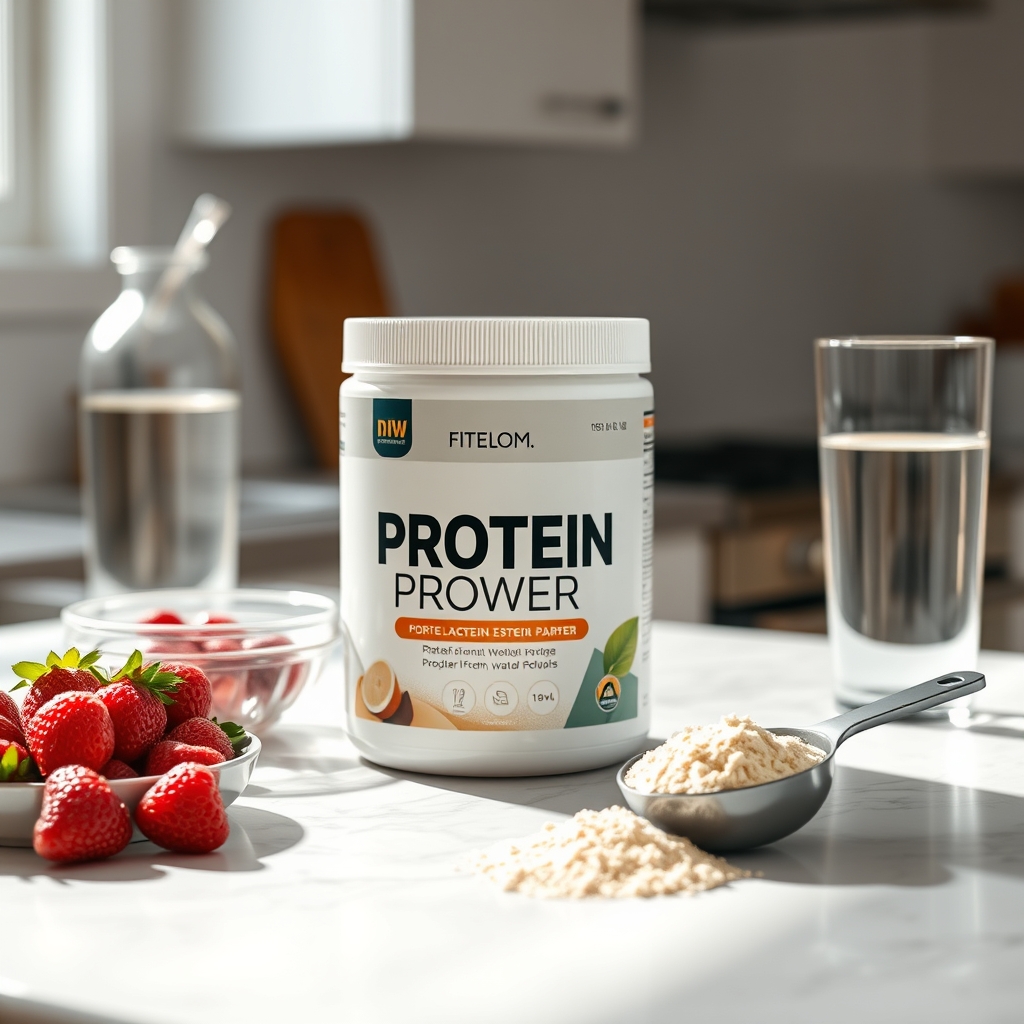
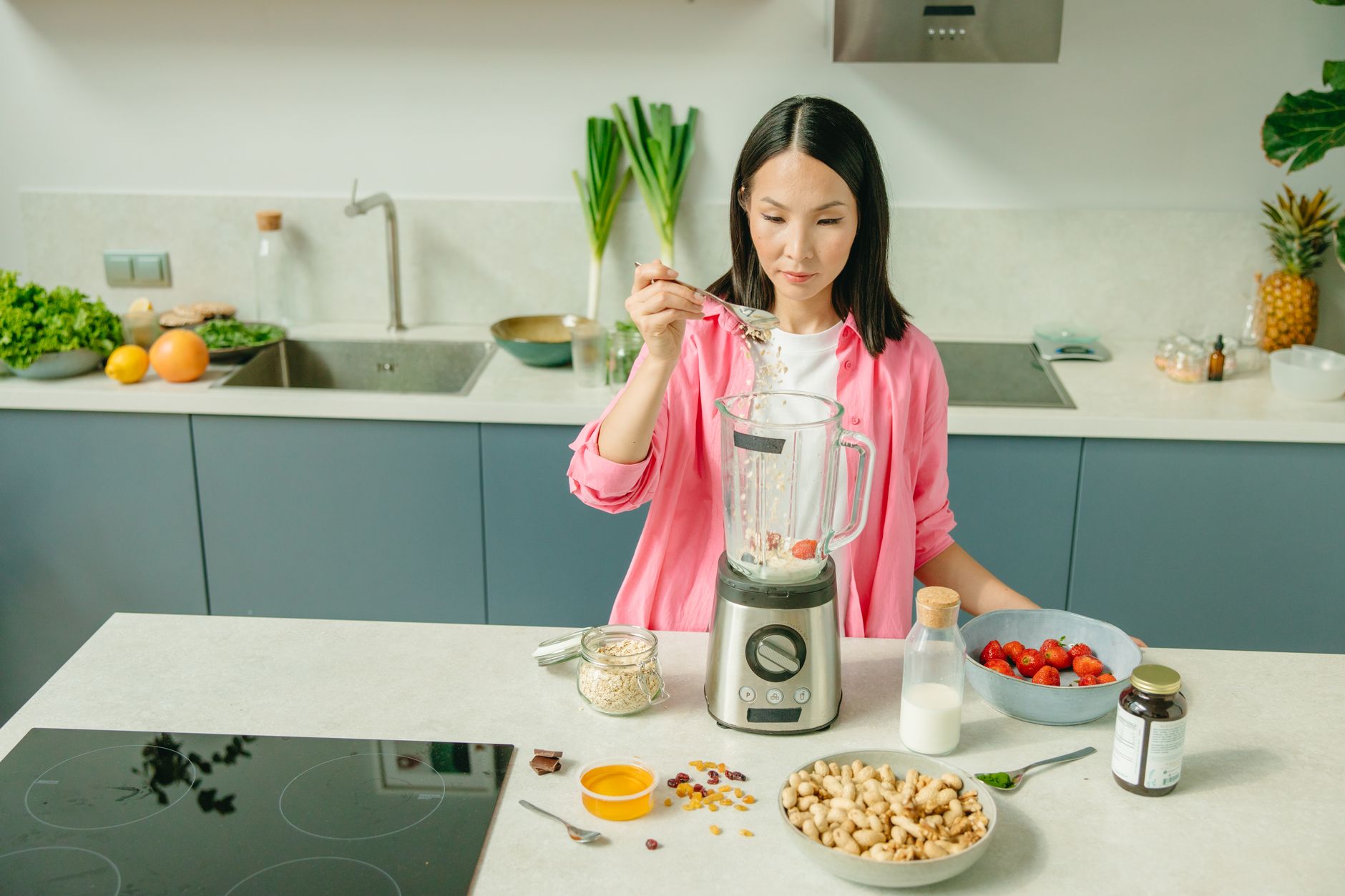
Protein powders are generally safe during pregnancy, but dosage and trimester are crucial, with 15-20 grams per serving recommended
By Shubhra Mishra — a mom of two who turned her own confusion during pregnancy into BumpBites, a global mission to make food choices clear, safe, and stress-free for every expecting mother. 💛
Check whether any food is safe during pregnancy with the BumpBites Food Safety Checker.
Quick verdict: ⚠️ Talk to your doctor first. Protein powders can be part of a healthy pregnancy diet, but the safest approach is to use them only under professional guidance, keep portions modest, and choose brands without questionable additives.
It’s 2 a.m., the kitchen light is on, and you’ve just opened a tub of vanilla‑flavored protein powder. “Did I just make a mistake?” you wonder, remembering the morning’s prenatal appointment where the doctor said you needed extra protein. You’re not alone—many expecting parents have that 3 a.m. moment of panic when they discover a supplement they’ve started using before they knew they were pregnant.
We’re here to give you the clear, evidence‑based answer you need: protein powders safe for pregnancy is a question that depends on the type of powder, the amount you consume, and where you are in your pregnancy journey. Below you’ll find the verdict, trimester‑specific guidance, dosage limits, brand recommendations, safer alternatives, and a quick‑reference table of related protein products.
We’ll also cover special considerations such as gestational diabetes, high blood pressure, and the differences between whey, plant‑based, and collagen powders. By the end of this article you’ll know exactly what to do—or not do—so you can stop worrying and focus on the exciting weeks ahead.
Why do so many pregnant people turn to protein powders in the first place? Pregnancy often brings changes in appetite, nausea, and food aversions that make it hard to meet the increased protein needs through meals alone. A convenient scoop of powder can help bridge that gap without adding a lot of extra volume, which is especially useful in the later months when a full plate can feel overwhelming.
When you’re unsure about a supplement, pause, read the label, and compare it with the guidance below.
Stage
Verdict
Notes
First trimester
⚠️ Use with caution
Limit to ≤20 g of added protein per day; choose plain, low‑sweetener formulas.
Second trimester
✅ Generally safe
Can support increased protein needs; keep total supplemental protein ≤30 g/day.
Third trimester
✅ Generally safe
Same dosage limits; monitor for excess calories if weight gain is a concern.
Breastfeeding
✅ Generally safe
Protein needs rise; 20‑30 g of powder is acceptable if overall diet is balanced.
What are protein powders?
Protein powders are dietary supplements that concentrate protein from a source—most commonly whey (a milk by‑product), casein, soy, peas, hemp, or collagen—into a fine, mixable powder. They’re marketed to athletes, busy professionals, and anyone looking to boost protein intake without cooking a full meal. The powder typically contains 15‑25 g of protein per scoop, along with flavorings, sweeteners, vitamins, and sometimes added sugars or proprietary blends.
During pregnancy, protein is essential for the growth of the placenta, uterus, and baby’s developing tissues. The American College of Obstetricians and Gynecologists (ACOG) recommends an average of 71 g of protein per day for pregnant adults, which is about 25 % more than the non‑pregnant recommendation. For many women, especially those with limited appetite or dietary restrictions, a protein powder can help bridge the gap.
However, not all powders are created equal. Some contain heavy metals, artificial sweeteners, or high levels of added sugar, which can be problematic for gestational diabetes or hypertension. Others are fortified with nutrients that exceed safe pregnancy limits, such as vitamin A from certain animal‑based powders. Understanding the composition of the powder you choose is the first step toward determining whether it’s safe for you and your baby.
Protein quality matters, too. Complete proteins—those containing all nine essential amino acids—like whey and soy, are more readily utilized by the body. Incomplete proteins, such as isolated pea protein, can still be safe but may need to be paired with other protein sources to ensure a full amino‑acid profile. Digestibility also varies: whey is quickly absorbed, while casein provides a slower release, which can be useful at night.
Is protein powder safe during pregnancy?
C
urrent guidance from major health authorities suggests that protein powders are not inherently unsafe, but they should be used judiciously. The U.S. Food and Drug Administration (FDA) classifies most protein powders as “dietary supplements,” which are not as tightly regulated as pharmaceuticals. The NHS (UK) advises pregnant women to obtain protein primarily from whole foods, adding supplements only if a dietitian or obstetrician recommends them. ACOG’s Nutrition Committee notes that “protein supplements can be appropriate when dietary intake is insufficient, provided the product is free of harmful additives.”
Evidence from observational studies indicates that moderate protein supplementation (up to 30 g extra per day) does not increase the risk of birth defects, preterm birth, or low birth weight. In contrast, excessive protein—especially from animal sources—has been linked in some cohort studies to higher rates of gestational hypertension, though causality has not been proven. The key takeaway is that the safety of protein powders hinges on three factors: the type of protein, the presence of additives, and the total daily amount.
Common misconceptions include the belief that “all protein powders are safe because they’re just protein.” In reality, many products contain artificial sweeteners like sucralose or sugar alcohols that can cause gastrointestinal upset, and some plant‑based powders contain soy isoflavones, which some clinicians advise limiting during pregnancy. Therefore, always read the label, choose products with minimal ingredients, and discuss any supplement with your prenatal provider.
Are protein powders safe to use during the first trimester of pregnancy?
The first trimester is the period of organogenesis, when the baby’s major organs are forming. Because this window is the most sensitive to teratogens, ACOG recommends limiting exposure to any unnecessary substances. Plain, low‑sweetener protein powders that provide ≤20 g of additional protein per day are generally considered acceptable if you’re already struggling to meet protein goals from food alone. However, powders that contain added caffeine, high levels of vitamin A, or untested botanical extracts should be avoided.
If you’re in the first trimester and have already taken a protein shake, try not to panic. A single serving is unlikely to cause harm. Focus on balancing your diet with whole‑food protein sources and keep any further supplementation modest. If you have a history of miscarriage or are experiencing nausea, it may be wise to pause the powder until your symptoms settle, and discuss it with your obstetrician.
How much protein powder can a pregnant woman safely consume per day?
Guidelines from the Academy of Nutrition and Dietetics suggest that supplemental protein should not exceed 20‑30 g per day for most pregnant women. This amount typically equals one scoop of a standard whey or plant‑based powder. Combined with the protein you obtain from meals—lean meats, dairy, legumes, nuts—you should aim for a total of 71 g of protein daily, as recommended by ACOG.
Exceeding 30 g of added protein can lead to excess caloric intake and, in some cases, increased nitrogen waste that may stress the kidneys. For women with kidney disease or pre‑existing hypertension, the safe limit may be lower. Always calculate your total protein from both food and supplements, and adjust the powder portion accordingly. If you’re unsure how to track this, a prenatal nutritionist can help you set a personalized plan.
What are the safest protein powder brands for pregnant women?
Because the supplement market is not uniformly regulated, we recommend choosing brands that meet these criteria:
Third‑party tested for heavy metals and contaminants (e.g., NSF Certified for Sport, Informed‑Choice).
Minimal ingredient list: protein source, natural flavor, and a low‑glycemic sweetener like stevia.
No added caffeine, herbal extracts, or excessive vitamin A.
Always verify the label for added sugars or non‑essential botanicals before purchasing.
What are the risks of using whey protein powder while pregnant?
Whey protein is derived from milk and is a complete protein, containing all essential amino acids. For most pregnant women, whey is a safe choice when the product is plain and free of excess sugars. Potential risks arise from:
Added sugars – can exacerbate gestational diabetes or contribute to excess weight gain.
Artificial sweeteners – while FDA‑approved, some clinicians prefer limiting them during pregnancy.
Heavy metals – low‑quality whey powders have been found to contain trace lead or arsenic; third‑party testing mitigates this risk.
There is no evidence that whey protein itself causes birth defects or miscarriage. However, if you have a dairy allergy or lactose intolerance, whey may provoke gastrointestinal symptoms, which can be uncomfortable during pregnancy.
Can plant‑based protein powders be used safely during pregnancy?
Plant‑based powders such as pea, soy, hemp, and rice are increasingly popular for their hypoallergenic profile. They are generally safe when the formula is free of added hormones, soy isoflavones in high concentrations, and unnecessary additives. Pea protein, for example, provides a high amount of branched‑chain amino acids and is low in allergens.
Special caution is needed with soy protein powders because soy contains phytoestrogens that can theoretically affect hormone balance. The NHS notes that moderate soy intake (<2 servings per day) is acceptable, but suggests limiting soy‑based supplements unless recommended by a health professional. Hemp protein is safe and also supplies omega‑3 fatty acids, though the amount is modest.
Overall, plant‑based powders can be a healthy part of a pregnancy diet, especially for vegans or those avoiding dairy, as long as you keep portions within the 20‑30 g daily supplement range.
Are there any side effects of protein powder for pregnant moms with gestational diabetes?
Gestational diabetes requires careful carbohydrate monitoring. Most protein powders are low in carbs, but many flavored varieties contain added sugar or maltodextrin, which can spike blood glucose. Choosing an unsweetened or low‑glycemic version (e.g., stevia‑sweetened) helps keep blood sugar stable.
Even sugar‑free powders can cause gastrointestinal discomfort—bloating, gas, or diarrhea—especially if they contain sugar alcohols like sorbitol. Such symptoms can be mistaken for pregnancy‑related nausea, so it’s wise to start with a half‑scoop and see how you feel. If you notice persistent high blood glucose after a shake, contact your diabetes educator or obstetrician promptly.
What protein powder alternatives are recommended for pregnant women?
Greek yogurt – provides 10 g of protein per 100 g, plus calcium and probiotics.
Cottage cheese – low‑fat option with 11 g of protein per half‑cup.
Lentils – plant‑based protein (9 g per half‑cup cooked) and fiber.
Chickpeas – versatile for hummus, salads, and stir‑fries.
Edamame – soy‑based, 8 g of protein per half‑cup, also supplies iron.
Milk – 8 g of protein per cup, plus vitamin D and calcium.
Egg whites – 3.6 g of protein per large egg white, low in calories.
Nut butter – 4 g of protein per tablespoon, also offers healthy fats.
Is it safe to use protein powder if I have a history of high blood pressure during pregnancy?
High blood pressure (pre‑eclampsia risk) can be aggravated by excess sodium or certain amino acids that affect vascular tone. Most plain protein powders contain negligible sodium, but flavored versions sometimes add salt or potassium chloride. Choose a low‑sodium, unsweetened powder and limit total supplemental protein to ≤20 g per day. Monitoring blood pressure regularly is essential, and any sudden rise after starting a new supplement should prompt a call to your provider.
Safety by trimester
First trimester
The first 12 weeks are a period of rapid organ development. ACOG advises limiting exposure to any unnecessary supplement. If you already use a plain protein powder, keep the serving size to one half‑scoop (≈10 g protein) and ensure the product contains no added caffeine or herbal extracts. Pair the powder with a balanced breakfast of eggs and whole‑grain toast to spread protein intake throughout the day.
Second trimester
From weeks 13‑27, protein needs increase to support fetal growth and maternal tissue expansion. This is the optimal window to incorporate a modest protein supplement if dietary intake falls short. A single scoop (≈20‑25 g protein) mixed into a smoothie with fruit, milk, or Greek yogurt is generally safe. Continue to avoid powders with high sugar content, as weight gain should be gradual.
Third trimester
In the final stretch (weeks 28‑40), many women experience decreased appetite. A protein shake can help meet the 71 g daily target without feeling overly full. Stick to the same dosage limits as the second trimester, and consider adding calcium‑rich milk or fortified almond milk for bone health. If you have gestational hypertension, keep sodium low and monitor fluid balance.
Breastfeeding
After delivery, protein requirements rise to about 80 g per day to support milk production. A protein powder can be a convenient way to meet this target, especially for night‑time feeds. The same safety parameters apply: choose a low‑sweetener, low‑sodium product, and stay within 20‑30 g of supplemental protein per day. Many lactation consultants recommend combining the powder with calcium‑rich liquids to aid milk quality.
Protein powder and nausea in pregnancy
Nausea and vomiting, especially in the first and second trimesters, can make it hard to consume enough protein from solid foods. A small amount of protein powder (½ scoop) mixed with ginger‑infused tea or a bland smoothie can provide gentle nutrition without triggering further upset. Opt for powders without strong artificial flavors, as these can worsen nausea.
Protein powder for vegetarians and vegans
Vegetarian or vegan pregnant people often rely on plant‑based powders to meet amino‑acid needs. Pea, rice, and hemp proteins are excellent choices, but it’s wise to combine them with other protein‑rich foods (e.g., beans, tofu, quinoa) to ensure a complete amino‑acid profile. Watch for soy powders high in isoflavones; limit to one serving per day unless your provider says otherwise.
Mixing protein powder with a calcium‑rich milk alternative can boost both protein and bone‑supporting nutrients.
Safe dosage, amount, and brand considerations
Below is a quick reference for how much protein powder you can safely add to your diet at each stage, plus brand suggestions that meet the safety criteria discussed earlier.
Stage
Maximum supplemental protein (g)
Typical scoop size (g)
Recommended brands
First trimester
≤20
≈10‑12 g (½ scoop)
Orgain Organic Plant‑Based, Optimum Nutrition Gold Standard Whey (plain)
Second trimester
≤30
≈20‑25 g (1 scoop)
Garden of Life Raw Organic, Vital Proteins Collagen Peptides (low‑sweetener)
Third trimester
≤30
≈20‑25 g (1 scoop)
Same as second trimester; consider mixing with milk for extra calcium
Breastfeeding
≤30
≈20‑25 g (1 scoop)
Orgain, Garden of Life, Optimum Nutrition (plain)
When selecting a brand, verify that the product is labeled “No added sugars,” “No artificial sweeteners,” and “Third‑party tested.” Avoid powders that list “proprietary blend” without specifying exact amounts of each ingredient.
Side effects and risks
Common, mild issues include bloating, gas, or a slightly chalky after‑taste—these are usually related to the type of protein (e.g., whey concentrates) or the presence of sugar alcohols. Drinking plenty of water and starting with a half‑scoop can reduce these symptoms.
Potentially concerning signs that warrant a call to your provider include:
Persistent high blood glucose (if you have gestational diabetes) after a shake.
Sudden increase in blood pressure or swelling of hands/feet.
Severe abdominal cramping, nausea, or vomiting that does not resolve.
Allergic reactions such as hives, swelling, or difficulty breathing.
These symptoms are rare but can indicate an underlying issue with the supplement’s ingredients or a dose that’s too high for your individual health status.
Safer alternatives
Greek yogurt – high‑quality protein plus calcium; easy to blend into smoothies.
Cottage cheese – low‑fat, high‑protein snack that pairs well with fruit.
Lentils – plant‑based protein and fiber; great in soups or salads.
Chickpeas – versatile for hummus, salads, and stir‑fries.
Edamame – offers protein and essential iron; can be eaten as a snack.
Milk – natural source of protein, calcium, and vitamin D; choose low‑fat if calorie‑concerned.
Egg whites – lean protein with minimal fat; perfect for omelets.
Nut butter – adds protein and healthy fats; spread on whole‑grain toast.
Related items — safety at a glance
Protein product
Verdict
One‑line note
Whey protein powder
✅ Generally safe
Plain, low‑sugar varieties are fine; watch for dairy intolerance.
Casein protein powder
✅ Generally safe
Slow‑digesting; suitable for nighttime use.
Pea protein powder
✅ Generally safe
Plant‑based, hypoallergenic, low in allergens.
Soy protein powder
⚠️ Use in moderation
Contains phytoestrogens; limit to ≤1 serving/day.
Hemp protein powder
✅ Generally safe
Provides omega‑3s; modest protein content.
Collagen protein powder
⚠️ Limited data
Animal‑derived; limited research on fetal safety.
Myth vs. fact
Myth: All protein powders are safe because they’re just “protein.”
Fact: The safety of a powder depends on its ingredients, added sugars, and contaminants; plain, third‑party tested products are the safest choice.
Myth: More protein always means a healthier pregnancy.
Fact: Excess protein can strain kidneys and may increase blood pressure; pregnant women should aim for the recommended 71 g total, not dramatically exceed it.
Myth: Plant‑based powders are automatically safe for everyone.
Fact: Some plant powders contain soy isoflavones or added sweeteners that warrant caution, especially for women with gestational diabetes or hormone‑sensitive conditions.
Key takeaways
Protein powders can be part of a balanced pregnancy diet, but keep supplemental protein ≤20‑30 g per day.
Any concerning symptoms—high blood sugar, sudden blood pressure rise, or allergic reactions—require a prompt call to your healthcare provider.
Frequently asked questions
Can I drink protein shakes while pregnant?
Yes, you can, provided the shake is made with a plain, low‑sugar protein powder and you stay within the recommended 20‑30 g supplemental protein per day. Choose a brand that is third‑party tested and avoid added caffeine or herbal ingredients.
What type of protein powder is best during pregnancy?
Plain whey or pea protein powders with minimal additives are considered the best options because they’re complete proteins, low in allergens, and widely studied. Look for products that are NSF‑certified or have “no added sugars” on the label.
Is whey protein safe for pregnant women?
Whey protein is generally safe for pregnant women when the product is plain and free of excessive sugars or artificial sweeteners. It provides a complete amino‑acid profile that supports fetal growth, but keep the serving size to ≤1 scoop per day.
How many servings of protein powder are safe during pregnancy?
Most health authorities advise no more than one serving (≈20‑25 g protein) per day, or half a serving (≈10‑12 g) during the first trimester. This keeps total supplemental protein within the 20‑30 g safety window.
Do protein powders cause any birth defects?
Current evidence does not link plain protein powders to birth defects. Risks are associated with additives, excess protein, or contaminants, not the protein itself. Using a reputable, tested brand minimizes any theoretical risk.
Can protein powder affect my baby's development?
When used appropriately, protein powder can help meet the increased protein needs of the developing baby without adverse effects. Over‑consumption, however, may contribute to maternal hypertension or excessive weight gain, which can indirectly affect fetal growth.
Are there any pregnancy‑specific protein powder formulas?
Some manufacturers market “prenatal protein” blends that include added folic acid, iron, or calcium. These products are not regulated, and the extra nutrients may exceed safe pregnancy limits. It’s safer to get those vitamins from a prenatal multivitamin and choose a plain protein powder.
Should I avoid protein powder if I have gestational diabetes?
If you have gestational diabetes, select an unsweetened, low‑glycemic protein powder and keep the portion to ≤20 g per day. Monitor your blood glucose after a shake and discuss any spikes with your diabetes educator.
Can I use protein powder if I’m vegan?
Yes, vegan‑friendly powders such as pea, rice, or hemp protein are safe when they’re free of added soy isoflavones and artificial sweeteners. Keep the total supplemental protein within the 20‑30 g range and pair the powder with other plant‑based protein foods to ensure a complete amino‑acid profile.
Is it okay to combine protein powder with prenatal vitamins?
Generally, it’s fine to take a plain protein powder alongside a standard prenatal vitamin, as long as the powder doesn’t contain extra iron, calcium, or vitamin A that could push you over recommended limits. Review both labels and discuss any concerns with your provider.
When to call your doctor
Contact your obstetrician or midwife right away if you experience any of the following after using a protein powder:
Sudden rise in blood pressure (≥140/90 mmHg) or swelling of hands, feet, or face.
Persistent high blood glucose readings (fasting >95 mg/dL) if you have gestational diabetes.
Severe abdominal pain, vomiting, or diarrhea lasting more than 24 hours.
Allergic reactions such as hives, itching, swelling, or difficulty breathing.
Unexplained weight gain or loss exceeding recommended ranges.
These symptoms could indicate an underlying issue unrelated to the powder, but it’s best to err on the side of caution and get professional guidance.
References
American College of Obstetricians and Gynecologists. “Nutrition During Pregnancy.” ACOG Committee Opinion No. 804, 2020.
National Health Service (UK). “Protein and Pregnancy.” NHS website, 2022.
U.S. Food and Drug Administration. “Dietary Supplement Fact Sheet.” FDA, 2021.
Centers for Disease Control and Prevention. “Gestational Diabetes.” CDC, 2023.
Academy of Nutrition and Dietetics. “Nutrition Care Manual: Pregnancy.” 2021.
World Health Organization. “Guidelines on Protein Requirements.” WHO, 2020.
Not sure about the label on Is Protein Powders Safe During Pregnancy products?
Snap the ingredients list and SafeFilter checks every ingredient for your stage — only 3 free scans this month, then you're locked until reset. Unlimited from $7/mo or $50/yr.
When Shubhra Mishra was expecting her first child in 2016, she was overwhelmed by conflicting food advice — one site said yes, another said never. By the time her second baby arrived in 2019, she realized millions of mothers face the same confusion.
That sparked a five-year journey through clinical nutrition papers, cultural diets, and expert conversations — all leading to BumpBites: a calm, compassionate space where science meets everyday motherhood.
Her long-term vision is to build a global community ensuring safe, supported, and free deliveriesfor every mother — because no woman should face pregnancy alone or uninformed. 🌿
🌍 Stand with mothers, shape safer guidance
Join a small circle of experts who review BumpBites articles so expecting parents everywhere can decide with confidence.