Conditional: Protein bars can be safe for pregnancy, but check ingredients. Learn about safe dosages, specific brands, and what to avoid in each trimester for a healthy pregnancy.
By Shubhra Mishra — a mom of two who turned her own confusion during pregnancy into BumpBites, a global mission to make food choices clear, safe, and stress-free for every expecting mother. 💛
Check whether any food is safe during pregnancy with the BumpBites Food Safety Checker.
Quick verdict: ⚠️ Safe with limits. Most protein bars are safe for pregnancy when chosen carefully and consumed in moderation, but it's crucial to check ingredients for artificial sweeteners, excessive caffeine, and certain herbal additives.
You’re pregnant, and the hunger is real. Whether you’re dealing with morning sickness that makes solid food a challenge, trying to keep your energy up between meals, or just craving something quick and satisfying, protein bars can seem like a convenient solution. But then the questions start: Are protein bars safe for pregnancy? What about all those ingredients? Is there such a thing as too much protein? We get it – the internet can be a confusing place when you're trying to figure out what's okay for you and your baby.
The good news is that for most expecting parents, protein bars can be a part of a healthy pregnancy diet. However, it's not a simple "yes" or "no" answer. The safety of protein bars during pregnancy largely depends on their specific ingredients and how often you're eating them. We’ll walk you through what to look for, what to avoid, and how to choose the best options to support your and your baby's health.
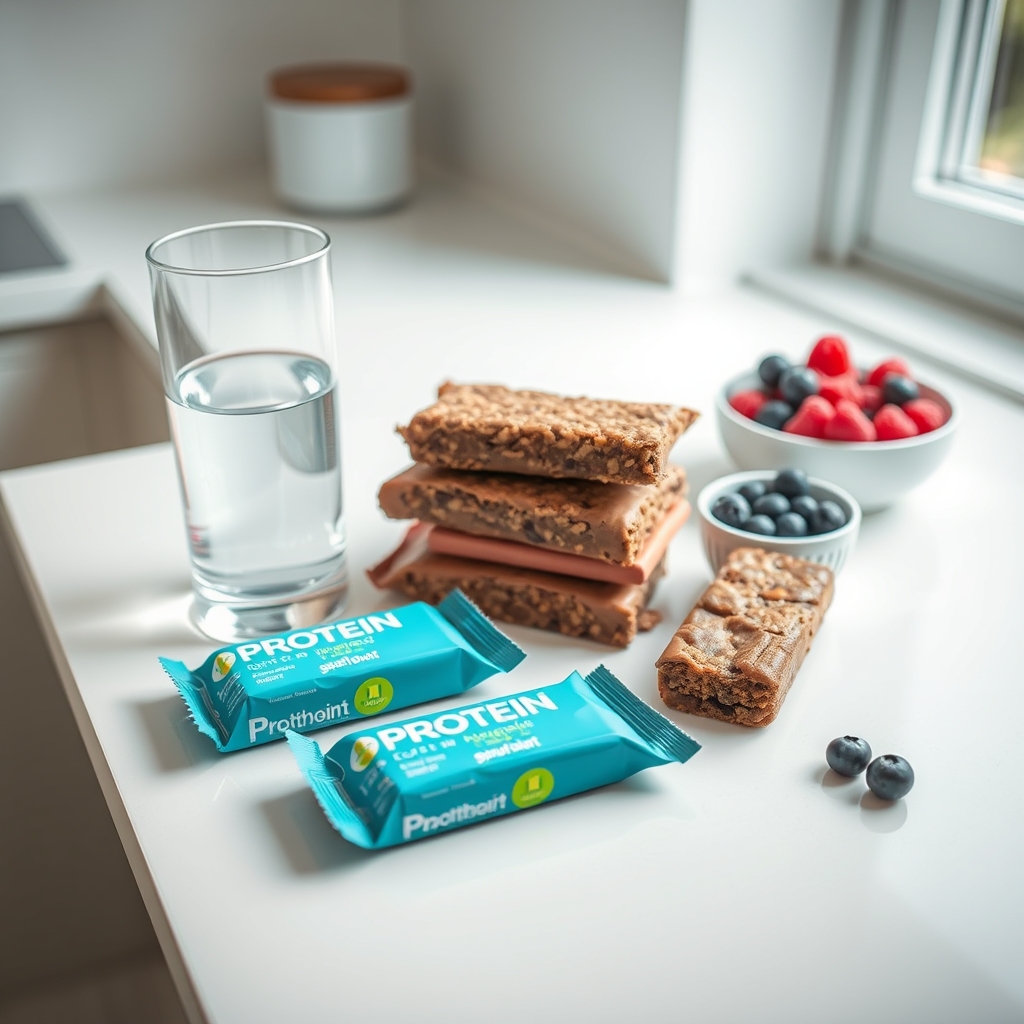
Choose protein bars with whole, recognizable ingredients for a convenient and safe pregnancy snack.
Protein Bar Safety Snapshot During Pregnancy
Here’s a quick overview of how protein bars fit into your diet throughout pregnancy and while breastfeeding:
Stage
Verdict
Notes
First Trimester
⚠️ Safe with limits
Excellent for managing morning sickness and maintaining energy. Focus on bars with minimal sugar, natural ingredients, and no questionable herbs or excessive caffeine.
Second Trimester
✅ Generally safe
Can help meet increased protein needs. Continue to prioritize whole ingredients, moderate sugar, and check for artificial additives.
Third Trimester
✅ Generally safe
Useful for quick energy and satiety as appetite increases and digestion can be slower. Be mindful of fiber content to support digestion.
Breastfeeding
✅ Generally safe
Convenient for busy new parents to meet increased caloric and protein demands. Check for any ingredients that could pass into breast milk and affect the baby (e.g., high caffeine).
What Are Protein Bars?
Protein bars are designed to be a convenient source of protein and other macronutrients, often marketed as a meal replacement or a healthy snack. They typically contain a blend of protein sources (like whey, soy, casein, or plant-based proteins), carbohydrates (from sugars, sugar alcohols, or whole grains), fats, and often added vitamins and minerals. Think of them as a compact, shelf-stable way to get a quick dose of nutrients, especially when you're on the go or need a boost between meals.
These bars vary widely in their nutritional profiles. Some are high in protein with lower sugar content, catering to those focused on muscle building or weight management. Others might be higher in carbohydrates and calories, designed for energy before or after exercise. The texture and taste can also range dramatically, from chewy and dessert-like to dense and more natural-tasting. Understanding what goes into a protein bar is the first step to determining if it’s a good fit for your pregnancy diet.
Are Protein Bars Safe to Eat While Pregnant?
Yes, protein bars can be a safe and convenient snack option during pregnancy, provided you choose them wisely. The American College of Obstetricians and Gynecologists (ACOG) emphasizes the importance of a balanced diet for pregnant individuals, including adequate protein intake to support fetal growth and maternal health. Protein bars can help you meet these elevated protein needs, especially if you're struggling with appetite, food aversions, or a busy schedule.
However, the safety of protein bars during pregnancy isn't universal. It hinges on scrutinizing the ingredient list. Many commercial protein bars contain ingredients that are best limited or avoided during pregnancy, such as excessive added sugars, artificial sweeteners (like saccharin, which crosses the placenta), high levels of caffeine, and certain herbal supplements. The Food and Drug Administration (FDA) advises caution with many herbal ingredients during pregnancy due to a lack of safety data. Your primary focus should be on bars made with whole, recognizable food ingredients and minimal processing, similar to what you'd find in a home-cooked meal.
The key is moderation and informed selection. A protein bar can be a helpful tool in your pregnancy diet, but it shouldn't replace whole, nutrient-dense meals. Think of it as a supplemental snack rather than a primary food source. When in doubt, always discuss your dietary choices, including specific brands of protein bars, with your healthcare provider or a registered dietitian.
Protein Bar Safety by Trimester: First, Second, and Third
Your nutritional needs and challenges can shift throughout pregnancy, influencing how and when protein bars might be most beneficial.
First Trimester
The first trimester often brings morning sickness, nausea, and food aversions, making it difficult to eat balanced meals. Protein bars can be a lifesaver here. They offer a quick, often bland (depending on the flavor), and easily digestible source of protein and calories, which can help stabilize blood sugar and alleviate nausea. Look for bars with simple, natural ingredients and avoid anything with strong flavors or smells that might trigger sickness. Ensure they are low in added sugar, as high sugar intake can exacerbate nausea for some. Avoid bars with high caffeine content or "energy blends" that might contain unverified herbal ingredients.
Second Trimester
By the second trimester, many pregnant individuals find their morning sickness subsides, and their appetite increases. This is a crucial time for fetal growth, and your protein needs continue to rise. Protein bars can be a convenient way to meet these demands, especially between meals or as a post-workout snack. As your energy levels might also increase, you might be more active, and a protein bar can provide sustained energy. Continue to prioritize bars with good fiber content to help with potential constipation, a common second-trimester complaint, and keep an eye on sugar content to manage healthy weight gain.
Third Trimester
In the third trimester, your baby is growing rapidly, and your body is working hard. You might experience increased fatigue, heartburn, and difficulty eating large meals due to your growing uterus pressing on your stomach. Protein bars can be an excellent option for smaller, frequent snacks that provide essential nutrients without overfilling you. They can also be a convenient grab-and-go option as you prepare for labor and delivery. Focus on bars that are easy to digest and provide a good balance of protein, healthy fats, and complex carbohydrates. Pay attention to ingredients that might cause gas or bloating, and ensure adequate hydration when consuming high-fiber bars.
Protein Bar Safety While Breastfeeding
Once your baby arrives, your nutritional demands remain high, particularly if you are breastfeeding. Producing breast milk requires a significant amount of calories and protein. Protein bars can be incredibly helpful for new parents who are often short on time and sleep. They offer a quick, one-handed snack that can be eaten while nursing or tending to the baby. When choosing bars for breastfeeding, the same principles apply: opt for those with whole, natural ingredients, moderate sugar, and no questionable herbs or excessive caffeine that could pass into breast milk and affect your baby's sleep or digestion. The convenience of protein bars can be a real asset during this demanding period.
How Much Protein From Bars is Safe During Pregnancy?
During pregnancy, your protein needs increase significantly to support your baby's growth and your own bodily changes. Most obstetricians and organizations like ACOG recommend around 75-100 grams of protein per day, though this can vary based on your pre-pregnancy weight, activity level, and the stage of your pregnancy. For context, the average non-pregnant adult needs about 46-56 grams per day.
When it comes to protein bars, it’s not about how much protein *from bars* is safe, but rather how much total protein you're getting from all sources combined. A single protein bar typically contains 10-25 grams of protein. If you're eating a balanced diet rich in protein from whole foods like lean meats, poultry, fish, eggs, dairy, legumes, and nuts, you might only need one protein bar a day, or even none, to meet your needs. If you're struggling to get enough protein through meals, a protein bar can be a valuable supplement.
The key is balance. While protein is crucial, excessive intake from supplements or bars without corresponding caloric needs can put a strain on your kidneys. Most sources suggest that consuming up to 30% of your daily calories from protein is generally safe during pregnancy. If you're unsure about your total protein intake, it's always best to consult with your doctor or a registered dietitian who can provide personalized guidance based on your individual health profile.
Which Protein Bar Brands Are Safe for Pregnancy?
When selecting protein bars during pregnancy, the brand itself is less important than the ingredient list. Many popular brands offer varieties that are suitable, while others may contain ingredients best avoided. Here’s what to look for and what to be cautious of:
Look For
Whole Food Ingredients: Prioritize bars made with recognizable ingredients like nuts, seeds, dried fruit, oats, and natural protein sources (whey, pea, brown rice protein).
Natural Sweeteners (in moderation): Dates, fruit puree, maple syrup, or a small amount of honey (pasteurized) are generally preferred over artificial options.
High Fiber Content: Good fiber (3g+) can aid digestion and prevent constipation.
Moderate Protein: 10-20 grams of protein per bar is a good range for a snack.
Low Added Sugar: Aim for bars with less than 10-15 grams of added sugar per serving.
Be Cautious Of
Artificial Sweeteners: Aspartame, sucralose, saccharin, acesulfame potassium, and cyclamates are best limited or avoided. While some are deemed "generally recognized as safe" (GRAS) by the FDA, long-term effects during pregnancy are still being studied, and saccharin is known to cross the placenta.
Sugar Alcohols: Erythritol, xylitol, sorbitol, and maltitol can cause digestive upset (gas, bloating, diarrhea) in some individuals, which can be particularly uncomfortable during pregnancy.
Excessive Caffeine: Some protein bars, especially "energy" bars, contain added caffeine. The ACOG recommends limiting caffeine intake to less than 200 mg per day during pregnancy. Check the label carefully.
Herbal Supplements: Ingredients like ginseng, ginkgo biloba, St. John's Wort, or other "adaptogenic" or "performance" blends lack sufficient safety data for pregnancy and should be avoided unless specifically approved by your doctor.
"Proprietary Blends": If the label lists a "proprietary blend" without detailing the specific ingredients and amounts, it's best to steer clear, as you can't be sure what you're consuming.
Examples of Brands (with ingredient checks)
Many brands like KIND, RXBAR, or Larabar often feature whole, natural ingredients, but even within these brands, some varieties may contain higher sugar or other additives. Always check the specific bar's label. For instance, an RXBAR typically contains egg whites, dates, and nuts, making it a good whole-food option. A KIND bar might be primarily nuts and seeds with a drizzle of honey. Brands like Quest or Clif bars have a wider range; some Quest bars use erythritol or sucralose, and some Clif bars can be high in sugar, so careful label reading is essential.
Potential Risks and Side Effects of Protein Bars in Pregnancy
While protein bars can be beneficial, certain ingredients and consumption patterns can pose risks or cause uncomfortable side effects during pregnancy:
Artificial Sweeteners: As mentioned, sweeteners like saccharin are best avoided. Others like aspartame and sucralose have mixed research results, but many healthcare providers advise limiting them due to potential unknown long-term effects on fetal development. The UK's NHS advises that while some sweeteners are generally safe in moderation, it's best to stick to natural sugars in small amounts.
Excessive Added Sugars: Many protein bars are essentially candy bars in disguise, packed with added sugars. High sugar intake during pregnancy can contribute to excessive weight gain, increase the risk of gestational diabetes, and potentially lead to energy crashes. The American Heart Association recommends no more than 25 grams of added sugar per day.
Sugar Alcohols: While generally safe, sugar alcohols (like erythritol, xylitol, maltitol) are known to cause gastrointestinal distress, including gas, bloating, and diarrhea, especially when consumed in larger quantities. These symptoms can be particularly unwelcome during pregnancy when your digestive system is already sensitive.
Herbal Ingredients and Stimulants: Many "performance" or "energy" protein bars contain herbal extracts (e.g., guarana, green tea extract, certain adaptogens) or high levels of caffeine. The safety of many herbs during pregnancy is not well-established, and high doses of caffeine can increase the risk of miscarriage, preterm birth, and low birth weight. Always check for these hidden stimulants.
Heavy Metals and Contaminants: Some protein powders, especially those with high protein content or certain plant-based sources, have been found to contain heavy metals (like lead, cadmium, arsenic) or other contaminants. While this is more common in powders, bars made with these powders could also carry a risk. Opt for reputable brands that provide third-party testing information if possible.
Digestive Discomfort: The high fiber and protein content in some bars, coupled with artificial ingredients, can lead to constipation or bloating if not accompanied by sufficient water intake.
The best approach is to view protein bars as a supplement to a balanced diet, not a replacement for whole foods. If you experience any unusual symptoms after consuming a protein bar, discontinue use and consult your healthcare provider.
Healthy Protein-Rich Snack Alternatives for Pregnant Women
While protein bars can be convenient, focusing on whole-food protein sources is always the best approach. Here are some excellent, naturally protein-rich snack alternatives that are safe and highly nutritious for pregnant women:
Greek Yogurt: High in protein and calcium, often with beneficial probiotics. Choose plain, unsweetened varieties and add fruit for natural sweetness.
Hard-boiled Eggs: A complete protein source, easy to prepare in advance, and packed with choline, vital for fetal brain development.
Cottage Cheese: Another dairy powerhouse, rich in casein protein, which digests slowly and keeps you feeling full. Pair with berries or whole-grain crackers.
Nuts and Seeds: Almonds, walnuts, chia seeds, flaxseeds, and pumpkin seeds offer protein, healthy fats, fiber, and essential minerals. A small handful is a satisfying snack.
Edamame: Steamed edamame pods are a delicious plant-based protein source, also rich in fiber and iron.
Smoothies with Safe Protein Powder: Blend fruit, spinach, milk/yogurt, and a pregnancy-safe protein powder (e.g., unflavored whey isolate or pea protein with no additives).
Cheese Sticks: Convenient, portion-controlled, and a good source of protein and calcium.
Lentil Soup: A hearty, warm option packed with plant-based protein, fiber, and iron. Make a big batch and portion it out.
Hummus with Whole-Wheat Crackers: Chickpeas provide plant protein and fiber, while whole-wheat crackers offer complex carbohydrates.
Roasted Chickpeas: A crunchy, savory snack rich in protein and fiber. Season them yourself for a healthy alternative to chips.
Related Items — Safety at a Glance
Many products share similarities with protein bars, and it's helpful to understand their safety profiles during pregnancy:
Item
Verdict
Note
Protein Powder
⚠️ Safe with limits
Choose reputable brands with minimal ingredients, no artificial sweeteners, and third-party testing for contaminants. Avoid herbal blends.
Energy Drinks
❌ Best avoided
High in caffeine, sugar, and often contain unverified herbal stimulants unsafe for pregnancy.
Meal Replacement Shakes
⚠️ Safe with limits
Similar to protein bars; check ingredients carefully for artificial additives, high sugar, and unverified herbs. Consult your doctor.
Granola Bars
⚠️ Safe with limits
Often high in sugar and calories; choose varieties with whole grains, nuts, and minimal added sugars.
Cereal Bars
⚠️ Safe with limits
Typically high in sugar and refined grains with little protein or fiber; best limited as an occasional treat.
Snack Bars
⚠️ Safe with limits
General category; safety depends entirely on ingredients. Prioritize whole foods, low sugar, and good nutrient balance.
Weight Loss Supplements
❌ Best avoided
Almost universally unsafe during pregnancy due to unverified ingredients, stimulants, and potential harm to fetal development.
Pre-workout Supplements
❌ Best avoided
Contain high levels of stimulants, artificial ingredients, and unverified compounds potentially harmful to pregnancy.
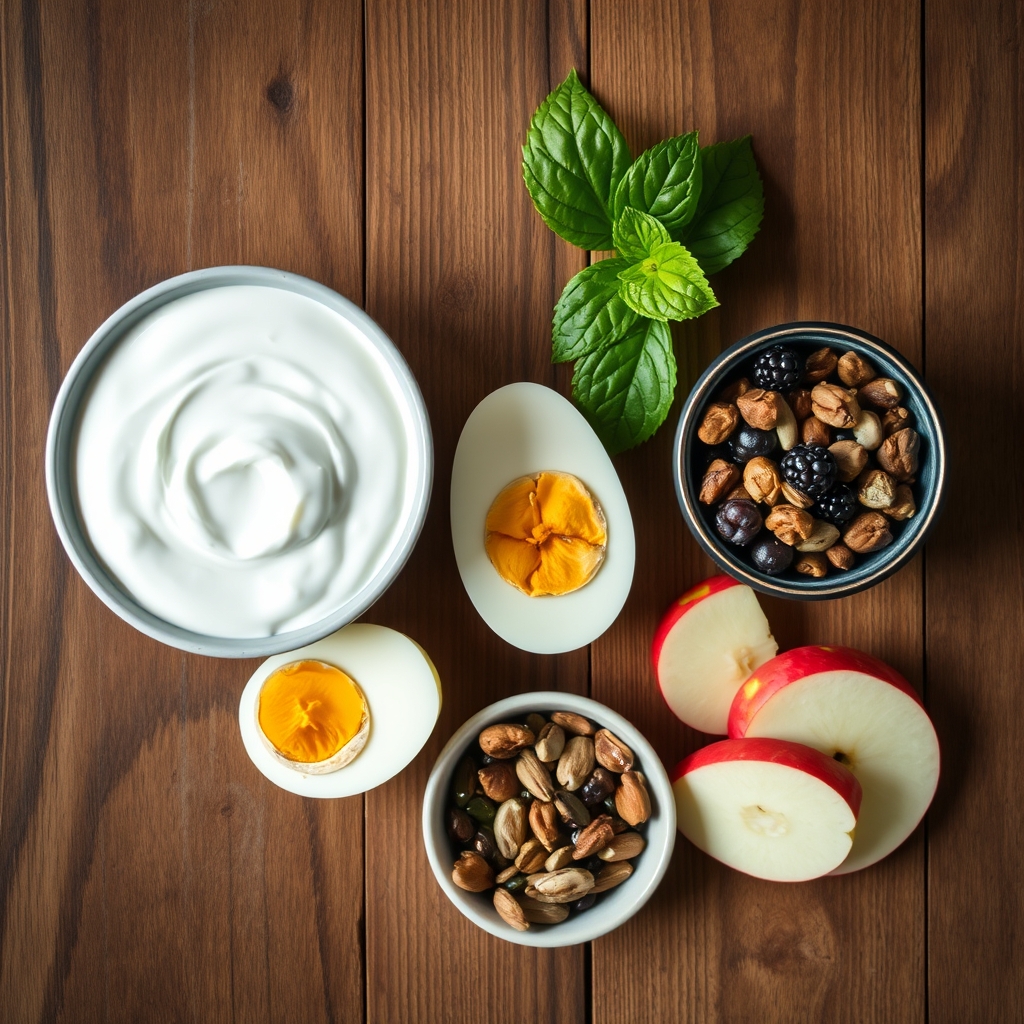
Whole-food snacks like Greek yogurt, eggs, and nuts are excellent protein sources during pregnancy.
Myth vs. Fact
Let's clear up some common misconceptions about protein bars and pregnancy:
Myth: All protein bars are healthy and safe for pregnancy.
Fact: Not all protein bars are created equal. Many are loaded with artificial sweeteners, excessive sugar, or unverified herbal ingredients that are best avoided during pregnancy. It's crucial to read labels carefully and choose bars made with whole, natural ingredients.
Myth: You need to consume extra protein bars every day to meet your pregnancy protein needs.
Fact: While protein needs increase during pregnancy, most individuals can meet these needs through a balanced diet rich in protein from whole foods like lean meats, poultry, fish, eggs, dairy, and legumes. Protein bars are a convenient supplement, not a mandatory daily requirement, and over-relying on them can lead to missing out on other vital nutrients from whole foods.
Myth: Protein bars can cause miscarriage.
Fact: There is no evidence to suggest that consuming standard, well-chosen protein bars can cause miscarriage. Miscarriage is often due to chromosomal abnormalities. However, bars containing high levels of caffeine, certain unverified herbal ingredients, or excessive stimulants could potentially pose risks, which is why careful ingredient checking is so important.
Key Takeaways
Protein bars can be a convenient and safe snack during pregnancy if you choose wisely.
Always read the ingredient list carefully, prioritizing whole foods and avoiding artificial sweeteners, excessive sugar, high caffeine, and unknown herbal additives.
Aim for 10-20 grams of protein per bar and ensure it complements your overall protein intake from meals.
Protein bars can be particularly helpful for managing morning sickness or when you need a quick energy boost.
Whole-food alternatives like Greek yogurt, eggs, nuts, and hummus are excellent, nutrient-dense protein sources.
If you have gestational diabetes, focus on bars with very low added sugar and high fiber.
Frequently Asked Questions
Can I eat protein bars in early pregnancy?
Yes, you can eat protein bars in early pregnancy. They can be particularly helpful if you're experiencing morning sickness or food aversions, offering an easily digestible source of protein and calories. Just be sure to choose bars with simple, natural ingredients, low added sugar, and no questionable herbal additives or excessive caffeine.
What are the safest protein bars for pregnancy?
The safest protein bars for pregnancy are those made primarily from whole, recognizable ingredients like nuts, seeds, dried fruit, oats, and natural protein sources (e.g., whey isolate, pea protein). Look for brands with minimal added sugars, no artificial sweeteners, and no unverified herbal supplements or high caffeine content. Brands like RXBAR and some varieties of KIND bars often fit this description.
Are Quest bars safe during pregnancy?
Quest bars can be consumed during pregnancy, but it's important to check the specific ingredients. Many Quest bars rely on erythritol and sucralose as sweeteners, which some pregnant individuals prefer to limit. They are typically high in protein and fiber, which can be beneficial, but be mindful of potential digestive discomfort from sugar alcohols. Always consult your doctor if you have concerns.
Can protein bars cause miscarriage?
No, standard protein bars themselves do not cause miscarriage. Miscarriages are most often due to chromosomal abnormalities. However, protein bars containing high levels of caffeine, unverified herbal ingredients, or other stimulants that are not recommended during pregnancy could potentially pose risks. This underscores the importance of careful label reading.
Is too much protein bad during pregnancy?
While protein is essential, excessive protein intake (especially from supplements) without corresponding caloric needs can potentially put a strain on your kidneys. Most pregnant individuals need 75-100 grams of protein per day. It's generally safe to consume up to 30% of your daily calories from protein, but consistently exceeding this without medical guidance is not recommended.
What snacks are good for protein during pregnancy?
Excellent protein snacks for pregnancy include Greek yogurt, hard-boiled eggs, cottage cheese, nuts and seeds, edamame, cheese sticks, hummus with whole-wheat crackers, and roasted chickpeas. These options provide not only protein but also other vital nutrients like calcium, fiber, and healthy fats, supporting both your health and your baby's development.
Are Clif bars safe for pregnancy?
Some Clif bars can be safe during pregnancy, but many varieties are quite high in sugar and calories, making them less ideal for regular consumption. While they often contain whole grains, check the specific bar's sugar content and avoid those with added caffeine or "energy blends" that might contain unverified herbal ingredients. Opt for varieties with lower sugar and simpler ingredients.
What protein sources are best during pregnancy?
The best protein sources during pregnancy are whole, unprocessed foods. These include lean meats (chicken, turkey, beef), fish (low-mercury options like salmon, cod, canned light tuna), eggs, dairy products (milk, yogurt, cheese), legumes (beans, lentils), nuts, and seeds. These foods provide a complete range of amino acids and other essential nutrients vital for a healthy pregnancy.
When to Call Your Doctor
While protein bars are generally safe with careful selection, it’s always wise to consult your healthcare provider if you have any specific dietary concerns during pregnancy. You should definitely reach out to your doctor if:
You experience any new or worsening digestive issues (severe gas, bloating, diarrhea, or constipation) that you suspect are linked to protein bar consumption.
You have a pre-existing condition like gestational diabetes or kidney disease, and you're unsure how protein bars might impact your health.
You're concerned about your overall protein intake or are struggling to meet your nutritional needs through diet alone.
You notice any unusual symptoms after consuming a specific protein bar (e.g., allergic reactions, heightened anxiety from stimulants).
You are considering using protein bars as a primary meal replacement rather than an occasional snack.
Remember, this information is for educational purposes only and is not a substitute for professional medical advice. Always discuss your specific health concerns and dietary choices with your obstetrician or a registered dietitian.
Not sure about the label on Is Protein Bars Safe During Pregnancy products?
Snap the ingredients list and SafeFilter checks every ingredient for your stage — only 3 free scans this month, then you're locked until reset. Unlimited from $7/mo or $50/yr.
When Shubhra Mishra was expecting her first child in 2016, she was overwhelmed by conflicting food advice — one site said yes, another said never. By the time her second baby arrived in 2019, she realized millions of mothers face the same confusion.
That sparked a five-year journey through clinical nutrition papers, cultural diets, and expert conversations — all leading to BumpBites: a calm, compassionate space where science meets everyday motherhood.
Her long-term vision is to build a global community ensuring safe, supported, and free deliveriesfor every mother — because no woman should face pregnancy alone or uninformed. 🌿
🌍 Stand with mothers, shape safer guidance
Join a small circle of experts who review BumpBites articles so expecting parents everywhere can decide with confidence.