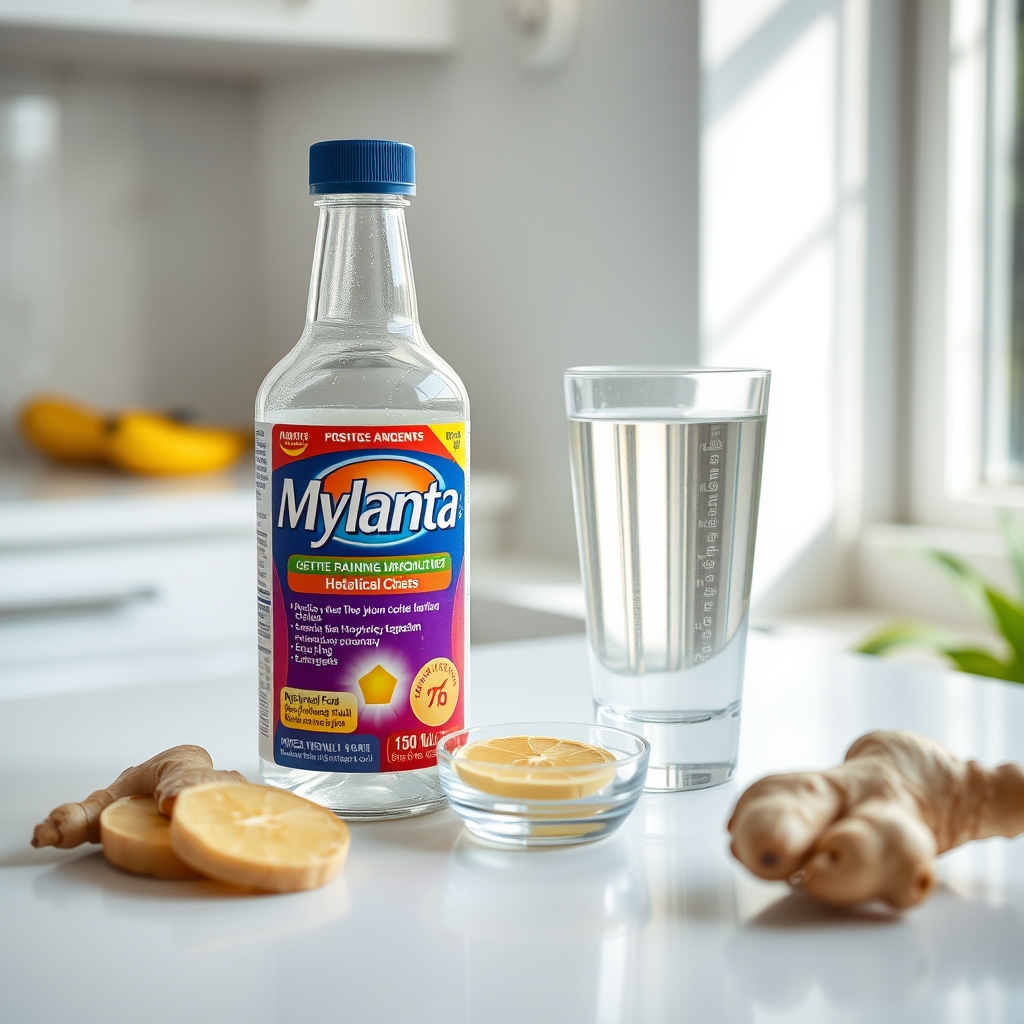
Safe in moderation. Mylanta is generally safe during pregnancy when used at the recommended dosage, especially after the first trimester. Learn safe limits and alternatives.
By Shubhra Mishra — a mom of two who turned her own confusion during pregnancy into BumpBites, a global mission to make food choices clear, safe, and stress-free for every expecting mother. 💛
Check whether any food is safe during pregnancy with the BumpBites Food Safety Checker.
Quick verdict: ⚠️ Safe with limits. Mylanta, containing magnesium hydroxide, aluminum hydroxide, and simethicone, is generally considered safe for occasional use during pregnancy to relieve heartburn and indigestion, but it's important to use it as directed and avoid excessive amounts, especially of magnesium. Always check with your healthcare provider before starting any new medication while pregnant.
That familiar burning sensation in your chest, the one that creeps up after a meal or wakes you in the middle of the night – for many pregnant people, heartburn and indigestion become unwelcome companions. You might reach for a familiar remedy like Mylanta, only to pause and wonder, "Is Mylanta safe during pregnancy?" It's a common, valid concern, and if you've already taken a dose or two, take a deep breath. We understand the worry that comes with every decision about what goes into your body when you're expecting.
The good news is that for most people, Mylanta is considered conditionally safe for occasional use during pregnancy. Its active ingredients are generally not absorbed in significant amounts into your bloodstream or passed to your baby. However, like any medication, there are important considerations regarding dosage, frequency, and potential interactions, especially as your pregnancy progresses. At BumpBites, we're here to break down the evidence, offer clear guidance, and help you navigate your options so you can find relief safely.
In this article, we'll explore what Mylanta is, its active ingredients, and detailed safety guidelines for each trimester and during breastfeeding. We'll discuss recommended dosages, potential side effects, and, crucially, offer a range of safer alternatives that many obstetricians recommend for managing pregnancy-related digestive discomfort. Our goal is to empower you with the knowledge to make informed decisions, always in consultation with your healthcare provider.
Many pregnant people experience heartburn and indigestion, leading to questions about common antacids like Mylanta.
Safety Snapshot: Mylanta During Pregnancy & Breastfeeding
Trimester/Stage
Verdict
Notes
First Trimester
⚠️ Safe with limits
Generally considered low risk for occasional use. Focus on managing discomfort with lifestyle changes first.
Second Trimester
⚠️ Safe with limits
Heartburn often worsens. Mylanta can be used occasionally as directed, but monitor for side effects like constipation or diarrhea.
Third Trimester
⚠️ Safe with limits
Continued occasional use is generally okay. Be mindful of magnesium intake, especially if you have kidney issues, and aluminum's potential to cause constipation.
Breastfeeding
✅ Generally safe
Minimal systemic absorption means very little, if any, passes into breast milk. Considered compatible with breastfeeding by most experts.
What is Mylanta and How Does It Work?
M
ylanta is a popular over-the-counter (OTC) antacid medication primarily used to relieve symptoms of heartburn, acid indigestion, sour stomach, and gas. It comes in various forms, most commonly as a liquid suspension or chewable tablets. Understanding its active ingredients is key to understanding its safety profile during pregnancy.
The main active ingredients in Mylanta typically include:
Magnesium Hydroxide: This is a powerful antacid that works by neutralizing stomach acid. It also has a laxative effect, which can sometimes cause diarrhea.
Aluminum Hydroxide: Another antacid, aluminum hydroxide also works to neutralize stomach acid. Unlike magnesium, it tends to cause constipation. The combination of magnesium and aluminum in Mylanta helps to balance these opposing bowel effects.
Simethicone: This ingredient is an anti-foaming agent that helps to break down gas bubbles in the digestive tract, relieving bloating and pressure. Simethicone is not absorbed into the bloodstream.
When you take Mylanta, these ingredients get to work quickly in your stomach. The magnesium and aluminum hydroxides react with the excess stomach acid, turning it into water and other harmless substances, thereby reducing the acidity and alleviating the burning sensation. Simethicone tackles gas, providing relief from that uncomfortable pressure. Because these ingredients primarily act within the digestive tract and are minimally absorbed into the bloodstream, they generally pose a low risk to a developing baby when used appropriately.
Is Mylanta Safe During Pregnancy?
When you're asking, "is Mylanta safe during pregnancy?", the general consensus from major health organizations like the American College of Obstetricians and Gynecologists (ACOG) and the UK's National Health Service (NHS) is that antacids containing aluminum and magnesium hydroxide, along with simethicone, are considered low-risk for occasional use during pregnancy. The key here is "occasional use" and "as directed."
The reason for this cautious approval lies in how these medications work. As we've discussed, Mylanta's active ingredients primarily act locally in your gastrointestinal tract to neutralize stomach acid and break down gas bubbles. Very little of the aluminum or magnesium is absorbed into your bloodstream. Simethicone is not absorbed at all. This minimal systemic absorption means that the medication is unlikely to cross the placenta in significant amounts or affect fetal development.
However, it's not a blanket endorsement for unlimited use. High doses of magnesium, particularly when taken for extended periods, could potentially lead to electrolyte imbalances in the pregnant person. While rare, excessive magnesium has been linked to issues like diarrhea and, in extreme cases, could theoretically impact uterine contractions if absorbed in very high concentrations, though this is primarily a concern with IV magnesium sulfate used in medical settings, not typical OTC antacid use. Aluminum, on the other hand, can contribute to constipation, a common pregnancy complaint, and some studies have raised theoretical concerns about aluminum accumulation, though clinical evidence of harm to the fetus from antacid use is lacking.
The FDA classifies many antacids, including those with magnesium and aluminum hydroxide, as Category B for pregnancy, meaning animal reproduction studies have failed to demonstrate a risk to the fetus and there are no adequate and well-controlled studies in pregnant women, or animal studies have shown an adverse effect but adequate and well-controlled studies in pregnant women have failed to demonstrate a risk to the fetus. This classification generally supports their use when clinically indicated and under medical guidance. Always discuss any over-the-counter medication, including Mylanta, with your doctor or midwife to ensure it's appropriate for your specific health situation.
Heartburn affects a significant number of pregnant people; understanding medication safety is crucial for peace of mind.
Is Mylanta Safe During Pregnancy First Trimester?
The first trimester is a period of rapid fetal development, particularly organogenesis, where the baby's major organs are forming. This is often the time when pregnant people are most cautious about medication exposure. The good news is that Mylanta's active ingredients (magnesium hydroxide, aluminum hydroxide, and simethicone) are generally considered low risk for occasional use during the first trimester. Because they primarily work locally in the stomach and are minimally absorbed into the bloodstream, the likelihood of them reaching the developing embryo in significant amounts is very low. However, we always recommend starting with lifestyle modifications and dietary changes to manage heartburn in early pregnancy. If those aren't enough, discuss Mylanta or other antacids with your healthcare provider to ensure it's the right choice for you.
Mylanta in the Second Trimester
As your pregnancy progresses into the second trimester, heartburn can often intensify. This is partly due to the growing uterus putting pressure on your stomach and partly due to hormonal changes that relax the esophageal sphincter, allowing stomach acid to reflux more easily. Mylanta continues to be an option for occasional relief in the second trimester. The same precautions apply: stick to the recommended dosage, avoid prolonged or excessive use, and be aware of potential side effects like constipation (from aluminum) or diarrhea (from magnesium). Many pregnant people find that a balanced approach, combining smaller, more frequent meals, avoiding trigger foods, and using antacids like Mylanta when needed, provides the best relief.
Mylanta in the Third Trimester
Heartburn typically peaks in the third trimester as the uterus expands significantly, further compressing the stomach. Mylanta can still be used occasionally in the third trimester to manage these symptoms. However, it's particularly important to be mindful of magnesium intake during this stage. While rare with typical antacid use, excessive magnesium can potentially lead to electrolyte imbalances. Additionally, aluminum can exacerbate pregnancy-related constipation, which is already a common issue in late pregnancy. If you have any underlying kidney conditions, your doctor may advise against magnesium-containing antacids due to altered magnesium excretion. Always inform your provider about all medications you are taking, even over-the-counter ones, especially in the third trimester.
Mylanta While Breastfeeding
For those who are breastfeeding, the question "can I take mylanta while breastfeeding?" is a common one. The good news is that Mylanta is generally considered safe during lactation. The active ingredients—magnesium hydroxide, aluminum hydroxide, and simethicone—are very poorly absorbed into the bloodstream. This means that negligible amounts, if any, are transferred into breast milk. Both the American Academy of Pediatrics (AAP) and the NHS consider these ingredients compatible with breastfeeding. You can typically use Mylanta as directed on the package for occasional relief without concern for your nursing baby. However, if you have any doubts or your baby develops unusual symptoms, it's always best to consult with your healthcare provider or a lactation consultant.
Mylanta Dosage for Pregnant Women
When considering mylanta dosage for pregnant women, it's crucial to follow the manufacturer's instructions on the product label unless your healthcare provider gives you different advice. For most Mylanta liquid formulations, the standard adult dose is typically 10-20 mL (1-2 tablespoons) as needed, usually taken between meals, at bedtime, or when symptoms occur. The maximum daily dose is also specified on the packaging and should not be exceeded. For Mylanta chewable tablets, the dosage is usually 2-4 tablets as needed.
It's important not to take more than the recommended dose or use Mylanta for prolonged periods without consulting your doctor. While the ingredients are generally safe, excessive or long-term use, particularly of magnesium-containing antacids, can lead to electrolyte imbalances. Your provider might recommend a lower frequency or different dosage based on your specific needs and the severity of your symptoms. Always remember that Mylanta is intended for temporary relief, and persistent or severe heartburn should always be evaluated by a medical professional.
⚠ Side Effects and Risks of Taking Mylanta During Pregnancy
While Mylanta is generally considered safe for occasional use during pregnancy, it's important to be aware of potential side effects and risks. Understanding these can help you identify when to adjust your usage or when to contact your doctor.
Common Side Effects
Constipation: The aluminum hydroxide in Mylanta can be constipating. Given that constipation is already a common issue during pregnancy, this side effect can be particularly bothersome.
Diarrhea: Conversely, the magnesium hydroxide in Mylanta has a laxative effect and can cause loose stools or diarrhea. Many Mylanta formulations balance these two ingredients to minimize either extreme, but individual reactions can vary.
Chalky Taste: Some people find the liquid formulation to have a chalky or unpleasant taste.
Potential Risks (especially with excessive or prolonged use)
Electrolyte Imbalance: High doses of magnesium, particularly with impaired kidney function, can lead to hypermagnesemia (excess magnesium in the blood). While rare with typical OTC antacid use, this is a more significant concern in individuals with pre-existing kidney disease. Symptoms can include muscle weakness, nausea, vomiting, and dizziness.
Aluminum Accumulation: Although minimal, some aluminum can be absorbed. Prolonged, very high-dose use has raised theoretical concerns about aluminum accumulation, especially in individuals with kidney problems. However, clinical evidence of harm to the fetus from antacid aluminum is lacking.
Drug Interactions: Mylanta can interfere with the absorption of other medications, including certain antibiotics (like tetracyclines and quinolones), iron supplements, and thyroid hormones. This is because antacids can bind to these medications in the digestive tract, preventing them from being fully absorbed. If you are taking other medications, always take Mylanta at least 2 hours before or 4 hours after them, or as advised by your doctor.
Masking Serious Conditions: Relying solely on Mylanta for persistent or severe symptoms could potentially mask a more serious underlying condition. If your heartburn is constant, severe, or accompanied by other concerning symptoms, it's crucial to consult your doctor.
The key takeaway is that when used occasionally and as directed, the risks associated with Mylanta during pregnancy are low. However, awareness of these potential issues allows you to use the medication responsibly and seek medical advice if you experience any concerning symptoms or if your heartburn persists despite using Mylanta.
Safer Alternatives to Mylanta for Heartburn During Pregnancy
If you're looking for alternatives to Mylanta for heartburn during pregnancy, or if Mylanta isn't providing enough relief, several other options are generally considered safe and effective. Always discuss these with your healthcare provider before starting any new medication.
Tums (Calcium Carbonate): Widely recommended by obstetricians, Tums are a popular first-line treatment for pregnancy heartburn. They contain calcium carbonate, which neutralizes stomach acid and provides the added benefit of calcium, often needed during pregnancy.
Rolaids (Calcium Carbonate & Magnesium Hydroxide): Similar to Tums, Rolaids combine calcium carbonate with magnesium hydroxide. They work quickly to neutralize acid and are also considered safe for occasional use.
Gaviscon (Alginic Acid & Antacids): Gaviscon works differently by forming a protective "raft" on top of stomach contents, preventing acid reflux into the esophagus. Many formulations contain alginic acid along with antacids like calcium carbonate and magnesium carbonate, making it a good option for reflux symptoms.
Pepcid (Famotidine) & Zantac (Ranitidine - if available): These are H2 blockers, which reduce the amount of acid your stomach produces. Famotidine (Pepcid AC) is widely considered safe and effective during pregnancy for more persistent heartburn that isn't relieved by antacids. Ranitidine (the active ingredient in Zantac) was previously a common recommendation, but due to recalls and safety concerns unrelated to pregnancy, famotidine is now the preferred H2 blocker.
Lifestyle and Dietary Changes: Often the first and safest line of defense. This includes eating smaller, more frequent meals, avoiding trigger foods (spicy, fatty, acidic foods, caffeine, chocolate), staying upright after eating, elevating your head when sleeping, and wearing loose-fitting clothing.
Your doctor can help you decide which alternative is best for your specific symptoms and medical history, ensuring both your comfort and your baby's safety.
Related Items: Pregnancy Safety at a Glance
Understanding the safety of Mylanta often leads to questions about other common heartburn remedies. Here's a quick look at the pregnancy safety of related items:
Item
Verdict
Note
Tums (Calcium Carbonate)
✅ Generally safe
Commonly recommended first-line for heartburn; also provides calcium.
Rolaids (Calcium Carbonate & Magnesium Hydroxide)
✅ Generally safe
Similar to Tums, safe for occasional use; balances magnesium and calcium.
Zantac (Ranitidine)
❌ Best avoided
Previously common, but recalled due to NDMA impurities; Famotidine (Pepcid) is a safer H2 blocker alternative.
Pepcid (Famotidine)
✅ Generally safe
An H2 blocker, safe for persistent heartburn not relieved by antacids; reduces stomach acid production.
Gaviscon (Alginic Acid & Antacids)
✅ Generally safe
Forms a protective barrier against reflux; effective for GERD-like symptoms.
Contains aspirin, which is generally not recommended during pregnancy, especially in the third trimester. High sodium content can also be an issue.
Maalox (Aluminum Hydroxide & Magnesium Hydroxide)
⚠️ Safe with limits
Similar active ingredients to Mylanta, so same considerations apply: occasional use, monitor for side effects.
Myth vs. Fact: Mylanta and Pregnancy
There's a lot of information circulating, and it can be hard to separate fact from fiction, especially when you're anxious about your pregnancy. Let's clear up some common misconceptions about Mylanta use during this time.
Myth: Taking any antacid, including Mylanta, can harm my baby's development.
Fact: Mylanta's active ingredients (magnesium hydroxide, aluminum hydroxide, simethicone) are minimally absorbed into your bloodstream and therefore have a very low likelihood of reaching your baby in significant amounts. Major health organizations consider it low-risk for occasional use. The primary concern with excessive use is potential side effects for the pregnant person, like electrolyte imbalances or bowel changes, not direct harm to the fetus.
Myth: Mylanta is better than Tums because it also helps with gas.
Fact: While Mylanta does contain simethicone for gas relief, making it effective for both heartburn and gas, Tums (calcium carbonate) is often recommended as a first-line option specifically for heartburn. Tums also provides a calcium boost. The "better" option depends on your specific symptoms. If gas is a major component of your discomfort, Mylanta might be more suitable. If it's purely acid reflux, Tums is a great choice. Both are generally safe when used as directed.
Myth: If my heartburn is severe, I should just take more Mylanta until it goes away.
Fact: Taking more than the recommended dosage or using Mylanta very frequently for severe, persistent heartburn is not advised without consulting your doctor. Excessive use can lead to side effects like constipation or diarrhea, and in rare cases, electrolyte imbalances. More importantly, severe and persistent heartburn could indicate a different or more serious condition that requires medical evaluation and potentially a different class of medication, such as an H2 blocker (like Pepcid) or a proton pump inhibitor, which your doctor can safely prescribe.
Exploring natural remedies and lifestyle changes can often provide significant relief from pregnancy heartburn.
Key Takeaways for Mylanta Use During Pregnancy
Mylanta is generally considered safe for occasional use during pregnancy to relieve heartburn, indigestion, and gas.
Its active ingredients (magnesium hydroxide, aluminum hydroxide, simethicone) are minimally absorbed and pose a low risk to your baby.
Always follow the recommended dosage on the package and consult your healthcare provider before starting or regularly using any medication.
Be aware of potential side effects like constipation (from aluminum) or diarrhea (from magnesium).
Safer alternatives like Tums, Rolaids, Gaviscon, or H2 blockers like Pepcid are also available and often recommended.
Prioritize lifestyle and dietary changes as the first line of defense against pregnancy heartburn.
Frequently Asked Questions About Mylanta and Pregnancy
Can I take Mylanta while breastfeeding?
Yes, Mylanta is generally considered safe to use while breastfeeding. Its active ingredients are poorly absorbed into the bloodstream, meaning very little, if any, passes into breast milk. Both the AAP and NHS consider it compatible with nursing, so you can typically use it as directed for heartburn and indigestion relief without concern for your baby.
How long does Mylanta take to work during pregnancy?
Mylanta typically starts to work very quickly, often within a few minutes of taking it. Its antacid ingredients immediately begin to neutralize stomach acid upon contact, providing rapid relief from heartburn and indigestion. The simethicone for gas relief also acts quite promptly, breaking down gas bubbles in the digestive tract.
What are the side effects of Mylanta during pregnancy?
The most common side effects of Mylanta during pregnancy are changes in bowel habits, specifically constipation (due to aluminum) or diarrhea (due to magnesium). Some people may also experience a chalky taste. Serious side effects like electrolyte imbalances are rare with occasional, appropriate use but can occur with excessive or prolonged intake, particularly if you have kidney issues.
Can Mylanta cause birth defects?
Current medical evidence does not suggest that Mylanta causes birth defects when used as directed during pregnancy. Its active ingredients are minimally absorbed into the bloodstream, making it highly unlikely to cross the placenta in significant amounts that could harm fetal development. Mylanta is classified as low-risk for occasional use by major health organizations.
Is Mylanta safe for pregnant women with high blood pressure?
While Mylanta itself doesn't typically pose a direct risk for high blood pressure, some antacid products, particularly those containing sodium bicarbonate (like Alka-Seltzer), can have a high sodium content, which could be a concern for pregnant women managing high blood pressure or preeclampsia. Mylanta's primary ingredients (magnesium and aluminum hydroxide) are not high in sodium. However, it's always best to discuss any medication, including Mylanta, with your doctor if you have high blood pressure or any other pre-existing medical condition.
Can I take Mylanta with other medications during pregnancy?
Mylanta can interact with other medications by reducing their absorption. This includes certain antibiotics (like tetracyclines and quinolones), iron supplements, and thyroid hormones. To minimize interactions, it's generally recommended to take Mylanta at least 2 hours before or 4 hours after other medications. Always inform your healthcare provider about all medications and supplements you are taking to ensure there are no unsafe interactions.
When to Call Your Doctor
While Mylanta can offer temporary relief, persistent or worsening symptoms warrant a call to your healthcare provider. You should definitely contact your doctor if you experience any of the following:
Your heartburn is severe, constant, or not relieved by Mylanta or other over-the-counter antacids.
You experience difficulty swallowing or pain when swallowing.
You have black, tarry stools or vomit that looks like coffee grounds (signs of gastrointestinal bleeding).
You develop new or unusual symptoms, such as unexplained weight loss, fatigue, or abdominal pain.
You experience severe constipation or diarrhea that doesn't resolve or is accompanied by other concerning symptoms.
You suspect you're having an adverse reaction to Mylanta or any other medication.
You have concerns about your dosage or if Mylanta is interacting with other medications you are taking.
Your doctor can help determine the cause of your symptoms, rule out more serious conditions, and recommend the safest and most effective treatment plan for you and your baby. This information is for educational purposes only and is not a substitute for professional medical advice, diagnosis, or treatment.
Not sure about the label on Is Mylanta Safe During Pregnancy products?
Snap the ingredients list and SafeFilter checks every ingredient for your stage — only 3 free scans this month, then you're locked until reset. Unlimited from $7/mo or $50/yr.
When Shubhra Mishra was expecting her first child in 2016, she was overwhelmed by conflicting food advice — one site said yes, another said never. By the time her second baby arrived in 2019, she realized millions of mothers face the same confusion.
That sparked a five-year journey through clinical nutrition papers, cultural diets, and expert conversations — all leading to BumpBites: a calm, compassionate space where science meets everyday motherhood.
Her long-term vision is to build a global community ensuring safe, supported, and free deliveriesfor every mother — because no woman should face pregnancy alone or uninformed. 🌿
🌍 Stand with mothers, shape safer guidance
Join a small circle of experts who review BumpBites articles so expecting parents everywhere can decide with confidence.