Safe: Nausea pills can be taken during pregnancy in limited dosages, especially during the first trimester with doctor's guidance
By Shubhra Mishra — a mom of two who turned her own confusion during pregnancy into BumpBites, a global mission to make food choices clear, safe, and stress-free for every expecting mother. 💛
Check whether any food is safe during pregnancy with the BumpBites Food Safety Checker.
Quick verdict: ⚠️ Talk to your doctor first. Nausea pills can be used during pregnancy, but the safest approach depends on the type of pill, the trimester, and any underlying health conditions. Follow dosage guidelines and consider safer alternatives when possible.
It’s 2 a.m., the kitchen light is on, and you’ve just opened a bottle of over‑the‑counter nausea pills after a night of relentless morning sickness. Your heart races: “Did I just make a mistake that could hurt my baby?” You’re not alone. Many expecting parents wonder whether nausea pills are safe for pregnancy, especially when the queasy feeling won’t let them sleep.
In this article we give you a clear answer about nausea pills safe for pregnancy, break down the safety profile by trimester, outline recommended dosages, compare prescription and OTC options, and suggest natural remedies that work just as well. By the end you’ll know exactly what to do, which brands to trust, and when it’s time to call your provider.
Read on for a quick snapshot, detailed explanations, and practical tips that let you breathe easier while caring for your growing baby.
We also understand that you might have already taken a dose before you realized you were pregnant. If that’s the case, take a deep breath—most experts agree that a single dose of an OTC antihistamine is unlikely to cause harm. The key is to monitor how you feel and keep your prenatal team in the loop.
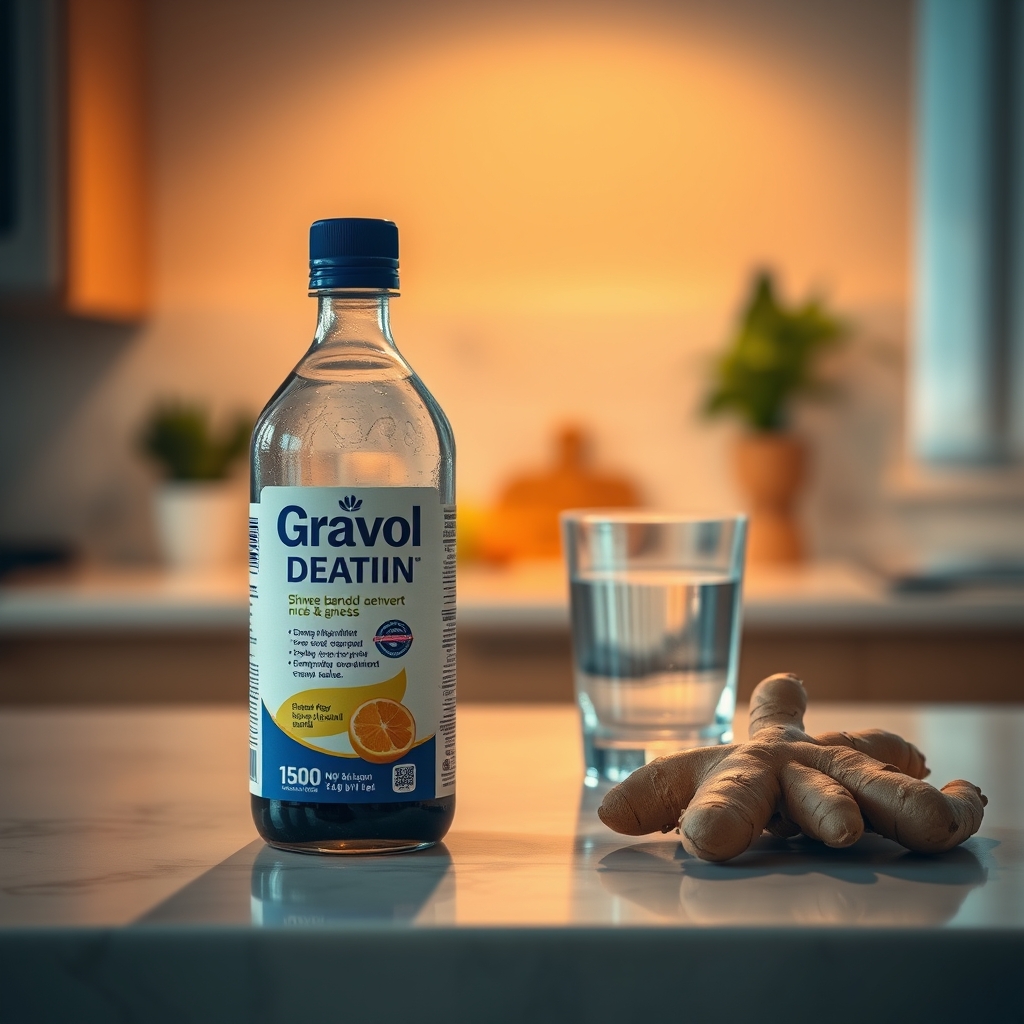
Having both a trusted nausea pill and a natural option like ginger nearby can give you flexibility when symptoms strike.
Stage
Verdict
Notes
First trimester
⚠️ Use with caution
Limited data; prefer non‑drug options unless symptoms are severe.
Second trimester
✅ Generally safe
Most OTC antihistamine‑based pills (e.g., dimenhydrinate) are considered low risk.
Third trimester
✅ Generally safe
Same as second trimester; monitor for drowsiness that could affect labor.
Breastfeeding
⚠️ Talk to your doctor
Some agents cross into milk; dosage may need adjustment.
What is a nausea pill?
In the world of pregnancy‑related nausea, “nausea pills” generally refer to medications that calm the stomach and reduce the feeling of queasiness. The most common over‑the‑counter (OTC) options contain antihistamines such as dimenhydrinate (found in Gravol) or meclizine (Bonine). Prescription pills like ondansetron (Zofran) or metoclopramide (Reglan) work through different pathways, targeting serotonin receptors or gut motility. All of these agents aim to make you feel better, but they differ in how they interact with the developing fetus.
Many people reach for these pills because the nausea is relentless, especially during the first few months when morning sickness peaks. Others prefer to avoid medication altogether, opting for ginger, vitamin B6, or acupressure. Understanding the pharmacology helps you weigh the benefits against any potential risks, and it informs the conversation you’ll have with your obstetrician.
Is taking nausea pills safe during pregnancy?
The short answer is that many OTC antihistamine‑based pills are considered low risk after the first trimester, but they should be used only when needed and under professional guidance. The American College of Obstetricians and Gynecologists (ACOG) notes that antihistamines like dimenhydrinate have a “long history of safe use” in pregnant patients, while the UK’s NHS recommends limiting use in the first trimester unless symptoms are severe. The FDA classifies many of these OTC agents as Category B (no evidence of risk in animal studies, but insufficient human data). In contrast, prescription agents such as ondansetron have mixed evidence; the FDA’s Pregnancy and Lactation Labeling Rule (PLLR) places ondansetron in Category C, meaning risk cannot be ruled out. The CDC and WHO do not list antihistamines as teratogenic, but they advise clinicians to consider non‑pharmacologic options first.
Overall, the consensus among major health authorities is that occasional, short‑term use of OTC antihistamine nausea pills is acceptable after the first trimester, while prescription pills should be reserved for more severe cases and always prescribed by a healthcare provider.
It’s also worth noting that the safety profile can shift if you have underlying conditions such as hypertension, diabetes, or kidney disease. In those cases, the medication’s metabolism may change, and your provider might adjust the dose or recommend a different agent altogether.
Are nausea pills safe to use in the first trimester of pregnancy?
The first trimester is a period of rapid organ formation, making it the most sensitive window for potential teratogens. Because of limited human data, ACOG advises caution with any medication during this time. Antihistamine‑based nausea pills such as dimenhydrinate have not been linked to birth defects, but the NHS recommends reserving them for cases where nausea interferes with nutrition or hydration.
If you’re in the first trimester and your nausea is mild, try natural alternatives first (see the “Safer alternatives” section). If symptoms are severe—causing weight loss or dehydration—your provider may prescribe a low‑dose antihistamine after weighing the benefits and risks. In short, nausea pills can be used, but only after a thorough discussion with your obstetrician.
Some clinicians also suggest limiting the total number of doses in the first trimester to no more than three to four days per week, reserving daily use for the second and third trimesters when the fetus’s organ systems are less vulnerable.
What is the recommended dosage of nausea pills for pregnant women?
Dosage recommendations differ by active ingredient. For dimenhydrinate (Gravol), the typical adult dose is 50 mg every 6–8 hours, not exceeding 200 mg per day. For meclizine (Bonine), the standard dose is 25 mg once daily, with a maximum of 50 mg per day. Both dosages are considered safe for pregnant adults when used short‑term.
Prescription options have different limits. Ondansetron (Zofran) is usually prescribed at 4 mg to 8 mg every 8 hours, but the FDA places it in Category C, so it should only be used when the benefit outweighs the potential risk. Metoclopramide (Reglan) is often given at 5 mg three times daily, also a Category C medication. Always follow the exact instructions from your provider and never exceed the recommended amount.
If you have liver or kidney impairment, your provider may reduce the dose because these organs clear antihistamines and other anti‑nausea agents. It’s also important to space out doses of other sedating medications to avoid cumulative drowsiness.
Can I take over‑the‑counter nausea pills during pregnancy?
Yes, most OTC antihistamine‑based nausea pills are considered low risk after the first trimester. The FDA’s labeling for dimenhydrinate and meclizine lists them as Category B, meaning animal studies have not shown fetal harm and there are no well‑controlled human studies showing risk. The ACOG and NHS both endorse limited, short‑term use for symptomatic relief.
However, “over‑the‑counter” does not mean “without guidance.” Always read the label, avoid combination products that contain other active ingredients (e.g., decongestants), and discuss any medication with your prenatal care team.
Drug interactions are another consideration. Antihistamines can increase the sedative effect of other medications like diphenhydramine or certain antidepressants. If you’re taking prenatal vitamins, iron supplements, or thyroid medication, stagger the timing of your nausea pill to minimize absorption issues.
What are the safest nausea pill brands for pregnant women?
When choosing a brand, look for products that contain a single, well‑studied active ingredient and avoid added stimulants or caffeine. The following brands are widely regarded as safe for pregnant patients when taken as directed:
Gravol (dimenhydrinate) – a single‑ingredient antihistamine with a long safety record.
Bonine (meclizine) – another single‑ingredient option, often preferred for its once‑daily dosing.
Emetrol (phosphorated carbohydrate solution) – an OTC liquid that works locally in the stomach without systemic absorption.
Generic versions of these medications are equally safe as long as they contain no extra additives. Always verify the label for pregnancy‑specific warnings and avoid “nighttime” formulations that add diphenhydramine, which can cause increased drowsiness.
If you prefer a sugar‑free option, look for “sugar‑free” or “diet” versions that replace sucrose with non‑caloric sweeteners. These are generally considered safe, but some sweeteners (like saccharin) have limited data in pregnancy, so it’s best to stick with the original formulation when possible.
What are the risks of taking nausea pills while pregnant?
The most common side effects are drowsiness, dry mouth, and mild constipation. These are generally harmless but can affect daily activities. Rarely, antihistamines may cause urinary retention or blurred vision, which should be reported to your provider.
Prescription agents carry additional considerations. Ondansetron has been associated in some studies with a slight increase in the risk of cardiac malformations, though the data are not definitive. Metoclopramide can lead to extrapyramidal symptoms (muscle stiffness or tremor) if used at high doses. Because of these potential risks, the CDC recommends limiting prescription nausea pills to situations where non‑pharmacologic measures fail.
Long‑term daily use of any anti‑nausea medication is not typically recommended unless a serious condition such as hyperemesis gravidarum is diagnosed. In those cases, close fetal monitoring and regular ultrasound assessments are part of the care plan.
Are there natural alternatives to nausea pills that are safe in pregnancy?
Yes. Many pregnant people find relief with ginger, vitamin B6, peppermint tea, lemon‑ginger tea, acupressure wrist bands, or ginger chews. These options have strong safety records and are endorsed by both ACOG and the NHS for mild‑to‑moderate nausea.
For example, ginger capsules (Nature’s Way Ginger) have been studied in several randomized trials and shown to reduce nausea scores without adverse fetal effects. Vitamin B6 tablets (Nature Made Vitamin B6) are also recommended, especially when combined with ginger. Peppermint tea (Twinings Peppermint) and lemon‑ginger tea (Traditional Medicinals Lemon Ginger) can be sipped throughout the day for gentle relief.
When using herbal teas, keep the caffeine content low—most peppermint and ginger blends are naturally caffeine‑free. If you prefer fresh ginger, a 1‑gram slice steeped in hot water for a few minutes makes a soothing tea that is safe in moderate amounts (up to 1 g per day).
How do nausea pills affect pregnancy‑related conditions like morning sickness?
Morning sickness is essentially a hormonal response that peaks in the first trimester. Antihistamine nausea pills work by blocking histamine receptors in the brain’s vomiting center, providing symptomatic relief without altering the underlying hormonal changes. They do not shorten the duration of morning sickness but can improve quality of life when the nausea is severe enough to interfere with nutrition.
Prescription agents such as ondansetron act on serotonin receptors and may be more effective for refractory nausea, but they also carry a higher risk profile. The key is to use the lowest effective dose and to pair medication with lifestyle measures (small frequent meals, hydration, and the natural remedies listed above).
In cases of hyperemesis gravidarum—a severe form of morning sickness that can lead to weight loss and electrolyte imbalances—clinicians often start with vitamin B6 and ginger, then progress to prescription anti‑emetics if those measures fail. Close monitoring of maternal weight and blood work is essential throughout this process.
Should I avoid nausea pills if I have a history of high blood pressure during pregnancy?
Yes, with caution. Some antihistamine pills contain diphenhydramine or other sedatives that can increase heart rate or cause mild blood pressure fluctuations. If you have gestational hypertension or pre‑eclampsia, discuss any medication—including OTC nausea pills—with your provider. They may prefer non‑drug options or a lower dose of an antihistamine that has minimal cardiovascular impact.
Meclizine tends to have a milder effect on blood pressure compared with dimenhydrinate, but individual responses vary. Keeping a blood pressure log after taking a dose can help you and your provider decide whether a medication is appropriate.
Safety by trimester
First trimester (weeks 1–13)
Organogenesis is occurring, so caution is advised. Antihistamines such as dimenhydrinate have not been linked to birth defects, but the NHS suggests reserving them for cases where nausea threatens hydration or nutrition. If you need relief, a single dose of 50 mg may be acceptable, but aim to limit use to the shortest duration possible.
Non‑drug options like ginger (up to 1 g per day) and vitamin B6 (10–25 mg three times daily) are preferred first‑line treatments. If symptoms are severe, your provider might prescribe a low‑dose antihistamine or, in rare cases, ondansetron after a risk‑benefit discussion.
Second trimester (weeks 14–27)
Most OTC antihistamine pills are considered low risk. Dimenhydrinate (Gravol) at 50 mg every 6–8 hours and meclizine (Bonine) at 25 mg once daily are generally regarded as safe when taken short‑term. The placenta is more mature, and the risk of teratogenicity is lower.
Continue to monitor for drowsiness, especially if you need to drive. If you find yourself needing medication daily, discuss a maintenance plan with your obstetrician to ensure the dose remains appropriate.
Third trimester (weeks 28–40)
Safety remains similar to the second trimester, but the primary concern shifts to labor. Excessive sedation from antihistamines can affect your ability to push effectively during delivery. If you notice increased drowsiness, consider switching to a non‑sedating option like meclizine or a non‑pharmacologic method.
Prescription agents such as ondansetron are still an option for refractory nausea, but the same caution about potential cardiac effects applies. Your provider may adjust the timing of doses to avoid peak sedation during labor.
Breastfeeding
Most antihistamines pass into breast milk in small amounts. Dimenhydrinate and meclizine are considered compatible with breastfeeding by the American Academy of Pediatrics (AAP), but they can cause mild drowsiness in the infant. If you notice your baby becoming unusually sleepy after you take a dose, discuss timing adjustments with your pediatrician.
Ondansetron is excreted in breast milk at low levels, and while the AAP does not consider it a contraindication, many providers prefer to limit its use while nursing. Emetrol, which works locally in the stomach, is generally regarded as safe for both mother and baby.
When breastfeeding, timing your dose of an antihistamine and watching your baby’s alertness can help you both stay comfortable.
Safe dosage / amount / brands
Below is a quick reference for the most common OTC nausea pills, their typical adult dosing, and brand suggestions that meet pregnancy‑safety criteria.
Active ingredient
Typical adult dose
Maximum daily dose
Pregnancy‑safe brand
Dimenhydrinate
50 mg every 6–8 hours
200 mg
Gravol
Meclizine
25 mg once daily
50 mg
Bonine
Phosphorated carbohydrate (Emetrol)
2–4 tablespoons (30–60 mL) as needed
12 tablespoons (180 mL)
Emetrol
Ondansetron (prescription)
4–8 mg every 8 hours
24 mg
Zofran (prescribed)
Metoclopramide (prescription)
5 mg three times daily
15 mg
Reglan (prescribed)
When selecting a brand, avoid “nighttime” or “multi‑symptom” formulas that add diphenhydramine, caffeine, or pseudoephedrine, as these extra ingredients may not be pregnancy‑friendly. Generic equivalents are fine as long as the ingredient list matches the trusted brand.
If you have a history of liver disease, ask your provider whether a lower dose or a different antihistamine might be safer, because dimenhydrinate is metabolized in the liver.
Side effects and risks
Most pregnant patients tolerate antihistamine nausea pills well, but be alert for the following:
Drowsiness or excessive sedation – common with dimenhydrinate; avoid driving or operating heavy machinery.
Dry mouth and constipation – stay hydrated and increase fiber intake.
Urinary retention – rare, but seek medical attention if you can’t urinate.
Cardiac concerns – ondansetron has been linked in some studies to a slight increase in congenital heart defects; discuss with your provider.
Extrapyramidal symptoms – muscle stiffness or tremor associated with high‑dose metoclopramide; stop and call your doctor if they appear.
These side effects are generally mild, but any sudden worsening of nausea, vomiting, or new symptoms such as severe abdominal pain should prompt a call to your obstetrician.
Safer alternatives
Ginger capsules (Nature's Way Ginger) – clinically proven to reduce nausea without fetal risk.
Vitamin B6 tablets (Nature Made Vitamin B6) – recommended by ACOG for mild nausea.
Peppermint tea (Twinings Peppermint) – soothing, caffeine‑free, and safe throughout pregnancy.
Small, frequent meals with bland foods (plain toast, crackers, applesauce) – helps keep stomach empty enough to prevent queasiness.
Vitamin C‑rich fruits (orange slices, kiwi) – some studies suggest a modest reduction in nausea intensity.
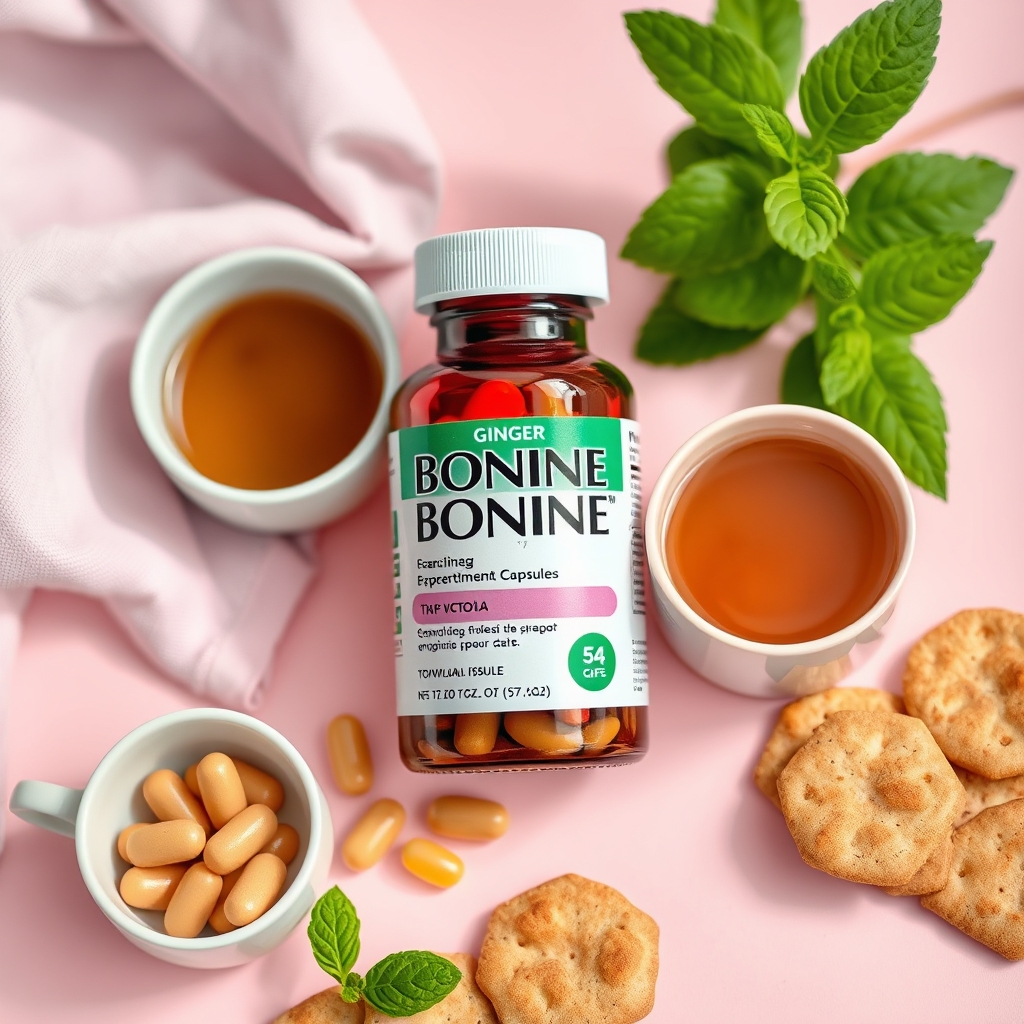
Combining a trusted nausea pill with natural options like ginger can give you layered relief.
Related items — safety at a glance
Item
Verdict
Note
Diclegis (doxylamine‑pyridoxine)
✅ Generally safe
First‑line prescription for morning sickness; Category B.
Bonine (meclizine)
✅ Generally safe
OTC antihistamine; Category B.
Zofran (ondansetron)
⚠️ Use with caution
Category C; consider only if severe.
Reglan (metoclopramide)
⚠️ Use with caution
Category C; monitor for extrapyramidal effects.
Nauzene (bismuth subsalicylate)
⚠️ Avoid
Contains salicylate; not recommended.
Phenergan (promethazine)
⚠️ Use with caution
Sedating; Category C.
Emetrol (phosphorated carbohydrate solution)
✅ Generally safe
Local action; Category B.
Ginger capsules (Nature’s Way)
✅ Generally safe
Herbal remedy with strong evidence, no known fetal risk.
Myth vs. fact
Myth: All nausea pills are unsafe during pregnancy.
Fact: Many antihistamine‑based OTC pills are classified as Category B and are considered low risk after the first trimester when used as directed.
Myth: Prescription nausea medication always harms the baby.
Fact: Prescription agents like ondansetron can be used safely when the benefit outweighs potential risks, especially in severe cases of hyperemesis gravidarum.
Myth: Natural remedies are ineffective compared to pills.
Fact: Studies show ginger and vitamin B6 can reduce nausea scores as effectively as some OTC antihistamines, with virtually no fetal risk.
Key takeaways
Most OTC antihistamine nausea pills (e.g., Gravol, Bonine) are low risk after the first trimester.
Limit use in the first trimester; try natural alternatives first.
Follow dosage guidelines: dimenhydrinate 50 mg every 6–8 hours, max 200 mg/day; meclizine 25 mg once daily, max 50 mg/day.
Discuss any prescription nausea medication with your provider, especially if you have high blood pressure or other complications.
Watch for side effects like drowsiness or urinary retention and call your doctor if they become severe.
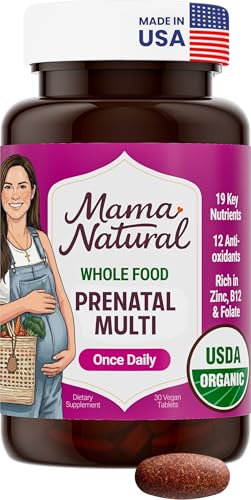
Natural options such as ginger capsules, vitamin B6, peppermint tea, and acupressure bands are safe and often effective.
If you’re breastfeeding, choose low‑sedating antihistamines and monitor your baby for unusual sleepiness.
Always keep your prenatal care team informed about any medication you start, stop, or change.
Frequently asked questions
Can I take nausea medication while pregnant?
Yes, you can, but the safest choice depends on the type of medication, the trimester, and your health history. OTC antihistamines like dimenhydrinate are generally considered low risk after the first trimester, while prescription options should be used only under medical supervision.
What over‑the‑counter nausea pills are safe during pregnancy?
Gravol (dimenhydrinate), Bonine (meclizine), and Emetrol (phosphorated carbohydrate solution) are the most commonly recommended OTC options. They are classified as Category B by the FDA and have a long history of safe use in pregnant patients.
How much do nausea pills affect the baby?
When used as directed, most antihistamine‑based nausea pills have not been shown to cause birth defects or fetal harm. However, high doses or prolonged use—especially of prescription agents—may carry a small risk, so it’s essential to keep to the recommended dosage and discuss any concerns with your provider.
Is it okay to use ginger instead of nausea pills in pregnancy?
Absolutely. Ginger capsules, chews, or teas have been demonstrated in multiple clinical trials to reduce nausea without any known adverse effects on the fetus, making them a safe first‑line alternative.
Are there any side effects of nausea pills for pregnant women?
Common side effects include drowsiness, dry mouth, and mild constipation. Rare but more serious effects—such as urinary retention or, with prescription drugs, cardiac or extrapyramidal symptoms—should prompt immediate medical attention.
When should I stop taking nausea pills during pregnancy?
You should stop using any nausea pill if you experience severe side effects, if your symptoms improve and you no longer need them, or if you enter the third trimester and notice increased drowsiness that could affect labor. Always consult your provider before discontinuing a medication you’ve been prescribed.
Can nausea pills cause birth defects?
Current evidence does not link antihistamine‑based OTC nausea pills to birth defects. Prescription agents like ondansetron have mixed data, and the FDA places them in Category C, meaning risk cannot be ruled out. Discuss any concerns with your obstetrician.
Do nausea pills interact with prenatal vitamins?
Generally, antihistamine nausea pills do not interact with prenatal vitamins. However, some prescription anti‑nausea medications can affect the absorption of certain nutrients, so it’s wise to take them at different times of day and keep your provider informed.
Can I combine ginger with an OTC nausea pill?
Yes, combining ginger with an antihistamine pill is generally safe and may provide additive relief. Just keep ginger to no more than 1 g per day and avoid exceeding the recommended dose of the antihistamine.
Is it safe to use nausea pills if I have a history of seizures?
If you have a seizure disorder, avoid meclizine and dimenhydrinate unless your provider says otherwise, because they can lower the seizure threshold in some people. Discuss alternative options like ginger or vitamin B6 with your neurologist and obstetrician.
When to call your doctor
If you notice any of the following, contact your obstetrician or midwife right away:
Severe or worsening vomiting leading to dehydration.
Persistent dizziness, fainting, or inability to stay upright.
Signs of urinary retention (painful or reduced urination).
Unusual heart rhythm, chest pain, or shortness of breath.
Muscle stiffness, tremor, or uncontrolled movements after taking a prescription anti‑nausea medication.
Any new rash, swelling, or difficulty breathing that could indicate an allergic reaction.
These symptoms are not a substitute for professional medical advice. Always discuss any medication—prescription or OTC—with your healthcare provider before starting or changing a regimen.
References
American College of Obstetricians and Gynecologists (ACOG). “Nausea and Vomiting of Pregnancy.” Practice Bulletin No. 189, 2018.
National Health Service (NHS). “Nausea and Vomiting in Pregnancy.” Updated 2022.
U.S. Food and Drug Administration (FDA). “Pregnancy and Lactation Labeling Rule (PLLR).” 2020.
Centers for Disease Control and Prevention (CDC). “Medication Use in Pregnancy.” 2021.
World Health Organization (WHO). “Guidelines for the Management of Nausea and Vomiting of Pregnancy.” 2020.
National Institute for Health and Care Excellence (NICE). “Nausea and Vomiting in Pregnancy.” NG3, 2021.
Mayo Clinic. “Morning sickness: Treatment and prevention.” Accessed July 2026.
American Academy of Pediatrics (AAP). “Safety of Over‑The‑Counter Medications During Pregnancy.” 2023.
Not sure about the label on Is Nausea Pills Safe During Pregnancy products?
Snap the ingredients list and SafeFilter checks every ingredient for your stage — only 3 free scans this month, then you're locked until reset. Unlimited from $7/mo or $50/yr.
When Shubhra Mishra was expecting her first child in 2016, she was overwhelmed by conflicting food advice — one site said yes, another said never. By the time her second baby arrived in 2019, she realized millions of mothers face the same confusion.
That sparked a five-year journey through clinical nutrition papers, cultural diets, and expert conversations — all leading to BumpBites: a calm, compassionate space where science meets everyday motherhood.
Her long-term vision is to build a global community ensuring safe, supported, and free deliveriesfor every mother — because no woman should face pregnancy alone or uninformed. 🌿
🌍 Stand with mothers, shape safer guidance
Join a small circle of experts who review BumpBites articles so expecting parents everywhere can decide with confidence.