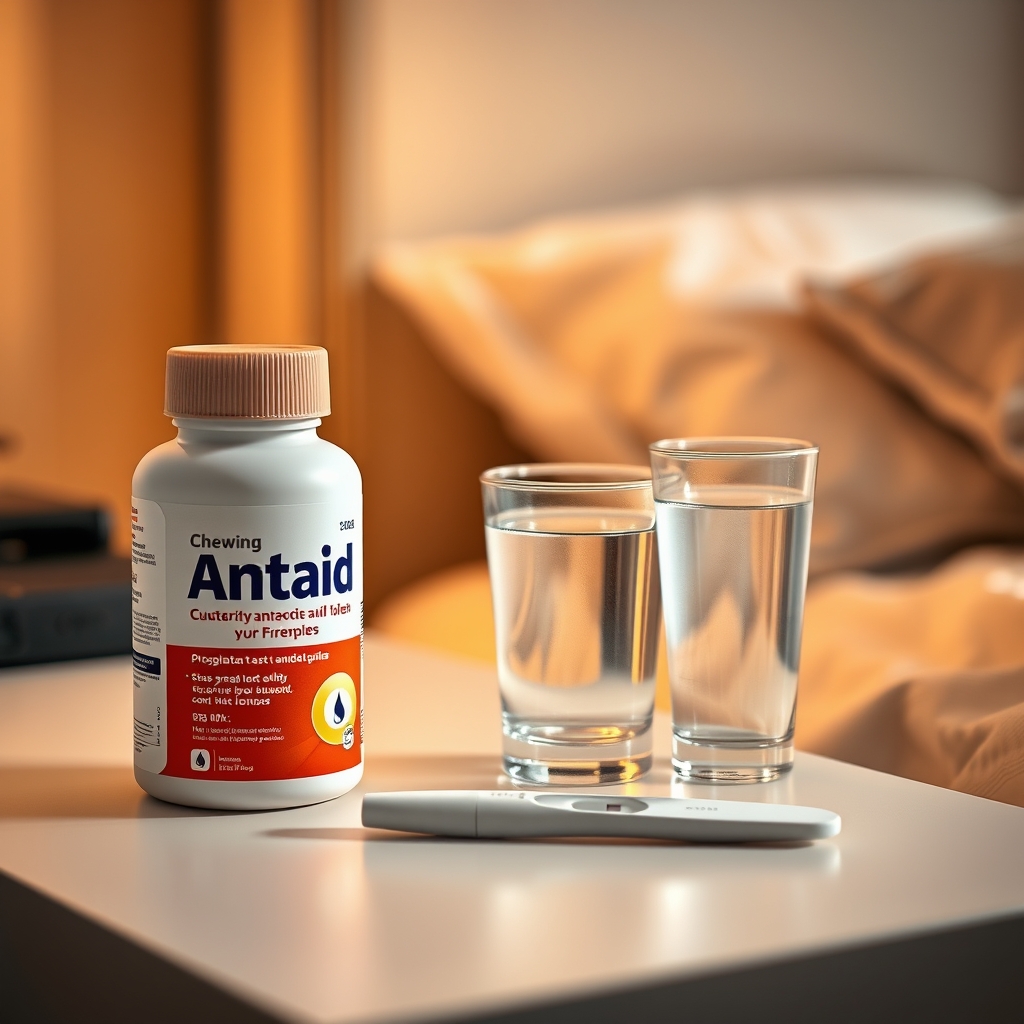
Nauzene is generally safe during pregnancy when taken as directed, but dosage and trimester are crucial for minimizing side effects and risks.
By Shubhra Mishra — a mom of two who turned her own confusion during pregnancy into BumpBites, a global mission to make food choices clear, safe, and stress-free for every expecting mother. 💛
Check whether any food is safe during pregnancy with the BumpBites Food Safety Checker.
Quick verdict: ⚠️ Safe with limits – Nauzene can be used during pregnancy, but keep the dose low and avoid prolonged daily use. Talk to your provider if you need it often or have underlying health issues.
It’s 2 a.m., the kitchen light hums, and you’ve just swallowed a chewable antacid for that sudden wave of heartburn. “Is Nauzene safe for pregnancy?” you whisper to the empty room, heart racing. You’re not alone—many expecting parents wonder about this common over‑the‑counter remedy the moment they feel that acidic flare. The short answer is that Nauzene is generally considered safe for pregnancy when used sparingly, but there are limits and trimester‑specific nuances you should know.
In this article we’ll break down exactly how the evidence stacks up for Nauzene, covering the overall safety verdict, dosage recommendations, trimester‑by‑trimester considerations, possible side effects, interactions with prenatal vitamins, and safer alternatives. We’ll also compare Nauzene to other antacids you might reach for in the pantry, so you can make an informed choice and feel confident about managing heartburn while protecting your baby.
Pregnancy stage
Verdict
Notes
First trimester
⚠️ Safe with limits
Use no more than 2–3 chewable tablets (≈500 mg calcium carbonate) per day; avoid daily use.
Second trimester
⚠️ Safe with limits
Same dosing as first trimester; can be used for occasional heartburn.
Third trimester
⚠️ Safe with limits
Calcium may help with bone health, but limit total calcium from all sources to 1,300 mg/day.
Breastfeeding
✅ Generally safe
Small amounts are excreted in breast milk; keep within adult dosage limits.
When heartburn strikes at 3 a.m., a gentle antacid like Nauzene can bring relief—just remember the dosage limits.
What is Nauzene?
Nauzene is an over‑the‑counter antacid that comes in chewable tablet form. Its active ingredient is calcium carbonate, a mineral that neutralizes stomach acid by raising the pH of the gastric contents. Each chewable tablet typically contains about 500 mg of calcium carbonate, which is roughly equivalent to 200 mg of elemental calcium. The product is marketed as a quick‑acting heartburn reliever, and it’s often chosen because the sweet, fruity flavor makes it easier to swallow than many liquid antacids.
People use Nauzene for occasional acid reflux, indigestion, or sour stomach. The calcium carbonate also supplies a modest amount of calcium, which can be beneficial during pregnancy when calcium needs increase to support fetal bone development. However, because it is a calcium‑based antacid, the total calcium intake from all sources—including diet, supplements, and other antacids—must be monitored to avoid exceeding recommended limits.
Is Nauzene safe during pregnancy?
C
urrent guidance from major health authorities indicates that calcium carbonate antacids, including Nauzene, are safe for most pregnant women when used at the recommended dose. The American College of Obstetricians and Gynecologists (ACOG) lists calcium carbonate among the preferred antacids for heartburn in pregnancy, noting that it does not cross the placenta in harmful amounts. The UK’s National Health Service (NHS) echoes this, stating that calcium‑based antacids are “generally safe” but should not be taken in excess.
The Food and Drug Administration (FDA) classifies calcium carbonate as a Category C drug for pregnancy, meaning animal studies have shown some risk but there are no well‑controlled human studies; however, the benefits may outweigh the risks when used appropriately. The CDC does not flag calcium carbonate as a teratogen, and the World Health Organization (WHO) includes it in its list of medications that can be used for symptomatic relief of heartburn during pregnancy.
In practice, the primary concern with over‑use is the potential for hypercalcemia (excess calcium) and related complications such as kidney stones or reduced absorption of other minerals like iron. For most pregnant individuals, occasional use of Nauzene—no more than 2–3 tablets per day—poses minimal risk, especially when calcium intake from diet and prenatal vitamins is taken into account.
Balancing calcium sources—like Nauzene, dairy, and prenatal vitamins—helps keep total intake within safe limits.
Is Nauzene safe to use during the first trimester of pregnancy?
During the first trimester, the embryo is undergoing organogenesis, a period when it is most vulnerable to teratogens. Because calcium carbonate does not have teratogenic properties, ACOG and the NHS both consider occasional use of Nauzene safe in this window, provided you stay within the recommended dose of 2–3 tablets per day. The key is to avoid daily, long‑term use, which could push total calcium intake beyond the recommended 1,000 mg for the first trimester.
Can I take Nauzene for heartburn in the second trimester?
Yes. In the second trimester, calcium needs increase to about 1,000 mg per day, and many pregnant people find heartburn more frequent as the uterus expands. Nauzene can be used for symptom relief, again limited to 2–3 chewable tablets per day. If you are already taking a prenatal vitamin with calcium, you may need to adjust the antacid dose to stay within the overall calcium ceiling.
What is the recommended dosage of Nauzene for pregnant women?
The standard adult dose for Nauzene is 2–4 chewable tablets (each 500 mg calcium carbonate) taken as needed, not exceeding 1,500 mg calcium carbonate per day. For pregnant women, most clinicians recommend a lower ceiling—no more than 3 tablets (≈1,500 mg calcium carbonate) in a 24‑hour period, and preferably only 1–2 tablets for occasional heartburn. Always check the label for the exact calcium content, as formulations can vary slightly.
Are there any risks or side effects of Nauzene while pregnant?
Common side effects are mild and include a chalky taste, mild nausea, or belching. Because Nauzene is calcium‑based, the most notable risk is constipation, especially if you’re not drinking enough fluids. In rare cases, excessive calcium intake can lead to hypercalcemia, which may cause fatigue, muscle weakness, or kidney stones. If you experience severe abdominal pain, persistent vomiting, or signs of high calcium (such as frequent urination and confusion), contact your healthcare provider promptly.
Does Nauzene interact with prenatal vitamins or other supplements?
Nauzene can affect the absorption of certain minerals and medications. Calcium carbonate may reduce the absorption of iron, zinc, and some antibiotics if taken at the same time. To minimize interactions, space the antacid at least two hours apart from prenatal vitamins that contain iron or other minerals. The calcium in Nauzene can complement a prenatal vitamin that already supplies calcium, but you’ll need to tally the total calcium from all sources to stay under the recommended daily limit.
What are safer alternatives to Nauzene for pregnancy heartburn relief?
Tums – another calcium carbonate chewable with a well‑established safety profile.
Calcium carbonate chewable tablets (generic) – same active ingredient, often available at lower cost.
Ginger tea – a natural, caffeine‑free option that can soothe the stomach without adding calcium.
Chamomile tea – gentle anti‑inflammatory properties may reduce reflux symptoms.
Prenatal vitamin with calcium – provides calcium in a form that’s already accounted for in your daily intake.
Milk of Magnesia (low dose) – magnesium hydroxide works differently and is safe in modest amounts.
Alka‑Seltzer (calcium version only) – calcium carbonate based, but choose the version without aspirin.
Is there a difference between Nauzene and other calcium carbonate antacids for pregnant women?
All calcium carbonate antacids share the same primary mechanism—neutralizing stomach acid by providing calcium ions. The differences lie mainly in formulation (chewable tablets vs. liquid), flavor, and additional ingredients. For example, Rolaids combines calcium carbonate with magnesium hydroxide, which can lessen constipation risk. Tums offers a broader range of flavors and a slightly lower calcium per tablet (300 mg vs. 500 mg in Nauzene). In terms of safety, ACOG treats them equivalently; the choice comes down to personal preference and how your body tolerates each product.
Can Nauzene cause constipation or other digestive issues during pregnancy?
Yes, constipation is the most common digestive side effect of calcium carbonate antacids, including Nauzene. The calcium can slow intestinal motility, especially if you’re not drinking enough water. To counteract this, increase fluid intake, incorporate fiber‑rich foods, and consider alternating with a magnesium‑based antacid (like Milk of Magnesia) if constipation becomes problematic.
Safety by trimester
First trimester (weeks 1‑13)
During organ formation, the safest approach is to limit any medication to the lowest effective dose. Calcium carbonate antacids are not teratogenic, so occasional Nauzene use is acceptable. The ACOG guideline recommends no more than 2 chewable tablets per day, and only when heartburn is bothersome. If you find you need antacids daily, discuss a comprehensive plan with your obstetrician, as frequent acid suppression may signal an underlying issue that needs attention.
Second trimester (weeks 14‑27)
The second trimester often brings increased heartburn due to the growing uterus pressing on the stomach. Calcium requirements rise, and many prenatal vitamins already contain 200‑300 mg of calcium. In this stage, Nauzene can still be used, but you must account for calcium from your vitamin. A typical recommendation is 1–2 chewable tablets as needed, keeping total calcium from all sources under 1,300 mg per day.
Third trimester (weeks 28‑40)
In the final months, the risk of reflux peaks, but so does calcium demand for fetal bone development. Some clinicians even suggest that a modest amount of calcium carbonate can be beneficial. However, the principle of “as low as reasonably achievable” still applies. Use no more than 2 tablets per day, and ensure you’re not exceeding the 1,300 mg calcium ceiling when combined with diet and supplements.
Breastfeeding
After delivery, calcium continues to be important for both mother and baby. Small amounts of calcium carbonate from an antacid like Nauzene are excreted in breast milk, but the exposure is minimal. The Academy of Breastfeeding Medicine states that occasional use of calcium‑based antacids is compatible with breastfeeding, as long as the total daily calcium does not surpass the recommended 1,300 mg.
Safe dosage / amount / brands
The standard Nauzene package lists 500 mg calcium carbonate per chewable tablet. For pregnant users, the safest daily limit is 1,500 mg calcium carbonate, which translates to a maximum of three tablets in a 24‑hour period. Most clinicians suggest using the lowest effective dose—often 1–2 tablets for an episode of heartburn.
If you prefer a different brand, look for products that clearly state the amount of calcium carbonate per tablet and avoid those that add high‑dose sodium bicarbonate, which can lead to excess sodium intake. Popular “safe” brands include:
Tums Original (300 mg calcium carbonate per tablet)
Generic calcium carbonate chewables (generally 500 mg per tablet)
Avoid antacids that contain aluminum hydroxide or high‑dose magnesium if you have kidney disease, as they can accumulate and cause toxicity.
Side effects and risks
Most users experience only mild, temporary side effects:
Chewy texture and chalky aftertaste
Belching or mild gas
Occasional nausea
More concerning issues, though rare, include:
Constipation – calcium can slow bowel movements; increase water and fiber.
Hypercalcemia – symptoms: fatigue, muscle weakness, frequent urination, confusion. Seek medical care if these appear.
Kidney stones – high calcium intake over time may predispose susceptible individuals.
If you develop severe abdominal pain, persistent vomiting, or signs of electrolyte imbalance, contact your healthcare provider immediately. Remember, this information is not a substitute for professional medical advice.
Safer alternatives
Tums – same active ingredient, lower calcium per tablet, easy to dose.
Rolaids – combines calcium carbonate with magnesium hydroxide to reduce constipation.
Ginger tea – natural anti‑nausea and mild reflux relief without adding calcium.
Chamomile tea – soothing, low‑caffeine option that can calm the stomach.
Milk of Magnesia (low dose) – magnesium‑based antacid that works differently and is less likely to cause constipation.
Alka‑Seltzer (calcium version) – calcium carbonate based, but ensure you choose the non‑aspirin formula.
Related items — safety at a glance
Item
Verdict
One‑line note
Tums
⚠️ Safe with limits
300 mg calcium carbonate per tablet; limit total calcium.
Rolaids
⚠️ Safe with limits
Calcium carbonate + magnesium hydroxide; watch for constipation.
Mylanta
⚠️ Safe with limits
Aluminum‑based antacid; avoid high‑dose use in pregnancy.
Pepto‑Bismol
❌ Best avoided
Contains bismuth subsalicylate; not recommended for fetal safety.
Gaviscon
⚠️ Safe with limits
Alginic acid + antacids; generally well‑tolerated.
Calcium carbonate tablets
⚠️ Safe with limits
Same active ingredient as Nauzene; dose accordingly.
Magnesium hydroxide antacids
✅ Generally safe
Gentle laxative effect; useful if constipation is a concern.
Aluminum hydroxide antacids
⚠️ Talk to your doctor
Aluminum can accumulate; use only under medical guidance.
Myth vs. fact
Myth: All antacids are unsafe during pregnancy because they contain chemicals that cross the placenta.
Fact: Calcium carbonate antacids like Nauzene are considered low‑risk and are recommended by ACOG for occasional heartburn relief.
Myth: Taking any calcium supplement, including Nauzene, will guarantee a healthier baby.
Fact: While calcium is essential, excess calcium from multiple sources can lead to hypercalcemia; balance is key.
Myth: If you feel heartburn, you must take an antacid every time.
Fact: Lifestyle changes—eating smaller meals, avoiding trigger foods, and staying upright after meals—can reduce reliance on antacids.
Key takeaways
Nauzene is generally safe for pregnancy when limited to 1–2 chewable tablets per episode.
Keep total daily calcium (diet, prenatal vitamins, and antacids) under 1,300 mg.
Watch for constipation and hydrate well; consider magnesium‑based alternatives if needed.
Space Nauzene at least two hours from prenatal vitamins that contain iron or other minerals.
If heartburn is frequent, discuss a comprehensive plan with your obstetrician.
Frequently asked questions
Can I take Nauzene while pregnant?
Yes—occasional use of Nauzene is considered safe for pregnancy, provided you stay within the recommended dosage (no more than 2–3 chewable tablets per day).
What are the side effects of Nauzene during pregnancy?
Common side effects include a chalky taste, mild nausea, and occasional constipation; rare but serious issues involve hypercalcemia or kidney stones if taken excessively.
How much Nauzene is safe for a pregnant woman?
The safe amount is up to three chewable tablets (≈1,500 mg calcium carbonate) in a 24‑hour period, but many clinicians advise limiting use to 1–2 tablets for occasional heartburn.
Is calcium carbonate safe for pregnant women?
Calcium carbonate is listed by ACOG as a pregnancy‑compatible antacid; it is safe when used at the recommended dose and when total calcium intake stays within recommended limits.
Does Nauzene cause constipation in pregnancy?
Yes—calcium carbonate can slow bowel movements, so it’s wise to increase fluid intake and dietary fiber if you use Nauzene regularly.
Can Nauzene interact with prenatal vitamins?
It can reduce absorption of iron and other minerals; to avoid this, take Nauzene at least two hours apart from prenatal vitamins that contain iron or zinc.
Is Nauzene safe in the second trimester?
Yes—occasional use in the second trimester is safe, but keep the total calcium from all sources under 1,300 mg per day.
When to call your doctor
Contact your obstetrician or seek urgent care if you experience any of the following while using Nauzene:
Severe abdominal pain or cramping
Persistent vomiting that prevents keeping fluids down
Signs of hypercalcemia: unusual fatigue, muscle weakness, frequent urination, or confusion
Blood in stool or black, tarry stools
Sudden onset of swelling in the legs or feet
These symptoms may indicate a condition that requires professional evaluation. Remember, this article provides general information and is not a substitute for personalized medical advice. Always discuss any medication or supplement use with your healthcare provider.
References
American College of Obstetricians and Gynecologists (ACOG). “Management of Gastroesophageal Reflux Disease in Pregnancy.” Practice Bulletin No. 215, 2020.
National Health Service (NHS). “Antacids and Heartburn in Pregnancy.” Updated 2023.
Food and Drug Administration (FDA). “Calcium Carbonate – Drug Label Information.” Accessed July 2024.
Centers for Disease Control and Prevention (CDC). “Pregnancy and Medication Safety.” 2022.
World Health Organization (WHO). “Guidelines for the Management of Common Symptoms in Pregnancy.” 2021.
Academy of Breastfeeding Medicine. “Use of Antacids During Lactation.” Protocol #5, 2022.
Not sure about the label on Is Nauzene Safe During Pregnancy products?
Snap the ingredients list and SafeFilter checks every ingredient for your stage — only 3 free scans this month, then you're locked until reset. Unlimited from $7/mo or $50/yr.
When Shubhra Mishra was expecting her first child in 2016, she was overwhelmed by conflicting food advice — one site said yes, another said never. By the time her second baby arrived in 2019, she realized millions of mothers face the same confusion.
That sparked a five-year journey through clinical nutrition papers, cultural diets, and expert conversations — all leading to BumpBites: a calm, compassionate space where science meets everyday motherhood.
Her long-term vision is to build a global community ensuring safe, supported, and free deliveriesfor every mother — because no woman should face pregnancy alone or uninformed. 🌿
🌍 Stand with mothers, shape safer guidance
Join a small circle of experts who review BumpBites articles so expecting parents everywhere can decide with confidence.