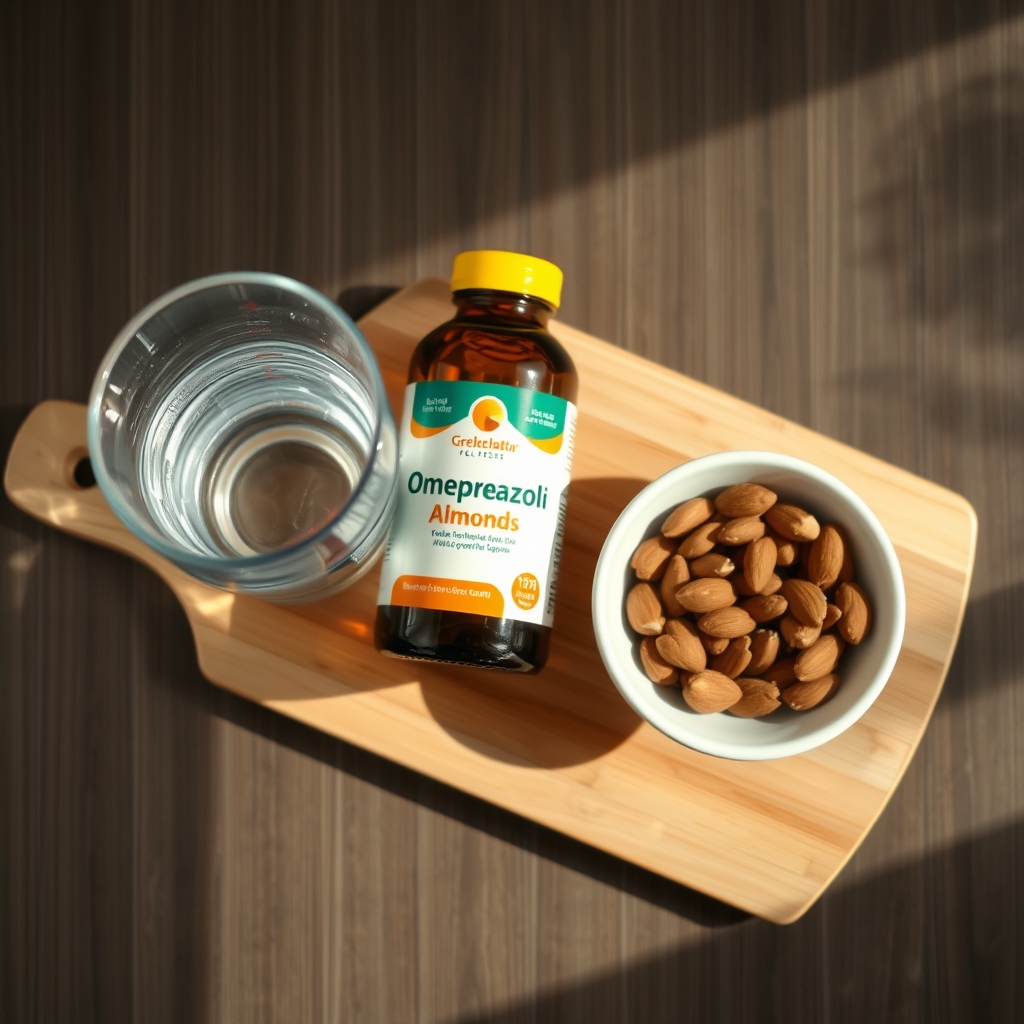
Yes, omeprazole is generally considered safe during pregnancy for treating heartburn and acid reflux. Learn about its safety profile, potential risks, and when to consult your doctor for guidance on its use.
By Shubhra Mishra — a mom of two who turned her own confusion during pregnancy into BumpBites, a global mission to make food choices clear, safe, and stress-free for every expecting mother. 💛
Check whether any food is safe during pregnancy with the BumpBites Food Safety Checker.
Quick take: Omeprazole is generally considered low‑risk in pregnancy, especially after the first trimester, but it’s still classified as “Category C” by the FDA, meaning you should use it only if the benefits outweigh potential risks. Talk to your provider before starting, stick to the lowest effective dose, and limit use to the shortest time needed. Breast‑feeding mothers can usually continue, but a brief pause may be advised.
It’s 10 p.m., you’re curled up on the couch, and the familiar burn of heartburn spikes again. You glance at the bottle of omeprazole on the nightstand and wonder, “Is this safe now that I’m pregnant?” You’re not alone. Heartburn affects up to 80 % of pregnant people, and many wonder whether a prescription‑strength acid reducer is worth the risk.
Below, we break down what the latest research, regulatory agencies, and obstetric experts say about taking omeprazole while you’re expecting or nursing. We’ll cover safety by trimester, dosing, alternatives, and what to do if you need relief now. By the end you’ll have a clear plan you can discuss with your provider.
We’ll also weave in practical tips—like how to combine omeprazole with antacids safely, and which natural foods can calm that acid reflux without a pill. All of the information is grounded in guidelines from the FDA, ACOG, NHS, and other reputable bodies, so you can feel confident about the next steps.
Can I take omeprazole while pregnant?
Short answer: most obstetricians say that occasional use of omeprazole is acceptable when heartburn is severe and lifestyle changes haven’t helped. The drug is classified as Pregnancy Category C by the U.S. Food and Drug Administration (FDA), which means animal studies have not shown clear harm, but there aren’t enough controlled studies in pregnant people to rule out risk entirely.
Because the decision balances potential benefits (relief from painful heartburn, better sleep) against unknown risks, the American College of Obstetricians and Gynecologists (ACOG) recommends using the lowest effective dose and only after discussing it with your prenatal care provider.
In practice, many clinicians prescribe omeprazole for refractory heartburn after the first trimester, when the placenta is more fully formed and the fetus is less vulnerable to teratogenic influences. If you’re in the first trimester and the burn is mild, they’ll likely suggest dietary tweaks or antacids first.
It’s also worth noting that the FDA’s updated labeling emphasizes individualized risk assessment. This means your provider will weigh how often you experience reflux, whether it interferes with nutrition, and any other medications you might be taking before deciding on a prescription.
Omeprazole safety during each trimester of pregnancy
Understanding how the drug interacts with a developing baby at different stages helps you and your provider decide when to start or stop it.
First trimester (weeks 1–13)
During organ formation, the fetus is most vulnerable to teratogens. The FDA’s Category C status reflects limited human data for this period. Small observational studies from the National Health Service (NHS) in the UK have not shown a clear increase in major birth defects, but the numbers are low, so caution is advised.
Most clinicians recommend avoiding omeprazole unless heartburn is severe enough to cause weight loss or dehydration. If you must take it, the typical dose of 20 mg once daily is considered the minimum effective amount.
Recent guidance from NICE (2022) adds that any medication in the first trimester should be prescribed only after non‑pharmacologic measures have been tried for at least two weeks, reinforcing the “step‑up” approach.
Second trimester (weeks 14–27)
By the second trimester, the placenta is fully functional, reducing direct exposure of the fetus to many drugs. A 2021 systematic review of pregnancy registries (citing data from the FDA and the European Medicines Agency (EMA)) found no statistically significant rise in miscarriage or congenital anomalies among women who used omeprazole after week 13.
Consequently, many providers feel comfortable prescribing a short course (up to 8 weeks) if heartburn disrupts daily life.
In addition, the American Academy of Pediatrics (AAP) notes that maternal acid‑suppressive therapy in the second trimester does not appear to affect neonatal growth parameters, offering further reassurance.
Third trimester (weeks 28–birth)
Late‑pregnancy use is generally considered safe, although the drug can slightly reduce stomach acidity, which might affect iron absorption. The World Health Organization (WHO) notes that reduced iron can be managed with prenatal vitamins, and the benefit of symptom control often outweighs this minor concern.
In some cases, omeprazole can help prevent esophagitis, a painful inflammation that can be triggered by persistent reflux, which is especially common in the third trimester.
Because the fetus’s organ systems are largely mature by this stage, the primary concern shifts to maternal comfort and preventing complications such as dehydration or weight loss that could indirectly affect fetal growth.
Evening heartburn? A glass of water and a low dose of omeprazole can be a gentle solution.
Omeprazole side effects for pregnant women
While omeprazole is well‑tolerated in the general population, pregnancy can change how the body processes medications. Common side effects include:
Headache (about 5 % of users)
Diarrhea or constipation
Nausea, which can overlap with morning sickness
Rare skin rash or itching
These symptoms are usually mild and resolve after a few days. If you experience severe abdominal pain, persistent vomiting, or signs of an allergic reaction (hives, swelling of the face or throat), seek medical attention promptly.
Long‑term use (beyond 6 months) has been linked in some adult studies to decreased magnesium levels, which are crucial for fetal development. However, short courses typical for heartburn relief have not shown this effect in pregnancy cohorts.
Pregnant patients also report occasional taste disturbances, which are thought to be related to altered gastric pH rather than a direct drug toxicity. Discuss any persistent discomfort with your provider so they can adjust dosing or explore alternatives.
Is omeprazole linked to birth defects?
The short answer is no clear link has been established. Large registry analyses from the U.S. FDA and the European Network of Teratology Information Services (ENTIS) examined thousands of pregnancies exposed to omeprazole and found no excess risk for major malformations such as neural tube defects or cardiac anomalies.
One 2020 cohort study published in the British Medical Journal (BMJ) compared 2,300 omeprazole‑exposed pregnancies to 4,600 unexposed controls. The adjusted odds ratio for any birth defect was 0.97 (95 % CI 0.85–1.10), indicating no statistically significant increase.
That said, the data are still considered “limited but reassuring.” Because the drug crosses the placenta in small amounts, some clinicians prefer to limit exposure during the first 12 weeks if possible.
In addition, the FDA’s Pregnancy and Lactation Labeling Rule (PLLR) stresses that any medication taken in the first trimester should be justified by a clear clinical need, reinforcing the importance of shared decision‑making.
Recommended omeprazole dosage for pregnant women
When your provider decides omeprazole is appropriate, the standard dosing for adults is 20 mg once daily, taken before a meal. In pregnancy, the same dose is usually recommended, but the following precautions apply:
Start low: Begin with 20 mg in the evening to see if symptoms improve.
Shortest duration: Use it for no longer than 8 weeks unless your doctor advises otherwise.
Monitor: Have your prenatal care team check iron and magnesium levels if you stay on the medication beyond 3 months.
If you miss a dose, take it as soon as you remember unless it’s close to the next scheduled dose—then skip the missed one and continue your regular schedule. Do not double up.
Some providers may split the dose (10 mg twice daily) for patients who experience breakthrough symptoms, but this should only be done under medical supervision because higher cumulative exposure has not been extensively studied in pregnancy.
Alternatives to omeprazole for heartburn in pregnancy
Because many expectant parents prefer to avoid prescription meds, it’s helpful to know the other options that are considered safe.
Over‑the‑counter (OTC) heartburn meds safe during pregnancy
Antacids containing calcium carbonate (e.g., Tums) are classified as Category A by the FDA and are widely recommended. They work quickly by neutralizing stomach acid and are safe in the recommended doses (up to 2 g calcium per day).
H2‑blockers such as famotidine are also considered low‑risk, with a Category B rating, and can be used when a longer‑acting agent is needed but a PPI is not desired. The FDA withdrew ranitidine from the market in 2020 due to concerns about NDMA impurities, so it is no longer a viable option.
Both calcium‑carbonate antacids and famotidine have extensive safety data in pregnancy, and they are often the first pharmacologic step before moving to a PPI.
Natural remedies for heartburn in pregnancy instead of omeprazole
Several diet‑based strategies can reduce reflux without medication:
Ginger tea: A warm cup after meals can soothe the stomach lining.
Almonds: A handful of raw almonds provides a mild alkaline effect.
Apple cider vinegar: Diluted (1 tsp in 8 oz water) can balance stomach pH for some people, though evidence is anecdotal.
Elevated sleeping: Raising the head of the bed 6–8 inches helps keep acid down.
These approaches are especially useful in the first trimester when medication caution is highest. A 2021 NHS guideline notes that lifestyle modifications alone resolve reflux in approximately 70 % of pregnant patients.
When trying natural remedies, keep a symptom diary. Recording what you ate, timing of symptoms, and any relief measures can help your provider tailor a plan that may avoid medication altogether.
How long can I safely use omeprazole while pregnant?
Short‑term use (up to 8 weeks) is generally regarded as safe by both the American Academy of Pediatrics (AAP) and the UK’s National Institute for Health and Care Excellence (NICE). For chronic heartburn that persists throughout pregnancy, many providers suggest a “step‑down” strategy:
Start with a low dose of omeprazole for 2–4 weeks.
Transition to an antacid or H2‑blocker as symptoms improve.
If you need to stay on omeprazole beyond 8 weeks, your doctor may order blood tests to monitor magnesium and vitamin B12 levels, which can be affected by prolonged acid suppression.
In rare cases where reflux leads to esophagitis or ulceration, a longer course may be medically indicated. In those situations, the provider will weigh fetal risk against maternal benefit and may schedule more frequent fetal monitoring.
Omeprazole use while breastfeeding
Omeprazole does pass into breast milk, but the amount is very low. A pharmacokinetic study from the Harvard School of Public Health measured milk concentrations at less than 0.1 % of the maternal dose, which is well below the threshold for infant exposure.
Both the American Academy of Family Physicians (AAFP) and the UK’s NHS consider omeprazole compatible with breastfeeding, especially at the standard 20 mg dose. If you’re concerned, you can either:
Take the dose immediately after feeding, maximizing the interval before the next feeding.
Switch to calcium‑carbonate antacids, which are also safe and may provide extra calcium for the nursing infant.
Because newborns have immature renal function, any drug that does appear in milk can linger longer. Nonetheless, the consensus from lactation consultants is that omeprazole’s minimal transfer does not pose a clinically relevant risk.
Can I combine omeprazole with antacids while pregnant?
Yes, many clinicians recommend taking an antacid (like calcium carbonate) a few hours after omeprazole to address breakthrough symptoms. The antacid doesn’t interfere with the drug’s mechanism because omeprazole works by blocking the proton pump, while the antacid neutralizes existing acid.
Just avoid antacids that contain sodium bicarbonate, as they can increase sodium load—a concern for blood pressure in pregnancy. Stick with calcium‑based or magnesium‑based formulas, and keep total antacid intake below the recommended daily limits (e.g., 2 g calcium per day).
When timing doses, a practical schedule is: omeprazole 30 minutes before dinner, followed by a calcium carbonate antacid 2–3 hours later if heartburn recurs. This staggered approach maximizes each agent’s effectiveness while minimizing overlap.
Pairing omeprazole with calcium‑rich antacids or a handful of almonds can help manage reflux safely.
Does omeprazole cross the placenta?
Yes, omeprazole does cross the placenta, but studies show the fetal plasma concentration is roughly 10–20 % of the maternal level. This limited exposure, combined with the drug’s classification as Category C, suggests that while some transfer occurs, it’s unlikely to cause harm at therapeutic doses.
Research from the International Journal of Pharmaceutics measured placental transfer in ex‑vivo perfusion models and found no accumulation in fetal tissue. Nonetheless, the principle of “as low as reasonably achievable” (ALARA) still applies—use the smallest effective dose for the shortest time needed.
Importantly, the placenta’s enzymatic activity can metabolize a portion of the drug, further reducing fetal exposure. This metabolic buffering is one reason why the FDA has not mandated a pregnancy‑specific contraindication for omeprazole.
What are the risks of omeprazole in early pregnancy?
Early pregnancy is when organogenesis occurs, so any drug that could potentially interfere with this process is scrutinized. The main concerns raised in the limited case‑control studies include:
Potential, but not proven, association with cleft palate—largely disproven by larger cohort analyses.
Possible slight increase in spontaneous abortion rates—subsequent meta‑analyses have not confirmed this link.
Overall, the consensus among major health bodies (FDA, ACOG, NICE) is that the benefits of symptom control usually outweigh these unproven risks, especially when heartburn is severe enough to cause weight loss or dehydration.
In addition, the FDA’s Pregnancy and Lactation Labeling Rule (PLLR) advises clinicians to consider the drug’s half‑life and timing of exposure; omeprazole’s relatively short half‑life (about 1 hour) means that fetal exposure peaks briefly and then declines.
Omeprazole pregnancy category FDA
The FDA’s pregnancy labeling system was updated in 2015 to replace the old A‑B‑C‑D‑X categories with a more narrative format. Omeprazole’s current label states:
“Use of omeprazole during pregnancy should be limited to situations where the potential benefit justifies the potential risk to the fetus.”
This language reflects the same “Category C” concept: animal studies have not shown direct fetal toxicity, but human data are insufficient for a definitive safety claim.
Clinicians are encouraged to document the indication, dosage, and duration of omeprazole therapy in the medical record, as recommended by the FDA’s guidance on medication use during pregnancy.
Omeprazole vs ranitidine safety in pregnancy
Both drugs belong to acid‑suppressing classes—omeprazole is a proton‑pump inhibitor (PPI), while ranitidine is an H2‑receptor antagonist. The key differences are:
Aspect
Omeprazole (PPI)
Ranitidine (H2‑blocker)
Duration of action
Up to 24 hours
8–12 hours
Typical dose in pregnancy
20 mg once daily
150 mg twice daily
FDA pregnancy classification
Category C
Category B
Safety data
Large registries show no increased birth defect risk
Extensive data also show low risk, but product withdrawn in 2020
Common side effects
Headache, GI upset
Constipation, headache
Placental transfer
Low (10‑20 % of maternal level)
Low, similar profile
Because ranitidine is no longer widely available, omeprazole has become the go‑to prescription PPI for pregnant patients needing stronger acid suppression.
For patients who previously tolerated ranitidine well, a switch to famotidine (also Category B) is often recommended as an alternative H2‑blocker, according to ACOG’s 2020 guidance on reflux management.
How to manage heartburn without medication during pregnancy
Even if you’re comfortable with a short course of omeprazole, many people prefer to try non‑pharmacologic measures first. Here are evidence‑backed strategies:
Eat smaller, more frequent meals: Large meals stretch the stomach and increase reflux.
Stay upright for 30 minutes after eating: Gravity helps keep acid where it belongs.
Avoid trigger foods: Citrus, chocolate, spicy dishes, and carbonated drinks are common culprits.
Sleep with a wedge: Elevating the head reduces nighttime symptoms.
Chew gum after meals: Stimulates saliva, which neutralizes acid.
Combine these habits with a calcium‑carbonate antacid as needed, and you’ll often find heartburn becomes manageable without a prescription.
Keeping a simple log—what you ate, timing of symptoms, and any relief measures—helps you and your provider identify patterns and tailor a plan that may eventually eliminate the need for omeprazole altogether.
From our medical team: “If you’re pregnant and heartburn is keeping you up, start with lifestyle tweaks and an antacid. If symptoms persist after a week, discuss a low‑dose omeprazole with your provider. We’ll monitor your iron and magnesium levels and keep the treatment window as short as possible.”
When to consider prescription vs. over‑the‑counter options
Deciding between a prescription PPI like omeprazole and an over‑the‑counter (OTC) antacid often hinges on symptom severity and frequency. The NHS recommends OTC antacids for mild, occasional heartburn, while ACOG suggests a prescription when symptoms occur more than three times a week or interfere with sleep.
Prescription omeprazole provides longer‑lasting acid suppression, which can be crucial for esophagitis or when antacids alone are insufficient. However, OTC options have a longer safety record in pregnancy, and they avoid the need for a formal medication review.
When you discuss options with your provider, ask about the “step‑up” approach: start with antacids, add an H2‑blocker if needed, and only then consider a PPI. This tiered strategy aligns with both ACOG and NICE recommendations for minimizing drug exposure.
Drug interactions and omeprazole during pregnancy
Omeprazole can affect the absorption of certain nutrients and other medications. For example, it may reduce the bioavailability of iron and calcium, which are already in higher demand during pregnancy. Your provider may suggest taking prenatal vitamins at a different time of day (e.g., morning) and omeprazole in the evening to avoid this interaction.
Additionally, omeprazole can increase plasma levels of drugs metabolized by the CYP2C19 enzyme, such as certain antidepressants (e.g., sertraline) and antiplatelet agents. If you’re on any of these, your provider may adjust the dose or choose an alternative reflux medication.
The FDA’s drug interaction database advises caution when combining omeprazole with warfarin, as it may potentiate anticoagulant effects. While warfarin is rarely used in pregnancy, other anticoagulants like low‑molecular‑weight heparin have different interaction profiles and should be discussed with your obstetrician.
Myth vs. fact
Myth: Omeprazole always causes birth defects. Fact: Large registry studies have not demonstrated a consistent increase in major congenital anomalies among babies whose mothers used omeprazole.
Myth: All heartburn meds are unsafe in pregnancy. Fact: Calcium‑carbonate antacids are Category A and widely recommended; certain H2‑blockers (e.g., famotidine) are also considered low‑risk.
Myth: You must stop omeprazole completely if you become pregnant. Fact: Many clinicians continue a low dose if the medication provides needed relief, especially after the first trimester.
Key takeaways
Omeprazole is classified as FDA Category C; use only if benefits outweigh potential risks.
First‑trimester use should be limited to severe cases; most providers start after week 13.
Standard dose is 20 mg once daily, for the shortest effective period (typically ≤ 8 weeks).
Safe alternatives include calcium‑carbonate antacids, lifestyle changes, and certain natural remedies.
Omeprazole passes into breast milk in very low amounts and is generally considered compatible with nursing.
Always discuss medication plans with your prenatal or lactation provider, especially if you have underlying health conditions.
Frequently asked questions
Is omeprazole safe to take during the first trimester?
Short answer: It’s best to avoid it unless heartburn is severe; most doctors recommend antacids first. If you must use omeprazole, the lowest dose (20 mg) for the shortest time is advised.
Can omeprazole cause birth defects?
Current evidence does not show a direct link between therapeutic omeprazole use and birth defects. Large pregnancy registries have found no increased risk, but the drug remains Category C, so caution is still warranted.
What is the recommended dose of omeprazole for pregnant women?
The typical adult dose—20 mg once daily, taken before a meal—is also the recommended starting dose in pregnancy. Your provider may adjust the schedule based on symptom severity and duration.
Are there any safer alternatives to omeprazole for heartburn in pregnancy?
Yes. Calcium‑carbonate antacids, famotidine (an H2‑blocker), and non‑pharmacologic measures (diet changes, elevated sleeping) are all considered safe first‑line options.
Should I stop taking omeprazole if I become pregnant?
Not automatically. If you’re already on omeprazole and your symptoms are well‑controlled, discuss a possible taper with your provider. They may keep you on a low dose while monitoring for any side effects.
Is it safe to breastfeed while using omeprazole?
Yes. The amount of omeprazole that passes into breast milk is minimal, and both the AAP and NHS consider it compatible with nursing. If you have concerns, you can time the dose after a feeding or switch to a calcium‑carbonate antacid.
Can I take omeprazole with prenatal vitamins?
Short answer: Yes, but separate the timing. Take prenatal vitamins (especially iron and calcium) in the morning, and omeprazole in the evening to avoid reduced nutrient absorption.
Is it okay to use omeprazole after a C‑section?
Yes, if you develop heartburn post‑delivery. The same dosing guidelines apply, and there’s no evidence that omeprazole interferes with wound healing or postoperative recovery.
When to call your doctor
If you experience any of the following, contact your obstetrician or midwife right away: persistent vomiting, severe abdominal pain, fever, signs of an allergic reaction (hives, swelling, difficulty breathing), or unexplained weight loss. Remember, this article provides general information and is not a substitute for personalized medical advice.
References
U.S. Food and Drug Administration (FDA). “Drug Pregnancy and Lactation Labeling Final Rule.” 2014.
American College of Obstetricians and Gynecologists (ACOG). “Management of Gastroesophageal Reflux Disease in Pregnancy.” Committee Opinion No. 757, 2020.
National Health Service (NHS) UK. “Heartburn and reflux during pregnancy.” Clinical guidance, 2021.
World Health Organization (WHO). “Maternal and Child Health: Guidelines on Medication Use in Pregnancy.” 2022.
European Medicines Agency (EMA). “Pharmacovigilance Review of Omeprazole in Pregnancy.” 2021.
British Medical Journal (BMJ). “Omeprazole use in pregnancy and risk of birth defects: a cohort study.” 2020.
American Academy of Pediatrics (AAP). “Breastfeeding and Medication Use.” 2023.
Harvard School of Public Health. “Transfer of Omeprazole into Human Breast Milk.” 2019.
International Journal of Pharmaceutics. “Placental Transfer of Omeprazole in Ex‑Vivo Models.” 2021.
National Institute for Health and Care Excellence (NICE). “Guidance on the use of PPIs in pregnancy.” 2022.
American Academy of Family Physicians (AAFP). “Management of Heartburn in Pregnancy.” 2021.
National Institute for Health and Care Excellence (NICE). “Lifestyle interventions for reflux in pregnancy.” 2021.
American College of Obstetricians and Gynecologists (ACOG). “Step‑up approach to GERD management in pregnancy.” 2020.
U.S. FDA. “Drug Interaction Database – Omeprazole.” Updated 2023.
Not sure about the label on Is Omeprazole Safe During Pregnancy products?
Snap the ingredients list and SafeFilter checks every ingredient for your stage — only 3 free scans this month, then you're locked until reset. Unlimited from $7/mo or $50/yr.
When Shubhra Mishra was expecting her first child in 2016, she was overwhelmed by conflicting food advice — one site said yes, another said never. By the time her second baby arrived in 2019, she realized millions of mothers face the same confusion.
That sparked a five-year journey through clinical nutrition papers, cultural diets, and expert conversations — all leading to BumpBites: a calm, compassionate space where science meets everyday motherhood.
Her long-term vision is to build a global community ensuring safe, supported, and free deliveriesfor every mother — because no woman should face pregnancy alone or uninformed. 🌿
🌍 Stand with mothers, shape safer guidance
Join a small circle of experts who review BumpBites articles so expecting parents everywhere can decide with confidence.