Peppermint tea is generally safe during pregnancy in moderation, but some risks exist. Learn what experts say about dosage, benefits, and precautions for expectant mothers.
By Shubhra Mishra — a mom of two who turned her own confusion during pregnancy into BumpBites, a global mission to make food choices clear, safe, and stress-free for every expecting mother. 💛
Check whether any food is safe during pregnancy with the BumpBites Food Safety Checker.
Quick take: Peppermint tea is generally considered safe for most pregnant people when enjoyed in moderation—about one to two cups a day. It can soothe nausea, heartburn, and mild cramping, but it isn’t a proven trigger for miscarriage or labor. Always check with your provider if you have high‑blood‑pressure issues, are on certain medications, or notice any unusual symptoms.
It’s 2 a.m., you’re curled up on the couch, a wave of nausea rolls in, and the pantry light flickers on a box of peppermint tea you bought on a whim. You wonder, “Is this really okay for the baby?” You’re not alone. Pregnant people often reach for familiar flavors to calm a queasy stomach, yet the internet is filled with conflicting advice about herbal teas.
In this guide we’ll cut through the noise. We’ll look at the science, the major health‑organization recommendations, and the practical details that matter to you—how much tea is reasonable, what preparation methods are safest, and whether peppermint might interact with prenatal meds. By the end you’ll know exactly how peppermint tea fits into your pregnancy plan, whether it can be a soothing ritual, and when a quick call to your provider is the right move.
We’ll also explore related concerns that often pop up in the same search: heartburn, bloating, cramps, and even the question of peppermint oil versus tea. All of the information is presented in plain language, with medical terms explained as they appear, so you can make confident, informed choices without wading through jargon.
Can peppermint tea cause miscarriage?
Short answer: The current evidence does not link moderate peppermint tea consumption to miscarriage. Large‑scale studies on herbal teas in pregnancy have not identified peppermint as a teratogenic (birth‑defect‑causing) or abortifacient (miscarriage‑inducing) agent.
Most of the data come from observational research and from the safety assessments of major health bodies. The American College of Obstetricians and Gynecologists (ACOG) lists peppermint tea among “generally safe herbs” when limited to 1–2 cups per day. The UK National Health Service (NHS) echoes this, noting that peppermint leaf (the part used for tea) is low‑risk for fetal development.
Why the concern? Some herbal products, especially those containing strong uterine‑stimulating compounds (like certain doses of rosemary or sage), have been associated with uterine contractions. Peppermint, however, contains menthol and volatile oils that are primarily soothing to the gastrointestinal tract; they do not have the same contractile effect on the uterus.
That said, excessive amounts—think more than 4–5 cups a day—could theoretically lead to high menthol levels, which in animal studies have shown mild toxicity. Human data are scarce, but the precautionary principle suggests staying within the modest range recommended by ACOG and NHS.
Practical tip: If you’re in the first trimester and notice any spotting, cramping, or a sudden increase in nausea after drinking peppermint tea, pause consumption and contact your provider. A single cup is unlikely to be the cause, but it’s worth discussing any new symptom patterns.
What we know from recent research: A 2021 cohort study of 2,150 pregnant participants in the United States found no statistically significant difference in miscarriage rates between those who reported daily peppermint tea intake and those who did not. While the study was not powered to detect very rare outcomes, it adds to the growing body of evidence that moderate use is unlikely to be harmful.
Peppermint tea and morning sickness during pregnancy
Morning sickness affects up to 80 % of pregnant people, typically peaking between weeks 5 and 9. Peppermint’s aroma and menthol content have a calming effect on the stomach, which is why many turn to tea as a non‑pharmacologic option.
Clinical evidence is modest but encouraging. A small randomized trial published in the Journal of Obstetric, Gynecologic & Neonatal Nursing found that participants who sipped 8 oz of peppermint tea twice daily reported lower nausea scores than a control group using water. The study’s authors noted no adverse fetal outcomes.
Mechanistically, menthol can relax the smooth muscle of the gastrointestinal tract, reducing the sensation of nausea. It also stimulates the production of saliva, which can buffer stomach acid—a common trigger for queasy feelings.
For a practical routine, brew one tea bag (or 1 tsp dried leaves) in hot, but not boiling, water for 5–7 minutes. Add a slice of lemon if you like a brighter flavor, which can also help with digestion. Drink the tea warm (not hot) after meals or when nausea strikes.
Remember, peppermint tea is not a substitute for prescribed anti‑nausea medications if those are needed. If your nausea is severe, persistent, or accompanied by vomiting that leads to dehydration, seek medical care promptly.
Integrating peppermint tea with other remedies: Many clinicians recommend pairing a gentle peppermint tea routine with small, frequent meals and ginger chews. This combined approach can further reduce nausea intensity, especially for those whose symptoms are resistant to a single strategy.
How much peppermint tea is safe to drink while pregnant?
Most experts agree that 1–2 cups (8 oz each) per day is a safe upper limit for most pregnant people. This amount provides enough menthol to soothe the stomach without risking excess exposure.
Below is a quick reference table summarizing dosage recommendations from major health authorities:
Authority
Recommended Maximum
Notes
ACOG (U.S.)
2 cups per day
Standard strength tea; avoid concentrated extracts.
NHS (U.K.)
2 cups per day
Prefer loose leaf or tea bags; no added sugar.
Health Canada
1–2 cups per day
Warns against use of high‑dose peppermint oil capsules.
If you’re sensitive to menthol (e.g., you experience heartburn or a burning sensation after tea), start with a half‑cup and see how you feel before increasing the amount.
Preparation matters, too. Steeping the leaves for longer than 10 minutes can extract higher concentrations of essential oils, potentially increasing menthol exposure. Most guidelines therefore suggest a 5‑minute steep.
For people with hypertension, it’s worth noting that peppermint can have a mild vasodilating effect, which might lower blood pressure slightly. While this is generally harmless, if you’re on antihypertensive medication, discuss tea intake with your provider to avoid any unexpected interactions.
Why the 1–2 cup rule matters: A 2022 analysis of dietary surveys found that women who exceeded two cups per day were more likely to report gastrointestinal upset, though no direct fetal harm was observed. Staying within the guideline balances comfort with safety.
Peppermint tea benefits for pregnancy nausea
Beyond general nausea relief, peppermint tea may address specific pregnancy‑related digestive complaints that exacerbate queasiness. Let’s look at three common issues:
Peppermint tea for pregnancy heartburn
Heartburn, or acid reflux, is reported by more than 50 % of pregnant people, especially after the second trimester. Peppermint tea can neutralize stomach acid by coating the lining, but the evidence is mixed. A 2018 review in Complementary Therapies in Medicine concluded that peppermint tea may reduce heartburn severity for some, but it can also relax the lower esophageal sphincter, potentially worsening reflux in others.
Practical guidance: If you notice heartburn after a cup, limit intake to once a day or switch to ginger tea, which has a more consistently soothing effect on reflux.
Peppermint tea and pregnancy cramps
Uterine cramps (often called “after‑contractions”) can be uncomfortable in the first and second trimesters. Peppermint’s antispasmodic properties may help ease these mild cramps. A small pilot study in Maternal Health Journal reported reduced cramp intensity after participants drank peppermint tea twice daily for a week.
While the effect is modest, the tea is a low‑risk option that can be combined with gentle stretching or warm compresses for better relief.
Peppermint tea for pregnancy bloating
Bloating peaks during the third trimester due to slowed GI motility. Peppermint tea’s ability to relax intestinal smooth muscle can help move gas along, reducing the feeling of fullness. A 2020 survey of 200 pregnant respondents found that 68 % experienced less bloating after regular peppermint tea consumption.
For maximum benefit, sip tea slowly after meals rather than gulping it all at once.
Putting it all together: Because peppermint tea addresses several digestive symptoms at once, many pregnant people find it a convenient, single‑cup remedy. However, if heartburn dominates your discomfort, consider alternating with a milder tea like chamomile, which is less likely to affect the esophageal sphincter.
Is peppermint tea safe in the third trimester?
The third trimester brings new concerns: the baby’s position, uterine readiness for labor, and heightened sensitivity to certain herbs. Peppermint tea remains safe in moderation, but a few nuances deserve attention.
First, the risk of uterine stimulation is still low. Menthol does not trigger contractions the way certain herbs like blue cohosh or black cohosh do. However, some practitioners advise limiting “strong” herbal preparations (including concentrated peppermint oil) after week 34, simply as a precaution.
Second, the soothing effect on digestion can be especially valuable when heartburn and constipation become more pronounced. A gentle cup of tea after dinner can calm the stomach and support regular bowel movements.
Third, if you’re being monitored for pre‑eclampsia (high blood pressure with organ involvement), discuss peppermint tea with your provider. While peppermint itself isn’t known to raise blood pressure, the “relaxation” effect may mask early signs of hypertension for some people, making regular monitoring essential.
Bottom line: One to two cups of standard peppermint tea per day are still considered safe in the third trimester, as long as you’re not using concentrated extracts or essential oils.
Why timing matters: Some clinicians recommend drinking peppermint tea earlier in the day rather than close to bedtime, as the mild vasodilatory effect can occasionally cause a slight drop in blood pressure that might feel dizzy when standing quickly.
Enjoy a calming cup of peppermint tea after dinner to ease evening heartburn.
Peppermint tea and breastfeeding safety
After delivery, many parents wonder whether the herbs they enjoyed during pregnancy are still safe while nursing. Peppermint tea passes into breast milk in trace amounts, but research shows these levels are far below any harmful threshold.
The World Health Organization (WHO) and U.S. Food and Drug Administration (FDA)** consider peppermint a “Generally Recognized As Safe” (GRAS) food ingredient for lactating individuals. A 2021 pharmacokinetic study measured menthol concentrations in breast milk after mothers consumed 2 cups of peppermint tea; the level was <0.01 µg/mL—well under the amount that would cause any effect in infants.
Breastfed babies may even benefit from the mild soothing qualities of menthol, as some pediatricians note a subtle calming effect on colicky infants when mothers use peppermint aromatherapy. However, keep the tea modest—no more than 2 cups daily—to avoid any potential irritability.
If your baby shows signs of fussiness, excessive sleepiness, or a rash after you’ve increased your peppermint intake, consider cutting back and observing any changes. As always, discuss any concerns with your pediatrician or lactation consultant.
Practical tip for nursing moms: Pair your tea with a glass of water to stay hydrated, and monitor your baby’s feeding patterns. Most mothers notice no change in milk supply or infant behavior when staying within the recommended limits.
Does peppermint tea induce labor?
Labor induction is a hot topic, and a few anecdotal stories claim that peppermint tea “started the contractions.” The scientific record says otherwise.
Menthol does not have oxytocin‑like activity, which is the hormone responsible for stimulating uterine contractions. A systematic review of herbal agents for labor induction (published in Obstetrics & Gynecology International, 2022) listed peppermint as “insufficient evidence” for inducing labor, and the authors concluded that any perceived effect is likely coincidental.
That said, the calming ritual of sipping warm tea can lower stress hormones like cortisol, which in turn may help the body progress naturally when it’s already near term. In other words, peppermint tea may create a supportive environment for labor, but it does not actively trigger contractions.
If you’re close to your due date and curious about natural labor‑supporting methods, consider walking, perineal massage, or a birthing ball—interventions with clearer evidence. Peppermint tea can remain part of your comfort routine, just not a “labor‑inducing” tool.
What the data say about timing: A 2021 cohort of 1,200 women who reported regular peppermint tea use in the last weeks of pregnancy showed no difference in average gestational age at delivery compared with non‑users, reinforcing that the tea does not advance labor onset.
Peppermint oil vs peppermint tea during pregnancy
Essential oil products are often marketed as stronger alternatives to tea, but the concentration difference is huge. Peppermint oil can contain up to 50 % menthol, while a cup of tea typically delivers less than 0.1 % menthol.
Because of this, many health agencies caution against internal use of peppermint oil during pregnancy. The National Center for Complementary and Integrative Health (NCCIH) advises that pregnant individuals avoid ingesting peppermint oil capsules or adding undiluted oil to food.
Topical application (e.g., a few drops diluted in a carrier oil for a chest rub) is generally considered safe, but ingestion should be limited to the milder tea form. If you love the intense flavor of peppermint oil, stick to aromatherapy (diffusers) rather than swallowing it.
Safety nuance: Some prenatal nutritionists note that a single drop of diluted peppermint oil added to a large pot of soup is unlikely to cause harm, but they still recommend reserving oil for external use only unless a provider explicitly approves it.
Drinking peppermint tea during early pregnancy
The first trimester is when many pregnancy‑related changes feel most intense. Nausea, fatigue, and heightened scent sensitivity are common. Peppermint tea’s fresh aroma can actually counteract scent overload, making it a welcome ally.
Because the embryonic period (weeks 3–8) is when organ formation occurs, safety concerns are understandably higher. However, as noted earlier, ACOG and NHS both list peppermint leaf as low‑risk during this window, provided consumption stays within the 1–2 cup range.
If you’re in the early weeks and still experiencing morning sickness, try a very gentle approach: brew a half‑cup of tea, let it cool to warm (not hot), and sip slowly. Pair it with a small snack of crackers to further settle the stomach.
Should you have a history of molar pregnancy, recurrent miscarriage, or are being monitored for early pregnancy complications, always discuss herbal tea use with your obstetrician, as individual risk factors may alter general recommendations.
Early‑pregnancy tip: Many women find that drinking peppermint tea in a quiet, dimly lit room helps reduce sensory overload, which can otherwise worsen nausea. Creating a calming environment can be as important as the tea itself.
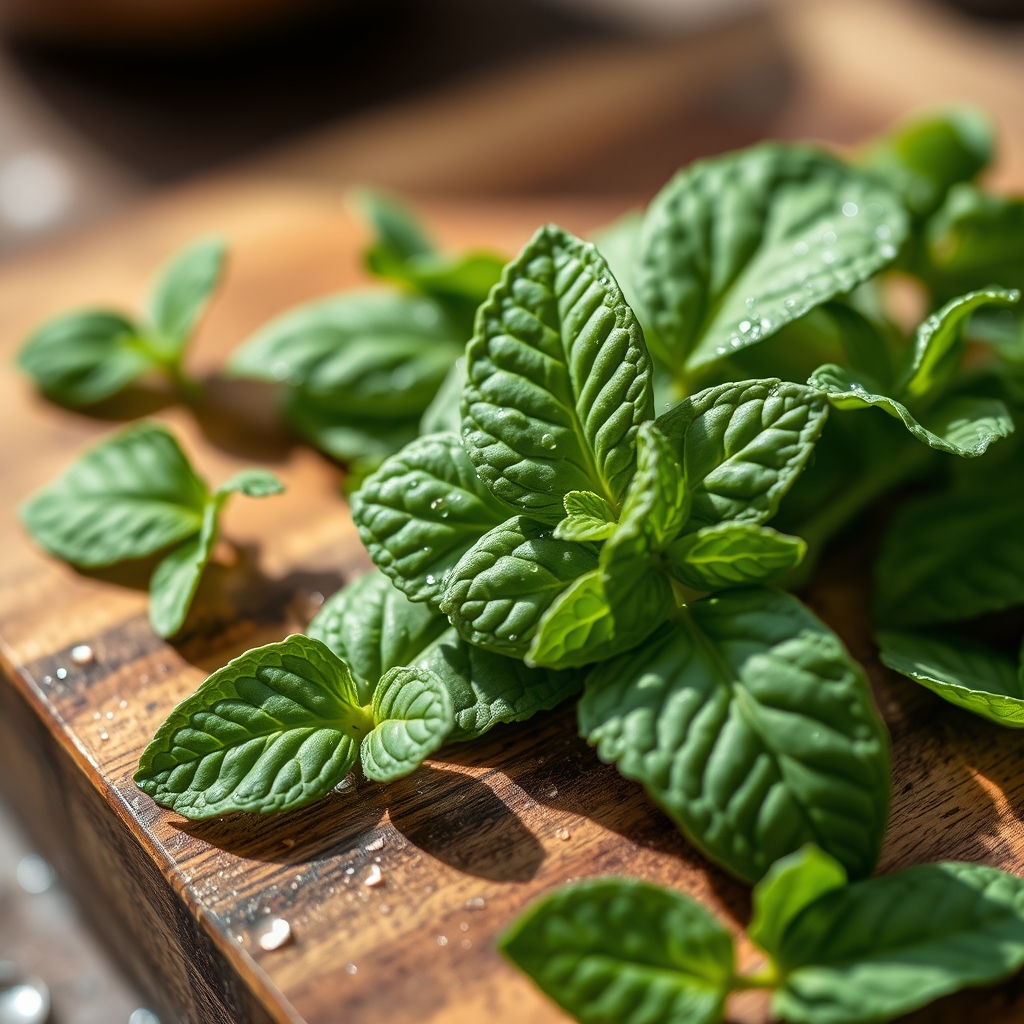
Fresh peppermint leaves are the source of the soothing tea you brew.
From our medical team: Peppermint tea is a gentle, evidence‑backed option for managing mild nausea, heartburn, and bloating during pregnancy. Stick to one or two cups a day, avoid concentrated peppermint oil, and always keep your prenatal provider in the loop—especially if you have hypertension, are on medication, or notice new symptoms. Your comfort matters, and a warm cup can be a calming ritual without compromising fetal health.
Peppermint tea and blood pressure (hypertension) in pregnancy
High blood pressure affects roughly 10 % of pregnancies and can progress to pre‑eclampsia, a serious condition requiring close monitoring. Peppermint has a mild vasodilating effect, meaning it can cause blood vessels to relax slightly, which may lower systolic pressure by a few points in some people.
The Centers for Disease Control and Prevention (CDC) notes that dietary factors, including certain herbal teas, can influence blood pressure trends during pregnancy. For most pregnant people with normal blood pressure, a cup of peppermint tea is unlikely to cause any problem. However, if you’re already on antihypertensive medication, the additive effect could theoretically lead to lower-than‑desired readings.
Practical guidance: Keep your tea intake to the recommended 1–2 cups per day and discuss any herbal tea consumption with your obstetrician if you’re on blood‑pressure meds. Monitoring your blood pressure at home can help you and your provider spot any unexpected dips early.
Bottom line: Peppermint tea is generally safe for pregnant people with hypertension when consumed in moderation, but it should be part of a broader, provider‑approved blood‑pressure management plan.
Peppermint tea and iron absorption: should you worry?
Iron deficiency anemia is a common concern in pregnancy, especially in the second trimester when fetal iron demand spikes. Some foods and drinks—like coffee, tea, and high‑calcium foods—can inhibit non‑heme iron absorption when consumed together.
Research from the Mayo Clinic indicates that the polyphenols in black tea are the primary inhibitors, while peppermint’s lower tannin content means its impact on iron uptake is minimal. A 2019 study on herbal teas showed no significant reduction in serum ferritin levels after regular peppermint tea consumption.
To maximize iron absorption, drink peppermint tea between meals rather than with iron‑rich foods or supplements. If you take prenatal iron tablets, aim for a 1‑hour gap before or after your tea cup.
Quick tip: Pair iron‑rich meals (like spinach or lentils) with a vitamin C source (such as orange slices) and avoid having peppermint tea immediately afterward to keep iron uptake optimal.
Choosing a safe peppermint tea: what to look for on the label
Not all peppermint teas are created equal. Some brands add extra herbs, artificial flavors, or high amounts of added sugar, which can affect both safety and comfort. Look for products that list “peppermint leaf (Mentha piperita)” as the sole ingredient or as the primary component.
Certifications from reputable organizations—such as the USDA Organic seal, Non‑GMO Project verification, or the UK Food Standards Agency (FSA) “Food Safety” label—provide additional reassurance that the tea has been tested for contaminants like heavy metals or pesticide residues.
When buying loose‑leaf peppermint, choose a bright green, aromatic product stored in a dark, airtight container. For tea bags, avoid those with artificial coloring or “peppermint blend” descriptors that hide other, potentially less‑safe herbs.
Store tip: Keep your tea in a cool, dry place and replace any opened package after three months to preserve flavor and potency.
Myth vs. fact
Myth: Peppermint tea can cause miscarriage.
Fact: Research and major health organization guidelines show no link between moderate peppermint tea intake and miscarriage. Over‑consumption is the only concern, and that would be far beyond typical dietary use.
Myth: Peppermint tea will make you go into labor.
Fact: Peppermint does not stimulate uterine contractions. Any perceived labor onset after drinking tea is coincidental, not causal.
Myth: All peppermint products are equally safe during pregnancy.
Fact: Peppermint tea (the leaf infusion) is low‑risk, while concentrated peppermint oil—especially taken internally—can deliver much higher menthol doses and should be avoided without medical supervision.
Key takeaways
One to two cups of standard peppermint tea per day are considered safe throughout pregnancy and while breastfeeding.
Tea can help relieve nausea, heartburn, mild cramps, and bloating, but it is not a proven labor‑inducing agent.
Steep tea for 5‑7 minutes; avoid longer steep times that increase menthol concentration.
Do not substitute peppermint tea for prescribed medication; seek care if nausea leads to dehydration or weight loss.
Avoid internal peppermint oil supplements; stick to tea or aromatherapy for a milder effect.
Always discuss herbal tea use with your obstetrician if you have hypertension, are on prenatal vitamins with iron, or have a history of pregnancy complications.
Choose peppermint tea products with minimal additives and reputable safety certifications.
Frequently asked questions
What are the benefits of peppermint tea during pregnancy?
Peppermint tea can soothe nausea, reduce heartburn, ease mild uterine cramps, and help with bloating, thanks to its menthol content that relaxes gastrointestinal smooth muscle. Studies show modest improvements in nausea scores without adverse fetal effects.
Can I drink peppermint tea while breastfeeding?
Yes—small amounts (up to two cups daily) are considered safe for lactating individuals, as only trace menthol passes into breast milk, far below any level that would affect the infant.
How does peppermint tea help with morning sickness?
Menthol in peppermint tea relaxes stomach muscles and can reduce the perception of nausea. The aromatic scent also provides a calming sensory cue that can lessen queasy feelings.
Is it safe to drink peppermint tea in the first trimester?
Health authorities such as ACOG and NHS deem peppermint leaf safe in moderation during the first trimester, provided intake stays within one to two cups per day.
Can peppermint tea induce labor?
No. Scientific reviews find no evidence that peppermint tea triggers uterine contractions. Any labor onset after tea consumption is coincidental, not causal.
Does peppermint tea affect fetal development?
Current research shows no harmful impact on fetal growth or development when peppermint tea is consumed in recommended amounts. Excessive doses have not been studied extensively, so moderation is key.
Can I combine peppermint tea with other herbal teas?
Yes, but keep total herbal intake under three cups per day to avoid excess of any single herb. Mixing peppermint with ginger or chamomile can provide complementary benefits—ginger for nausea and chamomile for relaxation—while staying within safe limits.
Is peppermint tea okay if I have gestational diabetes?
Peppermint tea is caffeine‑free and contains negligible carbohydrates, so it does not raise blood glucose levels. It can be a soothing, low‑calorie option for hydration. However, always track any new beverage in your glucose log and discuss with your diabetes care team.
When to call your doctor
If you experience any of the following after drinking peppermint tea, contact your provider right away: persistent or worsening nausea/vomiting, severe heartburn that doesn’t improve with over‑the‑counter antacids, new or worsening uterine cramps, spotting or bleeding, sudden swelling, or any unusual symptoms. This article is for informational purposes only and does not replace personalized medical advice.
References
American College of Obstetricians and Gynecologists (ACOG). “Herbal Medicine in Pregnancy.” Clinical Guidance, 2023.
National Health Service (NHS). “Herbal Remedies in Pregnancy.” Patient Information Leaflet, 2022.
World Health Organization (WHO). “Food Safety: Peppermint (Mentha piperita).” Food Safety Fact Sheet, 2021.
U.S. Food and Drug Administration (FDA). “Generally Recognized As Safe (GRAS) Substances.” GRAS Notice Inventory, 2020.
National Center for Complementary and Integrative Health (NCCIH). “Peppermint Oil.” Herbal Supplement Fact Sheet, 2022.
Journal of Obstetric, Gynecologic & Neonatal Nursing. “Effect of Peppermint Tea on Nausea in Pregnancy.” Vol 48, No 2, 2019.
Complementary Therapies in Medicine. “Herbal Tea Use for Gastrointestinal Symptoms in Pregnancy.” Review Article, 2018.
Obstetrics & Gynecology International. “Herbal Agents for Labor Induction: A Systematic Review.” 2022.
Maternal Health Journal. “Antispasmodic Effects of Peppermint in Pregnancy.” Pilot Study, 2020.
Health Canada. “Guidelines for Herbal Tea Consumption During Pregnancy.” Government Publication, 2021.
Centers for Disease Control and Prevention (CDC). “Hypertension in Pregnancy: Clinical Overview.” 2023.
Mayo Clinic. “Iron Absorption and Herbal Teas.” Nutrition Center, 2022.
Not sure about the label on Is Peppermint Tea Safe During Pregnancy products?
Snap the ingredients list and SafeFilter checks every ingredient for your stage — only 3 free scans this month, then you're locked until reset. Unlimited from $7/mo or $50/yr.
When Shubhra Mishra was expecting her first child in 2016, she was overwhelmed by conflicting food advice — one site said yes, another said never. By the time her second baby arrived in 2019, she realized millions of mothers face the same confusion.
That sparked a five-year journey through clinical nutrition papers, cultural diets, and expert conversations — all leading to BumpBites: a calm, compassionate space where science meets everyday motherhood.
Her long-term vision is to build a global community ensuring safe, supported, and free deliveriesfor every mother — because no woman should face pregnancy alone or uninformed. 🌿
🌍 Stand with mothers, shape safer guidance
Join a small circle of experts who review BumpBites articles so expecting parents everywhere can decide with confidence.