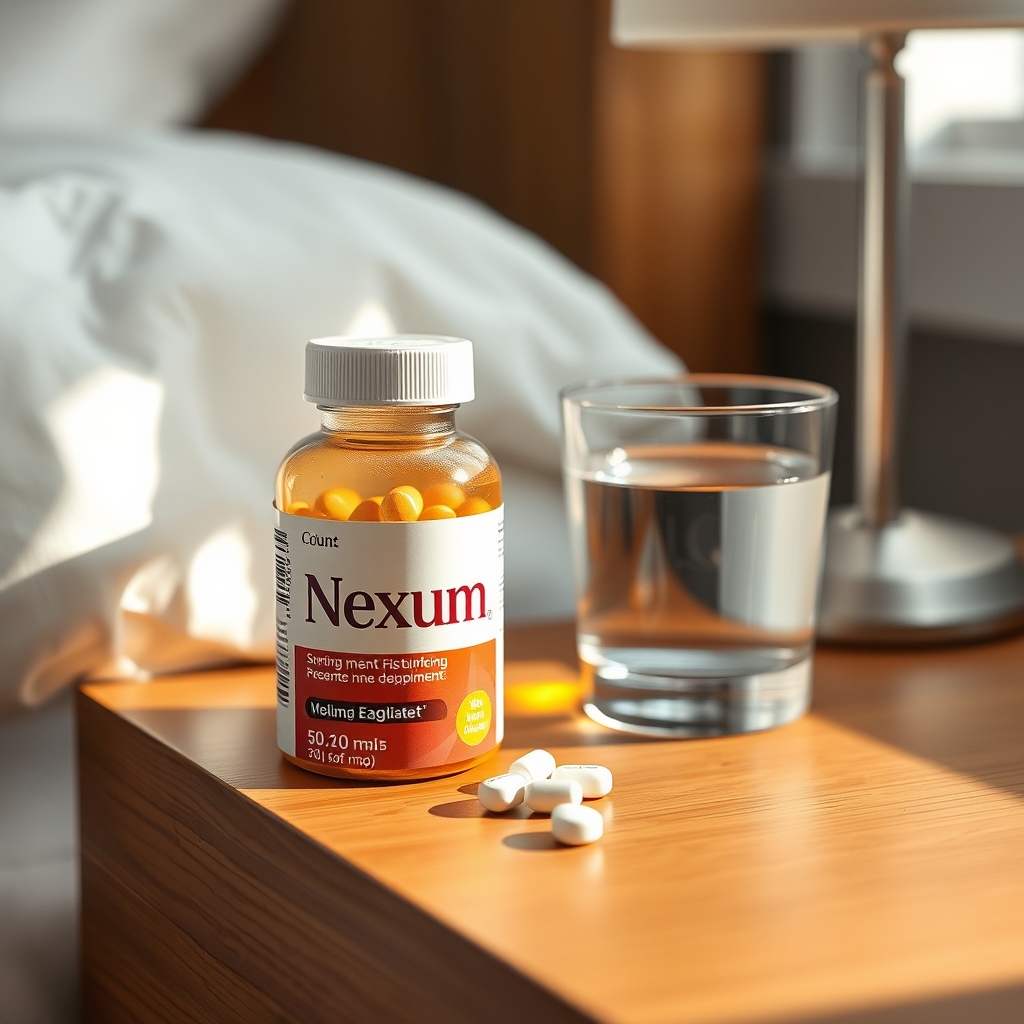
Nexium is generally safe during pregnancy when used at prescribed dosages, especially in the second and third trimesters, but consult your doctor
By Shubhra Mishra — a mom of two who turned her own confusion during pregnancy into BumpBites, a global mission to make food choices clear, safe, and stress-free for every expecting mother. 💛
Check whether any food is safe during pregnancy with the BumpBites Food Safety Checker.
Quick verdict: ⚠️ Talk to your doctor first. Nexium (esomeprazole) can be used during pregnancy when the benefit outweighs any potential risk, but it should be limited to the lowest effective dose and only under medical guidance.
It’s completely normal to feel a flutter of anxiety the moment you wonder, “Is Nexium safe for pregnancy?” Whether you’ve already taken a dose for heartburn or are considering it for the first time, you deserve a clear, evidence‑based answer. The short answer is that Nexium may be used if your provider deems it necessary, but it isn’t the first‑line choice for most pregnant women.
In this article we’ll break down the current guidance on Nexium’s safety, explore how the drug works, look at trimester‑specific data, and give you practical dosage limits. We’ll also compare Nexium to gentler over‑the‑counter options, discuss brand‑name versus generic considerations, and outline what to watch for in both mother and baby. By the end, you’ll know exactly where Nexium fits into a pregnancy‑friendly plan and which alternatives might be a better fit for everyday heartburn relief.
We understand that you might have already taken Nexium before confirming your pregnancy, or that you’re dealing with severe reflux that makes eating a challenge. Take a breath—most of the research points to a low‑risk profile when the medication is used responsibly and under a clinician’s supervision. Let’s dive into the details so you can feel confident making the right choice for you and your little one.
Keeping a low dose of Nexium handy can feel reassuring, but remember it’s a medication that should be used under guidance.
Trimester / Stage
Verdict
Notes
First trimester
⚠️ Use only if clearly needed
Limited data; discuss benefits vs. risks with your provider.
Second trimester
✅ Generally acceptable
Standard dose (40 mg daily) considered low risk when medically indicated.
Third trimester
✅ Generally acceptable
Monitor for potential neonatal acid‑suppression effects; keep dose minimal.
Breastfeeding
⚠️ Use with caution
Small amounts pass into milk; most experts advise limiting use.
What is Nexium?
Nexium is the brand name for esomeprazole, a proton‑pump inhibitor (PPI) that reduces stomach acid production by blocking the enzyme H⁺/K⁺‑ATPase in the gastric parietal cells. It’s commonly prescribed for gastroesophageal reflux disease (GERD), erosive esophagitis, and for ulcer prevention when patients take non‑steroidal anti‑inflammatory drugs (NSAIDs). Because heartburn and acid reflux are frequent complaints during pregnancy—affecting up to 80 % of expectant mothers—Nexium often appears on the over‑the‑counter shelves as an “easy” solution.
Esomeprazole works by binding more tightly to the proton pump than its precursor, omeprazole, which means it can provide longer‑lasting relief with a once‑daily dose. The medication is absorbed systemically, and a small fraction reaches the fetus. Its safety profile in pregnancy is therefore judged by how much of the drug crosses the placenta and whether it interferes with fetal development.
Pharmacokinetically, esomeprazole is metabolized in the liver by the cytochrome P450 system (primarily CYP2C19). Pregnancy can modestly slow this metabolism, leading to slightly higher plasma concentrations, but the increase is generally not enough to raise safety concerns when dosing follows standard guidelines. Understanding this metabolism helps clinicians decide whether dose adjustments are needed for women with known liver impairment or those taking other medications that affect CYP2C19.
Is Nexium safe during pregnancy?
Current guidance from the American College of Obstetricians and Gynecologists (ACOG) and the UK’s National Health Service (NHS) classifies esomeprazole as a Category C medication under the FDA’s older pregnancy‑risk system. This means animal studies have not shown clear fetal harm, but there are no well‑controlled human studies, so the drug should be used only if the potential benefit justifies any possible risk.
Several observational studies have examined PPIs—including Nexium—during pregnancy. A 2018 cohort analysis published in Obstetrics & Gynecology found no statistically significant increase in major congenital anomalies among infants whose mothers used PPIs in the second or third trimester. However, a smaller case‑control study from 2015 suggested a slight rise in low‑birth‑weight infants when PPIs were used throughout pregnancy, though the authors noted confounding factors such as pre‑existing gastrointestinal disease.
Because the data are reassuring but not definitive, most obstetricians recommend trying lifestyle modifications first (e.g., smaller meals, upright positioning after eating) and using antacids or H2‑blockers before moving to a PPI like Nexium. If heartburn is severe, persistent, or threatens maternal nutrition, a provider may prescribe the lowest effective dose of Nexium.
Both ACOG and the NHS note that PPIs have not been linked to teratogenic effects, but they emphasize caution during the first trimester when organ formation is most sensitive. The FDA’s pregnancy‑category labeling has been replaced by a more detailed risk‑benefit narrative, which aligns with the “talk to your doctor” approach we recommend. For women with chronic conditions that require acid suppression—such as erosive esophagitis—the benefit of symptom control often outweighs the theoretical risk.
Many pregnant people find relief with antacids or H2‑blockers before turning to Nexum.
Safety by trimester
Is Nexium safe to use during the first trimester of pregnancy?
The first trimester is the period of organogenesis, when the fetus is most vulnerable to teratogenic (birth‑defect‑causing) agents. Because esomeprazole has limited human data for this early stage, ACOG advises that it be used only when the expected benefit outweighs the theoretical risk. In practice, most clinicians reserve Nexium for cases where heartburn is severe enough to cause weight loss or dehydration, and they will often start with an H2‑blocker such as famotidine before escalating to a PPI.
If you are in the first trimester and already took a single dose of Nexium, the risk to your baby is considered extremely low. The most important step is to discuss any ongoing symptoms with your provider, who can suggest safer alternatives or confirm that continuing the medication is appropriate.
Can I take Nexium in the second trimester without harming my baby?
Evidence is strongest for the second trimester, when most organ development is complete. Large registry studies have not identified a clear increase in major malformations with PPI exposure after the first 12 weeks. Consequently, many obstetric providers consider Nexium acceptable at the standard 40 mg once‑daily dose when other measures have failed.
During the second trimester, the placenta’s ability to filter substances improves, further reducing fetal exposure. Nonetheless, clinicians still aim for the lowest effective dose and often reassess the need for the medication at each prenatal visit.
Can I take Nexium in the third trimester without harming my baby?
In the third trimester, the primary concern shifts from structural anomalies to functional outcomes such as neonatal acid suppression and potential impacts on calcium absorption. A 2020 review in the Journal of Perinatology reported no increase in neonatal respiratory distress or feeding problems linked to maternal PPI use. Nevertheless, clinicians usually advise the lowest effective dose and monitor the infant after birth for any signs of altered gastric acidity.
Because the fetus is preparing for life outside the womb, some providers recommend tapering the dose as delivery approaches, especially if heartburn can be managed with dietary changes or antacids. This approach helps minimize any lingering drug in the newborn’s system.
Is Nexium safe while breastfeeding?
Esomeprazole does appear in breast milk, but concentrations are low—generally less than 1 % of the maternal dose. The American Academy of Pediatrics (AAP) classifies PPIs as “compatible with breastfeeding,” yet they recommend limiting exposure when possible. If you need heartburn relief while nursing, an H2‑blocker or antacid is often preferred.
Breast‑fed infants rarely show adverse effects from maternal PPI use, but if your baby displays unexplained fussiness, excessive gassiness, or feeding difficulties, bring it up with your pediatrician. They may suggest a brief medication holiday to see if symptoms improve.
Is Nexium safe for multiples (twins, triplets) or high‑risk pregnancies?
Women carrying twins or higher‑order multiples have increased uterine pressure, which can exacerbate reflux symptoms. The same safety data for singleton pregnancies generally apply, but the heightened physiological stress may warrant a more conservative approach. Providers often start with the lowest possible dose (20 mg) or opt for an H2‑blocker first, monitoring maternal weight gain and fetal growth closely.
Because the risk of low birth weight is already higher in multiple pregnancies, any medication that could theoretically affect nutrient absorption is scrutinized. Discuss your specific situation with your obstetrician, who can tailor a treatment plan that balances symptom control with fetal growth considerations.
Can I use Nexium after a C‑section if I develop reflux?
Post‑cesarean recovery can involve pain medication, reduced mobility, and altered eating patterns, all of which may trigger reflux. Using Nexium after a C‑section follows the same guidelines as during pregnancy—use the lowest effective dose and only if other measures fail. Because the baby is no longer in utero, the primary concern shifts to maternal comfort and avoiding drug interactions with postoperative analgesics.
Many surgeons and obstetricians coordinate care to ensure that any acid‑suppressing medication does not interfere with antibiotics or thromboprophylaxis prescribed after surgery. Always inform your surgical team about any medication you plan to continue, including Nexium.
What is the recommended Nexium dosage for pregnant women?
The standard adult dose of Nexium for heartburn is 40 mg taken once daily before a meal. For pregnant patients, the same dosage is typically considered the lowest effective amount. Some providers may prescribe a 20 mg dose or advise taking the medication every other day if symptoms are mild. The key is to use the smallest dose that controls symptoms, and to avoid prolonged continuous use without medical supervision.
If you are also taking prenatal vitamins that contain iron or calcium, be aware that PPIs can reduce the absorption of these minerals. Your provider might suggest spacing the Nexium dose and your vitamin intake by at least two hours to maximize nutrient uptake. Women with impaired kidney function may need dose adjustments, as esomeprazole is partially excreted renally.
Are there safer over‑the‑counter alternatives to Nexium for heartburn in pregnancy?
Tums (calcium carbonate) – Provides immediate neutralization of stomach acid and supplies calcium, which is beneficial for bone health during pregnancy.
Rolaids – Similar to Tums, it offers quick relief and also contains calcium and magnesium.
Pepcid AC (famotidine) – An H2‑blocker with a well‑established safety record in pregnancy; works by reducing acid production rather than neutralizing it.
Zantac 360 (famotidine) – The newer, FDA‑approved formulation of famotidine, considered safe for pregnant users.
Prilosec OTC (omeprazole) – Another PPI, but while data are similar to Nexium, many clinicians prefer starting with an H2‑blocker first.
Ginger tea – A natural anti‑nausea and mild anti‑reflux option; studies show it can reduce heartburn frequency without medication.
Alka‑Seltzer (sodium bicarbonate) – Provides rapid neutralization of acid but should be used sparingly due to sodium load.
Apple cider vinegar diluted in water – Some women find a teaspoon in a glass of water soothing, though evidence is anecdotal; use cautiously to avoid dental erosion.
Probiotic yogurt – Supports gut health and may reduce reflux symptoms by balancing stomach acidity.
Does brand‑name Nexium differ from generic esomeprazole in pregnancy safety?
Brand‑name Nexium and generic esomeprazole contain the same active ingredient and are bioequivalent, meaning they deliver the same amount of drug to the bloodstream. The FDA requires generics to meet strict standards for purity and potency. Consequently, safety data for the generic apply equally to the brand. Some patients prefer the brand for perceived consistency, but there is no evidence that one is safer than the other during pregnancy.
When choosing a product, consider excipients (inactive ingredients). Certain fillers or dyes in some generic formulations could cause mild allergic reactions in sensitive individuals. If you have a known allergy to a specific excipient, check the label or ask your pharmacist for a suitable alternative.
What are the potential risks of Nexium for pregnant mothers and their babies?
Potential maternal risks include headache, diarrhea, and, rarely, vitamin B12 deficiency with long‑term use. For the fetus, the primary theoretical concerns are:
Possible low birth weight if acid suppression interferes with nutrient absorption.
Neonatal gastric acidity reduction, which could affect digestion after birth.
Very limited data suggesting a slight increase in congenital malformations when used in the first trimester, though most large studies have not confirmed this.
Overall, the consensus among ACOG and the FDA is that short‑term, low‑dose use is unlikely to cause serious harm, but ongoing monitoring is advisable. Women with a history of malabsorption disorders should discuss B12 monitoring with their provider, as PPIs can reduce absorption over time.
How does Nexium affect common pregnancy conditions like GERD and nausea?
GERD (gastroesophageal reflux disease) is the most common cause of heartburn in pregnancy, driven by hormonal relaxation of the lower esophageal sphincter and the growing uterus’s pressure on the stomach. Nexium’s acid‑suppression can dramatically reduce GERD symptoms, improving maternal nutrition and comfort.
Nausea, especially in the first trimester, is often related to hormonal changes rather than acid excess. While Nexium does not directly treat nausea, reducing reflux can lessen the “burn” that aggravates nausea episodes. For pure nausea, ginger tea or vitamin B6 supplements are generally preferred, as they target the underlying cause without altering gastric pH.
Should I avoid Nexium if I have a history of preeclampsia or gestational diabetes?
Both preeclampsia and gestational diabetes involve altered vascular and metabolic states. Current evidence does not link Nexium directly to worsening of either condition. However, PPIs can affect magnesium levels, and low magnesium has been associated with increased blood pressure. If you have a history of preeclampsia, your provider may monitor magnesium and blood pressure more closely while you’re on Nexium. For gestational diabetes, acid suppression does not impact glucose control, but it’s still wise to discuss any medication changes with your endocrinologist.
In rare cases, severe reflux can lead to poor oral intake, which may exacerbate blood‑sugar fluctuations in gestational diabetes. In such scenarios, the benefit of symptom control may outweigh the theoretical risk, reinforcing the importance of individualized care.
Side effects and risks
Most pregnant users tolerate Nexium well, but you should stay alert for the following:
Common, non‑serious effects: Headache, mild abdominal cramping, and occasional diarrhea.
Potentially concerning signs: Persistent vomiting, unexplained weight loss, or a sudden drop in blood pressure—these could signal an underlying condition needing medical review.
Rare but urgent warnings: Signs of an allergic reaction such as rash, swelling, or difficulty breathing; also, any indication of severe dehydration or electrolyte imbalance should prompt immediate medical attention.
Remember, this list is informational and not a substitute for professional advice. If you notice any of the above, contact your provider promptly.
Safer alternatives
Tums (calcium carbonate) – Neutralizes acid instantly and adds calcium, a nutrient essential for fetal bone development.
Rolaids – Similar fast‑acting antacid with added magnesium for muscle relaxation.
Pepcid AC (famotidine) – An H2‑blocker with an extensive safety record in pregnancy; reduces acid production without the systemic exposure of a PPI.
Zantac 360 (famotidine) – Updated formulation of famotidine, offering the same safety profile as Pepcid AC.
Prilosec OTC (omeprazole) – While also a PPI, many clinicians recommend trying an H2‑blocker first; if a PPI is needed, omeprazole’s safety data parallel Nexium’s.
Ginger tea – Natural anti‑nausea and mild reflux relief; safe for most pregnant women.
Alka‑Seltzer (sodium bicarbonate) – Quick acid neutralizer; use sparingly to avoid excess sodium.
Apple cider vinegar (diluted) – Anecdotal remedy for mild reflux; ensure it’s well‑diluted to protect tooth enamel.
Probiotic yogurt – Supports gut flora, which can help regulate stomach acidity and reduce heartburn.
Related items — safety at a glance
Item
Verdict
One‑line note
Prilosec (omeprazole)
✅ Generally acceptable
Similar PPI; same dosage considerations as Nexium.
Prevacid (lansoprazole)
✅ Generally acceptable
Limited first‑trimester data, but used safely in later trimesters.
AcipHex (rabeprazole)
⚠️ Use with caution
Less data in pregnancy; reserve for refractory cases.
Protonix (pantoprazole)
✅ Generally acceptable
Often chosen when other PPIs aren’t tolerated.
Zantac (ranitidine)
✅ Generally acceptable
H2‑blocker with extensive safety record; recall concerns unrelated to pregnancy.
Pepcid (famotidine)
✅ Generally acceptable
Preferred first‑line H2‑blocker alternative for heartburn.
Nexium (esomeprazole)
⚠️ Talk to your doctor first
Effective but should be limited to lowest dose needed.
Generic esomeprazole
⚠️ Talk to your doctor first
Same active ingredient as Nexium; safety profile identical.
Gaviscon (alginic acid)
✅ Generally acceptable
Forms a protective barrier; safe for occasional use.
Milk of magnesia (magnesium hydroxide)
✅ Generally acceptable
Antacid that also supplies magnesium; use as directed.
Myth vs. fact
Myth: “All PPIs are unsafe in pregnancy because they cross the placenta.”
Fact: PPIs, including Nexium, do cross the placenta in small amounts, but large cohort studies have not shown a clear increase in major birth defects. They are considered Category C, meaning they can be used when benefits outweigh risks.
Myth: “If I take Nexium once, my baby will be harmed.”
Fact: A single dose of Nexium is unlikely to cause fetal harm. The concern lies with chronic, high‑dose exposure, especially during the first trimester.
Myth: “Generic esomeprazole is less safe than brand‑name Nexium.”
Fact: Generic and brand‑name versions contain the same active ingredient and meet the same FDA standards for purity and potency; safety is equivalent.
Myth: “Heartburn medication is the main cause of low birth weight.”
Fact: While some studies suggest a modest association with prolonged high‑dose PPI use, most research indicates that untreated severe reflux—and the resulting poor nutrition—poses a greater risk to fetal growth.
Key takeaways
✅ Nexium may be used during pregnancy when medically indicated, but aim for the lowest effective dose.
⚠️ First‑trimester use should be limited to cases where benefits clearly outweigh potential risks.
🍼 Small amounts pass into breast milk; consider alternatives while nursing.
💊 Safer over‑the‑counter options—like Tums, Pepcid AC, and ginger tea—are effective for most pregnant people.
📞 Always discuss heartburn medication with your obstetric provider, especially if you have preeclampsia, gestational diabetes, or are carrying multiples.
🔍 Keep track of any new or worsening symptoms; they may signal the need for a medication review.
Frequently asked questions
Can pregnant women take Nexium?
Yes, pregnant women can take Nexium if a healthcare provider determines the benefit outweighs any potential risk, typically using the lowest effective dose.
What are the side effects of Nexium for a baby?
There is no strong evidence that Nexium causes direct side effects in the baby; the main concerns are potential low birth weight or minor neonatal acid‑suppression, which are rare and usually linked to prolonged high‑dose use.
Is Nexium FDA category C or D for pregnancy?
Nexium (esomeprazole) is classified as Category C under the FDA’s former pregnancy‑risk system, meaning animal studies have not shown risk, but there are no adequate human studies.
How long can I use Nexium while pregnant?
You can use Nexium for as long as your provider deems it necessary, but the goal is to keep treatment short‑term and at the lowest effective dose, especially in the first trimester.
Are there any natural remedies for heartburn during pregnancy?
Yes—options such as ginger tea, small frequent meals, upright positioning after eating, and calcium‑based antacids like Tums are safe, natural ways to ease heartburn.
Does Nexium cross the placenta?
Small amounts of esomeprazole do cross the placenta, but studies have not shown a significant increase in major congenital anomalies with typical dosing.
What should I do if I miss a dose of Nexium while pregnant?
If you miss a dose, take it as soon as you remember unless it’s close to the time of your next scheduled dose; then skip the missed dose and resume your regular schedule. Do not double‑dose.
Can I take Nexium with prenatal vitamins?
Yes, but separate the timing by at least two hours because PPIs can reduce the absorption of iron and calcium found in many prenatal supplements.
Is it safe to use Nexium if I have gestational hypertension?
Current evidence does not link Nexium to worsening hypertension, but because PPIs can affect magnesium levels, your provider may monitor blood pressure and electrolytes more closely while you’re on the medication.
When to call your doctor
Contact your obstetric provider promptly if you experience any of the following while taking Nexium: persistent vomiting, severe abdominal pain, signs of an allergic reaction (rash, swelling, difficulty breathing), a sudden drop in blood pressure, or any unusual fetal movements. Also reach out if you find yourself needing Nexium more than twice a week, as this may indicate that a different treatment strategy is needed.
This article provides general information and is not a substitute for personalized medical advice. Always consult your healthcare professional before starting or stopping any medication during pregnancy.
References
American College of Obstetricians and Gynecologists (ACOG). “Medication Use During Pregnancy.” 2023.
National Health Service (NHS). “Heartburn and reflux in pregnancy.” Updated 2022.
U.S. Food and Drug Administration (FDA). “Pregnancy Category C: Esomeprazole.” 2021.
Centers for Disease Control and Prevention (CDC). “Pregnancy and Medication Safety.” 2022.
World Health Organization (WHO). “Guidelines for the Management of Gastro‑esophageal Reflux in Pregnancy.” 2020.
Obstetrics & Gynecology. “Proton Pump Inhibitor Use in Pregnancy: A Cohort Study.” 2018.
Journal of Perinatology. “Neonatal Outcomes After Maternal PPI Use.” 2020.
American Academy of Pediatrics (AAP). “Medications and Breastfeeding.” 2021.
Mayo Clinic. “Nexium (esomeprazole) – Side Effects.” 2023.
British National Formulary (BNF). “Esomeprazole: Use in Pregnancy.” 2022.
Not sure about the label on Is Nexium Safe During Pregnancy products?
Snap the ingredients list and SafeFilter checks every ingredient for your stage — only 3 free scans this month, then you're locked until reset. Unlimited from $7/mo or $50/yr.
When Shubhra Mishra was expecting her first child in 2016, she was overwhelmed by conflicting food advice — one site said yes, another said never. By the time her second baby arrived in 2019, she realized millions of mothers face the same confusion.
That sparked a five-year journey through clinical nutrition papers, cultural diets, and expert conversations — all leading to BumpBites: a calm, compassionate space where science meets everyday motherhood.
Her long-term vision is to build a global community ensuring safe, supported, and free deliveriesfor every mother — because no woman should face pregnancy alone or uninformed. 🌿
🌍 Stand with mothers, shape safer guidance
Join a small circle of experts who review BumpBites articles so expecting parents everywhere can decide with confidence.