Avoid Nutrafol during pregnancy; there’s no established safe dosage and it’s not recommended in any trimester, especially the first.
By Shubhra Mishra — a mom of two who turned her own confusion during pregnancy into BumpBites, a global mission to make food choices clear, safe, and stress-free for every expecting mother. 💛
Check whether any food is safe during pregnancy with the BumpBites Food Safety Checker.
Quick verdict: ❌ Nutrafol is best avoided during pregnancy. While the supplement contains nutrients that support hair health, it also includes ingredients—such as high‑dose biotin and herbal extracts—that haven’t been proven safe for a developing fetus. If you’re already taking Nutrafol, talk to your provider; otherwise, choose a pregnancy‑certified hair‑care vitamin.
It’s common to feel a flutter of anxiety when you discover you’ve been taking a supplement like Nutrafol after learning you’re pregnant. You might wonder, “Is nutrafol safe for pregnancy?” or worry that you’ve already put your baby at risk. First, take a breath—you’re not alone, and many expectant parents face the same question.
In this article we’ll give you a clear bottom line, break down the safety profile by trimester, explain why dosage matters, and list safer alternatives that are specifically formulated for pregnant people. We’ll also compare Nutrafol to other popular hair‑growth products, so you can make an informed decision and move forward with confidence.
Whether you’re in your first weeks or nearing delivery, the information below—backed by ACOG, NHS, and FDA guidance—will help you understand the risks, the safe options, and the next steps you should take.
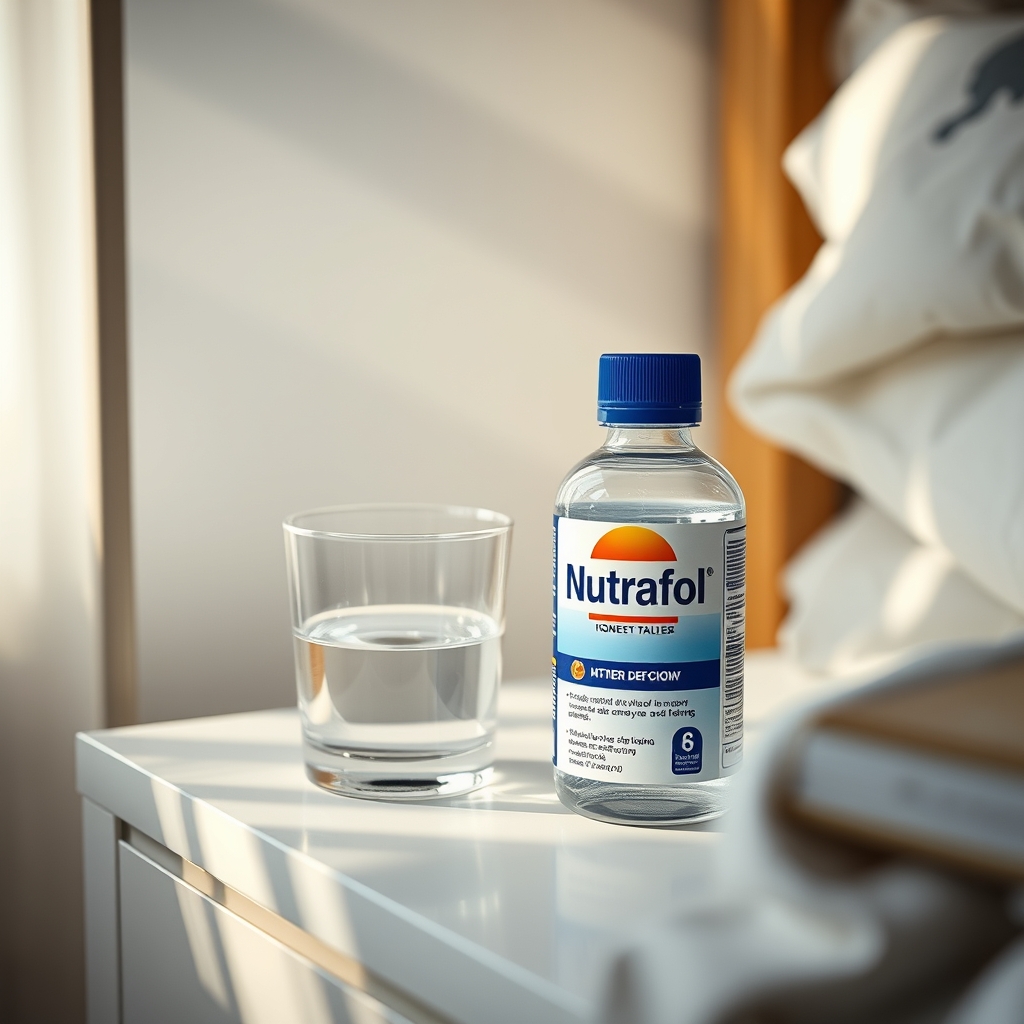
Seeing the bottle can trigger worry—remember, the safest choice is a supplement designed for pregnancy.
Trimester / Phase
Verdict
Notes
First trimester
❌ Avoid
Critical period of organ formation; Nutrafol’s herbal extracts lack safety data.
Second trimester
❌ Avoid
High‑dose biotin and phyto‑ingredients still unstudied for fetal development.
Third trimester
❌ Avoid
Potential impact on birth weight and neonatal adaptation; no evidence of safety.
Breastfeeding
❌ Avoid
Ingredients may pass into breastmilk; safer, lactation‑approved alternatives exist.
What is Nutrafol?
Nutrafol is a branded dietary supplement marketed to promote thicker, stronger hair. The formulation combines a blend of vitamins (such as biotin, vitamin D, and vitamin C), minerals (including zinc and selenium), and a variety of botanical extracts—like saw‑saw oak, curcumin, and ashwagandha. The product is sold in “Women” and “Men” versions, each tailored to typical hormonal patterns. Nutrafol’s manufacturers claim the ingredients work synergistically to reduce inflammation, support the hair follicle cycle, and improve scalp health.
People often turn to Nutrafol when they notice increased shedding during stressful life events—pregnancy being a prime example. The supplement is taken orally, usually two capsules daily, and is not a medication. Because it is classified as a dietary supplement, it does not undergo the rigorous safety testing required for prescription drugs, which means the evidence for its use in pregnancy is limited.
Beyond the oral capsules, Nutrafol also markets topical shampoos and conditioners that contain some of the same botanical extracts. While the topical line is generally considered lower risk because it does not enter the bloodstream in significant amounts, the oral supplement remains the primary concern for pregnant individuals.
Is Nutrafol safe to take during pregnancy?
Current guidance from major health authorities indicates that Nutrafol should be avoided while pregnant. The American College of Obstetricians and Gynecologists (ACOG) advises that any supplement containing high doses of biotin (>5 mg per day) or herbal extracts should be used only under a provider’s supervision, as safety data for the fetus are lacking. The UK’s NHS similarly recommends that pregnant people stick to prenatal vitamins that have been specifically evaluated for safety.
Nutrafol’s label lists biotin at 5 mg per capsule—a dose that exceeds the typical prenatal recommendation of 30 mcg. While biotin is water‑soluble and generally considered low risk, such high amounts have not been studied in pregnant populations, and excessive biotin can interfere with certain laboratory tests, potentially masking medical conditions.
Herbal components like saw‑saw oak (Quercus acutissima) and ashwagandha (Withania somnifera) are classified as “herbal extracts” that have not been proven safe in pregnancy. The FDA’s “Pregnancy and Lactation Labeling Rule” (PLLR) requires manufacturers to provide specific safety data for each ingredient; Nutrafol does not meet this requirement, and the FDA has not issued an approval for its use in pregnant individuals.
In short, the best practice—endorsed by ACOG, NHS, and FDA—is to avoid Nutrafol during pregnancy. If you’ve already taken it, most experts agree that occasional exposure is unlikely to cause harm, but you should discuss it with your obstetric provider to be sure.
Can I use Nutrafol topically during pregnancy?
Topical products that contain the same botanical extracts found in Nutrafol (e.g., saw‑saw oak or curcumin) are generally considered low‑risk because they are not absorbed systemically in meaningful amounts. However, because the safety of these extracts has not been formally studied on the skin of pregnant individuals, many clinicians recommend using fragrance‑free, pregnancy‑tested shampoos and conditioners instead of products that contain “nutra‑active” ingredients.
If you prefer to keep using a Nutrafol shampoo, monitor your scalp for any irritation or allergic reaction, and be prepared to switch to a gentler, sulfate‑free option if you notice any redness or itching.
Is Nutrafol safe when combined with prenatal vitamins?
Combining Nutrafol with a standard prenatal vitamin can unintentionally push certain nutrients—especially biotin, zinc, and selenium—far beyond recommended levels. Over‑supplementation of biotin, for example, can cause false‑negative results on thyroid and hormone assays, while excess zinc may interfere with copper absorption. Because prenatal vitamins are already formulated to meet the RDA for each nutrient, adding Nutrafol creates a risk of nutrient imbalance without proven benefit.
Healthcare providers usually advise pregnant patients to avoid adding any non‑prescribed supplement to their prenatal regimen unless a specific deficiency has been identified and treated under medical supervision.
Can I use Nutrafol in the first trimester?
First trimester (weeks 1‑13)
The first trimester is the most sensitive period of pregnancy because organogenesis—the formation of major organs—occurs during these weeks. Any substance that can cross the placenta has the potential to affect fetal development. Nutrafol contains several botanical extracts that have not been studied for teratogenic (birth‑defect) risk, and the high biotin dose may interfere with prenatal screening labs such as thyroid function tests.
Because of these uncertainties, ACOG advises that pregnant patients avoid non‑essential supplements during the first trimester unless a clear medical indication exists. If you’re already taking Nutrafol, the consensus among obstetricians is to discontinue use immediately and switch to a prenatal‑approved hair‑care vitamin.
Second trimester (weeks 14‑27)
While the organ‑forming window closes after week 13, the second trimester remains a period of rapid growth and development. The lack of safety data for Nutrafol’s herbal ingredients persists, and the high‑dose biotin can still affect laboratory values, potentially complicating routine prenatal monitoring.
Professional bodies such as the Society for Maternal‑Fetal Medicine (SMFM) recommend that any supplement not explicitly labeled as pregnancy‑safe be avoided throughout the second trimester. Continuing Nutrafol at this stage offers no proven benefit and carries uncertain risk.
Third trimester (weeks 28‑40)
In the third trimester, the fetus is preparing for birth, and maternal nutrition plays a critical role in birth weight and neonatal health. Although some ingredients in Nutrafol (like vitamin D) are beneficial, the overall formulation has not been evaluated for safety in late pregnancy, and excess biotin may affect neonatal screening tests.
Guidelines from the CDC’s Pregnancy Nutrition Surveillance System suggest that pregnant people limit exposure to untested supplements, making Nutrafol unsuitable for the third trimester as well.
Breastfeeding
After delivery, many nutrients can pass into breastmilk. Because Nutrafol’s botanical extracts lack safety data for lactation, the FDA and AAP (American Academy of Pediatrics) advise against using it while nursing. Safer, lactation‑approved multivitamins are available and provide the same hair‑supporting nutrients without the unknown risks.
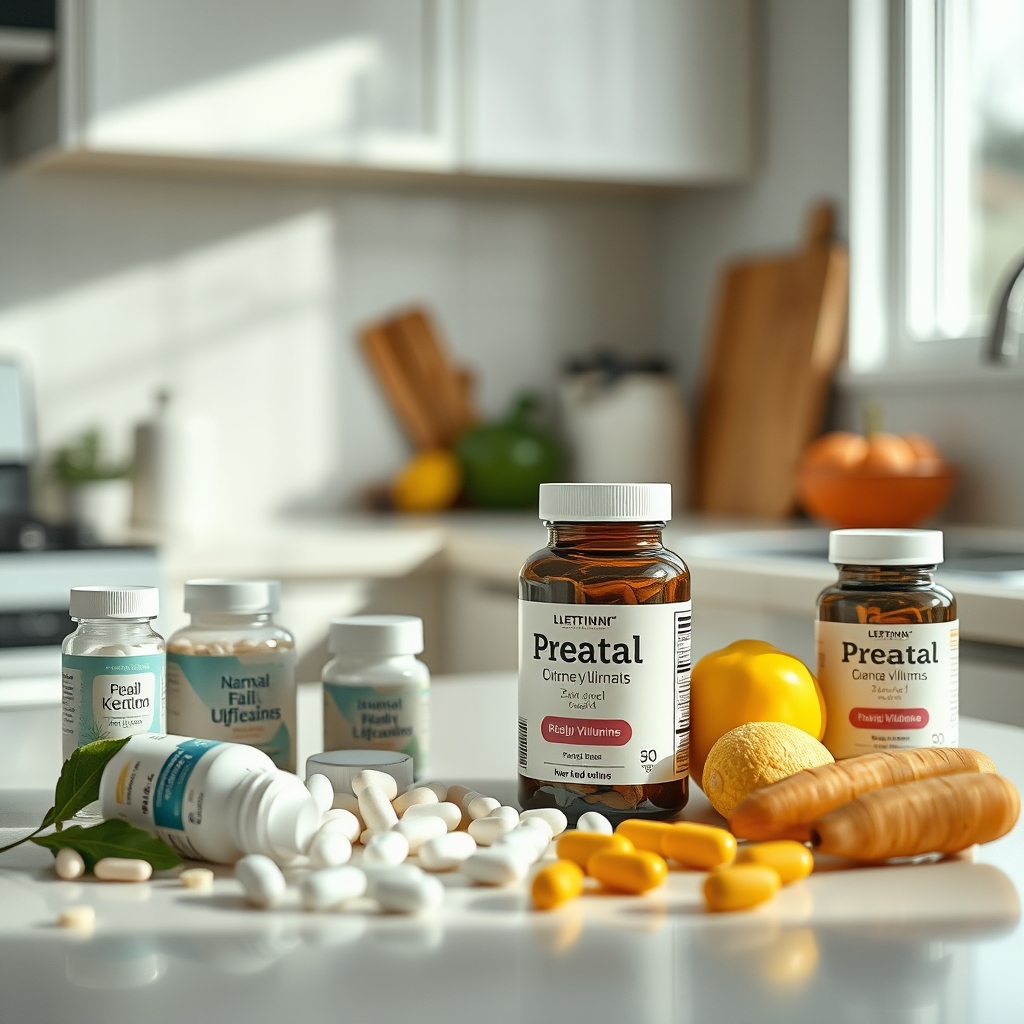
Choosing a prenatal‑certified supplement removes the guesswork about safety.
What is the recommended Nutrafol dosage for pregnant women?
Nutrafol’s standard label recommends two capsules per day, delivering 5 mg of biotin per capsule (total 10 mg) along with a blend of botanical extracts. For pregnant individuals, the recommended daily allowance (RDA) for biotin is only 30 mcg, a fraction of what Nutrafol provides. Because the supplement exceeds the RDA by more than 300 times, most obstetric guidelines suggest not exceeding the prenatal vitamin’s biotin content.
If you’re already using Nutrafol and are concerned about dosage, the safest approach is to stop the supplement and replace it with a prenatal vitamin that meets the RDA for each nutrient. Should your provider deem a specific ingredient necessary (for example, extra vitamin D), they will prescribe a dose that aligns with pregnancy‑specific guidelines.
In short, there is no “pregnancy‑approved” Nutrafol dosage. The best practice is to avoid the product entirely during pregnancy and breastfeeding.
Are there safer hair growth supplements for pregnancy?
Nature’s Bounty Prenatal Hair, Skin & Nails – Formulated with 5 mcg of biotin, iron, and vitamin C, all meeting prenatal safety standards.
Biotin 10,000 mcg Prenatal Supplement – Provides a modest 10 mcg biotin (well below the high dose in Nutrafol) plus folate and iodine.
Ritual Prenatal Hair Vitamin – Includes a balanced blend of vitamin D, zinc, and omega‑3s, all studied in pregnant cohorts.
Garden of Life mykind Organics Prenatal Multi – Certified USDA organic, with a safe level of biotin and no untested herbal extracts.
MegaFood Women’s One Daily Prenatal – Whole‑food based, low‑dose biotin, and iron, reviewed by a board of OB‑GYNs.
New Chapter Perfect Prenatal – Provides 25 mcg of biotin, plus vitamin A and B‑complex, all pregnancy‑tested.
Olly Women’s Prenatal Multivitamin – Offers a gentle 30 mcg biotin dose and includes folic acid and vitamin B12.
Pure Encapsulations Prenatal Vitamin – Hypoallergenic, low‑dose biotin, and free of botanical extracts.
Does Nutrafol cause any risks for pregnant mothers?
The primary concern with Nutrafol during pregnancy is the lack of robust safety data for its high‑dose biotin and herbal components. Although no large‑scale studies have linked Nutrafol to birth defects, the theoretical risk is enough for clinicians to advise avoidance. Additional potential risks include:
Interference with laboratory tests (e.g., thyroid panels, hormone assays) due to excessive biotin.
Possible allergic reactions to botanical extracts, which can exacerbate skin irritation or cause gastrointestinal upset.
Uncertain effects on fetal growth if herbal compounds cross the placenta.
Most of these risks are “low‑probability but not negligible,” which is why ACOG recommends a precautionary approach: avoid the supplement unless a provider specifically recommends it.
How does Nutrafol affect pregnancy‑related hair loss?
Hair shedding is a common phenomenon during pregnancy, often driven by hormonal fluctuations. While Nutrafol aims to support hair follicles, its efficacy in the context of pregnancy has not been studied. The hormonal changes that cause telogen effluvium (shedding) are largely driven by estrogen and progesterone levels, which Nutrafol does not directly influence.
For most pregnant people, hair loss resolves on its own postpartum, typically within six months after delivery. Using a prenatal‑approved multivitamin that supplies adequate iron, zinc, and biotin (within safe limits) is a more evidence‑based way to support hair health during this period.
Is there a difference between Nutrafol for men and women during pregnancy?
Nutrafol markets separate “Women” and “Men” formulas. The women’s version contains a slightly higher dose of biotin (5 mg per capsule) and additional botanical extracts aimed at hormonal balance. The men’s version, while still containing biotin, emphasizes ingredients like saw‑saw oak and saw‑dust‑based antioxidants. Neither formulation has been evaluated for safety in pregnancy, and both exceed the recommended prenatal biotin intake.
Because both versions contain untested herbal components, the consensus among obstetric experts is the same: avoid both Nutrafol Men and Nutrafol Women while pregnant or breastfeeding.
Can I switch from Nutrafol to other prenatal hair vitamins?
Yes, transitioning to a prenatal‑approved supplement is straightforward. Choose a product that meets the RDA for biotin (30 mcg) and avoids untested herbal extracts. Start the new supplement as directed on its label—usually one capsule daily—and discontinue Nutrafol. If you have any lingering concerns about nutrient levels, your OB‑GYN can order blood work to confirm you’re meeting your nutritional needs.
What ingredients in Nutrafol are unsafe for pregnancy?
Key ingredients that raise safety flags include:
Biotin (5 mg per capsule) – Doses far above the prenatal recommendation; can affect lab tests.
Saw‑saw oak (Quercus acutissima) extract – No pregnancy safety data; potential uterine stimulant.
Ashwagandha (Withania somnifera) – Limited human data; some animal studies suggest possible fetal toxicity.
Curcumin – Generally regarded as safe in food amounts, but high‑dose extracts lack pregnancy studies.
Other botanical blends – Often lack specific safety testing, making them unsuitable for pregnant use.
These components collectively make Nutrafol unsuitable for pregnancy, prompting clinicians to recommend safer, pregnancy‑specific alternatives.
Talking to your provider about supplement use
When you bring up Nutrafol—or any supplement—during a prenatal visit, be honest about how long you’ve been taking it and the exact dosage. Your obstetrician will likely ask about any other vitamins, medications, or herbal products you use, because interactions can affect both you and the developing baby.
Most providers appreciate patients who come prepared with the supplement’s ingredient list. If your provider has concerns, they may order a simple blood panel to check levels of biotin, zinc, or other nutrients, ensuring you’re not deficient while also confirming you’re not exceeding safe limits.
Remember, the goal of the conversation is collaborative: you want to feel confident that everything you take supports a healthy pregnancy, and your provider wants to protect both you and your baby from unnecessary risks.
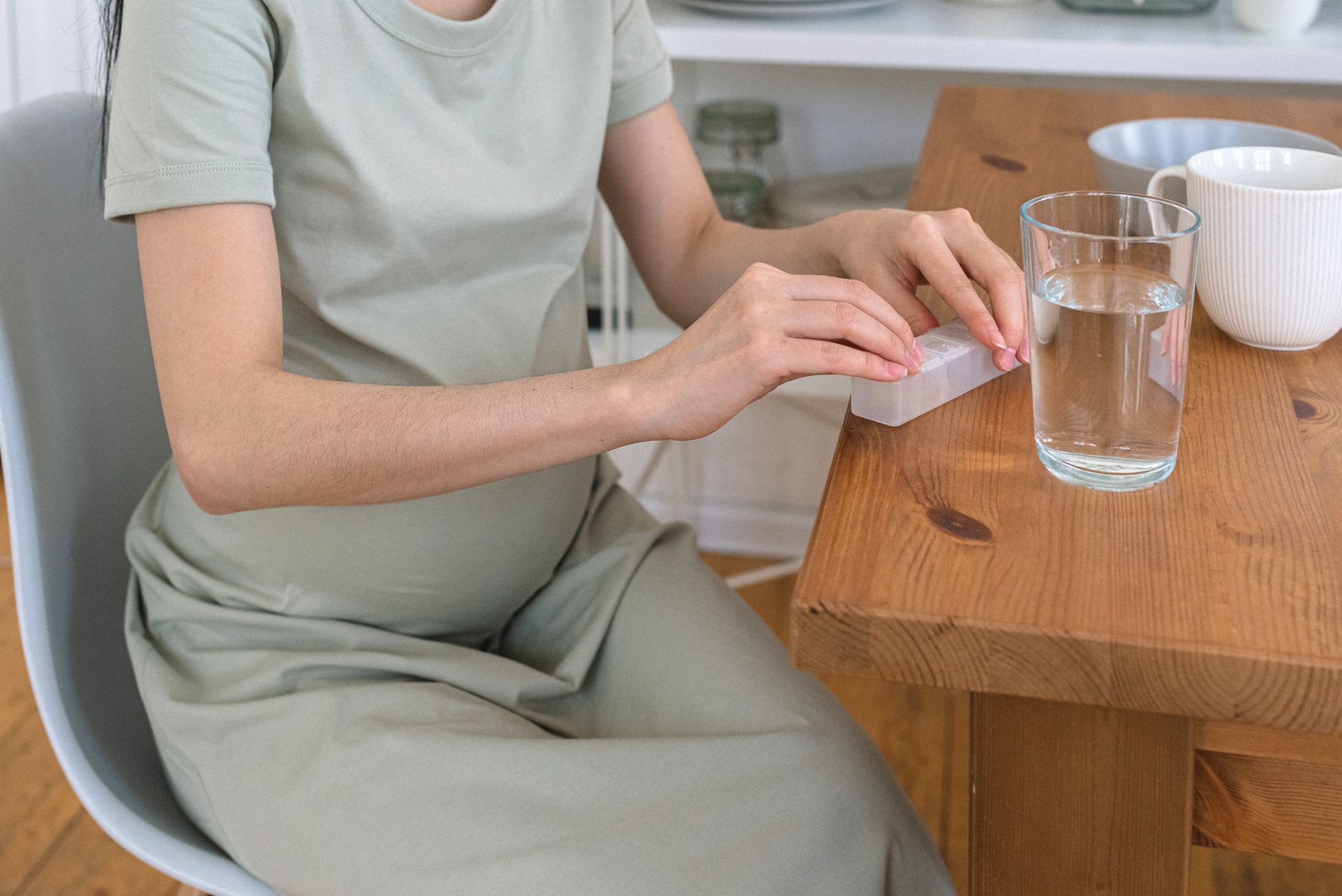
Being prepared with the supplement label helps your provider give you the safest advice.
Understanding supplement labels: what to look for
Pregnancy‑safe supplements will usually state “formulated for pregnant and nursing women” on the front label. Look for the following cues:
Biotin amount – Should be 30 mcg or less.
Absence of untested botanicals – Avoid terms like “herbal blend” or “plant extract” unless the label explicitly cites pregnancy safety data.
Third‑party testing – Certifications such as USP, NSF, or ConsumerLab indicate the product has been independently verified for purity.
Clear dosage instructions – A single daily dose is typical for prenatal vitamins; multiple doses may signal a higher risk of over‑supplementation.
If a supplement’s label is vague, or if it lists ingredients you can’t pronounce, it’s best to err on the side of caution and choose a product that has been specifically evaluated for pregnancy.
Safer alternatives
Nature’s Bounty Prenatal Hair, Skin & Nails – Low‑dose biotin and iron, expressly formulated for pregnant people.
Biotin 10,000 mcg Prenatal Supplement – Provides a modest biotin amount within safe limits.
Ritual Prenatal Hair Vitamin – Balanced nutrients with proven safety in pregnancy.
Garden of Life mykind Organics Prenatal Multi – Organic, free of untested herbs.
New Chapter Perfect Prenatal – Gentle dose of biotin and essential vitamins.
Olly Women’s Prenatal Multivitamin – Includes folic acid and B‑complex, safe for pregnancy.
Pure Encapsulations Prenatal Vitamin – Hypoallergenic, low‑dose biotin, no botanical extracts.
Related items — safety at a glance
Item
Verdict
Note
Nutrafol Women
❌ Avoid
High biotin & untested botanicals.
Nutrafol Men
❌ Avoid
Similar ingredient profile; not pregnancy‑tested.
Viviscal Hair Growth Supplements
⚠️ Talk to doctor
Contains marine protein; safety data limited.
Hairfinity Healthy Hair Vitamins
⚠️ Talk to doctor
Biotin dose exceeds prenatal recommendation.
SugarBearHair Gummies
⚠️ Talk to doctor
Biotin 250 mcg per serving; exceeds safe level.
Keratin Complex Hair Vitamins
⚠️ Talk to doctor
Contains herbal extracts without pregnancy data.
Biosil Hair Supplements
⚠️ Talk to doctor
Silicon dioxide safety not well‑studied in pregnancy.
Phyto Phytocell Hair
⚠️ Talk to doctor
Plant‑based compounds lack formal safety testing.
Myth vs. fact
Myth: “Because Nutrafol is a vitamin supplement, it must be safe for everyone, including pregnant people.”
Fact: Dietary supplements are not required to undergo the same safety testing as prescription drugs. Nutrafol’s high biotin dose and unstudied herbal extracts mean it is not considered safe for pregnancy, per ACOG and NHS guidance.
Myth: “If I’ve only taken Nutrafol for a few days, there’s no need to worry.”
Fact: Short‑term exposure is unlikely to cause harm, but it can interfere with prenatal labs. Discuss any exposure with your provider to ensure accurate test results.
Myth: “The ‘Women’s’ version is automatically pregnancy‑friendly.”
Fact: The Women’s formula contains the same high‑dose biotin and botanical extracts as the Men’s version; neither has been evaluated for fetal safety.
Myth: “Topical hair products are always safe because they don’t enter the bloodstream.”
Fact: While topical exposure is generally lower risk, some ingredients can still cause skin irritation or allergic reactions, and it’s best to choose products that are explicitly labeled pregnancy‑tested.
Key takeaways
❌ Nutrafol is not considered safe for pregnancy or breastfeeding; avoid it entirely.
High‑dose biotin and untested herbal extracts are the main safety concerns.
Switch to a prenatal‑certified hair vitamin that meets the RDA for biotin and excludes risky botanicals.
If you’ve already taken Nutrafol, inform your OB‑GYN—most occasional exposure is unlikely to cause harm.
Always read supplement labels and choose products that explicitly state “pregnancy‑safe.”
Discuss any supplement use with your provider to avoid lab‑test interference and ensure balanced nutrition.
Frequently asked questions
Can I take Nutrafol while pregnant?
No, the consensus from ACOG and NHS is to avoid Nutrafol during pregnancy because its high biotin content and herbal extracts lack safety data for the developing fetus.
What are the side effects of Nutrafol during pregnancy?
While serious adverse effects are rare, Nutrafol can cause laboratory test interference (especially thyroid and hormone panels) and may trigger allergic reactions to its botanical ingredients.
Is biotin safe during pregnancy?
Biotin is safe at the recommended prenatal dose of 30 mcg per day; however, Nutrafol’s 5 mg per capsule far exceeds this amount, making it unsuitable for pregnant individuals.
How long should I wait after pregnancy to restart Nutrafol?
Most providers suggest waiting until after the postpartum period—typically six weeks to three months—once you’ve completed a full prenatal vitamin course and your doctor confirms it’s safe.
Are there any ingredients in Nutrafol that are harmful to a fetus?
Yes. The high‑dose biotin, saw‑saw oak extract, and ashwagandha have not been studied for fetal safety and are therefore considered potentially harmful.
What are natural ways to prevent hair loss during pregnancy?
Maintain a balanced diet rich in iron, zinc, and protein, stay hydrated, manage stress, and use gentle, sulfate‑free shampoos. Prenatal vitamins that include safe levels of biotin and other hair‑supporting nutrients can also help.
Can I take Nutrafol if I’m planning to become pregnant?
Because Nutrafol contains high‑dose biotin and untested herbal extracts, most experts recommend stopping the supplement before trying to conceive. Discuss any pre‑conception supplement use with your provider to ensure a healthy start.
Is it safe to use hair products that contain Nutrafol ingredients?
Topical products that contain the same extracts are generally lower risk, but they have not been formally studied in pregnancy. Opt for shampoos and conditioners that are labeled “pregnancy‑tested” or “gentle and fragrance‑free” to minimize any chance of irritation.
When to call your doctor
If you experience any of the following while taking Nutrafol, contact your obstetric provider right away:
Severe allergic reaction (hives, swelling, difficulty breathing)
Abnormal lab results that your provider cannot explain
Any signs of preterm labor (regular contractions, pelvic pressure)
Even if you’ve only taken Nutrafol once or twice, it’s still a good idea to mention it at your next prenatal visit so your provider can assess any potential impact on your labs or fetal health. Remember, this article provides general information and is not a substitute for personalized medical advice.
References
American College of Obstetricians and Gynecologists. “Nutrition During Pregnancy.” ACOG Committee Opinion No. 804, 2020.
National Health Service (UK). “Vitamins and minerals in pregnancy.” NHS website, updated 2022.
U.S. Food and Drug Administration. “Pregnancy and Lactation Labeling Rule (PLLR).” FDA, 2021.
Centers for Disease Control and Prevention. “Prenatal Care and Nutrition.” CDC, 2023.
Society for Maternal‑Fetal Medicine. “Guidelines for the Use of Dietary Supplements in Pregnancy.” SMFM, 2021.
American Academy of Pediatrics. “Breastfeeding and Medication Use.” AAP Clinical Report, 2020.
World Health Organization. “Guidelines on Micronutrient Supplementation During Pregnancy.” WHO, 2022.
National Institute for Health and Care Excellence (UK). “Maternal nutrition and supplementation.” NICE guideline NG44, 2022.
Not sure about the label on Is Nutrafol Safe During Pregnancy products?
Snap the ingredients list and SafeFilter checks every ingredient for your stage — only 3 free scans this month, then you're locked until reset. Unlimited from $7/mo or $50/yr.
When Shubhra Mishra was expecting her first child in 2016, she was overwhelmed by conflicting food advice — one site said yes, another said never. By the time her second baby arrived in 2019, she realized millions of mothers face the same confusion.
That sparked a five-year journey through clinical nutrition papers, cultural diets, and expert conversations — all leading to BumpBites: a calm, compassionate space where science meets everyday motherhood.
Her long-term vision is to build a global community ensuring safe, supported, and free deliveriesfor every mother — because no woman should face pregnancy alone or uninformed. 🌿
🌍 Stand with mothers, shape safer guidance
Join a small circle of experts who review BumpBites articles so expecting parents everywhere can decide with confidence.