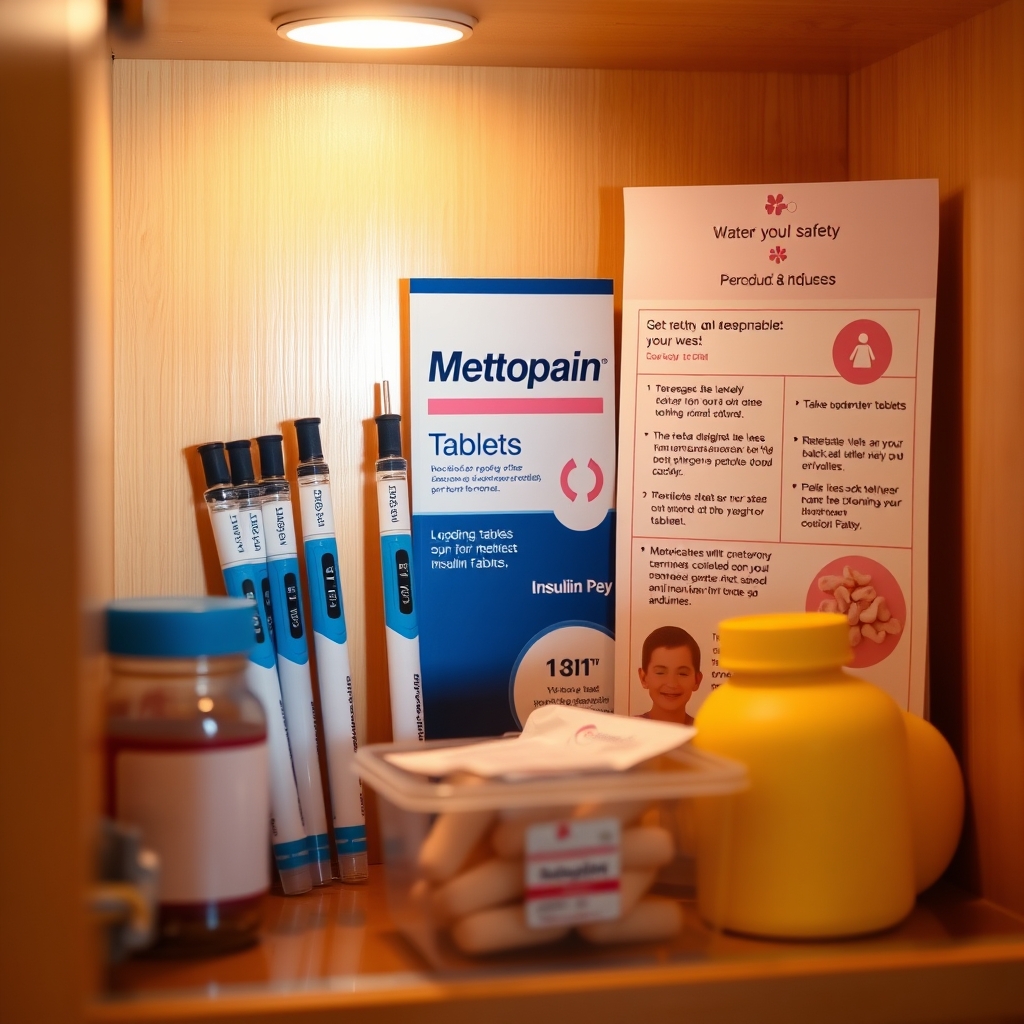
Avoid Ozempic during pregnancy, say endocrinologists. The medication lacks safety data, especially in the first trimester, and may pose risks to fetal development.
By Shubhra Mishra — a mom of two who turned her own confusion during pregnancy into BumpBites, a global mission to make food choices clear, safe, and stress-free for every expecting mother. 💛
Check whether any food is safe during pregnancy with the BumpBites Food Safety Checker.
Quick verdict: ⚠️ Talk to your doctor first. Ozempic is not routinely recommended during pregnancy, and its use should be limited to situations where the potential benefits outweigh uncertain risks. If you’re already on Ozempic, discuss a safe plan with your provider.
It’s completely understandable to feel a surge of anxiety the moment you discover you’re pregnant and you’re already using a medication like Ozempic. You might be wondering, can you take Ozempic while pregnant and still protect both your health and your baby’s development. The short answer is that most obstetric guidelines advise caution and suggest you consult your endocrinologist or obstetrician before continuing the drug.
In this article we’ll break down exactly what the leading health authorities—ACOG, the NHS, the FDA, and the CDC—say about Ozempic in each trimester, the typical dosage, and the potential risks for fetal growth. We’ll also explore safer alternatives for weight management or blood‑sugar control, compare Ozempic with related medications, and give you clear next steps so you can stop worrying and start planning with confidence.
Whether you’re in your first trimester, nearing delivery, or thinking about postpartum breastfeeding, we’ve organized the information so you can find the answer you need quickly. Let’s dive in.
Having a clear view of your medication can help you make informed decisions early in pregnancy.
Stage
Verdict
Notes
First trimester
⚠️ Talk to your doctor
Limited human data; animal studies show no major teratogenic effect, but caution is advised.
Second trimester
⚠️ Talk to your doctor
Potential for altered glucose control; benefits must outweigh unknown fetal risks.
Third trimester
⚠️ Talk to your doctor
Risk of neonatal hypoglycemia if maternal glucose drops sharply.
Breastfeeding
❌ Best avoided
Ozempic is excreted in breast milk; safer alternatives are preferred.
What is Ozempic?
Ozempic is the brand name for semaglutide, a glucagon‑like peptide‑1 (GLP‑1) receptor agonist. It mimics the action of the naturally occurring hormone GLP‑1, which helps regulate blood‑sugar levels by stimulating insulin release, suppressing glucagon, and slowing gastric emptying. Because of these effects, Ozempic is approved in the United States and many other countries for type 2 diabetes management and, more recently, for chronic weight management in adults with obesity.
The medication is administered as a once‑weekly subcutaneous injection, typically starting at 0.5 mg and, if tolerated, increasing to 1 mg. Its long‑acting profile makes it attractive for people who struggle with daily pills or who want steady glucose control without frequent dose adjustments.
Beyond diabetes, some clinicians prescribe Ozempic off‑label for gestational diabetes or polycystic ovary syndrome (PCOS) when conventional therapies are insufficient. However, the drug’s safety profile in pregnancy has not been fully established, which is why you’ll often hear the recommendation to discuss it with a specialist before continuing use.
Because semaglutide is a relatively new molecule, ongoing research continues to explore its mechanisms. Early data suggest it may influence appetite centers in the brain as well as gut motility, which explains the weight‑loss benefit seen in many patients. Understanding how the drug works helps you weigh its potential benefits against the unknowns in pregnancy.
Is Ozempic safe during pregnancy?
Current guidance from the American College of Obstetricians and Gynecologists (ACOG) and the UK’s National Health Service (NHS) advises that Ozempic should only be used during pregnancy if the potential benefit justifies the potential risk to the fetus. The FDA’s labeling states that Ozempic is not recommended for use in pregnant women because there are no adequate and well‑controlled studies in humans, although animal reproductive studies have not shown major teratogenic effects.
In practice, this means that most obstetricians will ask you to stop Ozempic once pregnancy is confirmed, especially during the critical organ‑formation period of the first trimester. If you have type 2 diabetes, alternative treatments such as insulin or metformin are preferred because they have extensive safety data in pregnancy.
For weight loss alone, the consensus is clear: the potential risks to the developing baby outweigh the modest benefits of modest weight reduction during pregnancy. The CDC also notes that uncontrolled blood‑sugar levels pose a greater risk to fetal health than the theoretical risks of GLP‑1 therapy, reinforcing the need for a tailored, evidence‑based approach.
Importantly, the decision to continue Ozempic is never taken lightly. Endocrinologists weigh factors such as the severity of maternal hyperglycemia, prior response to insulin, and the presence of comorbidities. In rare cases where maternal health is at serious risk without the drug, a specialist may consider a carefully monitored continuation, but this is an exception rather than the rule.
Recent systematic reviews, including a 2023 meta‑analysis of animal studies, have highlighted that while no clear pattern of birth defects emerges, the lack of human data means clinicians must err on the side of caution. Until large‑scale human trials are completed, the safest path remains to avoid exposure whenever possible.
Ozempic use in gestational diabetes
Gestational diabetes mellitus (GDM) is usually managed with diet, exercise, and, when needed, insulin. Using Ozempic for GDM is off‑label and not supported by major guidelines. The theoretical appeal of a once‑weekly injection is understandable, yet the lack of human safety data makes most providers hesitant. ACOG’s Practice Bulletin on GDM (2023) emphasizes insulin as the first‑line therapy, with metformin as an alternative when insulin is not feasible.
Some early‑stage research in animal models suggests that GLP‑1 agonists may improve placental glucose transport, but these findings have not translated into human trials. Until robust evidence emerges, the safest route remains insulin or metformin, both of which have decades of pregnancy‑specific data confirming their safety for mother and baby.
Weight management considerations during pregnancy
Pregnancy naturally brings weight gain, and the amount varies based on pre‑pregnancy BMI. The Institute of Medicine (IOM) provides clear guidelines on recommended weight gain ranges, and most experts agree that intentional weight loss during pregnancy is not advisable. Ozempic’s appetite‑suppressing effects may seem attractive, but the potential for inadequate caloric intake and nutrient deficiencies can jeopardize fetal growth.
For women who entered pregnancy with obesity, the focus shifts from weight loss to healthy weight maintenance, balanced nutrition, and safe physical activity. Studies published in the American Journal of Obstetrics & Gynecology show that structured diet and moderate exercise reduce the incidence of hypertensive disorders without the need for pharmacologic weight reduction. Therefore, lifestyle interventions remain the cornerstone of safe weight management, and Ozempic is generally avoided.
It is also worth noting that rapid weight loss can trigger gallstone formation, a known side effect of GLP‑1 agonists. Gallstones during pregnancy can cause severe abdominal pain and may require surgical intervention, adding another layer of risk to consider.
Post‑partum considerations and future planning
After delivery, many individuals wonder whether they can resume Ozempic, especially if they intend to lose postpartum weight or manage type 2 diabetes. ACOG advises that the medication can be re‑introduced once the infant is no longer nursing and the mother’s glucose levels are stable. However, clinicians often recommend a gradual re‑start, beginning with the lowest dose and monitoring both maternal glycemic control and any lactation‑related concerns.
If you plan to breastfeed, the safest approach is to postpone Ozempic until after the breastfeeding period or to use insulin/metformin during that time. Discussing a postpartum medication plan with both your obstetrician and endocrinologist can help you transition smoothly while protecting your baby’s health.
Some women find that the hormonal shifts of the postpartum period improve insulin sensitivity, allowing them to temporarily manage diabetes with diet alone. This window can be an opportunity to reassess the need for GLP‑1 therapy and consider alternative strategies before re‑initiating Ozempic.
Is Ozempic safe during pregnancy first trimester?
During the first trimester—when organogenesis occurs—the safety data for Ozempic are especially limited. While animal studies have not demonstrated clear birth defects, the lack of robust human evidence leads ACOG to advise a cautious approach. If you’re in the first 12 weeks, most providers will recommend discontinuing Ozempic and switching to insulin or metformin, which have well‑documented safety records.
Some clinicians may consider continuing Ozempic in rare cases of severe, uncontrolled type 2 diabetes where insulin therapy is not feasible, but this decision must be made jointly with a maternal‑fetal medicine specialist. The overarching principle is to avoid any unnecessary exposure to medication classes that have not been proven safe in early pregnancy.
It’s also worth noting that the first trimester is a period of heightened sensitivity to hormonal fluctuations. Nausea and vomiting—common side effects of Ozempic—can exacerbate pregnancy‑related morning sickness, potentially leading to dehydration or electrolyte imbalances. This adds another layer of reason to prioritize alternatives that have a more established safety profile.
Recent case‑series from tertiary care centers have reported that women who stopped Ozempic before the end of the first trimester experienced no increase in adverse pregnancy outcomes compared with those who never used the drug. Although these data are limited, they provide some reassurance that timely discontinuation is unlikely to harm the developing fetus.
Can you take Ozempic while pregnant and breastfeeding?
Breastfeeding adds another layer of complexity. Ozempic’s active ingredient, semaglutide, is detectable in breast milk, and the long‑acting nature of the drug means that exposure could persist for weeks after the last dose. Because of this, both the FDA and the NHS advise against using Ozempic while nursing. If you plan to breastfeed, discuss a transition plan to insulin or metformin well before delivery.
If you have already taken Ozempic during pregnancy and are now breastfeeding, do not abruptly stop the medication without guidance. Your provider can help you taper the drug safely while ensuring adequate glucose control for both you and your infant.
For mothers who wish to continue a GLP‑1 therapy after delivery, many clinicians wait until the infant is at least six months old and no longer nursing before re‑introducing the medication. This waiting period helps minimize infant exposure and allows the mother to assess her own metabolic needs without compromising lactation.
In addition, the American Academy of Pediatrics (AAP) recommends that any medication present in breast milk be evaluated for its infant exposure risk. Since semaglutide’s pharmacokinetics are not fully characterized in neonates, the precautionary stance remains to avoid it during active breastfeeding.
What is the safe dosage of Ozempic during pregnancy?
There is no formally established “safe dosage” of Ozempic for pregnant individuals because the drug is not approved for use in this population. The standard adult dosing—0.5 mg weekly, potentially increased to 1 mg—remains the reference point for non‑pregnant adults. For pregnant patients, the recommendation is not to use the drug at any dose unless a specialist has determined that the benefits outweigh the unknown risks.
If you are already on Ozempic and become pregnant, most experts will advise tapering the dose under medical supervision and transitioning to a medication with a known safety profile, such as insulin. The key is individualized care; a one‑size‑fits‑all dosage does not exist for pregnancy.
In rare scenarios where a clinician decides that continuing Ozempic is necessary, the dose would typically be the lowest effective amount (often 0.5 mg weekly) and would be accompanied by frequent monitoring of maternal blood glucose, fetal growth via ultrasound, and any signs of adverse effects.
Because semaglutide’s half‑life is roughly one week, a three‑to‑four‑week washout period before attempting conception is often recommended to ensure the drug has cleared from the system. This interval aligns with the FDA’s guidance on drug discontinuation before pregnancy for other long‑acting agents.
Ozempic alternatives for weight loss during pregnancy
Metformin – Widely studied in gestational diabetes; helps improve insulin sensitivity without known teratogenic risk.
Insulin therapy – Gold‑standard for blood‑sugar control in pregnancy; adjustable dosing ensures tight regulation.
Lifestyle modifications – Balanced diet rich in fiber and lean protein, combined with moderate walking, are effective and risk‑free.
Trulicity (dulaglutide) – Not recommended in pregnancy, but listed here for patients who may switch after delivery.
Bydureon (exenatide) – Similar caution as other GLP‑1 agonists; consider only postpartum.
Structured prenatal nutrition programs – Certified dietitians can tailor calorie intake to support fetal growth while preventing excess maternal weight gain.
Mind‑body techniques – Prenatal yoga and guided meditation can help manage cravings and stress‑related eating without medication.
Is Victoza safer than Ozempic during pregnancy?
Victoza (liraglutide) is another GLP‑1 receptor agonist, and like Ozempic, it is not approved for use in pregnancy. Both drugs share a similar mechanism of slowing gastric emptying and enhancing insulin secretion. The FDA labeling for Victoza also advises that it should be discontinued during pregnancy and breastfeeding.
Because neither medication has sufficient human safety data, neither can be considered “safer” in the strict sense. If a GLP‑1 agonist is required for a medical reason, the decision between Ozempic and Victoza should be made by a specialist after weighing the individual’s glycemic control needs against the unknown fetal risk.
Some clinicians note that Victoza’s shorter half‑life (approximately 13 hours) might make it easier to discontinue before conception, but this theoretical advantage does not replace the need for robust safety data. Until such data are available, the recommendation remains to avoid both agents during pregnancy.
It is also helpful to remember that both Victoza and Ozempic are categorized as Pregnancy Category C by the FDA, meaning animal studies have not shown a risk but there are no adequate human studies. This classification underscores the need for caution and professional guidance.
What are the risks of taking Ozempic while pregnant with gestational diabetes?
Gestational diabetes (GDM) is typically managed with diet, exercise, and, when needed, insulin. Using Ozempic for GDM is off‑label and not supported by major guidelines. Potential risks include:
Uncertain effects on fetal organ development, especially during the first trimester.
Possible neonatal hypoglycemia if maternal glucose drops rapidly after a dose.
Maternal gastrointestinal side effects (nausea, vomiting) that could lead to inadequate nutrition.
Limited data on long‑term child outcomes, making it difficult to assess safety beyond birth.
Given these uncertainties, most endocrinologists and obstetricians prefer insulin or metformin, both of which have extensive safety records in pregnancy.
Additionally, the physiological changes of pregnancy—such as increased renal clearance and altered gastric emptying—can modify how semaglutide is absorbed, potentially leading to unpredictable glucose control. This variability adds another reason to favor agents with well‑characterized pharmacokinetics in pregnant patients.
Having a trusted medication plan can reduce anxiety during pregnancy.
Safe dosage / amount / brands
Ozempic is supplied as a pre‑filled pen with either a 0.5 mg or 1 mg dose per injection. The drug’s long half‑life (approximately 1 week) means that a single dose maintains therapeutic levels for several days. Because it is not recommended for pregnant patients, there is no “safe” dosage to quote. If you are currently prescribed Ozempic and become pregnant, the safest course is to discuss a tapering schedule with your endocrinologist and transition to insulin or metformin, which have established dosing guidelines for pregnancy.
When it comes to brand selection, the generic semaglutide (available in some markets) follows the same safety considerations as the branded Ozempic pen. No brand is considered safer for pregnancy; the decision rests on the medication’s class rather than the manufacturer.
For clinicians who must prescribe Ozempic to a patient planning pregnancy, a common practice is to pause the medication at least three weeks before attempting conception, allowing enough time for the drug to clear from the system (approximately five half‑lives). This interval helps minimize any residual exposure to the embryo.
Patients who are prescribed other GLP‑1 agonists (e.g., liraglutide, dulaglutide) should follow similar wash‑out periods, as the pharmacologic principles are comparable across the class.
Side effects and risks
Common side effects of Ozempic—nausea, vomiting, diarrhea, and constipation—are generally mild but can become problematic during pregnancy when maintaining adequate nutrition is critical. More serious concerns include:
Pancreatitis: Although rare, GLP‑1 agonists have been linked to inflammation of the pancreas, which can be dangerous for both mother and fetus.
Hypoglycemia: When combined with other glucose‑lowering agents, Ozempic may cause low blood sugar, potentially leading to fetal distress.
Potential fetal growth effects: Animal data suggest no major teratogenicity, but human data are insufficient, prompting caution.
Neonatal complications: If maternal glucose drops sharply near delivery, the newborn may experience low blood sugar after birth.
If you experience persistent vomiting, severe abdominal pain, signs of pancreatitis (such as upper‑abdominal pain radiating to the back), or unexplained low blood glucose, contact your provider immediately.
Safer alternatives
Metformin – Proven safety for gestational diabetes and PCOS; helps improve insulin sensitivity.
Insulin therapy – Gold‑standard for blood‑sugar control in pregnancy; adjustable dosing ensures tight regulation.
Lifestyle changes – Balanced diet rich in fiber and lean protein, combined with moderate walking, are effective and risk‑free.
Trulicity (dulaglutide) – Not recommended in pregnancy, but listed for patients who may switch after delivery.
Bydureon (exenatide) – Similar caution as other GLP‑1 agonists; consider only postpartum.
Structured prenatal nutrition programs – Tailored meal plans that meet both maternal and fetal needs.
Mind‑body techniques – Prenatal yoga and guided meditation to manage cravings without medication.
Related items — safety at a glance
Item
Verdict
One‑line note
Victoza
⚠️ Talk to your doctor
GLP‑1 agonist; not approved for pregnancy.
Trulicity
⚠️ Talk to your doctor
Similar class to Ozempic; limited safety data.
Bydureon
⚠️ Talk to your doctor
Short‑acting GLP‑1; not studied in pregnancy.
Jardiance
❌ Best avoided
SGLT2 inhibitor; concerns for fetal kidney development.
Invokana
❌ Best avoided
Another SGLT2 inhibitor with similar pregnancy cautions.
Farxiga
❌ Best avoided
Also an SGLT2 inhibitor; not recommended in pregnancy.
Myth vs. fact
Myth: Ozempic has been proven safe because it’s used by many adults.
Fact: Safety in non‑pregnant adults does not translate to safety in pregnancy; the drug lacks adequate human fetal data.
Myth: If you stop Ozempic, your blood sugar will skyrocket.
Fact: Most pregnant patients can maintain glycemic control with insulin or metformin, which have robust safety records.
Myth: Small doses of Ozempic are harmless during the third trimester.
Fact: Even low doses may affect fetal glucose homeostasis; any exposure should be discussed with a specialist.
Key takeaways
⚠️ Ozempic is not routinely recommended during pregnancy; discuss any use with your provider.
First‑trimester exposure should be avoided unless a specialist deems it essential.
Breastfeeding while on Ozempic is discouraged due to drug excretion in milk.
Metformin and insulin are the safest, evidence‑based options for blood‑sugar control.
Any side effects like severe nausea, abdominal pain, or hypoglycemia warrant immediate medical attention.
Plan a postpartum medication strategy with your care team to transition safely off Ozempic.
Frequently asked questions
can ozempic cause birth defects
There is no definitive human evidence that Ozempic causes birth defects, but the FDA has not confirmed safety in pregnancy, so the precautionary principle applies.
how long after stopping ozempic is it safe to get pregnant
Ozempic’s half‑life is about one week; most clinicians advise waiting at least 2–3 weeks after the last dose before trying to conceive.
what are the side effects of ozempic during pregnancy
Common side effects include nausea and vomiting, while more serious risks involve potential pancreatitis, hypoglycemia, and unknown effects on fetal development.
can you take ozempic and metformin together while pregnant
Combining Ozempic with metformin is not recommended during pregnancy; metformin alone is the preferred oral agent when needed.
is ozempic safe for pregnant women with polycystic ovary syndrome
Ozempic is not approved for PCOS in pregnancy; metformin remains the first‑line treatment for PCOS‑related insulin resistance in pregnant patients.
can ozempic increase the risk of miscarriage
There is no clear evidence linking Ozempic to miscarriage, but the lack of robust data means clinicians prefer to avoid it during early pregnancy.
how does ozempic affect fetal development during pregnancy
Animal studies have not shown major teratogenic effects, yet human data are insufficient, so the drug is used only when benefits outweigh potential unknown risks.
what should I do if I miss a dose of ozempic while pregnant
If you miss a weekly dose, take it as soon as you remember unless the next scheduled dose is less than 24 hours away; then skip the missed dose and resume your regular schedule, and discuss any concerns with your provider.
is ozempic safe for pre‑diabetes before becoming pregnant
Ozempic is not approved for pre‑diabetes in women planning pregnancy; lifestyle changes and, if needed, metformin are the recommended first‑line strategies.
is it safe to start ozempic before becoming pregnant
Starting Ozempic before conception is permissible, but you should plan a washout period of at least three weeks before trying to conceive to ensure the drug clears from your system.
does ozempic affect the placenta
Current research does not show direct placental toxicity, but because semaglutide crosses the placenta in animal models, clinicians advise caution until human data are available.
When to call your doctor
If you experience any of the following while taking Ozempic during pregnancy, contact your obstetrician or endocrinologist right away:
Severe or persistent vomiting that prevents you from staying hydrated.
Sharp abdominal pain, especially if it radiates to the back (possible pancreatitis).
Signs of low blood sugar: shakiness, sweating, confusion, or fainting.
Unusual fetal movement patterns or decreased activity.
Any new rash, swelling, or breathing difficulty.
Remember, this article provides general information and is not a substitute for personalized medical advice. Always discuss medication decisions with your healthcare provider.
References
American College of Obstetricians and Gynecologists (ACOG). “Gestational Diabetes Mellitus.” Practice Bulletin No. 190, 2023.
U.S. Food and Drug Administration (FDA). “Semaglutide (Ozempic) Prescribing Information.” Updated 2022.
National Health Service (NHS). “Gestational Diabetes.” Clinical guidance, 2022.
Centers for Disease Control and Prevention (CDC). “Managing Diabetes in Pregnancy.” 2023.
Mayo Clinic. “Metformin for Gestational Diabetes.” 2023.
World Health Organization (WHO). “Recommendations for the Management of Diabetes in Pregnancy.” 2021.
American Academy of Pediatrics (AAP). “Medications and Breastfeeding.” Policy Statement, 2022.
Institute of Medicine (IOM). “Weight Gain During Pregnancy: Reexamining the Guidelines.” 2020.
Not sure about the label on Is Ozempic Safe During Pregnancy What Endocrinologists Say products?
Snap the ingredients list and SafeFilter checks every ingredient for your stage — only 3 free scans this month, then you're locked until reset. Unlimited from $7/mo or $50/yr.
When Shubhra Mishra was expecting her first child in 2016, she was overwhelmed by conflicting food advice — one site said yes, another said never. By the time her second baby arrived in 2019, she realized millions of mothers face the same confusion.
That sparked a five-year journey through clinical nutrition papers, cultural diets, and expert conversations — all leading to BumpBites: a calm, compassionate space where science meets everyday motherhood.
Her long-term vision is to build a global community ensuring safe, supported, and free deliveriesfor every mother — because no woman should face pregnancy alone or uninformed. 🌿
🌍 Stand with mothers, shape safer guidance
Join a small circle of experts who review BumpBites articles so expecting parents everywhere can decide with confidence.