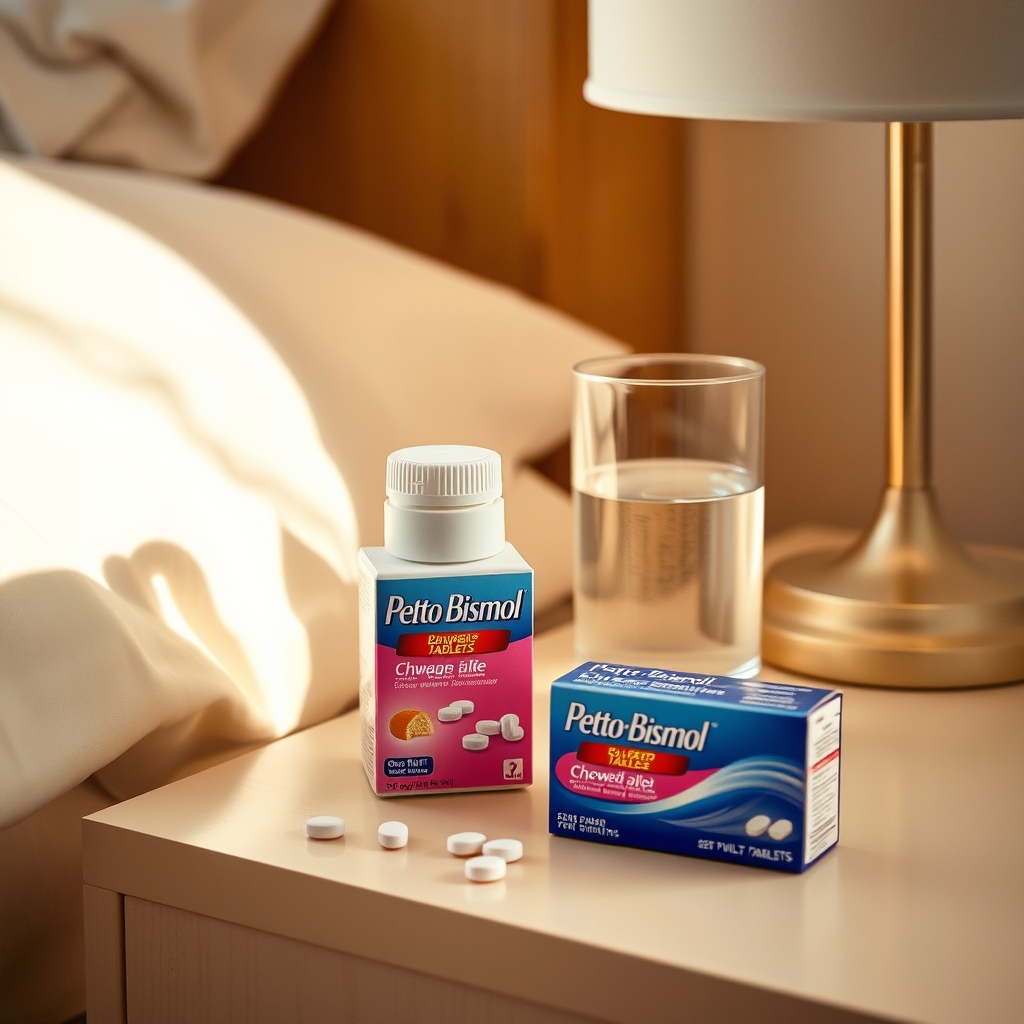
Safe in moderation. Pepto is generally safe during pregnancy, but limit to the recommended dosage (2 tbsp every 30-60 mins) and consult your doctor, especially in the first trimester.
By Shubhra Mishra — a mom of two who turned her own confusion during pregnancy into BumpBites, a global mission to make food choices clear, safe, and stress-free for every expecting mother. 💛
Check whether any food is safe during pregnancy with the BumpBites Food Safety Checker.
Quick verdict: ⚠️ Talk to your doctor first. Pepto‑Bismol (bismuth subsalicylate) can be used in pregnancy, but because it contains a salicylate it’s best limited to the first two trimesters and only under medical guidance.
It’s 2 a.m., you’re curled up on the couch, and a sudden wave of nausea or an unexpected bout of diarrhea has you frantically searching “pepto safe for pregnancy.” You’ve probably taken a dose before you realized you were pregnant, or you’re wondering whether the next dose will harm your baby. First, breathe. The short answer is that Pepto‑Bismol is not outright forbidden, but it does carry a salicylate component that warrants caution—especially as you approach the third trimester. In this article we’ll break down exactly what “pepto safe for pregnancy” means, how much you can take, which weeks are safest, what ingredients to watch, and which gentler alternatives you might prefer.
We’ll walk through the latest guidance from the American College of Obstetricians and Gynecologists (ACOG), the UK’s NHS, and the U.S. Food and Drug Administration (FDA). You’ll find a clear safety‑by‑trimester snapshot, dosage recommendations, a list of side effects to monitor, and a handy comparison table of related over‑the‑counter (OTC) products. By the end, you’ll know whether Pepto‑Bismol fits into your pregnancy plan—or if a safer option like ginger tea or a bland diet is a better match.
Trimester / Stage
Verdict
Notes
First trimester (0‑13 weeks)
⚠️ Use only if needed and approved by provider
Contains bismuth subsalicylate; occasional short‑term use generally considered low risk, but discuss with OB‑GYN.
Second trimester (14‑27 weeks)
⚠️ Use only if needed and approved by provider
Risk remains low for short courses; still advisable to limit use and seek medical advice.
Third trimester (28‑40 weeks)
❌ Best avoided
Salicylate exposure may affect fetal ductus arteriosus and platelet function; alternatives preferred.
Breastfeeding
⚠️ Talk to your doctor
Small amounts can appear in breast milk; most experts recommend avoiding unless absolutely necessary.
Pepto‑Bismol is the brand name for a medication that contains bismuth subsalicylate, an antidiarrheal and anti‑ulcer agent. The drug works by coating the stomach lining, reducing inflammation, and binding toxins that cause diarrhea. It also has mild antimicrobial properties, which is why it’s often used for travel‑related stomach upset. The product comes as chewable tablets (262 mg each) and a liquid suspension (30 mL per dose). Because the active ingredient includes a salicylate—a chemical related to aspirin—regulatory agencies place it in pregnancy Category C, meaning animal studies have shown risk, but there are no well‑controlled human studies. In practice, most clinicians treat it as a “use with caution” medication.
Is Pepto‑Bismol safe during pregnancy? The consensus among leading health authorities is cautious optimism for limited, short‑term use in early pregnancy, but a clear recommendation to avoid it in the third trimester. The FDA’s label notes that bismuth subsalicylate “should be used only when clearly needed” and advises that “pregnant women should consult a physician before use.” The NHS states that Pepto‑Bismol can be taken in the first two trimesters if a doctor deems it necessary, but it should be avoided later in pregnancy. ACOG’s 2020 Committee Opinion on NSAIDs and salicylates specifically warns that salicylate‑containing drugs may increase the risk of premature closure of the fetal ductus arteriosus after 28 weeks, recommending alternatives whenever possible. In short, the drug is not outright forbidden, but the safest path is to limit use, especially after the second trimester.
Is Pepto Bismol safe to take during pregnancy?
For most pregnant people, occasional use of Pepto‑Bismol in the first or second trimester is considered low risk, provided the dosage follows label directions and you have medical approval. The main concern revolves around the salicylate component, which can cross the placenta and affect fetal platelet function. However, short courses (one to two days) have not been linked to major birth defects in the limited human data available. The safest approach is to use the minimal effective dose and to reserve the medication for situations where diet changes, hydration, or gentler OTC options have failed.
Because the drug also contains bismuth, a heavy metal that can accumulate with chronic use, the FDA advises against prolonged use—especially in pregnancy. If you find yourself needing Pepto‑Bismol more than a few times a week, it’s a signal to discuss underlying GI issues with your obstetric provider. They can evaluate whether a different treatment or a diagnostic work‑up is warranted.
Can I take Pepto Bismol in the first trimester?
The first trimester is the period of organogenesis, when the baby’s major organs are forming. During this window, many clinicians advise extra caution with any medication that contains salicylates. Nonetheless, the ACOG committee notes that occasional, short‑term use of low‑dose salicylate‑containing products (like a single dose of Pepto‑Bismol) does not appear to increase the risk of congenital anomalies. The key is “occasional”—meaning no more than a single dose or a short 24‑hour course, and only if other measures (hydration, bland diet) have not helped.
Even in the first trimester, it’s wise to discuss any intended use with your provider. If you’ve already taken a dose before confirming your pregnancy, the risk is still considered low, and most obstetricians will reassure you that a single exposure is unlikely to cause harm.
Is Pepto Bismol safe in the second trimester?
In the second trimester, the fetus’s organ systems are maturing, and the placenta is more efficient at filtering substances. The salicylate risk remains, but the evidence still points to low risk for short, infrequent courses. ACOG’s guidance does not draw a hard line at 28 weeks; rather, it emphasizes that any salicylate‑containing drug should be used only when the benefit outweighs the potential risk. For a pregnant person dealing with a sudden bout of diarrhea, a brief, doctor‑approved use of Pepto‑Bismol can be reasonable.
Because the drug can cause constipation if taken too often, it’s especially important to limit use to the minimum effective dose. Pairing the medication with adequate fluid intake and fiber can help mitigate this side effect.
Why is Pepto Bismol not recommended in the third trimester?
Salicylates are a concern after 28 weeks because they can interfere with the fetal ductus arteriosus, the blood vessel that bypasses the lungs in the unborn baby. In late pregnancy, salicylate exposure has been linked to premature closure of this vessel, which can lead to fetal heart complications. The ACOG Committee Opinion on NSAIDs and salicylates explicitly recommends avoiding salicylate‑containing drugs—including low‑dose aspirin and Pepto‑Bismol—after 28 weeks unless a specialist advises otherwise.
Additionally, the bismuth component can cause darkened stools, which may be mistaken for gastrointestinal bleeding—a concerning sign in late pregnancy. Because safer alternatives (such as ginger tea, Tums, or oral rehydration solutions) are readily available, most clinicians advise against Pepto‑Bismol in the third trimester.
What is the recommended dosage of Pepto Bismol for pregnant women?
When a provider deems Pepto‑Bismol appropriate, the standard adult dosage applies: 262 mg chewable tablets (two tablets) or 30 mL of liquid suspension every 30‑60 minutes as needed, not exceeding eight doses (approximately 2 g of bismuth subsalicylate) in a 24‑hour period. This is the same dosage recommended for non‑pregnant adults. However, because pregnancy adds a layer of caution, many obstetricians suggest limiting use to a single dose or a short 24‑hour course and then stopping.
Never exceed the label‑recommended maximum without explicit medical direction. If you have a history of kidney disease, ulcer disease, or are taking other salicylate‑containing medications, discuss dosage adjustments with your provider before using Pepto‑Bismol.
What are safe alternatives to Pepto Bismol for pregnancy nausea and diarrhea?
Ginger tea – Fresh or powdered ginger can soothe nausea and has a strong safety record in pregnancy.
Tums (calcium carbonate) – Provides fast heartburn relief without salicylates.
Gaviscon – Forms a protective barrier in the stomach; safe for all trimesters.
Mylanta – Antacid that also contains simethicone for gas relief; considered low risk.
Vitamin B6 (pyridoxine) – Often recommended for morning sickness; doses up to 100 mg/day are safe.
Acupressure bands – Wrist bands that apply pressure to the P6 point, reducing nausea without medication.
Bland diet – Eating plain, low‑fat foods (e.g., toast, rice, bananas) can naturally settle the stomach.
Oral rehydration solutions – Electrolyte drinks (e.g., Pedialyte) are safe for rehydrating after diarrhea.
Probiotic yogurt – Contains live cultures that can help restore gut balance after a bout of diarrhea.
Chamomile tea (in moderation) – Gentle soothing for mild stomach upset; avoid large amounts due to limited safety data.
Are there risks of taking Pepto Bismol while pregnant?
The primary risks stem from the salicylate component and the bismuth element. Salicylates can cross the placenta and, in higher doses or prolonged use, may affect fetal platelet function and the ductus arteriosus, especially after 28 weeks. Bismuth can cause temporary darkening of the stool, which might be mistaken for gastrointestinal bleeding—a concerning sign in pregnancy. Rarely, allergic reactions (rash, itching) can occur. Most side effects are mild (constipation, black stools) but should be monitored.
If you notice any of the following, seek medical attention promptly: persistent fever, severe abdominal pain, vomiting blood, blood in the stool, or signs of an allergic reaction such as swelling of the face or throat.
What are the ingredients in Pepto Bismol and are they safe for pregnancy?
Pepto‑Bismol’s active ingredient is bismuth subsalicylate (262 mg per tablet). Inactive ingredients typically include flavorings, sweeteners, and a small amount of sorbitol. The salicylate portion is the main concern for pregnancy, especially in the third trimester. The other components—flavorings and sweeteners—are generally regarded as safe (GRAS) by the FDA, but some individuals may experience mild gastrointestinal upset from sorbitol.
Because the formulation also contains a small amount of alcohol (≈0.5 % in the liquid), it is negligible and does not pose a risk when used as directed. However, if you have a known allergy to bismuth or salicylates, you should avoid Pepto‑Bismol entirely.
First trimester (0‑13 weeks)
During organ formation, any medication that crosses the placenta warrants scrutiny. Occasional, short‑term use of Pepto‑Bismol is considered low risk, but it should only be taken after discussing it with your obstetrician. If you’ve already taken a dose, most providers will reassure you that a single exposure is unlikely to cause harm.
Second trimester (14‑27 weeks)
In the second trimester, the fetus is less vulnerable to teratogenic effects, but salicylate exposure still merits caution. A limited, doctor‑approved course (no more than one to two doses) can be acceptable for acute diarrhea or heartburn that does not respond to antacids.
Third trimester (28‑40 weeks)
After 28 weeks, the risk of premature ductus arteriosus closure rises. Salicylate‑containing drugs—including Pepto‑Bismol—are generally avoided. If you need urgent relief, your provider may suggest a non‑salicylate antacid (e.g., Tums) or a prescription medication that is proven safe in late pregnancy.
Breastfeeding
Small amounts of bismuth subsalicylate can appear in breast milk, though concentrations are low. Most lactation consultants recommend avoiding Pepto‑Bismol while nursing unless a doctor determines the benefits outweigh the potential risk.
Safe dosage / amount / brands
Form
Standard adult dose
Maximum per 24 h
Pregnancy note
Chewable tablets (262 mg)
2 tablets (524 mg) every 30‑60 min
8 tablets (2 g) total
Limit to short‑term use; consult OB‑GYN.
Liquid suspension (30 mL)
30 mL every 30‑60 min
240 mL (8 doses) total
Same caution as tablets; avoid if allergic.
Generic bismuth subsalicylate tablets
Same as brand tablets
Same as brand tablets
Verify active ingredient; no extra additives.
When choosing a brand, the original “Pepto‑Bismol” product is the most studied. Generic bismuth subsalicylate tablets contain the same active ingredient and are generally considered equivalent, but always verify that the label lists “bismuth subsalicylate” as the active ingredient. Avoid products that combine bismuth subsalicylate with other active agents (e.g., pain relievers) unless specifically recommended by a provider.
Side effects and risks
Common, non‑dangerous effects: Darkening of the stool (often black), mild constipation, and a temporary metallic taste. These are harmless but can be alarming if you’re not expecting them.
Potentially concerning signs: Persistent fever, severe abdominal pain, vomiting blood, blood in the stool, or an allergic reaction (hives, swelling, difficulty breathing). If any of these occur, seek medical care immediately.
Because bismuth can bind to certain minerals, prolonged use may reduce absorption of iron or zinc—nutrients that are already in higher demand during pregnancy. This is another reason to limit the duration of therapy.
Safer alternatives
Ginger tea – Natural anti‑nausea; safe throughout pregnancy.
Tums (calcium carbonate) – Fast‑acting antacid; no salicylates.
Gaviscon – Forms a protective foam; safe in all trimesters.
Mylanta – Antacid with simethicone for gas relief; low risk.
Vitamin B6 – Proven to reduce morning sickness when taken up to 100 mg/day.
Acupressure bands – Non‑pharmacologic nausea control; no drug interactions.
Bland diet – Eating plain foods can naturally settle the stomach.
Oral rehydration solutions – Safe for rehydration after diarrhea without medication.
Probiotic yogurt – Supports gut flora after diarrhea; generally safe.
Keep the medication within reach, but use only after consulting your provider.
Pepto Bismol and other medications: drug interactions during pregnancy
Pepto‑Bismol can interact with a handful of prescription and OTC drugs. Because it contains a salicylate, it may increase bleeding risk when taken with anticoagulants such as warfarin or low‑dose aspirin. It can also reduce the absorption of certain antibiotics (e.g., quinolones) and thyroid medications if taken concurrently. The safest practice is to space any other oral medications at least two hours before or after Pepto‑Bismol. Always inform your obstetrician about all medicines and supplements you’re using, including prenatal vitamins, to avoid unexpected interactions.
What to do if you’ve already taken Pepto Bismol before knowing you were pregnant
Finding out you took Pepto‑Bismol before confirming your pregnancy can trigger a surge of anxiety. The good news is that a single, low‑dose exposure early in pregnancy has not been linked to birth defects in the limited data available. Most obstetricians will advise a brief observation period and recommend routine prenatal screening. If you experience persistent gastrointestinal symptoms, discuss them with your provider, who may suggest a safer alternative or a targeted work‑up.
How does Pepto Bismol differ from other antidiarrheals in pregnancy?
Pepto‑Bismol’s unique mechanism—coating the gut lining and providing mild antimicrobial action—sets it apart from medications like loperamide (Imodium) that slow intestinal motility, or bismuth‑free antacids that simply neutralize acid. Because Pepto‑Bismol contains a salicylate, it carries the specific third‑trimester risk of ductus arteriosus closure, a concern not shared by most other OTC antidiarrheals. When choosing a medication, weigh the mechanism, the presence of salicylates, and the trimester‑specific safety data.
Related items — safety at a glance
Item
Verdict
One‑line note
Tums
✅ Generally safe
Calcium carbonate antacid; no salicylate.
Imodium (loperamide)
⚠️ Use with caution
Can slow gut motility; avoid in early pregnancy unless prescribed.
Tylenol (acetaminophen)
✅ Generally safe
Standard pain reliever; safe up to 3 g/day.
Advil (ibuprofen)
❌ Best avoided after 20 weeks
NSAID; risk to fetal ductus arteriosus.
Gas‑X (simethicone)
✅ Generally safe
Relieves gas; no systemic absorption.
Pepcid (famotidine)
✅ Generally safe
H2 blocker; mild heartburn relief.
Prilosec (omeprazole)
✅ Generally safe
Proton‑pump inhibitor; safe for occasional use.
Dramamine (dimenhydrinate)
⚠️ Use with caution
Antihistamine for motion sickness; may cause drowsiness.
Pepto Bismol (generic)
⚠️ Talk to your doctor
Same active ingredient; salicylate risk applies.
Myth vs. fact
Myth: “Pepto‑Bismol is completely safe because it’s an over‑the‑counter product.”
Fact: While OTC status means it’s widely available, Pepto‑Bismol contains a salicylate, which can affect the fetal ductus arteriosus in the third trimester, so medical guidance is essential.
Myth: “If I’ve taken Pepto‑Bismol once, I’ve ruined my pregnancy.”
Fact: A single, low‑dose exposure early in pregnancy has not been linked to birth defects; most obstetricians will reassure you after a brief discussion.
Myth: “All antidiarrheal medicines are interchangeable.”
Fact: Different agents work via distinct mechanisms—some contain salicylates (Pepto‑Bismol), others are opioid receptors (Imodium), and some are simply antacids (Tums). Their safety profiles vary, especially across trimesters.
Myth: “Pepto‑Bismol can replace all heartburn treatments.”
Fact: Pepto‑Bismol’s antacid effect is modest; dedicated antacids like Tums or H2 blockers are more effective for persistent heartburn and have clearer safety data.
Key takeaways
Pepto‑Bismol can be used in pregnancy, but only after consulting your provider and limiting use to short courses.
Salicylates raise concerns after 28 weeks; most clinicians advise avoiding Pepto‑Bismol in the third trimester.
Standard adult dosing (2 tablets or 30 mL every 30‑60 min, max 8 doses/24 h) applies, but keep total exposure minimal.
Watch for dark stools, constipation, or any signs of allergic reaction; seek care if severe symptoms appear.
Consider safer alternatives—ginger tea, Tums, Gaviscon, or vitamin B6—for nausea, heartburn, or diarrhea.
Always discuss any medication, even OTC, with your obstetric provider to ensure it fits your individual health plan.
If you’ve already taken a dose before knowing you were pregnant, stay calm—most evidence suggests a single exposure is unlikely to cause harm.
Frequently asked questions
Is Pepto Bismol safe during early pregnancy?
Yes, short‑term use in the first trimester is generally considered low risk if approved by your doctor; a single dose is unlikely to harm the baby.
What can I take for an upset stomach while pregnant?
Gentle antacids like Tums, ginger tea, or Gaviscon are safe options for heartburn and nausea, while oral rehydration solutions address diarrhea without medication.
Can I take bismuth subsalicylate while pregnant?
Only under medical guidance and preferably limited to the first two trimesters; the salicylate component can pose risks in later pregnancy.
What can I take for diarrhea while pregnant?
For mild diarrhea, oral rehydration solutions and a bland diet are first‑line; if medication is needed, discuss alternatives such as loperamide with your provider.
What are the side effects of Pepto Bismol in pregnancy?
Common side effects include black stools, mild constipation, and a metallic taste; serious signs like fever, blood in stool, or allergic reactions require immediate medical attention.
Is it safe to take Pepto Bismol in the first trimester?
Occasional, short‑term use in the first trimester is generally deemed safe after consulting your obstetrician, but it should not become a routine treatment.
What anti‑diarrhea medicine is safe for pregnancy?
Most clinicians prefer non‑salicylate options such as oral rehydration solutions, bland diet, or, if needed, loperamide prescribed under medical supervision.
Can I use Pepto Bismol while breastfeeding?
Small amounts can pass into breast milk, so most lactation experts advise avoiding it unless your doctor says the benefit outweighs the potential risk.
Is Pepto Bismol effective for heartburn during pregnancy?
It can provide mild antacid relief, but dedicated heartburn remedies like Tums or H2 blockers are usually more effective and have clearer safety profiles.
Ginger tea is a widely recommended, drug‑free alternative for nausea.
When to call your doctor
If you experience any of the following while taking Pepto‑Bismol, contact your obstetric provider right away: persistent fever, severe abdominal pain, vomiting blood, blood in the stool, sudden swelling or rash, or signs of an allergic reaction such as difficulty breathing. Also reach out if diarrhea lasts longer than 48 hours, you develop dehydration, notice unexplained dark or tarry stools, or you feel uncertain about your medication regimen. This information is for educational purposes only and does not replace personalized medical advice.
References
American College of Obstetricians and Gynecologists. Committee Opinion No. 765: Use of NSAIDs and Salicylates During Pregnancy and the Peripartum Period. 2020.
U.S. Food and Drug Administration. Pepto‑Bismol (bismuth subsalicylate) – Drug Label Information. Updated 2023.
National Health Service (NHS). “Pepto‑Bismol in pregnancy.” 2022.
Mayo Clinic. “Bismuth subsalicylate (Pepto‑Bismol) – Uses and side effects.” Accessed July 2024.
Centers for Disease Control and Prevention. “Pregnancy and Medications: Over‑the‑Counter Drugs.” 2021.
World Health Organization. “Guidelines for the Management of Diarrhea in Pregnancy.” 2020.
National Institute for Health and Care Excellence (NICE). “Nausea and vomiting in pregnancy: treatment.” 2023.
American Academy of Pediatrics. “Medication Use During Breastfeeding.” 2022.
Not sure about the label on Is Pepto Safe During Pregnancy products?
Snap the ingredients list and SafeFilter checks every ingredient for your stage — only 3 free scans this month, then you're locked until reset. Unlimited from $7/mo or $50/yr.
When Shubhra Mishra was expecting her first child in 2016, she was overwhelmed by conflicting food advice — one site said yes, another said never. By the time her second baby arrived in 2019, she realized millions of mothers face the same confusion.
That sparked a five-year journey through clinical nutrition papers, cultural diets, and expert conversations — all leading to BumpBites: a calm, compassionate space where science meets everyday motherhood.
Her long-term vision is to build a global community ensuring safe, supported, and free deliveriesfor every mother — because no woman should face pregnancy alone or uninformed. 🌿
🌍 Stand with mothers, shape safer guidance
Join a small circle of experts who review BumpBites articles so expecting parents everywhere can decide with confidence.