Safe: Penicillin and amoxicillin are pregnancy-safe antibiotics for strep throat. Learn the right dosage, trimester precautions, and alternatives to protect you and your baby.
By Shubhra Mishra — a mom of two who turned her own confusion during pregnancy into BumpBites, a global mission to make food choices clear, safe, and stress-free for every expecting mother. 💛
Check whether any food is safe during pregnancy with the BumpBites Food Safety Checker.
Quick verdict: ⚠️ Safe with limits – most first‑line antibiotics for strep throat are considered pregnancy safe, but you should choose the right drug, dose, and timing. Talk to your provider if you’re unsure which option fits your trimester.
It’s 3 a.m., you’ve just felt that familiar scratchy throat and a fever flare up, and the thought “Is this safe for my baby?” spirals through your mind. You’re not alone – many expecting parents search “pregnancy safe antibiotics for strep throat” the moment they suspect an infection.
Good news: the antibiotics doctors typically prescribe for strep throat (group A Streptococcus) are among the most studied medicines in pregnancy. With the right choice and dosage, they can clear the infection without harming your developing baby. This article walks you through the safety verdict, trimester‑specific guidance, recommended dosages, possible side effects, and gentler alternatives, so you can breathe easier and focus on feeling better.
We’ll also compare common antibiotic brands, list related medications at a glance, debunk common myths, and answer the most‑asked questions. By the end you’ll know exactly what’s safe, what to avoid, and when to call your provider.
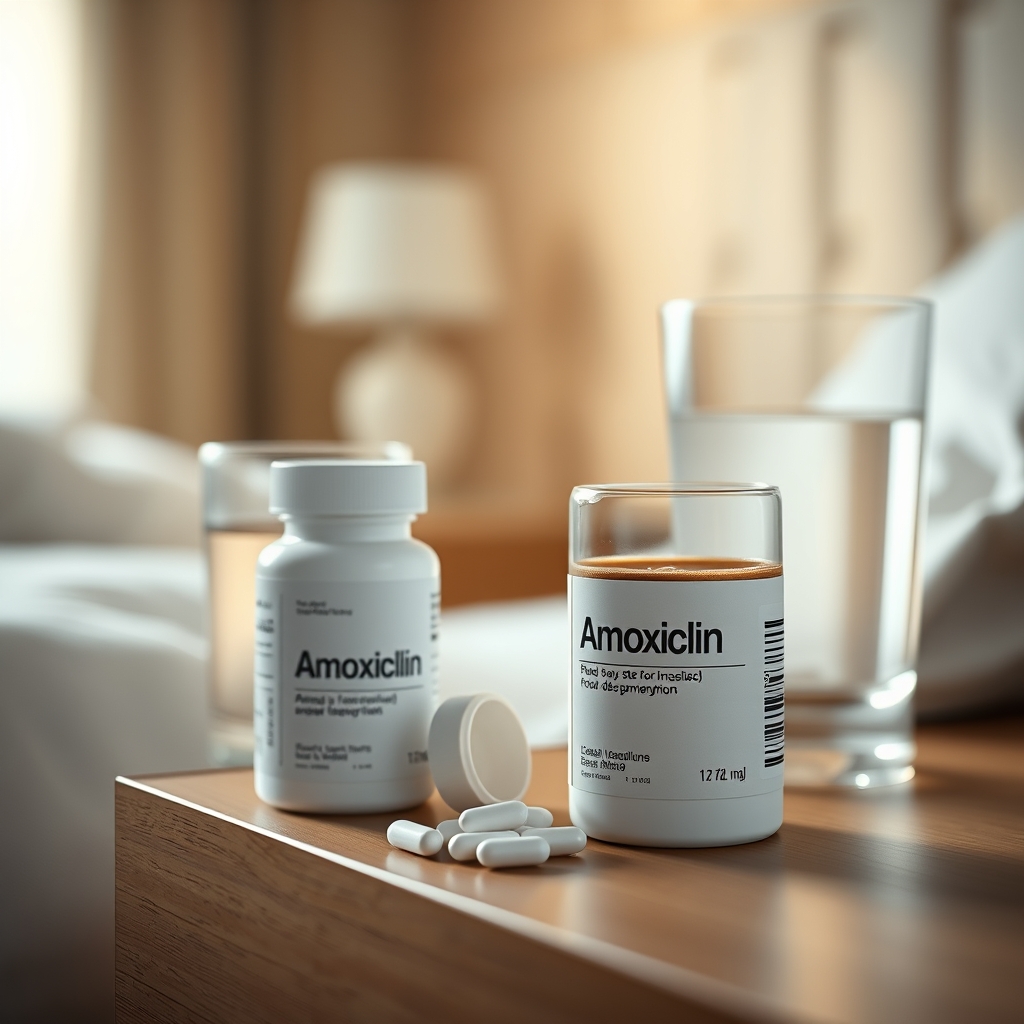
Having a trusted antibiotic on hand can ease the anxiety of a sudden sore throat.
Trimester / Breastfeeding
Verdict
Notes
1st trimester
⚠️ Safe with limits
Penicillin‑based drugs (amoxicillin, penicillin V) are preferred; avoid tetracyclines.
2nd trimester
✅ Generally safe
Most oral antibiotics, including azithromycin and cephalexin, are considered low‑risk.
3rd trimester
✅ Generally safe
Same agents as 2nd trimester; monitor for rare neonatal jaundice with certain drugs.
Breastfeeding
✅ Generally safe
Amoxicillin, penicillin, azithromycin, and cephalexin pass into breast milk in minimal amounts.
What are antibiotics for strep throat?
Strep throat is caused by Streptococcus pyogenes, a bacterium that can trigger a painful sore throat, fever, swollen lymph nodes, and sometimes complications like rheumatic fever or kidney inflammation. Antibiotics work by either killing the bacteria (bactericidal) or stopping its growth (bacteriostatic), allowing your immune system to clear the infection more quickly.
Common first‑line antibiotics for strep throat include penicillin V, amoxicillin, and, when a patient is allergic to penicillin, macrolides such as azithromycin. Other options like clindamycin or cephalexin are used when the infection is resistant or when the patient cannot tolerate the first‑line agents. The typical course lasts 10 days for penicillins and 5 days for azithromycin, though exact durations can vary based on the drug and clinical response.
Because the infection spreads easily through droplets, prompt treatment not only relieves your symptoms but also reduces the risk of transmitting the bacteria to your baby’s developing immune system, to other family members, or to healthcare workers.
Are antibiotics for strep throat safe during pregnancy?
Current guidance from the American College of Obstetricians and Gynecologists (ACOG) and the UK’s National Health Service (NHS) states that penicillin‑type antibiotics (penicillin V, amoxicillin) are pregnancy safe and are the preferred first‑line treatment for strep throat. The U.S. Food and Drug Administration (FDA) classifies these drugs as Category B, meaning animal studies have not shown a risk to the fetus and there are no adequate human studies showing danger.
Azithromycin, a macrolide often used for penicillin‑allergic patients, is also considered low‑risk in pregnancy. The Centers for Disease Control and Prevention (CDC) includes azithromycin on its list of antibiotics safe for pregnant patients with bacterial infections.
Conversely, antibiotics such as doxycycline (a tetracycline) and fluoroquinolones (ciprofloxacin, levofloxacin) are generally avoided because they cross the placenta and have been linked to fetal bone growth inhibition and cartilage development concerns.
Overall, the evidence suggests that the majority of antibiotics prescribed for strep throat are safe for you and your baby, provided you follow the recommended dosage and complete the full course.
First trimester antibiotics for strep throat
The first trimester is the period of organogenesis, when the baby’s major organs are forming. Because of this heightened sensitivity, clinicians prefer antibiotics with the longest safety record. Penicillin V and amoxicillin are the gold standard; they have been used for decades with no signal of birth defects.
If you’re allergic to penicillin, azithromycin becomes the next safest choice. Studies published in the American Journal of Obstetrics & Gynecology show no increase in major malformations when azithromycin is used in the first trimester.
Drugs such as clindamycin are also acceptable, but they are usually reserved for cases where the infection is resistant to penicillins or macrolides. The key is to start treatment promptly—delaying therapy can increase the risk of complications that are far more harmful than the medication itself.
Second trimester strep throat treatment
During the second trimester, the baby’s organ systems are maturing, and the placenta becomes more efficient at filtering substances. This makes it a relatively safe window for most oral antibiotics. Penicillin‑based drugs remain the first choice, but azithromycin, clindamycin, and cephalexin are also considered low‑risk.
Cephalexin, a first‑generation cephalosporin, is especially useful when the infection is resistant to penicillins. The FDA lists cephalexin as Category B, and the NHS includes it among the “safe antibiotics” for pregnant patients.
Regardless of the drug, the standard adult dosage (e.g., amoxicillin 500 mg three times daily) is typically used, but your provider may adjust the dose based on your weight, kidney function, and severity of symptoms.
Third trimester strep throat antibiotics
In the third trimester, the baby’s organs are fully formed, and the main concern shifts to the potential for neonatal complications such as jaundice or transient antibiotic exposure through breast milk. Penicillins and azithromycin remain safe, and there is no strong evidence linking them to adverse neonatal outcomes.
Clindamycin and cephalexin are also acceptable, though clindamycin can sometimes cause maternal gastrointestinal upset that may affect the baby indirectly. If you’re nearing delivery, your obstetrician may prefer a shorter‑course antibiotic like azithromycin (5 days) to minimize any lingering drug in your system.
Always discuss timing with your provider if you’re close to your due date, especially if a cesarean section is planned, as prophylactic antibiotics may be administered at delivery.
Dosage of antibiotics for strep throat during pregnancy
Below is a quick reference for typical adult dosing. Your clinician will tailor the dose to your exact situation, but these numbers illustrate the usual range considered safe.
Antibiotic
Typical adult dose
Duration
Pregnancy safety note
Penicillin V
500 mg orally every 6 hours
10 days
Category B – preferred first‑line
Amoxicillin
500 mg orally every 8 hours
10 days
Category B – safe in all trimesters
Azithromycin
500 mg on day 1, then 250 mg daily
5 days total
Category B – safe for penicillin‑allergic patients
Cephalexin
500 mg orally every 6 hours
10 days
Category B – low‑risk alternative
Clindamycin
300 mg orally every 6 hours
7‑10 days
Category B – used when resistance is suspected
All of these agents are excreted in breast milk, but the concentrations are typically well below therapeutic levels for infants, making them compatible with breastfeeding when needed.
Side effects and risks
Even pregnancy‑safe antibiotics can cause mild, self‑limiting side effects. The most common include:
Yeast infections (especially with broad‑spectrum agents)
Rash or mild allergic reactions
Rare but serious reactions that warrant immediate medical attention include:
Severe rash, hives, or swelling of the face/lips (signs of anaphylaxis)
High fever, chills, or persistent vomiting despite medication
Signs of Clostridioides difficile infection: watery diarrhea lasting more than three days
Remember, untreated strep throat can lead to rheumatic fever, which can affect the heart and is far more dangerous than any antibiotic side effect. Prompt treatment is therefore a key part of protecting both you and your baby.
Safer alternatives
Penicillin – the classic first‑line drug with decades of safety data.
Amoxicillin – a penicillin derivative that’s easier on the stomach and equally safe.
Azithromycin – a macrolide that works well for penicillin‑allergic patients.
Clindamycin – useful when the bacteria show resistance to penicillins.
Cephalexin – a cephalosporin offering a broader spectrum while remaining low‑risk.
Related items — safety at a glance
Antibiotic
Verdict
One‑line note
Azithromycin
✅ Generally safe
Preferred for penicillin allergy; short course.
Amoxicillin
✅ Generally safe
First‑line, well‑studied across all trimesters.
Clindamycin
✅ Generally safe
Used for resistant infections; watch for GI upset.
Cephalexin
✅ Generally safe
Broad‑spectrum cephalosporin; low fetal exposure.
Doxycycline
❌ Best avoided
Tetracycline class; linked to fetal bone growth issues.
Erythromycin
✅ Generally safe
Older macrolide; can cause GI discomfort.
Ciprofloxacin
❌ Best avoided
Fluoroquinolone; concerns about cartilage development.
Levofloxacin
❌ Best avoided
Fluoroquinolone; similar fetal risks as ciprofloxacin.
Myth vs. fact
Myth: All antibiotics are unsafe during pregnancy.
Fact: Many antibiotics, especially penicillin‑type drugs, have a long safety record and are recommended by ACOG and the NHS for treating strep throat.
Myth: You must avoid any medication in the first trimester.
Fact: The first trimester is a critical period, but certain antibiotics are specifically endorsed for use because the benefits outweigh any theoretical risk.
Myth: If you missed a dose, the baby will be harmed.
Fact: A missed dose rarely causes fetal harm; the important step is to resume the regimen and complete the full course.
Key takeaways
Penicillin‑based antibiotics (penicillin V, amoxicillin) are the safest first‑line options for strep throat in pregnancy.
Azithromycin is a reliable alternative for penicillin‑allergic patients and is considered low‑risk across all trimesters.
Avoid tetracyclines (e.g., doxycycline) and fluoroquinolones (ciprofloxacin, levofloxacin) because of documented fetal risks.
Complete the full prescribed course to prevent complications like rheumatic fever.
Watch for serious side effects (rash, high fever, persistent diarrhea) and contact your provider promptly if they occur.
Always discuss any medication changes with your obstetrician, especially when you’re close to delivery.
Frequently asked questions
Can you take antibiotics while pregnant?
Yes – many antibiotics, including amoxicillin and azithromycin, are considered safe for use throughout pregnancy when prescribed by your provider.
What antibiotics are safe during pregnancy?
Penicillin, amoxicillin, azithromycin, clindamycin, and cephalexin are all listed as safe by ACOG and the NHS for treating bacterial infections like strep throat.
Strep throat treatment during pregnancy
The standard treatment is a 10‑day course of amoxicillin or penicillin V; if you’re allergic to penicillin, a 5‑day azithromycin regimen is commonly used.
How to treat strep throat while pregnant
Start with a prescribed antibiotic (typically amoxicillin), maintain hydration, rest, and use acetaminophen for fever if needed; avoid over‑the‑counter cold remedies that contain contraindicated ingredients.
Can strep throat harm my unborn baby?
Untreated strep throat can lead to serious complications such as rheumatic fever or kidney inflammation, which can indirectly affect fetal health; prompt treatment is therefore essential.
What happens if I don't treat strep throat while pregnant?
Without antibiotics, the infection may spread, increasing the risk of rheumatic fever, post‑streptococcal glomerulonephritis, and transmission to the newborn during delivery.
Can I take amoxicillin for strep throat while breastfeeding?
Yes – amoxicillin passes into breast milk in very low amounts and is generally considered safe for nursing infants.
Choosing a trusted antibiotic and staying hydrated can speed recovery.
When to call your doctor
If you experience any of the following while taking antibiotics for strep throat, contact your obstetric provider right away:
Severe rash, hives, or swelling of the face/lips (possible anaphylaxis)
Persistent high fever (> 38.5 °C) after 48 hours of treatment
Severe abdominal pain or vomiting that prevents you from keeping fluids down
Watery diarrhea lasting more than three days, especially with fever
Signs of preterm labor (regular contractions, pelvic pressure, vaginal bleeding)
These symptoms may indicate a reaction to the medication or a worsening infection and require professional evaluation. This article provides general information and should not replace personalized medical advice.
References
American College of Obstetricians and Gynecologists. “Antibiotic Use in Pregnancy.” ACOG Committee Opinion, 2022.
National Health Service (NHS). “Strep Throat – Treatment.” Updated 2023.
U.S. Food and Drug Administration (FDA). “Drug Safety Communication: Antibiotic Use in Pregnancy.” 2021.
Centers for Disease Control and Prevention (CDC). “Guidelines for the Treatment of Group A Streptococcal Infections.” 2022.
American Academy of Pediatrics (AAP). “Medication Use During Breastfeeding.” 2020.
World Health Organization (WHO). “Management of Acute Pharyngitis and Tonsillitis.” 2019.
Not sure about the label on Is Pregnancy Safe Antibiotics For Strep Throat Safe During Pregnancy products?
Snap the ingredients list and SafeFilter checks every ingredient for your stage — only 3 free scans this month, then you're locked until reset. Unlimited from $7/mo or $50/yr.
When Shubhra Mishra was expecting her first child in 2016, she was overwhelmed by conflicting food advice — one site said yes, another said never. By the time her second baby arrived in 2019, she realized millions of mothers face the same confusion.
That sparked a five-year journey through clinical nutrition papers, cultural diets, and expert conversations — all leading to BumpBites: a calm, compassionate space where science meets everyday motherhood.
Her long-term vision is to build a global community ensuring safe, supported, and free deliveriesfor every mother — because no woman should face pregnancy alone or uninformed. 🌿
🌍 Stand with mothers, shape safer guidance
Join a small circle of experts who review BumpBites articles so expecting parents everywhere can decide with confidence.