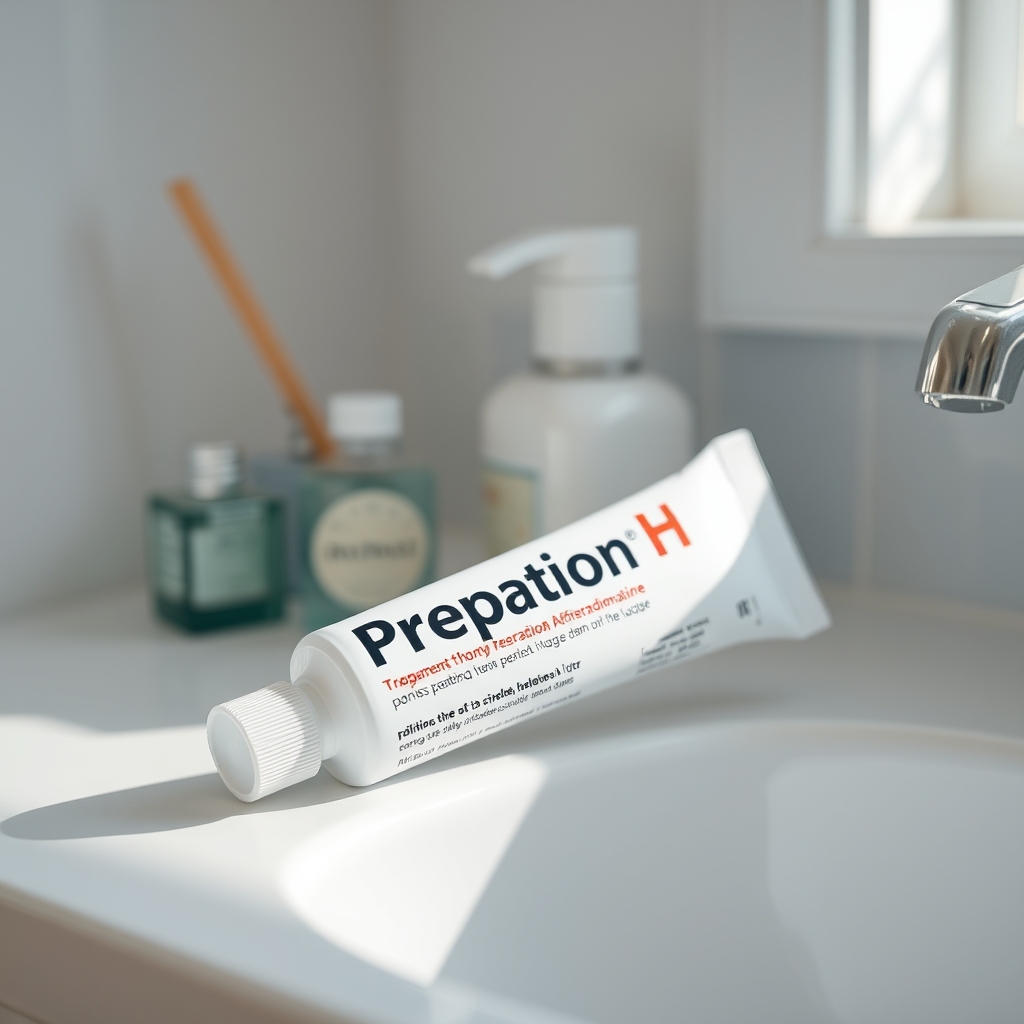
Preparation H is generally safe during pregnancy, but use with caution and follow the recommended dosage to minimize side effects
By Shubhra Mishra — a mom of two who turned her own confusion during pregnancy into BumpBites, a global mission to make food choices clear, safe, and stress-free for every expecting mother. 💛
Check whether any food is safe during pregnancy with the BumpBites Food Safety Checker.
Quick verdict: ⚠️ Talk to your doctor first. Preparation H can be used during pregnancy, but only in limited amounts and under medical guidance, especially in the first trimester.
It’s 3 a.m., the bathroom light flickers on and you spot a painful lump that just won’t quit. You grab the nearest tube of Preparation H, hoping for quick relief, and then a wave of worry hits: is Preparation H safe for pregnancy? You’re not alone—many expectant parents scramble for answers after an unexpected symptom appears. The good news is that, in most cases, the active ingredients in Preparation H are not known teratogens, but the safest approach still calls for a measured use and a conversation with your provider.
In this article we’ll give you a clear, evidence‑based verdict on Preparation H, outline how much you can apply, break down safety by trimester, and suggest gentler alternatives that won’t leave you guessing. We’ll also explore whether brand differences matter, what to watch for if you have diabetes or high blood pressure, and when it’s time to call your doctor. By the end, you’ll have the confidence to manage hemorrhoid discomfort without unnecessary worry.
Keep the product out of reach of children and store it in a cool, dry place.
Trimester / Breastfeeding
Verdict
Notes
1st trimester
⚠️ Use only if recommended by your provider
Limited data; avoid unless symptoms are severe.
2nd trimester
✅ Generally safe in limited amounts
Apply thin layer up to 4 times daily; monitor for irritation.
3rd trimester
✅ Generally safe in limited amounts
Same dosing as 2nd trimester; consider postpartum use for recovery.
Breastfeeding
✅ Safe
Minimal systemic absorption; still use sparingly.
What is Preparation H? Preparation H is a brand name for a family of over‑the‑counter hemorrhoid products that typically combine a topical anesthetic (such as pramoxine), astringents (like phenylephrine), and soothing agents (such as petrolatum or zinc oxide). The goal is to shrink swollen veins, reduce itching, and provide a protective barrier that keeps the area moist and less prone to friction. Most variations come as creams, ointments, or medicated wipes that you apply directly to the affected skin. Because the active ingredients act locally and are poorly absorbed into the bloodstream, they are generally considered low‑risk for systemic effects—an important factor when pregnancy is involved.
Preparation H is used by many pregnant individuals who experience hemorrhoids, a common complaint due to increased blood volume, hormonal changes, and pressure from the growing uterus. While the product can bring fast symptom relief, the safety profile hinges on the specific formulation, the amount applied, and the stage of pregnancy.
Apply a thin layer only; excess can increase systemic absorption.
Is Preparation H safe to use during pregnancy?
Current guidance from the American College of Obstetricians and Gynecologists (ACOG) and the UK’s National Health Service (NHS) suggests that topical hemorrhoid treatments, including Preparation H, are generally safe when used in the lowest effective amount. ACOG notes that the active ingredients—phenylephrine (a vasoconstrictor) and pramoxine (a local anesthetic)—have minimal systemic absorption, meaning they are unlikely to reach the fetus in quantities that would cause harm. The FDA classifies most over‑the‑counter hemorrhoid creams as Category B, indicating that animal studies have not shown a risk to the fetus, and there are no well‑controlled human studies showing danger.
That said, the first trimester is a period of rapid organ formation (organogenesis), and many clinicians prefer to limit any non‑essential medication during this window. If you experience severe pain or bleeding, your provider may still prescribe a short course of a stronger medication, but for most mild to moderate hemorrhoids, a cautious use of Preparation H is acceptable.
It’s also worth noting that some formulations contain zinc oxide, a mineral that is widely regarded as safe in pregnancy. However, other versions may include fragrance or preservatives that could irritate sensitive skin. Always read the label and choose a fragrance‑free option when possible.
Can I use Preparation H in the first trimester?
The first trimester is when the embryo is most vulnerable to teratogenic influences. While there is no direct evidence that Preparation H causes birth defects, the precautionary principle still applies. ACOG advises that pregnant patients limit exposure to vasoconstrictors like phenylephrine during early pregnancy unless the benefit clearly outweighs the potential risk. In practice, that means:
Only apply a thin layer (about the size of a pea) up to four times a day.
Avoid using the product on broken skin or large open wounds, which could increase absorption.
Consider non‑medicated options—such as witch hazel pads or warm sitz baths—before reaching for a medicated cream.
If hemorrhoid pain is severe and interferes with daily activities, discuss it with your obstetrician. They may recommend an alternative or a prescription‑strength treatment that has a well‑documented safety record for early pregnancy.
What is the recommended dosage of Preparation H for pregnant women?
For most over‑the‑counter Preparation H products, the standard dosing is a thin layer applied to the affected area up to four times daily. This equates to roughly 0.5 g per application, or about 2 g per day total. The product should be used for no longer than 7 days without a medical review, as prolonged use can lead to skin irritation or systemic absorption.
Pregnant users should follow these specific guidelines:
Apply a pea‑sized amount to the hemorrhoid after gentle cleaning.
Limit applications to four times per day—morning, midday, early evening, and before bedtime.
Do not exceed a week of continuous use without consulting your provider.
Choose fragrance‑free or zinc‑oxide‑based formulations when possible.
These recommendations align with the FDA’s OTC monograph for hemorrhoid creams and the NHS’s advice on topical medication safety in pregnancy.
Are there safer alternatives to Preparation H for hemorrhoids in pregnancy?
If you’d prefer to avoid medicated creams altogether, there are several gentle, pregnancy‑approved options that can alleviate discomfort without the need for vasoconstrictors or anesthetics.
Witch hazel pads – provide a natural astringent effect with minimal irritation.
Aloe vera gel – soothes inflammation and keeps the area moist.
Coconut oil – a hypoallergenic lubricant that reduces friction.
Sitz bath with warm water – a simple, drug‑free way to decrease swelling.
Tucks Medicated Pads (zinc oxide) – contain zinc oxide, a mineral known to be safe in pregnancy.
Hydrocortisone 1% cream (Category B) – offers mild anti‑inflammatory relief if itching is severe.
Psyllium husk fiber supplement – prevents constipation, a common cause of hemorrhoids.
Epsom salt bath – the magnesium sulfate can reduce swelling and promote relaxation.
These alternatives are frequently recommended by obstetricians and midwives because they address the underlying causes (such as constipation) while providing symptomatic relief.
Does the brand of Preparation H affect safety for pregnant users?
Not all Preparation H products are identical. The brand offers several variations, including “Preparation H Cream,” “Preparation H Medicated Ointment,” and “Preparation H Suppositories.” The key differences lie in the concentration of phenylephrine and whether additional ingredients like zinc oxide or lidocaine are present.
In general, the versions that contain zinc oxide are considered the safest because zinc oxide is a mineral with a long track record of safe topical use in pregnancy. Products that rely solely on phenylephrine without zinc oxide may carry a slightly higher theoretical risk of vasoconstriction, though systemic absorption remains low.
When choosing a specific Preparation H product, look for:
Low phenylephrine concentration (≤ 0.25%).
Inclusion of zinc oxide or other mineral‑based soothing agents.
Fragrance‑free labeling to reduce skin irritation.
If you’re uncertain which formulation is best for you, ask your pharmacist or obstetrician for a recommendation that aligns with the safety data.
What are the risks of using Preparation H while pregnant?
While serious fetal risks are unlikely, there are a few maternal side effects and precautionary notes to keep in mind:
Local skin irritation – redness, itching, or a burning sensation may occur, especially with prolonged use.
Allergic reaction – rare, but possible if you’re sensitive to preservatives or fragrance.
Systemic absorption – extremely low, but in theory, phenylephrine could cause mild vasoconstriction, leading to increased blood pressure.
Masking underlying issues – over‑reliance on a topical cream might delay seeking care for severe bleeding or thrombosed hemorrhoids.
Most of these risks are manageable with proper usage and monitoring. If you develop any of the following, contact your provider promptly: persistent burning, spreading redness, swelling beyond the treated area, or any signs of infection such as fever or foul‑smelling discharge.
Can Preparation H be used by pregnant women with diabetes?
Pregnant individuals with diabetes often worry about any medication that could affect blood glucose. Because Preparation H’s active ingredients act locally and are not absorbed in quantities that influence metabolism, they are not known to affect blood sugar levels. However, if you have diabetic neuropathy or peripheral vascular disease, the vasoconstrictor phenylephrine could theoretically worsen circulation in the affected area.
Most endocrinology and obstetric guidelines (including those from the American Diabetes Association) state that topical hemorrhoid treatments are acceptable for pregnant patients with diabetes, provided they are used sparingly and the skin is intact. Always discuss any new product with your diabetes care team to ensure it fits within your overall management plan.
How long can I apply Preparation H during pregnancy?
Short‑term use—up to one week—is considered safe for most pregnant patients. Extending beyond seven days without medical supervision can increase the chance of skin irritation and may raise concerns about cumulative phenylephrine exposure. If you find that you need to use the cream for longer than a week, schedule a visit with your obstetrician. They can evaluate whether a prescription‑strength treatment or an alternative approach is warranted.
Safe dosage / amount / brands
Item
Safe amount
Recommended brands
Brands to avoid
Preparation H Cream (phenylephrine 0.25%)
≤ 0.5 g per application, up to 4×/day
Original Preparation H Cream, Preparation H Medicated Ointment with zinc oxide
Any version with added fragrance or > 0.5% phenylephrine
When selecting a product, always verify that the label lists “phenylephrine ≤ 0.25%” and “zinc oxide” if you prefer a mineral‑based formulation. If you’re buying online, check for third‑party testing or FDA registration to avoid counterfeit products.
Side effects and risks
Most users tolerate Preparation H without issue, but the following side effects can occur:
Localized burning or stinging – usually mild and resolves after a few minutes; if it persists, discontinue use.
Rash or hives – may indicate an allergic reaction; stop the product and seek medical care.
Increased blood pressure – rare, but phenylephrine can cause a temporary rise; monitor your blood pressure if you have pre‑eclampsia risk.
Infection – over‑use can disrupt the skin’s natural barrier, making it more susceptible to bacterial overgrowth.
Most of these are not dangerous to the fetus, but they can affect your comfort and health. If you notice any of the above, especially a rash that spreads or a fever, call your provider promptly.
Safer alternatives
Witch hazel pads – natural astringent with minimal systemic absorption.
Aloe vera gel – cooling, anti‑inflammatory, safe for skin.
Coconut oil – lubricates and reduces friction without chemicals.
Sitz bath with warm water – promotes circulation and eases swelling.
Tucks Medicated Pads (zinc oxide) – mineral‑based, widely used in pregnancy.
Hydrocortisone 1% cream (Category B) – mild steroid for itching, safe when used sparingly.
Psyllium husk fiber supplement – prevents constipation, a root cause of hemorrhoids.
Epsom salt bath – magnesium sulfate helps reduce edema and soothes discomfort.
Related items — safety at a glance
Item
Verdict
Note
Preparation H Hydrocortisone
✅ Generally safe
Contains 1% hydrocortisone, a Category B steroid.
Preparation H Medicated
✅ Generally safe
Includes zinc oxide; low systemic absorption.
Anusol HC
✅ Generally safe
Contains hydrocortisone and zinc oxide; similar safety profile.
Contains lidocaine; limited data for first trimester.
Hemorrhoid cream with lidocaine
⚠️ Use with caution
Lidocaine can be absorbed; discuss with provider.
Zinc oxide ointment
✅ Generally safe
Mineral‑based, minimal absorption.
Cushion Foam
✅ Generally safe
Non‑medicated, provides mechanical relief only.
Myth vs. fact
Myth: All hemorrhoid creams are unsafe during pregnancy because they contain vasoconstrictors.
Fact: Most over‑the‑counter products, including many Preparation H formulations, have minimal systemic absorption and are considered safe when used sparingly, especially after the first trimester.
Myth: You must stop using any hemorrhoid treatment as soon as you discover you’re pregnant.
Fact: If hemorrhoid symptoms are severe, a short course of a safe topical product can be used under medical guidance; abrupt discontinuation can worsen pain and bleeding.
Myth: Natural remedies like witch hazel are always safer than medicated creams.
Fact: While witch hazel is gentle, it may not provide sufficient relief for severe hemorrhoids, and some people may still experience irritation; both options can be appropriate depending on severity.
Key takeaways
Preparation H can be used during pregnancy, but limit to a thin layer up to four times daily and no longer than one week without doctor review.
The first trimester calls for extra caution; discuss any use with your obstetrician.
Choose formulations that contain zinc oxide and avoid added fragrances or high phenylephrine concentrations.
Safe alternatives—witch hazel pads, aloe vera gel, sitz baths, and fiber supplements—are effective and have strong safety records.
Watch for skin irritation, allergic reactions, or unexpected increases in blood pressure, and seek care if they occur.
Always keep your provider in the loop, especially if you have diabetes, hypertension, or a history of severe hemorrhoids.
Frequently asked questions
Is Preparation H safe during pregnancy?
Yes, Preparation H is generally considered safe for pregnant women when used in the recommended amount (a thin layer up to four times daily) and for no longer than a week without medical supervision.
Can I use Preparation H in the second trimester?
In the second trimester, Preparation H is deemed safe for limited use; you can apply a thin layer up to four times a day, following the product’s instructions and your provider’s advice.
What are the side effects of Preparation H for pregnant women?
Common side effects include localized burning, itching, or mild skin irritation; rare reactions may involve rash, allergic response, or a temporary rise in blood pressure.
Are there natural remedies for hemorrhoids safe in pregnancy?
Yes—witch hazel pads, aloe vera gel, coconut oil, warm sitz baths, Tucks zinc‑oxide pads, and fiber supplements like psyllium husk are all pregnancy‑friendly options.
How long can I apply Preparation H while pregnant?
You should limit continuous use to seven days; if symptoms persist beyond a week, contact your obstetrician for further evaluation.
Does Preparation H contain any harmful ingredients for a fetus?
Preparation H’s active ingredients (phenylephrine and pramoxine) have minimal systemic absorption and are not classified as teratogenic, but caution is advised during the first trimester.
Should I avoid Preparation H if I have high blood pressure during pregnancy?
If you have hypertension or pre‑eclampsia, discuss the use of phenylephrine‑containing products with your provider, as vasoconstrictors can theoretically raise blood pressure.
Can I use Preparation H after delivery?
Yes, postpartum use is generally safe and can aid in healing hemorrhoids that often worsen after childbirth; still follow the same dosing guidelines.
When to call your doctor
If you experience any of the following while using Preparation H, contact your obstetrician or midwife right away:
Persistent or worsening burning, redness, or swelling beyond the treated area.
Signs of infection such as fever, chills, or foul‑smelling discharge.
Allergic reaction symptoms like hives, swelling of the face or lips, or difficulty breathing.
Sudden increase in blood pressure, especially if you have a history of hypertension.
Bleeding that does not stop within 24 hours or is accompanied by severe pain.
These symptoms could indicate a complication that needs professional assessment. Remember, this article provides general information and does not replace personalized medical advice.
References
American College of Obstetricians and Gynecologists (ACOG). “Management of Hemorrhoids in Pregnancy.” Obstetrics & Gynecology, 2022.
National Health Service (NHS). “Hemorrhoids – treatment and self‑care.” Updated 2023.
U.S. Food and Drug Administration (FDA). “Over‑the‑counter Hemorrhoid Creams: Safety Information.” 2021.
American Diabetes Association. “Pregnancy and Diabetes.” Standards of Medical Care in Diabetes—2023.
Centers for Disease Control and Prevention (CDC). “Pregnancy‑related medication safety.” 2022.
World Health Organization (WHO). “Guidelines for the Management of Common Pregnancy‑Related Conditions.” 2020.
Mayo Clinic. “Hemorrhoids – symptoms and causes.” Accessed July 2024.
U.S. National Library of Medicine. “Phenylephrine: Drug Information.” 2023.
Not sure about the label on Is Preparation H Safe During Pregnancy products?
Snap the ingredients list and SafeFilter checks every ingredient for your stage — only 3 free scans this month, then you're locked until reset. Unlimited from $7/mo or $50/yr.
When Shubhra Mishra was expecting her first child in 2016, she was overwhelmed by conflicting food advice — one site said yes, another said never. By the time her second baby arrived in 2019, she realized millions of mothers face the same confusion.
That sparked a five-year journey through clinical nutrition papers, cultural diets, and expert conversations — all leading to BumpBites: a calm, compassionate space where science meets everyday motherhood.
Her long-term vision is to build a global community ensuring safe, supported, and free deliveriesfor every mother — because no woman should face pregnancy alone or uninformed. 🌿
🌍 Stand with mothers, shape safer guidance
Join a small circle of experts who review BumpBites articles so expecting parents everywhere can decide with confidence.