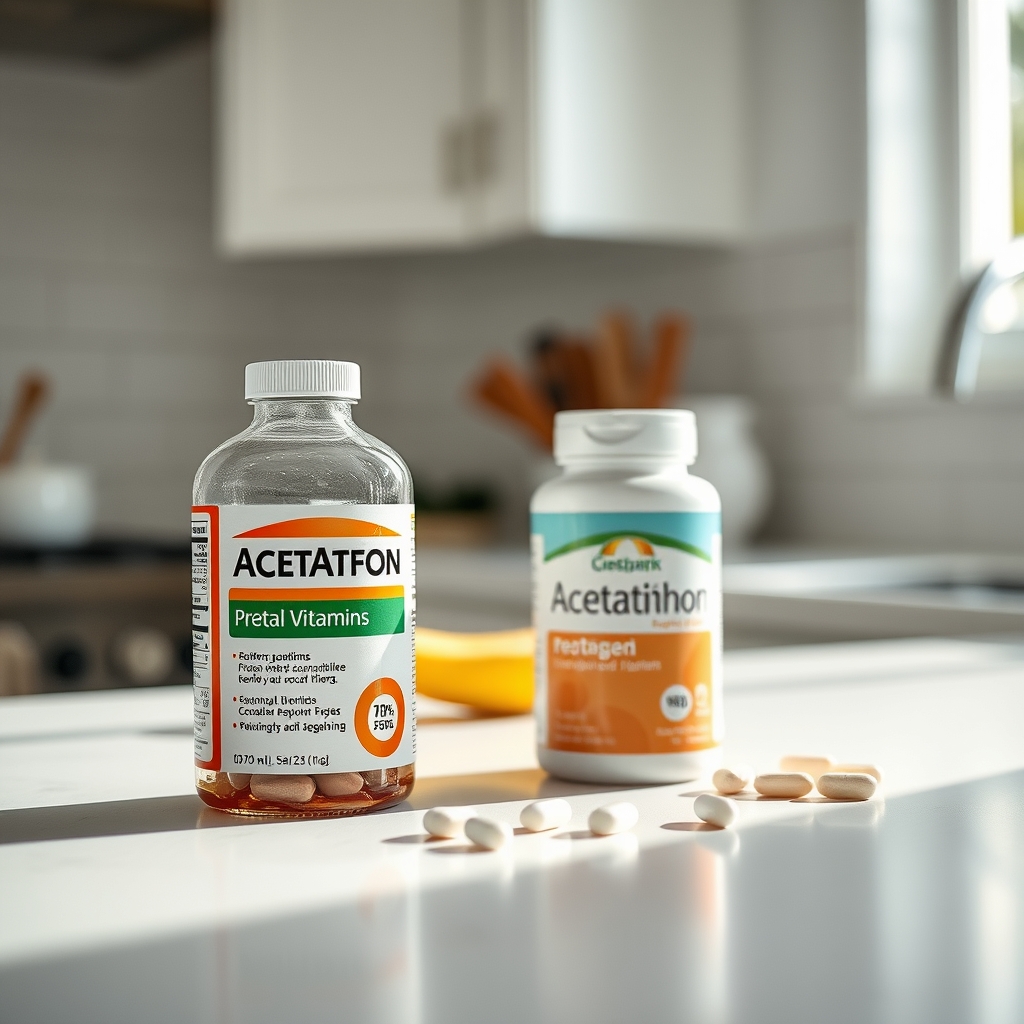
Limit: Pain medication safe for pregnancy – most are restricted after the first trimester, with acetaminophen allowed up to 3 g daily. Learn safe dosages and alternatives.
By Shubhra Mishra — a mom of two who turned her own confusion during pregnancy into BumpBites, a global mission to make food choices clear, safe, and stress-free for every expecting mother. 💛
Check whether any food is safe during pregnancy with the BumpBites Food Safety Checker.
Quick verdict: ⚠️ Talk to your doctor first. Pain medication can be safe for pregnancy when used appropriately, but the safest choice, dosage, and timing depend on the specific drug and trimester.
It’s 3 a.m., you’re curled up on the couch, and a throbbing headache or back ache suddenly makes you wonder: “Is this pain medication safe for pregnancy?” You’re not alone—many expecting parents stare at a bottle of Tylenol or a box of ibuprofen and feel a surge of anxiety. The good news is that most common pain relievers have clear guidelines, and with the right information you can make a calm, informed decision.
In this article we answer the most pressing questions about pain medication safe for pregnancy, including which drugs are generally okay, how much you can take, what changes from the first to the third trimester, and what safer, non‑pharmacologic options you might try instead. We’ll also compare popular over‑the‑counter and prescription options so you can see at a glance which ones to avoid.
Read on for a quick verdict, a trimester‑by‑trimester safety snapshot, dosage guidelines, side‑effect warnings, and a list of natural alternatives that can help you manage pain without medication.
When you’re unsure about a pain reliever, taking a moment to breathe can help you decide what’s safest for you and your baby.
✅ Acetaminophen generally safe; NSAIDs may be used short‑term
Limit ibuprofen to ≤1200 mg/day; avoid high‑dose naproxen.
Third trimester
⚠️ Avoid NSAIDs; acetaminophen still preferred
NSAIDs can close the ductus arteriosus; opioids increase neonatal respiratory depression.
Breastfeeding
✅ Acetaminophen and low‑dose ibuprofen are compatible
Most opioids pass into milk in low amounts; discuss with your provider.
Understanding what “pain medication” means is the first step toward using it safely. Pain medication is a broad term that includes over‑the‑counter (OTC) drugs such as acetaminophen (Tylenol) and non‑steroidal anti‑inflammatory drugs (NSAIDs) like ibuprofen (Advil, Motrin) and naproxen (Aleve), as well as prescription opioids (codeine, oxycodone, tramadol) and other agents such as muscle relaxers or topical creams. These agents work by either blocking pain signals in the brain, reducing inflammation, or relaxing muscles. Pregnant people often reach for these medications to manage common discomforts—headaches, back pain, dental pain, or after surgery.
Because a developing fetus is especially sensitive to chemical exposures, the safety profile of each medication can change as pregnancy progresses. The first trimester is a period of organ formation, making it the most vulnerable window for teratogenic effects. The second and third trimesters involve rapid growth and preparation for birth, where some drugs can affect blood flow or organ function. Knowing which medication aligns with each stage helps you avoid unnecessary risks.
In short, acetaminophen is the most studied and widely recommended pain medication safe for pregnancy when used at recommended doses. NSAIDs are generally safe after the first trimester but must be avoided in the third trimester. Opioids and many prescription pain relievers should only be used under close medical supervision because of risks such as neonatal withdrawal syndrome and birth defects.
Safety by trimester
First trimester (weeks 1‑13)
During organogenesis, the fetus is most vulnerable to substances that can cause birth defects (teratogens). Most studies, including ACOG’s “Medication Use in Pregnancy” guidance, find that acetaminophen taken at ≤3 g per day does not increase major malformations. NSAIDs, however, have been associated with a modestly higher risk of miscarriage and certain heart defects when used frequently. Opioids cross the placenta and can lead to neonatal abstinence syndrome if used long‑term.
Second trimester (weeks 14‑27)
Inflammation control becomes more important as the mother’s weight increases. NSAIDs can be used short‑term (e.g., for dental pain) at ≤1200 mg/day of ibuprofen, but clinicians often recommend staying under the maximum OTC dose. Acetaminophen remains the safest option, and the FDA still classifies it as Pregnancy Category B. Opioids should still be limited to acute pain and prescribed at the lowest effective dose.
Third trimester (weeks 28‑birth)
NSAIDs are generally avoided after week 30 because they can cause premature closure of the ductus arteriosus, a vital fetal blood vessel, and may reduce amniotic fluid. Acetaminophen is still considered safe up to delivery, though some recent studies suggest a possible link to childhood behavioral issues when used excessively—so keep to the recommended dose. Opioids carry a higher risk of neonatal respiratory depression and should be used only when absolutely necessary.
Breastfeeding
Acetaminophen and low‑dose ibuprofen are both excreted in breast milk in very small amounts and are deemed compatible with nursing by the CDC. Most opioids do pass into milk, but the quantities are usually low; however, the American Academy of Pediatrics advises caution and close monitoring.
Acetaminophen is the go‑to pain reliever for many pregnant people because it’s widely studied and generally safe.
What pain relievers are safe during first trimester pregnancy?
In the first trimester, the safest OTC pain medication is acetaminophen, limited to 3 g per day (about six extra‑strength tablets). NSAIDs such as ibuprofen and naproxen should be avoided unless a doctor specifically advises otherwise. If you need relief for a dental procedure or severe migraine, your dentist or OB‑GYN may prescribe a short course of ibuprofen, but this is the exception rather than the rule.
Can I take ibuprofen while pregnant and what are the risks?
I
buprofen is an NSAID that reduces inflammation and fever. According to the NHS, occasional low‑dose ibuprofen (≤1200 mg per day) after the first trimester is permissible for short‑term use. However, it can increase the risk of miscarriage when taken in the first trimester and may cause premature closure of the fetal ductus arteriosus in the third trimester. The ACOG advises limiting ibuprofen to the second trimester and only when necessary.
What is the maximum safe dose of Tylenol during pregnancy?
Tylenol (acetaminophen) is considered safe for pregnancy at up to 3 g per day, which equals eight regular‑strength 500 mg tablets. The FDA still classifies it as a Category B drug, meaning animal studies have not shown risk but adequate human studies are lacking. Exceeding this amount can stress the liver and, per emerging research, may be linked to developmental concerns, so staying within the recommended limit is essential.
Are prescription pain medications like opioids safe during pregnancy?
Prescription opioids (e.g., codeine, oxycodone, tramadol) cross the placenta and can lead to neonatal abstinence syndrome, low birth weight, and potential birth defects when used long‑term. The ACOG recommends that opioids be prescribed only for acute, severe pain and at the lowest effective dose. If you are already on an opioid for chronic pain, discuss a taper plan with your provider well before conception.
What are natural alternatives for pain relief during pregnancy?
Non‑pharmacologic methods can be very effective and carry no medication‑related fetal risk. Options include acupuncture, prenatal massage, warm baths, heat or cold packs, physical therapy, rest, TENS (transcutaneous electrical nerve stimulation) units, chiropractic care, meditation, and supportive maternity belts. Many of these approaches are endorsed by the NHS and Mayo Clinic for managing back pain and headaches during pregnancy.
Best over‑the‑counter pain relief for pregnancy headaches?
Acetaminophen remains the first‑line OTC choice for pregnancy‑related headaches. If a headache is due to inflammation, a short course of ibuprofen (≤1200 mg/day) after the first trimester may be considered, but only under medical guidance. Caffeine‑containing analgesics (e.g., Excedrin) should be avoided because high caffeine intake can affect fetal heart rate.
Is naproxen safe to take in the third trimester?
Naproxen, like other NSAIDs, is generally contraindicated after week 30 because it can cause premature closure of the ductus arteriosus and reduce amniotic fluid. The FDA’s labeling advises against use in the third trimester unless the benefits outweigh the risks and the mother is under close supervision.
What are the long‑term effects of NSAID use during pregnancy?
Long‑term or frequent NSAID use in pregnancy has been linked to a modest increase in risks for certain heart defects, miscarriage, and reduced fetal kidney function. A 2022 systematic review in the BMJ found that regular NSAID exposure, especially in the first trimester, may be associated with a higher incidence of congenital heart anomalies. Therefore, limiting NSAID exposure to short‑term, medically supervised courses is prudent.
Safe dosage / amount / brands
Below is a quick reference for the most common OTC pain relievers:
Medication
Maximum safe daily dose (pregnancy)
Preferred brands
Brands to avoid
Acetaminophen (Tylenol)
≤3 g (≈8 × 500 mg tablets)
Tylenol Regular Strength, Tylenol Extra Strength
Combination products with caffeine or other additives
When choosing a brand, look for products that contain only the active ingredient (e.g., plain acetaminophen) without added caffeine, antihistamines, or decongestants, which can affect blood pressure and fetal heart rate.
Side effects and risks
Even safe medications can cause side effects. Common, non‑dangerous reactions include mild stomach upset with NSAIDs or transient liver enzyme elevation with high‑dose acetaminophen. More serious concerns that require immediate medical attention include:
Severe abdominal pain, jaundice, or dark urine after acetaminophen—possible liver injury.
Sudden swelling, shortness of breath, or chest pain after NSAIDs—signs of a rare allergic reaction.
Persistent sedation, difficulty breathing, or neonatal withdrawal symptoms after opioid use.
If you notice any of these red‑flag symptoms, contact your obstetric provider right away. Remember, this article is informational and not a substitute for personalized medical advice.
Safer alternatives
Acupuncture – can reduce headache frequency without medication.
Prenatal massage – helps ease back and neck pain safely.
Warm bath or shower – muscle relaxation and pain relief.
Heat or cold packs – targeted relief for joint or muscle aches.
Physical therapy – tailored exercises to strengthen supportive muscles.
Rest – adequate sleep can lessen chronic pain.
TENS unit – electrical stimulation that blocks pain signals.
Chiropractic care – gentle adjustments for spinal alignment.
Support belts – provide abdominal support and reduce strain on the lower back.
Related items — safety at a glance
Item
Verdict
One‑line note
Acetaminophen (Tylenol)
✅ Generally safe
Up to 3 g/day; preferred first‑line analgesic.
Ibuprofen (Advil, Motrin)
⚠️ Use with caution
Safe after first trimester, avoid third trimester.
Naproxen (Aleve)
⚠️ Avoid third trimester
Limited to short courses in 2nd trimester.
Aspirin
⚠️ Low‑dose only
Low‑dose (81 mg) may be prescribed for preeclampsia prevention.
Codeine
⚠️ Use only under doctor’s direction
Risk of neonatal withdrawal; limit duration.
Oxycodone
❌ Generally avoided
High risk of dependence and fetal harm.
Tramadol
⚠️ Use only if prescribed
Potential seizure risk; monitor closely.
Cyclobenzaprine
⚠️ Not recommended
Limited safety data; avoid unless essential.
Topical pain creams
✅ Generally safe
Apply to limited skin area; avoid near abdomen.
Gabapentin
⚠️ Use with caution
Limited data; usually reserved for neuropathic pain under specialist care.
Myth vs. fact
Myth: All painkillers are unsafe during pregnancy.
Fact: Acetaminophen is widely regarded as safe when taken at recommended doses, while NSAIDs and opioids have specific trimester‑related restrictions.
Myth: You must avoid any medication once you discover you’re pregnant.
Fact: Many medications, including certain pain relievers, are safe and sometimes necessary for maternal health; the key is using the right drug at the right dose.
Myth: Natural remedies are always safe and effective.
Fact: While non‑pharmacologic methods are low‑risk, their effectiveness varies, and some (e.g., certain herbal supplements) can interact with prenatal vitamins.
Key takeaways
Acetaminophen is the safest first‑line pain medication for pregnancy, limited to ≤3 g per day.
NSAIDs (ibuprofen, naproxen) can be used after the first trimester but should be avoided in the third trimester.
Prescription opioids carry significant fetal risks and should be prescribed only when absolutely necessary.
Consult your obstetric provider before starting any new pain medication, especially in the first trimester.
Consider non‑pharmacologic options—acupuncture, massage, heat/cold therapy, and TENS—as effective adjuncts or alternatives.
Frequently asked questions
Is Tylenol safe during pregnancy?
Yes, Tylenol (acetaminophen) is generally considered safe for pregnancy when limited to 3 g per day (about eight regular‑strength tablets). Exceeding this amount can stress the liver and may be linked to developmental concerns, so stick to the recommended dosage.
Can I take ibuprofen while pregnant?
Ibuprofen can be used after the first trimester at low doses (≤1200 mg/day) for short‑term pain, but it should be avoided in the third trimester due to risks to the fetal ductus arteriosus. Always check with your provider before using it.
What pain relief can I take in early pregnancy?
In early pregnancy (first trimester), acetaminophen is the preferred OTC option. NSAIDs and opioids should be avoided unless a physician specifically prescribes them for a compelling medical reason.
What pain medication is safe for pregnancy headaches?
Acetaminophen is the first‑line treatment for pregnancy‑related headaches. If inflammation is suspected, a short course of ibuprofen (under medical supervision) after the first trimester may be considered, but caffeine‑containing combos should be avoided.
Are muscle relaxers safe during pregnancy?
Most muscle relaxers, such as cyclobenzaprine, have limited safety data and are generally not recommended unless the benefits clearly outweigh the risks. Your provider may prescribe a low‑dose option if severe muscle spasm is present.
What are natural ways to relieve pain during pregnancy?
Safe natural methods include acupuncture, prenatal massage, warm baths, heat or cold packs, physical therapy, rest, TENS units, chiropractic care, meditation, and supportive maternity belts. These approaches can reduce reliance on medication.
Can I take Aleve while pregnant?
Aleve (naproxen) should be avoided in the third trimester and used only sparingly in the second trimester at ≤660 mg per day. Because of the risk of fetal kidney issues, many providers prefer ibuprofen over naproxen for pregnant patients.
What are the risks of taking Advil while pregnant?
Advil (ibuprofen) carries a modest risk of miscarriage when taken in the first trimester and can cause premature closure of the fetal ductus arteriosus in the third trimester. Use is generally acceptable after week 13 at low doses for short‑term pain.
When to call your doctor
Contact your obstetric provider promptly if you experience any of the following after taking a pain medication:
Severe abdominal pain, yellowing of the skin or eyes, or dark urine (possible liver injury).
Sudden swelling, shortness of breath, or rash (possible allergic reaction).
Unusual fetal movement patterns or decreased activity.
Signs of opioid dependence, such as cravings, withdrawal symptoms, or persistent sedation.
Any persistent headache or pain that does not improve with recommended doses.
These symptoms could indicate a complication that requires medical evaluation. This article provides general information and should not replace personalized advice from your healthcare provider.
References
American College of Obstetricians and Gynecologists (ACOG). “Medication Use in Pregnancy.” 2023.
National Health Service (NHS). “Painkillers and pregnancy.” Updated 2022.
U.S. Food and Drug Administration (FDA). “Acetaminophen Pregnancy Category B.” 2021.
Centers for Disease Control and Prevention (CDC). “Opioid Use in Pregnancy.” 2022.
Mayo Clinic. “Pregnancy and pain relief.” Retrieved 2024.
World Health Organization (WHO). “Guidelines on safe use of NSAIDs in pregnancy.” 2020.
British Medical Journal (BMJ). “NSAID exposure and congenital heart defects: systematic review.” 2022.
Not sure about the label on Is Pain Medication Safe During Pregnancy products?
Snap the ingredients list and SafeFilter checks every ingredient for your stage — only 3 free scans this month, then you're locked until reset. Unlimited from $7/mo or $50/yr.
When Shubhra Mishra was expecting her first child in 2016, she was overwhelmed by conflicting food advice — one site said yes, another said never. By the time her second baby arrived in 2019, she realized millions of mothers face the same confusion.
That sparked a five-year journey through clinical nutrition papers, cultural diets, and expert conversations — all leading to BumpBites: a calm, compassionate space where science meets everyday motherhood.
Her long-term vision is to build a global community ensuring safe, supported, and free deliveriesfor every mother — because no woman should face pregnancy alone or uninformed. 🌿
🌍 Stand with mothers, shape safer guidance
Join a small circle of experts who review BumpBites articles so expecting parents everywhere can decide with confidence.