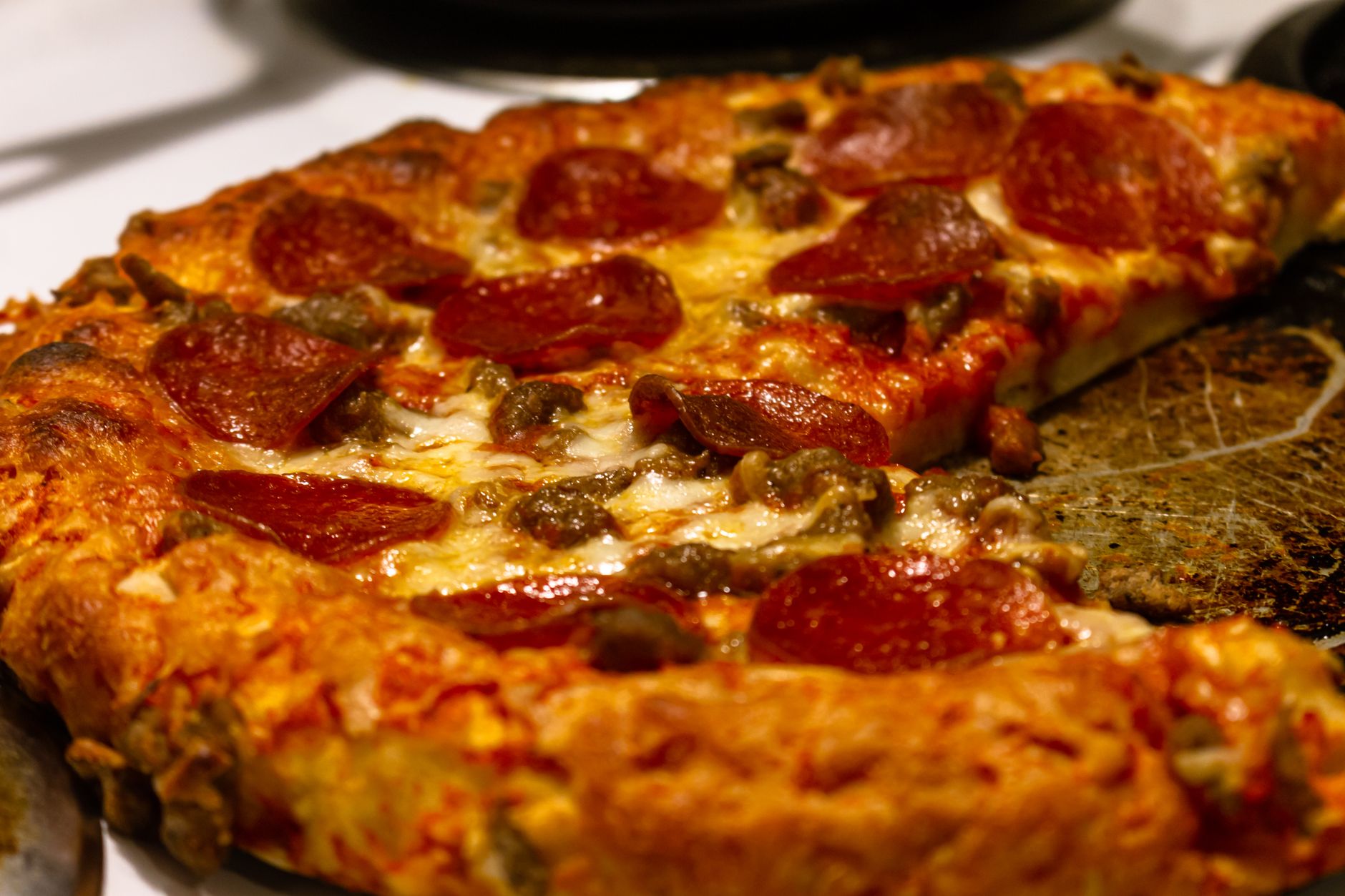
Limit pepperoni during pregnancy. Safe in moderation (1-2 slices max) if fully cooked, but avoid raw or high-sodium varieties, especially in the first trimester.
By Shubhra Mishra — a mom of two who turned her own confusion during pregnancy into BumpBites, a global mission to make food choices clear, safe, and stress-free for every expecting mother. 💛
Check whether any food is safe during pregnancy with the BumpBites Food Safety Checker.
Quick verdict: ⚠️ Safe with limits. Pepperoni can be eaten during pregnancy if it’s fully cooked and consumed in moderation, but you should avoid unheated or high‑nitrite varieties.
It’s 2 a.m., you’re scrolling through recipes, and a slice of pepperoni‑topped pizza looks like the perfect midnight snack. Then a sudden thought: “Is pepperoni safe for pregnancy?” You’re not alone—many expecting parents wonder about the safety of this beloved cured meat. The short answer is that pepperoni can be part of a balanced pregnancy diet, but only when it’s properly heated and limited in amount.
In this article we’ll break down exactly how pepperoni safe for pregnancy depends on the trimester, the amount you can comfortably enjoy each week, and the cooking steps that lower the risk of foodborne illness. We’ll also compare popular pepperoni brands, suggest flavorful alternatives, and give you a quick‑reference table for related cured meats. By the end, you’ll know whether you can keep that pizza slice on the menu—or if it’s time to swap it for a safer option.
Trimester / Period
Verdict
Notes
First trimester
⚠️ Limit
Heat to 165 °F (74 °C); keep servings ≤ 2 slices per week.
Second trimester
⚠️ Limit
Same heating rule; can increase to 3‑4 slices weekly if fully cooked.
Third trimester
⚠️ Limit
Maintain heating; watch sodium intake as edema may increase.
Breastfeeding
⚠️ Limit
Continue to heat thoroughly; moderate sodium is still important.
Pepperoni is a dry‑cured, fermented sausage made from pork, beef, or a blend of both. It’s seasoned with paprika, garlic, and a mix of spices that give it its characteristic deep‑red color and spicy flavor. The curing process relies on salt, nitrates, and a controlled fermentation that develops the tangy taste many love on pizza, in sandwiches, or as a snack. Because it’s often consumed without further cooking, the product can harbor bacteria such as Listeria monocytogenes or parasites like Toxoplasma gondii if not handled properly. The meat is also relatively high in sodium and saturated fat, which can affect blood pressure and gestational diabetes management.
Current guidance from the American College of Obstetricians and Gynecologists (ACOG) and the UK’s National Health Service (NHS) states that fully cooked, heated cured meats are generally safe for pregnant people, provided they are consumed in moderation. The U.S. Food and Drug Administration (FDA) recommends heating ready‑to‑eat meats to an internal temperature of 165 °F (74 °C) to kill any lingering Listeria. The Centers for Disease Control and Prevention (CDC) also notes that pregnant individuals are at higher risk for severe listeriosis, which can lead to miscarriage, stillbirth, or neonatal infection. Therefore, the main safety concern with pepperoni is not the spice blend but the potential for bacterial contamination when the product is eaten cold or undercooked.
Most studies on cured meats focus on the nitrite content, which, in high amounts, has been linked to certain birth defects in animal models. However, the levels found in commercially available pepperoni are well below the thresholds that cause concern in human pregnancy, especially when the meat is heated before consumption. ACOG’s “Nutrition During Pregnancy” guideline emphasizes that limiting processed meats to a few servings per week helps control sodium and saturated fat intake, which is especially relevant for gestational diabetes or hypertension.
What is pepperoni?
Pepperoni belongs to the family of dry‑cured sausages that originated in the United States, inspired by Italian salami but adapted to American tastes. The meat is typically a mixture of pork and beef that undergoes a fermentation process lasting several weeks. During fermentation, beneficial bacteria convert sugars into lactic acid, which lowers the pH and helps preserve the sausage. After fermentation, the sausage is dried and often smoked, which adds the characteristic deep‑red hue and smoky flavor. Because the curing process uses salt and nitrites, pepperoni can be stored unrefrigerated for limited periods, but once opened it should be kept refrigerated and consumed within a few weeks.
People reach for pepperoni for its convenience and bold flavor. It’s a staple on pizza, but it also appears in pasta dishes, salads, and snack trays. In addition to its taste, pepperoni supplies protein, iron, and B‑vitamins—nutrients that are important during pregnancy. However, the same processing that makes pepperoni shelf‑stable also introduces potential hazards, especially for pregnant people whose immune systems are slightly suppressed and who are more vulnerable to foodborne infections.
Is pepperoni safe during pregnancy?
O
verall, pepperoni is considered safe for most pregnant people when it is heated to an internal temperature of 165 °F (74 °C) and eaten in moderation. The key safety points come from three major health authorities:
ACOG recommends that pregnant individuals avoid “ready‑to‑eat” deli meats unless they are reheated to steaming hot temperatures, because of the risk of Listeria.
The NHS advises that cured meats should be cooked thoroughly before consumption, especially in the first trimester when the fetus is most vulnerable to infections.
The FDA and CDC both list Listeria as a serious concern for pregnant people, and they give the same temperature target—165 °F—as the benchmark for safety.
When pepperoni is heated, the high temperature destroys Listeria and any other harmful bacteria that might be present. The nitrite content, while a theoretical concern, remains far below levels linked to adverse outcomes in human studies. The real cautionary notes are about sodium and saturated fat, which can exacerbate gestational hypertension or diabetes if consumed in excess.
Common misconceptions include the belief that the spices in pepperoni are teratogenic, or that any amount of cured meat is automatically dangerous. Neither of these ideas holds up under scientific scrutiny. The spice blend (paprika, garlic, chili powder) is chemically benign for a developing baby. The danger lies in the microbial load and the nutritional profile, both of which can be managed with proper cooking and portion control.
Safety by trimester
First trimester
During weeks 1‑13, the baby’s organs are forming, making it the most sensitive period for infections. The CDC advises pregnant people to avoid any deli meats that are not reheated. If you decide to enjoy pepperoni, heat it thoroughly and limit servings to no more than two thin slices per week. Pair it with a vitamin‑rich salad to balance sodium intake.
Because the first trimester also coincides with morning sickness for many, some expectant parents may be tempted to eat cold snack foods for convenience. In this case, opting for a hot, fully cooked slice can also help settle the stomach while keeping you safe. Remember, the goal is to eliminate any lingering bacteria, not to eliminate flavor.
Second trimester
From weeks 14‑27, the placenta is fully functional, and the baby’s growth accelerates. While the infection risk is lower than in the first trimester, the same heating rule applies. You may increase your pepperoni intake slightly—up to three or four slices weekly—provided each serving is hot and you monitor your overall sodium consumption.
At this stage, many pregnant people experience increased appetite and cravings for savory foods. Pepperoni can satisfy those cravings when incorporated into balanced meals, such as a whole‑grain wrap with plenty of leafy greens and a side of fruit. This approach helps keep the overall diet nutrient‑dense while still allowing you to enjoy your favorite flavor.
Third trimester
In the final stretch (weeks 28‑40), many women experience swelling and increased blood pressure. High‑sodium foods like pepperoni can exacerbate these symptoms. Continue to heat pepperoni thoroughly and keep weekly servings at three or fewer slices. If you notice swelling, edema, or a rise in blood pressure, consider swapping pepperoni for a lower‑sodium alternative.
Because the baby’s brain is developing rapidly in the third trimester, nutrients such as iron become especially important. Pepperoni does provide iron, so a modest portion can contribute to your daily needs, but it should be balanced with iron‑rich plant foods and prenatal vitamins to avoid over‑reliance on processed meats.
Breastfeeding
After delivery, the same guidelines hold. Listeria can be transmitted through breast milk, though it’s rare. Maintaining the 165 °F heating standard and moderating sodium intake will help protect both you and your infant. Some breastfeeding parents find that their cravings for salty snacks increase; choosing a low‑sodium, fully cooked pepperoni or a healthier alternative can satisfy those cravings without compromising health.
Breastfeeding also increases caloric needs, so it’s useful to view pepperoni as an occasional protein source rather than a staple. Pair it with fiber‑rich foods to support digestion and keep blood sugar stable.
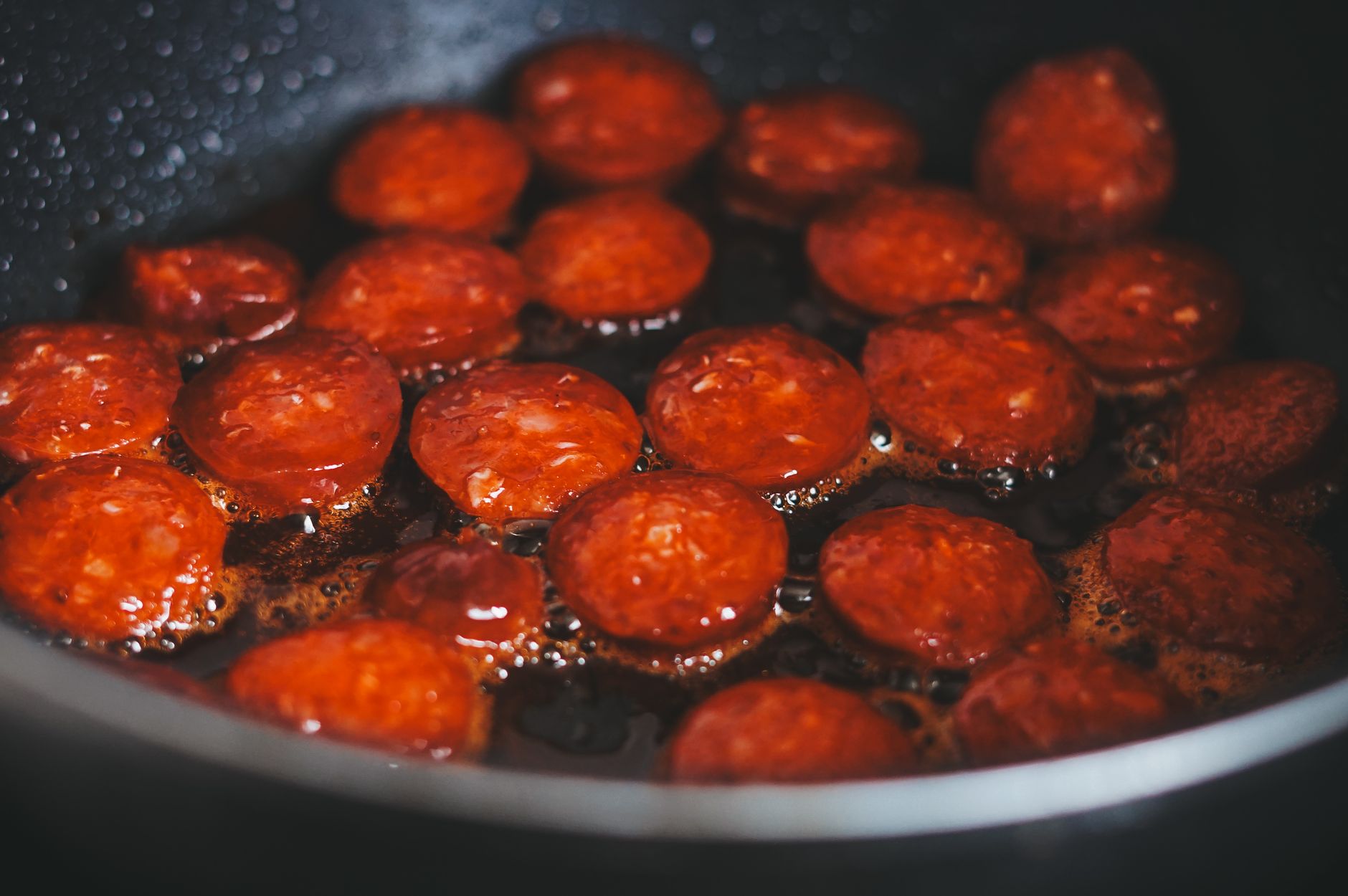
Heat pepperoni until it’s steaming hot to reduce the risk of Listeria.
Safe dosage / amount / brands
Because pepperoni is a processed meat, the safest approach is to treat it as an occasional treat rather than a staple. The following table outlines a practical weekly guideline and brand considerations:
When selecting pepperoni, check the label for “fully cooked” and “no added nitrates” statements. Low‑sodium varieties are preferable for managing blood pressure and gestational diabetes. If you’re unsure whether a product is safe, contact the manufacturer or your prenatal care provider. For home‑cooked meals, using a food‑grade thermometer is the most reliable way to confirm the 165 °F target.
In addition to the brands listed above, many boutique butchers now offer “artisan” pepperoni that is cured using natural fermentation and contains no synthetic nitrites. While these can be delicious, they often lack the “fully cooked” guarantee and therefore should still be reheated before eating.
Side effects and risks
Eating pepperoni without heating can expose you to Listeria, which may cause flu‑like symptoms (fever, chills, muscle aches) and, in severe cases, lead to miscarriage or stillbirth. If you develop a fever, severe headache, stiff neck, or gastrointestinal upset after eating pepperoni, contact your obstetrician promptly.
High sodium intake from pepperoni can cause swelling, increased blood pressure, and exacerbate gestational hypertension. For those with gestational diabetes, the saturated fat in pepperoni may affect insulin sensitivity, leading to higher post‑meal blood‑sugar spikes. These metabolic concerns are generally manageable when pepperoni is eaten in moderation and always heated.
Rarely, some individuals may experience an allergic reaction to pork or beef proteins in pepperoni. Symptoms can range from mild itching to more serious hives or swelling of the lips and tongue. If any allergic symptoms appear, seek medical attention right away.
Safer alternatives
Cooked turkey pepperoni – offers the same spice profile with less fat and sodium.
Vegetarian pepperoni – soy‑ or wheat‑based, eliminating animal‑derived pathogens.
Cooked chicken sausage – lean protein that can be sliced thinly.
Roasted turkey breast – low‑fat, high‑protein option that can be seasoned similarly.
Baked tofu slices – plant‑based, absorbs marinades well, and is low in sodium.
Low‑sodium turkey jerky – a chewy snack with reduced salt.
Lean ham (fully cooked) – a classic deli meat that’s safe when heated.
Smoked salmon – a fish alternative rich in omega‑3 fatty acids and low in saturated fat.
Grilled chicken strips – easy to flavor with paprika and chili for a pepperoni‑like kick.
Related items — safety at a glance
Item
Verdict
One‑line note
Salami
⚠️ Limit
Heat to 165 °F; high in sodium.
Prosciutto
❌ Avoid
Usually uncooked; risk of Listeria.
Bacon
⚠️ Limit
Cook thoroughly; watch saturated fat.
Ham
⚠️ Limit
Fully cooked ham is safe; low‑sodium preferred.
Chorizo
⚠️ Limit
Must be heated; can be spicy.
Pepperoni sticks
⚠️ Limit
Same heating rule as slices.
Soppressata
❌ Avoid
Often served raw; higher Listeria risk.
Mortadella
⚠️ Limit
Heat before eating; moderate sodium.
Myth vs. fact
Myth: All pepperoni is unsafe during pregnancy because it’s processed.
Fact: Fully cooked, heated pepperoni is considered safe when eaten in moderation; the key is to eliminate Listeria by reaching 165 °F.
Myth: The spices in pepperoni (like paprika) can cause birth defects.
Fact: The spice blend itself is not teratogenic; the concern lies in bacterial contamination and high sodium.
Myth: You must completely avoid pepperoni if you have gestational diabetes.
Fact: You can enjoy pepperoni in limited amounts, especially low‑fat, low‑sodium varieties, without harming blood‑sugar control.
Myth: “Natural” or “artisan” pepperoni is automatically safer.
Fact: Even “artisan” pepperoni can harbor Listeria if not heated; always apply the 165 °F rule regardless of branding.
Key takeaways
Heat pepperoni to at least 165 °F (74 °C) before eating.
Limit intake to 2‑4 slices per week, adjusting for sodium and gestational diabetes.
Choose fully cooked, nitrate‑free, low‑sodium brands such as Applegate or Boar’s Head.
Consider safer alternatives like turkey pepperoni or vegetarian pepperoni for similar flavor.
Watch for signs of Listeria (fever, muscle aches) and contact your provider if they appear.
Balance pepperoni with plenty of vegetables, whole grains, and hydration to keep overall nutrition optimal.
Frequently asked questions
Can I eat pepperoni while pregnant?
Yes, you can eat pepperoni while pregnant as long as it’s heated to 165 °F (74 °C) and you keep portions to a few slices per week. The heating step eliminates the Listeria risk.
Is it safe to eat pepperoni in the second trimester?
During the second trimester, heated pepperoni remains safe, but you should still limit consumption to 3‑4 slices weekly and monitor sodium intake.
What are the dangers of eating processed meats during pregnancy?
Processed meats can carry Listeria or Toxoplasma if not cooked properly, and they are often high in sodium and saturated fat, which can worsen hypertension or gestational diabetes.
How should I heat pepperoni before eating it while pregnant?
Heat pepperoni until it’s steaming hot throughout—either bake at 375 °F for 5‑7 minutes, grill for 2‑3 minutes per side, or pan‑fry until it reaches an internal temperature of 165 °F (74 °C).
Does pepperoni contain listeria?
Unheated pepperoni can harbor Listeria if it’s been contaminated during processing or storage, but proper heating destroys the bacteria, making it safe.
Can pepperoni cause food poisoning in pregnancy?
Yes, if pepperoni is consumed cold or undercooked, it can lead to food poisoning from Listeria or other pathogens, which is why heating is essential.
Are there any pregnancy‑safe pepperoni brands?
Brands such as Applegate (nitrate‑free) and Hormel Natural Choice (low‑sodium) in the U.S., and Boar’s Head in the UK, label their pepperoni as fully cooked and are considered safer choices.
What are the best alternatives to pepperoni for pregnant women?
Try cooked turkey pepperoni, vegetarian pepperoni, cooked chicken sausage, roasted turkey breast, baked tofu slices, low‑sodium turkey jerky, or fully cooked lean ham for similar flavor with lower risk.
What should I do if I accidentally ate cold pepperoni?
If you realize you ate cold pepperoni, monitor yourself for fever, chills, muscle aches, or gastrointestinal symptoms for the next 48‑72 hours; if any appear, contact your obstetrician promptly.
Can I freeze pepperoni to keep it safe longer?
Freezing pepperoni slows bacterial growth, but once thawed it should be reheated to 165 °F before eating to ensure any potential Listeria is eliminated.
Heat pepperoni until it’s sizzling hot to ensure safety.
When to call your doctor
If you develop any of the following after eating pepperoni, contact your obstetric provider right away: fever above 100.4 °F (38 °C), severe headache, stiff neck, muscle aches, sudden gastrointestinal upset (vomiting, diarrhea), or signs of dehydration. Also reach out if you notice unexplained swelling, high blood pressure readings, or if you have concerns about blood‑sugar spikes after a meal. Persistent nausea, vomiting, or any new rash should also prompt a call. Remember, this article provides general information and does not replace personalized medical advice.
References
American College of Obstetricians and Gynecologists. “Nutrition During Pregnancy.” ACOG Committee Opinion No. 804, 2020.
National Health Service (UK). “Food safety for pregnant women.” NHS website, 2023.
U.S. Food and Drug Administration. “Food Safety: Listeria and Pregnancy.” FDA Guidance, 2022.
Centers for Disease Control and Prevention. “Listeria (Listeriosis).” CDC, 2023.
American Diabetes Association. “Gestational Diabetes.” ADA Standards of Care, 2023.
World Health Organization. “Food safety: Listeriosis.” WHO Fact Sheet, 2021.
Not sure about the label on Is Pepperoni Safe During Pregnancy products?
Snap the ingredients list and SafeFilter checks every ingredient for your stage — only 3 free scans this month, then you're locked until reset. Unlimited from $7/mo or $50/yr.
When Shubhra Mishra was expecting her first child in 2016, she was overwhelmed by conflicting food advice — one site said yes, another said never. By the time her second baby arrived in 2019, she realized millions of mothers face the same confusion.
That sparked a five-year journey through clinical nutrition papers, cultural diets, and expert conversations — all leading to BumpBites: a calm, compassionate space where science meets everyday motherhood.
Her long-term vision is to build a global community ensuring safe, supported, and free deliveriesfor every mother — because no woman should face pregnancy alone or uninformed. 🌿
🌍 Stand with mothers, shape safer guidance
Join a small circle of experts who review BumpBites articles so expecting parents everywhere can decide with confidence.