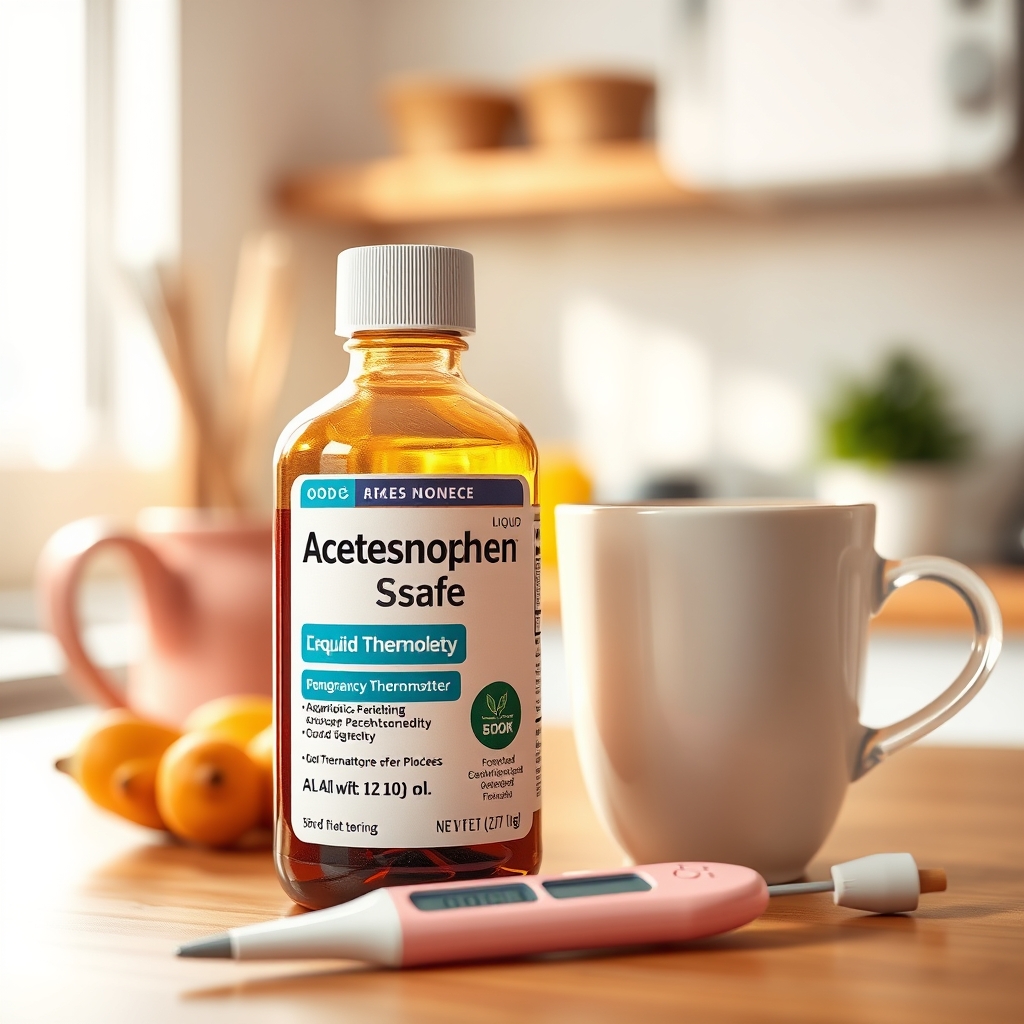
Safe in moderation: Pain relievers like acetaminophen are generally safe during pregnancy, but dosage and trimester matter. Learn safe limits and alternatives.
By Shubhra Mishra — a mom of two who turned her own confusion during pregnancy into BumpBites, a global mission to make food choices clear, safe, and stress-free for every expecting mother. 💛
Check whether any food is safe during pregnancy with the BumpBites Food Safety Checker.
Quick verdict: ⚠️ Talk to your doctor first. Acetaminophen (Tylenol) is generally considered safe for pregnancy when used at the lowest effective dose and within recommended limits, but you should confirm the dosage with your provider, especially in the first trimester.
It’s 3 a.m., you’re curled up on the couch with a throbbing headache, and the bottle of Tylenol on the nightstand suddenly feels like a lifeline. “Is this pain reliever safe for pregnancy?” you wonder, heart racing. You’re not alone—many expectant parents search for reassurance about whether a common pain reliever is safe for their growing baby.
Acetaminophen, known by the brand name Tylenol, is one of the most frequently used over‑the‑counter pain relievers during pregnancy. The short answer is that it is generally regarded as safe when taken at the lowest effective dose, but the details matter: the amount you take, the trimester you’re in, and any underlying health conditions can influence the risk. In this article we’ll break down the safety snapshot, dosage guidelines, trimester‑specific advice, potential risks, and safer alternatives, so you can feel confident about your choices and know exactly when to call your provider.
We’ll also compare acetaminophen to other common pain relievers like ibuprofen and aspirin, and give you a quick glance at related items. By the end of this guide, you’ll have a clear, evidence‑based picture of whether a pain reliever is safe for pregnancy and what steps to take next.
Keep a low‑dose acetaminophen bottle handy for occasional aches, but always follow dosage guidelines.
Trimester / Phase
Verdict
Notes
First trimester
⚠️ Use with caution
Limited data; recommended only when needed at the lowest effective dose.
Second trimester
✅ Generally safe
Standard adult dosing (≤3 g/day) is accepted by ACOG and NHS.
Third trimester
✅ Generally safe
Same dosing limits; monitor for prolonged use.
Breastfeeding
✅ Safe
Minimal transfer to breast milk; doses ≤3 g/day are considered compatible.
What is acetaminophen?
Acetaminophen (paracetamol outside the United States) is an analgesic and antipyretic medication that works by inhibiting the production of prostaglandins in the brain, which reduces pain and fever. Unlike non‑steroidal anti‑inflammatory drugs (NSAIDs) such as ibuprofen, acetaminophen does not significantly reduce inflammation, but it is favored for its mild side‑effect profile and lack of impact on platelet function. Over the counter, it is sold under brand names like Tylenol, as well as generic versions, in tablets, capsules, liquid suspensions, and suppositories. Pregnant people often reach for acetaminophen to relieve headaches, muscle aches, fever, or mild arthritis pain because it is widely considered compatible with pregnancy when used responsibly.
Because acetaminophen is metabolized primarily in the liver, it is essential to monitor total daily intake, especially when combining multiple products that contain the drug (e.g., cold medicines). The medication has been on the market for more than a century, and its safety profile is among the best‑studied for pregnant populations. Nevertheless, recent research has prompted a more nuanced conversation about long‑term exposure and subtle developmental outcomes, prompting clinicians to advise the lowest effective dose for the shortest duration possible.
Pharmacokinetically, acetaminophen is rapidly absorbed from the gastrointestinal tract, reaching peak plasma concentrations within 30‑60 minutes. It is then conjugated in the liver to non‑toxic metabolites that are excreted in the urine. A small fraction is converted to a reactive intermediate that can cause liver injury at high doses, which is why the 3 g daily ceiling is emphasized for pregnant patients, who may have altered hepatic metabolism.
Is acetaminophen safe during pregnancy?
Current guidance from the American College of Obstetricians and Gynecologists (ACOG) and the United Kingdom’s National Health Service (NHS) states that acetaminophen is the preferred pain reliever for pregnant people when needed, provided it does not exceed 3 g per day (approximately six 500‑mg tablets). The U.S. Food and Drug Administration (FDA) also lists acetaminophen as “generally recognized as safe” (GRAS) for use in pregnancy at standard doses. The Centers for Disease Control and Prevention (CDC) echo this stance, emphasizing that occasional use is unlikely to cause harm.
The mechanism of any potential risk is still being studied. Some epidemiological studies have suggested a modest association between high‑frequency acetaminophen use and developmental outcomes such as attention‑deficit/hyperactivity disorder (ADHD) or asthma, but these findings are not conclusive and may be confounded by underlying maternal health conditions. ACOG advises that occasional use for acute pain or fever does not constitute a teratogenic risk (a teratogen is a substance that can cause birth defects). In short, acetaminophen is considered safe for pregnancy when taken at the lowest effective dose and for short periods.
It is also worth noting that acetaminophen does not cross the placenta in harmful concentrations and does not affect platelet aggregation, which is why it is preferred over NSAIDs in the third trimester when clotting is critical for delivery. However, if you have liver disease, chronic pain, or are taking other medications that also contain acetaminophen, you should discuss your regimen with a provider to avoid accidental overdose.
Guidelines from the National Institute for Health and Care Excellence (NICE) in the UK echo the ACOG and NHS recommendations, adding that clinicians should document any analgesic use in prenatal records to monitor cumulative exposure. The consensus across U.S. and UK authorities is that acetaminophen remains the safest pharmacologic option for most pregnant patients, provided that dosing limits are respected.
Recent systematic reviews, such as the 2022 U.S. National Library of Medicine analysis, have highlighted the need for more high‑quality prospective studies. Until stronger evidence emerges, the prudent approach endorsed by both ACOG and NICE is “as low as reasonably achievable” – use the smallest dose that controls symptoms, and discontinue as soon as relief is achieved.
Can I take acetaminophen for fever during pregnancy?
Yes. Fever itself can pose risks to the developing fetus, especially in the first trimester, so treating a fever with acetaminophen is often recommended. The drug’s antipyretic action reduces body temperature without the vascular constriction that NSAIDs can cause. ACOG notes that controlling fever with acetaminophen is safe when the 3 g daily limit is observed, and the NHS advises the same ceiling for pregnant patients. If fever persists despite the recommended dose, seek medical evaluation rather than increasing the dose.
Is acetaminophen safe for chronic pain management in pregnancy?
For chronic conditions such as persistent back pain or osteoarthritis, acetaminophen remains the first‑line medication, but the “occasional use” guidance becomes especially important. Chronic daily use may increase the total cumulative dose, edging closer to the 3 g threshold. In such cases, clinicians often combine acetaminophen with non‑pharmacologic strategies—prenatal yoga, physical therapy, or safe topical agents—to keep overall exposure low. Discuss any long‑term pain plans with your obstetrician to ensure a balanced approach.
How does acetaminophen cross the placenta?
Acetaminophen is a small, water‑soluble molecule that readily crosses the placental barrier, but it does so in concentrations that mirror maternal plasma levels, meaning the fetus is exposed to the same dose the mother receives. Importantly, the fetal liver can also metabolize the drug, and studies show that fetal exposure at standard therapeutic doses does not reach toxic levels. This is why the drug is not considered a teratogen, and why the primary safety concern lies with maternal liver function rather than direct fetal toxicity.
Liquid acetaminophen can be a convenient option for nausea relief, but keep dosage within recommended limits.
Is acetaminophen safe to take during the first trimester of pregnancy?
During the first trimester, the embryo undergoes organogenesis—the formation of all major organs—making it a period of heightened sensitivity to teratogens. Acetaminophen is not classified as a teratogen, and ACOG’s Committee Opinion from 2020 states that occasional use at standard doses does not increase the risk of major birth defects. However, because the data on frequent, high‑dose use in early pregnancy remain limited, many clinicians recommend limiting use to the lowest effective dose and only when necessary.
If you have a persistent headache or fever in the first trimester, taking a single dose of 500‑mg acetaminophen is considered safe. For chronic conditions, discuss alternative therapies with your obstetrician. The NHS advises that pregnant people should not exceed 2 g per day in the first trimester unless specifically directed by a healthcare professional.
How much acetaminophen can I safely take while pregnant?
The consensus among ACOG, NHS, and FDA is that the maximum recommended daily dose of acetaminophen for pregnant people is 3 g (3000 mg), which translates to up to six regular 500‑mg tablets in a 24‑hour period. This ceiling is lower than the 4 g limit for the general adult population, reflecting a precautionary approach for pregnancy. Doses should be spaced at least four hours apart, and you should avoid using multiple products that contain acetaminophen simultaneously (for example, a cold medicine and a pain reliever).
For liquid formulations, the typical concentration is 160 mg per 5 mL (1 teaspoon). To stay within the 3 g limit, you could take up to 18.75 mL (about 3 tablespoons) per day, divided into doses of no more than 5 mL (one teaspoon) every 4–6 hours. Always read the label and consult your provider if you are unsure.
Can I use Tylenol for headaches in the third trimester?
Yes, Tylenol remains the preferred over‑the‑counter pain reliever for headaches in the third trimester. The risk of fetal complications related to acetaminophen is minimal, and it does not interfere with labor or delivery. ACOG and the NHS both affirm that standard dosing (≤3 g/day) is safe, and many obstetricians recommend it for tension‑type headaches, sinus pressure, or mild migraines.
One nuance to keep in mind is that prolonged, high‑frequency use for chronic pain should be evaluated by your provider. If headaches become daily, it may signal an underlying condition such as preeclampsia, which requires immediate medical attention. For occasional headaches, a 500‑mg tablet taken at the onset of pain is generally sufficient.
What are the risks of taking acetaminophen during pregnancy?
Overall, the risk profile of acetaminophen is low. The most common side effect is mild liver enzyme elevation, which is usually reversible after discontinuation. Rarely, allergic reactions such as rash or swelling can occur. In the context of pregnancy, the primary concerns are:
Potential association with neurodevelopmental outcomes: Some observational studies have suggested a modest link between high‑frequency use and later childhood ADHD or autism spectrum traits, but causality has not been established.
Possible increased risk of asthma in offspring: A few cohort studies have reported a slight rise in asthma risk with frequent maternal acetaminophen use, though confounding factors (e.g., maternal infections) may explain the findings.
Liver stress: Pregnant people with pre‑existing liver disease should avoid acetaminophen or use it only under medical supervision.
These risks are generally considered small, especially when acetaminophen is used intermittently and within the recommended dose. The benefits of treating fever and severe pain—both of which can themselves pose risks to pregnancy—often outweigh the potential downsides.
Are there safer pain‑relief alternatives to acetaminophen for pregnant women?
Low‑dose acetaminophen (≤500 mg per dose): Still the safest pharmaceutical option when occasional pain relief is needed.
Prenatal yoga: Gentle stretching and breathing can ease back pain and tension without medication.
Warm compress or heating pad: Effective for menstrual cramps and muscle soreness safely.
Cold pack therapy: Reduces inflammation from sprains without drug exposure.
Gentle stretching and physical therapy: Tailored exercises supervised by a therapist can address chronic pain safely.
Is ibuprofen safe for pregnant women compared to acetaminophen?
Ibuprofen belongs to the NSAID class and is generally advised against after 20 weeks gestation because it can affect fetal kidney function and reduce amniotic fluid. The NHS and ACOG recommend avoiding ibuprofen throughout pregnancy if possible, especially in the third trimester. Acetaminophen, by contrast, does not carry these renal or fluid‑related risks, making it the safer choice for most pregnant people.
Can acetaminophen cause birth defects?
Current evidence indicates that acetaminophen does not act as a teratogen, meaning it does not cause birth defects when taken at recommended doses. Large epidemiological studies reviewed by the FDA have not found a statistically significant increase in major congenital anomalies linked to acetaminophen exposure. However, as with any medication, the principle of “as low as reasonably achievable” applies—use the smallest dose needed for the shortest time.
Is liquid Tylenol safe for nausea relief during pregnancy?
Liquid acetaminophen can be used for both pain and fever, but it is not a primary treatment for nausea. Some pregnant people find that a low‑dose liquid formulation is easier to tolerate if they experience vomiting. The drug itself is safe when kept within the 3 g/day limit, but for nausea specifically, obstetricians often recommend vitamin B6 (pyridoxine) or ginger, which have a stronger evidence base for relieving pregnancy‑related nausea.
Safe dosage / amount / brands
When selecting an acetaminophen product, look for reputable brands that clearly label the amount of active ingredient per tablet or per milliliter of liquid. In the United States, the most common brand is Tylenol, but generic versions are equally safe if they meet FDA standards. In the United Kingdom, you’ll often see Panadol. Here are the key numbers to keep in mind:
Form
Standard strength
Maximum daily amount
Typical safe dose
Tablets / caplets
500 mg
≤3 g (6 tablets)
1‑2 tablets every 4–6 h
Liquid (160 mg/5 mL)
160 mg per 5 mL
≤3 g (≈18.75 mL)
5 mL (1 tsp) every 4–6 h
Extended‑release
650 mg
≤3 g (≈4.5 tablets)
1 tablet every 8 h
Brands that have undergone third‑party testing for purity, such as Tylenol, Panadol, and generic store brands, are all considered safe. Avoid products that contain additional ingredients like caffeine or antihistamines unless specifically recommended, as they can increase the total acetaminophen load.
Side effects and risks
Most pregnant people tolerate acetaminophen without issue. The most common side effects are mild and include:
Nausea or stomach upset (usually transient).
Rare skin rash or mild allergic reaction.
Elevated liver enzymes if taken at high doses or combined with alcohol.
More serious concerns that should prompt a call to your provider include:
Signs of liver injury: dark urine, yellowing of the skin or eyes, or persistent abdominal pain.
Allergic reactions: swelling of the face, lips, or throat, difficulty breathing.
Unexplained fever or persistent headache lasting more than a few days, which could indicate an underlying infection.
These warnings are not unique to pregnancy but are emphasized because any complication can affect both you and your baby. Remember, the information provided here is for general guidance and does not replace personalized medical advice.
Safer alternatives
Low‑dose acetaminophen (≤500 mg): Still the safest pharmaceutical option when occasional pain relief is needed.
Prenatal yoga: Gentle poses improve circulation and reduce back pain without medication.
Warm compress or heating pad: Relieves muscle tension and menstrual cramps safely.
Cold pack therapy: Effective for sprains or inflammation without systemic drug exposure.
Gentle stretching and physical therapy: Tailored programs address chronic pain under professional supervision.
Related items — safety at a glance
Item
Verdict
One‑line note
Ibuprofen (Advil, Motrin)
⚠️ Avoid after 20 weeks
Can affect fetal kidneys and reduce amniotic fluid.
Naproxen (Aleve)
❌ Best avoided
NSAID with similar risks to ibuprofen, especially in third trimester.
Aspirin (Bayer Aspirin)
⚠️ Low‑dose only
Low‑dose (81 mg) may be prescribed for preeclampsia prevention; regular doses avoided.
Diclofenac (Voltaren)
❌ Best avoided
NSAID associated with fetal cardiac defects when used late in pregnancy.
Ketoprofen
❌ Best avoided
Limited safety data; generally not recommended.
Acetaminophen‑codeine combination (Tylenol #3)
⚠️ Use only under provider guidance
Contains opioid; only for severe pain when benefits outweigh risks.
Myth vs. fact
Myth: “Acetaminophen is completely risk‑free during pregnancy.”
Fact: While acetaminophen is one of the safest pain relievers for pregnant people, occasional use at recommended doses is considered low risk, but high‑frequency or high‑dose use may carry subtle developmental associations that are still being studied.
Myth: “You can’t take any pain medication after the first trimester.”
Fact: Acetaminophen remains safe throughout the second and third trimesters when used within dosage limits, whereas many NSAIDs become contraindicated after 20 weeks.
Myth: “Liquid Tylenol is unsafe because it’s a ‘soft’ formulation.”
Fact: Liquid acetaminophen is pharmacologically identical to tablets; safety depends on total daily dose, not the form.
Key takeaways
Acetaminophen is the preferred over‑the‑counter pain reliever for pregnancy when used at ≤3 g per day.
In the first trimester, limit use to the lowest effective dose and avoid daily reliance.
Standard dosing (500 mg tablet or 5 mL liquid) every 4–6 hours is generally safe; do not exceed six tablets or 18 mL liquid daily.
Ibuprofen, naproxen, and other NSAIDs are best avoided after 20 weeks because of fetal kidney and fluid concerns.
Consider non‑pharmacologic options—prenatal yoga, warm compresses, and pregnancy‑safe topical analgesics—especially for chronic or mild pain.
Always discuss any persistent pain, high‑frequency use, or underlying health conditions with your obstetric provider.
Frequently asked questions
Can I take Tylenol while pregnant?
Yes. Tylenol (acetaminophen) is generally considered safe for pregnant people when taken at the recommended dose (≤3 g per day) and for short‑term relief.
Is ibuprofen safe during pregnancy?
Ibuprofen is safe only in the first trimester and at low doses; after 20 weeks it is generally avoided because it can affect fetal kidneys and reduce amniotic fluid.
What pain relievers are safe in the second trimester?
Acetaminophen remains the safest option in the second trimester; low‑dose aspirin may be prescribed for specific conditions, but NSAIDs like ibuprofen and naproxen should be avoided.
How many Tylenol tablets can I take during pregnancy?
You can take up to six regular 500‑mg Tylenol tablets in a 24‑hour period, but it’s best to stay at the lowest effective dose and not exceed 3 g per day.
Does acetaminophen cause birth defects?
Current evidence does not support acetaminophen as a teratogen; occasional use at recommended doses is not linked to major birth defects.
Are there natural pain relief options for pregnant women?
Yes—prenatal yoga, warm compresses, cold packs, gentle stretching, and pregnancy‑safe topical analgesics like Biofreeze can provide relief without medication.
Can I use topical pain relief creams while pregnant?
Pregnancy‑safe topical analgesics that contain menthol or camphor (e.g., Biofreeze) are generally considered safe, but avoid products with high concentrations of NSAIDs.
When should I avoid pain medication during pregnancy?
Avoid regular or high‑dose use of NSAIDs after 20 weeks, and limit acetaminophen to occasional use; seek medical advice if you need pain relief daily or have liver disease.
What should I do if I think I’ve taken too much acetaminophen?
If you suspect you’ve exceeded the 3 g daily limit, contact your obstetric provider or a poison‑control center right away. Early evaluation can help prevent liver injury and provide guidance on monitoring.
Can I combine acetaminophen with other over‑the‑counter cold medicines?
Only if the other product does not also contain acetaminophen. Many cold remedies include the same ingredient, which can unintentionally push you over the safe limit. Always read labels carefully and ask your pharmacist if you’re unsure.
When to call your doctor
If you experience any of the following, contact your obstetric provider promptly:
Persistent fever (>101.5 °F) or headache lasting more than 48 hours.
Signs of liver injury: dark urine, yellowing of skin or eyes, or severe abdominal pain.
Allergic reactions: swelling of the face, lips, tongue, or difficulty breathing.
Unexplained swelling, severe abdominal pain, or sudden weight gain that could indicate preeclampsia.
Any need for daily pain medication, which may signal an underlying condition requiring evaluation.
These guidelines are for informational purposes only and do not replace personalized medical advice. Always discuss your specific situation with a qualified healthcare professional.
References
American College of Obstetricians and Gynecologists (ACOG). Committee Opinion No. 797: Pain Management in Pregnancy, 2020.
National Health Service (NHS). “Acetaminophen (Paracetamol) – safety in pregnancy,” UK, 2022.
U.S. Food and Drug Administration (FDA). “Acetaminophen: Drug Safety Communication,” 2021.
Centers for Disease Control and Prevention (CDC). “Guidelines for the Use of Analgesics in Pregnancy,” 2023.
World Health Organization (WHO). “Maternal health and medication safety,” 2021.
Mayo Clinic. “Acetaminophen (Tylenol) – dosage and safety,” 2023.
British National Formulary (BNF). “Acetaminophen – pregnancy and lactation,” 2022.
U.S. National Library of Medicine. “Acetaminophen use in pregnancy – systematic review,” 2022.
National Institute for Health and Care Excellence (NICE). “Pain relief in pregnancy,” UK, 2021.
American Academy of Pediatrics (AAP). “Medication safety for lactating mothers,” 2022.
Not sure about the label on Is Pain Reliever Safe During Pregnancy products?
Snap the ingredients list and SafeFilter checks every ingredient for your stage — only 3 free scans this month, then you're locked until reset. Unlimited from $7/mo or $50/yr.
When Shubhra Mishra was expecting her first child in 2016, she was overwhelmed by conflicting food advice — one site said yes, another said never. By the time her second baby arrived in 2019, she realized millions of mothers face the same confusion.
That sparked a five-year journey through clinical nutrition papers, cultural diets, and expert conversations — all leading to BumpBites: a calm, compassionate space where science meets everyday motherhood.
Her long-term vision is to build a global community ensuring safe, supported, and free deliveriesfor every mother — because no woman should face pregnancy alone or uninformed. 🌿
🌍 Stand with mothers, shape safer guidance
Join a small circle of experts who review BumpBites articles so expecting parents everywhere can decide with confidence.