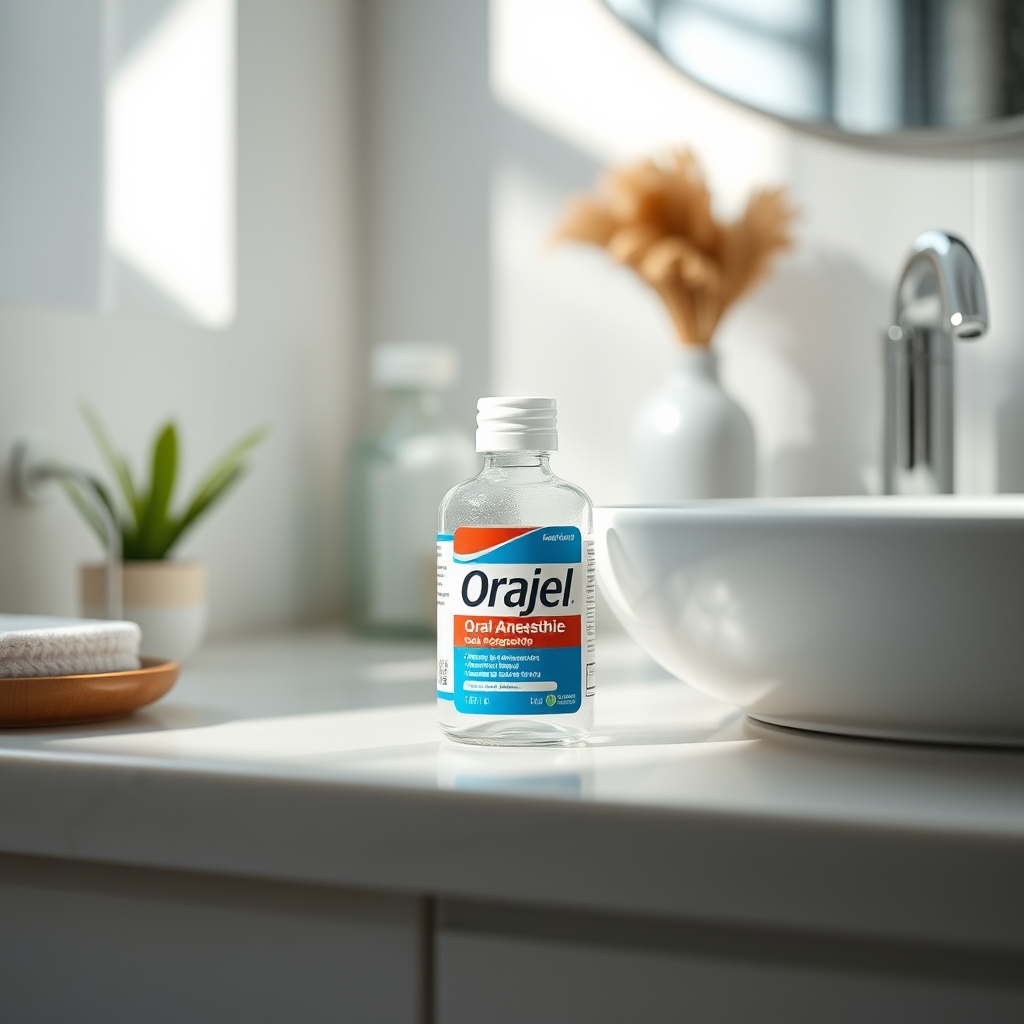
Avoid Orajel during pregnancy, especially in the first trimester. Learn safe dosage limits, risks, and pregnancy-friendly alternatives for oral pain relief.
By Shubhra Mishra — a mom of two who turned her own confusion during pregnancy into BumpBites, a global mission to make food choices clear, safe, and stress-free for every expecting mother. 💛
Check whether any food is safe during pregnancy with the BumpBites Food Safety Checker.
Quick verdict: ⚠️ Talk to your doctor first. Orajel can be used in pregnancy only under professional guidance, and the safest approach is to limit use and consider alternatives.
It’s 2 a.m., you’ve just woken up with a sharp toothache, and the thought of “Is Orajel safe for pregnancy?” races through your mind. You might already have a tube of Orajet on the nightstand, or you may be wondering whether it’s okay to pick one up at the pharmacy. The good news is you’re not alone—many expecting parents face the same dilemma when a sudden dental pain strikes.
In short, Orajel’s safety during pregnancy depends on the trimester, the amount used, and your overall health. While the active ingredient benzocaine is generally considered low‑risk in small doses, the FDA and ACOG advise caution, especially in the first trimester. Below we’ll break down the verdict, dosage guidelines, trimester‑specific considerations, potential risks, and safer alternatives so you can make an informed decision and, if needed, set your mind at ease.
Read on for a clear, evidence‑based answer to “orajel safe for pregnancy,” practical usage tips, and a list of other tooth‑pain relief options that are pregnancy‑friendly.
Having Orajel handy can feel reassuring, but knowing the right way to use it matters most.
Stage of pregnancy
Verdict
Notes
First trimester
⚠️ Use only under medical advice
Potential risk of methemoglobinemia; limit to the smallest amount needed.
Second trimester
⚠️ Use with caution
Limited data suggest low risk, but still advisable to consult a provider.
Third trimester
⚠️ Use with caution
Same precautionary approach as second trimester; avoid excessive application.
Breastfeeding
⚠️ Talk to your doctor
Small systemic absorption; most experts recommend limiting use.
What is Orajel and its active ingredients?
Orajel is a brand name for a family of over‑the‑counter oral analgesic gels and liquids that temporarily numb mouth tissue. The most common formulation contains benzocaine (typically 7.5% to 20% concentration) as the active anesthetic. Benzocaine works by blocking sodium channels in nerve cells, which reduces the transmission of pain signals. Some Orajel variants also include flavorings like mint or strawberry to mask the bitter taste.
Because benzocaine is a local anesthetic, it does not enter the bloodstream in large amounts when applied to intact mucosa. However, when the gel is used on broken gums or in large quantities, a small fraction can be absorbed systemically. This is why health agencies monitor its safety, especially for vulnerable populations such as pregnant people and infants.
The product is marketed for several uses: relieving toothache, soothing sore gums, easing irritation after dental procedures, and, in a “baby teething” version, calming teething pain in infants. The baby teething gel typically contains a lower concentration of benzocaine (often 2.5%). Regardless of the version, the core ingredient remains benzocaine, and the safety considerations are largely the same.
Is Orajel safe during pregnancy?
Current guidance from major health authorities suggests that Orajel should be used sparingly, if at all, during pregnancy. The U.S. Food and Drug Administration (FDA) classifies benzocaine‑containing products as “generally recognized as safe” for topical use, but it includes a warning about the rare risk of methemoglobinemia—a condition where oxygen delivery to tissues is impaired. The American College of Obstetricians and Gynecologists (ACOG) echoes this caution, noting that while occasional, low‑dose use is unlikely to cause harm, pregnant patients should discuss any use with their provider.
In the United Kingdom, the NHS advises that benzocaine mouth gels can be used short‑term for dental pain, but it emphasizes that pregnant women should seek professional advice before applying any medication to the oral cavity. The CDC does not list benzocaine as a teratogen, but it does recommend limiting exposure to any drug that can be absorbed systemically.
Overall, the consensus is that Orajel is not outright “unsafe,” but the safest route is to use the minimal amount needed, avoid applying it to broken tissue, and always involve a healthcare professional in the decision‑making process. This nuanced stance aligns with the “orajel safe for pregnancy” question: it can be safe, but only under careful, limited use and professional guidance.
Is Orajel safe during early pregnancy?
Early pregnancy, especially the first trimester, is a critical period of organ development (organogenesis). Because the fetus is most vulnerable to teratogenic effects during this window, many clinicians advise extra caution with any medication, including topical anesthetics. While there is no strong evidence linking occasional benzocaine use to birth defects, the FDA’s warning about methemoglobinemia—though rare—applies to all users, and the precautionary principle is especially relevant in early pregnancy.
If you experience a toothache in the first trimester, the best first step is to contact your obstetrician or dentist. They may recommend a brief, low‑dose application of Orajel, or they might suggest an alternative that carries no systemic absorption risk, such as a saline rinse or a cold compress. The key is not to self‑medicate without professional input.
Orajel dosage for toothache during pregnancy
When a healthcare provider determines that Orajel is appropriate, the typical adult dosage for a toothache is a pea‑sized amount (approximately 0.2 mL) applied directly to the painful area, no more than three times per day. For pregnant patients, many clinicians recommend halving that amount—about a dab the size of a grain of rice—and limiting use to once or twice daily. This approach reduces systemic absorption while still providing temporary pain relief.
It’s also important to avoid using Orajel on large areas of the mouth, on open wounds, or for prolonged periods (more than a few days). If you find you need it more often, that signals an underlying dental issue that should be evaluated by a professional.
Orajel safe for pregnancy first trimester
In the first trimester, the safest recommendation is to avoid Orajel unless a dentist or obstetrician explicitly advises its use. If approved, the minimal dose described above (grain‑of‑rice amount, up to twice daily) is considered the most conservative approach. The overarching goal is to keep benzocaine exposure as low as possible while still addressing acute pain.
Remember that the first trimester is also when many women experience nausea and heightened sensitivity, so a strong mint‑flavored gel may be uncomfortable. In such cases, a simple salt water rinse can be a gentler alternative.
Alternatives to Orajel for tooth pain during pregnancy
Anbesol – Contains a lower concentration of benzocaine (5%) and is often recommended for short‑term use.
Orajel Natural – Uses a plant‑based anesthetic (e.g., clove oil) instead of benzocaine, reducing systemic absorption concerns.
CloSYS – A salt‑water mouth rinse that helps reduce inflammation without any anesthetic.
Tom’s of Maine – Offers a gentle, fluoride‑free mouth rinse that can soothe minor irritation.
Burt’s Bees – Provides a natural, honey‑based oral gel that can calm sore gums without synthetic chemicals.
Salt water rinse – A simple home remedy (½ tsp salt in 8 oz warm water) that reduces swelling and cleans the area.
Orajel baby teething gel safety during pregnancy
The baby teething version of Orajel contains a lower benzocaine concentration (usually 2.5%). While the reduced amount sounds reassuring, the FDA has issued a specific warning for infant teething gels, stating that even low‑dose benzocaine can cause methemoglobinemia in babies. Because pregnant individuals are also exposed to the same active ingredient, the same caution applies.
Professional guidance is essential. If you’re pregnant and considering using the baby teething gel for your own tooth pain, discuss it with your provider first. Often, they will suggest non‑benzocaine options such as a cool compress, a salt water rinse, or a silicone‑based oral gel that contains no anesthetic.
Risks of using Orajel during pregnancy for toothaches
The primary risk associated with benzocaine is methemoglobinemia, a rare condition where the blood’s ability to carry oxygen is reduced. Symptoms include cyanosis (bluish skin), fatigue, shortness of breath, and, in severe cases, neurological issues. While the risk is low, it is higher in infants and in situations where large amounts of benzocaine are absorbed.
Other, more common side effects include temporary numbness of the oral mucosa, a mild burning sensation, or allergic reactions such as rash or swelling. For pregnant patients, any allergic response should be reported promptly, as it could indicate heightened sensitivity.
There is also a theoretical concern that systemic absorption of benzocaine could affect fetal oxygenation, although no large‑scale studies have confirmed this. Because the data are limited, most health agencies err on the side of caution and advise limiting use.
Safe dosage / amount / brands
Item
Recommended amount for pregnant users
Notes / brand suggestions
Orajel (standard gel, 7.5%–20% benzocaine)
≈0.1 mL (grain‑of‑rice) up to 2 times per day
Look for the original Orajel bottle; avoid “extra‑strength” versions without medical advice.
Orajel Natural (clove‑oil based)
Same as standard gel, but generally considered lower systemic risk
Available in most drugstores; check for “natural” labeling.
Anbesol (5% benzocaine)
≈0.1 mL, max 2 times daily
Often sold in small squeeze tubes; easy to control dose.
Salt water rinse
½ tsp salt in 8 oz warm water, swish 30 seconds, up to 4 times daily
Homemade, no brand needed; safe throughout pregnancy.
Side effects and risks
Most users experience only temporary numbness that fades within an hour. However, keep an eye out for the following warning signs:
Persistent bluish discoloration of lips or fingertips (possible methemoglobinemia).
Severe dizziness, shortness of breath, or rapid heartbeat.
Allergic reactions such as swelling, itching, or rash around the mouth.
Prolonged numbness lasting more than a few hours, which could indicate over‑application.
If any of these symptoms appear, seek medical attention immediately. For routine, mild side effects (minor tingling or brief numbness), you can usually stop using the product and discuss safer options with your provider.
Orajel Natural – Plant‑based anesthetic, reduces synthetic chemical exposure.
CloSYS – Antimicrobial rinse that calms irritation without anesthetic.
Tom’s of Maine – Gentle, fluoride‑free rinse suitable for sensitive gums.
Burt’s Bees – Honey‑based oral gel offering soothing relief without benzocaine.
Salt water rinse – Inexpensive, drug‑free method to reduce swelling and cleanse the area.
Related items — safety at a glance
Item
Verdict
One‑line note
Benzocaine (generic)
⚠️ Use with caution
Risk of methemoglobinemia; limit to minimal amount.
Lidocaine
⚠️ Talk to your doctor
Higher potency; generally safe only under professional supervision.
Ambesol
✅ Generally safe
Contains benzocaine but often used in lower concentrations.
Topex
⚠️ Use with caution
Topical anesthetic; limited data in pregnancy.
Hurricaine
❌ Best avoided
Higher benzocaine content; not recommended for pregnant users.
Emla cream
⚠️ Talk to your doctor
Combination of lidocaine and prilocaine; safe only when prescribed.
Myth vs. fact
Myth: “Because Orajel is over‑the‑counter, it’s automatically safe for pregnant people.”
Fact: While OTC status means Orajel is available without a prescription, the FDA still warns about rare but serious side effects, and ACOG recommends medical guidance for any drug use in pregnancy.
Myth: “A tiny dab of Orajel can’t possibly affect my baby.”
Fact: Even small amounts can be absorbed, especially if applied to broken tissue, so it’s prudent to keep usage to the absolute minimum and confirm safety with your provider.
Myth: “If I’m not feeling any side effects, the product is safe.”
Fact: Methemoglobinemia can develop without obvious early symptoms; monitoring for subtle signs like a slight bluish tint is essential.
Key takeaways
Orajel can be used in pregnancy only after consulting a healthcare provider.
Limit the dose to a grain‑of‑rice amount (≈0.1 mL) and no more than twice daily.
First‑trimester use should be avoided unless medically indicated.
Watch for signs of methemoglobinemia—bluish skin, fatigue, or shortness of breath.
Consider safer alternatives like Anbesol, Orajel Natural, or a simple salt water rinse.
Always prioritize professional dental evaluation for persistent tooth pain.
Frequently asked questions
Can I use Orajel on my baby's gums during pregnancy?
No, you should not use Orajel on a baby’s gums while you are pregnant. The FDA warns that benzocaine can cause methemoglobinemia in infants, and the same risk applies to the pregnant user. Speak with your obstetrician for safer teething options.
Is Orajel safe for breastfeeding mothers?
Orajel is generally considered low‑risk for breastfeeding because only minimal amounts are absorbed systemically, but the FDA and ACOG advise nursing mothers to consult their provider before use.
How much Orajel can I use during pregnancy?
Limit use to about 0.1 mL (a grain‑of‑rice amount) applied to the affected tooth or gum, no more than two times per day, and only if your doctor has approved it.
What are the side effects of Orajel during pregnancy?
Common side effects include temporary numbness and a mild burning sensation. Rare but serious risks involve methemoglobinemia, which can cause bluish skin, shortness of breath, or fatigue and requires immediate medical attention.
Can I use Orajel for a toothache while pregnant and have a history of miscarriage?
If you have a history of miscarriage, it’s especially important to discuss any medication, including Orajel, with your obstetrician. They may recommend alternative pain‑relief methods that avoid any potential risk.
Is Orajel safe to use during pregnancy for a wisdom tooth extraction?
For a wisdom tooth extraction, your dentist may prescribe a stronger anesthetic. Over‑the‑counter Orajel is generally not sufficient for post‑surgical pain and should only be used if your provider explicitly approves it.
Is Orajel safe for pregnancy?
Overall, Orajel can be used in pregnancy only under professional guidance, with the smallest effective dose, and preferably avoided in the first trimester.
When to call your doctor
If you notice any of the following after using Orajel, contact your obstetrician or seek urgent care immediately:
Bluish discoloration of lips, nails, or fingertips.
Difficulty breathing, rapid heartbeat, or severe dizziness.
Swelling or rash around the mouth that worsens.
Persistent numbness lasting more than a few hours.
Any unexpected bleeding or severe tooth pain that does not improve.
Remember, this article provides general information and does not replace personalized medical advice. Always discuss medication use with your healthcare provider.
References
American College of Obstetricians and Gynecologists (ACOG). “Medication Use During Pregnancy.” 2023.
U.S. Food and Drug Administration (FDA). “Benzocaine: Drug Safety Information.” Updated 2022.
National Health Service (NHS). “Oral Pain Relief – Benzocaine Gels.” 2022.
Centers for Disease Control and Prevention (CDC). “Methemoglobinemia – Clinical Guidance.” 2021.
World Health Organization (WHO). “Guidelines on the Use of Topical Anesthetics.” 2020.
Mayo Clinic. “Benzocaine Side Effects.” Accessed July 2026.
National Institute for Health and Care Excellence (NICE). “Dental Pain Management in Pregnancy.” 2021.
Not sure about the label on Is Orajel Safe During Pregnancy products?
Snap the ingredients list and SafeFilter checks every ingredient for your stage — only 3 free scans this month, then you're locked until reset. Unlimited from $7/mo or $50/yr.
When Shubhra Mishra was expecting her first child in 2016, she was overwhelmed by conflicting food advice — one site said yes, another said never. By the time her second baby arrived in 2019, she realized millions of mothers face the same confusion.
That sparked a five-year journey through clinical nutrition papers, cultural diets, and expert conversations — all leading to BumpBites: a calm, compassionate space where science meets everyday motherhood.
Her long-term vision is to build a global community ensuring safe, supported, and free deliveriesfor every mother — because no woman should face pregnancy alone or uninformed. 🌿
🌍 Stand with mothers, shape safer guidance
Join a small circle of experts who review BumpBites articles so expecting parents everywhere can decide with confidence.