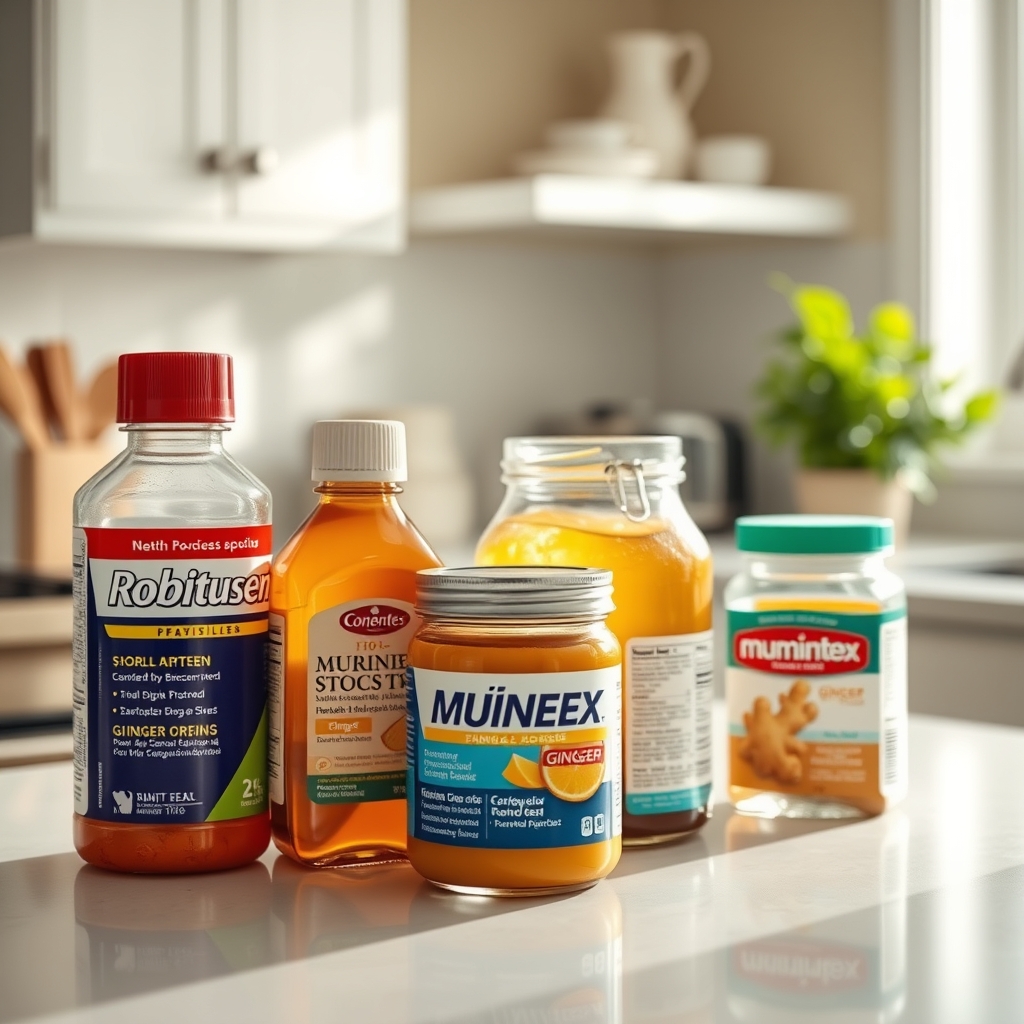
Avoid Nyquil during pregnancy, especially in the first trimester. Experts recommend safer alternatives or limited acetaminophen-only doses if necessary.
By Shubhra Mishra — a mom of two who turned her own confusion during pregnancy into BumpBites, a global mission to make food choices clear, safe, and stress-free for every expecting mother. 💛
Check whether any food is safe during pregnancy with the BumpBites Food Safety Checker.
Quick verdict: ⚠️ Safe with limits. NyQuil can be used for short‑term relief of nighttime cold symptoms, but pregnant people should keep the dose low, avoid use in the first trimester unless necessary, and talk to their provider before regular use.
It’s 2 a.m., your head feels stuffed, and the pharmacy aisle lights flicker as you stare at the orange NyQuil bottle. You wonder, “Is NyQuil safe for pregnancy?” You’re not alone—many expectant parents search that exact phrase late at night, fearing they’ve already taken the wrong medication. The good news is that, in most cases, NyQuil is not a high‑risk drug, but there are important limits, especially in early pregnancy.
Below we break down the evidence on NyQuil’s safety, how the risk profile changes across trimesters, the dosage you can consider, and what safer alternatives exist if you’d rather avoid the combination of acetaminophen, dextromethorphan, and doxylamine. We’ll also compare NyQuil to other common cold and flu products, discuss how it may affect sleep and hydration, and answer the most‑asked follow‑up questions so you can make an informed choice without the 3 a.m. anxiety.
Stage
Verdict
Notes
First trimester
⚠️ Use only if essential
Limited data; avoid unless symptoms are severe and no safer option exists.
Second trimester
✅ Generally safe
Standard adult dose (30 mL) every 4‑6 hours, max 120 mL/day.
Third trimester
✅ Generally safe
Same dosing; monitor for excessive drowsiness which may affect labor.
Breastfeeding
⚠️ Use with caution
Small amounts pass into milk; limit to occasional use and watch infant for sedation.
What is NyQuil?
NyQuil is a trademarked, over‑the‑counter (OTC) liquid medication marketed for nighttime relief of cough, congestion, fever, and aches associated with the common cold or flu. The classic “NyQuil Severe” formula contains three active ingredients: acetaminophen (a pain reliever/fever reducer), dextromethorphan (a cough suppressant), and doxylamine succinate (an antihistamine that promotes sleep). Some versions also include phenylephrine, a nasal decongestant that adds a fourth active component. The combination works by reducing pain, quieting the cough reflex, and making you drowsy enough to rest—exactly what many expectant parents crave when nightly symptoms keep them up.
NyQuil’s inactive ingredients often include a small amount of alcohol and various flavorings. The alcohol content is typically low (under 10 % by volume), but it can add up if you combine NyQuil with other alcoholic or sedating products. Understanding the full ingredient list is essential because some pregnant people need to avoid alcohol entirely, while others can tolerate the minimal amount found in a single dose. Beyond the classic liquid, NyQuil is also available in caplet form, which typically offers the same active ingredients but without the alcohol content, making it a preferred choice for some pregnant individuals.
Keep NyQuil within reach of a glass of water to stay hydrated while you rest.
Is NyQuil safe during pregnancy?
Current guidance from the American College of Obstetricians and Gynecologists (ACOG) and the UK’s National Health Service (NHS) suggests that short‑term use of acetaminophen‑based products is acceptable during pregnancy, provided the dose does not exceed 3 g per day. Dextromethorphan is classified by the FDA as “Pregnancy Category C,” meaning animal studies have shown some risk, but there are no well‑controlled human studies—still, it is commonly used when benefits outweigh potential risks. Doxylamine is a component of many prenatal sleep aids (e.g., “sleep‑a‑way”) and is considered low risk when used at standard OTC doses.
Because NyQuil contains multiple actives, each with its own safety profile, the overall verdict hinges on timing and dosage. In the first trimester, when organ formation (organogenesis) is occurring, many clinicians advise avoiding any non‑essential medication, especially those that have not been specifically studied in pregnant populations. If you’re in the early weeks and have a mild cold, a saline rinse or honey‑lemon tea may be sufficient. By the second and third trimesters, the risk of birth defects drops dramatically, and the ACOG consensus is that occasional use of NyQuil at the recommended dose is unlikely to cause harm. This measured approach prioritizes fetal development while acknowledging the need for symptom relief to ensure maternal well-being.
It’s also worth noting that the combination of acetaminophen and doxylamine appears in the FDA‑approved prescription sleep aid Diclegis, which has been studied extensively in pregnant women with insomnia. This overlap provides additional reassurance that the antihistamine component, when used at OTC levels, is not a teratogen. Nonetheless, the dextromethorphan component remains the most cautious part of the formula, and clinicians typically recommend limiting its use to situations where cough suppression is truly needed. If you find yourself needing to use NyQuil frequently, it's always best to consult your healthcare provider to explore longer-term safe alternatives or rule out underlying conditions.
Is NyQuil safe during first trimester?
The first trimester is the period of highest vulnerability because the embryo’s organs are forming. While acetaminophen is widely regarded as safe, the dextromethorphan component carries a Category C rating, and doxylamine’s sedative effect can increase the risk of falls or excessive sleepiness. Most obstetricians, including those at the Mayo Clinic, recommend reserving NyQuil for situations where symptoms are severe enough that they interfere with rest and no safer alternative is available. If you already took a single dose before realizing you were pregnant, stay calm—single, low‑dose exposure has not been linked to birth defects.
When you’re in the first 12 weeks, the safest approach is to use non‑pharmacologic measures first: humidified air, saline nasal sprays, and throat lozenges without alcohol. If those strategies fail and you’re struggling to sleep, a low‑dose doxylamine‑pyridoxine (Diclegis) combination, which has a robust safety record, is often preferred over NyQuil because it omits dextromethorphan. This minimizes exposure to non-essential medications during a critical developmental window, aligning with the "less is more" principle during early pregnancy.
NyQuil and sleep quality in pregnancy
Sleep disturbances affect up to 78 % of pregnant people, especially in the third trimester. The doxylamine in NyQuil can improve sleep onset, but it may also cause next‑day grogginess or interfere with the natural sleep‑wake cycle if taken too close to morning. Some clinicians suggest taking NyQuil at least 8 hours before you plan to wake up, allowing the sedative effect to wear off. If you notice persistent fatigue, consider a lower‑dose antihistamine or a short‑acting melatonin supplement, which is generally regarded as safe in pregnancy when used sparingly. Prioritizing rest is crucial, but balancing symptom relief with minimal medication is key.
Understanding NyQuil's alcohol content during pregnancy
Many liquid NyQuil formulations contain alcohol, typically around 10% by volume. While the amount in a single dose (30 mL) is relatively small (about 3 mL of pure alcohol, comparable to half a standard drink), some pregnant individuals choose to avoid alcohol entirely. For those who do, NyQuil Caplets are an excellent alternative as they contain the same active ingredients without any alcohol. If you're concerned about alcohol exposure, always check the "inactive ingredients" list on the label or opt for the caplet form to completely eliminate this component.
NyQuil dosage for pregnant women
For adults, the standard NyQuil dose is 30 mL (approximately 2 tablespoons) taken orally every 4‑6 hours, with a maximum of 120 mL per 24‑hour period. Pregnant individuals should not exceed the acetaminophen limit of 3 g per day (equivalent to four 30 mL doses). Because each 30 mL serving contains 650 mg of acetaminophen, the safe ceiling is typically four doses. If you are also using other acetaminophen‑containing products (e.g., prenatal vitamins with pain relievers), subtract those amounts from the total daily limit. This careful monitoring prevents accidental overdose, which can pose risks to both mother and baby.
When selecting a brand, look for “NyQuil Severe” or “NyQuil Cold & Flu” which list the same active ingredients. Avoid “NyQuil Cough” formulations that add phenylephrine, as the decongestant is classified as Category C and may raise blood pressure—a concern in pregnancy. Always read the label for “inactive ingredients” such as alcohol, which can be problematic if you consume multiple OTC products. It’s also important to note that NyQuil is available in both liquid and caplet forms; the caplets typically do not contain alcohol, which might be a preference for some expectant parents.
Interactions with prenatal vitamins and other OTC meds
Many prenatal vitamins contain small amounts of iron and folic acid, which do not interact with NyQuil’s actives. However, if you take an additional OTC cold remedy that also contains acetaminophen (e.g., DayQuil), you could inadvertently exceed the 3 g daily limit. Likewise, antihistamines such as diphenhydramine (found in Benadryl) add to the cumulative sedative load and may amplify drowsiness. A quick inventory of all medications you’re using each day can help you stay safely under the recommended thresholds. Always inform your provider about all medications and supplements you are taking.
What to do if you miss a dose
If you skip a scheduled NyQuil dose, there is no need to double‑up. Simply resume the regular schedule at the next appropriate interval. Doubling the dose can push acetaminophen above the safe limit and increase the risk of liver strain. If you miss several days in a row because symptoms have improved, it’s a good sign that you may not need the medication any longer. Always prioritize the lowest effective dose for the shortest possible duration during pregnancy.
Consider these alternatives before reaching for NyQuil.
Can I take NyQuil while pregnant and breastfeeding?
During breastfeeding, the three active ingredients appear in low concentrations in breast milk. Acetaminophen is considered compatible with nursing, and dextromethorphan is excreted in negligible amounts. Doxylamine, however, can cause mild sedation in a nursing infant if taken frequently. The Academy of Breastfeeding Medicine advises occasional use (no more than once or twice a week) and recommends monitoring the baby for signs of drowsiness or poor feeding. If you need regular nighttime relief, discuss a non‑sedating alternative with your provider. Always observe your baby for any changes in feeding patterns or unusual sleepiness after you take NyQuil.
NyQuil and high blood pressure
Phenylephrine, present in some NyQuil variants, is a vasoconstrictor that can raise blood pressure. Pregnant people with hypertension or pre‑eclampsia should avoid NyQuil products that contain phenylephrine. Even the standard formulation without phenylephrine can cause a modest increase in heart rate due to the antihistamine component. If you have a history of high blood pressure, talk to your obstetrician before using NyQuil, and consider a plain acetaminophen product for fever and aches instead. Your provider can help you identify the safest options that won't exacerbate your blood pressure concerns.
NyQuil and other pregnancy conditions: Diabetes and asthma
For pregnant individuals with gestational diabetes, the sugar content in liquid NyQuil formulations could be a concern, although the amount per dose is typically minimal. If you're managing blood sugar, consider NyQuil caplets or alcohol-free versions. For those with asthma, the dextromethorphan component in NyQuil is generally not problematic, but some individuals may find the sedating effects interfere with their ability to monitor breathing. Always discuss any pre-existing conditions with your doctor before taking new medications, even OTC ones, to ensure they are appropriate for your specific health needs.
Alternatives to NyQuil for pregnancy
Robitussin – contains guaifenesin, a safe expectorant for clearing mucus.
Mucinex – extended‑release guaifenesin helps thin secretions without sedatives.
Tylenol – plain acetaminophen tablets provide fever and pain relief without cough suppression.
DayQuil – an “non‑drowsy” version that omits doxylamine, suitable for daytime use.
Advil – ibuprofen is generally safe after the first trimester but should be avoided early; check with your provider.
Unisom – diphenhydramine sleep aid can be used sparingly if you need occasional sedation, though it also carries a Category C rating.
Ginger tea – a natural anti‑nausea and mild anti‑inflammatory option, safe throughout pregnancy.
Honey‑lemon warm water – soothing for sore throats and coughs without any medication.
Saline nasal spray – a non-medicated way to relieve nasal congestion and dryness.
Humidifier – adding moisture to the air can help soothe coughs and clear congestion, especially overnight.
Vicks NyQuil safe for pregnancy
“Vicks NyQuil” is simply the brand name for the same formulation described above. The safety profile does not change based on branding. The key is to read the active‑ingredient list; if it matches the standard acetaminophen‑dextromethorphan‑doxylamine combo, the same trimester‑specific guidance applies. Always double-check the specific product you are holding, as Vicks offers various cold and flu remedies that may have different active ingredients and safety profiles.
NyQuil risks during pregnancy
Potential risks stem from each component:
Acetaminophen – high cumulative doses (>4 g/day) have been linked in some studies to a modest increase in asthma risk in children, though evidence is not conclusive. The primary risk with acetaminophen is liver damage if the maximum daily dose is exceeded.
Dextromethorphan – Category C; animal studies show possible neurobehavioral effects at high doses, but typical OTC use is far below those levels. The theoretical risk in humans is considered low with occasional, recommended dosing.
Doxylamine – can cause excessive sedation, dry mouth, and constipation; rare reports of paradoxical agitation. While generally safe, its sedative effect can impair maternal alertness, which is a consideration, especially for new parents.
Overall, the risk of major birth defects is low, but the combination can increase the chance of maternal side effects that indirectly affect the fetus (e.g., reduced oxygenation from severe drowsiness). It's crucial to weigh the benefits of symptom relief against these potential, albeit generally low, risks.
NyQuil and pregnancy side effects
Common side effects in pregnant users mirror those in the general population: drowsiness, dry mouth, dizziness, and mild gastrointestinal upset. If you experience severe dizziness, blurred vision, or an allergic reaction (rash, swelling, difficulty breathing), seek medical attention promptly. Because the antihistamine component can cross the placenta, some clinicians advise limiting use to no more than a few nights in a row. Staying well-hydrated can help mitigate some side effects like dry mouth and constipation.
NyQuil safe during second trimester
During the second trimester, organ formation is largely complete, and the placenta provides a protective barrier. Most obstetric guidelines, including those from the NHS, state that occasional NyQuil use at the recommended dose is acceptable. Nevertheless, it’s still wise to limit use to the minimum effective duration—usually 2–3 nights—especially if you have other sources of acetaminophen. By this stage, the risk of birth defects from medication exposure is significantly lower, allowing for a more flexible approach to symptom management.
NyQuil and morning sickness
Morning sickness often includes nausea, vomiting, and loss of appetite. NyQuil is not intended for nausea relief and may worsen stomach upset due to its alcohol content (in some formulations). Safer options for nausea in pregnancy include ginger tablets, vitamin B6 (pyridoxine) supplements, or prescribed antihistamines like doxylamine‑pyridoxine (Diclegis), which have established safety data. Using NyQuil for morning sickness is generally not recommended and could lead to unnecessary side effects.
NyQuil and acetaminophen allergy
If you have a known allergy to acetaminophen, NyQuil should be avoided entirely because it contains 650 mg of acetaminophen per dose. An allergic reaction can range from mild skin rash to severe anaphylaxis. In such cases, opt for a cough suppressant that does not contain acetaminophen, such as a guaifenesin‑only product, and discuss alternative fever reducers with your provider. Always inform your healthcare team about any known allergies before starting new medications.
When to consider alternative cold remedies over NyQuil
While NyQuil can offer relief, there are times when simpler, single-ingredient remedies are preferred. If your primary symptom is just a cough, a plain dextromethorphan cough syrup or even honey might be sufficient. For only a fever and aches, plain acetaminophen (Tylenol) is a safer choice as it avoids the unnecessary antihistamine and cough suppressant. If congestion is your main issue, a saline spray or humidifier can often provide relief without medication. Opting for targeted relief minimizes exposure to multiple active ingredients, aligning with a cautious approach during pregnancy.
Safe dosage / amount / brands
Standard NyQuil dosage: 30 mL every 4–6 hours, not exceeding 120 mL in 24 hours. Each 30 mL dose contains 650 mg acetaminophen, 30 mg dextromethorphan, and 12.5 mg doxylamine. If you are also taking prenatal vitamins, check for overlapping acetaminophen. For those who prefer to avoid alcohol, NyQuil caplets offer the same active ingredients without this inactive component.
Brands to look for:
Vicks NyQuil Severe – clear label, includes all three actives.
Vicks NyQuil Cold & Flu – same actives, no phenylephrine.
Vicks NyQuil Severe Cold & Flu Caplets – alcohol-free option with the same active ingredients.
Brands to avoid:
Any “NyQuil” product that lists alcohol >10 % as an inactive ingredient if you are limiting alcohol intake.
“NyQuil” with added caffeine or herbal stimulants, which can interfere with sleep and fetal heart rate.
NyQuil Cough formulations that contain phenylephrine, especially if you have hypertension.
Generic versions that do not clearly list all active ingredients or have different concentrations.
Side effects and risks
Most side effects are mild and temporary, but be aware of the following red‑flag symptoms that warrant a call to your provider:
Severe drowsiness that interferes with daily activities or breastfeeding.
Allergic reaction: hives, swelling of face or throat, difficulty breathing.
Persistent vomiting or inability to keep fluids down.
Signs of acetaminophen overdose: nausea, abdominal pain, dark urine, or yellowing of the skin/eyes.
Unusual fetal movements after taking the medication.
New or worsening high blood pressure, especially if you have a history of hypertension.
Other common, non‑emergency effects include dry mouth, mild constipation, and a “foggy” feeling the next morning. These usually resolve with hydration and a light snack. If you experience any concerning symptoms, even if they seem minor, it's always best to err on the side of caution and contact your healthcare provider.
Safer alternatives
Robitussin – Guaifenesin helps thin mucus without sedating you.
Mucinex – Extended‑release guaifenesin provides all‑day relief and is pregnancy‑friendly.
Tylenol – Plain acetaminophen for fever and aches, avoiding cough suppressants.
DayQuil – Non‑drowsy version that omits doxylamine, suitable for daytime symptom control.
Advil – Ibuprofen after the first trimester can be a safe anti‑inflammatory option; consult your provider.
Unisom – Diphenhydramine sleep aid can be used sparingly if you need occasional sedation.
Ginger tea – Natural anti‑nausea and mild anti‑inflammatory option, safe throughout pregnancy.
Honey‑lemon warm water – Soothing for sore throats and coughs without any medication.
Saline nasal spray – Clears nasal passages without medication.
Humidifier – Adds moisture to the air to ease congestion and cough.
Related items — safety at a glance
Item
Verdict
One‑line note
DayQuil
✅ Generally safe
Non‑sedating; lacks doxylamine.
Theraflu
⚠️ Use with caution
Often contains phenylephrine (Category C) and high acetaminophen.
Sudafed
⚠️ Talk to doctor
Pseudoephedrine is Category C; avoid in first trimester and with hypertension.
Claritin
✅ Generally safe
Loratadine antihistamine, low risk.
Benadryl
⚠️ Use sparingly
Diphenhydramine can cause sedation and is Category B.
Often contains dextromethorphan; check dosage and other actives.
Zicam
❌ Best avoided
Contains zinc nasal spray; linked to loss of smell.
Halls
✅ Generally safe
Menthol lozenges; no systemic drugs.
Myth vs. fact
Myth: “All over‑the‑counter cold medicines are unsafe in pregnancy.”
Fact: Many OTC products, including acetaminophen‑based formulations, are considered low‑risk when used at recommended doses. The safety depends on the specific active ingredients and timing. Always read labels and consult your provider if unsure.
Myth: “If I took NyQuil once, my baby will be harmed.”
Fact: A single, low‑dose exposure has not been shown to cause birth defects. Most concerns arise from chronic or high‑dose use. If you've taken it once, take a breath and focus on safer options moving forward.
Myth: “Doxylamine in NyQuil is the same as a prescription sleep aid and must be avoided.”
Fact: Doxylamine is a common component of FDA‑approved pregnancy sleep aids (e.g., Diclegis) and is considered safe at OTC doses. The key is using it at the recommended dosage and being aware of its sedative effects.
Myth: “Natural remedies are always safer than OTC meds.”
Fact: Some natural remedies, like high‑dose herbal teas, can contain active compounds that affect blood pressure or uterine tone; always verify safety with your provider. "Natural" does not automatically mean "safe" during pregnancy.
Myth: "NyQuil will make my baby sleep too much after birth."
Fact: While doxylamine can pass into breast milk and cause mild sedation in an infant, effects are typically temporary and short-lived with occasional use. It doesn't cause long-term sleep issues for your baby.
Key takeaways
NyQuil can be used during pregnancy, but limit it to the recommended 30 mL dose and avoid daily use, especially in the first trimester.
Acetaminophen is the main safety concern; keep total daily intake under 3 g, including from other medications.
Consider non‑sedating alternatives like DayQuil, Robitussin, or plain Tylenol for nighttime relief if possible.
Monitor for excessive drowsiness, allergic reactions, or signs of acetaminophen overdose.
If concerned about alcohol, choose NyQuil caplets or alcohol-free alternatives.
Always discuss any regular or prolonged use with your obstetric provider.
Frequently asked questions
can i take nyquil while pregnant
Yes, you can take NyQuil while pregnant, but only at the standard adult dose (30 mL) and for short‑term relief; avoid daily use, especially in the first trimester. Always prioritize the lowest effective dose for the shortest duration.
is nyquil safe for pregnant women
NyQuil is considered safe for pregnant women when used occasionally at the recommended dose, with extra caution during the first trimester. It is important to read the label for specific ingredients and discuss with your doctor if you have any underlying health conditions.
what are the risks of taking nyquil during pregnancy
The primary risks are potential acetaminophen over‑exposure, mild sedation from doxylamine, and the Category C status of dextromethorphan, which may pose a theoretical risk if used repeatedly. These risks are generally low with occasional, recommended use.
can i take nyquil and tylenol while pregnant
Since NyQuil already contains acetaminophen, you should not add extra Tylenol; doing so could exceed the safe 3 g daily limit for acetaminophen, which can be harmful to your liver and potentially the baby.
how much nyquil is safe during pregnancy
One 30 mL dose every 4‑6 hours, not exceeding four doses (120 mL) in a 24‑hour period, keeps acetaminophen under 3 g per day. Always measure accurately using the provided cup or a measuring spoon.
what are the side effects of nyquil during pregnancy
Common side effects include drowsiness, dry mouth, and mild constipation; serious reactions such as allergic rash or severe sedation require immediate medical attention. Staying hydrated can help manage some of the milder side effects.
can i take nyquil for a cold while pregnant
Yes, NyQuil can be used for cold symptoms during pregnancy, but limit use to occasional nights and consider non‑sedating alternatives if you need daytime relief. Focus on getting rest and managing symptoms effectively without over-medicating.
is vicks nyquil safe for pregnancy
Vicks NyQuil follows the same safety profile as any NyQuil product; it is safe when used at the standard dose and with the trimester‑specific cautions noted above. Always check the specific formulation for ingredients like phenylephrine or alcohol.
is nyquil safe if I have high blood pressure during pregnancy
If you have hypertension, avoid NyQuil formulations that contain phenylephrine and discuss any use of the standard version with your provider, as the antihistamine can modestly raise heart rate. Your doctor can recommend safer alternatives.
what should I do if I’m allergic to acetaminophen and need a cold remedy
Choose an acetaminophen‑free product such as a guaifenesin‑only expectorant (e.g., Robitussin) and avoid NyQuil, which contains acetaminophen; consult your doctor for safe fever‑reduction options. Always prioritize avoiding known allergens.
Does NyQuil contain alcohol, and is that safe during pregnancy?
Many liquid NyQuil formulations contain a small amount of alcohol (typically around 10% by volume). While the amount per dose is low, some pregnant individuals prefer to avoid alcohol entirely. NyQuil caplets are an alcohol-free alternative with the same active ingredients, and they are generally a safer choice if you are concerned about alcohol consumption during pregnancy.
Can I take NyQuil if I have gestational diabetes?
If you have gestational diabetes, the sugar content in liquid NyQuil could be a minor concern, though the amount per dose is typically small. It's generally safer to opt for NyQuil caplets or an alcohol-free, sugar-free cold remedy to avoid any unnecessary sugar intake. Always consult your healthcare provider to ensure any medication aligns with your diabetes management plan.
When to call your doctor
If you notice any of the following, contact your obstetric provider right away:
Severe or persistent drowsiness that interferes with daily activities.
Allergic reactions: hives, swelling of face or throat, difficulty breathing.
Signs of acetaminophen overdose: nausea, abdominal pain, dark urine, or yellowing of the skin/eyes.
Persistent vomiting that prevents you from staying hydrated.
Unusual fetal movements after taking the medication.
New or worsening high blood pressure, especially if you have a history of hypertension.
Symptoms that worsen or do not improve after 3-5 days of using NyQuil.
These guidelines are informational only and do not replace personalized medical advice. Always discuss medication use with your healthcare provider.
References
American College of Obstetricians and Gynecologists (ACOG). “Use of Over‑the‑Counter Medications During Pregnancy.” 2023.
National Health Service (NHS). “Cold and flu medicines in pregnancy.” Updated 2022.
U.S. Food and Drug Administration (FDA). “Pregnancy Category C: Dextromethorphan.” 2021.
Centers for Disease Control and Prevention (CDC). “Acetaminophen Use During Pregnancy.” 2022.
Mayo Clinic. “Acetaminophen (Tylenol) Use in Pregnancy.” 2023.
World Health Organization (WHO). “Guidelines for the Management of Common Cold in Pregnancy.” 2020.
Academy of Breastfeeding Medicine. “Medications Compatible with Breastfeeding.” 2022.
National Institute for Health and Care Excellence (NICE). “Guidance on the use of antihistamines in pregnancy.” 2021.
Buprenorphine and Norbuprenorphine Pregnancy Registries. "Doxylamine Succinate and Pyridoxine Hydrochloride (Diclegis)." 2023.
Not sure about the label on Is Nyquil Safe During Pregnancy products?
Snap the ingredients list and SafeFilter checks every ingredient for your stage — only 3 free scans this month, then you're locked until reset. Unlimited from $7/mo or $50/yr.
When Shubhra Mishra was expecting her first child in 2016, she was overwhelmed by conflicting food advice — one site said yes, another said never. By the time her second baby arrived in 2019, she realized millions of mothers face the same confusion.
That sparked a five-year journey through clinical nutrition papers, cultural diets, and expert conversations — all leading to BumpBites: a calm, compassionate space where science meets everyday motherhood.
Her long-term vision is to build a global community ensuring safe, supported, and free deliveriesfor every mother — because no woman should face pregnancy alone or uninformed. 🌿
🌍 Stand with mothers, shape safer guidance
Join a small circle of experts who review BumpBites articles so expecting parents everywhere can decide with confidence.