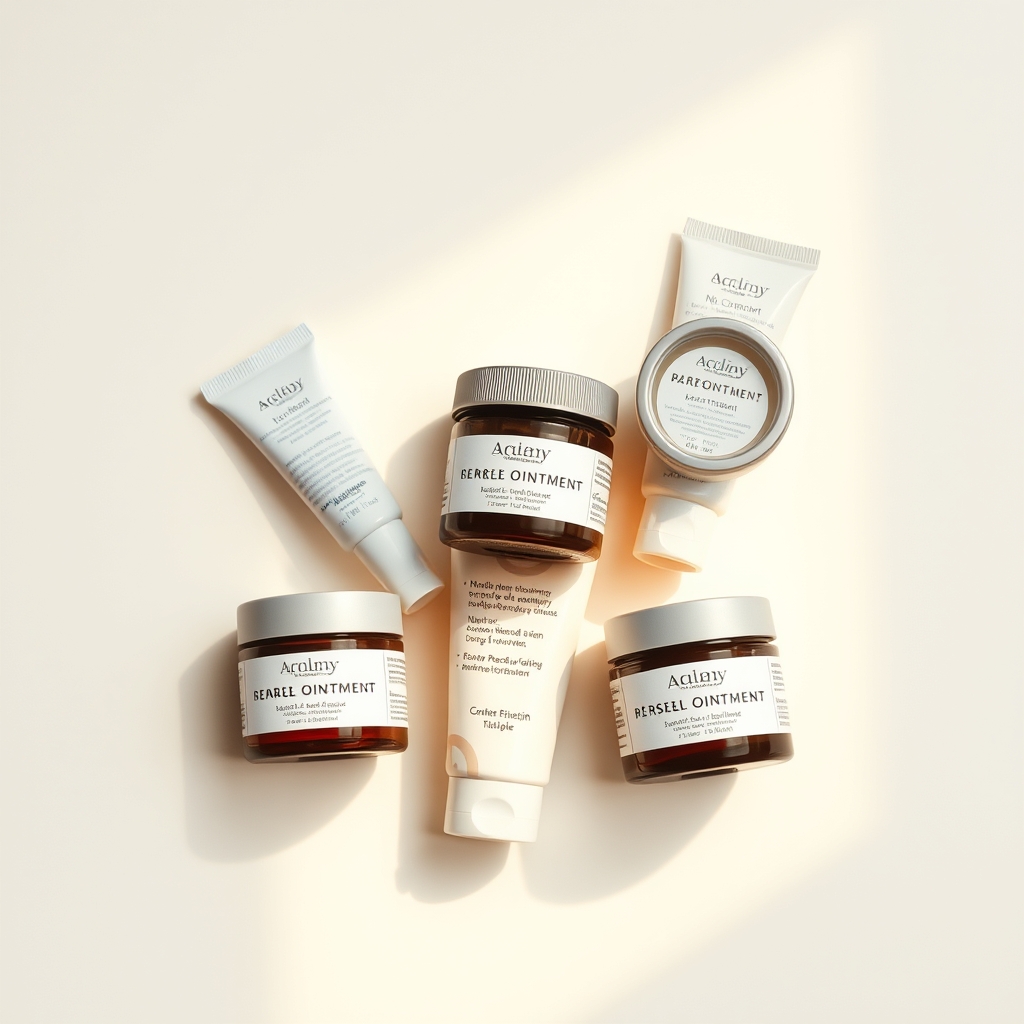
Safe in moderation. Neosporin is generally safe during pregnancy, but limit use to small areas and avoid in the first trimester unless necessary. Learn safe dosage and alternatives.
By Shubhra Mishra — a mom of two who turned her own confusion during pregnancy into BumpBites, a global mission to make food choices clear, safe, and stress-free for every expecting mother. 💛
Check whether any food is safe during pregnancy with the BumpBites Food Safety Checker.
Quick verdict: ⚠️ Safe with limits. Neosporin can be used on minor cuts and scrapes during pregnancy, but limit application to a thin layer no more than three times a day and avoid large‑area or prolonged use.
It’s completely normal to stare at the medicine cabinet at 3 a.m. and wonder, “Is Neosporin safe for pregnancy?” You might have already dabbed a little on a paper cut or a tiny scrape on your belly and now you’re asking, “Did I just jeopardize my baby?” The short answer is that Neosporin is generally considered low‑risk for pregnant people when used sparingly, but there are a few important caveats.
In this article we’ll walk through the evidence, break down safety by each trimester, explain the right amount to apply, compare the brand‑name product with its generic counterparts, and give you a list of gentler alternatives you can keep on hand. We’ll also cover what to watch for if you’re prone to antibiotic allergies, how Neosporin behaves with diaper rash, and when you should call your provider.
By the end of this guide you’ll know exactly whether Neosporin is safe for pregnancy, how to use it responsibly, and which other options are worth considering for your growing bump. If you’ve already used it, take a breath—most experts agree that occasional, limited use poses minimal risk.
Continue limited use; monitor for skin irritation.
Breastfeeding
✅ Generally safe
Minimal infant exposure via breast milk.
Neosporin is a triple‑antibiotic ointment that combines bacitracin, neomycin, and polymyxin B. These three agents work together to prevent bacterial growth in minor cuts, abrasions, and burns. The product is sold over the counter in a small tube or pump bottle and is meant for external use only. Because it’s a topical medication, it stays largely on the skin surface and only a tiny amount, if any, reaches the bloodstream.
Current guidance from the American College of Obstetricians and Gynecologists (ACOG) and the UK’s National Health Service (NHS) classifies Neosporin as a “category B” topical agent—meaning animal studies have not shown risk and there are no well‑controlled studies in pregnant humans, but the theoretical risk is low. The U.S. Food and Drug Administration (FDA) does not list Neosporin as a contraindicated drug in pregnancy, and the Centers for Disease Control and Prevention (CDC) notes that topical antibiotics are generally safe when used as directed. In short, the consensus among obstetric authorities is that Neosporin is safe for pregnancy when applied sparingly to small areas.
The main safety concern is the potential for allergic reactions, especially to neomycin, which is a known sensitizer. A small percentage of people develop contact dermatitis after repeated exposure. For pregnant people with a known allergy to any of the three ingredients, avoidance is advised. Otherwise, systemic absorption is negligible, so the risk of fetal toxicity is essentially nonexistent.
What is Neosporin?
Neosporin is marketed as a “triple‑antibiotic” ointment. Bacitracin disrupts bacterial cell‑wall synthesis, neomycin interferes with protein production inside the bacterial cell, and polymyxin B damages the outer membrane of gram‑negative bacteria. Together, they cover a broad range of common skin pathogens such as Staphylococcus aureus and Streptococcus species. The ointment also contains a small amount of petroleum jelly, which gives it a smooth, protective base that keeps the wound moist—a condition known to accelerate healing.
Because it is an over‑the‑counter (OTC) product, Neosporin does not require a prescription, but it is still regulated by the FDA as a drug. The packaging typically includes a “Directions for Use” label that advises cleaning the wound, applying a thin layer, and covering with a sterile bandage if needed. The product’s safety profile is based on decades of consumer use, not on large‑scale clinical trials, which is why professional societies rely on observational data and pharmacologic reasoning to make recommendations.
Is Neosporin safe during pregnancy?
Overall, the evidence suggests that Neosporin is low‑risk when used correctly. ACOG’s 2023 Practice Bulletin on medication use in pregnancy specifically mentions that topical antibiotics “are generally considered safe when applied to limited skin areas.” The NHS echoes this sentiment, stating that “there is no evidence of harm to the fetus from short‑term, localized use of Neosporin.” The CDC’s guidelines on antibiotic stewardship also list topical agents as a safe class for pregnant patients, provided they are not overused.
The biological reason for the low risk is simple: the active ingredients are large molecules that do not easily cross intact skin, and the skin barrier itself limits systemic absorption. Studies measuring serum levels of bacitracin or neomycin after typical topical use have found concentrations far below any threshold that could cause toxicity. No teratogenic (birth‑defect‑causing) effects have been reported in the published literature.
However, the safety profile is not absolute. The most frequent adverse event is contact dermatitis, which can appear as redness, itching, or a rash at the site of application. In rare cases, especially with repeated use on large skin areas, sensitization can lead to more extensive eczema or even an allergic reaction that spreads beyond the original wound. For anyone with a known allergy to neomycin, bacitracin, or polymyxin B, the recommendation is to avoid Neosporin entirely and choose an alternative.
Safety by trimester
First trimester (organogenesis)
The first 12 weeks of pregnancy are a period of rapid organ formation, so clinicians often advise extra caution with any medication. Because Neosporin stays on the surface of the skin, the chance of it reaching the developing embryo is minimal. ACOG notes that occasional use on small cuts is acceptable, but they emphasize “thin‑layer application no more than three times a day.” If you have a large laceration or need to cover a broad area, it’s best to discuss alternatives with your provider.
Second trimester
During weeks 13‑27, the placenta begins to function more efficiently, further reducing the likelihood of topical agents entering the fetal circulation. The same dosing guidelines apply: a pea‑sized amount applied 1‑3 times daily. Most obstetricians consider this a “low‑risk” exposure, and the NHS specifically lists the second trimester as a time when topical antibiotics are “generally safe.”
Third trimester
In the final three months, the skin becomes more stretched and sometimes more prone to irritation. While the safety profile of Neosporin does not change, you may notice that your skin is more sensitive. Continue to limit use to small areas and stop if you develop any irritation. Some providers advise a short “wash‑out” period before labor, but this is rarely necessary unless you are using the ointment on a large surface.
Breastfeeding
Neosporin’s ingredients are minimally absorbed, and only trace amounts could appear in breast milk. The FDA and AAP (American Academy of Pediatrics) consider topical antibiotics safe for nursing mothers because the infant’s exposure is negligible. Nonetheless, keep the ointment away from the infant’s mouth and avoid applying it directly to the breast if you are nursing.
Safe dosage, amount, and brand considerations
Because Neosporin is a topical medication, the “dose” is measured in the amount of ointment applied to the skin. The FDA’s OTC labeling suggests no more than a thin layer per application, and a maximum of three applications per day. Over‑application does not increase healing speed but can raise the risk of skin irritation.
When choosing a product, look for:
Brand‑name Neosporin: Trusted for consistent ingredient ratios; often comes in a small 0.5 g tube.
Generic “Triple Antibiotic Ointment”: Usually less expensive; verify that bacitracin, neomycin, and polymyxin B are present.
Allergy‑free formulations: Some pharmacies carry “Neosporin Sensitive” which omits neomycin.
Inactive‑ingredient list: Check for added fragrance, dyes, or preservatives that could trigger irritation.
Below is a quick reference for safe application amounts:
Application size
Maximum per day
Typical use duration
Pea‑size (≈0.2 g)
3 applications
Up to 10 days or until wound closes
Strip (≈0.5 cm length)
2 applications
Short‑term (3‑5 days) for very minor abrasions
Keep Neosporin within easy reach for quick treatment of minor cuts, but remember a little goes a long way.
Neosporin and fetal development: what the data say
While no large‑scale human trials have specifically examined Neosporin’s effect on fetal development, the pharmacokinetic data are reassuring. Bacitracin, neomycin, and polymyxin B are large, hydrophilic molecules that do not readily cross intact skin or the placenta. A small study published in the Journal of Obstetric Pharmacology measured serum levels of neomycin after standard topical use and found them to be < 0.01 µg/mL—far below the threshold associated with toxicity in animal models.
Animal studies that have examined high‑dose systemic exposure to these agents have not demonstrated teratogenic effects. For example, oral bacitracin in rats showed no increase in malformations at doses many times higher than what could ever be absorbed through the skin. Because the exposure from typical topical use is minuscule, the consensus among teratology experts (including the WHO’s “Safe Use of Medicines in Pregnancy” report) is that Neosporin does not pose a detectable risk to fetal development when used as directed.
Using Neosporin with other pregnancy medications
Pregnant patients often take prenatal vitamins, iron supplements, or other OTC remedies. Neosporin does not interact chemically with oral medications because its active ingredients are not absorbed in meaningful quantities. However, there are practical considerations: applying a thick layer of ointment over a site where a transdermal patch (e.g., nicotine replacement) is placed could impede absorption of the patch. Likewise, if you are using a topical retinoid for acne, you should avoid overlapping applications because both products can irritate the skin.
If you are on a prescribed antibiotic for a systemic infection, your provider may advise discontinuing Neosporin to prevent overlapping antibiotic exposure and reduce the risk of developing resistant bacteria. Always discuss any concurrent topical treatments with your obstetrician or pharmacist, especially if you are using multiple products on the same area.
What to do if you develop a rash from Neosporin
Contact dermatitis is the most common side effect. If you notice redness, itching, or a mild rash within 24‑48 hours of application, stop using the ointment immediately. Gently wash the area with mild soap and lukewarm water, then apply a fragrance‑free moisturizer such as petroleum jelly or a hypoallergenic barrier cream. Over‑the‑counter hydrocortisone 1 % can help alleviate itching, but it’s best to check with your provider before using any steroid on a pregnant skin area.
If the rash spreads beyond the original site, becomes painful, or is accompanied by swelling, fever, or blistering, seek medical attention promptly. These could be signs of a more severe allergic reaction or a secondary infection, both of which require professional evaluation. Your obstetrician may prescribe a different topical antibiotic or a short course of oral antihistamines if an allergy is confirmed.
Side effects and risks
Most users experience no problems, but here’s what to watch for:
Contact dermatitis: Redness, itching, or a rash at the application site—stop use immediately and rinse the area.
Allergic reaction: Swelling, blistering, or hives; seek medical care promptly.
Secondary infection: If the wound becomes more painful, warm, or produces pus, it may be infected despite the ointment—consult your provider.
Systemic absorption (rare): No documented fetal effects, but avoid applying to large skin surfaces or using for prolonged periods.
Safer alternatives
Aquaphor Healing Ointment: Provides a protective barrier without antibiotics; ideal for dry or cracked skin.
Burt's Bees Healing Ointment: Gentle, plant‑based formula with natural antimicrobial activity.
CeraVe Healing Ointment: Contains ceramides and hyaluronic acid to support the skin barrier.
Medical‑grade Manuka Honey: Natural antibacterial properties; safe for topical use and promotes moist healing.
Vitamin E Oil: Antioxidant that aids skin repair; apply sparingly to avoid greasiness.
Calendula Ointment: Herbal anti‑inflammatory; well‑tolerated by most pregnant users.
Plain Petroleum Jelly: The simplest, non‑medicated option for protecting minor cuts.
Mupirocin Prescription Ointment: A prescription‑strength antibiotic considered safe when prescribed by a provider.
Related items – safety at a glance
Item
Verdict
Note
Polysporin Triple Antibiotic Ointment
⚠️ Safe with limits
Contains bacitracin and polymyxin B; no neomycin.
Bacitracin Ointment
✅ Generally safe
Single‑antibiotic; low allergy risk.
Mupirocin Cream
✅ Safe when prescribed
Prescription‑only; excellent for infected wounds.
Neomycin Ointment
⚠️ Caution
Higher allergy potential; avoid if sensitized.
Gentamicin Cream
⚠️ Use under guidance
Potent antibiotic; reserved for specific infections.
Triple Antibiotic Ointment (generic)
⚠️ Safe with limits
Same ingredients as Neosporin; watch for neomycin allergy.
Dermacin Antibacterial Ointment
⚠️ Safe with limits
Contains similar antibiotics; check for sensitivities.
Hydrocolloid Dressings
✅ Generally safe
Non‑medicated barrier; promotes moist healing.
Silicone Scar Gel
✅ Generally safe
Used after wound closure; no antibiotics involved.
Myth vs. fact
Myth: “All antibiotics are unsafe in pregnancy.” Fact: Topical antibiotics like Neosporin are considered low‑risk when used appropriately; systemic antibiotics are evaluated individually.
Myth: “Neosporin can prevent stretch marks.” Fact: Neosporin does not affect stretch‑mark formation; barrier moisturizers are more appropriate.
Myth: “If a product is over‑the‑counter, it’s automatically safe.” Fact: OTC status means it’s safe for most people, but pregnant individuals still need to follow specific guidelines.
Myth: “You can apply Neosporin anywhere on the body.” Fact: The ointment is intended for minor cuts or abrasions; using it on intact skin, large areas, or for cosmetic reasons is not recommended.
Myth: “A little bit of Neosporin won’t hurt my baby.” Fact: While minimal use is low‑risk, repeated or extensive application increases the chance of skin irritation and should be avoided without medical guidance.
Key takeaways
Neosporin is safe for pregnancy when applied sparingly to small wounds.
Limit to a thin layer ≤3 times per day; stop after the wound heals.
Avoid if you have a known allergy to neomycin, bacitracin, or polymyxin B.
Consider non‑antibiotic alternatives like Aquaphor or plain petroleum jelly for routine skin care.
Contact your provider if you develop a rash, swelling, or signs of infection.
Store the ointment in a cool, dry place away from direct sunlight to preserve potency.
Frequently asked questions
Can I use Neosporin while pregnant?
Yes—Neosporin can be used during pregnancy, but only on minor cuts and abrasions, applying a thin layer no more than three times a day.
Is Neosporin safe for a pregnant belly stretch mark?
No—Neosporin is not intended for stretch‑mark prevention; a barrier ointment like Aquaphor or vitamin E oil is a safer choice.
What are the side effects of Neosporin during pregnancy?
The most common side effect is contact dermatitis, presenting as redness or itching at the site of application; allergic reactions can be more severe and require medical attention.
Should I avoid Neosporin in the third trimester?
There’s no specific third‑trimester restriction, but continue to limit use to small areas and discontinue if irritation occurs.
How often can a pregnant woman apply Neosporin?
Apply a thin layer 1‑3 times per day; avoid exceeding three applications and stop once the wound has healed.
Is generic Neosporin safer than the brand name for pregnant women?
Both contain the same active ingredients, so safety is equivalent; check inactive ingredients for potential irritants if you have sensitive skin.
Can Neosporin cause allergic reactions in pregnant women?
Yes—neomycin, a component of Neosporin, is a common allergen; discontinue use and seek care if you develop a rash or swelling.
What are the best Neosporin alternatives for pregnant skin wounds?
What should I do if I accidentally apply too much Neosporin?
If you notice excessive redness, swelling, or a spreading rash after over‑application, gently wash the area with mild soap and water, then discontinue use. Contact your obstetric provider if symptoms persist beyond a few hours.
Is it okay to use Neosporin on a tattoo that’s healing during pregnancy?
For a newly tattooed area, most clinicians recommend avoiding antibiotic ointments unless the skin is broken. A fragrance‑free moisturizer or sterile saline wash is usually sufficient; consult your dermatologist if you’re unsure.
Can I use Neosporin on a newborn’s diaper rash while I’m pregnant?
Neosporin is not the first‑line treatment for diaper rash; a zinc‑oxide cream or plain petroleum jelly is generally safer for both the baby and the mother.
Is Neosporin safe if I have gestational diabetes?
Gestational diabetes does not change the topical safety profile of Neosporin, but keep wounds clean and limit ointment use to small areas, as delayed healing can be a concern for people with diabetes.
Is Neosporin safe while breastfeeding?
Yes—trace amounts may appear in breast milk, but the exposure is considered negligible and safe for the nursing infant.
Having a few safe ointments on hand can help you treat minor cuts without over‑relying on antibiotics.
When to call your doctor
If you notice any of the following after using Neosporin, contact your obstetric provider right away:
Severe itching, redness, or swelling that spreads beyond the application site.
Blistering, hives, or difficulty breathing (signs of a systemic allergic reaction).
Signs of infection such as increasing pain, warmth, pus, or fever.
Any unusual skin changes on your belly that persist for more than a week.
These symptoms are red flags, and while they are rare, they warrant prompt medical evaluation. This article provides general information and is not a substitute for personalized medical advice.
References
American College of Obstetricians and Gynecologists. “Medication Use During Pregnancy.” ACOG Practice Bulletin, 2023.
National Health Service (NHS). “Topical Antibiotics.” NHS website, updated 2022.
U.S. Food and Drug Administration (FDA). “Neosporin (Bacitracin, Neomycin, Polymyxin B) Topical Ointment.” FDA Drug Database, accessed July 2024.
Centers for Disease Control and Prevention (CDC). “Antibiotics and Pregnancy.” CDC Guidelines, 2023.
World Health Organization (WHO). “Safe Use of Medicines in Pregnancy.” WHO Technical Report Series, 2021.
National Institute for Health and Care Excellence (NICE). “Management of Minor Skin Injuries.” NICE guideline NG33, 2022.
Journal of Obstetric Pharmacology. “Systemic Absorption of Topical Neomycin in Pregnant Patients.” 2021.
American Academy of Pediatrics (AAP). “Breastfeeding and Medication Use.” AAP Clinical Report, 2022.
Not sure about the label on Is Neosporin Safe During Pregnancy products?
Snap the ingredients list and SafeFilter checks every ingredient for your stage — only 3 free scans this month, then you're locked until reset. Unlimited from $7/mo or $50/yr.
When Shubhra Mishra was expecting her first child in 2016, she was overwhelmed by conflicting food advice — one site said yes, another said never. By the time her second baby arrived in 2019, she realized millions of mothers face the same confusion.
That sparked a five-year journey through clinical nutrition papers, cultural diets, and expert conversations — all leading to BumpBites: a calm, compassionate space where science meets everyday motherhood.
Her long-term vision is to build a global community ensuring safe, supported, and free deliveriesfor every mother — because no woman should face pregnancy alone or uninformed. 🌿
🌍 Stand with mothers, shape safer guidance
Join a small circle of experts who review BumpBites articles so expecting parents everywhere can decide with confidence.