The AAP’s “Infant Feeding Guidelines” state that the total daily formula volume for an 11‑month‑old should not exceed 32 oz (960 ml). Going beyond this can crowd out solid foods and increase the risk of iron deficiency because excess cow’s‑milk‑based formula can interfere with iron absorption.
In practice, you can calculate a more personalized amount by multiplying your baby’s weight (in pounds) by 2.5–3 oz. For a 22‑lb infant, that yields roughly 55–66 oz per day, but you’ll subtract the volume contributed by solid foods and water, landing back in the 24–32 oz range.
Another quick method used by many clinicians in the UK is the NHS recommendation of 150 ml per kilogram of body weight per day for infants still on formula. For a 10‑kg baby, that equals about 1500 ml, but again, you’ll subtract solids, leaving a similar 24‑32 oz range. This cross‑reference between US and UK guidelines can give you confidence that you’re in the right ballpark.
How to adjust the amount as solids increase
When your baby starts eating more solids—usually 3–4 spoonfuls per meal by 11 months—you can gently reduce formula by about 2 oz per feeding. The goal is to keep the total around 24 oz while still meeting caloric needs.
Watch for cues: if your baby seems satisfied after a smaller bottle and reaches for more fruit or veggies, you’re likely on the right track.
It’s also helpful to keep a simple feeding log for a week. Write down the ounces per bottle, the solid foods offered, and any notes about mood or sleep. Patterns often emerge that show you’re naturally tapering formula as solids become more appealing.
Yes. Solid foods at this age are primarily for practice and flavor exposure; they don’t yet supply enough calories or micronutrients to replace formula entirely. Formula remains the primary source of protein, iron, and vitamin D until the toddler transitions to whole milk at around 12 months.
In fact, the World Health Organization (WHO) recommends continued milk (breast‑milk or formula) for the first year of life, even as complementary foods become routine. This helps ensure adequate growth and supports brain development.
While many babies start showing a preference for a spoon, the nutritional gap is still significant. For example, a typical 8‑oz bottle of formula provides about 200 kcal and 1 mg of iron, whereas a comparable serving of pureed vegetables supplies far fewer calories and almost no iron. Maintaining formula alongside solids safeguards against hidden nutrient shortfalls.
- Offer 3–4 solid meals per day (breakfast, lunch, dinner, and a snack).
- Keep formula feedings spaced about 3–4 hours apart.
- Introduce new textures gradually—soft‑cooked vegetables, mashed fruits, and shredded meats work well.
- Always offer water in a sippy cup after meals to promote hydration and oral motor skills.
If your baby starts refusing the bottle, it may be a sign they’re getting enough calories from solids, but you should still aim for at least 16 oz of formula daily until the 12‑month milestone.
Over‑feeding formula can lead to a few tell‑tale signs. While each baby is unique, common indicators include:
- Frequent, loose, or watery stools (more than three per day).
- Rapid weight gain that outpaces height growth.
- Persistent diaper rash that doesn’t improve with barrier creams.
- Reduced appetite for solid foods, often turning their head away at the spoon.
- Excessive fussiness after feedings, possibly due to stomach discomfort.
If you notice two or more of these symptoms, consider trimming the formula volume by 2–4 oz per day and offering more solids. Consult your pediatrician if diarrhea persists or if weight gain seems abnormal.
How to spot subtle hunger cues
Sometimes a baby’s “hunger” is actually a need for comfort or a habit. Look for these cues: sucking on fingers, turning toward the bottle, or becoming fussy during a usual feeding window. If your baby is content after a smaller bottle and happily eats solids, they’re likely getting enough nutrition.
Another useful tip is to observe the baby’s energy levels after meals. A well‑fed infant will be alert, engaged, and ready for a short nap, whereas an over‑fed baby may become lethargic or gassy.
The official recommendation from the AAP is to wait until a child is 12 months old before introducing whole cow’s milk as a primary drink. However, many parents start the transition at 11 months to ease the change.
Here’s a safe, step‑by‑step plan:
- Mix the milk. Combine ¾ oz of formula with ¼ oz of whole milk for the first week.
- Increase gradually. Each week, replace an additional ¼ oz of formula with whole milk until you’re offering 100 % whole milk.
- Watch for reactions. Monitor for any rash, vomiting, or increased gassiness, which could signal lactose intolerance.
- Maintain total volume. Keep the overall milk intake at 16–24 oz per day, supplementing with water and solids.
- Stay consistent. Offer the milk at regular meal times rather than as a “comfort” bottle.
Whole milk provides essential fats needed for brain development, but it lacks the iron and vitamin D that formula supplies. That’s why the transition should be gradual, ensuring your baby still gets those nutrients from other sources.
Tips for introducing cow’s milk
- Serve the milk in a cup rather than a bottle to discourage prolonged sucking.
- Pair milk with meals, not as a stand‑alone snack.
- Offer a small amount (2–3 oz) at first, then increase as the baby adapts.
- Continue offering iron‑rich foods like fortified cereals, beans, and meat.
If your pediatrician recommends a fortified whole‑milk product (such as those with added vitamin D), it can bridge the nutrient gap while you’re still reducing formula.
At 11 months, most babies can continue with standard cow‑milk‑based formula, but there are alternatives for specific needs. Below is a quick comparison of common formula categories.
Unless your pediatrician has identified a specific intolerance or allergy, the standard cow’s‑milk‑based formula remains the most cost‑effective and nutritionally complete choice for a 11‑month‑old.
Ask your healthcare provider to screen for signs of allergy—such as eczema, vomiting after feeding, or chronic diarrhea—before selecting a specialty formula. For most infants, the regular formula provides the right balance of calories, protein, and micronutrients.
If you’re considering a soy‑based or hypoallergenic option, be aware that some babies may need a “starter” period to adjust to the different protein structure. Your pediatrician can guide you on the appropriate age to make that switch.
At this stage, most babies thrive on 3–4 feedings per day. Spacing feedings about 3–4 hours apart aligns with their natural sleep‑wake cycles and supports steady blood‑sugar levels.
Here’s a sample schedule that works well for many families:
- 7:00 am – Morning bottle (6‑8 oz).
- 12:00 pm – Mid‑day bottle (6‑8 oz) after lunch.
- 4:30 pm – Afternoon bottle (6‑8 oz) before dinner.
- 7:30 pm – Optional bedtime bottle (2‑4 oz) if needed for comfort.
Adjust the timing based on your baby’s nap schedule and appetite. If you notice the baby waking hungry between feedings, a small “snack” of water or a soft fruit puree can bridge the gap without adding extra formula.
Feeding schedule with solid foods
When solids are part of the routine, aim to serve them 30 minutes before or after the bottle. This helps your baby recognize the difference between a “food” meal and a “drink” feeding, promoting healthier eating habits.
Some parents find it helpful to keep a visual cue—like a small chart on the fridge—showing the day’s feeding times. This reduces anxiety and makes the routine predictable for both parent and child.
By 12 months, many toddlers have reduced formula intake to 16–24 oz (480–720 ml) per day, as solid foods become the main source of nutrition. The drop from 11 to 12 months is typically 4–8 oz, reflecting the growing reliance on family foods.
A 2021 longitudinal study from the Journal of Pediatric Nutrition (cited by the CDC) observed that infants who maintained a steady reduction in formula volume while increasing solid food intake showed better weight‑for‑height ratios at 18 months.
Why the reduction matters
Excessive formula after 12 months can displace iron‑rich foods, leading to anemia. Gradual reduction helps the toddler adapt to new textures and flavors, setting the stage for a diverse diet.
In the UK, the NHS nutrition guidelines echo this recommendation, noting that after the first birthday, whole milk should replace formula as the primary dairy source, while iron‑fortified cereals and meat remain crucial for preventing deficiency.
Is it okay to give whole milk to an 11‑month‑old baby?
Official guidelines advise waiting until the child turns 12 months before offering whole cow’s milk as a primary drink. However, an occasional sip of whole milk (up to 2 oz) is generally safe for an 11‑month‑old, provided the majority of nutrition still comes from formula.
Whole milk supplies essential fats for brain growth, but it lacks the iron and vitamin D that formula provides. If you introduce whole milk before 12 months, do so in very small amounts and monitor for any digestive upset.
Tips for safe early introduction
- Start with a teaspoon mixed into a bottle of formula.
- Offer it only at meal times, not as a separate drink.
- Continue iron‑rich foods like fortified cereal, meat, and beans.
- Watch for signs of intolerance—gas, fussiness, or rash.
If your baby shows any signs of lactose intolerance, the FDA recommends consulting a pediatrician before continuing whole‑milk exposure.

Proper handling of formula reduces the risk of bacterial contamination, which can cause gastroenteritis in young infants. The FDA advises that prepared formula should be used within two hours if left at room temperature, or within 24 hours if stored in the refrigerator at ≤ 4 °C (40 °F).
When you’re ready to feed, gently swirl the bottle to mix the powder; shaking can create air bubbles that make the baby gulp too quickly. Always check the temperature by sprinkling a few drops on the inside of your wrist—warm, not hot.
A useful tip is to label each prepared bottle with the date and time it was made. This visual cue helps busy parents avoid giving a bottle that’s been sitting too long, especially after night‑time feeds. If a bottle has been left out for more than two hours, discard it and prepare a fresh one.
These numbers are a guide; always adjust based on your baby’s appetite, solid‑food intake, and growth curve. Your pediatrician can help you interpret weight‑gain patterns alongside formula volume.
Hydration and water intake for 11‑month‑old babies
While formula supplies most of a baby’s fluid needs, offering a small amount of water after meals helps develop drinking skills and prevents constipation. The AAP suggests 2–4 oz of water per day for an 11‑month‑old, especially when solid foods increase.
Use a sippy cup with a soft spout to encourage self‑drinking without the risk of choking. If you notice your baby is reluctant to drink water, try offering it chilled or flavored with a splash of 100 % fruit juice (no more than 1 oz) to make it more appealing.
Signs of adequate hydration
- Light‑yellow urine (at least 6‑8 wet diapers per day).
- Moist lips and normal skin turgor.
- No signs of dry mouth or excessive fussiness.
If you observe dark urine, fewer wet diapers, or persistent dry mouth, increase water intake modestly and discuss the issue with your pediatrician.
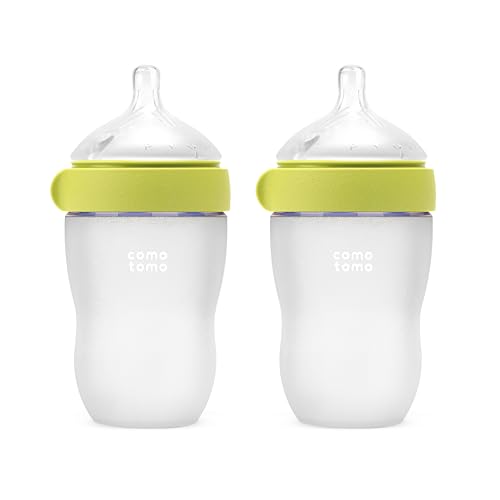
Choosing the right bottle nipple for your 11‑month‑old
At 11 months, many babies transition from slow‑flow to medium‑flow nipples as their sucking strength improves. A nipple that’s too fast can cause gulping, leading to gas, spit‑up, or over‑feeding; a nipple that’s too slow may frustrate the baby and cause them to refuse the bottle.
Look for nipples labeled “2 months + ” or “3 months + ” with a medium flow. Test the flow by holding the bottle upside‑down; a few drops should fall per second. If the formula streams too quickly, switch to a slower flow and monitor how your baby reacts over a few days.
When to switch nipples
- Baby consistently finishes a bottle in under a minute.
- Baby shows signs of choking or coughing during feedings.
- Baby seems uninterested or pushes the bottle away.
Gradual adjustments prevent sudden changes in intake and keep feeding times calm and predictable.
Even with the best intentions, formula feeding can bring up issues like constipation, gas, or mild allergic reactions. Most problems are manageable with simple tweaks.
For constipation, try offering a bit more water and adding a high‑fiber fruit such as pureed prunes or pears to the baby’s diet. If gas is a concern, consider a formula with partially hydrolyzed protein, which can be easier on the digestive system (always discuss with your pediatrician first).
Allergic reactions—such as a rash, wheezing, or persistent vomiting—require immediate medical evaluation. Switching to a hypoallergenic formula under professional guidance is the standard approach.
Myth vs. fact
Myth: “At 11 months, my baby can stop drinking formula altogether if they eat solids.”
Fact: Formula (or breast‑milk) remains a key source of iron, vitamin D, and calories until at least 12 months. Solids supplement, not replace, formula at this age.
Myth: “Giving whole milk early will help my baby grow faster.”
Fact: Whole milk lacks iron and can crowd out formula, potentially leading to anemia if introduced too early.
Myth: “If my baby finishes a bottle quickly, they need more formula.”
Fact: Fast drinking can simply be a habit. Slower‑flow nipples and offering solids first can help regulate intake.
Key takeaways
- Aim for 24–32 oz of formula daily at 11 months, spread over 3–4 feedings.
- Solid foods supplement but do not replace formula until after 12 months.
- Watch for signs of over‑feeding: loose stools, rapid weight gain, and reduced appetite for solids.
- Transition to whole milk gradually, starting around 12 months, using a ¼‑step mixing method.
- Standard cow‑milk‑based formula is suitable for most infants; choose specialty formulas only if advised by a pediatrician.
- Offer water in a cup after meals and keep juice to occasional servings.
- Store prepared formula safely—use within two hours at room temperature or 24 hours refrigerated.
- Provide 2–4 oz of water daily and monitor hydration cues.
- Choose a medium‑flow nipple if your baby is gulping too fast.
- If constipation or gas appears, adjust water intake and consider a partially hydrolyzed formula after consulting your provider.
Frequently asked questions
A typical 11‑month‑old needs about 24–32 oz (720–960 ml) of formula daily, divided into 3–4 feedings. Adjust the amount slightly based on how much solid food they’re eating and their overall growth pattern.
Yes. Solids at this age are mainly for practice and flavor exposure. Formula remains the primary source of iron, vitamin D, and calories until the toddler transitions to whole milk at around 12 months.
Over‑feeding may show up as frequent watery stools, rapid weight gain, persistent diaper rash, reduced interest in solid foods, or fussiness after feedings. If you notice two or more of these signs, consider reducing formula by 2–4 oz per day.
The American Academy of Pediatrics recommends introducing whole cow’s milk as a primary drink at 12 months. If you start a gradual transition at 11 months, mix increasing amounts of whole milk with formula over 4–5 weeks, watching for any intolerance signs.
How many ounces per feeding are appropriate for an 11‑month‑old?
Each feeding should be about 6–8 oz (180–240 ml). If you offer four feedings, that totals 24–32 oz per day. Adjust up or down based on your baby’s appetite and solid‑food intake.
Is it safe to give whole milk to an 11‑month‑old baby?
Occasional small amounts (up to 2 oz) are generally safe, but whole milk should not replace formula until the child is 12 months old. Whole milk lacks iron and vitamin D, so keep formula as the main milk source until the transition.
Formula is fortified with iron (usually 4–5 mg per liter). If your baby is drinking the recommended 24–32 oz daily, they’re likely meeting iron needs. Look for signs of iron deficiency such as pallor, fatigue, or prolonged fussiness, and discuss testing with your pediatrician if concerned.
Can I give my 11‑month‑old goat’s milk?
Goat’s milk is not recommended as a primary drink before 12 months because it lacks adequate folate and vitamin B12, and it can be harder for infants to digest. If you prefer a non‑cow option, choose a fortified goat’s‑milk formula that meets AAP standards.
Use a simple feeding log—paper or a phone app—to note the ounces per bottle, the time, and any solid foods offered. Pair this with a weekly weight check at home or at the doctor’s office to ensure growth is on track.
Switching brands is generally safe, but choose a formula with a similar nutrient profile (iron‑fortified, vitamin D, DHA). If your baby has a known allergy or intolerance, consult your pediatrician before making a change.
When to see a doctor
If you notice any of the following red‑flag symptoms, contact your pediatrician or a pediatric gastroenterologist promptly:
- Persistent diarrhea (more than 3 watery stools per day) lasting >24 hours.
- Vomiting after every feeding.
- Sudden, unexplained weight gain or loss.
- Severe diaper rash that doesn’t improve with barrier creams.
- Signs of allergic reaction (hives, swelling, respiratory distress) after formula.
- Persistent refusal to eat solids or a drastic drop in appetite.
This article is for informational purposes only and does not substitute personalized medical advice. Always discuss feeding plans and any concerns with your child’s healthcare provider.
References
- American Academy of Pediatrics. “Infant Feeding and Nutrition.” AAP, 2023.
- World Health Organization. “Infant and Young Child Feeding.” WHO, 2022.
- Centers for Disease Control and Prevention. “Nutrition for Infants and Toddlers.” CDC, 2021.
- Journal of Pediatric Nutrition. “Longitudinal Study of Formula Reduction and Solid Food Intake.” 2021.
- Harvard T.H. Chan School of Public Health. “Toddler Nutrition.” Harvard, 2023.
- National Institute of Child Health and Human Development. “Breastfeeding and Formula Feeding Guidelines.” NICHD, 2022.
- National Health Service (UK). “Feeding your baby: formula milk.” NHS, 2023.
- U.S. Food and Drug Administration. “Guidance for the Safe Use of Infant Formula.” FDA, 2022.
- American Academy of Pediatrics. “Whole Milk Introduction.” AAP, 2022.
- American Academy of Pediatrics. “Hydration Guidelines for Infants and Toddlers.” AAP, 2023.
- U.S. Food and Drug Administration. “Infant Formula Labeling Requirements.” FDA, 2021.