Quick take: A 12‑month‑old typically needs about 16‑24 oz (½‑¾ L) of formula a day, spread over 2‑3 feedings, unless you’re transitioning to whole milk. Watch appetite, weight gain, and solid‑food intake to fine‑tune the amount. If you notice signs of over‑ or under‑feeding, or are unsure about the right timing, talk to your pediatrician.
It’s 3 a.m. and you’re staring at an almost‑empty bottle, wondering if your 12‑month‑old is getting enough to drink. You’re not alone—many parents hit this exact moment when the toddler stage blends formula routines with new solid foods and the first sips of whole milk. The good news is that the guidelines are clear, and with a few simple calculations you can feel confident about how much formula for 12 month baby is just right for your child.
In this article we’ll walk through the daily volume you should aim for, how often to offer bottles, how to transition to whole milk, what the signs of over‑ or under‑feeding look like, and which formulas are best if you’re still using them. We’ll also give you practical tips for measuring, preparing, and storing formula safely, plus a quick‑reference table comparing formula and whole‑milk nutrition.
By the end you’ll have a solid, evidence‑based plan that you can adapt to your baby’s weight, appetite, and solid‑food intake. Remember, every child is unique, so use this as a guide and keep your pediatrician in the loop for any concerns.
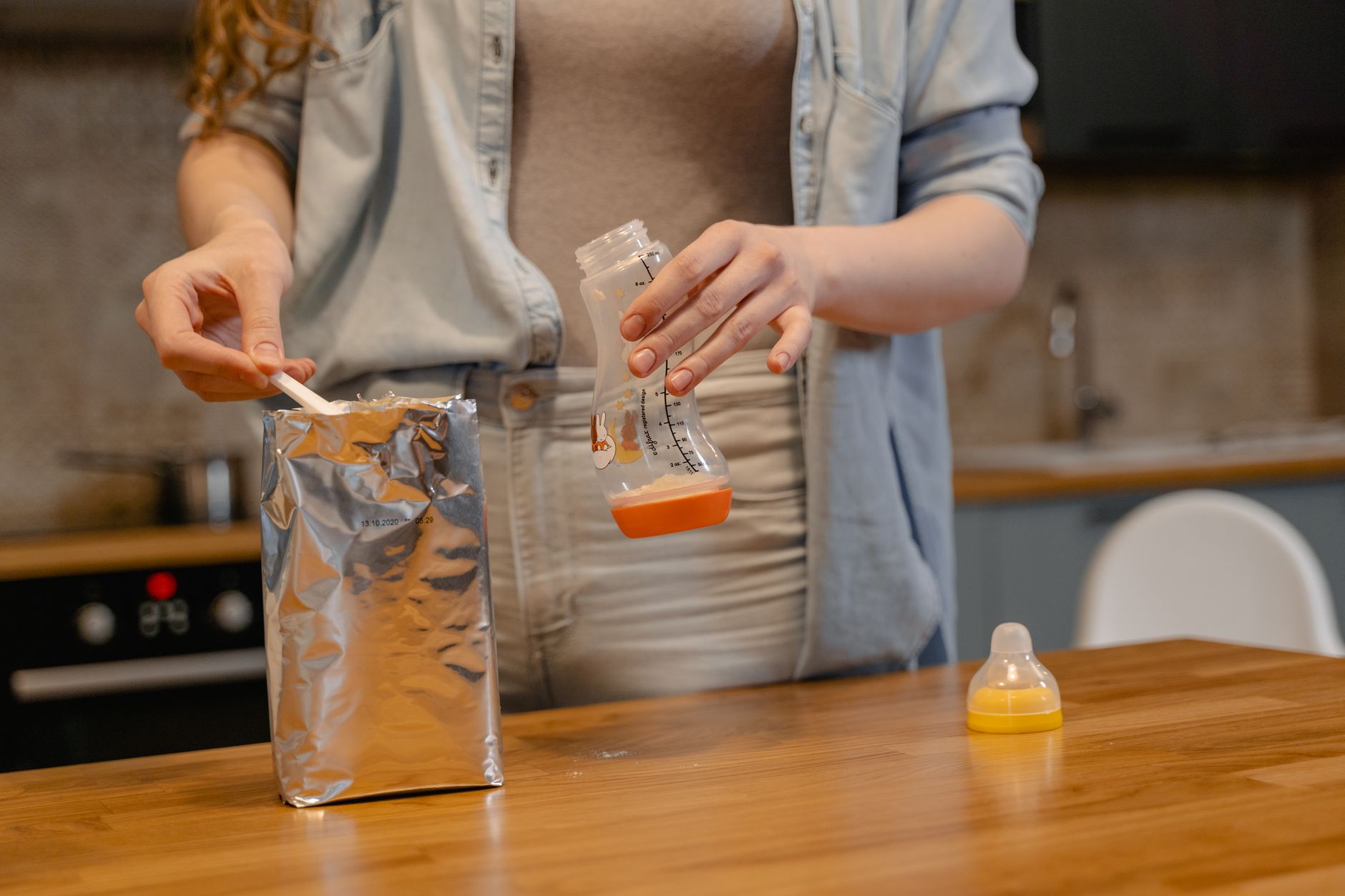
For most toddlers, the American Academy of Pediatrics (AAP) recommends roughly 16‑24 oz (½‑¾ L) of formula daily at 12 months. This range translates to about 2‑4 oz per feeding if you’re offering three bottles, or 4‑6 oz per feeding with two bottles. The exact amount depends on your child’s weight, growth curve, and how much solid food they’re eating.
Because toddlers’ appetites can change from day to day, it’s helpful to view the 16‑24 oz recommendation as a flexible window rather than a strict rule. If your baby is gaining weight steadily on the lower end of the range, you’re likely providing enough calories. Conversely, if growth stalls, a modest increase—perhaps an extra ounce or two at a meal—can make a difference without over‑loading the system.
Weight‑based guideline
One practical rule of thumb is to aim for 2.5 oz (≈75 ml) of formula per kilogram of body weight per day. For example, a 12‑month‑old weighing 10 kg (22 lb) would need about 25 oz (≈750 ml) – which is slightly above the AAP ceiling, so you’d trim it to 24 oz and make up the rest with solid foods and milk.
Adjusting for appetite
If your toddler is a “big eater” at meals, you may find they need less formula, perhaps closer to 16 oz total. Conversely, a picky eater may still rely on formula for a larger share of calories, nudging you toward the 24‑oz upper end.
What the research says
Studies from the National Institutes of Health (NIH) show that infants who meet the 16‑24 oz range typically achieve appropriate weight gain of 0.5‑1 lb per week between 12‑18 months, aligning with WHO growth standards.
Practical tip for parents
Use a marked bottle or a kitchen measuring cup to keep track of daily intake. Adding the ounces together at the end of the day gives you a quick visual cue—if you’re consistently below 16 oz, consider offering a small snack or an extra ounce at the next feeding.
Most experts suggest 2‑3 formula feedings per day for a 12‑month‑old. The exact schedule can be tailored to your family’s routine, but keep the following points in mind:
- Morning bottle: 30‑60 minutes after waking, before or after a small solid breakfast.
- Mid‑day bottle: Optional, especially if lunch is light or the toddler is still hungry.
- Evening bottle: Offer 30‑45 minutes before bedtime, ensuring the child isn’t falling asleep with a bottle to reduce tooth decay risk.
Spacing feedings roughly 4‑5 hours apart helps maintain steady energy levels and supports a regular sleep pattern. If you’re moving toward whole milk, you can gradually replace the midday bottle with a cup of water or a small serving of fruit.
Sample feeding schedule
Adjust the amounts based on your toddler’s hunger cues—if they’re still fussy after a feeding, offer a little more, but avoid forcing them to finish a bottle.
Why consistency matters
Regular feeding times help regulate the body’s internal clock, which can improve sleep quality and reduce fussiness. The NHS notes that predictable routines also give parents a clearer picture of how much the child is actually drinking, making it easier to spot trends.
Yes, the AAP advises that around the first birthday you can start introducing whole cow’s milk. The transition is gradual: begin with 2‑3 oz of whole milk mixed with an equal amount of formula, then increase the milk portion over 2‑3 weeks.
During the first week of mixing, the toddler will still get about 75‑80 % of their usual formula volume, meaning roughly 12‑18 oz of formula per day, supplemented with 2‑6 oz of whole milk. By week three, most babies are down to 4‑6 oz of formula daily, with the rest coming from whole milk and solids.
Why whole milk?
Whole milk provides essential fats for brain development that formula may already contain, but it also adds calcium and vitamin D in a form that’s easy for toddlers to digest. The CDC notes that whole milk is appropriate for children 12‑24 months, after which you can shift to reduced‑fat milk if desired.
Tips for a smooth switch
- Offer the mixed bottle at the same time you’d normally give formula.
- Watch for any signs of intolerance (rash, vomiting, diarrhea) and pause the transition if they appear.
- Gradually increase the milk portion while decreasing formula, rather than swapping abruptly.
Potential challenges and solutions
Some toddlers resist the new taste or texture of cow’s milk. If this happens, try serving the milk warm (around body temperature) or mixing it with a familiar fruit puree. The ACOG suggests offering the milk in a cup rather than a bottle to encourage a sense of independence.
Because formula is a major source of calories and nutrients, it’s important to watch for warning signs that your toddler’s intake is off‑balance.
Over‑feeding indicators
- Rapid weight gain (> 2 lb in a month) or a BMI above the 95th percentile for age.
- Frequent, loose stools or diarrhea.
- Persistent fussiness after feeds, suggesting the baby is uncomfortable.
- Dental issues such as early enamel erosion—often linked to prolonged bottle use.
Under‑feeding indicators
- Stagnant or declining weight gain (less than 0.5 lb per week).
- Dry, cracked skin and dull hair, which can hint at inadequate fat intake.
- Excessive sleepiness or lethargy, especially after meals.
- Increased irritability during typical feeding times.
If you notice any of these signs, contact your pediatrician promptly. They can assess growth charts and adjust feeding recommendations.
When to suspect a medical issue
Occasionally, feeding problems mask an underlying condition such as gastroesophageal reflux or a mild food allergy. The American Academy of Allergy, Asthma & Immunology (AAAAI) recommends a referral to a pediatric gastroenterologist if the child has recurrent vomiting, persistent constipation, or unexplained irritability despite adequate formula intake.
At 12 months, solid foods begin to supply a larger share of calories—roughly 30‑40 % of daily energy. To keep the balance right, use this step‑by‑step method:
- Determine total daily calories needed. For a typical 12‑month‑old, the CDC suggests 900‑1,000 kcal per day.
- Estimate calories from solids. Count the approximate kcal from meals and snacks (e.g., 200 kcal for breakfast, 250 kcal for lunch, 200 kcal for dinner, 100 kcal for snacks = 750 kcal).
- Subtract solid‑food calories from the total. 1,000 kcal − 750 kcal = 250 kcal needed from formula.
- Convert calories to ounces. Infant formula provides about 20 kcal per ounce. 250 kcal ÷ 20 kcal/oz ≈ 12.5 oz.
- Adjust for weight and appetite. If your baby’s weight is under the median, add a couple of ounces; if they’re a heavy eater, trim slightly.
The result is a personalized daily formula volume—usually landing in the 12‑24 oz range—tailored to the amount of solid food your toddler actually consumes.
Why tracking matters
Keeping a simple log (even a quick note on your phone) helps you notice patterns, such as a sudden drop in formula intake that could signal a new food aversion or a developing illness. The NHS encourages parents to bring this log to routine well‑child visits.
Even as you begin the weaning process, the right formula can support growth and make the transition smoother. Here are the main categories and when they’re most appropriate:
For most 12‑month‑olds, a standard cow’s‑milk‑based formula (e.g., Enfamil™ or Similac™) is sufficient. If your child has a known cow’s‑milk protein allergy, a hypoallergenic formula is recommended by the American Academy of Allergy, Asthma & Immunology (AAAAI). Soy formulas can be an alternative, but they’re not automatically better for growth.
How to choose
- Check the label for iron (≥ 9 mg/L) and DHA (≥ 20 mg/L), both important for brain development.
- Consider your family’s dietary preferences—organic formulas are available but often cost more.
- Consult your pediatrician before switching brands, especially if your child has a history of reflux or eczema.
Understanding the label
The U.S. Food and Drug Administration (FDA) mandates that all infant formulas list the amount of key nutrients per 100 kcal. Look for “Vitamin D (400 IU/L)” and “Calcium (200 mg/L)” to ensure the product meets the minimum standards for toddlers.
Giving a nighttime bottle is a common practice, but it comes with pros and cons. The AAP advises limiting bedtime feeds to 4‑6 oz to reduce the risk of early childhood caries and to promote better sleep continuity.
Why keep the night bottle small?
- Dental health: Prolonged exposure to milk sugars can erode enamel.
- Sleep cycles: Large volumes can cause reflux or a full bladder, leading to more night awakenings.
- Weight management: Excess calories after the day’s main meals can contribute to unnecessary weight gain.
How to make bedtime feeding safer
- Offer the bottle about 30 minutes before bedtime, not right before lying down.
- Use a slow‑flow nipple to encourage sipping rather than gulping.
- After the feed, gently wipe the baby’s gums with a soft, damp cloth.
- If you’re comfortable, try a cup of water instead of formula once the child is comfortable with the transition.
Most toddlers thrive on a 4‑oz bedtime bottle, but if your child is still hungry, you can increase to 6 oz while monitoring for the signs of over‑feeding listed earlier.
Spotting a problem early
If you notice frequent night wakings, coughing, or a sudden increase in wet diapers after a larger night bottle, consider scaling back. The NHS recommends a brief “sleep‑only” period of a few nights to see if the child can settle without a bottle.
Summarizing the key numbers: aim for 16‑24 oz total per day, adjusted for weight and solid‑food intake. A 10‑kg toddler typically needs about 20 oz, while a 12‑kg toddler may need up to 24 oz.
Quick reference chart
These numbers are a starting point; if your toddler is eating more solids, you may sit on the lower end, and if they’re a light eater, stay closer to the upper end.
Why the range matters
Children grow at different rates, and a single day’s intake can vary based on illness, teething, or emotional mood. The range allows for those normal fluctuations while still keeping you within a safe nutritional envelope.
A predictable schedule helps both parent and child feel secure. Below is a flexible framework that fits most family routines.
- 7:00 am – Morning bottle (4‑6 oz). Pair with a small fruit or cereal.
- 12:30 pm – Lunch bottle (4‑6 oz). Offer after a solid lunch.
- 5:30 pm – Early evening bottle (4‑6 oz). Useful if dinner is early or light.
- 8:30 pm – Bedtime bottle (2‑4 oz). Keep it small to protect teeth.
Feel free to shift times by an hour or two to match your family’s wake‑up and bedtime. Consistency, not exact timing, is what matters most for establishing a routine.

Even after the first birthday, proper handling of formula remains essential to protect your toddler from bacterial contamination. The FDA’s “Guidance for Industry: Infant Formula” outlines three key steps: preparation, storage, and disposal.
Preparation
- Wash your hands thoroughly before handling any equipment.
- Use water that is at least 70 °C (158 °F) for powdered formula, then cool to room temperature before feeding. This kills most bacteria without altering nutrient content.
- Follow the manufacturer’s scoop‑to‑water ratio exactly; too much powder can concentrate nutrients and increase the risk of constipation.
Storage
Prepared formula can be kept in the refrigerator (≤ 4 °C or 39 °F) for up to 24 hours. If a bottle sits out at room temperature, discard it after 2 hours. The NHS advises labeling each bottle with the time it was made to avoid accidental over‑use.
Discarding
Never reheat a bottle more than once. If a baby does not finish a bottle within 1 hour of feeding, discard the remainder. This prevents bacterial growth that can cause gastrointestinal upset.
Travel tips
When you’re on the go, use insulated travel bags with ice packs to keep formula cold. Pre‑measure the powder into a small, clean container so you can mix quickly at the destination—this reduces the chance of errors in the field.
Water and other beverage recommendations for 12‑month‑old toddlers
Beyond formula and milk, toddlers need adequate fluids to stay hydrated, especially in warm weather or during illness. The American Academy of Pediatrics (AAP) says that once whole milk is introduced, plain water can be offered between meals.
How much water?
For a typical 12‑month‑old, 4‑8 oz (120‑240 ml) of water per day is sufficient. Offer a sippy cup after meals or during snack time. Avoid sugary drinks, fruit juices, or flavored milks, as they add unnecessary calories and can displace nutrient‑dense foods.
Special cases
If your child is constipated, a small increase in water (up to 12 oz per day) can help soften stools. Conversely, if your toddler is ill with a fever, you may need to offer extra fluids—watch for signs of dehydration such as dry mouth or fewer wet diapers.
What to avoid
Energy drinks, sports drinks, and caffeinated beverages are not appropriate for toddlers. The FDA warns that caffeine can interfere with sleep patterns and calcium absorption in young children.
Common feeding challenges and how to troubleshoot them
Even with a solid plan, many parents encounter hiccups—refusal of the bottle, sudden appetite drops, or gagging on new textures. Below are three frequent issues and practical solutions.
Refusing the bottle during the milk transition
Gradual mixing, as described earlier, is key. If resistance persists, try offering the mixture in a cup with a straw or a “training” bottle that mimics the familiar shape but has a softer nipple. Patience is vital; most toddlers adapt within 2‑3 weeks.
Sudden reduction in appetite
Illness, teething, or a new developmental milestone (like walking) can temporarily suppress appetite. Keep offering small, frequent meals and monitor weight. If the reduced intake lasts more than a week, schedule a check‑up.
Gagging on thicker textures
Pureed foods can feel unfamiliar. Thin the puree with a little breast milk, formula, or water, then gradually increase thickness as the child becomes comfortable. The AAP recommends introducing a variety of textures by 9 months to reduce later picky‑eating.
Myth vs. fact
Myth: A 12‑month‑old should stop formula completely and drink only whole milk.
Fact: Many toddlers still need a modest amount of formula (often 4‑6 oz) during the transition to whole milk, especially if solid‑food intake is low.
Myth: More formula always means a bigger, healthier baby.
Fact: Excess formula can lead to over‑feeding, rapid weight gain, and dental decay. Balance with solids and monitor growth charts.
Myth: You can give a toddler a “big” bottle at night without any downside.
Fact: Large nighttime feeds increase the risk of early childhood caries and can disrupt sleep. Keep bedtime bottles to 4‑6 oz.
Key takeaways
- Most 12‑month‑olds need 16‑24 oz of formula daily, adjusted for weight and solid‑food intake.
- Offer 2‑3 feedings per day, spacing them 4‑5 hours apart.
- Watch for signs of over‑ or under‑feeding; consult your pediatrician if you notice rapid weight changes or persistent GI issues.
- Transition to whole milk gradually, starting with a 1:1 mix of formula and milk.
- Choose a formula that meets iron and DHA needs; standard cow‑milk‑based formulas suit most toddlers.
- Keep bedtime bottles small (4‑6 oz) and practice good oral hygiene after each feed.
- Store prepared formula in the fridge for no more than 24 hours and discard any leftovers after 1 hour at room temperature.
- Offer 4‑8 oz of plain water daily, and avoid sugary drinks and caffeine.
Frequently asked questions
Most experts recommend 16‑24 oz (½‑¾ L) per day, which you can split into 2‑3 feedings. Adjust up or down based on your child’s weight, appetite, and solid‑food intake.
Yes. The AAP suggests introducing whole cow's milk around the first birthday, but you can continue offering a small amount of formula (4‑6 oz) while you transition.
Rapid weight gain, frequent loose stools, persistent fussiness after feeds, and early enamel erosion are common red‑flags. If you notice any, talk to your pediatrician.
Two to three times daily works for most toddlers. Typical times are morning, midday, and early evening, with a small bedtime bottle if needed.
Yes, as long as the bottle is limited to 4‑6 oz and you practice good oral hygiene afterward. Larger nighttime feeds can increase the risk of tooth decay and sleep disruption.
Calculate total daily calories (≈ 900‑1,000 kcal), subtract calories from solids, then convert the remainder to ounces (≈ 20 kcal per ounce). This usually lands you in the 12‑24 oz range.
Start the transition at 12 months, mixing formula and whole milk gradually over 2‑3 weeks. If your child shows signs of intolerance or you have a family history of allergies, discuss options with your pediatrician.
Yes. Soy formula is a lactose‑free, plant‑based alternative that the AAP recognizes as suitable for toddlers with cow’s‑milk protein allergy, provided the child tolerates soy. Always confirm with your pediatrician before making the switch.
What if my toddler refuses the bottle during the milk transition?
Try offering the mixture in a sippy cup, reduce the temperature slightly, or add a familiar fruit puree to mask the new taste. Consistency and patience usually help the child adjust within a few weeks.
When to see a doctor or specialist
If you notice any of the following, contact your pediatrician promptly:
- Weight gain that jumps more than 2 lb in a month or stalls for several weeks.
- Persistent diarrhea, vomiting, or constipation that lasts longer than a few days.
- Signs of dehydration (dry mouth, no tears when crying, fewer wet diapers).
- Early signs of tooth decay (white spots on teeth) or recurrent ear infections.
- Any allergic reaction after formula changes (rash, wheezing, swelling).
For complex feeding issues, growth concerns, or suspected allergies, your pediatrician may refer you to a pediatric gastroenterologist, dietitian, or allergist for specialized care.
References
- American Academy of Pediatrics. “Nutrition: What Every Parent Needs to Know.” AAP, 2023.
- Centers for Disease Control and Prevention. “Infant Nutrition.” CDC, 2022.
- World Health Organization. “Infant and Young Child Feeding.” WHO, 2021.
- National Institutes of Health. “Growth Charts for the United States.” NIH, 2020.
- American Academy of Allergy, Asthma & Immunology. “Cow’s Milk Protein Allergy in Infants.” AAAAI, 2022.
- Harvard T.H. Chan School of Public Health. “Breastfeeding and Formula Feeding.” Harvard, 2023.
- U.S. Food and Drug Administration. “Guidance for Industry: Infant Formula.” FDA, 2021.
- National Health Service (UK). “Feeding your baby: formula and milk.” NHS, 2022.
- American Academy of Dermatology. “Oral health and early childhood caries.” AAD, 2021.
- American Psychological Association. “Stress and sleep in early childhood.” APA, 2020.