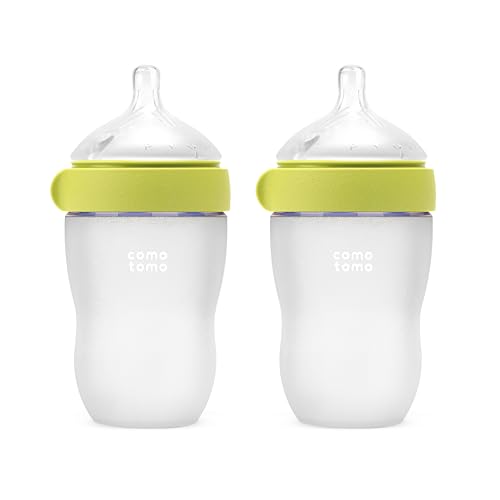
By 3 months of age, most babies have settled into a more predictable feeding pattern compared to the newborn stage. While individual needs vary, the average 3-month-old typically consumes between 4 to 6 ounces of formula per feeding. This amount is usually offered every 3 to 4 hours, resulting in a total daily intake of roughly 20 to 30 ounces over a 24-hour period, as discussed above.
At this age, babies are also becoming more efficient at feeding. They might finish a bottle more quickly than they did as newborns, and some may even start to go longer between feeds, particularly overnight. This increased efficiency and capacity means they can take in more calories in a single sitting, which helps them feel satisfied for longer.
You might notice your baby's appetite fluctuate. For instance, during a growth spurt, which often occurs around 3 months, your baby might seem hungrier and demand more frequent or larger feedings. These periods are normal and usually temporary. Trusting your baby's cues during these times is crucial.

How Many Ounces Per Feeding for a 3 Month Old?
Breaking down the daily total into individual feedings helps you prepare bottles appropriately. For a 3-month-old, a typical single feeding will consist of 4 to 6 ounces of formula. However, this isn't a hard and fast rule. Some babies might prefer slightly smaller, more frequent feedings, while others might take 7 ounces and then sleep for a longer stretch.
To determine the ideal amount per feeding for your baby, you can take their estimated daily intake (e.g., 25 ounces) and divide it by the number of feedings you anticipate in a 24-hour period (e.g., 6 feedings). In this example, 25 ounces / 6 feedings = approximately 4.1-4.2 ounces per feeding. Rounding up to 4.5 or 5 ounces per bottle is a reasonable starting point.
The key is to start with a reasonable amount, like 4 ounces, and observe your baby. Do they finish it and still seem hungry? Offer another ounce. Do they stop halfway and push the bottle away? They're likely full. Learning to read these subtle cues is one of the most important skills you'll develop as a parent.
By 3 months, most formula-fed babies have established a more consistent feeding rhythm. While newborns might feed every 2-3 hours, a 3-month-old typically feeds every 3 to 4 hours during the day. This schedule allows them to consume larger amounts per feeding, keeping them satisfied for longer stretches.
However, it's vital to prioritize responsive feeding, also known as feeding on demand. This means offering a bottle when your baby shows signs of hunger, rather than strictly adhering to a clock. Babies communicate their needs through various hunger cues. Learning to recognize these cues is key to successful feeding.
Common hunger cues at 3 months include:
- Rooting (turning their head towards your hand or the bottle)
- Sucking on their hands or fingers
- Lip smacking or making sucking noises
- Fussiness or agitation
- Crying (this is a late sign of hunger, try to feed before they reach this point)
Responding to these early hunger cues helps your baby learn that their needs will be met, fostering a sense of security and trust. It also prevents them from becoming overly distressed, which can make feeding more challenging.
Night Feedings for a 3-Month-Old
Many 3-month-olds are starting to consolidate their sleep, potentially sleeping for longer stretches at night. Some might even go 6-8 hours without a feeding. However, it's also perfectly normal for a 3-month-old to still wake for one or two night feedings. Don't compare your baby's sleep patterns to others; every baby develops at their own pace.
If your baby wakes at night and shows hunger cues, offer them a feeding. If they are sleeping soundly and gaining weight well, there's generally no need to wake them to feed, unless specifically advised by your pediatrician (for example, if they have certain health conditions or are not gaining weight adequately). Always consult your pediatrician if you have concerns about your baby's night feeding patterns or overall growth.
While feeding on demand is crucial, establishing a general routine can bring a sense of predictability to your day and help your baby anticipate feedings. A "best" schedule isn't rigid; it's a flexible framework that adapts to your baby's unique rhythms while ensuring they get enough nutrition. At 3 months, many babies naturally fall into a routine of feeding every 3-4 hours.
Here’s an example of a flexible feeding schedule for a 3-month-old, assuming they take around 5-6 ounces per feeding and typically have 6 feedings over 24 hours:
- 7:00 AM: Morning feeding
- 10:00 AM: Mid-morning feeding
- 1:00 PM: Lunchtime feeding
- 4:00 PM: Afternoon feeding
- 7:00 PM: Pre-bedtime feeding
- 10:00 PM (Dream Feed): Optional feeding while baby is drowsy, sometimes helps with longer night sleep.
- Overnight: One or two additional feedings as needed, based on baby's hunger cues.
This is just a template. Your baby might naturally shift these times by an hour or two. The most important thing is to watch your baby, not the clock. If they show hunger cues at 2.5 hours, feed them. If they're sleeping peacefully at the 4-hour mark, let them sleep until they wake or show signs of hunger.
Creating a Flexible Feeding Routine
Creating a routine isn't about rigid adherence; it's about observing your baby's natural patterns and gently guiding them. Here are some tips:
- Observe and Adapt: Pay attention to when your baby typically wakes, gets hungry, and naps. Build your routine around these natural rhythms.
- Start with the First Feed: Often, the morning wake-up feed sets the tone for the day. Try to make this feed consistent.
- Eat, Play, Sleep: Many parents find success with an "Eat, Play, Sleep" cycle. After a feeding, allow some awake time for play and interaction, then put them down for a nap. This helps separate feeding from sleep association.
- Be Patient: It takes time for babies to adjust to any routine. Some days will be smoother than others. Don't get discouraged if a day goes off track.
- Involve Your Partner: If possible, share feeding responsibilities, especially for night feeds, to help both of you get adequate rest.
A flexible routine provides structure without stifling your baby's individuality. It helps you anticipate their needs and brings a sense of calm to your daily life.
One of the biggest concerns for formula-feeding parents is whether their baby is truly getting enough to thrive. While the number of ounces can be a guide, your baby's overall well-being and growth are the most reliable indicators. Instead of fixating solely on the volume, look for these reassuring signs that your 3-month-old is well-fed and healthy:
Signs Your Baby is Well-Fed: A Checklist
- Consistent Weight Gain: This is the most important indicator. Your pediatrician will track this at well-child visits. At 3 months, babies typically gain about 1-1.5 pounds per month.
- Plenty of Wet Diapers: Your baby should be having at least 6-8 wet diapers in a 24-hour period. Urine should be pale yellow and not have a strong odor.
- Regular Bowel Movements: Formula-fed babies typically have 1-4 soiled diapers per day, but some may go a day or two between bowel movements. Stools should be soft, pasty, and yellow-tan to brown in color.
- Alertness and Activity: When awake, your baby should be alert, engaged, and interested in their surroundings. They should have periods of active play and interaction.
- Good Skin Tone: Your baby's skin should look healthy and have good color.
- Satisfied After Feedings: After finishing a bottle, your baby should appear content and relaxed, not still rooting or fussing for more. They might even drift off to sleep.
- Meeting Developmental Milestones: While not directly tied to a single feeding, overall development (like head control, reaching for toys, smiling) indicates good health and nutrition.
If your baby is exhibiting these signs, you can generally be confident that they are receiving adequate nutrition. Trust your instincts, and remember that you know your baby best.
How Many Wet and Soiled Diapers Should a 3-Month-Old Have?
Diaper output is a crucial daily check for adequate hydration and intake. For a 3-month-old:
- Wet Diapers: You should expect at least 6 to 8 wet diapers in a 24-hour period. These should feel heavy, indicating a good amount of urine. Light, dry diapers can be a sign of dehydration or insufficient intake.
- Soiled Diapers: The frequency of soiled diapers can vary more widely for formula-fed babies compared to breastfed babies. Some formula-fed 3-month-olds will have 1 to 4 bowel movements per day, while others might only go every other day. As long as the stool is soft and your baby is not straining excessively, this range is generally considered normal.
If you notice a significant decrease in wet diapers, signs of hard or pebble-like stools, or your baby seems uncomfortable during bowel movements, it's a good idea to discuss this with your pediatrician. These could be signs of dehydration or a reaction to the formula.

Just as parents worry about underfeeding, it's also possible for a baby to consume too much formula. While babies are generally good at self-regulating, certain feeding practices or misinterpreting cues can sometimes lead to overfeeding. Recognizing the signs of overfeeding can help you adjust your approach and prevent discomfort for your little one.
Signs that your 3-month-old might be drinking too much formula include:
- Frequent Spitting Up or Vomiting: While some spitting up is normal for babies, excessive or forceful spitting up after most feedings can be a sign of an overfilled stomach. Vomiting, which is more forceful expulsion, is a stronger indicator.
- Excessive Weight Gain: Your pediatrician monitors weight gain closely. If your baby is gaining weight significantly faster than expected, it might suggest overfeeding.
- Gassiness, Bloating, or Abdominal Discomfort: Taking in too much formula can lead to an upset tummy, causing gas, a distended belly, and general fussiness or discomfort.
- Frequent Hiccups: While common in babies, very frequent hiccups, especially after feeds, can sometimes be linked to an overly full stomach.
- Refusal to Feed or Pushing the Bottle Away: If your baby consistently seems uninterested in finishing a bottle or actively turns away from it, it's a clear sign they're full. Trying to coax them to drink more can lead to overfeeding.
- Excessive Fussiness or Crying During/After Feeds: This might indicate discomfort from an overly full stomach rather than hunger.
If you notice these signs, it's worth discussing them with your pediatrician. They can help you determine if it's truly overfeeding or another issue, such as reflux or a formula sensitivity.
Understanding Baby Cues to Avoid Overfeeding
The key to preventing overfeeding lies in truly understanding and responding to your baby's satiety cues. Just as they show hunger cues, babies also signal when they've had enough:
- Turning their head away from the bottle
- Pushing the bottle out with their tongue
- Sealing their lips tightly
- Slowing down their sucking or stopping altogether
- Falling asleep at the bottle (a sign of satisfaction, not necessarily hunger)
- Relaxing their body and hands
One common mistake parents make is trying to get the baby to finish the entire bottle, even if they've shown signs of being full. This often stems from a fear of underfeeding. However, it's better to waste a small amount of formula than to overfeed your baby and cause them discomfort.
Another helpful technique is "paced bottle feeding." This method allows the baby to control the flow and pace of the feeding, mimicking the natural pauses of breastfeeding. This can help prevent them from consuming too much too quickly and gives their brain time to register fullness. Paced feeding involves holding the baby more upright, holding the bottle horizontally (allowing only the nipple to fill with milk), and offering frequent breaks during the feed.
How Many Bottles Per Day Should a 3-Month-Old Baby Have?
Based on the typical feeding frequency for a 3-month-old, which is every 3 to 4 hours, most babies will have between 6 to 8 bottles per day over a 24-hour period. This number includes any night feedings your baby might still need.
For example, if your baby feeds roughly every 3.5 hours, they would have approximately 7 feedings in a day. If they feed every 4 hours, it would be 6 feedings. The exact number can vary depending on your baby's individual appetite, their sleep patterns, and how much formula they consume at each feeding.
It's generally not recommended to try to stretch out feedings too much in an effort to reduce the number of bottles, as this could lead to your baby becoming overly hungry and distressed, or not getting enough total daily intake. Instead, focus on responding to their hunger cues and ensuring they get their total daily recommended ounces across these 6-8 opportunities.
Mixing formula correctly is crucial for your baby's health and safety. Always follow the specific instructions on your formula can precisely. Most standard formulas require mixing one scoop of powder with 2 ounces of water. Deviating from these instructions can be dangerous:
- Too much water: Diluting formula can lead to water intoxication and electrolyte imbalances, which can be very serious. It also means your baby isn't getting enough nutrients.
- Too little water (too concentrated): Making formula too concentrated can be hard on your baby's kidneys and digestive system, potentially leading to dehydration or constipation.
Here’s a general guide for mixing, but **always defer to your specific formula's instructions**:
- Wash your hands thoroughly with soap and water before preparing a bottle.
- Use safe water: For babies under 6 months, many health organizations (like the CDC) recommend boiling tap water for one minute and letting it cool before mixing with formula, especially if you have well water or concerns about municipal water quality. Filtered water or bottled water can also be used. Always check with your pediatrician about local water safety.
- Measure water first: Pour the correct amount of water into a clean bottle.
- Add formula powder: Use the scoop provided with the formula and level it off with a straight edge (like a knife or the built-in leveler on the can).
- Mix thoroughly: Cap the bottle and gently swirl or shake until the powder is fully dissolved.
- Check temperature: Before feeding, squirt a few drops on your wrist to ensure it's lukewarm, not hot.
Prepare fresh formula for each feeding whenever possible. If you need to prepare bottles in advance, store them in the refrigerator for no more than 24 hours. Discard any formula left in the bottle after one hour of your baby starting to drink it, as bacteria can quickly multiply.
Even at 3 months, formula feeding can present a few challenges. It's common for parents to encounter issues like reflux, gas, constipation, or questions about formula type. Understanding these common problems and their potential solutions can help you navigate this stage with greater ease.
Reflux and Spitting Up
Many 3-month-olds experience some degree of reflux, where stomach contents come back up into the esophagus, leading to spitting up. While often normal ("happy spitters"), excessive reflux can be uncomfortable.
Solutions:
- Paced Feeding: As mentioned, slow down feedings to prevent overfilling the stomach.
- Burp Frequently: Burp your baby several times during a feeding and again at the end.
- Keep Upright: Hold your baby upright for 20-30 minutes after each feeding.
- Smaller, More Frequent Feeds: Instead of larger bottles, try offering slightly less formula more often.
- Consult Your Pediatrician: If reflux is severe, causes pain, or impacts weight gain, your doctor might suggest specific formula changes or medications.
Gas and Bloating
Gas is a common complaint among formula-fed babies. Air swallowed during feeding, or certain ingredients in formula, can contribute.
Solutions:
- Proper Bottle Nipple Size: Ensure the nipple flow rate is appropriate for your 3-month-old. Too fast can lead to gulping air; too slow can cause frustration and increased air swallowing.
- Paced Feeding: Again, this helps reduce air intake.
- Burping: Frequent burping is key.
- "Bicycle Legs" and Tummy Time: Gentle leg exercises and supervised tummy time can help move gas through the digestive system.
- Consider "Anti-Colic" Bottles: Some bottles are designed to reduce air intake.
Constipation
Formula-fed babies can sometimes experience harder stools or infrequent bowel movements compared to breastfed babies.
Solutions:
- Correct Formula Mixing: Ensure you're not using too much powder for the amount of water.
- Hydration: Ensure your baby is getting enough formula overall. For specific concerns, your pediatrician might suggest a small amount of water or prune juice (never without medical guidance for a 3-month-old).
- Tummy Massage: Gently massage your baby's tummy in a clockwise direction.
- Consult Your Pediatrician: If constipation is persistent or causes significant discomfort, your doctor may recommend a different formula or other interventions.
The type of formula can sometimes influence your baby's intake or digestive comfort.
- Standard Cow's Milk-Based Formulas: These are the most common and suitable for most babies.
- Sensitive/Gentle Formulas: These often have reduced lactose or partially hydrolyzed proteins, which can be easier to digest for some babies with mild sensitivities, potentially reducing gas or fussiness.
- Hypoallergenic Formulas: For babies with diagnosed cow's milk protein allergy, extensively hydrolyzed or amino acid-based formulas are prescribed. These are very different in taste and composition.
- Anti-Reflux (AR) Formulas: These are thickened with rice starch to help reduce spitting up. They can be harder to suck through nipples and may cause constipation in some babies.
Never switch formulas without discussing it with your pediatrician. They can help you determine if a change is necessary and recommend the most appropriate option for your baby's specific needs.

When to Start Solid Foods for a 3-Month-Old Baby?
The question of when to introduce solid foods is a common one, and there's often conflicting advice or old traditions that suggest starting early. However, current guidelines from leading health organizations are very clear: it is generally not recommended to start solid foods for a 3-month-old baby.
Both the American Academy of Pediatrics (AAP) and the World Health Organization (WHO) recommend exclusive breastfeeding or formula feeding for about the first 6 months of life. Introducing solids earlier than this, particularly at 3 months, is not beneficial and can even carry risks.
Why Not to Start Solids at 3 Months?
- Immature Digestive System: A 3-month-old's digestive system is still developing and may not be ready to process solid foods effectively. Introducing solids too early can lead to digestive upset, allergies, or other issues.
- Lack of Developmental Readiness: Babies need to show several key developmental signs before they are ready for solids. These typically don't appear until around 4 to 6 months of age.
- Choking Risk: Younger babies have not yet developed the coordination needed to move solid food from the front of their mouth to the back to swallow, increasing the risk of choking.
- Nutritional Needs: At 3 months, breast milk or formula provides all the necessary nutrients for your baby's rapid growth and development. Solid foods at this stage would simply displace these essential calories and nutrients without offering comparable benefits.
Key Developmental Readiness Cues for Solids (Typically 4-6 Months)
Instead of focusing on age alone, look for these crucial developmental signs, which usually emerge closer to 6 months:
- Good Head and Neck Control: Your baby should be able to hold their head steady and sit upright with support.
- Loss of Tongue-Thrust Reflex: This reflex causes babies to push foreign objects out of their mouth. It needs to diminish so they can accept food from a spoon.
- Interest in Food: Your baby might watch you eat, reach for your food, or open their mouth when food is offered.
- Ability to Swallow: They should be able to move food to the back of their mouth and swallow it, rather than pushing it out.
If your baby is approaching 4-6 months and showing these signs, discuss it with your pediatrician. They can provide guidance on when and how to safely introduce solids.
For a 3-month-old, both breast milk and formula are nutritionally complete and designed to provide all the necessary calories, vitamins, and minerals for healthy growth. They are the sole sources of nutrition at this age.
- Breast Milk: Contains antibodies and living cells that help protect against infections and adapt to the baby's changing needs. Its composition naturally changes over time.
- Formula: Is scientifically formulated to mimic breast milk as closely as possible, providing a consistent nutritional profile. It's an excellent, safe alternative when breastfeeding isn't possible or chosen.
The key takeaway is that whether you're breastfeeding, formula-feeding, or combination feeding, your 3-month-old is getting everything they need from milk alone. There's no rush to introduce solids.
There are many myths and misconceptions surrounding infant feeding, and it can be hard to separate fact from fiction. Here, we address some common ones related to formula feeding a 3-month-old.
Myth: All 3-month-old babies need the exact same amount of formula every day.
Fact: While there are general guidelines, every baby is an individual. Their appetite can vary based on growth spurts, activity levels, and even daily mood. Some days they might drink a little more, some days a little less. The important thing is to look at their overall intake over a 24-hour period and monitor their growth and well-being, rather than fixating on an exact number of ounces for every single feed.
Myth: If your baby is fussy after a feeding, it means they're still hungry and need more formula.
Fact: Fussiness after a feeding can be a sign of many things, not just hunger. It could indicate gas, reflux, needing a burp, being overtired, or simply wanting comfort. Overfeeding a baby who is already full can lead to discomfort, more spitting up, and increased fussiness. Always check for other cues before offering more formula, and consider paced feeding to prevent them from taking in too much too quickly.
Myth: Adding rice cereal to a 3-month-old's bottle will help them sleep longer.
Fact: This is a common old wives' tale that is not supported by scientific evidence and is actually discouraged by pediatricians. A 3-month-old's digestive system is not ready for solids, and adding rice cereal to a bottle can increase the risk of choking, interfere with nutrient absorption from formula, and may even lead to excessive weight gain. For safe sleep, focus on a consistent bedtime routine and ensure your baby is getting adequate daytime feeds, but never add solids to a bottle unless specifically instructed by your pediatrician for a medical reason.
Key Takeaways
- A 3-month-old baby generally needs about 2.5 ounces of formula per pound of body weight per day, typically totaling 20-30 ounces over 24 hours.
- Individual feedings usually range from 4-6 ounces, offered every 3-4 hours.
- Always feed on demand, responding to your baby's hunger and satiety cues, rather than strictly adhering to a schedule.
- Signs of adequate intake include consistent weight gain, 6-8 wet diapers daily, regular soft bowel movements, and alertness.
- Watch for signs of overfeeding like excessive spitting up, discomfort, or rapid weight gain, and consider paced feeding.
- Never start solid foods for a 3-month-old; wait for developmental readiness cues, usually around 6 months.
- Always mix formula precisely according to package instructions using safe water.
Frequently Asked Questions
A 3-month-old typically needs around 2.5 ounces of formula per pound of body weight daily, which usually means between 20 to 30 ounces total over a 24-hour period. This intake is often divided into 5-8 feedings, with each bottle containing 4 to 6 ounces. Remember, this is a guideline, and individual baby needs can vary.
While some 3-month-olds might still feed every 2-3 hours during a growth spurt or if they are taking smaller volumes per feeding, most have lengthened their feeding intervals to every 3-4 hours. If your baby consistently demands feeds every 2 hours and seems unsatisfied, ensure they are taking adequate amounts per bottle and consult your pediatrician to rule out any underlying issues.
What are signs of overfeeding a 3-month-old baby?
Signs of overfeeding can include excessive spitting up or forceful vomiting, significant gassiness or bloating, persistent fussiness or discomfort after feeds, and rapid or excessive weight gain beyond typical growth curves. Your baby might also push the bottle away or refuse to finish it when full. Paced feeding can help prevent overfeeding.
Rather than actively "changing" a schedule, it's more about adapting to your baby's evolving needs. As your 3-month-old grows, they may naturally start taking more formula per feeding and stretching out the time between feeds. Follow their hunger and satiety cues, and their routine will gradually shift. Your pediatrician can help assess if their feeding pattern is appropriate for their growth.
Absolutely. Formula is specifically designed to be nutritionally complete for infants and provides all the necessary calories, vitamins, and minerals your 3-month-old needs for healthy growth and development. There is no need to introduce solid foods or any other liquids at this age, unless explicitly recommended by a pediatrician for a specific medical reason.
You should consult your pediatrician if you have any concerns about your baby's formula intake. Specific reasons include poor weight gain, excessive weight gain, persistent or forceful vomiting, signs of dehydration (fewer wet diapers, sunken soft spot), ongoing constipation or diarrhea, feeding refusal, extreme fussiness during or after feeds, or if your baby seems lethargic or unwell. They can offer personalized guidance.
When to See a Doctor or Specialist
While this guide provides general information, your baby's pediatrician is your best resource for personalized advice. It's important to contact your pediatrician if you observe any of the following:
- Your baby is consistently drinking significantly less than the recommended daily amount and seems unsatisfied.
- Your baby is not gaining weight adequately or is losing weight.
- Your baby is gaining weight excessively fast, causing concern.
- Your baby has frequent, forceful vomiting (not just typical spitting up).
- Your baby shows signs of dehydration, such as significantly fewer wet diapers (less than 6 in 24 hours), lethargy, dry mouth, or a sunken soft spot (fontanelle).
- Your baby has persistent diarrhea or severe constipation (hard, pebble-like stools, straining, or discomfort).
- Your baby consistently refuses to feed or shows extreme fussiness and discomfort during or after feedings.
- You notice any allergic reactions, such as rash, hives, swelling, or difficulty breathing, after formula feeding.
- You have any other concerns about your baby's feeding, growth, or overall health.
This article is for informational purposes only and is not a substitute for professional medical advice, diagnosis, or treatment. Always seek the advice of your pediatrician or other qualified health provider with any questions you may have regarding a medical condition or your baby's health.
References
- American Academy of Pediatrics (AAP). (2022). Amount and Frequency of Formula Feedings. HealthyChildren.org.
- World Health Organization (WHO). (2021). Infant and young child feeding.
- Centers for Disease Control and Prevention (CDC). (2022). Infant Formula: Preparation and Storage.
- Mayo Clinic. (2023). Infant formula: How to choose and use.
- Cleveland Clinic. (2023). Formula Feeding.