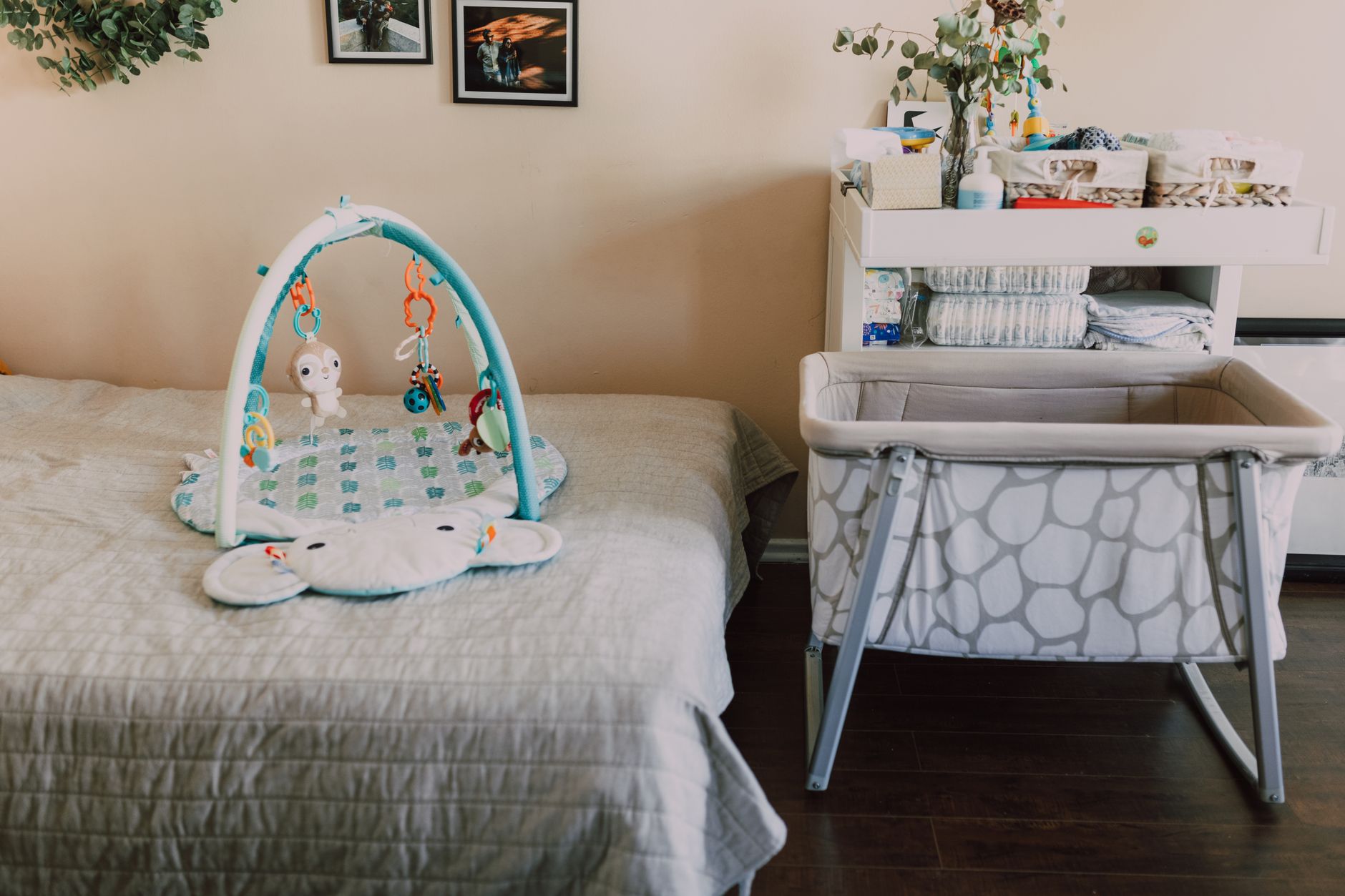
Implementing a no visitor rule for the first two weeks is crucial for new parents' recovery and bonding. Discover why this boundary benefits your family's
By Shubhra Mishra — a mom of two who turned her own confusion during pregnancy into BumpBites, a global mission to make food choices clear, safe, and stress-free for every expecting mother. 💛
Check whether any food is safe during pregnancy with the BumpBites Food Safety Checker.
Quick take: Implementing a "no visitor rule for the first two weeks" postpartum is a protective, empowering choice for new parents. This boundary allows vital time for maternal healing, newborn bonding, establishing feeding routines, and shielding your baby from germs, ultimately fostering a more peaceful and supported transition into parenthood. It's not selfish; it's essential self-care and baby care.
The early days and weeks after bringing a new baby home are a whirlwind — a beautiful, exhausting, and utterly transformative time. You're navigating sleepless nights, learning your newborn's cues, and recovering from childbirth, all while your hormones are doing a dramatic dance. In the midst of this intense period, the idea of hosting a parade of eager visitors can feel less like support and more like an added layer of stress.
If you're wondering whether it's okay to create a quiet, private cocoon for your new family, take a deep breath. Setting a "no visitor rule for the first two weeks" is becoming an increasingly popular and medically sound choice for modern parents. It’s a powerful way to prioritize your healing, your baby's health, and the invaluable bonding experience that lays the foundation for your family’s journey. This guide will walk you through why this boundary is so beneficial, how to communicate it effectively, and how to navigate any pushback with confidence and calm.
Why implement a no visitor rule for the first two weeks postpartum?
Bringing a newborn home is a monumental shift, often described as moving through a fog of love, exhaustion, and overwhelming new responsibilities. The rationale behind a `no visitor rule for the first two weeks` centers on creating a protected, uninterrupted space for the new family to heal, bond, and establish essential routines. It's about recognizing that the initial postpartum period is a unique and fragile time requiring special consideration.
For the birthing parent, postpartum recovery is a marathon, not a sprint. Whether you've had a vaginal birth or a C-section, your body is undergoing significant healing. This includes uterine involution (your uterus shrinking back to size), healing stitches from tears or surgical incisions, managing postpartum bleeding (lochia), and recovering from the sheer physical exertion of labor and delivery. Sleep deprivation is a given, making physical recovery even more challenging. Constant visitors, even well-meaning ones, can disrupt precious moments of rest, add to your mental load, and make it harder to focus on your own healing needs. One BumpBites reader shared, "With my first, everyone came to the hospital and then our home immediately. I felt like I was constantly 'on,' trying to entertain and be a good host, even though I was bleeding, sore, and hadn't slept in days. It really impacted my ability to just *be* with my baby."
Beyond physical healing, there's a profound emotional and psychological adjustment happening. You're learning to breastfeed or bottle-feed, decipher your baby's cries, and navigate the emotional rollercoaster of hormonal shifts. This is also a critical time for parents to bond with their newborn, an intimate process that thrives in quiet, uninterrupted moments. Skin-to-skin contact, gazing into your baby's eyes, and simply holding them close are foundational to attachment and can be hindered by the constant presence of others. The World Health Organization (WHO) emphasizes the importance of early and uninterrupted skin-to-skin contact for both maternal-infant bonding and successful breastfeeding.
Finally, and perhaps most crucially, a `no visitor rule for the first two weeks` significantly reduces your newborn's exposure to germs. A baby's immune system is incredibly delicate and still developing at birth. Even common colds, which might be a minor inconvenience for an adult, can be serious for a newborn, potentially leading to bronchiolitis, pneumonia, or even hospitalization. The Centers for Disease Control and Prevention (CDC) consistently advises protecting newborns from illness, especially during their first few months. Limiting visitors minimizes the risk of transmitting viruses like RSV, influenza, and the common cold, which can be devastating for tiny lungs. For more on what to expect physically during this time, you might find our article on your first period after pregnancy helpful, as it delves into the body's recovery process.
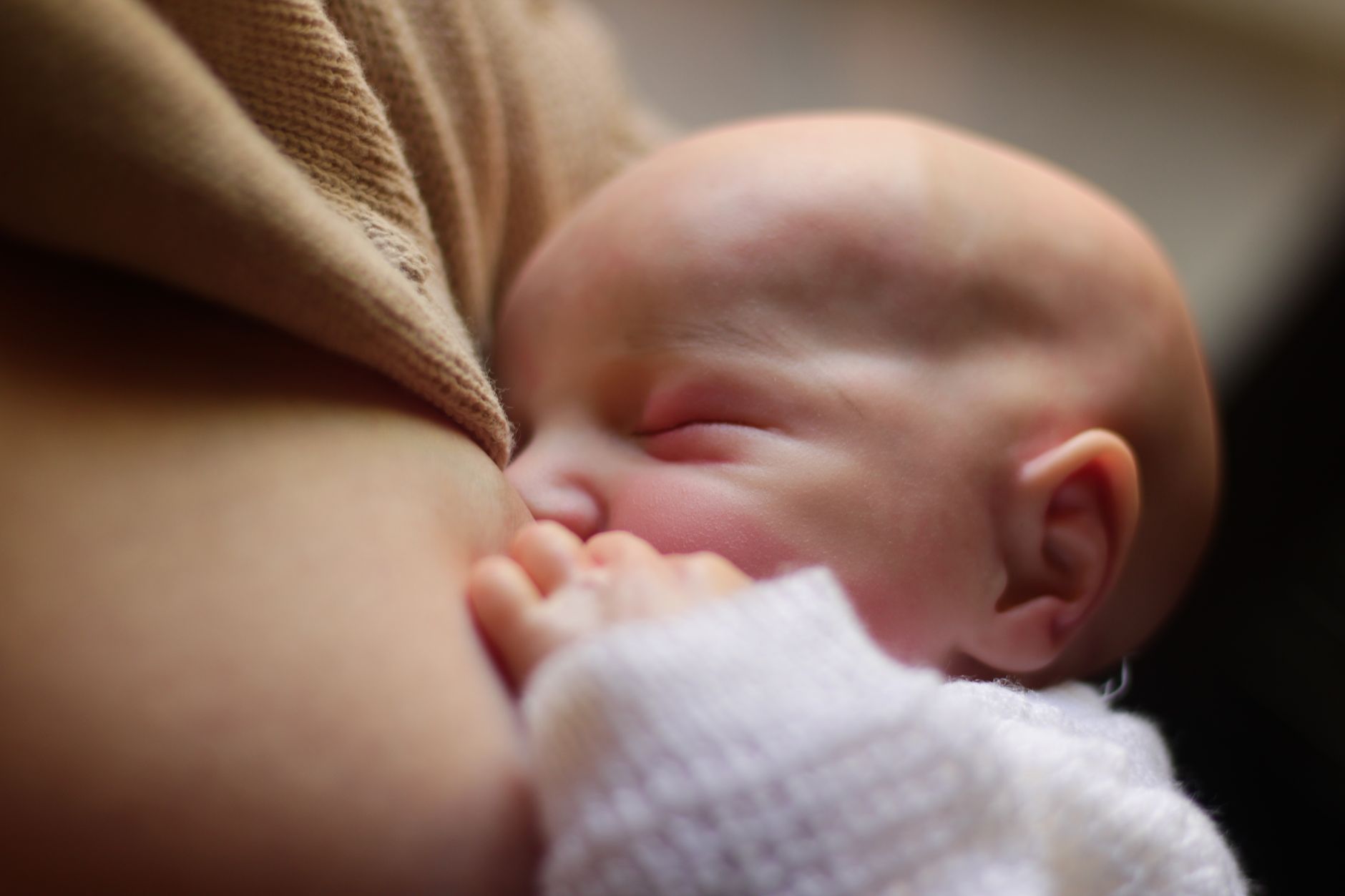
Creating a peaceful, private space for your newborn's first weeks can foster deeper bonding and reduce stress.
What are the health benefits for mom and baby of restricting visitors?
The
decision to restrict visitors in the initial postpartum period isn't just about personal preference; it's a strategic move to safeguard the health and well-being of both the birthing parent and the newborn. The benefits are far-reaching, impacting physical recovery, mental health, and immune system development.
Health Benefits for Mom
The postpartum period is often referred to as the "fourth trimester" for good reason. Your body is recovering from the immense physiological changes of pregnancy and childbirth.
* **Physical Healing:** Whether you've had a vaginal delivery or a C-section, significant healing is underway. Vaginal tears or episiotomies require time to heal, and a C-section involves recovery from major abdominal surgery. Rest is paramount for this process. Visitors often mean you feel compelled to get dressed, sit up, or entertain, which can hinder healing and increase discomfort. Uninterrupted rest allows your body to dedicate energy to repair and recovery.
* **Reduced Risk of Infection:** Postpartum, your body is more vulnerable to infection, especially around any surgical sites or tears. Fewer visitors mean fewer potential vectors for germs, helping to protect your healing body.
* **Mental and Emotional Well-being:** The hormonal fluctuations after birth are intense, often contributing to the "baby blues" and increasing the risk of postpartum depression (PPD) and anxiety (PPA). Constant social demands can exacerbate stress, anxiety, and feelings of overwhelm. A quiet environment allows you to process emotions, bond with your baby, and adjust to your new identity as a parent without external pressures. It provides space for genuine self-care, which is crucial for mental resilience.
* **Successful Breastfeeding Establishment:** For those who choose to breastfeed, the first few weeks are critical for establishing a good milk supply and latch. This often requires frequent, on-demand feeding, which can be challenging or uncomfortable to do in front of guests. Privacy allows for uninterrupted feeding sessions, learning your baby's hunger cues, and seeking help from a lactation consultant without feeling self-conscious.
Health Benefits for Baby
Newborns are incredibly delicate, and their immune systems are just beginning to develop. Protecting them from external threats is a primary concern for new parents.
* **Immune System Protection:** Newborns have immature immune systems and are highly susceptible to infections. Viruses like RSV (Respiratory Syncytial Virus), influenza, and even the common cold can lead to severe respiratory distress or hospitalization for a baby. Limiting visitors drastically reduces the number of potential germ carriers your baby is exposed to. The American Academy of Pediatrics (AAP) strongly recommends protecting newborns from anyone with symptoms of illness and ensuring all caregivers are up-to-date on vaccinations, especially for whooping cough (pertussis) and flu.
* **Reduced Overstimulation:** The world is brand new and overwhelming for a newborn. They are constantly adjusting to new sounds, lights, and sensations. Too many visitors, loud conversations, bright lights, and being passed around can easily overstimulate a baby, leading to fussiness, difficulty sleeping, and challenges with feeding. A calm, quiet environment helps your baby regulate their nervous system and promotes peaceful sleep and alert wake times.
* **Uninterrupted Bonding and Development:** The first weeks are crucial for parent-infant bonding. Uninterrupted time allows for essential skin-to-skin contact, eye gaze, and responsive caregiving, which are vital for a baby's emotional and neurological development. This quiet period helps both parents and baby tune into each other's rhythms and build a strong foundation of attachment.
Benefit Area
For Mom (Birthing Parent)
For Baby (Newborn)
Physical Health
Faster healing from childbirth (vaginal or C-section), reduced risk of infection, increased opportunity for rest.
Reduced exposure to germs (RSV, flu, cold), protection of developing immune system, lower risk of serious illness.
Mental/Emotional Health
Reduced stress and anxiety, space for emotional processing, lower risk of PPD/PPA, uninterrupted bonding with baby.
Reduced overstimulation, more regulated sleep patterns, stronger attachment and bonding with parents.
Feeding/Bonding
Privacy for establishing breastfeeding/bottle-feeding, learning baby's cues, greater confidence in new role.
Uninterrupted feeding sessions, more skin-to-skin contact, secure attachment, better sleep.
How to politely communicate your newborn visitor policy to family and friends
Communicating your `newborn visitor policy` clearly and kindly is key to a peaceful postpartum. It’s important to remember that most people are excited and mean well, so framing your message with warmth and gratitude, while remaining firm, is crucial.
When to Communicate Your Policy
Ideally, you should communicate your `newborn visitor policy` *before* the baby arrives. This gives everyone time to adjust their expectations and reduces the chance of last-minute misunderstandings or hurt feelings. You can share your plan during your pregnancy, perhaps in your third trimester, when people are naturally asking about your due date and making plans.
What to Say: Crafting Your Message
Your message should be:
* **Clear and direct:** No ambiguity.
* **United:** Ensure you and your partner are on the same page and present a united front.
* **Gracious:** Express gratitude for their excitement and support.
* **Reason-based:** Briefly explain *why* you're making this choice (health, bonding, recovery) without over-explaining or inviting debate.
Methods of Communication
Choose the method that feels most comfortable and effective for your relationships:
1. **Group Text or Email:** For a wider circle of friends and extended family, a group message is efficient.
* *Sample Script:* "We're so excited to welcome our little one soon! As we prepare for [Baby's Name/Our Baby]'s arrival, we've decided to create a quiet, private 'nesting' period for the first two weeks after birth. This time will be crucial for [Mom's Name]'s recovery, establishing feeding, and for us to bond as a new family. We appreciate your understanding and support in giving us this space. We'll be sure to share lots of photos and updates, and we can't wait for you all to meet [Baby's Name] after our initial recovery period! We'll reach out when we're ready for visitors."
2. **Social Media Post:** If you're active on social media, this can be a broad way to reach many people.
* *Sample Script:* "As we get closer to meeting our little one, we're planning for a quiet and sacred 'fourth trimester' at home. To prioritize [Mom's Name]'s recovery, our baby's health, and precious family bonding, we'll be having a no-visitor policy for the first two weeks after birth. We know everyone is excited, and we are so grateful for your love! We promise to share updates and photos, and we look forward to introducing our baby to you all when we're settled. Thank you for respecting our space during this special time!"
3. **Individual Conversations:** For very close family members (grandparents, siblings), a more personal phone call or in-person chat might be appropriate.
* *Sample Script:* "Mom/Dad/Sister, we wanted to let you know about our plan for after the baby arrives. We've decided that for the first two weeks, we'll be keeping things very quiet at home with no visitors. This is really important for [My Name]'s healing and for us to have uninterrupted time to bond with the baby and get into a routine. We know you're excited, and we are too, and we'd love to set up a video call during that time. We'll be in touch about visiting once we're settled."
Offering Alternatives and Future Plans
To soften the message and make people feel included, you can offer alternatives:
* **Virtual Visits:** Suggest video calls or FaceTime.
* **Photo Sharing:** Promise to send lots of pictures.
* **Meal Drop-offs (Contactless):** Encourage friends to drop off food on your porch instead of visiting.
* **Future Planning:** Give a general idea of when you'll be ready for visits (e.g., "after the first two weeks," "once we're past the one-month mark").
A BumpBites reader shared her success: "I sent a group text explaining our plan, and while a few people were a little disappointed, almost everyone completely understood and even offered to drop off food. It made a huge difference to not have to worry about managing visitors." Remember, this is about setting healthy boundaries, not alienating loved ones. Your true supporters will understand and respect your needs during this incredibly important time.
Dealing with family pushback: enforcing your no visitor rule after birth
Even with the clearest communication, you might encounter `family pushback` when `enforcing your no visitor rule after birth`. This can be emotionally challenging, as it often comes from people you love and who genuinely care about you and your baby. However, standing firm on your boundaries is a critical act of self-preservation and protecting your new family.
Anticipate Common Arguments
Understanding the typical reactions can help you prepare:
* **"But I'm family!":** This is often the most common and hardest to counter. The sentiment is that family has a special privilege.
* **"I just want to help!":** They might genuinely want to assist, but their presence could inadvertently add to your stress.
* **"You're being selfish/rude/excluding me!":** This is a guilt-tripping tactic.
* **"I promise I won't stay long/I'll be quiet/I won't touch the baby":** While well-intentioned, even a short visit requires energy from you.
* **"I visited you in the hospital/after *my* baby was born!":** Comparing your experience to theirs.
Strategies for Standing Firm
1. **Reiterate Your Reasons (Briefly):** You don't need to re-debate your decision, but a brief reminder of *why* can be helpful. "We know you're excited, and we love you, but this two-week period is essential for [my] recovery and for the baby's health and our bonding time. Our doctor also stressed the importance of limiting germ exposure for newborns."
2. **Enlist Your Partner:** Your partner is your frontline defense. They should be fully on board and prepared to communicate the boundary. It can be easier for a non-birthing partner to deliver the message, as they are not dealing with the same level of physical and emotional recovery. "My partner and I are a united front on this. We've decided as a family that this is what's best for us right now."
3. **Defer to Medical Advice:** This is often a powerful and difficult-to-argue-with reason. You can say, "Our pediatrician/OB-GYN strongly recommended limiting visitors for the first few weeks to protect the baby's developing immune system and ensure adequate rest for mom." This shifts the "blame" from you to a medical professional, which can diffuse some tension.
4. **Set Firm Boundaries with "When, Not If":** Frame visits as something that *will* happen, just not *now*. "We can't wait for you to meet the baby! We're planning to start having visitors around [specific date/after two weeks]. We'll reach out then to schedule a time."
5. **Use Coping Scripts:** Have a few phrases ready.
* *For Guilt-Tripping:* "I understand you're disappointed, and I'm truly sorry if this causes any hurt feelings. However, our priority right now has to be the health and well-being of our newborn and my recovery."
* *For "I just want to help!":* "We appreciate that so much! The best way you can help right now is by giving us this quiet time to adjust. Perhaps you could drop off a meal on the porch, or we can schedule a time for you to run an errand for us in a few weeks?"
* *When they show up unannounced:* "It's so lovely to see you, but we're really sticking to our quiet time right now. We'll be in touch when we're ready for visitors. Thanks for understanding!" (Do not let them in.)
Validate Their Feelings, Prioritize Yours
It's okay to acknowledge their excitement or disappointment. "I know you're so excited to meet your grandchild, and we are too for you to meet them!" Then pivot back to your boundary. Remember, your primary responsibility is to your new family unit. This period is finite, and protecting it will have long-lasting positive effects on your well-being and bonding. Setting these kinds of boundaries is a skill that will serve you well as your family grows, especially if you find yourself managing two under two!
Prioritizing uninterrupted bonding time with your newborn is a precious gift you give your new family.
Are there exceptions to the no visitor rule for newborns (e.g., grandparents)?
The `no visitor rule for newborns` is a guideline, not a rigid law, and it’s perfectly acceptable to consider `exceptions`. The key is to make these decisions based on your comfort level, your specific needs, and the individual circumstances of the potential visitor. Often, the question of `grandparents` arises, as their role is typically very central to a new family.
When to Consider Exceptions
You might consider exceptions if:
* **Essential Support:** A visitor (often a grandparent or close family member) is coming to provide *actual, hands-on support* rather than just to meet the baby. This might mean cooking meals, cleaning, doing laundry, or caring for older siblings, allowing you to rest and focus on the baby. This is different from a "visitor" who expects to be hosted.
* **Geographic Distance:** For family members who have traveled a significant distance and for whom another visit might not be feasible for months, a very limited, conditional visit might be considered.
* **Your Mental Health:** If you feel that a specific, trusted individual's presence would genuinely boost your spirits and reduce feelings of isolation, rather than add to your stress, it could be an exception.
* **Grandparents:** Many families choose to make an exception for the baby's grandparents. This is a personal decision and often depends on the relationship dynamic.
Setting Conditions for Exceptions
If you decide to make an exception, it's crucial to set very clear and non-negotiable conditions beforehand. Do not assume they will know or offer; communicate proactively.
1. **Health Screening:**
* **Vaccinations:** Insist that anyone visiting must be up-to-date on all recommended vaccines, especially the Tdap (whooping cough/pertussis) and flu shots. The CDC recommends this for anyone who will be around infants.
* **Symptom-Free:** Absolutely no one with any signs of illness (cough, sniffles, sore throat, fever, stomach upset) should visit. If they develop symptoms, the visit must be postponed.
* **Recent Exposure:** Ask if they've been recently exposed to anyone sick.
2. **Hygiene Protocols:**
* **Handwashing:** Insist on thorough handwashing with soap and water (or hand sanitizer if soap isn't available) immediately upon entering your home and before touching the baby.
* **No Kissing:** This is a firm rule for newborns. Viruses can easily be transmitted through saliva. "Please no kissing the baby's face or hands."
3. **Visit Duration and Interaction:**
* **Short Visits:** Keep visits brief, especially initially (e.g., 30-60 minutes).
* **Limited Holding:** You might specify that *you* will mostly hold the baby, or that the baby is only passed to one or two designated people.
* **No Passing Around:** Avoid the baby being passed from person to person, which increases germ exposure and overstimulation.
* **Focus on Help, Not Hosting:** Make it clear that their role is to help *you*, not for you to entertain them. "We'd love for you to come, but we'll need you to come prepared to help with [specific task] so I can rest/feed the baby."
4. **Your Comfort Level is Paramount:**
If at any point you feel uncomfortable, overwhelmed, or your baby seems overstimulated, you have every right to end the visit early or ask the person to step out. You don't need to apologize for prioritizing your family's needs.
A representative story from a BumpBites mom highlights this: "My mother-in-law was desperate to visit, and while I initially wanted a strict no-visitor rule, my husband convinced me to let her come for a few hours *if* she came prepared to clean and cook. She did, and it was a huge help. But the moment she started asking to hold the baby while I was trying to breastfeed, I gently reminded her of our boundary about feeding privacy, and she understood."
Making exceptions requires careful thought and clear communication. It's about finding a balance that supports your family without compromising the benefits of your initial quiet period.
Managing guilt and expectations when setting boundaries with newborn visitors
Setting boundaries, especially with loved ones who are excited about a new baby, can often trigger feelings of `guilt`. It's a common and completely understandable emotion, particularly for new parents who are already navigating a sea of new feelings and responsibilities. However, `managing guilt and expectations` is crucial for your mental well-being and for the peaceful postpartum period you deserve.
Acknowledge the Guilt, Then Reframe It
First, recognize that the guilt you feel is often a byproduct of societal expectations or deeply ingrained family dynamics. You might feel like you're letting people down, being "mean," or depriving someone of joy.
* **It's Not Selfish, It's Self-Preservation:** Reframe your decision. You are not being selfish; you are engaging in essential self-care and acting as the primary protector of your vulnerable newborn. Protecting your family’s physical and mental health is one of the most loving things you can do.
* **Prioritizing Needs vs. Wants:** Your needs (rest, healing, bonding) and your baby's needs (health, calm environment) outweigh the wants of others to visit immediately. This isn't a judgment on their intentions, but a clear hierarchy of priorities.
* **Temporary Boundary:** Remind yourself and others that this boundary is temporary. It’s not a permanent exclusion, but a short period to allow for a healthy start.
Understand and Manage Expectations (Yours and Theirs)
1. **Their Expectations:** Many people genuinely expect to visit a new baby right away. They may have done so in their own generation or their family, and they might not understand the modern emphasis on postpartum recovery and germ protection. They may also be projecting their own excitement or desire to help onto you.
* *Strategy:* Gently educate them. Explain the "why" behind your decision without being defensive. "We know this isn't how things were done in the past, but current medical advice strongly recommends limiting newborn exposure, and it's also vital for my recovery."
2. **Your Expectations:** You might also have internal expectations that are contributing to your guilt. Perhaps you feel like a "good host" should always welcome guests, or that you "should" be able to handle visitors.
* *Strategy:* Release these unrealistic expectations. Postpartum is not a time for hosting; it's a time for healing and bonding. You are not a bad friend or family member for prioritizing your family's well-being.
* *Challenge "Shoulds":* When you hear yourself thinking "I *should* let them visit," pause and ask, "Why should I? What is the actual benefit to *my* family right now?"
Focus on Long-Term Relationships
A temporary boundary, set with kindness and clear communication, is unlikely to damage truly loving, respectful relationships in the long run. Those who genuinely care about you will understand and appreciate your need for this time. If someone reacts with anger or resentment, it often reveals more about their own expectations and boundaries than it does about you.
A BumpBites reader shared her experience: "I felt so much guilt telling my mom she couldn't come for the first two weeks. I thought she'd be devastated. But after a tearful phone call where I explained how exhausted I was and how delicate the baby felt, she said, 'Sweetheart, I just want you to be okay.' It was a huge relief, and she sent me meal delivery instead. The guilt was mostly in my head."
Remember that setting boundaries is a sign of strength and self-respect. It teaches your children, by example, the importance of advocating for their own needs. This period of intense vulnerability demands that you put your family first, and there is absolutely no shame in that.
Practical tips for a peaceful postpartum period without constant visitors
Embracing a `peaceful postpartum period without constant visitors` goes beyond just setting boundaries; it involves proactive planning to ensure you have the support you need while maintaining your desired privacy. These `practical tips` can help you create a nurturing environment for recovery and bonding.
1. **Prepare Your Home Environment:**
* **Nesting & Stocking Up:** Before the baby arrives, stock your pantry and freezer with easy-to-prepare meals, snacks, and drinks. Think beyond the first few days; aim for a few weeks' worth.
* **"Stations" Around the House:** Set up changing stations, feeding stations, and recovery kits (for mom) in multiple rooms (e.g., bedroom, living room) so you don't have to move far to get what you need.
* **Dim Lighting & White Noise:** Create a calm atmosphere with dimmable lights and a white noise machine, which can help both you and baby sleep and feel more settled.
* **Pre-assign Chores:** If you have a partner, discuss and pre-assign household chores. Who will handle laundry? Who will manage dishes? Having a clear division of labor reduces friction during an already stressful time.
2. **Leverage Technology for Connection and Support:**
* **Video Calls:** Schedule specific times for video calls with eager family members. This allows them to "see" the baby without being physically present, and you can control the duration.
* **Photo Sharing Apps:** Create a private photo album or use an app like Tinybeans or FamilyAlbum to share updates and pictures regularly. This keeps loved ones feeling connected without demanding your immediate attention.
* **Meal Train:** Set up an online meal train (MealTrain.com or similar) and share the link with friends and family who want to help. Specify contactless delivery instructions (e.g., "please leave on the porch"). This is one of the most valuable forms of support.
3. **Accept Non-Physical Help:**
* **Errand Runners:** Ask trusted friends or family to run errands for you (grocery shopping, pharmacy pickups).
* **Gift Cards:** Suggest gift cards for food delivery, cleaning services, or even local coffee shops.
* **Outdoor Visits:** If someone absolutely insists on "seeing" the baby, suggest they drop by your porch for a wave from a distance, or offer to meet them for a very brief, masked walk around the block (if you and baby are up for it, after your initial two-week period). This satisfies their desire to see you while maintaining boundaries.
4. **Prioritize Rest, Nutrition, and Self-Care:**
* **"Sleep When the Baby Sleeps":** This cliché is true. Let go of laundry, dishes, and other tasks. Your priority is rest.
* **Hydrate and Nourish:** Keep water bottles handy and easy-to-eat, nutritious snacks within reach. Proper nutrition is vital for healing and milk production.
* **Daily Check-ins:** Take a moment each day to check in with yourself. How are you feeling physically and emotionally? Don't hesitate to reach out to your partner, a trusted friend, or a healthcare provider if you're struggling.
* **Delegate:** Even with a no-visitor rule, you'll still need support. Don't be afraid to delegate tasks to your partner or any agreed-upon essential support person. This is especially important if you're navigating outings with two under two later on, as planning ahead is always key.
5. **Create a "Sacred Space":**
* **Designate Quiet Zones:** Identify areas in your home where you can retreat with your baby for undisturbed feeding, snuggles, or rest.
* **Limit Screen Time:** While technology helps with connection, limit your own screen time to reduce mental clutter and be more present with your baby.
* **Embrace the Mess:** Let go of the need for a perfectly tidy home. Mess is normal with a newborn; peace of mind is more important.
By proactively planning and utilizing these tips, you can create a truly peaceful and restorative postpartum period that supports your family's unique needs, even without constant visitors.
Myth vs. Fact
Setting boundaries around newborn visitors often brings up common misconceptions. Let's clear the air.
* Myth: Restricting visitors is selfish and will make you feel isolated.
Fact: Prioritizing your family's health and well-being is not selfish; it's responsible and essential. While some women worry about isolation, a well-planned quiet period can actually reduce stress and enhance bonding, leading to a more positive postpartum experience. You can still connect with loved ones virtually or accept non-physical help.
* Myth: Grandparents (or other close family) have an inherent right to visit the newborn immediately.
Fact: While grandparents often have a deep desire to meet their grandchild, the ultimate decision about who visits and when rests solely with the new parents. This is your family, your home, and your baby. Respectful family members will understand and honor your boundaries, even if they're disappointed.
* Myth: You'll miss out on crucial support if you don't have visitors.
Fact: True support during the postpartum period comes in many forms, and not all of them require in-person visits. Practical help like meal drop-offs, grocery runs, or managing older siblings can be immensely valuable. Emotional support can be provided through phone calls or video chats. Prioritizing rest and bonding over hosting visitors can actually *enhance* the quality of support you receive by making it truly helpful rather than demanding.
Key Takeaways
A `no visitor rule for the first two weeks` postpartum is a valid and beneficial choice for new families.
This boundary protects the newborn's developing immune system from germs and reduces overstimulation.
It allows the birthing parent crucial time for physical healing, emotional adjustment, and establishing feeding routines.
Communicate your `newborn visitor policy` clearly and kindly before the baby's arrival, enlisting your partner's support.
Anticipate and prepare for `family pushback` by reiterating your reasons and, if necessary, deferring to medical advice.
It's okay to make `exceptions` for essential support people, but set firm conditions regarding health and hygiene.
`Managing guilt and expectations` involves reframing your decision as self-preservation and prioritizing your family's needs.
Embrace `practical tips` like meal trains, virtual connections, and accepting non-physical help for a peaceful postpartum.
Frequently asked questions
Is it OK to not have visitors after birth?
Absolutely, it is more than okay to not have visitors after birth. In fact, many medical professionals and parenting experts recommend it. The initial postpartum period is a critical time for the birthing parent's physical recovery, emotional adjustment, and for the entire new family to bond and establish routines. Protecting this precious time from external demands can lead to a healthier and more peaceful transition into parenthood.
How do you politely say no visitors after birth?
Politely saying no visitors after birth involves clear, kind, and firm communication. It's best to inform family and friends before the baby arrives, explaining that you're creating a quiet "nesting" period for healing, bonding, and protecting the baby's health. Offer alternatives like photo updates or video calls, and express gratitude for their understanding. Your partner should also be on board to present a united front.
How long should you wait to have visitors after birth?
The recommendation for how long to wait varies, but a "no visitor rule for the first two weeks" is a common and well-supported guideline. Some families extend this to a month or even longer, especially during flu season or if the baby was premature. The ideal duration is ultimately what feels right and most beneficial for your family's health and well-being.
How do you tell family not to visit after birth?
When telling family not to visit after birth, be direct yet empathetic. You can say, "We know you're excited, and we are too, but for the first two weeks, we'll be keeping things quiet at home to focus on my recovery and bonding with the baby. Our doctor also stressed the importance of limiting germ exposure for newborns." Offer to share photos and suggest a later date for a visit, emphasizing that you'll reach out when you're ready.
Is it rude to not let people see your newborn?
It is not rude to not let people see your newborn, especially during the initial postpartum period. Your primary responsibility is to your baby's health and your own recovery and well-being. While some people may be disappointed, a truly supportive network will respect your boundaries. Prioritizing your family's needs over societal expectations is an act of responsible parenting and self-care.
What is the 2 week rule for newborns?
The "2 week rule for newborns" refers to the practice of restricting visitors for the first two weeks after a baby's birth. This rule is implemented to protect the newborn's underdeveloped immune system from common illnesses, allow the birthing parent crucial time for physical and emotional recovery, and provide an uninterrupted period for the new family to bond, establish feeding routines, and adjust to life with a baby in a calm environment.
When to see a doctor / specialist
While a no-visitor rule supports a peaceful postpartum, it's crucial to know when to seek professional medical advice for yourself or your baby. This article provides general information and is not a substitute for personalized medical care.
**For Mom (Birthing Parent), call your OB/GYN or healthcare provider immediately if you experience:**
* Fever of 100.4°F (38°C) or higher
* Severe pain that doesn't improve with medication
* Heavy vaginal bleeding (soaking more than one pad an hour for several hours, or passing large clots)
* Signs of infection at an incision site (C-section) or tear (vaginal) such as redness, swelling, increasing pain, or pus
* Severe headache that doesn't go away, especially with vision changes
* Swelling, pain, or redness in one leg
* Chest pain or shortness of breath
* Feelings of sadness, anxiety, or hopelessness that are intense, prolonged, or interfere with your ability to care for your baby or yourself (possible postpartum depression or anxiety)
**For Baby, call your pediatrician immediately if your newborn experiences:**
* Fever of 100.4°F (38°C) or higher (rectal temperature)
* Difficulty breathing (flaring nostrils, grunting, rapid breathing, sucking in between ribs)
* Poor feeding (refusing to feed, not waking for feeds, significantly fewer wet or dirty diapers)
* Unusual lethargy or extreme irritability
* Changes in skin color (jaundice that worsens, bluish tint)
* Any signs of illness, such as persistent cough, vomiting, or diarrhea
Trust your instincts. If something feels off, always err on the side of caution and contact a medical professional.
References
World Health Organization (WHO). Newborn health.
Centers for Disease Control and Prevention (CDC). Protecting Babies from Infections.
American Academy of Pediatrics (AAP). Immunization Schedules.
The American College of Obstetricians and Gynecologists (ACOG). Postpartum Care.
Mayo Clinic. Postpartum care: What to expect after a vaginal delivery.
Mayo Clinic. Postpartum depression: Symptoms, causes, and treatment.
Not sure about the label on No Visitor Rule First Two Weeks products?
Snap the ingredients list and SafeFilter checks every ingredient for your stage — only 3 free scans this month, then you're locked until reset. Unlimited from $7/mo or $50/yr.
When Shubhra Mishra was expecting her first child in 2016, she was overwhelmed by conflicting food advice — one site said yes, another said never. By the time her second baby arrived in 2019, she realized millions of mothers face the same confusion.
That sparked a five-year journey through clinical nutrition papers, cultural diets, and expert conversations — all leading to BumpBites: a calm, compassionate space where science meets everyday motherhood.
Her long-term vision is to build a global community ensuring safe, supported, and free deliveriesfor every mother — because no woman should face pregnancy alone or uninformed. 🌿
🌍 Stand with mothers, shape safer guidance
Join a small circle of experts who review BumpBites articles so expecting parents everywhere can decide with confidence.